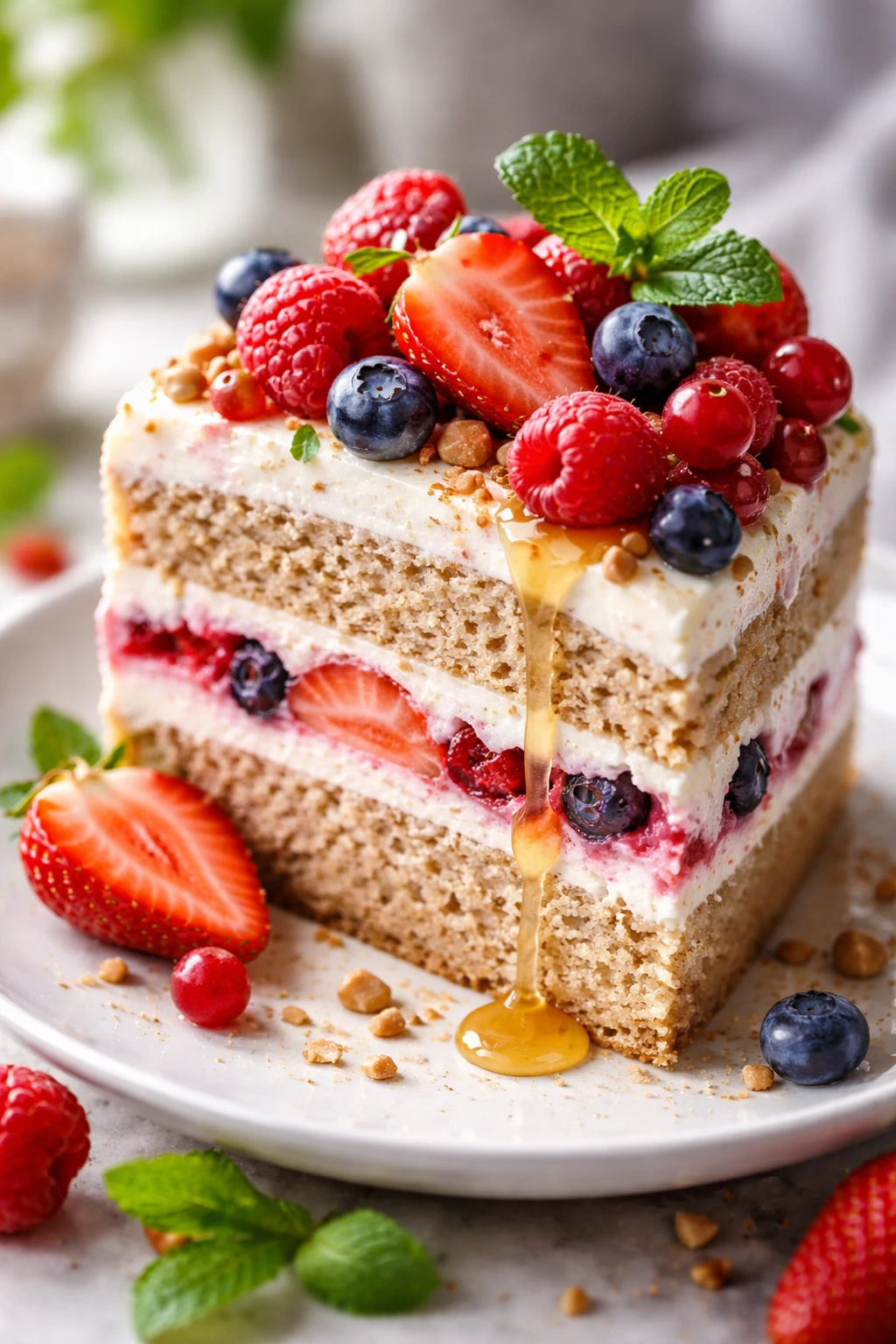
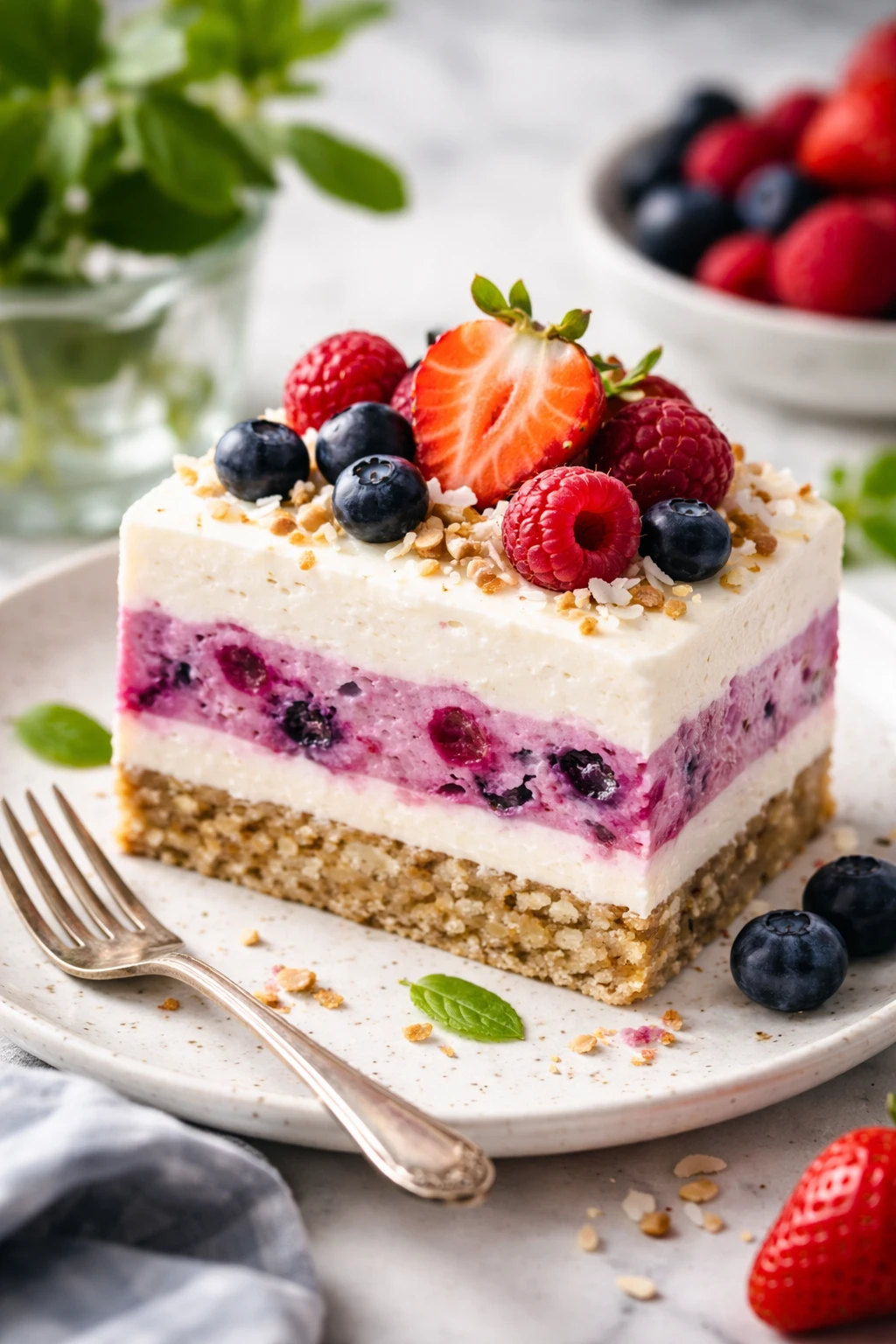
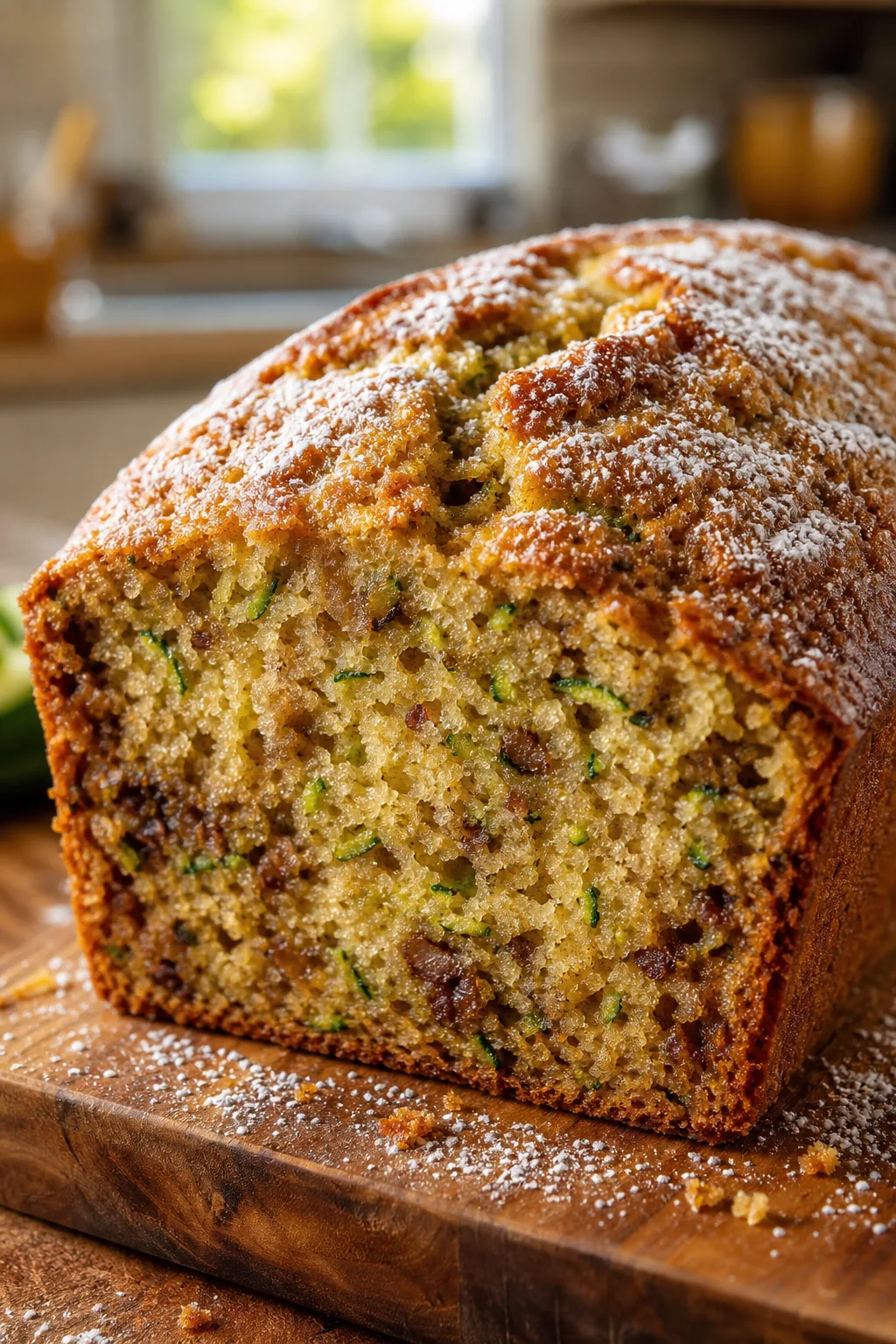
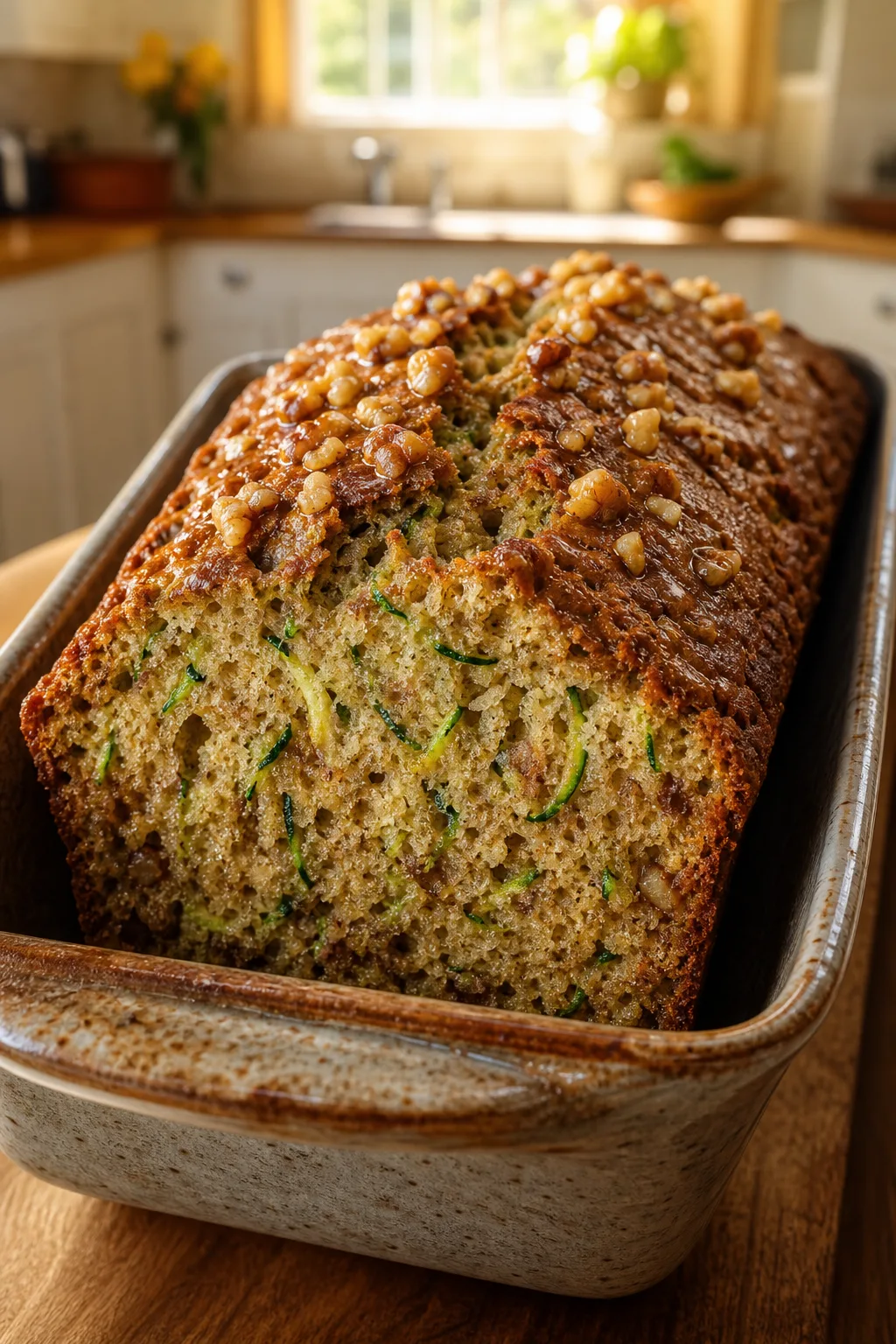
This almond flour cake is a delightful, guilt-free dessert that's both light and moist thanks to Greek yogurt. It’s perfect for afternoon tea or a weekend treat when you want something wholesome but satisfying.
Introduction
I first stumbled upon almond flour cakes when I was trying to cut back on refined carbs but still wanted something comforting and sweet. This recipe quickly became a favorite because it’s simple, naturally gluten-free, and the texture is just perfect—not dry or crumbly like some almond flour bakes I've tried before. What really makes this cake stand out is the Greek yogurt; it adds such a lovely moistness and a subtle tang that balances the sweetness beautifully. Plus, using honey or maple syrup instead of refined sugar gives it a natural sweetness that feels more wholesome. One trick I’ve learned is to gently fold the wet ingredients with the dry to keep the batter airy, which helps the cake rise nicely without getting dense. The finished cake is golden on the outside, soft and tender inside, with a light crumb that melts in your mouth. It’s perfect for a casual afternoon tea or even a simple weekend dessert, and my family always asks for seconds. Honestly, it’s a recipe I keep coming back to whenever I want that cozy, homemade feel without any guilt.
What You'll Need
One 8-inch round cake, 8 servings
- 2 cups almond flour, finely ground
- 1/2 teaspoon baking soda
- 1/4 teaspoon salt
- 3 large eggs, room temperature
- 1/2 cup Greek yogurt, full fat
- 1/3 cup honey or maple syrup
- 1 teaspoon vanilla extract
- 2 tablespoons melted coconut oil
- Optional: zest of 1 lemon or orange for extra flavor
How To Do It
Step 1
Preheat your oven to 350°F (175°C) and grease an 8-inch round cake pan or line it with parchment paper. This ensures the cake won’t stick and will come out cleanly, preserving its delicate texture. Properly prepping your pan is key because almond flour cakes are naturally more delicate than traditional wheat flour cakes, so you want a smooth release.
⏱ Time: 10
✓ Doneness: Pan is evenly greased or parchment paper is firmly fitted with no wrinkles
Step 2
In a medium bowl, whisk together the almond flour, baking soda, and salt. This step evenly distributes the leavening agent and salt, which helps the cake rise uniformly and enhances flavor. Make sure there are no lumps in the almond flour as that can cause uneven texture in the cake.
⏱ Time: 5
✓ Doneness: Dry ingredients are well combined with no clumps
Step 3
In a separate large bowl, beat the eggs with the Greek yogurt, honey or maple syrup, vanilla extract, and melted coconut oil until smooth and creamy. Combining these wet ingredients thoroughly helps incorporate air, which is essential for a light crumb. The coconut oil adds moisture and a subtle richness that complements the almond flour.
⏱ Time: 5
✓ Doneness: Wet mixture is smooth, pale, and slightly fluffy
Step 4
Slowly fold the dry ingredients into the wet mixture using a spatula. Be gentle to avoid deflating the batter, which could make the cake dense. Folding instead of stirring vigorously keeps the texture light and airy. Stop as soon as the flour disappears; overmixing can cause a tough cake.
⏱ Time: 5
✓ Doneness: Batter is homogenous with no streaks of flour visible
Step 5
If using, fold in the citrus zest now for a fresh, bright flavor that cuts through the richness. This optional step adds a lovely aromatic touch that elevates the cake beyond basic almond and yogurt flavors.
⏱ Time: 2
✓ Doneness: Zest is evenly distributed throughout the batter
Step 6
Pour the batter into your prepared pan and smooth the top with a spatula. Even spreading ensures the cake bakes uniformly. Tap the pan gently on the counter to release any large air bubbles, which can cause uneven holes in the crumb.
⏱ Time: 3
✓ Doneness: Batter is evenly spread and surface is smooth
Step 7
Bake for 25-30 minutes, checking at 25 minutes with a toothpick inserted in the center. The cake is done when the toothpick comes out clean or with a few moist crumbs. Baking too long will dry the cake out, so keep a close eye during the last 5 minutes.
⏱ Time: 25
✓ Doneness: Toothpick inserted in center comes out clean or with moist crumbs
Step 8
Allow the cake to cool in the pan for 10 minutes before transferring to a wire rack. Cooling slightly helps it firm up and makes it easier to remove without breaking. Don’t skip this step because warm almond flour cakes can be fragile.
⏱ Time: 10
✓ Doneness: Cake edges start to pull away from the pan and surface feels set
Step 9
Once completely cool, slice and serve as is or with a dollop of fresh yogurt or berries. The cake’s moist texture and subtle sweetness pair beautifully with fresh toppings. Enjoy fresh or store for later.
⏱ Time: 0
✓ Doneness: Cake is fully cooled and holds shape when sliced
Pro Tips
Let your eggs come to room temperature before mixing.
Room temperature eggs blend more easily with other ingredients, helping to create a smooth batter that traps air better. Cold eggs can cause the batter to seize or curdle, which impacts the cake’s rise and texture.
Don’t overmix your batter after adding the dry ingredients.
Overmixing can deflate the air bubbles you’ve incorporated, leading to a denser cake. With almond flour, it can also break down the delicate fat structure, resulting in a gummy texture.
Use fresh baking soda and measure it precisely.
Baking soda loses potency over time, which affects leavening. Too little won’t lift the cake, and too much can cause a bitter taste. Accurate measuring ensures a balanced reaction with the yogurt’s acidity.
Cool the cake fully before slicing.
Almond flour cakes are more fragile when warm. Cooling allows the crumb to set properly so slices hold their shape and the texture feels just right.
Add citrus zest for a bright flavor contrast.
Zest contains essential oils that enhance aroma and flavor complexity, cutting through the cake’s richness and making each bite more interesting.
Tap the cake pan gently before baking.
This releases large air bubbles that could create holes or tunnels in the cake, ensuring a uniform crumb and a smooth top.
Use parchment paper to line your pan.
It helps prevent sticking without the need for excessive greasing, which can affect the cake’s texture and appearance.
Common Mistakes to Avoid
Using old or inactive baking soda
Why it happens People often overlook ingredient freshness, assuming baking soda lasts forever. Using old baking soda means no proper rise, leading to a dense cake.
Fix Test baking soda by mixing a small amount with vinegar before baking. If it fizzes actively, it’s fresh. Otherwise, replace it to ensure your cake rises well.
Overmixing the batter after adding dry ingredients
Why it happens Many think thorough mixing is always good, but with almond flour, it breaks down the fat and deflates air bubbles.
Fix Fold the dry ingredients gently into the wet just until combined. Stop as soon as you see no more flour streaks.
Skipping room temperature eggs
Why it happens Rushing to bake often leads to using cold eggs straight from the fridge, which don’t blend smoothly.
Fix Take eggs out 30 minutes before baking or warm them gently in a bowl of warm water to improve batter texture.
Not greasing or lining the pan properly
Why it happens Some assume almond flour cakes release easily, but their delicate texture can stick to pans.
Fix Always grease the pan well and line with parchment paper to ensure easy removal and keep the cake intact.
Baking too long or at too high temperature
Why it happens Overbaking dries out almond flour cakes quickly since they lack gluten to retain moisture.
Fix Keep a close eye during the last 5 minutes of baking and test doneness with a toothpick. Remove immediately once done.
Variations
Berry Almond Cake
Fold in 1 cup of fresh or frozen berries like blueberries or raspberries into the batter before baking. This adds juicy bursts of flavor and a lovely color contrast, making the cake feel more festive and fresh.
Note: If using frozen berries, toss them in a little almond flour first to prevent sinking. Be gentle folding to avoid breaking berries and staining the batter too much.
Chocolate Almond Cake
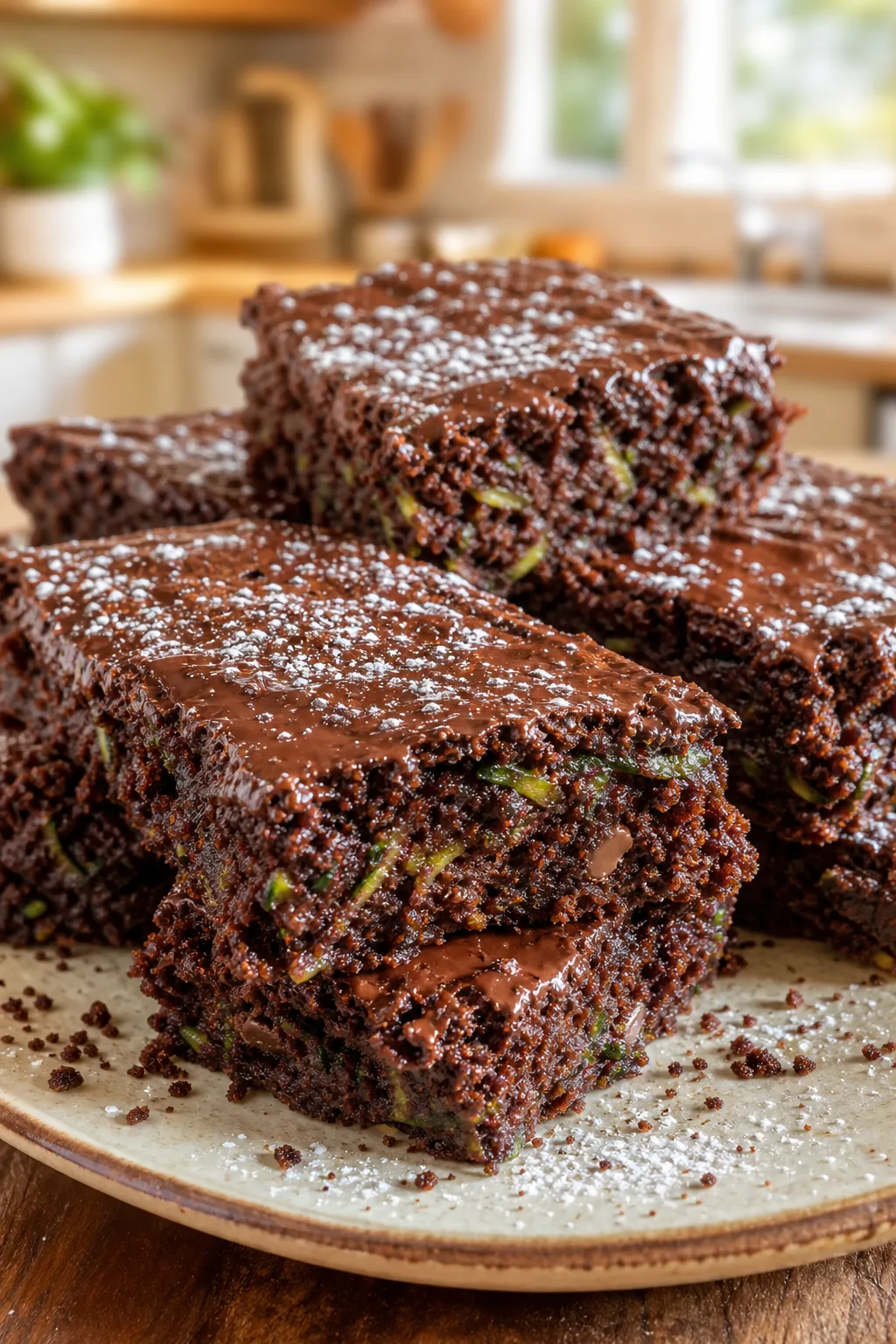
Add 1/4 cup unsweetened cocoa powder to the dry ingredients and sprinkle chocolate chips on top before baking for a rich, chocolatey twist that pairs perfectly with the moist almond base.
Note: Reduce almond flour by the same amount as cocoa powder to keep dry ingredient balance. Watch baking time closely as cocoa can darken the cake.
Spiced Almond Cake
Add 1 teaspoon cinnamon and 1/4 teaspoon nutmeg to the dry ingredients for a warm, cozy flavor profile that’s perfect for fall or winter occasions.
Note: Spices don’t affect texture but enhance aroma. Ensure even mixing to avoid clumps.
Lemon Poppy Seed Almond Cake
Mix in 2 teaspoons poppy seeds and increase lemon zest to 2 teaspoons for a bright, crunchy texture and fresh citrus flavor that’s so refreshing and unique.
Note: Poppy seeds add crunch without changing baking time. Be sure to fold evenly.
Dairy-Free Almond Cake
Substitute Greek yogurt with coconut yogurt and replace coconut oil with melted vegan butter or olive oil for a dairy-free version that retains moistness and flavor.
Note: Texture may be slightly different—expect a bit more crumbly cake but still moist and tasty.
Nutrition
Per Serving:
Nutritional values are estimates and may vary based on specific ingredients used.
Storage & Tips
Room Temperature
Store the cooled cake covered loosely with a cake dome or plastic wrap at room temperature for up to 2 days. Avoid direct sunlight or heat to prevent drying out.
Refrigerator
Keep in an airtight container for up to 5 days. The cake may firm up and taste denser when cold; bring it to room temperature or warm slightly before serving to restore softness.
Freezer
Wrap the cooled cake tightly in plastic wrap and foil, then freeze for up to 3 months. Thaw overnight in the fridge or at room temperature. To refresh texture after thawing, warm slices gently in the oven for a few minutes.
Reheating
Warm slices in a 300°F oven for 5-8 minutes or microwave for 15-20 seconds with a damp paper towel to keep moist. Avoid overheating which can dry the cake.
Make Ahead
You can bake the cake a day ahead and store it wrapped tightly at room temperature or refrigerated. Add any fresh toppings or glazes just before serving for best texture and flavor.
FAQ
Can I substitute almond flour with another flour?
Almond flour is key for the moist, tender texture and nutty flavor. Substituting with other gluten-free flours like coconut flour will change the texture drastically and require recipe adjustments. If you must substitute, use a gluten-free blend but expect a different crumb and possibly drier results.
What if I don’t have Greek yogurt?
You can substitute Greek yogurt with sour cream or buttermilk in equal amounts. These provide similar acidity and moisture, helping the cake rise and stay tender. Avoid plain yogurt without straining, as it’s thinner and can affect batter consistency.
Why is my cake dense or heavy?
Common reasons include overmixing the batter, using cold eggs, or old baking soda. Overmixing deflates air bubbles, cold eggs don’t incorporate well, and inactive baking soda reduces rise. Follow the folding technique carefully and check ingredient freshness.
Can I make this cake vegan?
This recipe relies on eggs and dairy for structure and moisture, so it’s tricky to make fully vegan without significant changes. Aquafaba can replace eggs but may alter texture. Using coconut yogurt and a flax egg might work but expect a denser cake.
How do I store leftover cake?
Store leftover cake in an airtight container at room temperature for 2 days or in the fridge up to 5 days. Freezing is great for longer storage; wrap tightly to avoid freezer burn and thaw gently before serving.
Can I add fruit or nuts to the batter?
Yes! Fresh berries, chopped nuts, or dried fruit can be folded in. Just be gentle when mixing to avoid breaking berries or overloading the batter, which can affect rising and texture.
What’s the best way to test if the cake is done?
Insert a toothpick into the center. It should come out clean or with a few moist crumbs but no wet batter. This ensures the cake is baked through but still moist inside.
Why does the cake sometimes stick to the pan?
Because almond flour cakes are delicate, insufficient greasing or no parchment lining can cause sticking. Always grease thoroughly and line pans with parchment paper for easy release.
Final Thoughts
I hope you enjoy baking and sharing this almond flour cake as much as I do. It’s a simple, healthy treat that feels special every time—give it a try and let me know how it turns out!