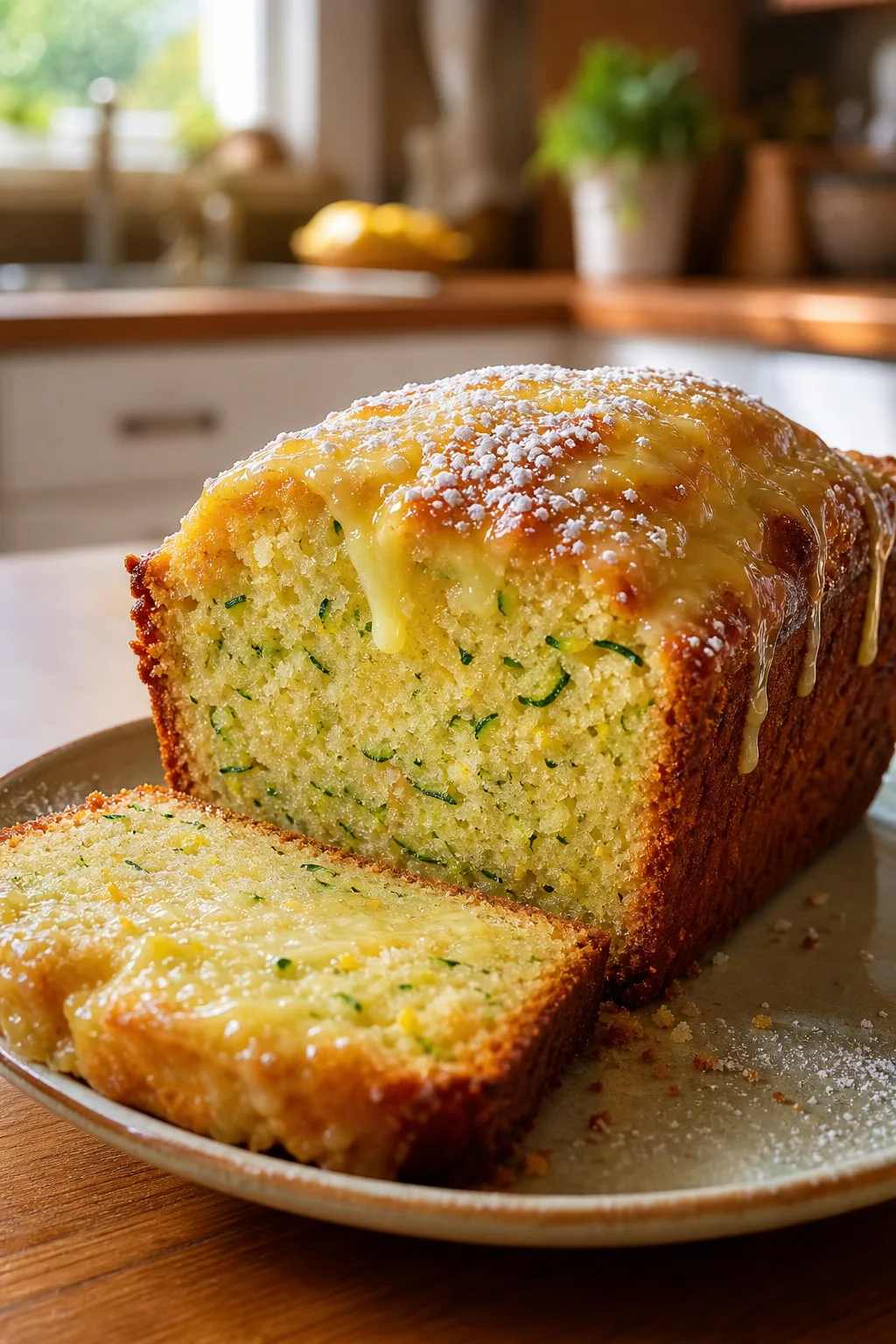
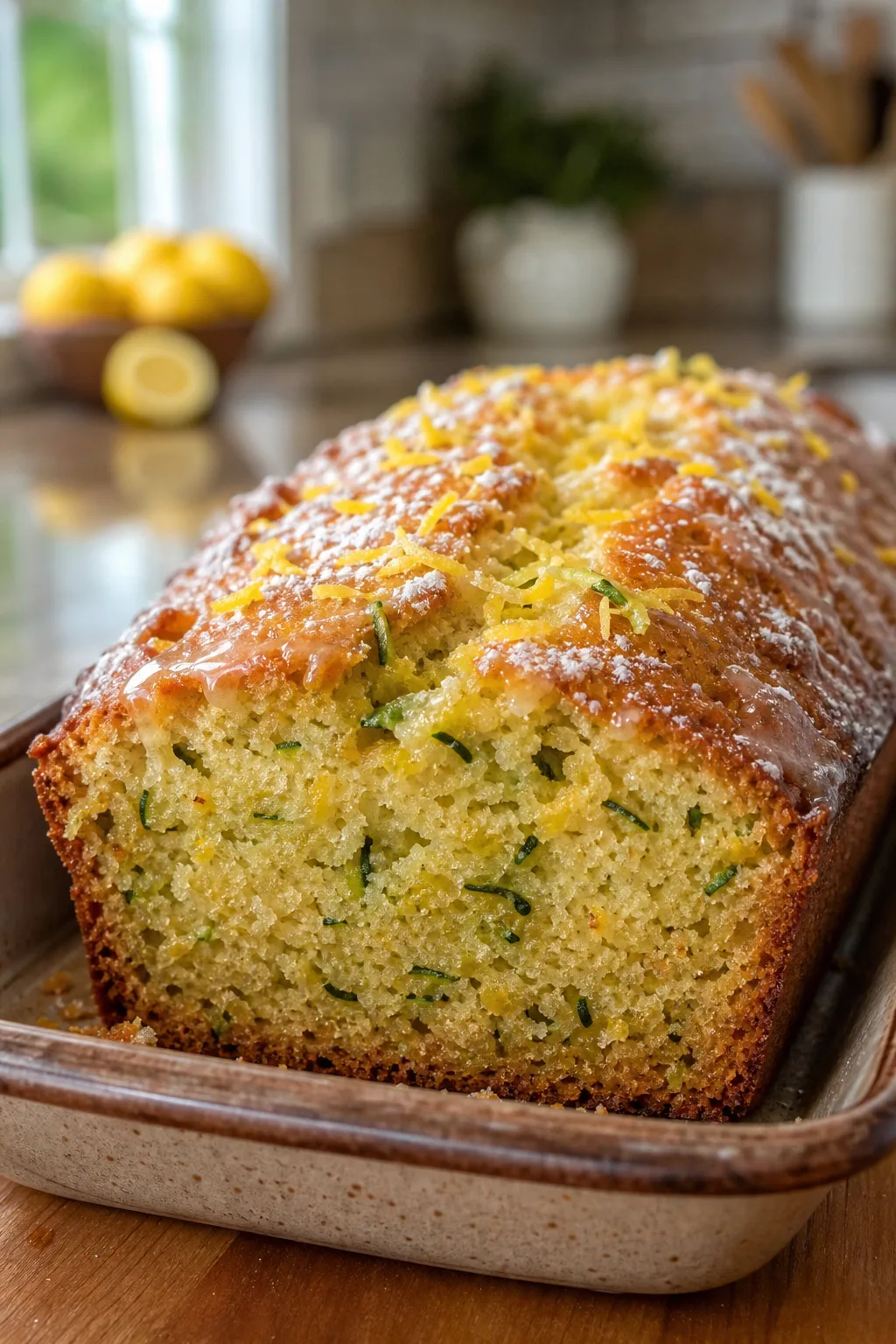
This lemon zucchini bread is a fresh take on a classic loaf, bursting with juicy zucchini and zesty lemon flavor. It stays moist and tender thanks to a simple glaze that gives it a tangy finish. Great for breakfast or a cozy snack!
Introduction
I first stumbled upon this lemon zucchini bread recipe a few summers ago when I had a bounty of zucchini from my garden and a craving for something bright and fresh. Typical zucchini bread is cozy and sweet, but adding lemon zest and juice gives it a lively twist that instantly lifts the flavors. Over time, I tweaked the balance of sugar and lemon to keep it moist but not too tart — the glaze on top is my favorite finishing touch because it adds just the right tangy sweetness that contrasts the tender crumb. One trick I learned is to grate the zucchini finely and squeeze out excess moisture; this keeps the bread from getting soggy but still super tender. When this loaf comes out of the oven, it smells like a little slice of sunshine, with a golden crust and soft interior that’s perfect for breakfast or an afternoon pick-me-up. I love serving it with a cup of tea or coffee and watching my family’s faces light up. It’s a simple recipe but one that feels special every time.
What You'll Need
1 loaf, approximately 8 servings
- 1 1/2 cups all-purpose flour
- 1 teaspoon baking soda
- 1/2 teaspoon salt
- 1 teaspoon ground cinnamon
- 1/4 teaspoon ground nutmeg
- 1 cup granulated sugar
- 2 large eggs
- 1/2 cup vegetable oil
- 1 teaspoon vanilla extract
- 1 cup grated zucchini (about 1 medium zucchini)
- Zest of 1 lemon
- Juice of 1 lemon
- For the glaze: 1/2 cup powdered sugar, 1 tablespoon lemon juice
How To Do It
Step 1
Start by preheating your oven to 350°F (175°C) and greasing a standard 9x5-inch loaf pan. This ensures your bread won’t stick and will have a nice even crust. Greasing the pan well also helps with easy removal after baking. Avoid rushing this step because a poorly greased pan can cause the bread to tear or stick when you try to slice it.
⏱ Time: 10 minutes
✓ Doneness: Pan is fully coated with no dry spots visible
Step 2
In a medium bowl, whisk together the flour, baking soda, salt, cinnamon, and nutmeg. Mixing the dry ingredients first helps distribute the leavening and spices evenly throughout the batter, which is key for consistent flavor and rise. Be sure not to skip sifting or whisking to avoid clumps and dense spots.
⏱ Time: 5 minutes
✓ Doneness: Dry ingredients are well combined and uniform in color
Step 3
Grate the zucchini finely using a box grater and then place it in a clean kitchen towel or cheesecloth. Squeeze firmly to remove excess moisture but don’t dry it out completely—this keeps the bread moist without making it soggy. Too much water can weigh down the batter and prevent proper rising.
⏱ Time: 5 minutes
✓ Doneness: Zucchini feels damp but not dripping wet
Step 4
In a large mixing bowl, beat the eggs with the sugar until the mixture is smooth and slightly pale. This aerates the eggs and sugar, helping to give the bread a lighter texture. You can use a hand mixer or whisk by hand, but be sure not to overbeat or the batter can become too dense.
⏱ Time: 3 minutes
✓ Doneness: Sugar is mostly dissolved and mixture looks creamy
Step 5
Slowly add the vegetable oil and vanilla extract to the egg mixture while stirring gently. The oil adds moisture and richness, while vanilla enhances the overall flavor. Stir just until combined to avoid developing gluten in the flour later, which can make the bread tough.
⏱ Time: 2 minutes
✓ Doneness: Wet ingredients are fully incorporated and glossy
Step 6
Fold the dry ingredients into the wet ingredients in batches, mixing gently but thoroughly after each addition. Overmixing can cause the bread to become dense and chewy, so fold until you no longer see streaks of flour. Then fold in the grated zucchini and lemon zest evenly throughout the batter for bursts of freshness.
⏱ Time: 5 minutes
✓ Doneness: Batter is uniformly mixed without dry pockets
Step 7
Pour the batter into the prepared loaf pan and smooth the top with a spatula. This helps the bread bake evenly and develop a nice crust. Tap the pan gently on the counter to release any large air bubbles that might cause holes in the crumb.
⏱ Time: 3 minutes
✓ Doneness: Surface is smooth and even with no large bubbles
Step 8
Bake in the preheated oven for 45-50 minutes until a toothpick inserted in the center comes out clean or with just a few moist crumbs. Baking at the right temperature allows the bread to cook through without drying out. If it browns too fast, tent loosely with foil halfway through baking.
⏱ Time: 45-50 minutes
✓ Doneness: Toothpick test shows no wet batter, crust is golden brown
Step 9
While the bread cools in the pan for 10 minutes, whisk together the powdered sugar and lemon juice to make the glaze. Drizzle it over the warm loaf to soak in slightly, adding a tangy brightness that complements the zucchini and spices. This glaze keeps the bread moist and adds a pretty glossy finish.
⏱ Time: 10 minutes
✓ Doneness: Glaze is smooth, shiny, and slightly set on the bread
Pro Tips
Always squeeze out excess moisture from the grated zucchini before adding it to the batter.
Removing excess water prevents the batter from becoming too wet, which can cause the bread to be gummy or not cook through properly. The zucchini still adds moisture and tenderness, but controlling water content ensures a balanced crumb and prevents a soggy loaf.
Use fresh lemon zest and juice instead of bottled lemon products.
Fresh lemon zest contains essential oils that provide vibrant aroma and flavor, while fresh juice adds the right acidity for baking soda to react with. Bottled lemon juice often tastes flat or artificial and can alter the rise and flavor of the bread.
Don’t overmix the batter once you add the flour mixture.
Overmixing develops gluten in the flour, which can make the bread dense and tough. Gently folding the ingredients until just combined keeps the bread tender and light while ensuring even distribution of zucchini and lemon zest.
Bake at 350°F and tent with foil if the crust browns too quickly.
This moderate temperature allows the bread to cook evenly and develop a golden crust without drying out the interior. Tenting with foil prevents excessive browning while the middle finishes baking, resulting in a moist crumb and perfect crust.
Let the bread cool partially before glazing.
Applying the glaze while the bread is warm helps it soak in slightly, adding moisture and flavor. If the bread is too hot, the glaze will run off; if too cool, it won’t absorb and might just sit on top, missing the chance to enhance texture and taste.
Use a toothpick to check doneness rather than relying solely on baking time.
Ovens vary, so checking with a toothpick ensures the bread is cooked through without overbaking. A clean toothpick or one with a few moist crumbs means the bread is perfectly done, while wet batter indicates it needs more time.
Grate zucchini finely for better integration and texture.
Fine grating allows the zucchini to blend seamlessly into the batter, providing moisture and subtle texture without large chunks that can make the bread uneven. This technique improves crumb softness and overall mouthfeel.
Common Mistakes to Avoid
Not squeezing out enough water from the zucchini
Why it happens Many assume that all moisture is needed for tenderness and skip this step, thinking it will keep the bread moist.
Fix After grating, place zucchini in a clean towel and squeeze firmly to remove excess liquid. This prevents the batter from becoming too wet, which can make the bread dense or soggy. Retain some moisture for tenderness but avoid dripping wet zucchini.
Overmixing the batter after adding dry ingredients
Why it happens In a rush to combine everything, it's common to stir vigorously to get rid of lumps.
Fix Fold the flour mixture gently into the wet ingredients just until no visible flour remains. Overmixing develops gluten, resulting in a tougher, less tender loaf.
Using old baking soda
Why it happens Baking soda is often forgotten in the pantry and loses potency over time.
Fix Test baking soda by adding a little vinegar; it should fizz vigorously if fresh. Replace if no reaction occurs to ensure proper rise and texture in your bread.
Not preheating the oven fully before baking
Why it happens Sometimes you put the batter in too soon, thinking the oven will heat quickly.
Fix Always preheat your oven to 350°F before placing the loaf inside. A cold oven can cause uneven baking and poor rise.
Skipping the glaze or adding it too late
Why it happens Some think glaze is optional or forget to add it while the bread is warm.
Fix Make the glaze and drizzle it over the bread within 10 minutes of baking out of the oven to lock in moisture and add flavor contrast.
Variations
Gluten-Free Lemon Zucchini Bread
Swap the all-purpose flour for a gluten-free blend that includes xanthan gum. This keeps the bread tender and moist while accommodating gluten sensitivities. Expect a slightly different crumb texture but still delicious and bright.
Note: Gluten-free flours absorb moisture differently; you may need to adjust wet ingredients slightly to maintain batter consistency.
Add Poppy Seeds for Crunch and Visual Appeal
Mix 1-2 tablespoons of poppy seeds into the batter for a subtle crunch and pretty speckled look. The seeds add a nutty flavor that pairs beautifully with lemon and zucchini.
Note: Poppy seeds don’t affect baking chemistry much but distribute evenly to avoid clumping.
Swap Lemon for Orange Zest and Juice
Use fresh orange zest and juice instead of lemon for a sweeter, less tangy flavor profile. This variation is great if you prefer a mellower citrus note or want a seasonal twist.
Note: Orange juice is less acidic, so the bread might rise slightly less; ensure baking soda freshness.
Add Chopped Walnuts or Pecans
Fold in 1/2 cup chopped nuts for added texture and a toasty flavor contrast. Nuts complement the moist bread and make it extra satisfying as a snack or breakfast treat.
Note: Toast nuts lightly before adding to enhance flavor and prevent them from absorbing too much moisture.
Make Mini Muffins Instead of Loaf
Pour batter into a greased or lined muffin tin for smaller, portable lemon zucchini muffins. Bake at the same temperature but reduce baking time to about 20-25 minutes.
Note: Keep an eye on muffins as they bake faster; test with a toothpick for doneness.
Nutrition
Per Serving:
Nutritional values are estimates and may vary based on specific ingredients used.
Storage & Tips
Room Temperature
This bread keeps well at room temperature for up to 2 days when wrapped tightly in plastic wrap or stored in an airtight container. Keep it away from direct sunlight or heat to prevent drying out.
Refrigerator
Store leftover bread in an airtight container in the fridge for up to 5 days. The texture may firm up slightly when chilled; bring to room temperature or warm gently before serving for best taste.
Freezer
Wrap the cooled bread tightly in plastic wrap and then in foil or a freezer-safe bag. Freeze for up to 3 months. To thaw, place in the fridge overnight or leave at room temperature for a few hours. Warm in the oven to refresh texture.
Reheating
Reheat slices in a toaster oven or conventional oven at 325°F for 5-7 minutes until warmed through. Avoid microwaving for long periods as it can make the bread rubbery. Adding a tiny splash of water to the bread before reheating helps retain moisture.
Make Ahead
You can grate the zucchini and prepare the dry ingredients 1-2 days ahead, storing them separately in the fridge and airtight containers. Mix wet ingredients and assemble the batter just before baking for the freshest loaf.
FAQ
Can I use frozen zucchini for this bread?
Yes, but thaw and drain frozen zucchini very well before using to avoid excess moisture that can make the bread soggy. Squeeze out as much liquid as possible with a clean towel before adding it to the batter.
What if I don’t have fresh lemons?
Fresh lemon zest and juice are ideal for bright flavor and proper chemical reactions with baking soda. If you must use bottled lemon juice, add a bit less and consider adding a touch of lemon extract to boost flavor, but the bread won’t be quite as fresh-tasting.
Why is my bread dense and heavy?
Common causes include overmixing the batter, too much moisture from zucchini, or expired baking soda. Make sure to fold gently, squeeze out zucchini moisture, and use fresh leavening.
Can I substitute butter for oil?
Butter can be used but it will make the bread firmer and less moist since it solidifies when cooled. Melted butter can be substituted 1:1 but expect a slightly different texture and flavor.
How do I store leftover bread?
Wrap tightly in plastic wrap or store in an airtight container at room temperature for 2 days or in the fridge for up to 5 days. For longer storage, freeze wrapped well for up to 3 months.
Can I make this bread vegan?
You can substitute eggs with flax eggs (1 tbsp ground flaxseed + 3 tbsp water per egg) and use a neutral oil. The texture may be slightly different but still delicious.
What’s the best way to grate zucchini?
Use the fine side of a box grater for even texture that blends well into the batter. Avoid large chunks which can create uneven moisture pockets.
Why do I need to preheat the oven?
Preheating ensures the bread starts baking at the right temperature for proper rise and even cooking. Putting batter into a cold oven can lead to dense, undercooked bread.
Final Thoughts
I hope you give this lemon zucchini bread a try soon—it’s one of my favorite ways to brighten up snack time or breakfast. Let me know how it turns out and if it becomes a staple in your kitchen too!