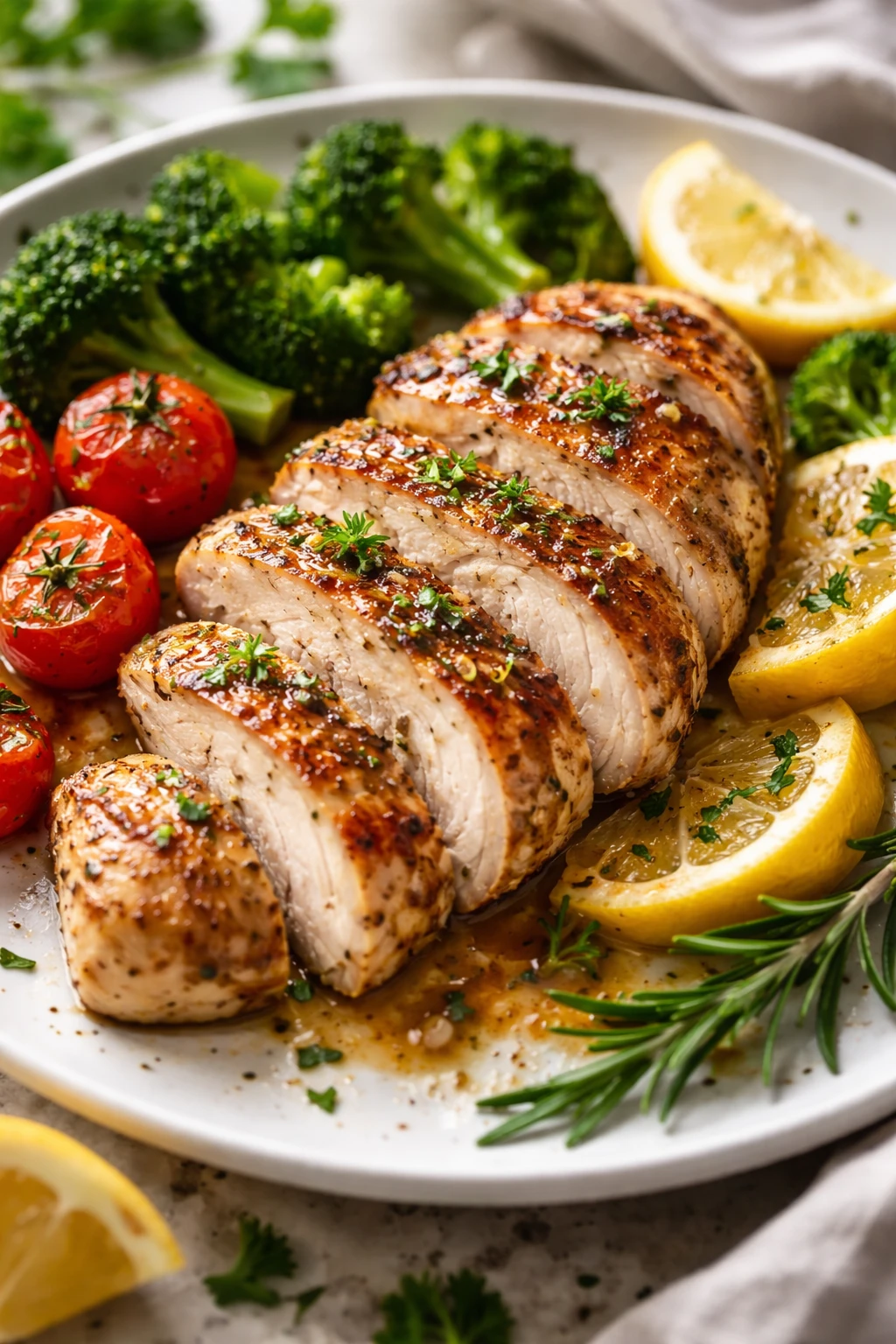
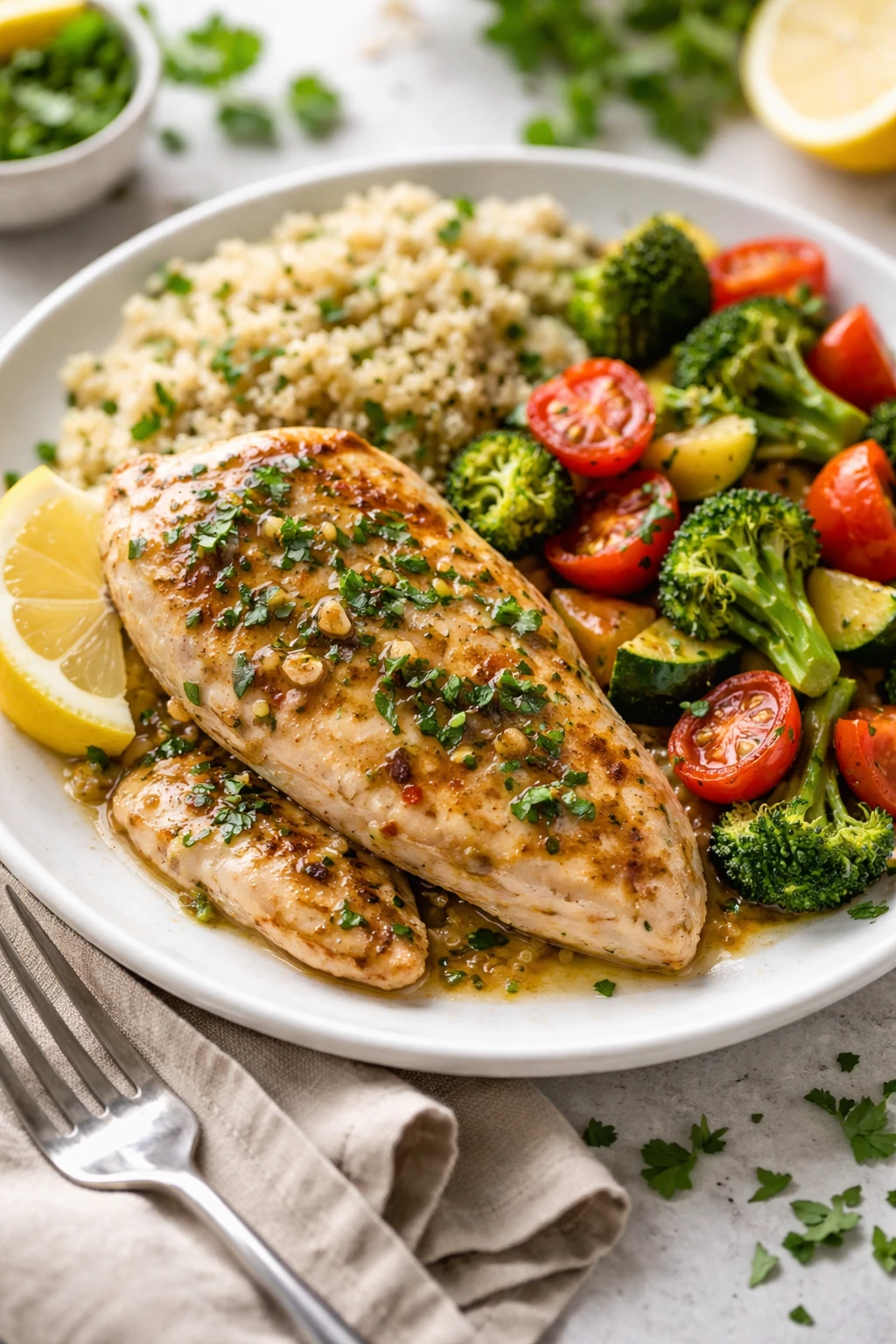
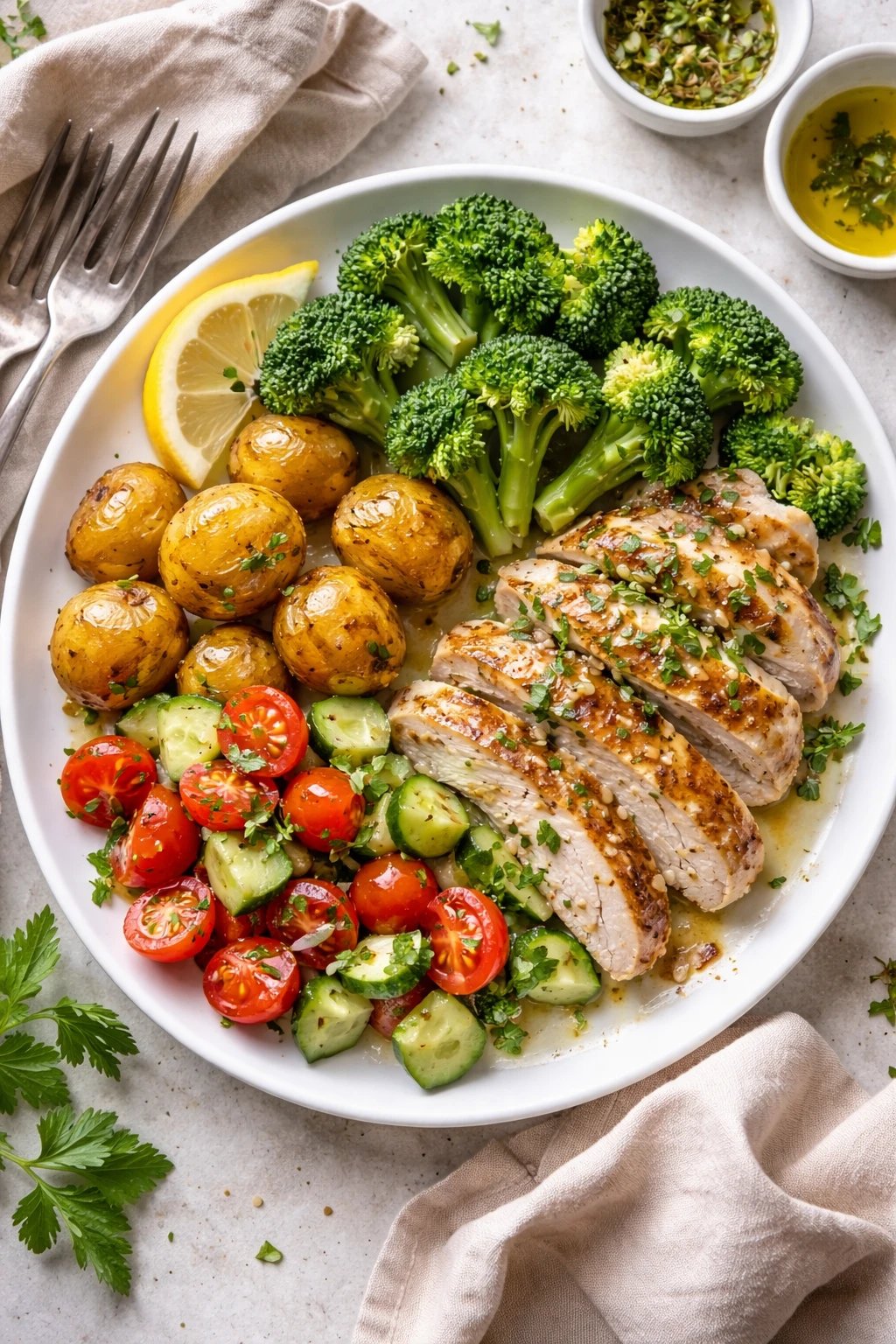
This light chicken dish is packed with fresh herbs and garlic, making every bite flavorful and juicy. The secret lies in marinating the chicken just long enough to keep it tender. Perfect for a healthy weeknight dinner!
Introduction
I first stumbled upon this herb and garlic marinated chicken recipe when I was hunting for a lighter dinner option that didn’t skimp on flavor. I remember one evening when I just tossed some herbs and garlic together with chicken, hoping for the best, and was blown away by how juicy and fragrant it turned out. What sets this recipe apart is the marinade — it’s simple but really works its magic by tenderizing the chicken and infusing it with fresh garden flavors. I like to marinate for at least 30 minutes, but sometimes I’ll prep it in the morning and cook it that evening for even more depth. The key is balancing the herbs and lemon juice so it’s bright but not overpowering. When it’s done, the chicken comes out tender, with a nice golden crust and a subtle garlicky aroma that fills the kitchen. It’s perfect for a quick weeknight dinner or even for a small gathering when you want something healthy and satisfying. Plus, it pairs beautifully with a crisp salad or roasted veggies. I’ve tried variations with different herbs, but this combination always feels just right.
How To Do It
Step 1
Start by preparing the marinade. In a medium bowl, whisk together the olive oil, minced garlic, lemon juice, chopped parsley, thyme, and rosemary. The acidity from the lemon juice helps tenderize the chicken while the olive oil carries the herb flavors deep into the meat. Make sure to mix it well so the garlic and herbs are evenly distributed. This step is essential because a good marinade is the backbone of a juicy, flavorful chicken. Avoid using too much lemon juice at this point as it can start to 'cook' the chicken if left too long.
⏱ Time: 5 minutes
✓ Doneness: The marinade should be well combined with visible bits of herbs and garlic suspended in the oil-lemon mixture.
Step 2
Place the chicken breasts in a shallow dish or zip-top bag and pour the marinade over them. Turn the chicken to coat every piece thoroughly. Seal the bag or cover the dish tightly and refrigerate. Marinating for at least 30 minutes allows the flavors to penetrate the chicken, but no more than 4 hours to prevent the acid from breaking down the meat too much and making it mushy. If you’re short on time, even 15 minutes helps. Remember, skipping or rushing this step means less flavor and less tender meat.
⏱ Time: 30 minutes to 4 hours
✓ Doneness: Chicken breasts should be fully coated and slightly glossy from the marinade.
Step 3
When ready to cook, preheat your grill or skillet over medium-high heat. Remove the chicken from the marinade, letting excess drip off. Discard the leftover marinade to avoid cross-contamination. Cooking on a hot surface sears the chicken quickly, locking in moisture and creating a nice crust. If the heat is too low, the chicken will dry out; too high and it might burn before cooking through. Watch for the surface to develop a golden-brown color without charring.
⏱ Time: 5 minutes
✓ Doneness: Chicken surface should be golden and slightly crisp.
Step 4
Cook the chicken breasts for about 6-7 minutes per side, depending on thickness. Resist the urge to flip frequently; letting the chicken cook undisturbed ensures even browning and proper moisture retention. Use a meat thermometer if you have one — the internal temperature should reach 165°F (74°C) for safe consumption. Overcooking will dry out the meat, so keep a close eye and remove from heat as soon as it’s done.
⏱ Time: 12-14 minutes
✓ Doneness: Internal temperature reads 165°F and juices run clear.
Step 5
Once cooked, transfer the chicken to a plate and tent loosely with foil. Let it rest for 5 minutes before slicing. Resting allows the juices to redistribute throughout the meat, making every bite juicy and tender. If you skip resting, the juices will spill out immediately when cut, leaving the chicken dry. This step is often overlooked but is crucial for the best texture.
⏱ Time: 5 minutes
✓ Doneness: Chicken feels slightly firm but still juicy to the touch.
Step 6
Serve the chicken sliced against the grain to maximize tenderness. Pair it with a fresh green salad, roasted vegetables, or even a light quinoa pilaf. The fresh herb flavors complement simple sides beautifully, keeping the meal balanced and light. This presentation also makes it easy to portion and enjoy without any fuss.
⏱ Time: 2 minutes
✓ Doneness: Slices reveal juicy, tender interior with herb flecks.
Step 7
For an added touch, drizzle a little extra fresh lemon juice or a splash of olive oil over the chicken just before serving. This brightens the flavors and adds a subtle freshness that lifts the whole dish. It’s a small step but makes a noticeable difference in taste.
⏱ Time: 1 minute
✓ Doneness: Chicken glistens lightly and smells fresh.
Step 8
If you want to make this a one-pan meal, try roasting the marinated chicken in a preheated oven at 400°F (200°C) for about 20-25 minutes. This method also produces juicy chicken but with less hands-on time. Just be sure to monitor closely and baste occasionally with pan juices to keep it moist.
⏱ Time: 20-25 minutes
✓ Doneness: Chicken is golden brown on top and cooked through.
Step 9
Clean your prep area and utensils thoroughly after handling raw chicken to prevent cross-contamination. Proper hygiene is key to safe cooking and enjoying your meal worry-free. Remember to wash your hands, cutting boards, and any surfaces the raw chicken touched.
⏱ Time: 5 minutes
✓ Doneness: All surfaces and hands are visibly clean.
Pro Tips
Marinate the chicken for at least 30 minutes but no longer than 4 hours.
Marinating too briefly won’t let the flavors penetrate fully, while marinating too long in acidic ingredients like lemon juice can break down the meat fibers excessively, resulting in mushy texture.
Pat the chicken dry before cooking to ensure a good sear.
Excess moisture on the surface creates steam, which prevents browning. Dry chicken develops a flavorful crust from the Maillard reaction, adding texture and depth to the dish.
Use a meat thermometer to check doneness instead of guessing.
Chicken is safe to eat at 165°F internal temperature. Overcooking dries it out, undercooking is unsafe. A thermometer takes the guesswork out and ensures juicy results.
Rest the chicken after cooking before slicing.
Resting allows juices to redistribute into the meat rather than spilling out when cut, keeping the chicken moist and tender.
Use fresh herbs instead of dried for best flavor.
Fresh herbs release aromatic oils that infuse the meat during marinating. Dried herbs are more concentrated but less vibrant and can change the flavor profile.
Cook over medium-high heat for a good crust without burning.
High heat promotes browning through the Maillard reaction, creating flavor and texture, but too hot will burn the outside before the inside cooks.
Discard leftover marinade after removing chicken.
Used marinade contains raw chicken juices and can harbor harmful bacteria. Never reuse it unless boiled thoroughly.
Common Mistakes to Avoid
Over-marinating the chicken causing mushy texture.
Why it happens Many assume longer marinating always means better flavor, but acidic marinades can break down meat fibers too much if left too long.
Fix Limit marinating time to 4 hours max in lemon-based marinade. If you want more flavor, marinate longer in non-acidic mixtures or add herbs fresh before cooking.
Cooking chicken straight from the fridge without letting it warm up.
Why it happens People often rush to cook immediately after marinating, but cold meat cooks unevenly and can dry out.
Fix Let chicken rest at room temperature for 15 minutes before cooking to help it cook evenly and stay juicy.
Not drying chicken before cooking causing steaming.
Why it happens Marinated chicken can be wet, and moisture on the surface prevents browning.
Fix Pat chicken dry gently with paper towels before cooking to get a nice sear.
Flipping chicken too often during cooking.
Why it happens Some think flipping frequently cooks chicken faster, but it prevents proper crust formation.
Fix Cook chicken on one side undisturbed until golden, then flip once for best texture.
Using bottled lemon juice instead of fresh.
Why it happens Convenience leads people to use bottled juice, but it lacks brightness and can taste bitter.
Fix Always use freshly squeezed lemon juice for best flavor and tenderizing effect.
Variations
Spicy Herb and Garlic Chicken
Add 1 teaspoon of red pepper flakes or a diced fresh chili to the marinade for a spicy kick. This gives the chicken a warm heat that balances the fresh herbs beautifully. Serve with cooling yogurt sauce to complement the spice.
Note: Spicy additions do not affect cooking time but can intensify flavors quickly, so adjust heat level to taste.
Greek-Inspired Herb Chicken
Include 1 teaspoon dried oregano and replace rosemary with fresh dill. Add crumbled feta and olives as a side. The lemon-garlic marinade pairs perfectly with these Mediterranean flavors for a bright, fresh meal.
Note: Dried oregano is more potent, so use sparingly. Fresh dill should be added just before cooking to preserve flavor.
Honey Lemon Herb Chicken
Stir 1 tablespoon honey into the marinade for a subtle sweetness that caramelizes during cooking. This variation adds a lovely glaze and balances the acidity with natural sugar.
Note: Honey may cause quicker browning; watch chicken closely to prevent burning.
Grilled Herb Chicken Skewers
Cut chicken breasts into cubes and marinate as usual, then thread onto skewers with cherry tomatoes and bell peppers. Grill for a fun, colorful presentation and easy serving at cookouts.
Note: Smaller pieces cook faster; reduce grilling time to 8-10 minutes total, turning frequently.
Herb and Garlic Chicken with Yogurt Marinade
Mix plain Greek yogurt into the marinade for extra tenderizing power and creaminess. This version yields a softer texture and adds a tangy flavor that’s delicious with warm pita bread.
Note: Yogurt marinades require gentle cooking to avoid curdling; cook on medium heat and avoid high temperatures.
Nutrition
Per Serving:
Nutritional values are estimates and may vary based on specific ingredients used.
Storage & Tips
Room Temperature
Cooked chicken should not be left out at room temperature for more than 2 hours. Cover it loosely with foil if serving buffet-style but refrigerate promptly to ensure safety.
Refrigerator
Store leftover chicken in an airtight container for up to 3 days. The flavors may mellow slightly, and the texture can firm up. Reheat gently to avoid drying out.
Freezer
Freeze cooked chicken wrapped tightly in plastic wrap and foil or in a freezer-safe container for up to 3 months. Thaw overnight in the refrigerator and reheat gently to restore moisture.
Reheating
Reheat on the stovetop over low heat or in the microwave at medium power with a splash of water or broth to prevent drying. Avoid overheating which can toughen the chicken.
Make Ahead
Marinate the chicken up to 4 hours ahead and keep refrigerated. Cooking can be done fresh or the cooked chicken can be prepared a day ahead and reheated gently before serving.
FAQ
Can I use chicken thighs instead of breasts in this recipe?
Absolutely! Chicken thighs are juicier and more forgiving during cooking. Marinate them the same way, but reduce cooking time slightly as thighs cook faster. The flavor will be richer and the texture more tender.
What if I don’t have fresh herbs on hand?
You can substitute dried herbs, but use about half the amount since dried herbs are more concentrated. The flavor won’t be as bright or fresh, but still tasty. Add dried herbs to the marinade early to allow time to rehydrate.
How can I make this recipe spicier?
Add crushed red pepper flakes, cayenne pepper, or diced fresh chili to the marinade. Start with a small amount and adjust to your heat preference. Spicy versions pair well with cooling sides like yogurt sauce.
Is it okay to marinate chicken overnight?
You can marinate overnight but be cautious with lemon-based marinades. The acid can start to break down the meat too much, making it mushy. For best texture, keep it under 4 hours or use a yogurt-based marinade for longer marinating.
Can I grill this chicken instead of pan-cooking?
Yes, grilling works wonderfully. Preheat the grill to medium-high and cook for about 6-7 minutes per side. Watch carefully to avoid flare-ups and burning due to the oil in the marinade.
Why should I not reuse the leftover marinade?
Leftover marinade contains raw chicken juices and can harbor harmful bacteria. To use marinade as a sauce, boil it thoroughly for several minutes to kill any bacteria before serving.
What sides go best with this herb and garlic chicken?
Simple sides like roasted vegetables, a crisp green salad, quinoa, or couscous complement the fresh flavors well. Avoid heavy or overly saucy sides that can overpower the delicate herb notes.
How do I know when the chicken is fully cooked without a thermometer?
Cut into the thickest part and check that the juices run clear and the meat is white all the way through with no pinkness. The texture should be firm but not rubbery. Using a thermometer is more reliable, though.
Final Thoughts
Give this fresh herb and garlic marinated chicken a try—you'll love how simple ingredients come together for a juicy, flavorful meal. Let me know how it turns out!