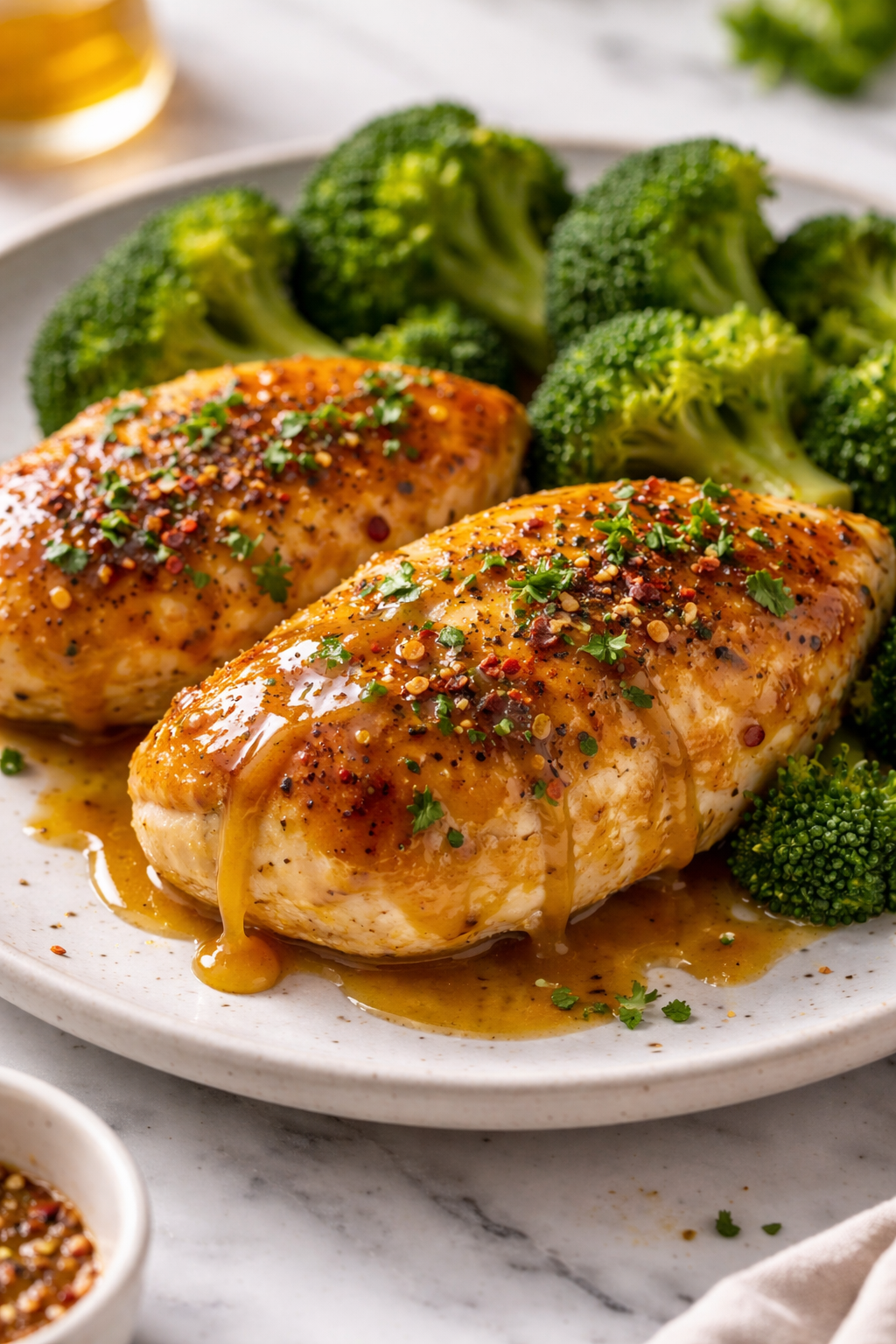
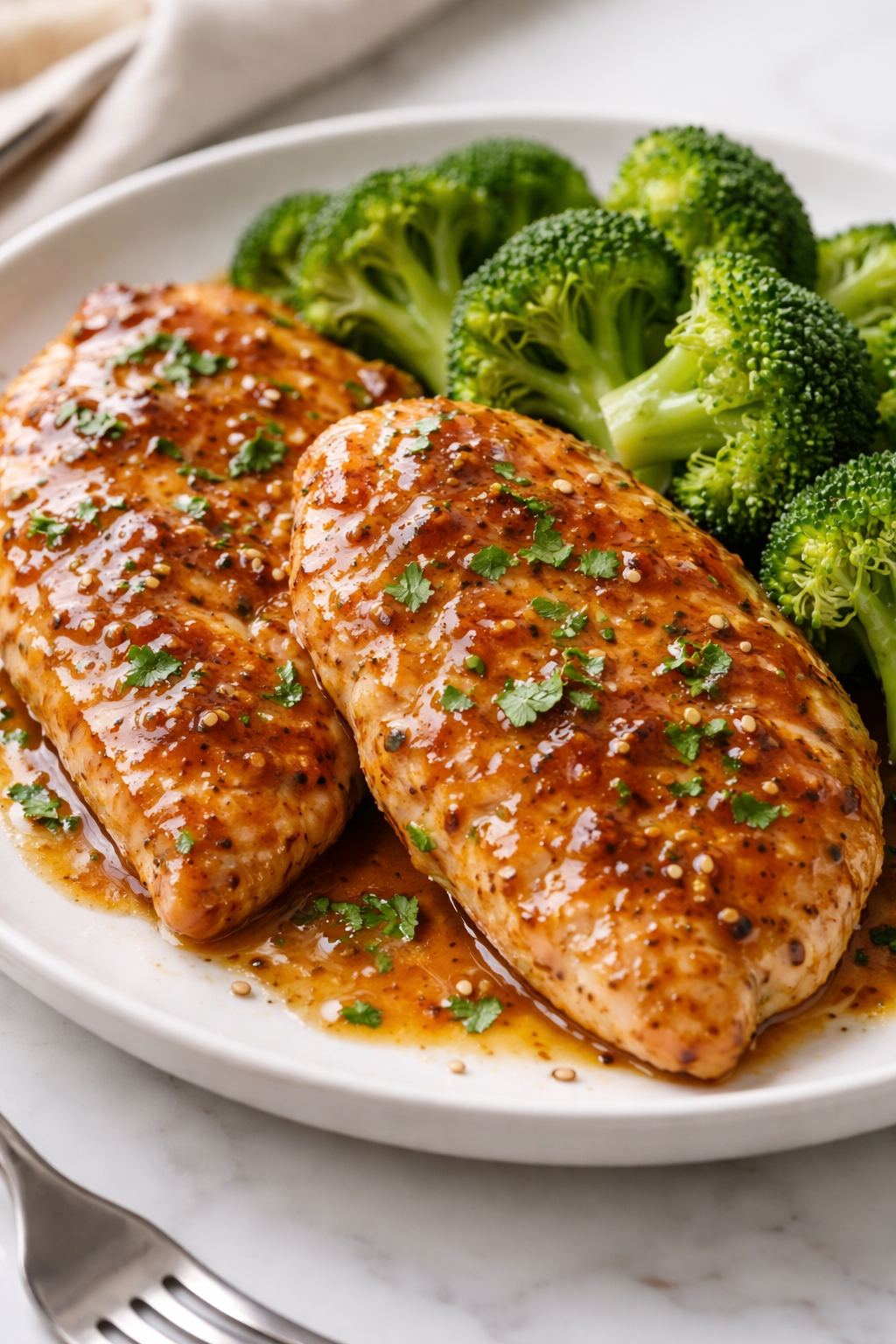
This honey mustard chicken is light yet packed with flavor from a homemade sauce that’s just right—not too sweet. Paired with fresh steamed broccoli, it’s a perfect, fuss-free dinner for busy weeknights.
Introduction
I first made this honey mustard chicken on a hectic weeknight when I wanted something quick but still wholesome. The usual store-bought sauces felt too sweet or artificial, so I whipped up a simple homemade sauce with just honey, mustard, and a splash of vinegar. It turned out perfectly balanced—light, tangy, and not overpoweringly sweet. The steamed broccoli on the side keeps the meal fresh and healthy without adding fuss. What I love about this recipe is how forgiving it is; the sauce clings to the chicken beautifully, and the garlic adds a subtle depth. I’ve tried a few versions before, but this one really nails the flavor without complicating the process. Plus, it’s ready in about 30 minutes, making it ideal for busy evenings when you want a satisfying dinner without spending hours in the kitchen. The chicken comes out juicy, and the sauce caramelizes just enough to create a lovely glaze. It’s become a go-to in my house, and I think you’ll love it just as much as we do!
How To Do It
Step 1
Start by patting the chicken breasts dry with paper towels; this helps the sauce stick better and promotes even browning. Season both sides with salt and pepper. Heat the olive oil in a large skillet over medium heat until shimmering. Adding the chicken to a hot pan ensures a nice sear, which locks in juices and creates flavor through the Maillard reaction. Avoid crowding the pan, or the chicken will steam instead of sear. Cook the chicken for about 5-6 minutes on one side without moving it, so a golden crust forms. Then flip and cook another 5 minutes. You’re looking for a beautiful golden-brown color and the chicken to be mostly cooked through.
⏱ Time: 12
✓ Doneness: Golden-brown crust on both sides, chicken feels firm but not rock hard
Step 2
While the chicken cooks, mix Dijon mustard, honey, apple cider vinegar, and minced garlic in a small bowl to make the sauce. The vinegar adds brightness that balances the honey’s sweetness, while garlic gives depth. Once the chicken is flipped, spoon the sauce over each breast and reduce heat to low. Let the chicken simmer gently in the sauce for another 8-10 minutes, spooning the sauce over the top occasionally. This slow finish allows the flavors to meld and the sauce to thicken slightly, coating the chicken with a glossy glaze. Rushing this step can leave the sauce too thin or the chicken under-flavored.
⏱ Time: 10
✓ Doneness: Sauce thickens slightly and clings to the chicken, aroma of honey and garlic fills the air
Step 3
While the chicken simmers, prepare your broccoli. Fill a pot with about an inch of water and bring it to a boil with a steamer basket inside. Add the broccoli florets, cover, and steam for 5-6 minutes until bright green and tender-crisp. Steaming preserves the broccoli’s nutrients and vibrant color better than boiling. Be careful not to overcook; mushy broccoli loses its appeal and texture. Once done, drain and season lightly with salt or a squeeze of lemon if desired.
⏱ Time: 6
✓ Doneness: Broccoli is bright green, tender but still has a slight bite
Step 4
Once the chicken is cooked through and the sauce thickened, remove the pan from heat. Use a meat thermometer if unsure; internal temperature should reach 165°F (74°C). Rest the chicken for a few minutes in the pan off the heat; this helps redistribute the juices for moist, tender bites. Avoid cutting immediately or the juices will run out. Serve the chicken with the steamed broccoli on the side, spooning any remaining sauce over the top for extra flavor.
⏱ Time: 5
✓ Doneness: Chicken juices run clear and the meat is firm but juicy
Step 5
Optional: For an extra touch, sprinkle freshly chopped parsley or a little cracked black pepper on top before serving. This adds freshness and a pop of color. It’s a small step but makes the dish feel more vibrant and inviting. Plus, herbs complement the honey mustard sauce nicely without overpowering it.
⏱ Time: 2
✓ Doneness: Bright green parsley contrasts nicely with the golden chicken
Step 6
If you want to add some carbs, serve this honey mustard chicken over rice or quinoa. Just prepare the grains while the chicken simmers to keep everything warm and ready at the same time. The grains soak up the sauce perfectly and make the meal more filling. I like to use brown rice for extra fiber and nuttiness, but white rice or couscous works well too.
⏱ Time: 15
✓ Doneness: Grains are fluffy and warm, ready to serve
Step 7
Clean up any sauce drips on the skillet edges to avoid burning when reheating leftovers. Leftover honey mustard sauce can thicken in the fridge, so gently reheat with a splash of water or broth to loosen it without losing flavor. Avoid boiling the sauce again as it can become bitter or overly thick.
⏱ Time: 3
✓ Doneness: Sauce reheats smoothly and coats the chicken again
Step 8
For a little extra flavor boost, try marinating the chicken in half the honey mustard sauce for 30 minutes before cooking. This infuses the meat deeper with flavor and helps tenderize it. Just be careful not to marinate too long or the acid in the vinegar can start to break down the chicken’s texture too much, making it mushy.
⏱ Time: 30
✓ Doneness: Chicken has absorbed the marinade and smells fragrant
Step 9
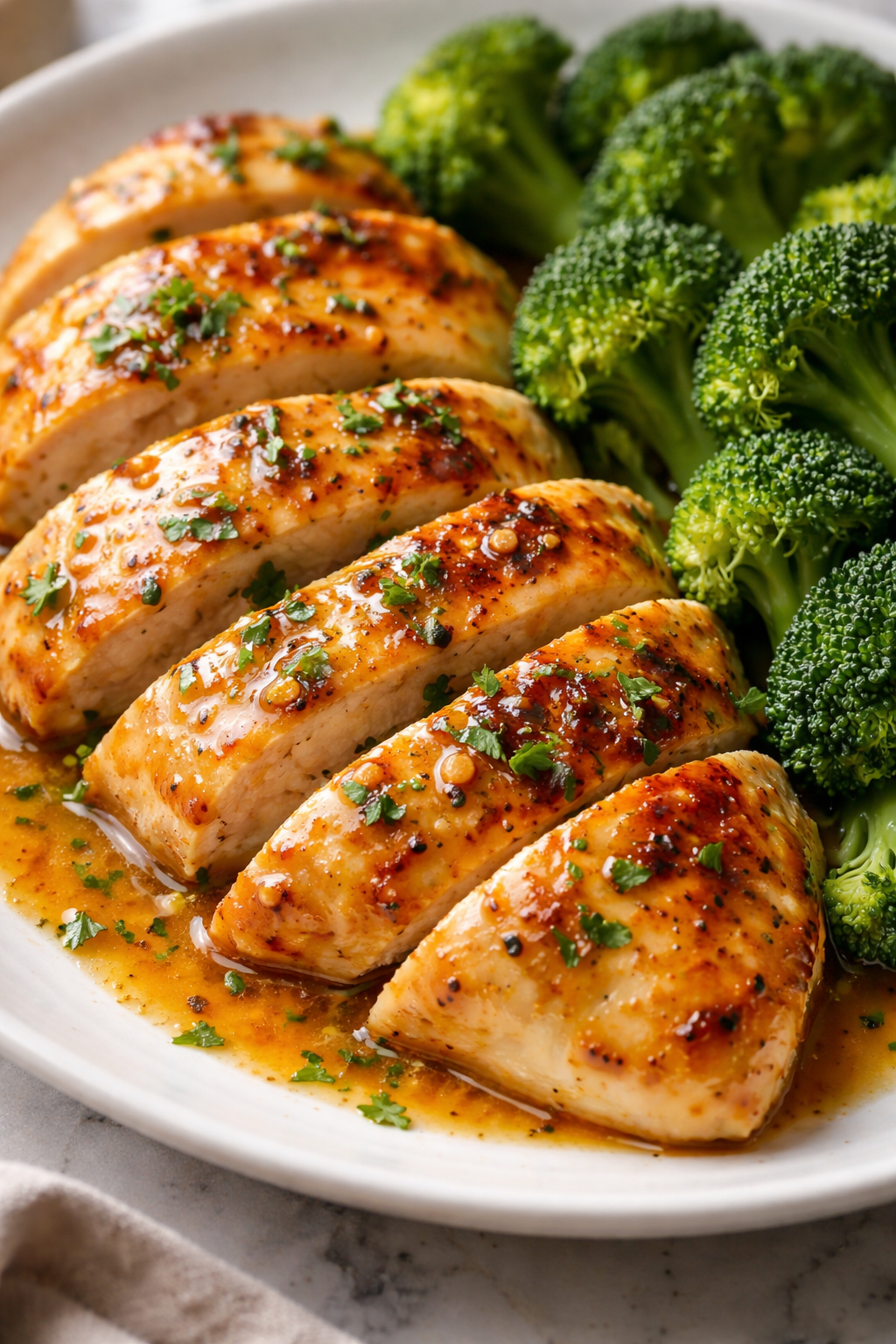
Always slice the chicken against the grain when serving or storing leftovers. This makes the meat easier to chew and prevents it from feeling stringy or tough. It’s a small detail but really improves the eating experience, especially with lean meats like chicken breasts.
⏱ Time: 2
✓ Doneness: Slices reveal tender, moist meat fibers
Pro Tips
Always pat chicken dry before cooking.
Removing moisture ensures the chicken sears properly and develops a flavorful crust. Moisture creates steam which prevents browning and can make the chicken soggy instead of crisp.
Simmer the chicken gently in the sauce rather than boiling.
Low heat allows the sauce to thicken slowly and penetrate the meat without toughening it. High heat can cause the sauce to burn or the chicken to dry out.
Use a meat thermometer to check doneness.
Chicken breasts can dry out if overcooked. A thermometer ensures they reach safe internal temperature (165°F) while staying juicy and tender.
Steam broccoli instead of boiling.
Steaming keeps the broccoli’s vibrant color, crunch, and nutrients intact. Boiling can leach flavor and nutrients into the water, resulting in dull, mushy greens.
Rest chicken after cooking before slicing.
Resting lets the juices redistribute inside the meat, making it moist and tender. Cutting too soon causes juices to run out, leaving dry chicken.
Make the sauce from scratch for better flavor control.
Homemade sauce lets you balance sweetness and acidity exactly to your taste, avoiding overly sweet or artificial store-bought versions.
Spoon sauce over chicken while simmering to build layers of flavor.
Basting helps the sauce caramelize and coat the meat evenly, enhancing both taste and appearance.
Common Mistakes to Avoid
Skipping the drying step on chicken before cooking.
Why it happens Many assume rinsing or thawing is enough and don’t realize moisture prevents proper searing.
Fix Pat the chicken dry thoroughly with paper towels before seasoning and cooking. This simple step ensures a golden crust and juicy interior.
Cooking chicken at too high heat and burning the sauce.
Why it happens Rushing the simmer step to save time leads to scorching the honey and garlic in the sauce.
Fix Reduce heat to low when adding sauce and let it simmer gently. Stir occasionally to prevent sticking and burning.
Overcooking broccoli until mushy.
Why it happens Leaving broccoli in boiling water too long or not monitoring steaming time.
Fix Steam broccoli for just 5-6 minutes until bright green and tender-crisp. Remove promptly to preserve texture.
Cutting chicken immediately after cooking.
Why it happens Impatience or lack of awareness that resting affects moisture retention.
Fix Let chicken rest for 5 minutes off heat before slicing to keep it juicy.
Using too much honey and making the sauce overly sweet.
Why it happens Following recipes blindly or preferring sweet flavors without balancing acidity.
Fix Measure ingredients carefully and taste the sauce before adding more honey. Adjust vinegar or mustard to balance sweetness.
Variations
Spicy Honey Mustard Chicken
Add a teaspoon of cayenne pepper or a dash of hot sauce to the honey mustard sauce for a spicy kick. This variation adds warmth and depth without overpowering the original flavors. Serve with steamed broccoli or roasted veggies to balance the heat.
Note: Be sure to add spice gradually and taste as you go; the vinegar and honey base can intensify heat quickly.
Honey Mustard Chicken Thighs
Swap chicken breasts for bone-in, skin-on thighs for richer flavor and juicier texture. The cooking time will be slightly longer, and the skin crisps beautifully when seared first. The sauce clings well to thighs, making them extra tasty.
Note: Increase simmering time by 5-7 minutes and check internal temperature carefully.
Honey Mustard Chicken Salad
Use leftover honey mustard chicken sliced cold over a bed of mixed greens, cherry tomatoes, and cucumbers. Drizzle extra sauce as dressing for a fresh, protein-packed salad perfect for lunch or light dinner.
Note: Chill chicken completely before slicing to keep salad fresh and avoid sogginess.
Honey Mustard Chicken with Roasted Vegetables
Serve the chicken alongside a medley of roasted carrots, potatoes, and Brussels sprouts instead of steamed broccoli for a heartier meal. The roasted veggies add sweetness and texture contrast that complements the tangy sauce.
Note: Roast vegetables at 425°F for 25-30 minutes, tossing halfway through for even cooking.
Gluten-Free Honey Mustard Chicken
Ensure all ingredients, especially mustard and vinegar, are gluten-free certified. Serve with steamed broccoli and gluten-free grains like quinoa or rice for a safe meal for gluten-sensitive diners.
Note: Check labels carefully and avoid cross-contamination when preparing.
Nutrition
Per Serving:
Nutritional values are estimates and may vary based on specific ingredients used.
Storage & Tips
Room Temperature
This dish can safely sit out covered for up to 2 hours. Beyond that, bacteria growth increases, so refrigerate promptly to keep it safe and fresh.
Refrigerator
Store leftovers in an airtight container for up to 3 days. The sauce may thicken when cold, so reheat gently with a splash of water or broth. Flavors tend to meld and improve overnight, but broccoli may lose some crispness.
Freezer
Freeze the chicken and sauce separately from the broccoli for up to 2 months. Wrap tightly in freezer-safe containers or bags to prevent freezer burn. Thaw overnight in the fridge before reheating. Broccoli texture changes after freezing, so best to steam fresh when serving.
Reheating
Warm the chicken and sauce in a skillet over low heat with a little water to loosen the sauce. Avoid microwaving on high as it can toughen chicken. Reheat broccoli quickly in microwave or steam just until warmed to preserve texture.
Make Ahead
Prepare the honey mustard sauce and marinate the chicken up to 1 day ahead. Store separately and cook fresh when ready. You can also steam broccoli a few hours ahead and reheat gently before serving.
FAQ
Can I use frozen chicken breasts for this recipe?
Yes, but make sure to thaw the chicken completely and pat it dry before cooking. Excess moisture from frozen chicken can prevent proper browning and cause steaming instead of searing, which affects the texture and flavor.
How can I make this recipe spicier?
Add a pinch of cayenne pepper, red pepper flakes, or a dash of hot sauce to the honey mustard sauce. Start with a small amount and taste as you go to avoid overpowering the balance of sweet and tangy flavors.
What if I don’t have apple cider vinegar?
You can substitute with white wine vinegar or lemon juice. Both add acidity to balance the honey’s sweetness, but lemon juice will add a citrus note, so adjust quantities to taste.
How do I know when the chicken is fully cooked?
The safest way is to use a meat thermometer; the internal temperature should reach 165°F (74°C). The juices should run clear, and the meat should feel firm but not rubbery.
Can I bake the chicken instead of cooking on the stovetop?
Yes, bake at 375°F for about 25-30 minutes, then spoon sauce over and broil for 2-3 minutes to caramelize. Baking is gentler but may not produce the same seared crust as stovetop cooking.
Is this recipe suitable for meal prep?
Absolutely! The chicken and sauce store well and taste great reheated. Keep broccoli separate to maintain its texture and steam fresh if possible on serving day.
Can I use other vegetables instead of broccoli?
Yes, green beans, asparagus, or roasted Brussels sprouts work well. Adjust cooking times accordingly to ensure vegetables are tender but still crisp.
How do I prevent the sauce from becoming too thick or sticky?
Keep the heat low during simmering and stir occasionally. If sauce thickens too much, add a splash of water or broth to loosen it without diluting flavor.
Final Thoughts
I hope you give this honey mustard chicken a try soon—it’s become a favorite in my kitchen for good reason! Don’t forget to share how it turns out for you.