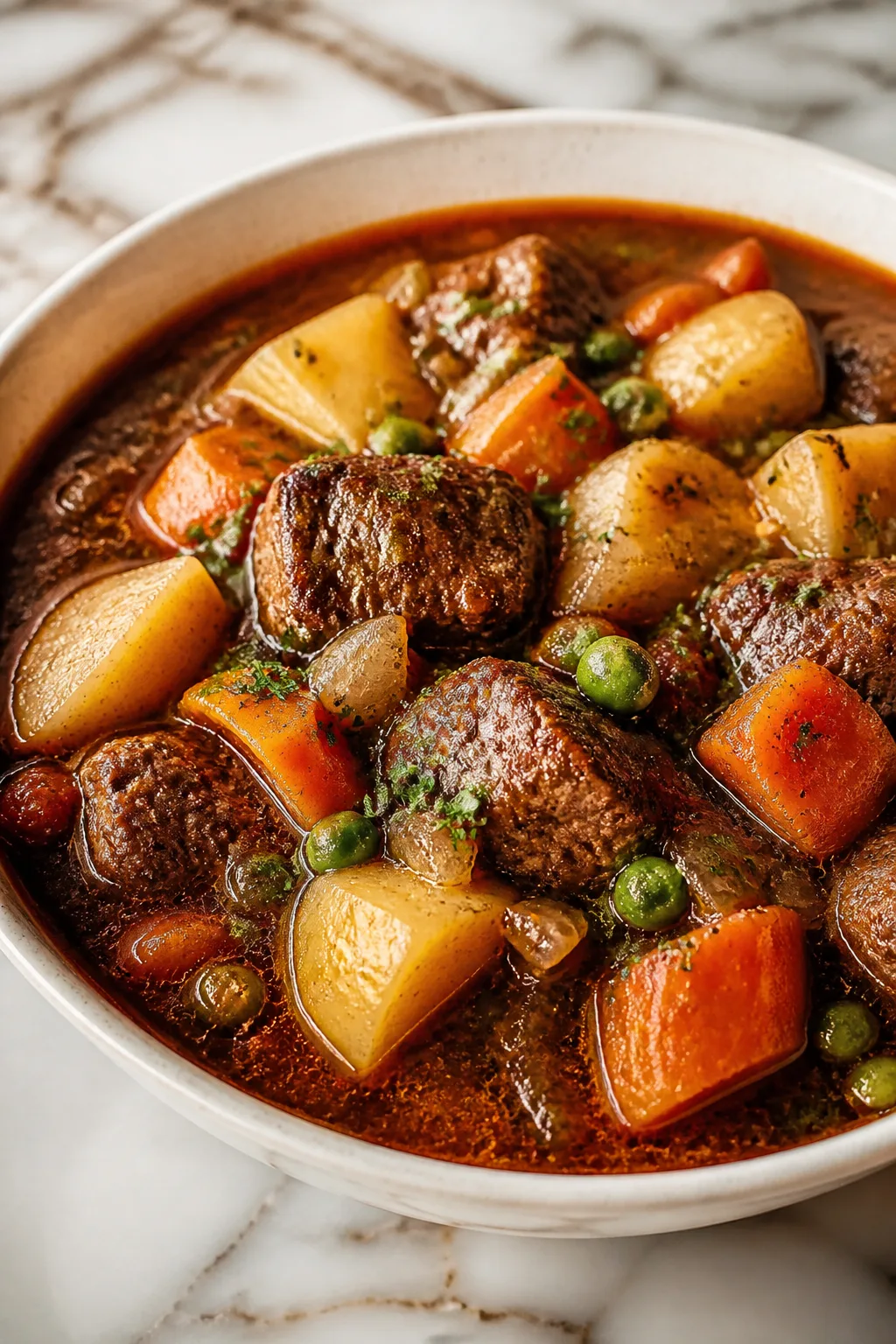
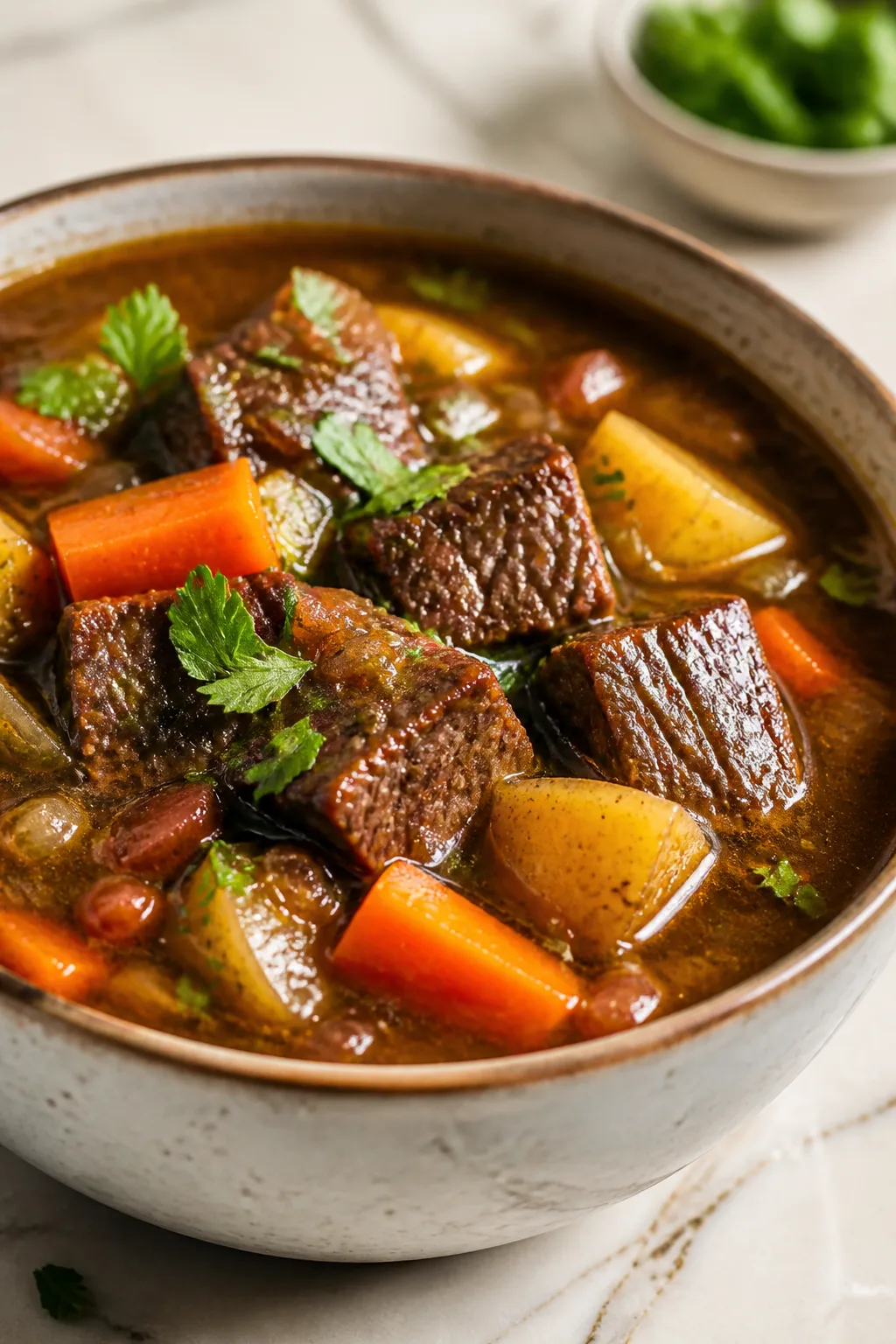
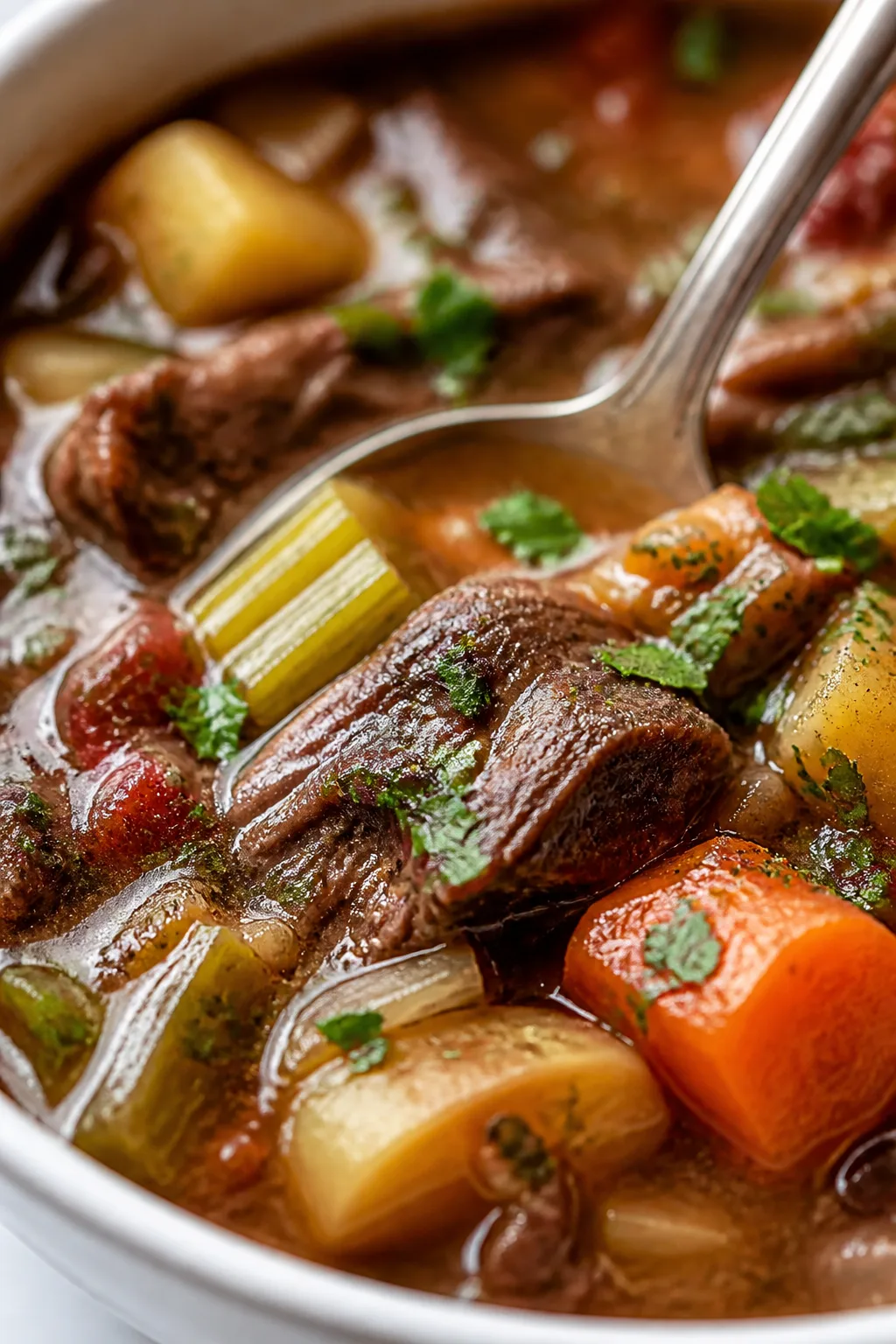
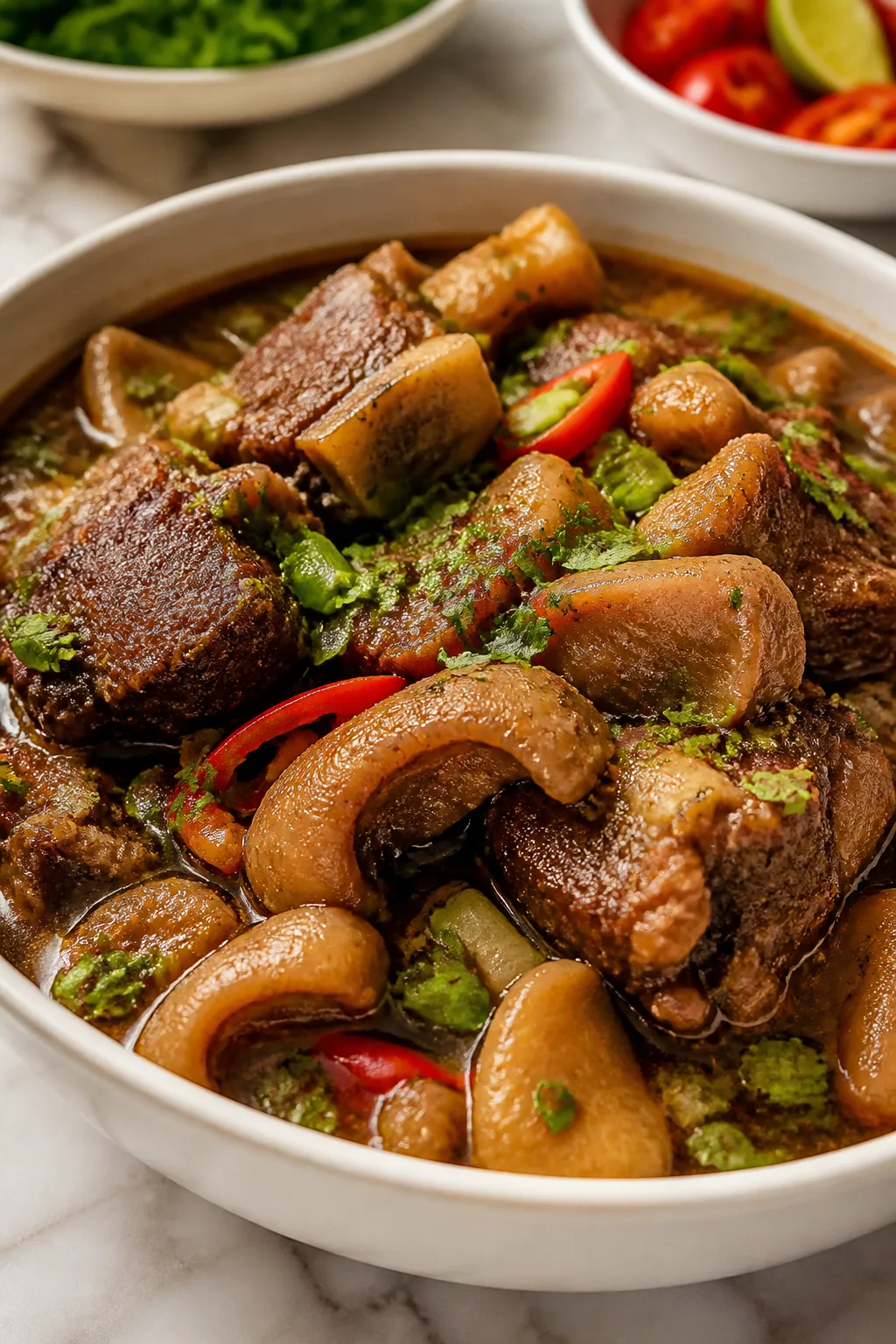
This steak soup is pure comfort in a bowl—rich, filling, and loaded with tender beef and fresh veggies. The slow simmering really brings out the deep flavors. Perfect for chilly evenings or when you need a cozy meal.
Introduction
I first made this steak soup on a particularly chilly fall evening when I craved something warm and filling. I’d tried simpler beef soups before, but they often ended up bland or with tough meat. The trick I learned for this version was slow simmering the beef chuck just right so it becomes melt-in-your-mouth tender without drying out. Plus, adding fresh veggies like carrots and celery gives it a fresh, natural sweetness that balances the rich broth. I love how the flavors deepen the longer it cooks, making every spoonful comforting and satisfying. This isn’t your rushed weeknight soup; it’s a dish you’ll want to savor, perfect for Sunday dinners or whenever you need a cozy pick-me-up. The finished soup is thick enough to feel hearty but still light with the fresh herbs and peas added at the end. It’s a recipe that’s become a family favorite, and honestly, I think it’s the kind of meal that just feels like home.
What You'll Need
Approximately 6 cups, 6 servings
- 1.5 pounds beef chuck, cut into 1-inch cubes
- 2 tablespoons olive oil
- 1 large onion, diced
- 3 cloves garlic, minced
- 3 large carrots, peeled and sliced
- 2 celery stalks, sliced
- 4 cups beef broth
- 2 cups water
- 1 can (14.5 oz) diced tomatoes, undrained
- 1 teaspoon dried thyme
- 1 teaspoon dried rosemary
- 2 bay leaves
- Salt and pepper to taste
- 1 cup frozen peas
- Fresh parsley, chopped (for garnish)
How To Do It
Step 1
Start by trimming any excess fat from the beef chuck and cutting it into 1-inch cubes. This size is perfect for slow cooking because it allows the meat to become tender without falling apart. Heat the olive oil in a large heavy-bottomed pot over medium-high heat. Once hot, add the beef cubes in batches, avoiding overcrowding, and sear them until all sides develop a rich brown crust. This browning, known as the Maillard reaction, is crucial because it adds deep, savory flavors to the soup. Be patient and don’t rush this step; if you skip it, the soup can taste flat. Once browned, remove the beef and set aside.
⏱ Time: 15 minutes
✓ Doneness: Beef pieces are evenly browned with a deep caramelized color on all sides.
Step 2
In the same pot, reduce heat to medium and add diced onion, carrots, and celery. Sauté until the onions are translucent and the veggies start to soften, about 5-7 minutes. This gentle cooking releases their natural sweetness and builds a flavorful base for the soup. Add minced garlic and cook for another minute, stirring constantly to avoid burning. Properly sautéed aromatics help layer the flavor, so don’t rush this step. If you skip it, the soup may lack depth and brightness.
⏱ Time: 8 minutes
✓ Doneness: Onions are soft and translucent; garlic is fragrant but not browned.
Step 3
Return the browned beef to the pot and stir to combine with the sautéed veggies. Pour in the beef broth and water to cover the ingredients completely. Add diced tomatoes with their juice, dried thyme, rosemary, and bay leaves. Stir well and bring the mixture to a gentle boil over medium-high heat. This step starts the slow cooking process that breaks down connective tissue in the beef, making it tender. Avoid boiling too hard, which can toughen the meat and make the broth cloudy.
⏱ Time: 10 minutes
✓ Doneness: Soup comes to a gentle boil with small bubbles rising steadily.
Step 4
Once boiling, reduce the heat to low and cover the pot partially with a lid to allow some steam to escape. Let the soup simmer gently for about 90 minutes. This long, slow simmer is the heart of the recipe—it softens the beef and melds all the flavors beautifully. Stir occasionally to prevent sticking, but don’t stir too vigorously, which can break up the meat and veggies. If the liquid level drops too low, add a splash of water to keep everything submerged.
⏱ Time: 90 minutes
✓ Doneness: Beef is fork-tender and broth is rich and flavorful.
Step 5
About 10 minutes before serving, stir in the frozen peas and adjust seasoning with salt and freshly ground black pepper. The peas add a pop of color and fresh sweetness that brightens the soup. Cooking them just briefly keeps their texture tender but not mushy. Remove the bay leaves before serving to avoid any bitter aftertaste. This final step ensures your soup is balanced and vibrant right before it hits the table.
⏱ Time: 10 minutes
✓ Doneness: Peas are bright green and tender; soup is well-seasoned and aromatic.
Step 6
Ladle the soup into bowls and garnish with freshly chopped parsley. The parsley adds a fresh, herbaceous note that cuts through the richness of the beef. Serving it immediately while hot ensures the best flavor and texture. If you want, pair it with crusty bread for dipping—this soup is perfect for soaking up every last bit of the delicious broth.
⏱ Time: 5 minutes
✓ Doneness: Soup is steaming hot, garnished with vibrant green parsley.
Step 7
If you have leftovers, let the soup cool completely before storing it in airtight containers. Reheating slowly on the stove helps the flavors meld even more. Avoid microwaving at high heat as it can toughen the beef and make the broth cloudy. Instead, warm gently and add a splash of water or broth if it seems too thick.
⏱ Time: N/A
✓ Doneness: Soup reheated evenly, broth clear and beef tender.
Step 8
For an extra touch, try adding a splash of Worcestershire sauce or a dash of smoked paprika during the simmering stage. These add subtle smoky and tangy notes that deepen the flavor profile without overpowering the natural beef taste. Experiment with small amounts and adjust to your preference.
⏱ Time: N/A
✓ Doneness: Flavor is enhanced with complexity but balanced.
Step 9
Serve the soup with a side salad or some roasted root vegetables for a complete meal. The hearty beef and fresh veggies make it filling, but adding complementary sides rounds it out nutritionally and texturally. Plus, it turns this simple soup into a special occasion-worthy dinner.
⏱ Time: N/A
✓ Doneness: Meal feels balanced and satisfying.
Pro Tips
Don’t rush the browning of the beef.
Taking the time to brown beef properly triggers the Maillard reaction, which develops deep, complex flavors that are essential for a rich broth. Skipping or rushing this step results in a flat-tasting soup. Browning also seals the meat’s surface, helping it retain juices during slow cooking.
Simmer gently, don’t boil hard.
A gentle simmer breaks down tough connective tissue slowly without toughening the meat or clouding the broth. Boiling aggressively agitates the ingredients, causing proteins to seize and the broth to become cloudy and greasy. Low heat ensures a clear, flavorful soup with tender beef.
Add delicate veggies like peas at the very end.
Peas cook quickly and lose their bright color and texture if simmered too long. Adding them just before serving keeps them tender but still vibrant, enhancing both the visual appeal and flavor balance of the soup.
Use a heavy-bottomed pot for even heat distribution.
Heavy pots prevent hot spots that can burn ingredients or cause uneven cooking. This ensures the beef sears evenly and the soup simmers gently, which is critical for flavor development and texture.
Season gradually and taste often.
Adding salt and pepper in stages lets you control the flavor balance as the soup reduces and concentrates. Over-salting early can’t be fixed later. Tasting during cooking helps achieve the perfect seasoning.
Don’t overcrowd the pan when browning meat.
Crowding traps moisture, causing the beef to steam rather than brown. This prevents flavor development and results in less appealing texture. Brown the meat in batches for the best crust and taste.
Let the soup rest before serving if possible.
Allowing the soup to sit off the heat for 10-15 minutes lets flavors meld and the broth thicken slightly, improving mouthfeel and taste complexity. It also makes serving easier as ingredients settle evenly.
Common Mistakes to Avoid
Skipping the browning step.
Why it happens Many cooks want to save time and go straight to simmering, assuming the soup will still be flavorful. This shortcut is tempting but leads to bland broth.
Fix Take the extra 15 minutes to brown the beef in batches over medium-high heat. Wait for a deep, caramelized crust on all sides before removing from the pot. This adds essential flavor that you can’t get otherwise.
Boiling the soup too aggressively.
Why it happens It’s easy to think a rolling boil speeds cooking, especially when pressed for time. However, this causes tough meat and cloudy broth.
Fix Reduce the heat once the soup boils and maintain a gentle simmer with small bubbles. Use a partially covered lid to control evaporation and even cooking.
Adding delicate veggies too early.
Why it happens Some assume all ingredients should go in at once. Peas and fresh herbs often get lost or turn mushy from long cooking.
Fix Add peas and fresh herbs like parsley only in the last 10 minutes to preserve color, texture, and bright flavor.
Overcrowding the pan when searing beef.
Why it happens Trying to brown all the beef at once to save time is common, but this traps moisture and prevents browning.
Fix Brown beef in small batches with space between pieces. This allows proper caramelization and better flavor.
Not tasting and adjusting seasoning throughout.
Why it happens Some cooks add all salt at the start or skip tasting to avoid over-seasoning, leading to bland or uneven flavor.
Fix Season lightly at first, then taste and adjust salt and pepper near the end of cooking to balance flavors perfectly.
Variations
Spicy Steak Soup
Add a diced jalapeño or a dash of cayenne pepper during the sautéing stage for a subtle kick. You can also stir in a spoonful of chipotle in adobo sauce near the end for smoky heat. This variation adds warmth and depth without overpowering the comforting base.
Note: Be cautious with spice levels; add gradually and taste often to balance heat with the soup’s natural richness.
Steak Soup with Barley
Include ½ cup pearl barley when adding broth and water for a heartier texture. Barley absorbs flavors and adds a chewy bite, making the soup more filling. It’s great for a winter meal or when you want extra carbs.
Note: Simmer the soup a bit longer (up to 2.5 hours) to ensure barley is fully tender without overcooking the beef.
Herb-Infused Steak Soup
Use fresh rosemary, thyme, and parsley instead of dried herbs for a brighter, garden-fresh flavor. Add fresh herbs towards the end of cooking to preserve their aroma. This version feels lighter and more vibrant.
Note: Fresh herbs are less concentrated; use about three times the amount of dried herbs and add late to avoid bitterness.
Creamy Steak Soup
Stir in ½ cup heavy cream or a dollop of sour cream just before serving for a rich, velvety texture. This adds indulgence and softens the acidity from the tomatoes, creating a comforting, creamy bowl.
Note: Do not boil after adding cream to prevent curdling; warm gently and serve immediately.
Steak Soup with Root Vegetables
Add diced parsnips, turnips, or potatoes along with carrots and celery for extra earthiness and substance. These root veggies absorb flavors and provide a satisfying bite, perfect for a rustic twist.
Note: Cut root vegetables into uniform pieces and check tenderness near the end; adjust cooking time accordingly to avoid mushiness.
Nutrition
Per Serving:
Nutritional values are estimates and may vary based on specific ingredients used.
Storage & Tips
Room Temperature
You can keep the soup at room temperature for up to 2 hours if covered loosely to prevent contamination. Beyond that, refrigerate promptly to avoid bacterial growth.
Refrigerator
Store in airtight containers for up to 4 days. The flavors deepen overnight, but peas may soften further. Reheat gently on the stove with a splash of broth or water to refresh the texture.
Freezer
Freeze in airtight, freezer-safe containers for up to 3 months. Cool completely before freezing to prevent ice crystals. Thaw overnight in the fridge and reheat slowly on the stove for best texture.
Reheating
Reheat on the stovetop over medium-low heat, stirring occasionally. Add a little broth or water if soup thickens too much. Avoid high heat or microwaving for long periods to keep beef tender and broth clear.
Make Ahead
You can prepare the soup base up to 2 days ahead, including browning the beef and simmering the broth. Store it refrigerated, then add peas and fresh herbs just before reheating and serving for optimal freshness.
FAQ
Can I use a different cut of beef for this soup?
Absolutely! While beef chuck is ideal because of its marbling and connective tissue, you can use brisket or short ribs. Just remember that leaner cuts like sirloin may become tough with long cooking. Choose cuts with some fat for best tenderness and flavor.
How can I make this soup in a slow cooker?
After browning the beef and sautéing veggies on the stove, transfer everything to a slow cooker. Add broth, tomatoes, and herbs, then cook on low for 6-8 hours or high for 3-4 hours. Add peas and fresh herbs in the last 15 minutes to keep them fresh.
What if I don’t have beef broth?
You can substitute with vegetable broth or water in a pinch, but beef broth adds important umami depth. If using water, consider adding a splash of soy sauce or Worcestershire sauce to boost flavor.
Can I freeze the soup with peas already added?
It’s best to add peas fresh when reheating because freezing cooked peas can make them mushy and dull in color. Freeze the soup without peas and stir them in during the last few minutes of reheating.
How do I prevent the soup from becoming too salty?
Use low-sodium broth and add salt gradually, tasting as you go. Remember that reduction concentrates saltiness, so it’s safer to under-season early and adjust near the end.
Can I make this soup vegetarian?
You can skip the beef and use vegetable broth with hearty mushrooms or lentils for protein. The flavor will be different but still comforting. Sauté mushrooms with the veggies to add umami.
Should I peel the carrots and celery?
Carrots are usually peeled to remove the outer skin and any dirt, but celery does not need peeling—just trim the ends and wash well. Peeling helps with a cleaner appearance and smoother texture.
What’s the best way to reheat leftovers without drying out the beef?
Reheat gently on the stovetop over low heat, stirring occasionally. Add a splash of broth or water if the soup seems too thick. Avoid microwaving at high power, which can toughen the meat and unevenly heat the soup.
Final Thoughts
Give this slow-simmered steak soup a try on your next cozy night in—you’ll love how tender the beef gets and how comforting every spoonful feels. Don’t forget to share your results!