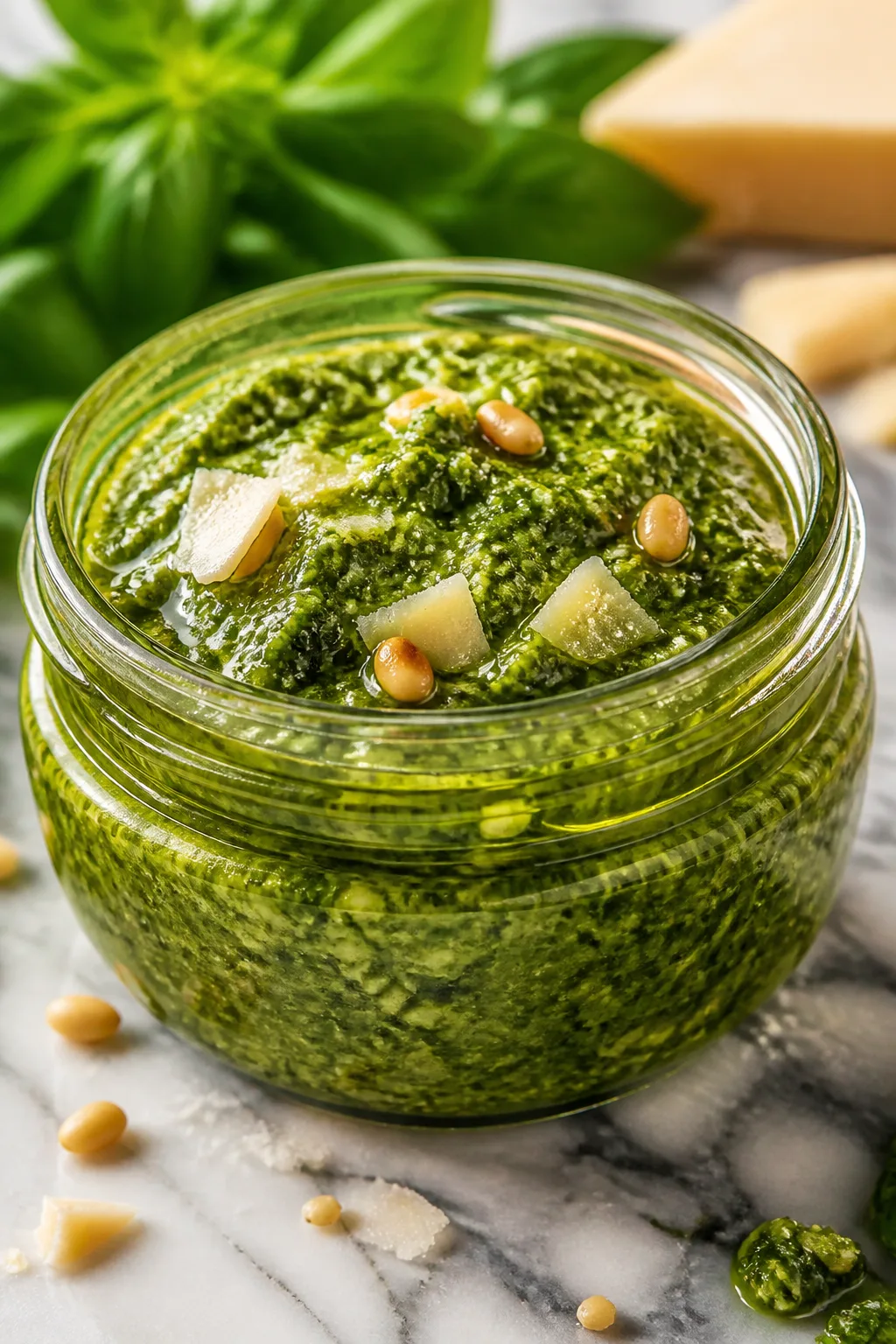
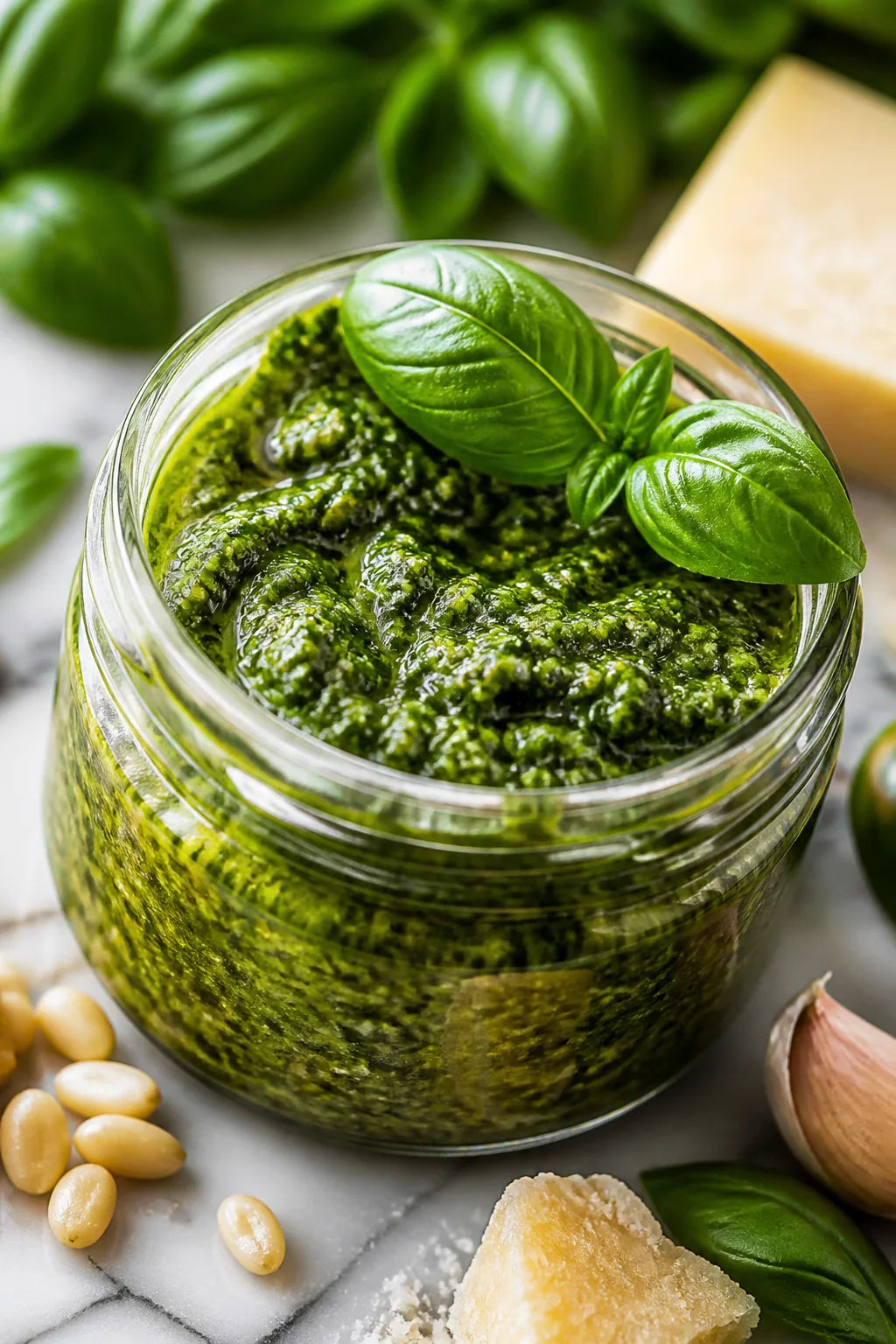
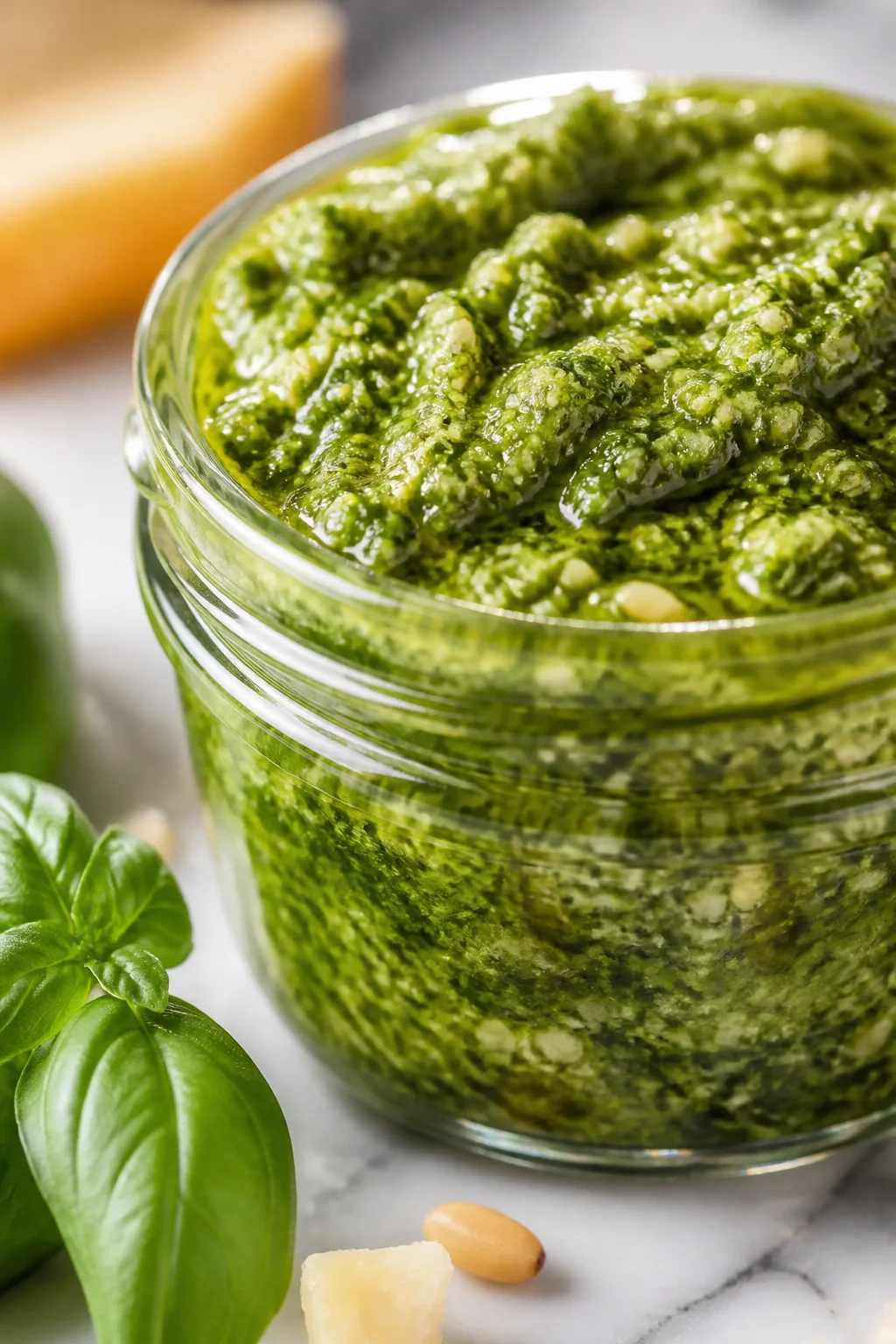
This homemade basil pesto bursts with fresh herbs and just the right touch of garlic. It's super simple to make in minutes and totally elevates any pasta night or sandwich spread. Perfect for quick dinners or picnic days!
Introduction
I've been making this homemade basil pesto for years, and honestly, it’s one of those recipes that’s always a crowd-pleaser in my kitchen. The first time I tried pesto from scratch, I was surprised how fresh and vibrant the flavor was compared to store-bought versions. What makes this version better? I keep it simple and fresh—no heavy cream or weird additives, just pure basil, garlic, pine nuts, and Parmesan. The trick I learned early on is adding the olive oil slowly while blending to get that perfect silky texture. Also, to avoid bitterness, I toast the pine nuts lightly before blending, which brings out their nuttiness without overpowering the basil. The finished pesto is bright green, fragrant, and just thick enough to coat pasta beautifully. I love using it on warm pasta, but it’s also amazing as a spread on crusty bread or drizzled over grilled veggies. If you want an easy sauce that feels gourmet but takes minutes, this is it!
What You'll Need
Approximately 1 cup pesto, 4 servings
- 2 cups fresh basil leaves, packed
- 1/2 cup grated Parmesan cheese
- 1/2 cup extra virgin olive oil
- 1/3 cup pine nuts
- 2 cloves garlic, peeled
- Salt to taste
- Freshly ground black pepper to taste
- Juice of half a lemon (optional)
How To Do It
Step 1
Start by washing and drying your fresh basil leaves thoroughly. Removing excess moisture is key because water can make the pesto watery and less vibrant in flavor. Use a salad spinner or pat them dry with a clean towel. This step ensures your pesto stays thick and bright green.
⏱ Time: 5
✓ Doneness: Leaves feel dry to the touch with no visible water droplets
Step 2
Lightly toast the pine nuts in a dry skillet over medium heat for about 2-3 minutes, stirring frequently. Toasting enhances their nutty flavor and adds depth to the pesto. Be careful not to burn them as that would create bitterness. Once toasted, let them cool before using.
⏱ Time: 5
✓ Doneness: Pine nuts turn golden brown and smell fragrant
Step 3
In a food processor or blender, combine the basil leaves, cooled pine nuts, grated Parmesan, and peeled garlic cloves. Pulse a few times to start breaking down the ingredients evenly. This helps release the basil’s aroma and starts building the pesto’s texture.
⏱ Time: 2
✓ Doneness: Ingredients are roughly chopped and combined
Step 4
While the processor is running on low speed, slowly drizzle in the olive oil. Adding the oil gradually emulsifies the pesto, creating a smooth, creamy consistency. If you pour it all at once, the mixture might separate or become oily. Keep blending until you get a silky texture but still with some body.
⏱ Time: 3
✓ Doneness: Pesto looks smooth, glossy, and slightly thick
Step 5
Squeeze in fresh lemon juice if using, then season with salt and freshly ground black pepper to taste. The lemon brightens the flavors and balances the richness. Taste as you go—seasoning well is essential to bring out all the layers in this simple sauce.
⏱ Time: 2
✓ Doneness: Balanced bright and savory flavor with a hint of tang
Step 6
Give the pesto one last quick pulse to combine everything fully. Avoid over-blending, which can cause the basil to oxidize and turn dark. You want to keep the vibrant green color and fresh flavor intact.
⏱ Time: 1
✓ Doneness: Pesto is uniform in color and texture without being mushy
Step 7
Transfer the pesto to a clean jar or container. To keep it fresh and prevent browning, pour a thin layer of olive oil on top before sealing. This creates a protective barrier against air exposure.
⏱ Time: 2
✓ Doneness: Pesto covered with a glossy layer of oil
Step 8
Serve immediately tossed with your favorite cooked pasta, or use as a spread on sandwiches or crackers. The pesto pairs beautifully with warm pasta because the heat releases the rich aromas and melds the flavors together.
⏱ Time: 0
✓ Doneness: Pesto evenly coats pasta strands or spreads smoothly
Step 9
Store any leftover pesto in the fridge, tightly sealed. Use within 3-4 days for the best flavor and freshness. You can also freeze pesto in ice cube trays for longer storage and thaw portions as needed.
⏱ Time: 0
✓ Doneness: Pesto remains bright green and fresh-smelling after storage
Pro Tips
Use a food processor instead of a blender for better texture control.
Food processors chop ingredients more gently and evenly, preserving the fresh basil’s delicate oils without overheating them. Blenders can sometimes pulverize too aggressively, causing the pesto to become overly smooth and lose its vibrant green color.
Toast pine nuts in small batches for even color and flavor.
Toasting nuts in small amounts allows you to stir frequently and avoid hot spots that burn some nuts while others remain raw. Even toasting develops a consistent nutty flavor that complements the basil without bitterness.
Add olive oil slowly while blending to help emulsify the sauce.
Slow addition of oil allows it to bind with the water-based ingredients, creating a creamy texture and preventing the oil from separating. This technique helps maintain a smooth consistency that clings well to pasta.
Use freshly grated Parmesan instead of pre-grated for best flavor.
Pre-grated cheese often contains anti-caking agents that can affect texture and flavor. Freshly grated cheese melts better and adds a richer, more complex umami taste to your pesto.
Avoid over-blending to keep pesto bright green and fresh-tasting.
Over-processing causes basil leaves to oxidize, turning the pesto dark and dull in flavor. Pulsing ingredients and stopping as soon as they combine preserves color and freshness.
Add a squeeze of lemon juice to brighten the flavor.
The acidity in lemon juice balances the richness of the olive oil and cheese, enhancing the overall flavor profile and keeping the pesto tasting fresh.
Store pesto with a thin layer of olive oil on top to prevent browning.
Exposing pesto to air causes oxidation, which darkens the sauce and dulls flavor. Olive oil acts as a protective seal, preserving color and freshness during storage.
Common Mistakes to Avoid
Using wet basil leaves without drying properly.
Why it happens Many assume rinsing is enough and skip drying, but water dilutes the pesto and prevents proper emulsification.
Fix After washing basil, spin or pat leaves completely dry before blending. This keeps the pesto thick and vibrant.
Over-toasting pine nuts until burnt.
Why it happens It's easy to get distracted and let nuts burn, which creates bitterness.
Fix Toast nuts on medium heat, stirring constantly, and remove from heat as soon as they turn golden and smell fragrant.
Pouring all olive oil at once into the blender.
Why it happens Rushing this step causes the oil to separate and the pesto to be oily rather than creamy.
Fix Add the oil slowly while blending on low speed to allow proper emulsification.
Over-processing the pesto leading to a dark color.
Why it happens Blending too long exposes basil to air and heat, causing oxidation.
Fix Pulse ingredients gently and stop as soon as the mixture comes together.
Not seasoning the pesto enough.
Why it happens Beginners often underestimate how much salt and pepper enhance flavor.
Fix Season gradually and taste frequently to ensure balanced flavor.
Variations
Walnut Basil Pesto
Swap pine nuts for toasted walnuts for a slightly earthier, richer pesto. Walnuts are more affordable and add a subtle bitterness that balances the basil’s sweetness.
Note: Toast walnuts lightly and adjust oil quantity as walnuts absorb more oil than pine nuts, affecting consistency.
Vegan Basil Pesto
Replace Parmesan with nutritional yeast or vegan cheese alternatives to make this pesto dairy-free without sacrificing umami flavor.
Note: Nutritional yeast adds cheesy notes but may require extra salt to balance the flavor.
Spicy Basil Pesto
Add a small chili or red pepper flakes to the blender for a kick of heat that pairs beautifully with the fresh basil and garlic.
Note: Start with a small amount of chili and adjust to taste to avoid overpowering the pesto.
Lemon Basil Pesto
Increase the lemon juice and zest for a brighter, citrus-forward pesto that works great on seafood or grilled chicken.
Note: Adding extra lemon juice thins the sauce slightly, so reduce olive oil accordingly.
Spinach and Basil Pesto
Mix baby spinach with basil leaves to stretch the pesto and add mild earthiness, perfect for a subtle green sauce.
Note: Spinach has more water content, so dry leaves thoroughly and consider reducing oil to maintain thickness.
Nutrition
Per Serving:
Nutritional values are estimates and may vary based on specific ingredients used.
Storage & Tips
Room Temperature
Pesto can safely sit at room temperature for up to 2 hours if covered tightly to prevent contamination. However, it’s best to refrigerate quickly to preserve freshness and flavor.
Refrigerator
Store pesto in an airtight container with a thin layer of olive oil on top for up to 4 days. The color may darken slightly but the flavor remains fresh. Serve cold or bring to room temperature before using.
Freezer
Freeze pesto in ice cube trays, then transfer cubes to a sealed bag for up to 3 months. Thaw cubes in the fridge overnight or at room temperature for 30 minutes. Texture may slightly soften but flavor stays vibrant.
Reheating
Pesto is typically served cold or at room temperature. If warmed, gently heat on low in a saucepan or microwave briefly, adding a splash of olive oil or pasta water to loosen the sauce. Avoid overheating which can dull flavor.
Make Ahead
Prepare pesto up to 2 days ahead and store refrigerated with an olive oil seal. For longer storage, freeze in portions. This makes weeknight meals a breeze and keeps flavors fresh.
FAQ
Can I use frozen basil for this pesto?
Frozen basil isn’t ideal as it loses much of its fresh aroma and turns dark when blended. If you must use frozen, thaw and drain excess water thoroughly to avoid a watery pesto. The flavor won’t be as vibrant but it’s still usable.
What can I substitute for pine nuts if I’m allergic?
Walnuts, almonds, or cashews are great substitutes. Toast them lightly before blending to bring out their flavor. Each nut will slightly change the taste and texture, so choose one that suits your preference.
How long does homemade pesto last in the fridge?
Stored properly in an airtight container with a layer of olive oil on top, pesto stays fresh for up to 4 days. After that, it may start to lose color and flavor, so it’s best enjoyed sooner.
Can I make pesto without a food processor?
Yes! You can finely chop ingredients by hand and mix with olive oil, but it will take more time and won’t be as smooth. A mortar and pestle is traditional and yields a more rustic texture.
Why is my pesto bitter?
Bitterness often comes from bruised basil leaves or burnt pine nuts. Make sure to handle basil gently and toast nuts lightly. Also, avoid over-blending which can release bitter compounds.
Can I add other herbs to the pesto?
Absolutely! Mixing in herbs like parsley or mint can add interesting flavor twists. Just keep basil as the dominant herb to maintain that classic pesto taste.
Is it okay to store pesto without olive oil on top?
Without the olive oil seal, pesto oxidizes quickly and turns brown. If you don’t add oil, use the pesto within a day and keep it tightly covered to minimize air exposure.
How do I prevent pesto from separating after blending?
Add olive oil gradually while blending to help ingredients emulsify properly. Also, avoid over-processing which can break the emulsion. If separation occurs, whisk in a bit more oil before serving.
Final Thoughts
Give this fresh basil pesto a try—it’s such an easy way to brighten up any meal! I can’t wait to hear how you use it in your kitchen.