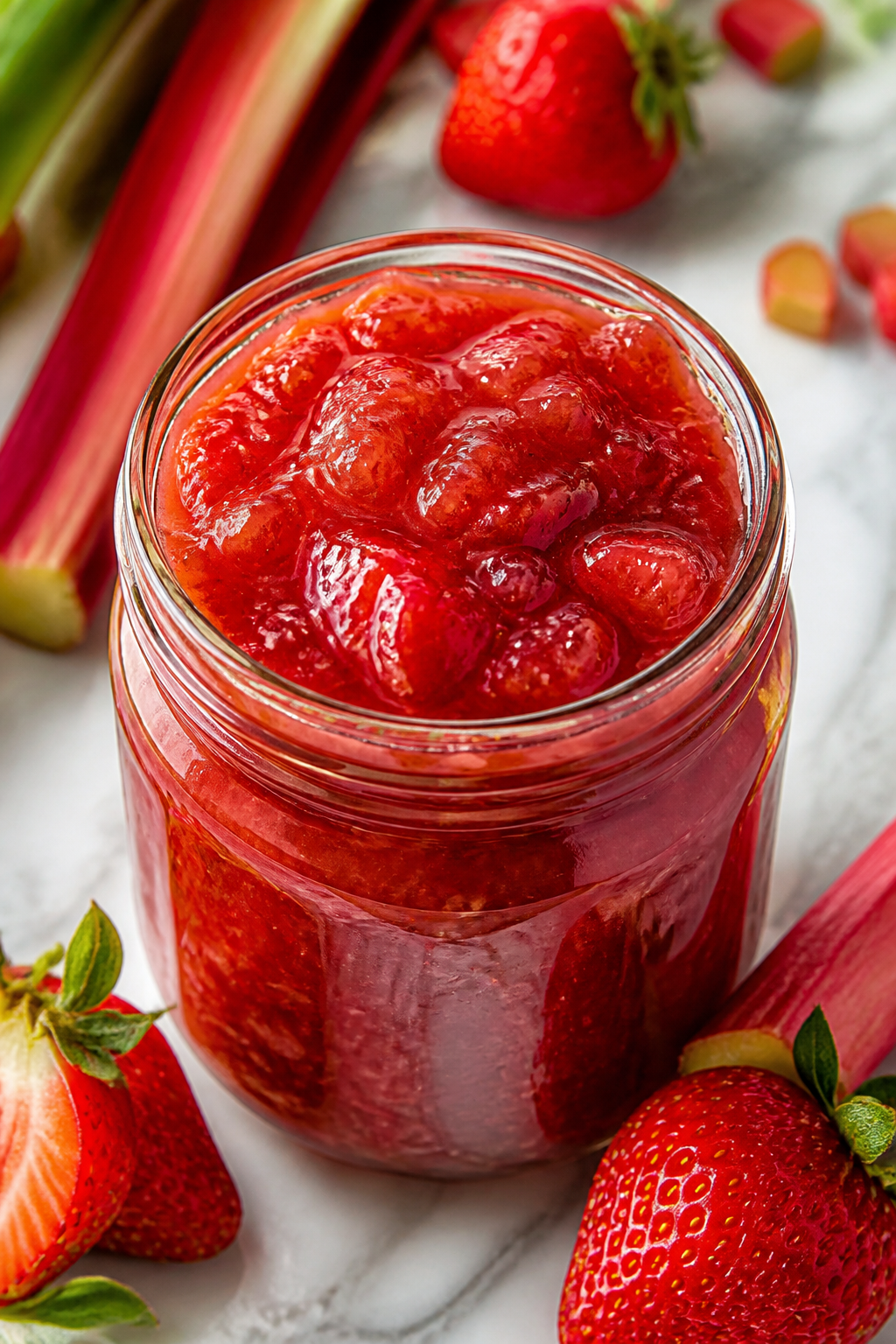
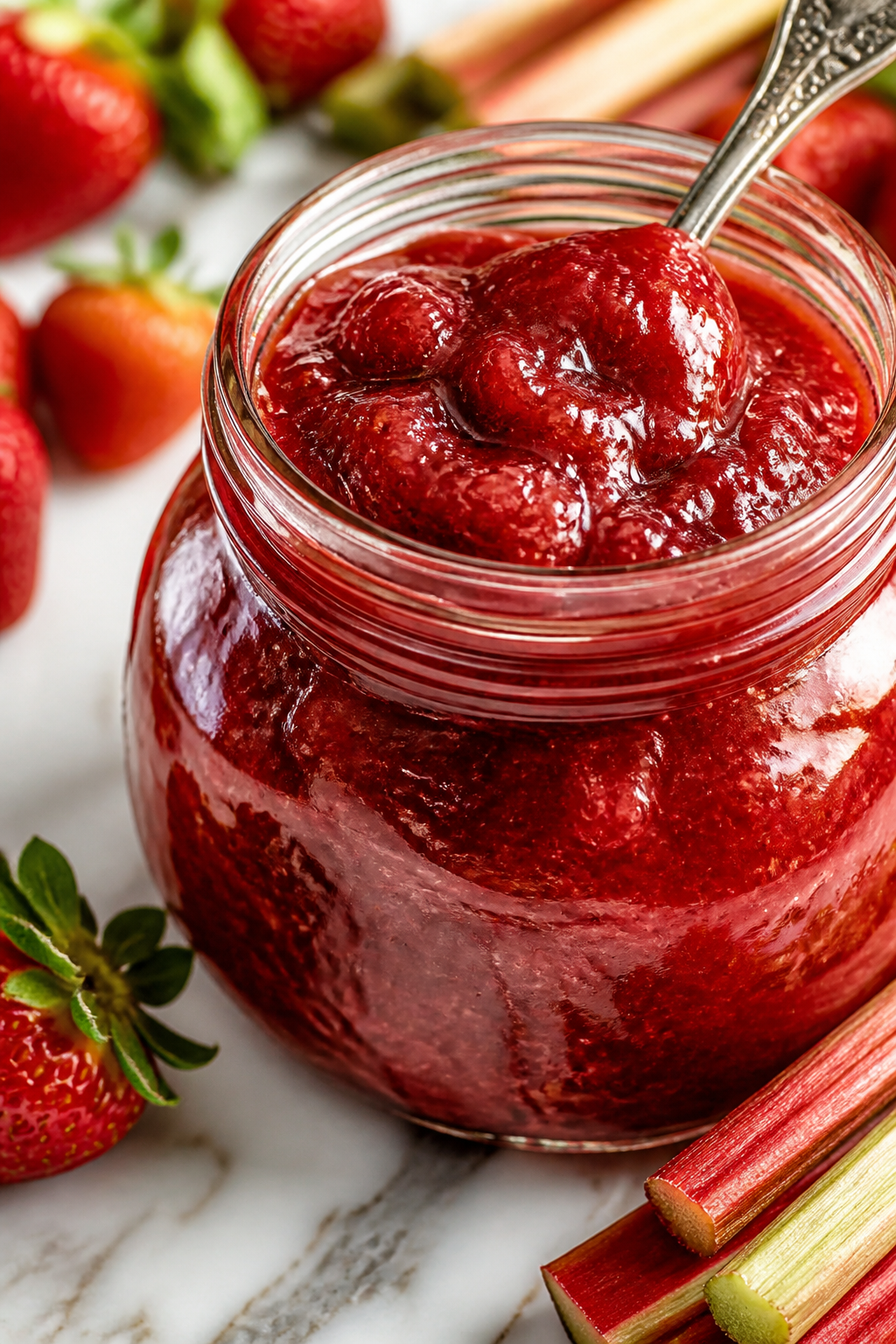
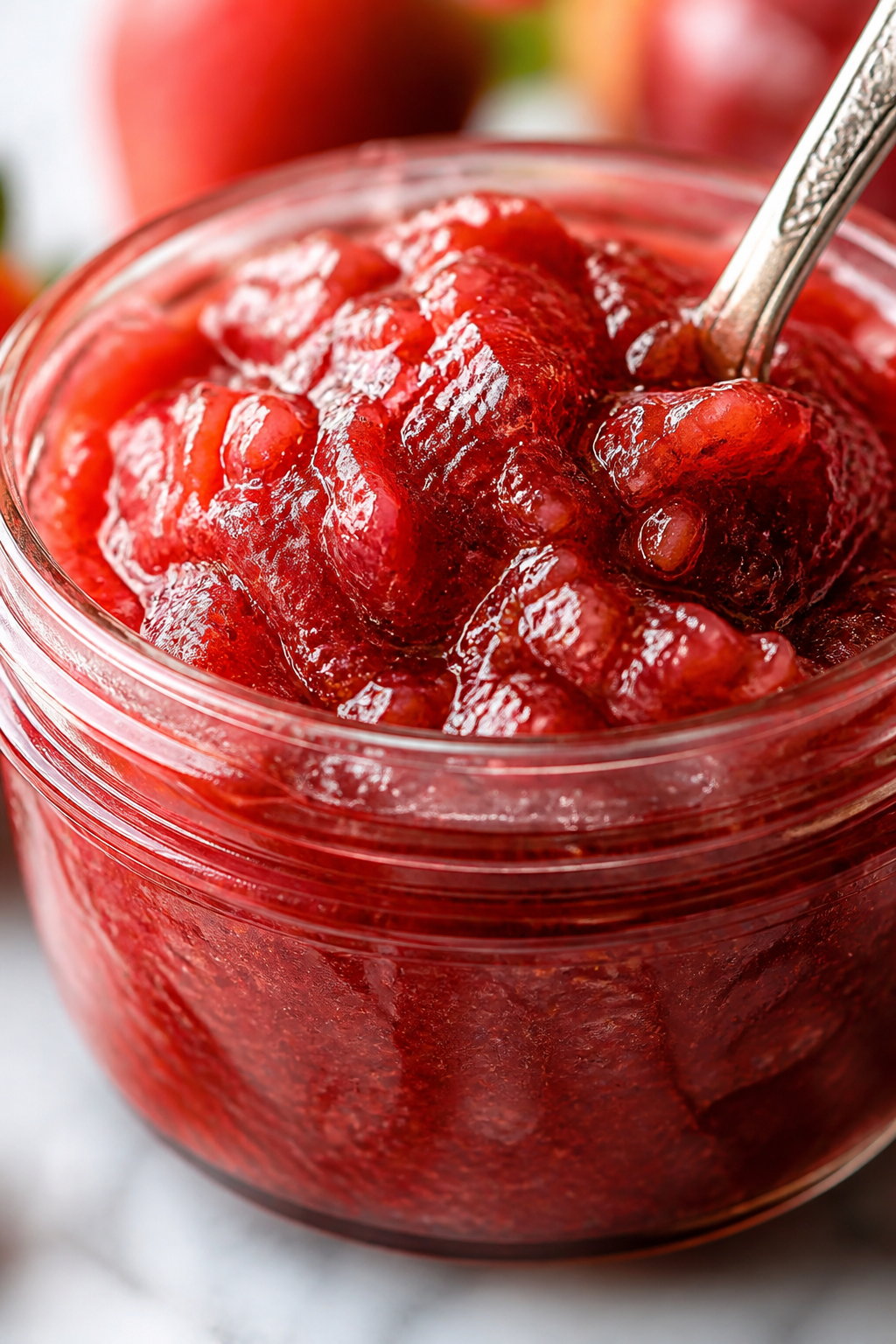
This strawberry rhubarb jam blends fresh fruit with a hint of lemon for a perfect sweet-tart punch. It's super easy to make and captures that fresh summer vibe. Great on toast or as a thoughtful homemade gift!
Introduction
I first tried making strawberry rhubarb jam a few summers ago when my local farmer’s market was overflowing with both fruits. It was my attempt to capture that fleeting fresh flavor to enjoy year-round. At first, I struggled to get the texture just right—too runny or too stiff—but after a couple of tries, I found the perfect balance. What makes this recipe stand out is the addition of fresh lemon zest and juice, which brighten the jam and balance the sweetness beautifully. Also, I use a good-quality fruit pectin, which helps it set perfectly without needing to boil forever. The finished jam is thick but spreadable, with a lovely sweet-tart flavor that reminds me of warm summer mornings. It’s great on toast, swirled into yogurt, or even spooned over ice cream. Plus, it makes such a thoughtful homemade gift! I love how easy it is to make, especially when you have fresh, ripe strawberries and crisp rhubarb ready to go.
What You'll Need
Approximately 6 half-pint jars, 6 servings
- 4 cups fresh strawberries, hulled and halved
- 4 cups rhubarb stalks, chopped into 1/2 inch pieces
- 3 cups granulated sugar
- 1/4 cup fresh lemon juice
- 1 teaspoon finely grated lemon zest
- 1 package (1.75 oz) fruit pectin
How To Do It
Step 1
Start by thoroughly washing your strawberries and rhubarb. Hull the strawberries and cut them in halves or quarters depending on size. Chop the rhubarb into roughly 1/2 inch pieces to ensure even cooking. This prep step is crucial because uniform pieces cook evenly, preventing some bits from turning mushy while others remain tough. Rinse the fruit gently but well to remove any dirt or residue, then drain them completely to avoid excess water diluting your jam.
⏱ Time: 10 minutes
✓ Doneness: Fruit pieces are uniformly chopped and clean, no excess moisture.
Step 2
Combine the chopped strawberries and rhubarb in a large heavy-bottomed pot. Add the granulated sugar, lemon juice, and lemon zest. Stir gently to mix everything together and let it sit for about 10 minutes. This maceration step helps the fruit release its natural juices, which is essential for dissolving the sugar evenly and jumpstarting the jam’s thickening process. Don’t skip this—rushing it can lead to uneven sweetness and texture.
⏱ Time: 10 minutes
✓ Doneness: Mixture looks glossy and slightly syrupy as the sugar dissolves.
Step 3
Sprinkle the fruit pectin over the fruit mixture and stir well to combine. Using pectin is key to achieving that perfect jam consistency without overcooking. It helps the jam gel as it cools. Make sure to incorporate it fully to avoid clumps, which can lead to uneven texture. If you add it too late or not enough, your jam might be too runny.
⏱ Time: 5 minutes
✓ Doneness: Pectin is fully dissolved and evenly distributed with no lumps.
Step 4
Place the pot over medium-high heat and bring the mixture to a full rolling boil, stirring constantly. This boil should be vigorous and continuous to activate the pectin properly. Stirring prevents the fruit from sticking and burning on the bottom, which can ruin the flavor. Keep an eye on it because jams can foam and bubble up quickly.
⏱ Time: 5 minutes
✓ Doneness: Jam reaches a full boil that cannot be stirred down.
Step 5
Once at a full boil, continue boiling for exactly 1 minute while stirring constantly. Timing here is critical; boiling too long can break down the fruit and make the jam too thick or caramelized, while stopping too soon can prevent proper setting. Use a timer to be precise. After one minute, remove from heat immediately to preserve the fresh fruit flavor and texture.
⏱ Time: 1 minute
✓ Doneness: Jam thickens slightly and looks glossy with bubbles.
Step 6
Skim off any foam on the surface with a spoon. Foam can cause a cloudy appearance and affect the jam’s texture. Removing it ensures a clearer, prettier final product. This step also helps prevent off-flavors that can develop from burnt foam during storage.
⏱ Time: 2 minutes
✓ Doneness: Surface is smooth and free of foam.
Step 7
Ladle the hot jam into sterilized half-pint jars, leaving about 1/4 inch headspace. Proper jar filling and headspace are important to allow for expansion during processing and to ensure a good seal. Wipe jar rims clean before applying lids. This prevents any residue from interfering with sealing and preserves freshness.
⏱ Time: 10 minutes
✓ Doneness: Jars are filled neatly with clean rims.
Step 8
Process the jars in a boiling water bath for 10 minutes to seal. This heat treatment kills any bacteria and creates a vacuum seal that keeps the jam safe and fresh. Make sure jars are covered with at least 1 inch of water and the water is boiling before starting your timer. Skipping or underprocessing can risk spoilage.
⏱ Time: 10 minutes
✓ Doneness: Jar lids pop down and seal tightly after cooling.
Step 9
Remove jars carefully and let them cool undisturbed on a towel or rack. Cooling slowly helps the jam set fully and prevents cracking jars. Avoid moving or tipping jars until completely cool to maintain the seal and jam texture. Once cooled, check seals by pressing the center of each lid—it should not flex up and down.
⏱ Time: 1-2 hours
✓ Doneness: Jars are cool and lids are concave and sealed.
Pro Tips
Use a heavy-bottomed pot to cook the jam.
A thick-bottomed pot distributes heat evenly and prevents hot spots that can scorch the fruit mixture. Scorching not only ruins flavor but also creates burnt bits that affect texture and appearance. This is especially important when boiling sugar mixtures, which can burn quickly if the heat isn’t controlled.
Don’t skip the maceration step before cooking.
Letting fruit and sugar sit together so the sugar dissolves and juices are released ensures even sweetness and reduces cooking time. Rushing this step can lead to uneven texture and flavor, as some fruit pieces might not soften properly or the sugar might not fully integrate.
Use fresh lemon juice and zest for best flavor.
Lemon juice provides the right acidity to activate pectin and balance sweetness, while zest adds aromatic oils that brighten the jam. Bottled lemon juice lacks these qualities and can impart a dull taste. Fresh lemon components make the jam vibrant and fresh-tasting.
Stir constantly during the boiling step.
Constant stirring prevents the fruit and sugar mixture from sticking to the pot and burning. It also helps maintain a uniform temperature throughout the jam, which is critical for proper pectin activation and consistent texture.
Use sterilized jars and lids for canning.
Sterilizing jars eliminates bacteria and yeast that could spoil the jam. Proper sealing during the water bath process preserves freshness and prevents mold or fermentation. Skipping sterilization risks food safety and shelf life.
Skim off foam after cooking.
Foam contains impurities and air bubbles that can make jam cloudy and affect texture. Removing it results in a clearer, smoother jam with better shelf stability and appearance.
Check seals after jars cool.
Pressing the center of each lid confirms the vacuum seal. If a lid flexes up and down, it means the jar didn’t seal properly and the jam should be refrigerated and consumed quickly to avoid spoilage.
Common Mistakes to Avoid
Not measuring ingredients accurately
Why it happens Many home cooks underestimate how precise jam making needs to be, especially with sugar and pectin amounts, thinking they can eyeball it.
Fix Use a kitchen scale or proper measuring cups to ensure the exact sugar and fruit quantities. Incorrect ratios can cause the jam to not set or become overly stiff. Follow the recipe measurements carefully for reliable results.
Skipping the boiling step or under-boiling
Why it happens Some assume a gentle simmer is enough or want to save time, but pectin needs a rolling boil to activate.
Fix Bring the jam to a full rolling boil that cannot be stirred down and maintain it for the full minute. This activates the pectin’s gelling properties and ensures proper set.
Using unripe or overripe fruit
Why it happens Using whatever fruit is on hand without checking ripeness can affect flavor and texture.
Fix Choose ripe but firm strawberries and crisp rhubarb. Overripe fruit can become mushy and watery, while underripe fruit may be too tart or tough. Fresh, quality fruit yields the best jam.
Not sterilizing jars
Why it happens Some believe washing jars is enough or skip sterilizing to save time.
Fix Sterilize jars by boiling or oven method before filling. This prevents bacterial growth and spoilage, ensuring your jam is safe and lasts longer.
Not removing foam
Why it happens Foam looks harmless and some think it’s part of the jam.
Fix Skim foam off the surface after cooking. This improves clarity, texture, and shelf life by removing impurities.
Variations
Spiced Strawberry Rhubarb Jam
Add warming spices like cinnamon and ginger to the jam for a cozy twist. This variation adds depth and complexity, perfect for fall or winter gifts. Use 1 teaspoon cinnamon and 1/2 teaspoon freshly grated ginger during the cooking step.
Note: Spices can slightly darken the jam and add a thicker texture; adjust sugar slightly if desired.
Low-Sugar Strawberry Rhubarb Jam
Reduce sugar by one-third and use low-sugar pectin designed for this purpose. This results in a less sweet, more tart jam with a lighter texture. Great if you want to cut down on sugar but still enjoy homemade preserves.
Note: Low-sugar pectin requires precise timing and acid balance; follow package instructions closely.
Strawberry Rhubarb Jam with Vanilla Bean
Add a split vanilla bean pod during cooking for a fragrant, creamy undertone. Remove the pod before jar filling. This adds a subtle sweetness and luxurious aroma that pairs beautifully with the fruit’s tartness.
Note: Vanilla bean may slightly darken the jam and add tiny specks; this is normal and visually appealing.
Chunky Strawberry Rhubarb Jam
For chunkier texture, mash only half the strawberries and leave the rest in larger pieces. This variation adds a rustic feel and bursts of whole fruit in every bite, ideal for spooning over desserts or thick toast.
Note: Cooking time may need slight extension to soften larger pieces adequately.
Rhubarb-Free Strawberry Jam
Simply omit the rhubarb and increase strawberries by 2 cups for a classic strawberry jam. The lemon juice and zest remain to brighten the flavor. This is a straightforward adaptation for those who prefer pure strawberry flavor.
Note: Pectin amount may need adjustment; follow pectin package instructions for single fruit jams.
Nutrition
Per Serving:
Nutritional values are estimates and may vary based on specific ingredients used.
Storage & Tips
Room Temperature
Once sealed properly, the jam can safely be stored at room temperature in a cool, dark place for up to one year. Keep jars away from direct sunlight and heat to preserve flavor and color.
Refrigerator
After opening, store the jam in the refrigerator in an airtight container for up to 3 weeks. The flavor may mellow slightly, and texture might thicken when chilled. Bring to room temperature before serving for best spreadability.
Freezer
Jam can be frozen for up to 3 months in a freezer-safe container, leaving some headspace for expansion. Thaw in the refrigerator overnight and stir before use. Freezing may slightly alter texture but retains flavor well.
Reheating
Jam is typically served cold or at room temperature. If you want to loosen it for glazing or baking, gently warm it on the stovetop over low heat, stirring frequently. Avoid boiling again as this can break down the gel.
Make Ahead
You can prepare the fruit mixture and sugar up to 24 hours ahead and keep it refrigerated. Add the pectin and cook only when ready to make the jam. This saves time on the day you want to finish the process.
FAQ
Can I use frozen strawberries and rhubarb for this jam?
Yes, you can use frozen fruit but thaw and drain them well to remove excess water before cooking. Frozen fruit tends to release more liquid, which can make the jam runnier if not drained properly. Adjust cooking time slightly if needed.
What if my jam doesn’t set properly?
If the jam is too runny, it might be due to insufficient pectin, undercooking, or incorrect sugar-to-fruit ratio. Try reheating the jam with additional pectin according to package instructions or cook it a bit longer to reduce excess liquid. Always measure ingredients carefully.
Can I use honey or other sweeteners instead of sugar?
Honey and alternative sweeteners can change the texture and set of jam because they don’t interact with pectin the same way. If you want to substitute, look for pectin designed for low or no sugar recipes and follow those specific instructions.
How do I know when the jars are properly sealed?
After cooling, press the center of each jar lid. It should be concave and not move up or down. If the lid pops or flexes, the jar is not sealed and should be refrigerated and consumed soon.
Is it necessary to process the jam in a water bath?
Processing jars in a boiling water bath ensures a vacuum seal and prevents spoilage, extending shelf life. If you plan to refrigerate and consume quickly, you can skip this, but for long-term storage, it’s recommended.
Can I double the recipe?
Yes, doubling is fine but use a larger pot to allow for boiling without overflowing. Keep stirring frequently and maintain the same boiling times to ensure proper setting.
What’s the best way to sterilize jars?
You can sterilize jars by boiling them in water for 10 minutes or by placing them in a 225°F oven for 20 minutes. Make sure lids and bands are also cleaned and boiled briefly before use.
Can I add other fruits to this jam?
Yes, fruits like raspberries or blackberries can be added for more complexity. Adjust sugar and pectin amounts accordingly, and keep in mind that different fruits have varying pectin levels which affect setting.
Final Thoughts
I hope you enjoy making and sharing this strawberry rhubarb jam as much as I do. Let me know how it turns out and what variations you try!