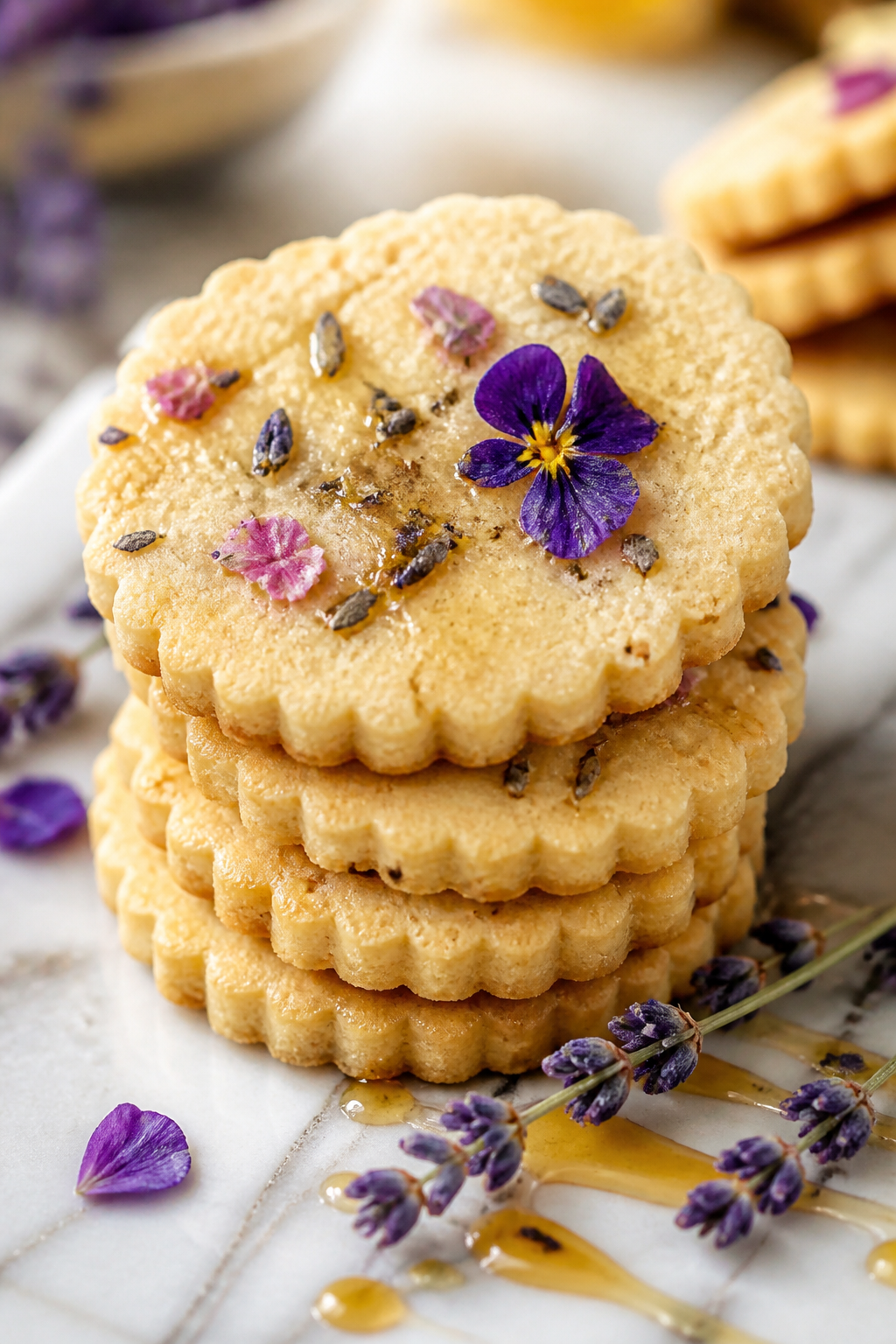
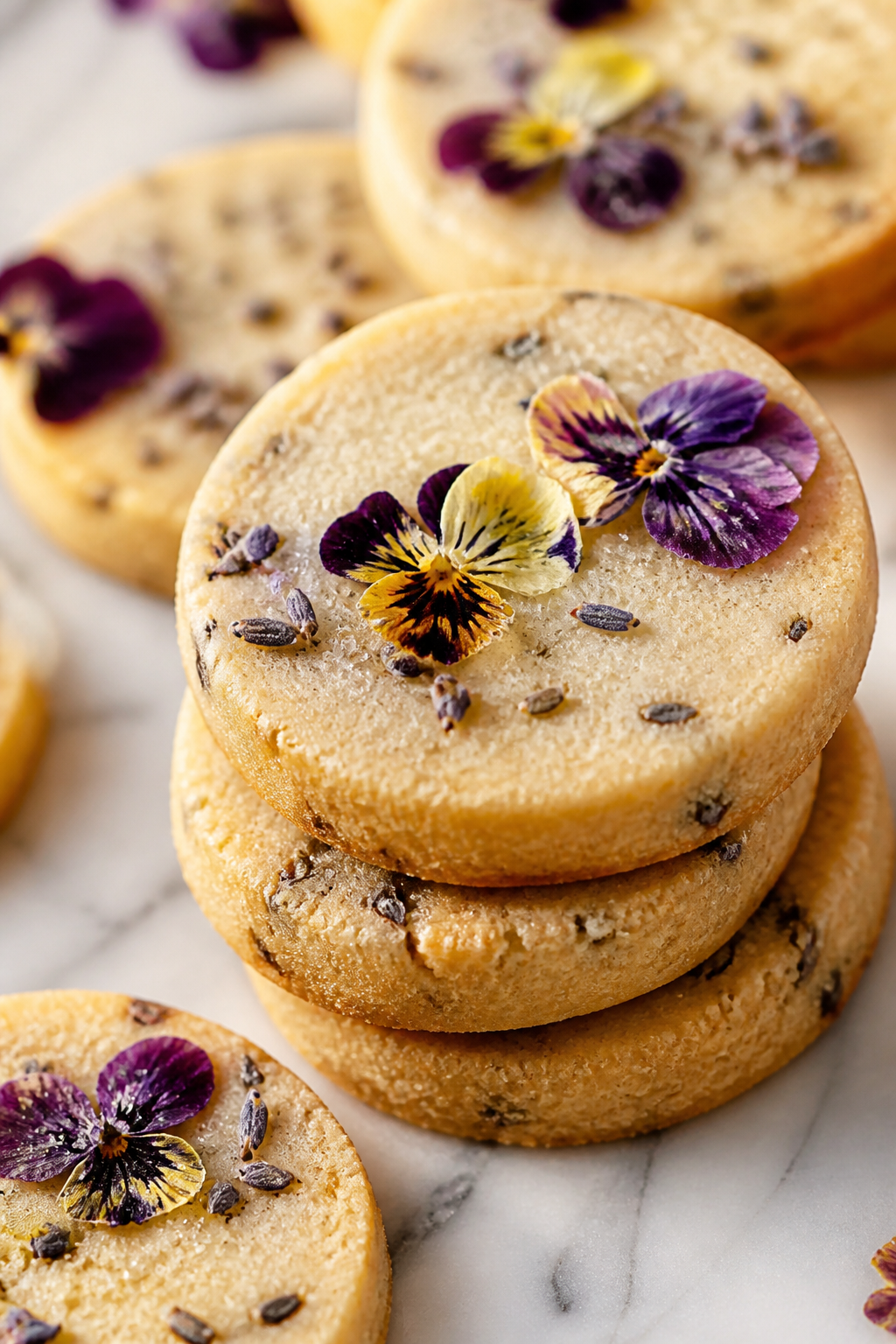
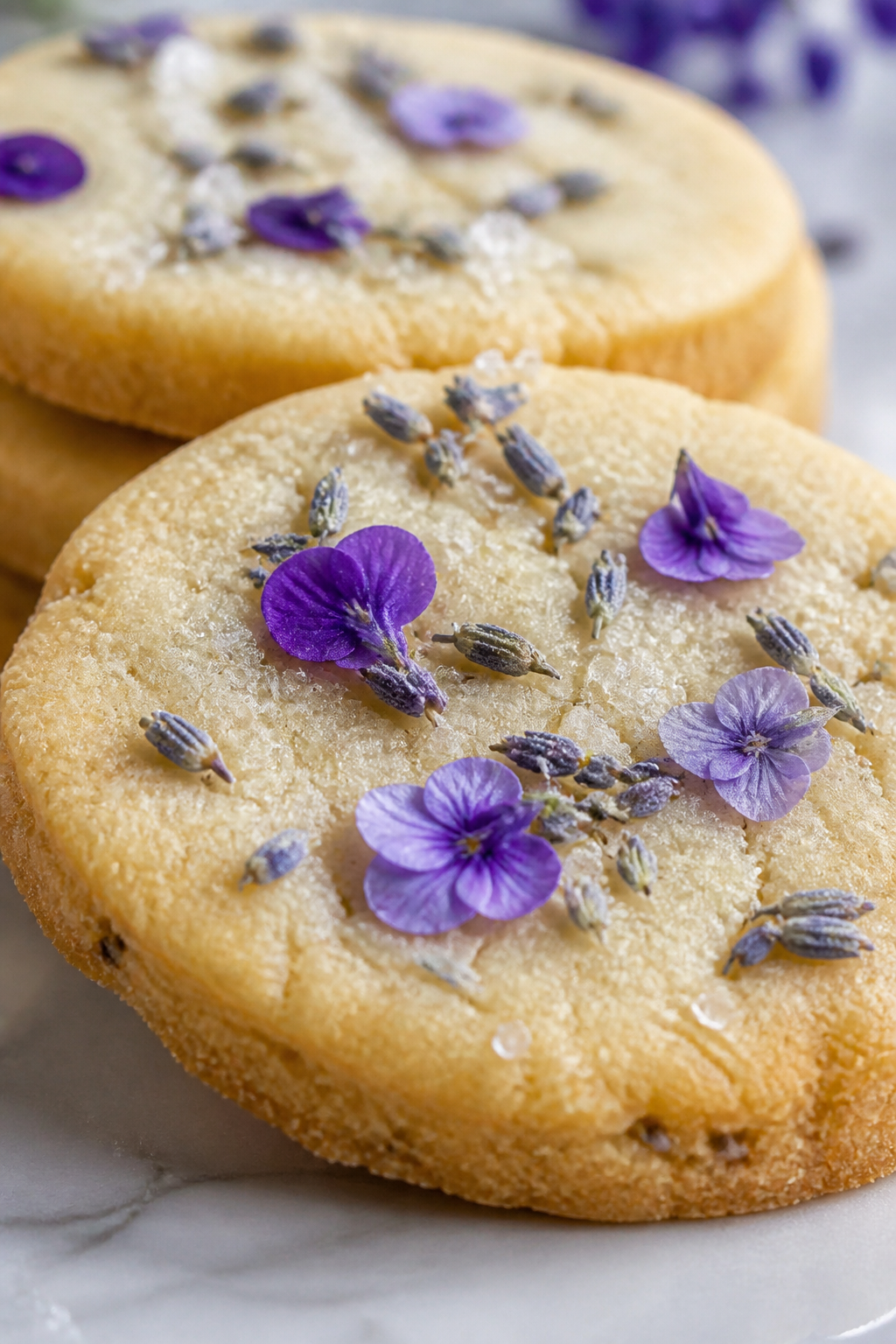
These shortbread cookies are tender and buttery with a gentle honey sweetness and a hint of lavender. The edible flowers on top make them feel extra special—ideal for sharing over tea or gifting to friends.
Introduction
I first stumbled upon lavender shortbread cookies during a summer visit to a local tea house, and I was instantly hooked on how the floral notes paired with buttery sweetness. Since then, I’ve been experimenting with adding honey to naturally sweeten the dough without making it overly sugary. This version is my go-to because it’s soft yet crumbly, with just the right amount of lavender to keep it fragrant but not overpowering. One trick I learned is to gently mix the lavender buds into the butter before adding the flour; this helps release the aroma throughout the cookie. Another tip is to chill the dough before baking to prevent spreading, ensuring a tender, thick shortbread. These cookies look so charming topped with edible flowers, making them perfect for afternoon tea or as a lovely homemade gift. They’re simple enough for beginners but impressive enough to share with friends.
How To Do It
Step 1
In a large mixing bowl, cream the softened butter and granulated sugar together using a hand mixer or stand mixer on medium speed. Beat until the mixture is pale, fluffy, and smooth, about 3-4 minutes. This step is crucial because creaming incorporates air, giving the shortbread a lighter texture. Avoid rushing it or using cold butter, which won’t blend properly and can result in dense cookies.
⏱ Time: 4 minutes
✓ Doneness: Butter and sugar mixture looks pale, smooth, and aerated
Step 2
Add the honey and culinary dried lavender buds to the creamed butter and sugar. Stir gently by hand or on low speed until evenly combined. This step allows the honey to sweeten naturally and the lavender to infuse its aroma evenly throughout the dough. Mixing too vigorously here can bruise the lavender and release bitterness, so be gentle.
⏱ Time: 2 minutes
✓ Doneness: Honey and lavender are fully incorporated without clumps
Step 3
Sift the all-purpose flour and salt together to ensure there are no lumps and to aerate the flour. Then gradually add the dry ingredients to the wet mixture, folding gently with a spatula or mixing on low speed. Overmixing at this stage can develop gluten and make the shortbread tough, so mix just until the dough comes together.
⏱ Time: 3 minutes
✓ Doneness: Dough forms a cohesive, slightly crumbly ball
Step 4
Turn the dough out onto a lightly floured surface and knead gently just to bring it fully together. Shape the dough into a flat disk, wrap it tightly in plastic wrap, and refrigerate for at least 30 minutes. Chilling firms the butter, preventing excessive spreading during baking and helping the flavors meld.
⏱ Time: 30 minutes
✓ Doneness: Dough is firm and chilled, easy to roll out
Step 5
Preheat your oven to 325°F (160°C). Line a baking sheet with parchment paper. On a floured surface, roll out the chilled dough to about 1/4 inch thickness. If the dough is too soft, chill briefly again. Cutting the dough evenly ensures uniform baking and texture.
⏱ Time: 10 minutes
✓ Doneness: Dough is smooth and evenly rolled without cracks
Step 6
Use your favorite cookie cutter (I love a simple circle or floral shape) to cut out the cookies. Transfer them carefully to the prepared baking sheet, spacing them about 1 inch apart. If desired, gently press edible lavender flowers or petals on top for decoration. This adds a beautiful, natural touch without affecting baking.
⏱ Time: 10 minutes
✓ Doneness: Cookies are evenly spaced and decorated, ready to bake
Step 7
Bake the cookies in the preheated oven for 20-25 minutes, rotating the pan halfway through to ensure even baking. Watch closely towards the end; you want a pale golden edge but not browned centers. Overbaking will dry them out, losing that tender shortbread texture.
⏱ Time: 20-25 minutes
✓ Doneness: Edges are lightly golden, centers remain pale and soft
Step 8
Remove the cookies from the oven and let them cool on the baking sheet for 5 minutes before transferring to a wire rack to cool completely. Cooling on the sheet allows them to set gently, preventing breakage. Handling too soon can cause crumbling.
⏱ Time: 10 minutes
✓ Doneness: Cookies feel firm but still tender when touched
Step 9
Once cooled, store the shortbread cookies in an airtight container at room temperature. They keep well for up to a week and actually taste better after a day as the flavors mature. Enjoy with tea or package them as a lovely homemade gift.
⏱ Time: N/A
✓ Doneness: Cookies are fully cooled and stored properly
Pro Tips
Use room temperature butter for easier creaming.
Butter at room temp blends smoothly with sugar, trapping air that creates a lighter texture. Cold butter won't mix well, leading to dense cookies, while melted butter loses the aerating effect.
Chill your dough before rolling and cutting.
Chilling firms the fat, which controls spreading in the oven. Without chilling, cookies can flatten and lose their tender crumb. It also helps flavors meld for a better taste.
Don’t overmix once you add flour.
Overmixing develops gluten, making cookies tough instead of tender. Mix just until combined to keep that soft, crumbly shortbread texture.
Use a light honey to complement lavender.
Strong, dark honey can overpower the delicate floral notes. Mild honey preserves balance and adds subtle sweetness without masking lavender’s aroma.
Gently press edible flowers onto the dough before baking.
This adds a pretty finish without affecting texture. Pressing after baking can bruise the petals or cause them to fall off.
Rotate your baking sheet halfway through baking.
Ovens often have hot spots. Rotating ensures even baking, preventing some cookies from browning too much while others stay pale.
Store cookies in an airtight container once cooled.
This preserves freshness and prevents the cookies from absorbing moisture, which can make them soggy or lose their crisp edges.
Common Mistakes to Avoid
Using cold butter without softening
Why it happens Many assume cold butter is better for baking, but it can’t cream properly with sugar, resulting in dense, heavy cookies.
Fix Plan ahead and let the butter sit at room temperature until soft but not melted. Soft butter blends better and traps air for lightness.
Overmixing after adding flour
Why it happens It's tempting to fully mix dough, but overworking develops gluten, making shortbread tough instead of tender.
Fix Mix flour in slowly and stop as soon as the dough comes together. Use a spatula and fold gently.
Skipping the chilling step
Why it happens Impatience or rushed baking leads to skipping chilling, causing cookies to spread too much and lose shape.
Fix Wrap dough and chill at least 30 minutes. It firms up butter and helps cookies hold their shape while baking.
Using too much lavender
Why it happens Lavender’s flavor is strong and can become bitter if overused. Some think more means better flavor.
Fix Measure precisely and use culinary-grade lavender. Lightly crush buds to release aroma without bitterness.
Overbaking shortbread
Why it happens It's easy to leave cookies in too long hoping for crisp edges, but shortbread dries out quickly.
Fix Watch closely and remove when edges are just golden but centers remain pale and soft.
Variations
Lemon Honey Lavender Shortbread
Add 1 tablespoon finely grated lemon zest to the dough for a bright citrus twist that pairs beautifully with lavender and honey. Expect a slightly zestier aroma and refreshing flavor that balances the rich butter.
Note: Add zest with the honey and lavender buds to evenly disperse flavor. Baking time and texture remain the same.
Chocolate-Dipped Lavender Shortbread
Once cooled, dip half of each cookie in melted dark chocolate and let set. This adds a bittersweet contrast to the buttery, floral cookie, creating a more decadent treat.
Note: Allow cookies to cool completely before dipping to avoid melting or sogginess.
Gluten-Free Honey Lavender Shortbread
Swap all-purpose flour for a 1:1 gluten-free baking flour blend. The texture will be slightly more crumbly but still tender and flavorful. Great for those avoiding gluten.
Note: Chill dough a bit longer and handle gently as gluten-free doughs can be more fragile.
Lavender Almond Shortbread
Add 1/2 cup finely ground almonds to the flour for a nutty depth that complements the honey and lavender. The cookies will be a bit denser with a richer flavor.
Note: Mix almonds with flour before adding to wet ingredients to ensure even distribution.
Vegan Honey Lavender Shortbread
Replace butter with a vegan butter substitute and use maple syrup instead of honey. The flavor will be slightly different but still delicious and tender for vegan diets.
Note: Be sure to use a firm vegan butter to maintain dough structure and chill well.
Nutrition
Per Serving:
Nutritional values are estimates and may vary based on specific ingredients used.
Storage & Tips
Room Temperature
Store the shortbread cookies in an airtight container at room temperature for up to 5 days. Keep them away from heat or sunlight to prevent the butter from softening too much. This keeps the cookies tender yet crisp on the edges.
Refrigerator
You can refrigerate the cookies in an airtight container for up to 10 days. The cooler temperature helps preserve freshness but may slightly firm the texture. Let them come to room temperature before serving for the best flavor.
Freezer
Freeze baked cookies in a sealed container or freezer bag for up to 3 months. To prevent freezer burn, wrap cookies individually in parchment paper before placing in the container. Thaw at room temperature before serving to restore texture.
Reheating
Shortbread cookies are best enjoyed at room temperature. If you prefer warm cookies, heat them gently in a 300°F oven for 3-5 minutes. Avoid microwave reheating as it can make them chewy or oily.
Make Ahead
You can prepare the dough 1-2 days in advance and keep it tightly wrapped in the refrigerator. Roll, cut, and bake the cookies fresh on the day you plan to serve them for optimal texture and flavor.
FAQ
Can I substitute honey with maple syrup in this recipe?
Yes, maple syrup works as a substitute for honey, especially if you want a vegan option. It will slightly change the flavor profile, adding a different sweetness and aroma, but the texture remains tender. Use the same amount as honey and ensure it is well incorporated.
What if I don’t have culinary lavender? Can I use regular lavender?
It’s important to use culinary-grade lavender because it’s safe for consumption and has a milder flavor. Regular lavender, often grown for fragrance, may be treated with pesticides or be too strong and bitter. If you can’t find culinary lavender, it’s better to omit it than risk unpleasant taste or safety concerns.
How do I prevent my shortbread cookies from spreading too much?
Chilling the dough before rolling and baking is key. Cold dough keeps the butter solid, which reduces spreading. Also, avoid using too much butter or over-softening it. Baking at a moderate temperature helps the cookies set quickly without flattening.
Can I make the dough ahead and freeze it?
Absolutely! Wrap the dough tightly in plastic wrap and freeze for up to 1 month. Thaw in the refrigerator overnight before rolling and baking. This helps you prep in advance and bake fresh cookies whenever you want.
Why are my cookies crumbly and falling apart?
Overbaking or overmixing flour can cause dry, crumbly cookies. Make sure to mix just until combined and bake until edges are lightly golden but centers remain soft. Also, using the right amount of butter and honey keeps the dough tender.
Can I use salted butter instead of unsalted?
You can, but reduce or omit added salt in the recipe to avoid oversalting. Unsalted butter gives you more control over salt levels, which is important for balanced flavor in delicate cookies like these.
How do I store these cookies to keep the edible flowers fresh?
If you use edible flowers as decoration, store cookies in a single layer in an airtight container to avoid crushing. Flowers may wilt over time, so it’s best to consume within a few days or press flowers between parchment paper if storing longer.
Can I make these cookies gluten-free?
Yes, substituting with a quality gluten-free all-purpose flour blend works well. The texture might be a bit more fragile, so handle dough gently and chill longer. The flavor remains delicious with the honey and lavender intact.
Final Thoughts
I hope you enjoy making and sharing these lovely honey lavender shortbread cookies as much as I do. They’re a simple way to add a touch of elegance to your teatime or gift-giving—let me know how yours turn out!