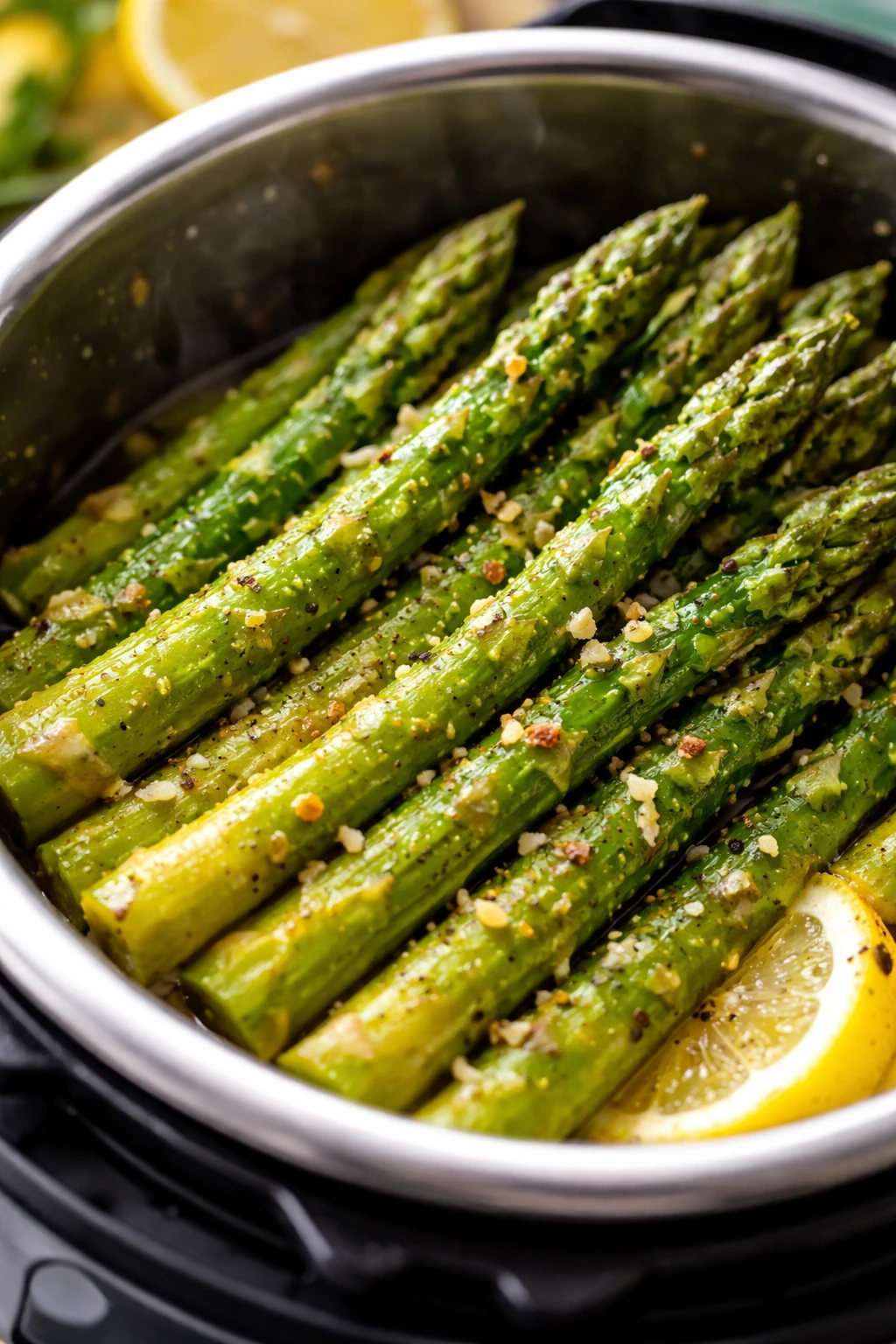
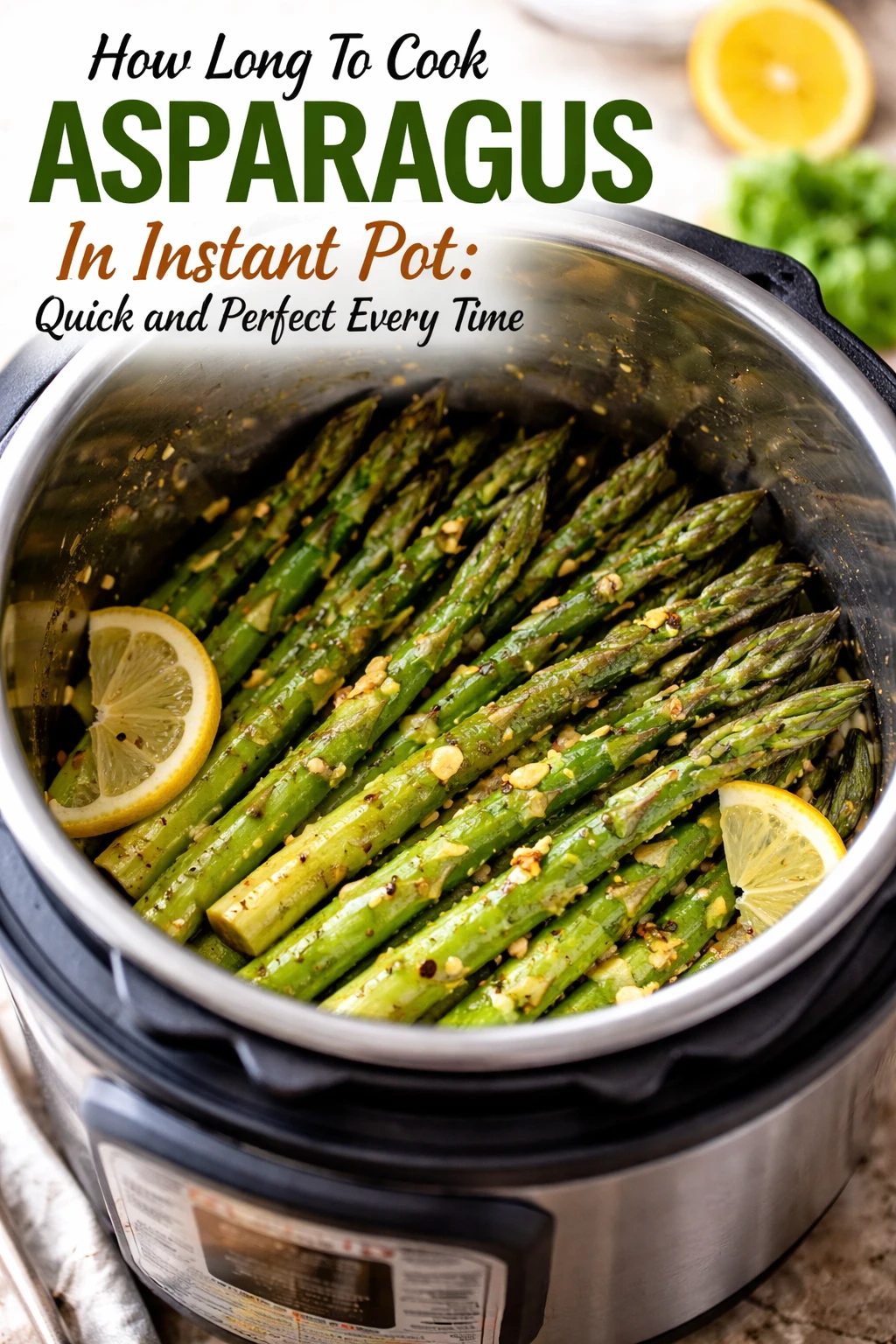
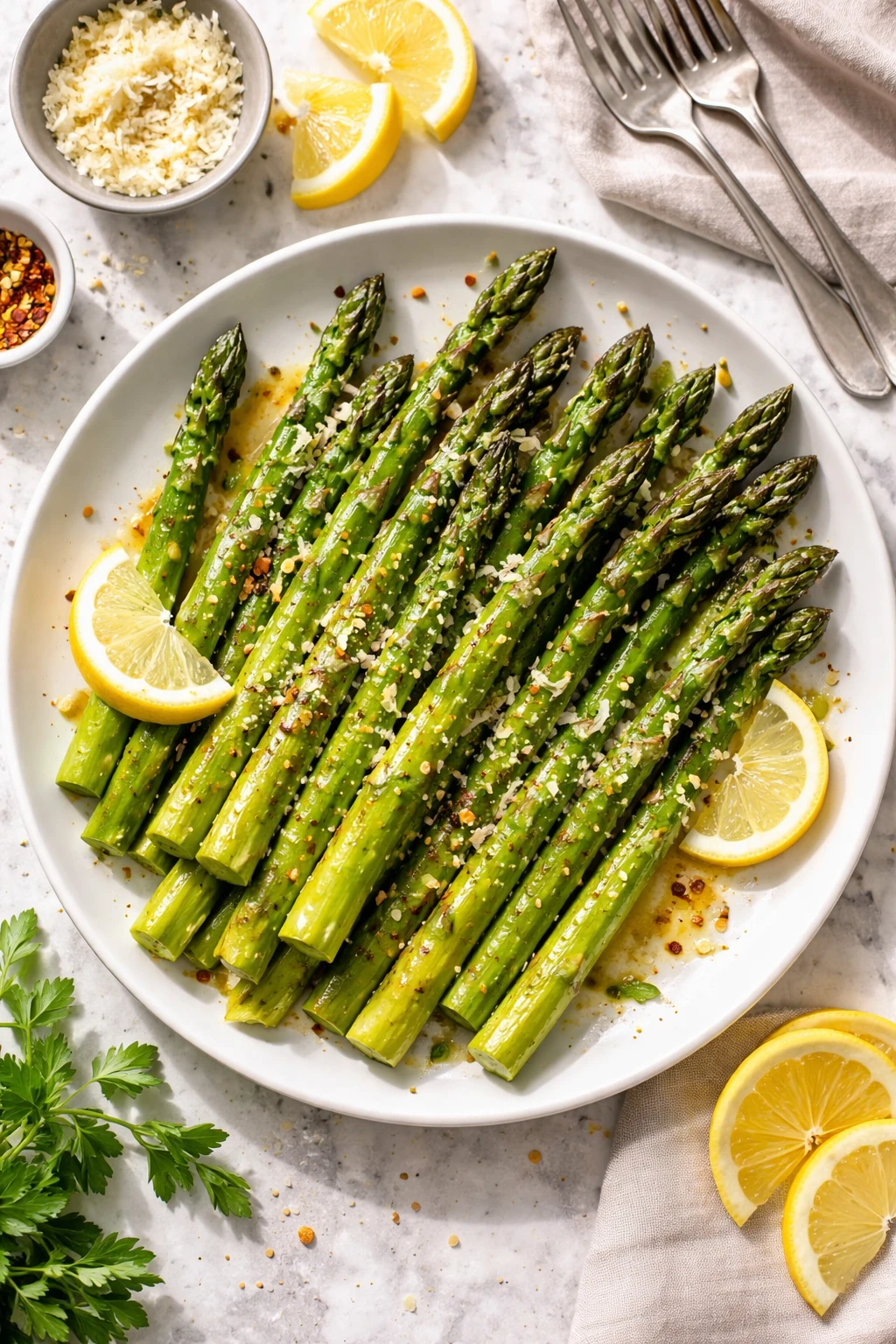
This Instant Pot asparagus recipe gives you bright, crisp-tender stalks super fast. I love how the timing locks in that fresh snap without mushiness. Ideal for quick weeknight sides or prepping ahead!
Introduction
I first tried cooking asparagus in my Instant Pot when I was rushing to get dinner on the table after work. Honestly, I was skeptical that it could capture that perfect tender-crisp texture I love, but it totally nailed it. This method is a total game changer, especially when you want to keep your veggies vibrant and not mushy. What sets this recipe apart is the short cooking time under pressure combined with a quick release, so the asparagus doesn’t overcook. I usually add a splash of olive oil and a squeeze of lemon right before serving to brighten it up. The result is a beautiful side that’s easy to prep, cooks in minutes, and pairs well with everything from grilled chicken to pasta. If you’ve ever struggled with soggy or bland asparagus, give this a try—you’ll be surprised how simple it is to get it just right. Plus, it’s great for meal prep since the texture holds up well when reheated gently. I love that it feels fresh even days later!
How To Do It
Step 1
Start by trimming the tough ends off your asparagus. This is important because those woody ends don’t soften well and can ruin the texture. Rinse the stalks under cold water to remove any dirt or grit. Then, arrange the asparagus in the Instant Pot steamer basket or on the trivet if you don’t have a basket. Make sure the stalks are evenly spread out so the steam can circulate properly, which helps cook them evenly.
⏱ Time: 5 minutes
✓ Doneness: Asparagus stalks are bright green and firm but not stiff
Step 2
Pour 1 cup of water into the bottom of the Instant Pot. Add the steamer basket with the asparagus inside, seal the lid, and set the valve to sealing. Cook on high pressure for exactly 2 to 3 minutes depending on thickness. Thinner stalks need 2 minutes, thicker ones closer to 3. Rushing this step or cooking longer will result in mushy asparagus, so timing is key here.
⏱ Time: 3 minutes
✓ Doneness: Steam releases easily, and asparagus is tender but still has snap when pierced with a fork
Step 3
Once the cook time is up, immediately perform a quick release by carefully turning the valve to venting. This stops the cooking process instantly and prevents overcooking. Leaving the asparagus in the hot steam will continue to cook them, making them limp. Use tongs to remove the asparagus from the pot to a serving dish.
⏱ Time: 1 minute
✓ Doneness: Steam stops escaping and asparagus looks vibrant
Step 4
Drizzle the asparagus with olive oil and season with salt and pepper to taste. Toss gently to coat evenly. The olive oil adds richness and helps the seasoning stick without overpowering the fresh flavor. If you like, squeeze a bit of fresh lemon juice over the top for brightness and a subtle zing.
⏱ Time: 2 minutes
✓ Doneness: Asparagus glistens lightly with oil and seasoning is evenly distributed
Step 5
Serve immediately for the best texture and flavor. If you’re making ahead, cool the asparagus quickly on a plate to stop residual heat cooking, then refrigerate in an airtight container. When reheating, warm gently to avoid turning them mushy. This quick steam method ensures your asparagus stays tender but not soggy, making it perfect for meal prep or last-minute sides.
⏱ Time: 5 minutes
✓ Doneness: Asparagus remains bright green and crisp-tender when served
Step 6
If you want to add a little extra flavor, try sprinkling some freshly grated Parmesan or toasted almonds over the asparagus before serving. These toppings add texture and depth without complicating the simple, fresh taste of the vegetable. Just be sure to add these after cooking to keep them from getting soggy.
⏱ Time: 2 minutes
✓ Doneness: Toppings look fresh and add a contrasting texture
Step 7
For a more herbaceous twist, finely chop fresh herbs like parsley, dill, or chives and sprinkle over the asparagus after tossing with oil and lemon. This little touch brightens the dish and makes it feel special with minimal effort. The herbs also add a lovely aroma that complements the natural earthiness of asparagus.
⏱ Time: 2 minutes
✓ Doneness: Herbs are vibrant and evenly distributed on the asparagus
Step 8
If you’re cooking for a crowd, double the recipe but keep the asparagus in a single layer in your steamer basket or cook in batches. Avoid overcrowding because that traps steam unevenly and can cause some stalks to overcook while others remain underdone. Even spacing is essential for consistent texture.
⏱ Time: Varies
✓ Doneness: All asparagus stalks have the same bright color and tenderness
Step 9
Clean your Instant Pot promptly after cooking asparagus to avoid lingering smells. Use warm soapy water and a soft cloth to wipe the inner pot and lid. This keeps your kitchen smelling fresh and prevents flavors from transferring to other dishes.
⏱ Time: 5 minutes
✓ Doneness: Instant Pot is clean and odor-free
Pro Tips
Trim asparagus ends just before cooking to maintain freshness.
Trimming right before cooking ensures the ends don’t dry out or become woody. This keeps the texture tender and prevents fibrous bites. If trimmed too early, asparagus can lose moisture and become limp.
Use a steamer basket or trivet to keep asparagus above water.
Keeping the asparagus elevated prevents it from sitting in water, which can make it soggy. Steam cooks the vegetable gently and evenly, preserving texture and nutrients.
Quick release pressure immediately after cooking time.
Releasing pressure right away stops the cooking process instantly. If you wait, the residual heat keeps cooking the asparagus, which leads to mushiness and dull color.
Don’t overcrowd the basket—leave space between stalks.
Proper steam circulation is essential for even cooking. Crowding traps moisture unevenly, causing inconsistent texture with some stalks overcooked and others underdone.
Add lemon juice after cooking for fresh brightness.
Adding lemon before or during cooking can cause bitterness and dull the fresh flavor. A squeeze of fresh lemon after cooking enhances taste and aroma beautifully.
Serve immediately or cool quickly for meal prep.
Asparagus tastes best fresh but cools well for later use. Rapid cooling stops cooking and preserves the crisp-tender texture, making it great for make-ahead meals.
Use thick asparagus for a meatier bite, thin for delicate dishes.
Thickness affects cooking time and texture. Choose based on your preference—thick stalks are hearty, thin stalks are tender. Adjust cook time accordingly.
Common Mistakes to Avoid
Overcooking the asparagus
Why it happens Many assume longer cooking means softer vegetables, but asparagus quickly becomes mushy if overdone.
Fix Set the Instant Pot timer precisely to 2-3 minutes depending on thickness and perform an immediate quick release to stop cooking.
Skipping trimming woody ends
Why it happens It’s easy to forget trimming or to not trim enough, leaving tough ends that are unpleasant to eat.
Fix Snap or cut off the bottom 1-2 inches of each stalk before cooking to remove the fibrous part.
Overcrowding the steamer basket
Why it happens Trying to cook too much at once traps steam unevenly, causing inconsistent cooking.
Fix Arrange asparagus in a single layer with space between stalks or cook in batches.
Adding oil before cooking
Why it happens Some add oil to the pot before cooking, which can hinder steam circulation and cause uneven cooking.
Fix Add oil only after cooking to coat the asparagus and enhance flavor.
Not performing a quick pressure release
Why it happens Allowing the pot to naturally release pressure continues cooking and softens the asparagus too much.
Fix Turn the valve to venting immediately after cooking time ends to stop heat exposure.
Variations
Garlic Butter Asparagus
After steaming, toss the asparagus with melted butter and minced garlic. This adds a rich, savory flavor that’s perfect for a special dinner. The garlic aroma infuses the stalks without overpowering their natural taste.
Note: Add garlic to butter after melting to avoid burning, then toss immediately with hot asparagus for best flavor.
Spicy Lemon Asparagus
Add a pinch of red pepper flakes and a drizzle of lemon juice after cooking for a zesty kick. This variation is great if you want a little heat and brightness combined in one quick side dish.
Note: Adjust red pepper flakes to taste; add after cooking to maintain crisp texture.
Parmesan Roasted Asparagus Finish
After steaming, sprinkle grated Parmesan and broil the asparagus for 2-3 minutes until cheese melts and browns slightly. This adds a crispy, cheesy crust that contrasts deliciously with tender stalks.
Note: Watch carefully under the broiler to avoid burning the cheese.
Asian-Inspired Sesame Asparagus
Toss steamed asparagus with toasted sesame oil, soy sauce, and sprinkle with sesame seeds. This variation brings an umami-rich flavor and nutty crunch that pairs well with rice or noodles.
Note: Add sesame oil and soy sauce after cooking to preserve asparagus texture.
Asparagus with Hollandaise Sauce
Serve your steamed asparagus with a classic hollandaise sauce for an elegant brunch or dinner side. The creamy, tangy sauce complements the fresh veggie perfectly.
Note: Prepare hollandaise separately and drizzle over asparagus just before serving.
Nutrition
Per Serving:
Nutritional values are estimates and may vary based on specific ingredients used.
Storage & Tips
Room Temperature
Asparagus can be left at room temperature for up to 2 hours if covered loosely. Beyond that, bacteria growth can occur, so refrigerate promptly.
Refrigerator
Store cooked asparagus in an airtight container for up to 3 days. The texture may soften slightly when cold, so reheat gently or enjoy chilled in salads.
Freezer
Freezing asparagus after steaming is possible but not recommended as it can become mushy. If freezing, wrap tightly in freezer-safe bags for up to 1 month and thaw in refrigerator before reheating gently.
Reheating
Reheat asparagus in a skillet over medium heat with a splash of water or olive oil to warm through without drying. Avoid microwaving too long to prevent sogginess.
Make Ahead
Steam asparagus up to 1 day ahead, cool quickly, and refrigerate. Add oil, seasoning, and lemon juice just before serving to keep flavors fresh.
FAQ
Can I cook frozen asparagus in the Instant Pot?
Yes, but frozen asparagus will release more water and may cook faster, so reduce the cooking time to about 1-2 minutes. Use quick release immediately to avoid mushiness.
What if I don’t have a steamer basket?
You can place the asparagus on the Instant Pot trivet or use a heatproof plate inside the pot. Just make sure the asparagus stays above the water level to steam properly.
How do I know when asparagus is done?
It should be bright green, tender enough to pierce with a fork but still have a slight snap. Overcooked asparagus looks dull and feels mushy.
Can I add seasonings before cooking?
It’s best to add salt, oil, and lemon after cooking. Adding them before can affect texture and steam penetration.
What if my asparagus is too thick or thin?
Adjust the pressure cooking time: 2 minutes for thin stalks, up to 3 minutes for thick ones. Always quick release to stop cooking promptly.
How do I prevent asparagus from turning mushy?
Don’t overcook and always quick release pressure right after cooking. Also, avoid overcrowding the basket to ensure even steam circulation.
Can I reheat asparagus multiple times?
It’s best to reheat only once to preserve texture. Repeated heating will make asparagus limp and less flavorful.
Is it better to steam or boil asparagus?
Steaming preserves nutrients and texture better than boiling, which can leach flavor and cause sogginess.
Final Thoughts
Give this Instant Pot asparagus a try—you’ll love how easy it is to get perfect results every time. Don’t forget to share your favorite variations with me!