This easy pot method cooks asparagus to tender-crisp perfection with just water and salt. It keeps the vibrant green color and fresh flavor intact. Great as a quick side for any meal!
Introduction
I remember the first time I tried cooking asparagus this way — just boiling it quickly in salted water — and was amazed at how bright green and tender it turned out. No fuss, no fancy ingredients, just pure, fresh asparagus that tastes like spring on a plate. Over time, I've tweaked the timing to get the perfect tender-crisp texture that keeps the stalks from getting mushy or dull. The trick is to watch the cooking time closely and drain immediately to preserve the color and snap. This method is my go-to when I want a healthy, simple side without turning on the oven or pulling out multiple pots. It’s especially great for busy weeknights or when you want to keep dinner light and fresh. The finished asparagus has a subtle sweetness and a satisfying crunch that pairs well with everything from grilled chicken to pasta. I love that it’s so quick and keeps that natural flavor front and center. Honestly, it’s one of those easy techniques I think every home cook should have in their repertoire.
How To Do It
Step 1
Start by trimming the tough ends off the asparagus stalks — usually about an inch or so from the bottom. This helps remove the woody parts that can be unpleasant to eat. Use your hands to gently bend the stalk near the base; it will naturally snap at the right spot. Don’t skip this step because it ensures you get tender, enjoyable asparagus without any fibrous bits. Once trimmed, rinse the stalks under cold water to clean away any dirt or grit. Having clean, prepped asparagus is key for even cooking and a fresh taste.
⏱ Time: 5 minutes
✓ Doneness: Asparagus stalks snapped cleanly and rinsed thoroughly
Step 2
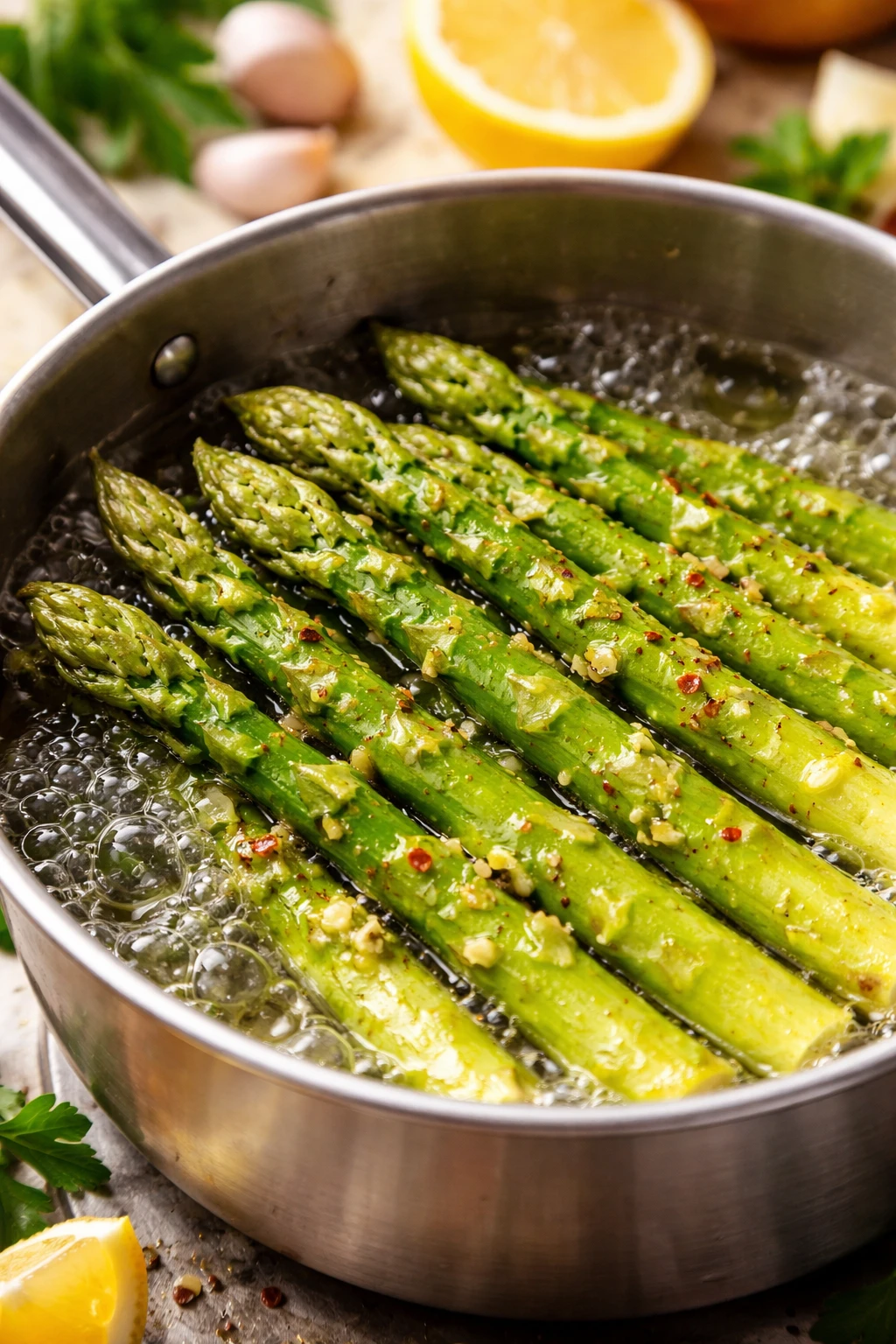
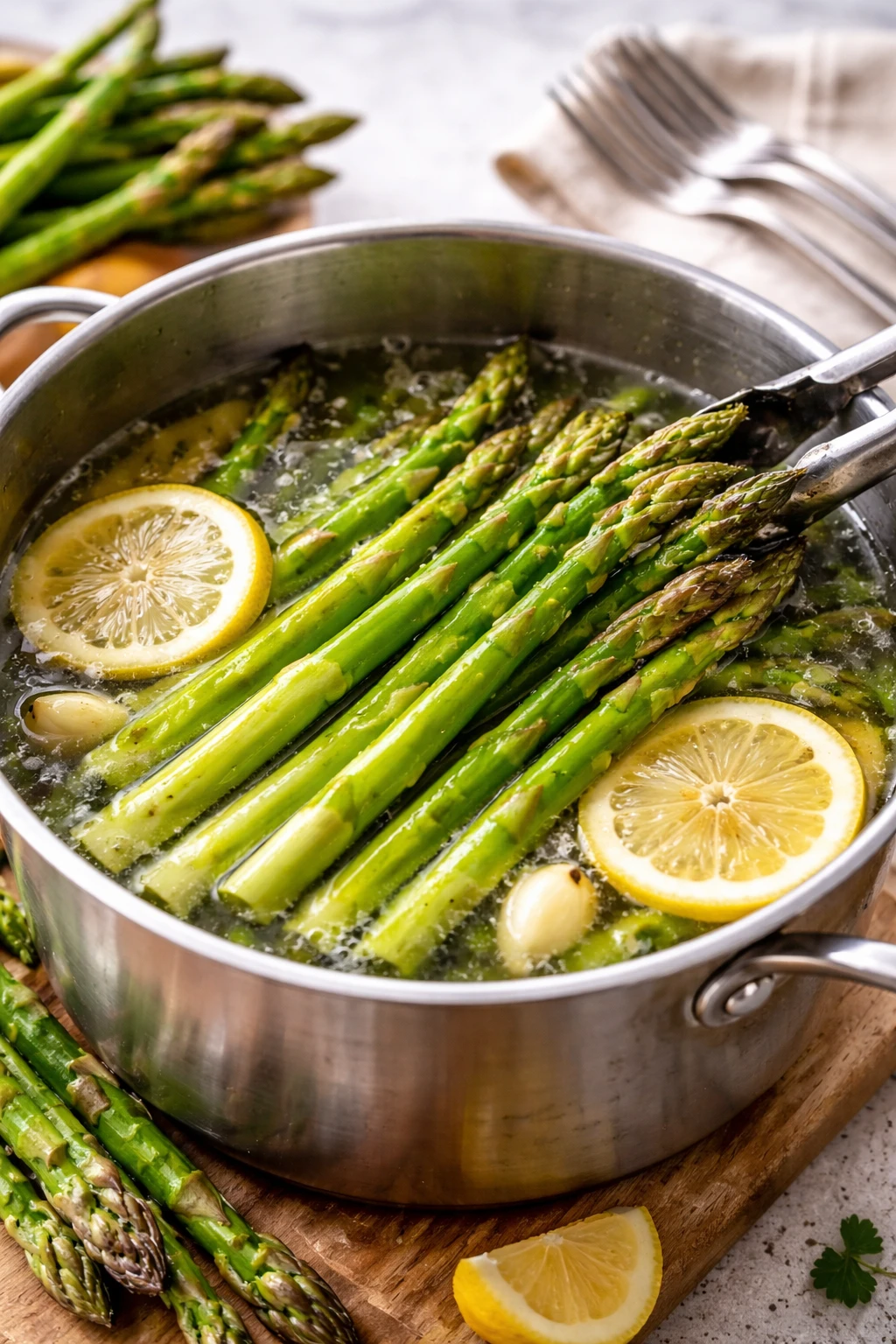
Fill a medium pot with about 4 cups of water and add half a teaspoon of salt. Bring the water to a rolling boil over high heat. The salt seasons the asparagus as it cooks and helps maintain the vibrant green color by raising the boiling point slightly. Avoid skipping the salt because it enhances flavor and texture. When the water is boiling vigorously, add the asparagus stalks all at once. Make sure they are fully submerged so they cook evenly. Boiling rapidly is important here to cook the asparagus quickly without turning it mushy.
⏱ Time: 3-5 minutes
✓ Doneness: Water returns to a rolling boil with asparagus submerged
Step 3
Cook the asparagus uncovered for about 3 to 5 minutes, depending on thickness. Thinner stalks will be done closer to 3 minutes while thicker ones may need the full 5. Keep an eye on the color and texture — the asparagus should be bright green and tender but still have a slight snap when you bite into it. Overcooking will cause it to become dull and mushy, so it’s better to check a little early and test by tasting. This step is all about timing and attention to get that perfect balance.
⏱ Time: 3-5 minutes
✓ Doneness: Bright green stalks that pierce easily with a fork but remain firm
Step 4
Once cooked, immediately drain the asparagus in a colander and rinse briefly with cold water or place in an ice water bath to stop the cooking process. This 'shocking' step locks in the color and prevents the asparagus from becoming overdone from residual heat. Many skip this and end up with limp veggies. If you don’t have ice water, just rinsing under cold running water works well too. Drain thoroughly after to avoid sogginess.
⏱ Time: 2 minutes
✓ Doneness: Asparagus cool to touch and retain vibrant green color
Step 5
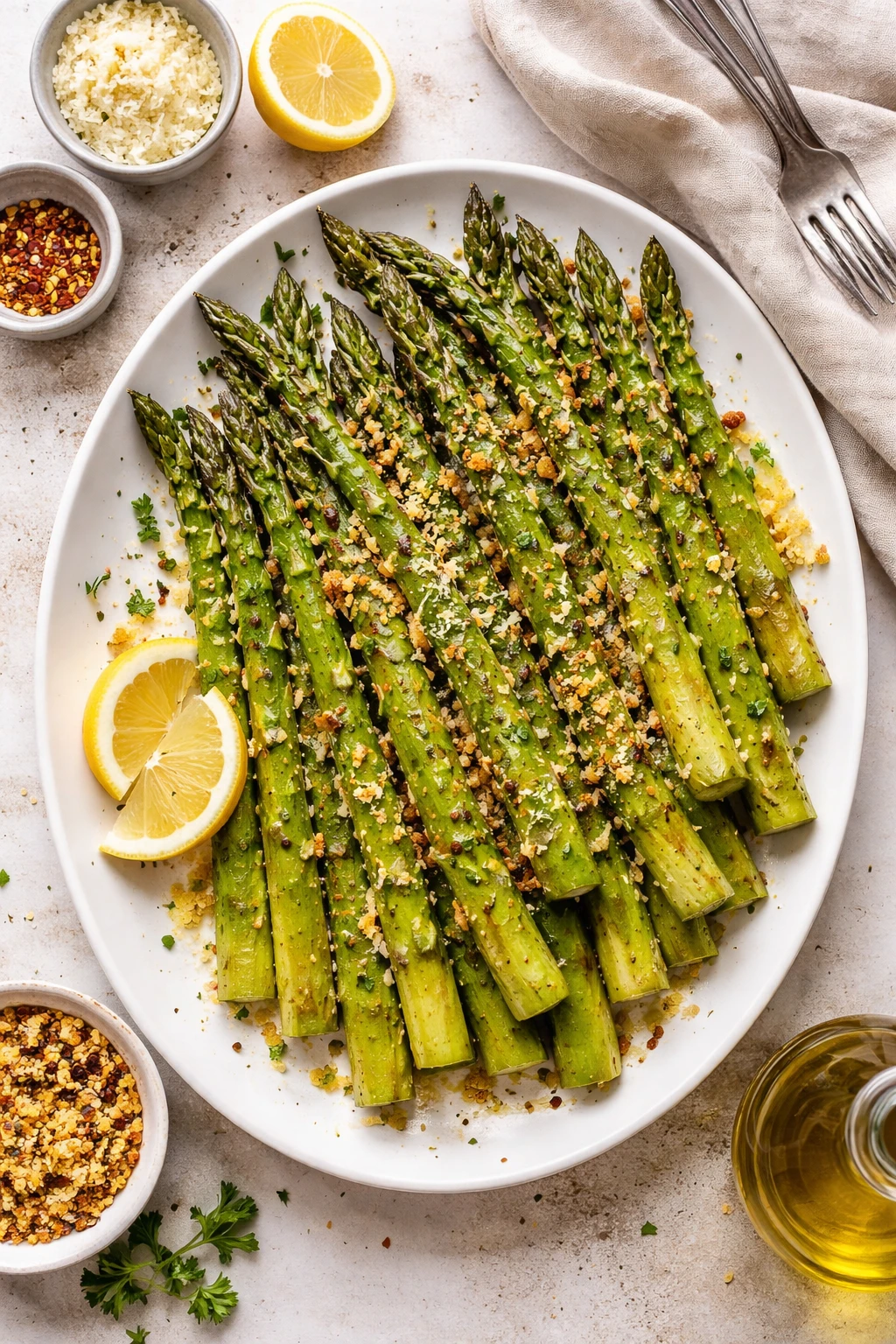
Transfer the cooled asparagus to a serving dish. At this point, you can drizzle with a little olive oil or melted butter for richness, sprinkle some freshly ground black pepper, or add a squeeze of lemon juice to brighten the flavors. These simple finishing touches elevate the dish without overpowering the fresh vegetable taste. I like to keep it minimal so the asparagus is the star. Serve immediately for the best texture and flavor.
⏱ Time: 2 minutes
✓ Doneness: Evenly coated asparagus with a light sheen and fresh aroma
Step 6
If you want to add a little extra flavor, try tossing the asparagus with toasted nuts like almonds or pine nuts, or sprinkle some grated Parmesan cheese right before serving. These add texture and a savory note that pairs wonderfully with the tender stalks. Just be careful not to add too much salt if you’re using cheese, as the asparagus is already seasoned. These add-ons can turn a simple side into something a bit more special.
⏱ Time: 1-2 minutes
✓ Doneness: Nuts lightly toasted and cheese evenly melted if using
Step 7
For a slight variation, you can blanch the asparagus instead of boiling fully. Boil for 2-3 minutes, then shock in ice water and serve cold or at room temperature. This keeps the stalks extra crisp and is great for salads or as a chilled appetizer. Blanching requires precise timing to avoid under or overcooking, but the refreshing texture is worth it. I like this method when serving asparagus in warmer months or as part of a veggie platter.
⏱ Time: 3-5 minutes
✓ Doneness: Crisp, bright green asparagus cooled completely
Step 8
If you’re cooking a larger batch, work in batches so the asparagus cooks evenly and the water returns quickly to a boil each time. Crowding the pot can cause uneven cooking and dull color. Also, make sure to drain and cool each batch promptly. This keeps the quality consistent throughout. It might take a little extra time but the results are worth it.
⏱ Time: Varies
✓ Doneness: Evenly cooked asparagus with consistent texture and color
Step 9
Finally, store any leftovers in an airtight container in the refrigerator. They’re best eaten within a day or two, as asparagus loses its texture quickly. You can reheat gently by steaming or quickly sautéing to bring back some warmth without overcooking. Avoid microwaving too long or it becomes rubbery. Leftovers are great tossed into salads, pasta, or omelets for a quick veggie boost.
⏱ Time: N/A
✓ Doneness: Stored asparagus retains texture and flavor after reheating
Pro Tips
Trim asparagus by snapping off the woody ends instead of cutting.
Snapping naturally breaks the stalk at the point where tenderness ends and woody texture begins, ensuring you only cook and eat the tender parts. Cutting blindly can leave tough bits that ruin the eating experience.
Don’t overcrowd the pot when boiling asparagus.
Crowding lowers the water temperature and causes uneven cooking, resulting in some stalks being mushy while others remain undercooked. Cooking in batches keeps the water boiling vigorously and cooks asparagus evenly.
Shock asparagus in ice water immediately after boiling.
This stops the cooking process instantly, locking in the bright green color and crisp texture. Without shocking, residual heat continues cooking, leading to limp, dull asparagus.
Use a timer and taste test to avoid overcooking.
Asparagus cooks quickly, and even a minute too long can turn it mushy. Taste testing ensures you catch the perfect tender-crisp stage, preserving both texture and flavor.
Add finishing touches like olive oil or lemon juice after cooking.
These simple additions enhance flavor without masking the fresh vegetable taste. Oil adds richness and a smooth mouthfeel, while lemon brightens and balances the earthiness.
Choose thicker asparagus stalks for boiling.
Thicker stalks hold their shape and texture better during boiling, reducing the risk of mushiness. Thin stalks cook faster but are more delicate and can become overly soft if not watched carefully.
Use fresh, cold water and bring it to a full boil before adding asparagus.
Starting with boiling water ensures rapid cooking that seals the exterior, locking in flavor and nutrients. Adding asparagus to water that isn’t hot enough results in uneven cooking and color loss.
Common Mistakes to Avoid
Overcooking the asparagus until mushy.
Why it happens Many assume longer cooking makes vegetables more tender, but asparagus quickly turns soft and loses flavor if boiled too long.
Fix Set a timer for 3 minutes and start checking the texture early by tasting. Remove immediately once tender but still crisp. Rapid cooling in ice water also helps stop the cooking process.
Skipping the salt in the boiling water.
Why it happens Some cooks overlook seasoning the cooking water, thinking it’s unnecessary or will make it salty.
Fix Add about 1/2 teaspoon salt to the water. It enhances flavor and preserves the bright green color, making a big difference in the final dish.
Not trimming the woody ends properly.
Why it happens People sometimes guess where to cut or don’t remove enough, leaving tough, fibrous parts that are unpleasant to eat.
Fix Snap each stalk near the base until it naturally breaks. This guarantees only tender parts are cooked and served.
Leaving asparagus in hot water after cooking.
Why it happens Some leave asparagus in the pot or draining basket without cooling it quickly, causing it to keep cooking from residual heat.
Fix Immediately transfer asparagus to ice water or rinse under cold running water to stop cooking and retain texture.
Overcrowding the pot during boiling.
Why it happens Trying to cook too much asparagus at once lowers water temperature and causes uneven cooking.
Fix Cook in smaller batches to maintain boiling temperature and consistent texture across all stalks.
Variations
Garlic Butter Asparagus
After boiling the asparagus, sauté it briefly in garlic-infused butter for a rich, aromatic side. This adds savory depth and a slight caramelization without losing the tender-crisp texture.
Note: Sauté quickly over medium heat for 2 minutes to avoid overcooking the asparagus.
Lemon Parmesan Asparagus
Toss boiled asparagus with lemon zest, fresh lemon juice, and a sprinkle of grated Parmesan cheese. This variation is bright and cheesy, perfect for a light, flavorful side dish.
Note: Add cheese just before serving to prevent it from melting too much and losing texture.
Blanched and Chilled Asparagus Salad
Blanch asparagus briefly, shock in ice water, then serve chilled with a vinaigrette or herb dressing. This is refreshing and crisp, ideal for warm weather or picnic dishes.
Note: Reduce boiling time to 2-3 minutes to maintain extra crunchiness.
Asparagus with Toasted Almonds
Top your boiled asparagus with toasted slivered almonds and a drizzle of olive oil for extra crunch and nutty flavor. It’s a simple way to elevate the dish’s texture and taste.
Note: Toast almonds in a dry pan over medium heat until fragrant and golden, about 3-4 minutes.
Spicy Chili Asparagus
After boiling, toss asparagus with chili flakes, a splash of soy sauce, and a drizzle of sesame oil for a spicy Asian-inspired side. It adds heat and umami without overpowering the vegetable.
Note: Add chili flakes sparingly and adjust to taste to keep balance.
Nutrition
Per Serving:
Nutritional values are estimates and may vary based on specific ingredients used.
Storage & Tips
Room Temperature
Cooked asparagus can safely sit at room temperature for up to 2 hours if covered loosely to avoid drying out or contamination. Beyond that, it should be refrigerated to prevent bacterial growth.
Refrigerator
Store cooled asparagus in an airtight container in the refrigerator for up to 2 days. The texture may soften slightly when chilled, so it’s best served warm or at room temperature. Reheating gently helps restore some firmness.
Freezer
Freezing cooked asparagus is not recommended as it tends to become mushy and lose its vibrant color after thawing. If you must freeze, wrap tightly in plastic wrap and place in a freezer bag for up to 1 month, then thaw in the fridge overnight.
Reheating
Reheat asparagus gently in a skillet over low heat with a splash of water or olive oil, stirring occasionally until warmed through. Avoid microwaving for long periods as it can turn rubbery. Steaming briefly also works well.
Make Ahead
You can trim and rinse asparagus 1 day ahead and store in the fridge wrapped in a damp paper towel. Boil and shock the asparagus up to a day in advance, then store in an airtight container. Reheat or serve cold depending on preference.
FAQ
Can I use frozen asparagus for this recipe?
Frozen asparagus is usually pre-blanched and can become mushy if boiled again. It’s better to steam or sauté frozen asparagus briefly instead. For best results and texture, fresh asparagus is recommended for this pot cooking method.
How do I know when asparagus is perfectly cooked?
Perfectly cooked asparagus should be bright green and tender when pierced with a fork but still have a slight snap or firmness when bitten. Overcooked asparagus will be dull and mushy, so taste early and often during cooking.
What if I don’t have ice for an ice bath?
If you don’t have ice, rinse the asparagus immediately under cold running water after boiling to quickly cool it down. This will help stop the cooking process and preserve color and texture similarly to an ice bath.
Can I add flavorings while boiling asparagus?
It’s best to keep boiling water simple with just salt to preserve the fresh flavor and color. Adding strong flavorings or oils during boiling can affect color and texture negatively. Add any seasonings or dressings after cooking for best results.
How thick can the asparagus stalks be for this method?
Thicker stalks, about the diameter of a pencil or slightly larger, work best for boiling as they hold their texture well. Very thin stalks cook too fast and can become mushy quickly, so reduce cooking time accordingly if using thin asparagus.
Is it okay to cover the pot while boiling asparagus?
It’s better to boil uncovered so you can monitor the cooking process and prevent overcooking. Covering traps steam and can cause uneven cooking or sogginess in the asparagus.
Can I reheat leftover asparagus in the microwave?
Microwaving can make asparagus rubbery if heated too long. If you use a microwave, heat in short bursts and add a splash of water or olive oil to retain moisture. Gentle reheating on the stovetop is usually better.
How do I store leftover cooked asparagus?
Store leftovers in an airtight container in the refrigerator for up to 2 days. Make sure asparagus is cooled completely before sealing to prevent sogginess. Reheat gently or enjoy cold in salads.
Final Thoughts
Give this simple pot-cooked asparagus a try and enjoy a fresh, vibrant side in minutes. I’d love to hear how it turns out for you!