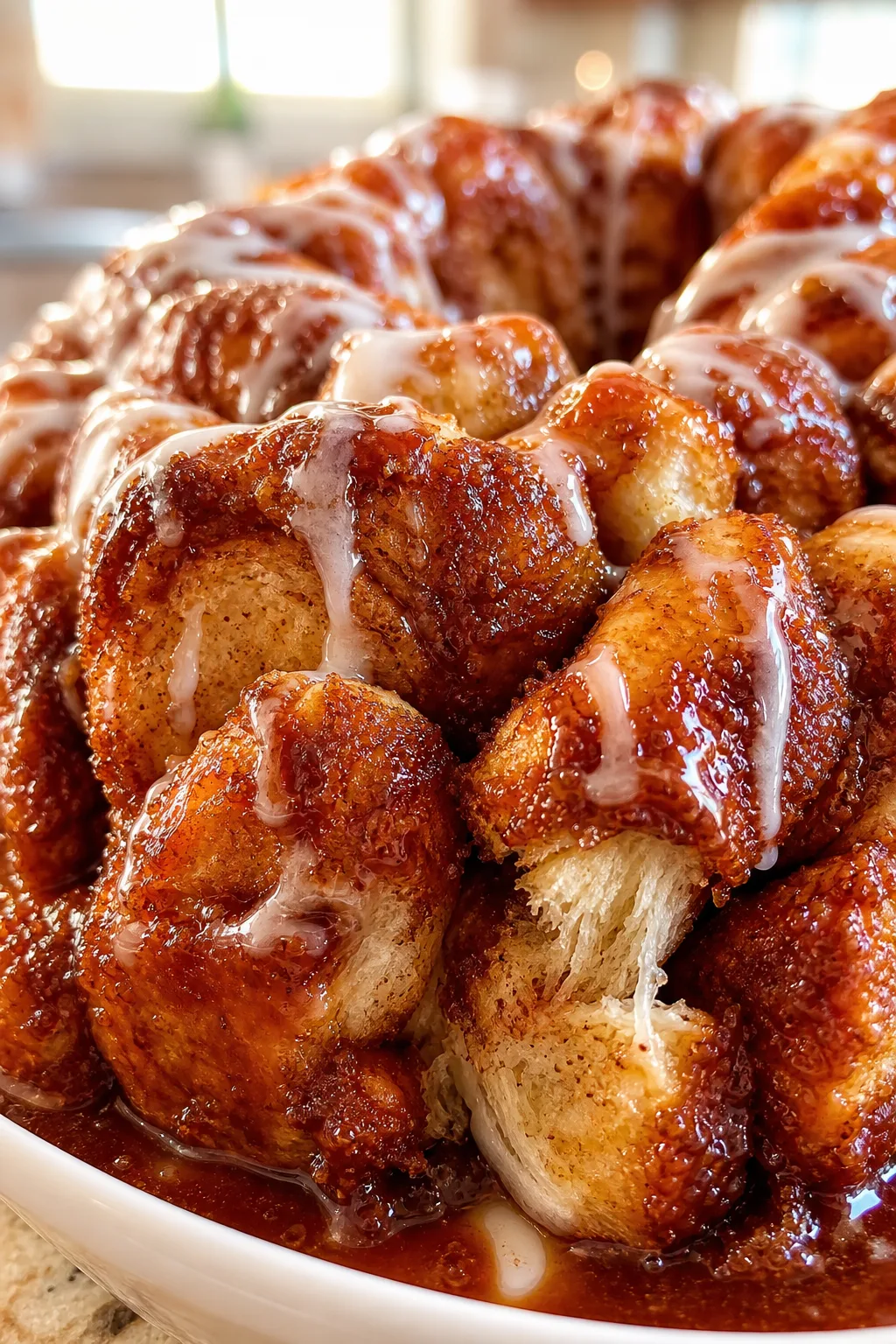
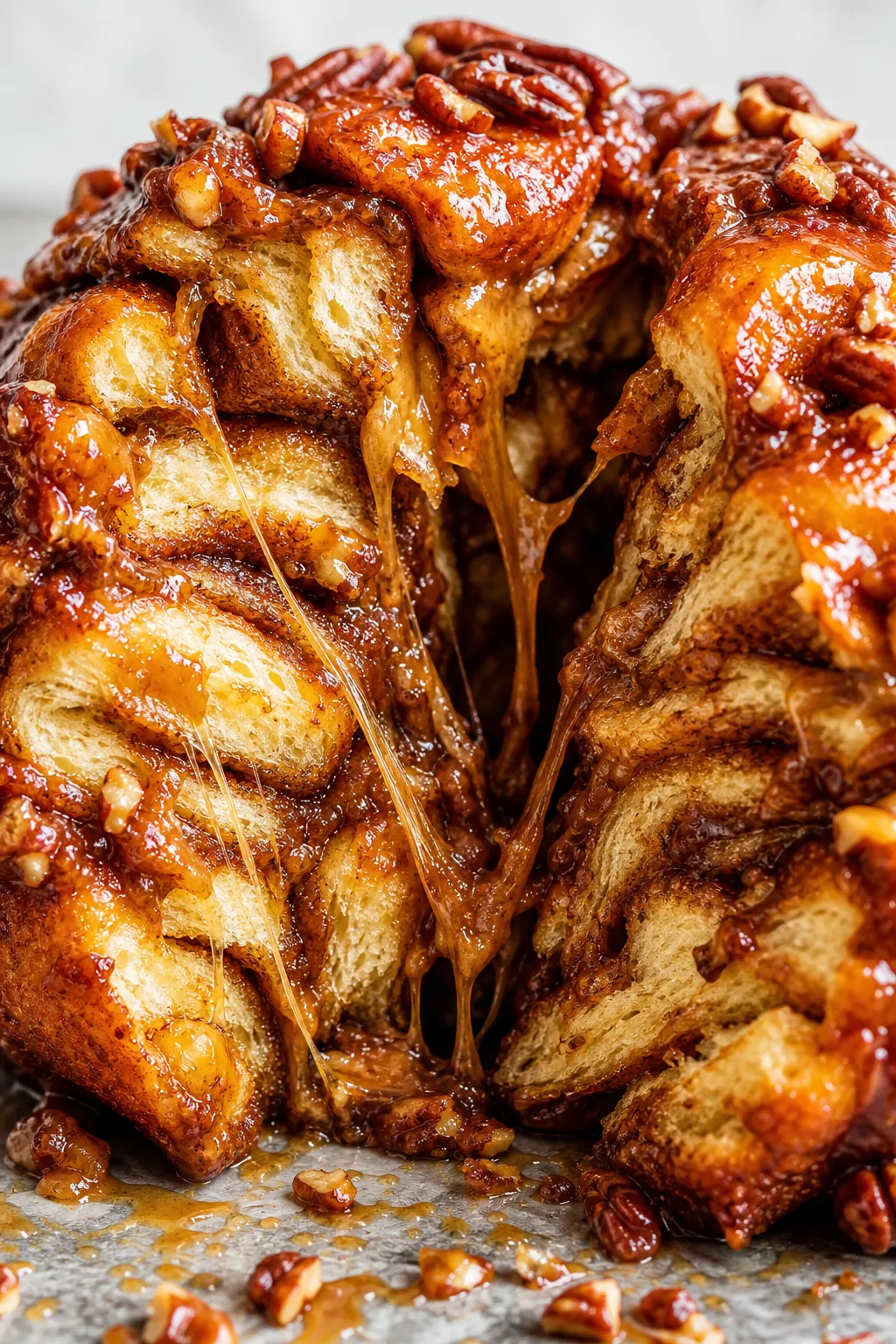
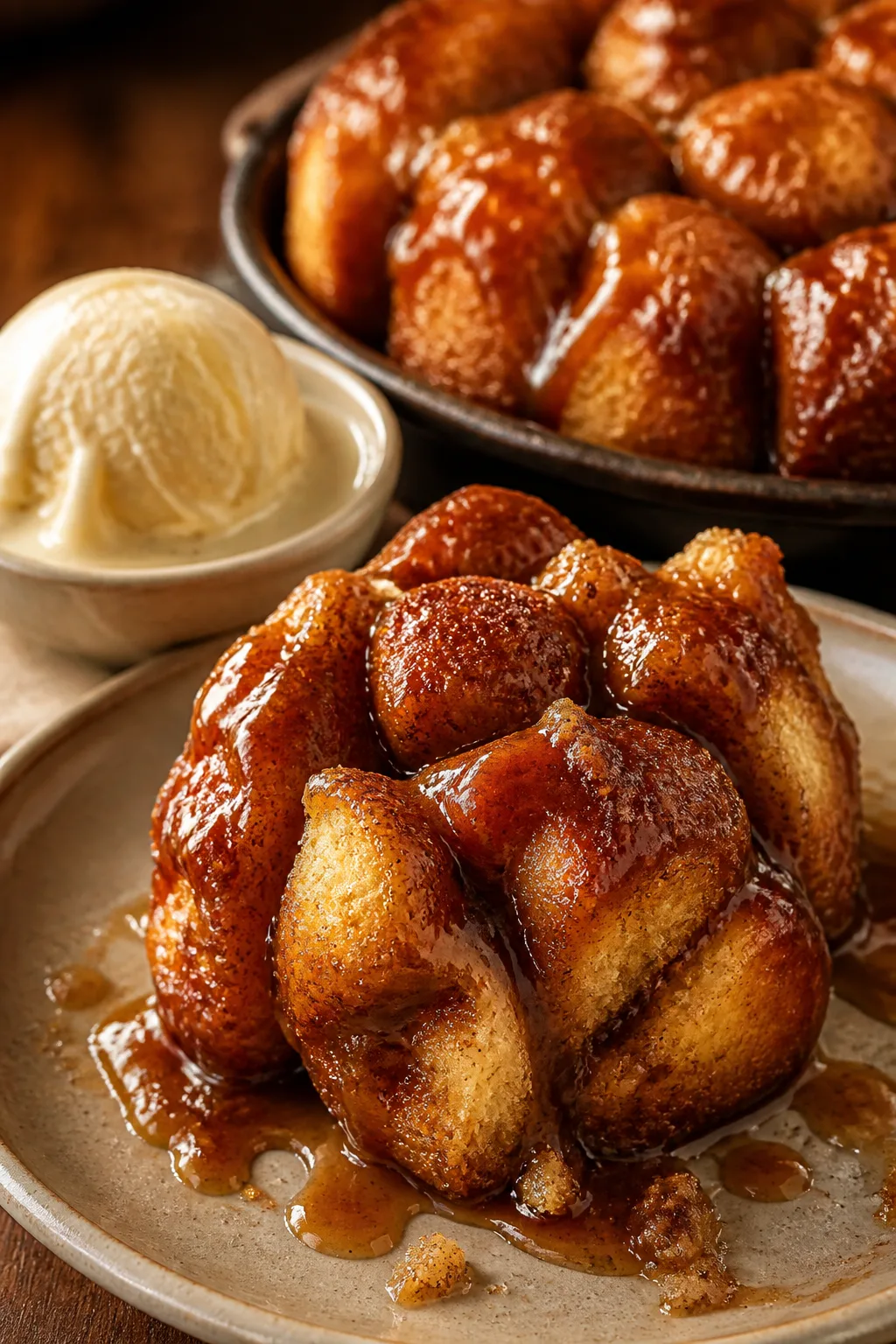
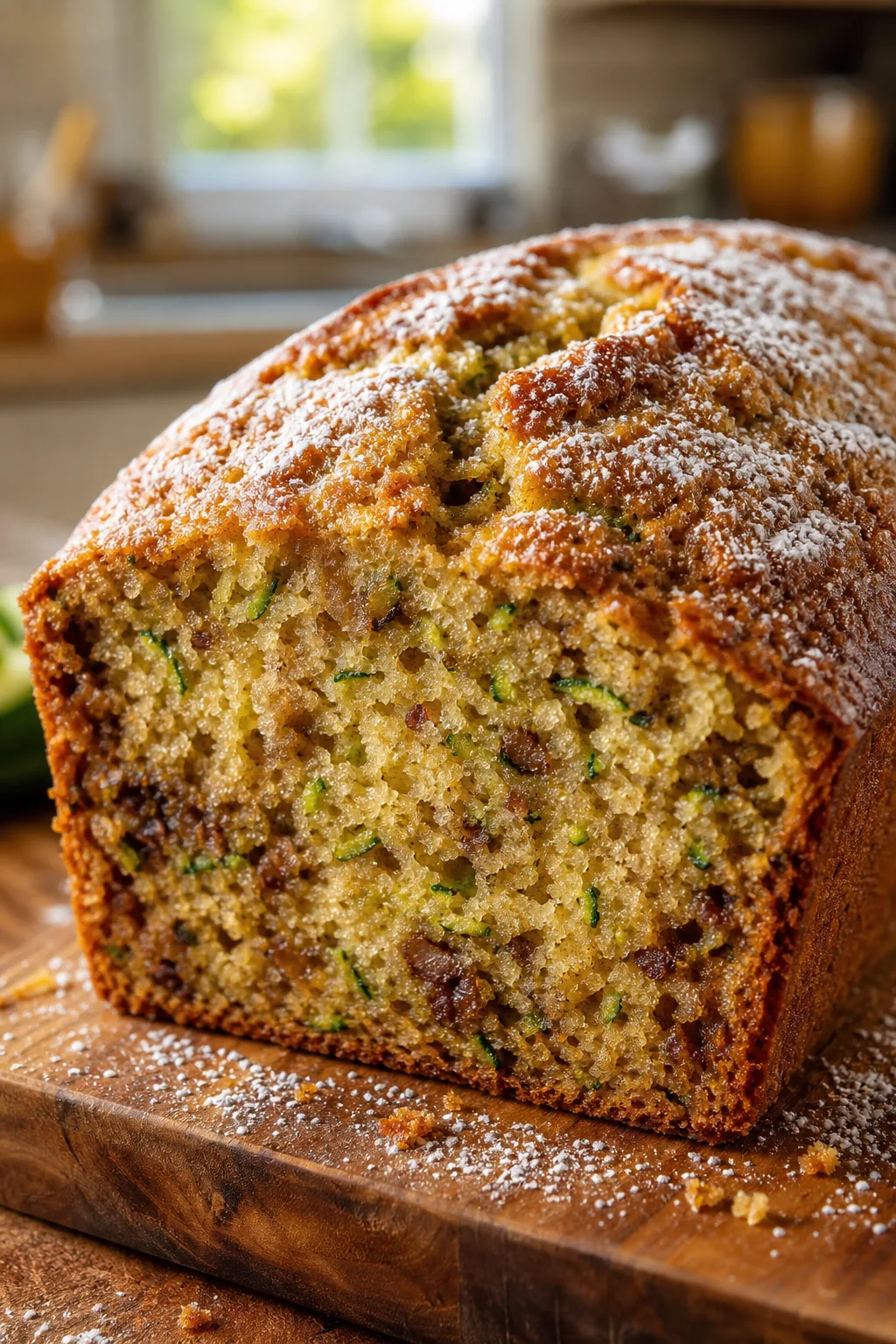
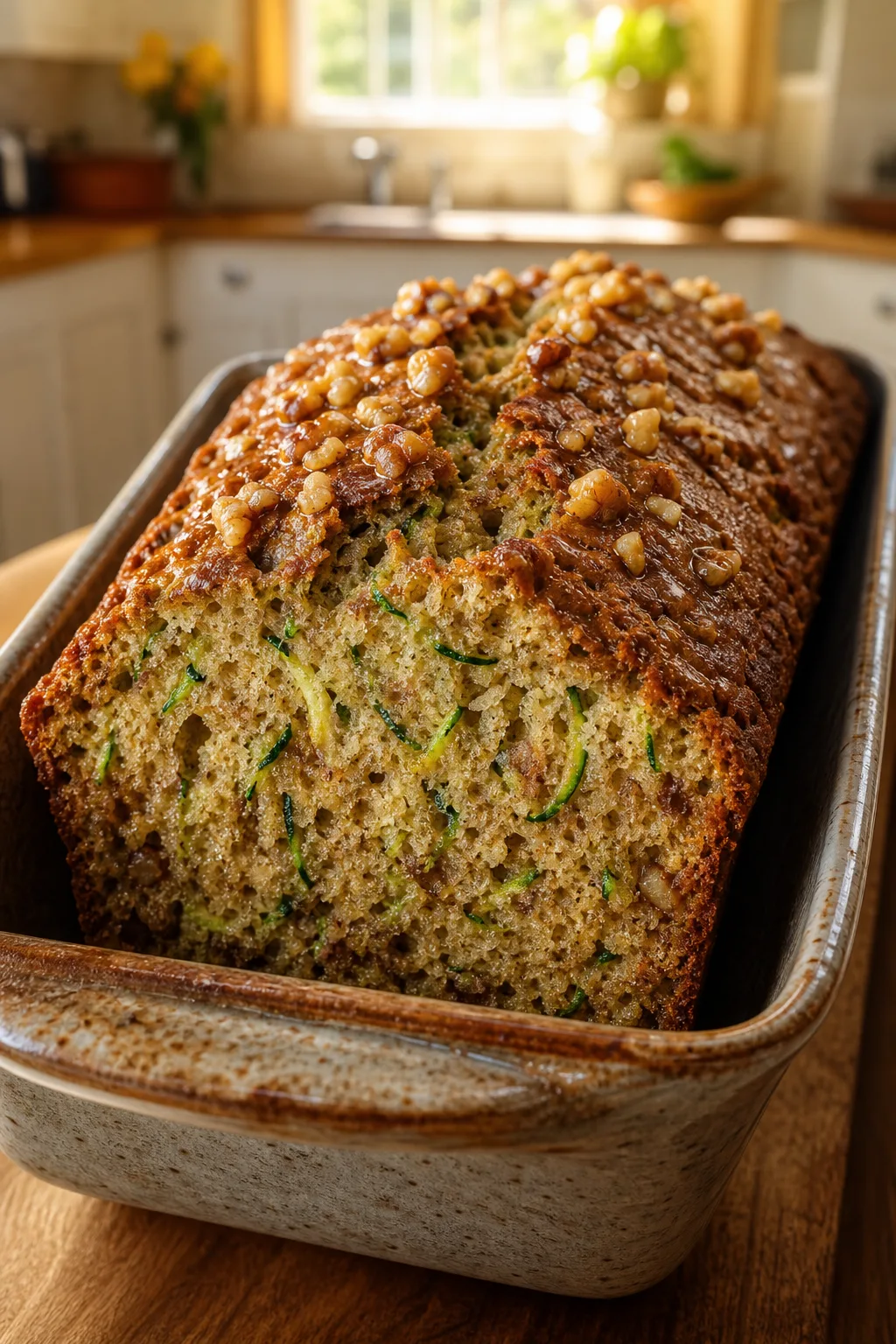
This monkey bread is the ultimate sticky, gooey treat that’s easy to whip up. Layers of cinnamon sugar and caramelized dough make it perfect for cozy weekends or holiday breakfasts. You’ll love pulling it apart piece by piece!
Introduction
Monkey bread has been one of those nostalgic treats for me since childhood. I remember my grandma making it during the holidays, the house filled with the scent of cinnamon and caramelized sugar. I finally decided to recreate it at home, tweaking the recipe a bit to make the dough softer and the caramel layer extra gooey. The trick I learned is to coat every dough ball generously in cinnamon sugar and butter before baking—that way, every bite is bursting with flavor and sticky sweetness. I’ve had some early tries where the bread was too dense or the caramel didn’t set quite right, but after a few experiments, this version nails that perfect pull-apart texture. When it’s done, the monkey bread is golden, sticky, and pillowy soft, making it perfect for sharing at brunch or as a fun dessert. Honestly, it’s one of those recipes that makes your kitchen smell amazing and your family smile wide!
How To Do It
Step 1
Start by activating your yeast. Warm the milk until it’s about 110°F—warm but not hot, as too much heat can kill the yeast. Stir in the yeast and a teaspoon of sugar, then let it sit for 5-10 minutes until it becomes frothy. This bloom means the yeast is alive and ready to help your dough rise, which is key for that fluffy texture. If it doesn’t foam, your yeast might be old or the milk too hot or cold, so try again with fresh ingredients.
⏱ Time: 10
✓ Doneness: Foamy, bubbly surface on yeast mixture
Step 2
In a large mixing bowl, combine the flour, sugar, and salt. Add the melted butter, eggs, and the yeast mixture. Mix everything until it forms a sticky dough. Knead the dough on a floured surface for about 8-10 minutes until it’s smooth and elastic. Kneading develops gluten, which gives your monkey bread that soft, chewy texture. If the dough is too sticky, add a little flour, but be careful not to add too much or it’ll get tough.
⏱ Time: 12
✓ Doneness: Smooth, elastic dough that springs back when poked
Step 3
Place the dough in a greased bowl and cover it with a clean kitchen towel or plastic wrap. Let it rise in a warm spot for about 1 to 1.5 hours, or until it doubles in size. This rise is essential because it allows the dough to develop air pockets, making the final bread light and fluffy. Avoid rushing this step by placing the dough somewhere too cold, which will slow the yeast activity.
⏱ Time: 90
✓ Doneness: Doubled dough volume, soft and pillowy to the touch
Step 4
While the dough is rising, mix the brown sugar and cinnamon in a shallow bowl. Also, melt the butter in a separate bowl for coating the dough pieces later. These two components create the signature sticky, sweet layers of monkey bread, so having them ready ensures a smooth assembly process.
⏱ Time: 5
✓ Doneness: Smooth cinnamon sugar mixture and fully melted butter
Step 5
Once the dough has risen, punch it down gently to release air. Then, divide it into small, golf ball-sized pieces. Roll each piece in the melted butter first, then toss it in the cinnamon sugar until fully coated. This double coating is what gives monkey bread its irresistible caramelized crust and gooey inside. Don’t skip the butter step; it helps the sugar stick and melt during baking.
⏱ Time: 15
✓ Doneness: Evenly coated, sticky dough balls covered in cinnamon sugar
Step 6
Grease a bundt pan or a deep oven-safe dish generously with butter. Layer the coated dough balls inside, packing them snugly but not too tight, so they can expand while baking. The bundt pan shape helps the caramel sauce pool beautifully, creating those delicious sticky pockets. If the dough is too crowded, it won’t bake evenly, so leave a little space.
⏱ Time: 10
✓ Doneness: Bundt pan filled with cinnamon-sugar coated dough balls
Step 7
Drizzle any leftover melted butter and cinnamon sugar over the top of the dough balls in the pan. This extra layer ensures every bite is coated with that sweet, sticky goodness. It also helps caramelize the top crust as it bakes, adding a beautiful golden color and crunch.
⏱ Time: 5
✓ Doneness: Even drizzle of butter and sugar mixture on top
Step 8
Preheat your oven to 350°F (175°C). Bake the monkey bread for 30-35 minutes, until it’s golden brown and bubbling with caramel. Keep an eye on it during the last 10 minutes, as ovens vary and you don’t want it to burn. You’ll know it’s done when the top is deeply golden and the caramel is thick and sticky.
⏱ Time: 35
✓ Doneness: Golden brown top with bubbling caramel sauce
Step 9
Allow the monkey bread to cool in the pan for about 10 minutes before flipping it out onto a serving plate. This rest lets the caramel set slightly so it won’t drip everywhere, but it’s still warm and gooey inside. Serve it right away for the best pull-apart experience. If you wait too long, it will firm up and lose some of that sticky charm.
⏱ Time: 10
✓ Doneness: Slightly cooled bread that holds shape but still soft
Pro Tips
Make sure your milk is warm, not hot, before adding yeast.
Yeast is a living organism that activates between 95°F and 115°F. Too hot and it dies, too cold and it won’t activate, leading to dense dough. Properly proofed yeast ensures your bread rises well and has a light texture.
Coat each dough piece fully with butter and cinnamon sugar.
This ensures every bite is sticky and sweet. Skipping this step or uneven coating leads to dry spots and less caramelization, which makes the bread less flavorful and less visually appealing.
Use a bundt pan for baking monkey bread.
The ring shape allows caramel to collect in the center and crevices, creating pools of sticky goodness. It also helps the bread bake evenly and gives that classic monkey bread look.
Don’t rush the dough rising time.
Allowing the dough to double in size ensures enough air pockets develop, making the bread fluffy. Underproofed dough results in dense, heavy bread that lacks the signature pull-apart texture.
Let the bread cool slightly before removing from the pan.
This resting time lets the caramel thicken just enough to hold the bread together without dripping excessively, making serving easier and less messy.
Use fresh yeast for reliable rising.
Old or expired yeast can fail to activate, ruining the dough’s rise. Fresh yeast guarantees good fermentation, producing a soft, airy crumb.
Knead the dough until smooth and elastic.
Proper kneading develops gluten, which gives the bread structure and chewiness. Insufficient kneading leads to crumbly or dense texture, while over-kneading can make the bread tough.
Common Mistakes to Avoid
Using hot milk to activate yeast
Why it happens Many think hotter milk speeds up yeast activation, but excessive heat kills the yeast cells instantly.
Fix Always test milk temperature with a thermometer or your wrist—the milk should feel warm but not hot. If it’s too hot, let it cool before adding yeast to ensure proper rising.
Not coating dough balls evenly
Why it happens Rushing the assembly can cause some pieces to miss the butter or sugar coating, leading to dry bites.
Fix Take your time rolling each dough ball first in butter, then cinnamon sugar, ensuring full coverage. This creates even caramelization and flavor throughout.
Skipping the dough rise or shortening it
Why it happens Impatience or tight schedules make some skip or reduce proofing time.
Fix Plan ahead and allow the dough to double in size at room temperature. This step is essential for airy, soft bread; rushing it results in dense texture.
Overcrowding the bundt pan
Why it happens Trying to fit all dough pieces in a small pan can cause uneven baking or dough sticking together too tightly.
Fix Use a pan that fits the recipe size, and arrange dough balls with slight gaps to allow expansion and even caramelization.
Removing monkey bread from pan while too hot
Why it happens Excited to serve, some flip it immediately, causing caramel to run everywhere.
Fix Let the bread cool for 10 minutes to let the caramel set enough for clean removal and less mess.
Variations
Pumpkin Spice Monkey Bread
Add 1 teaspoon pumpkin pie spice to the cinnamon sugar mix for a seasonal twist. You can also mix in canned pumpkin puree into the dough for extra moisture and flavor. Expect a softer, spiced bread perfect for fall mornings.
Note: Adding pumpkin puree may require a slight reduction in milk to keep dough consistency balanced.
Apple Cinnamon Monkey Bread
Toss small diced apples with cinnamon sugar and layer between dough balls for fruity surprise pockets. The apples add moisture and a fresh tartness that pairs wonderfully with the caramel. Great for a brunch upgrade!
Note: Use firm apples like Granny Smith to prevent mushiness and adjust baking time if needed.
Chocolate Chip Monkey Bread
Sprinkle mini chocolate chips between the dough layers before baking. The chocolate melts into gooey pockets, making it a dessert-worthy treat. Perfect for chocolate lovers who want a fun twist.
Note: Add chips just before baking to prevent them from melting too much and bleeding into the dough.
Savory Herb and Cheese Monkey Bread
Swap cinnamon sugar for a mix of garlic powder, rosemary, and parmesan cheese. Coat dough balls with melted butter and herbs for a savory pull-apart bread that’s perfect alongside soups or salads.
Note: Reduce sugar in dough slightly and bake until cheese is golden and bubbly.
Vegan Monkey Bread
Use plant-based milk and vegan butter substitutes. Replace eggs with flaxseed meal mixed with water. This version keeps the same sticky, sweet texture but suits vegan diets without compromising flavor.
Note: Flax eggs work as a binder but can make dough slightly denser; knead well to compensate.
Nutrition
Per Serving:
Nutritional values are estimates and may vary based on specific ingredients used.
Storage & Tips
Room Temperature
Monkey bread can safely sit at room temperature for up to 4 hours if covered loosely with foil or a clean towel to prevent drying out. Beyond that, the caramel may become sticky and attract ants or dust.
Refrigerator
Store leftovers in an airtight container in the fridge for up to 3 days. The bread will firm up but can be warmed gently before serving to soften again. Cold monkey bread is less gooey but still tasty.
Freezer
Freeze monkey bread wrapped tightly in plastic wrap and aluminum foil for up to 2 months. To thaw, leave in fridge overnight, then warm in the oven to refresh texture and melt caramel slightly.
Reheating
Reheat in a 325°F oven for 10-15 minutes covered loosely with foil to avoid burning. For microwave, heat in short bursts (20-30 seconds) to soften without drying. Adding a splash of water or butter before reheating helps restore moisture.
Make Ahead
You can prepare the dough and shape the coated balls in the bundt pan 1 day ahead, cover tightly, and refrigerate overnight. Bring to room temperature before baking the next day to ensure proper rising and caramelization.
FAQ
Can I use instant yeast instead of active dry yeast?
Yes, you can substitute instant yeast for active dry yeast. Since instant yeast doesn’t require proofing, you can mix it directly with the dry ingredients. Use about 25% less instant yeast than active dry. The dough may rise faster, so keep an eye on it to avoid overproofing.
My monkey bread turned out dense. What went wrong?
Dense bread usually means the dough didn’t rise enough or was over-kneaded. Make sure your yeast is fresh and proofed properly, and allow the dough to double in size during rising. Also, knead just until smooth and elastic to develop gluten without toughening the dough.
Can I make monkey bread gluten-free?
Gluten-free monkey bread is possible but challenging because gluten gives dough elasticity and structure. Use a high-quality gluten-free flour blend with xanthan gum and expect a slightly different texture—more crumbly and less stretchy. You may need to adjust liquids and rising times.
How do I store leftover monkey bread?
Store leftovers in an airtight container at room temperature for up to 4 hours or refrigerate for up to 3 days. For longer storage, freeze tightly wrapped for up to 2 months. Reheat gently to restore softness and gooey texture.
Can I add nuts or dried fruit to monkey bread?
Absolutely! Chopped pecans, walnuts, or raisins add great texture and flavor. Toss them with the cinnamon sugar before coating the dough balls. Avoid adding too many to keep the bread’s soft, pull-apart texture intact.
Why is my caramel sauce not sticky enough?
If the caramel isn’t sticky, it might be due to not enough butter or sugar coating or baking at too low a temperature. Make sure to coat each dough piece generously and bake until bubbling and golden for proper caramelization.
Can I use a different type of sugar?
Light brown sugar is best for that rich caramel flavor. You can use dark brown sugar for more molasses taste or a mix of granulated sugar and cinnamon, but the texture and flavor might be less moist and sticky.
What’s the best pan to bake monkey bread in?
A bundt pan is ideal because its shape helps caramel pool in the center and creates the classic ring. If you don’t have one, a deep oven-safe dish or cake pan works, but caramel distribution might differ.
Final Thoughts
I hope you give this monkey bread a try—it’s such a fun, sticky treat that brings everyone together. Don’t forget to share how it turns out; I love hearing your kitchen stories!