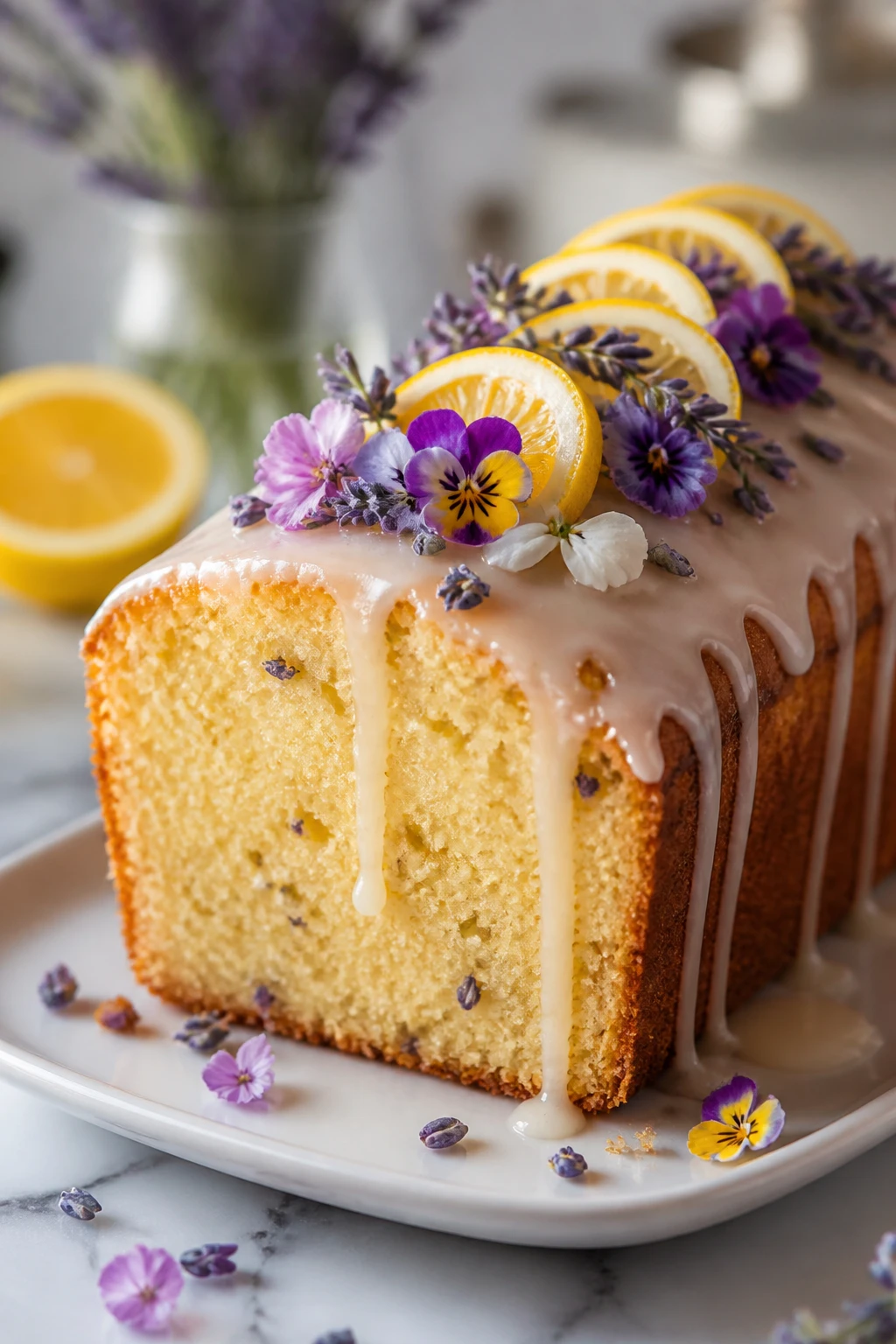
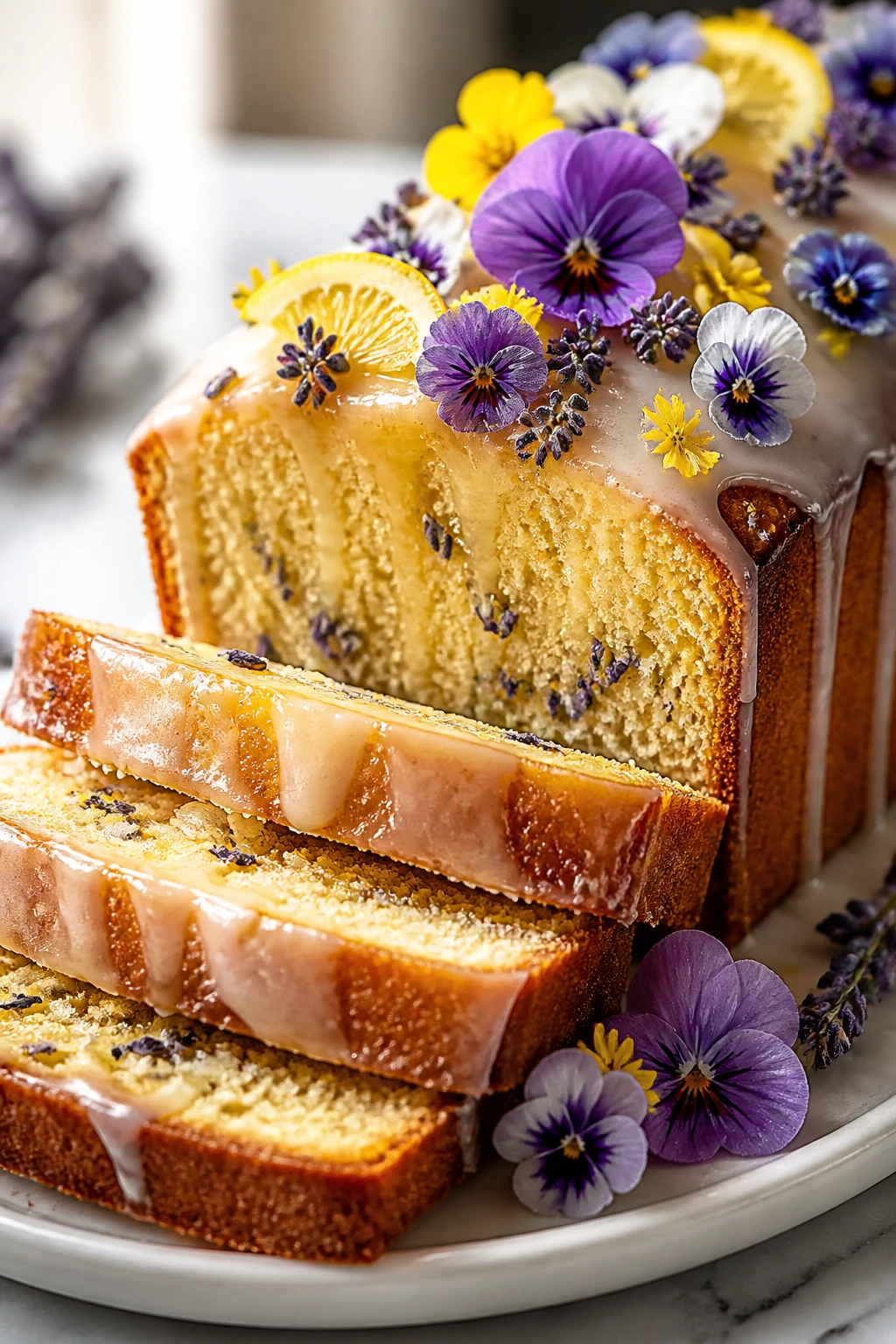
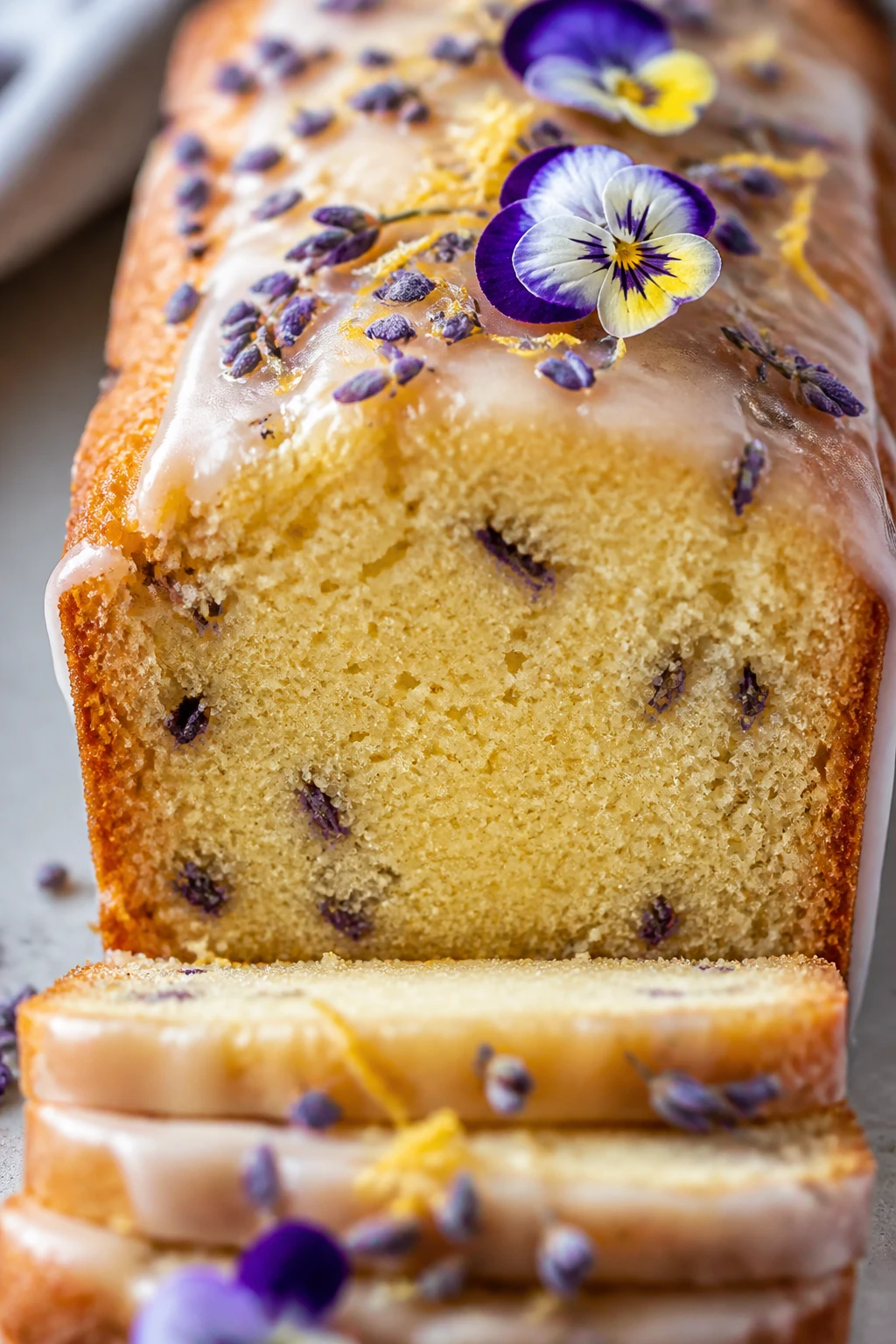
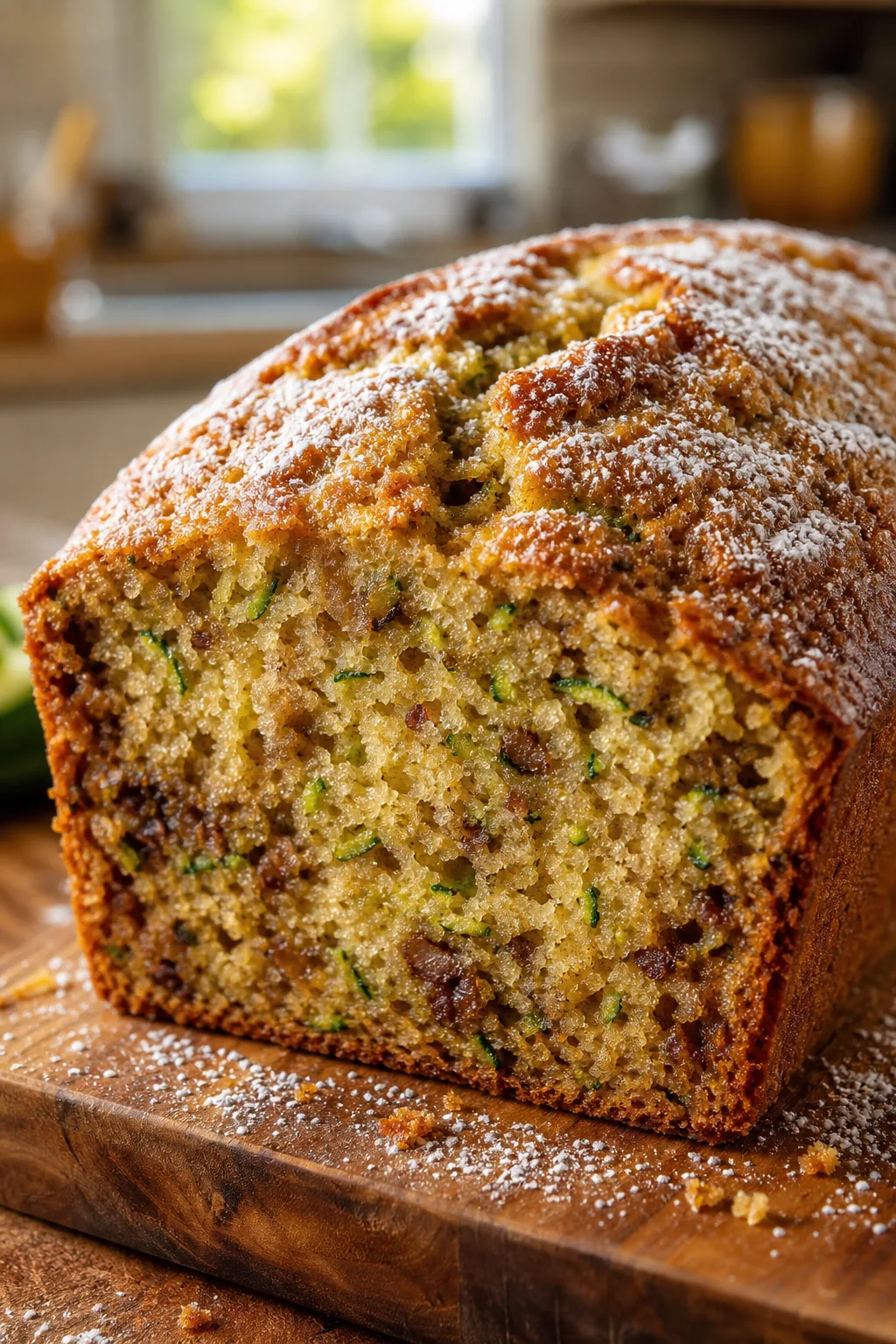
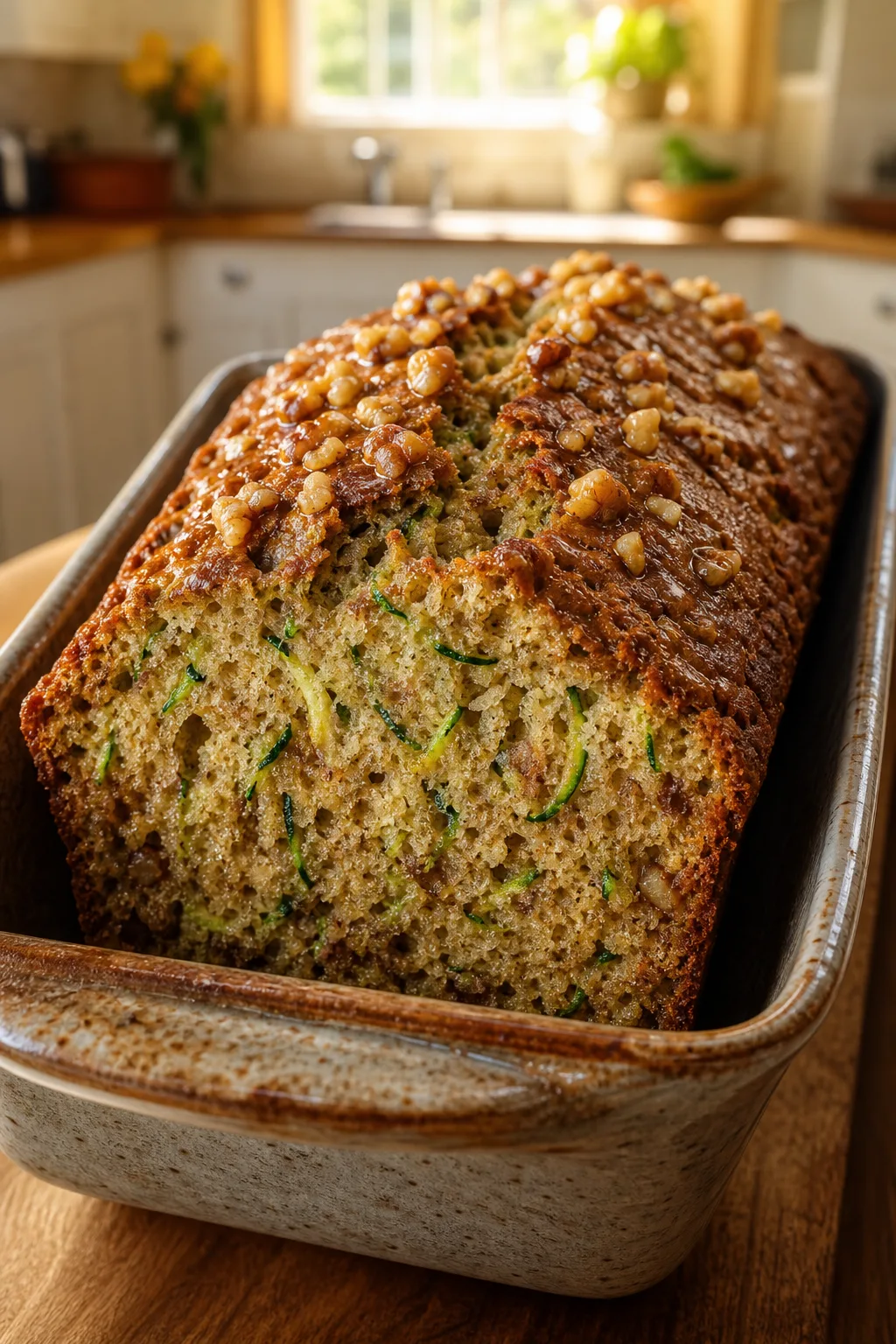
This lemon lavender pound cake is a buttery, fragrant delight with delicate floral notes from dried lavender. It’s perfect for spring afternoons or a cozy tea party. The fresh edible flowers on top make it stunning and inviting.
Introduction
I first stumbled upon the idea of a lemon lavender pound cake while browsing a local farmer’s market during spring. The scent of fresh lavender combined with bright lemon instantly caught my attention, and I knew I had to try baking it. Over time, I tweaked the recipe to balance the floral notes without overpowering the buttery richness that makes pound cake so comforting. What makes this version stand out is how I infuse the dried lavender into the batter along with fresh lemon zest and juice, giving it a fresh yet subtly fragrant taste. I also learned that gently folding the flour and lavender ensures the cake stays tender and doesn’t become tough—a common pitfall I experienced in earlier attempts. When it’s baked, the crumb is moist and tender with a golden crust, and the edible flowers on top add a charming, natural touch. It’s become a favorite for afternoon teas, spring brunches, or whenever I want something a little special and floral. I think you’ll love how easy it is to make but how impressive it looks and tastes.
What You'll Need
One 9x5-inch loaf cake, 8 servings
- 2 1/2 cups all-purpose flour, sifted
- 1 teaspoon baking powder
- 1/2 teaspoon salt
- 1 cup unsalted butter, softened
- 1 3/4 cups granulated sugar
- 4 large eggs, room temperature
- 1/4 cup whole milk, room temperature
- 2 tablespoons dried culinary lavender buds
- 1 tablespoon lemon zest, finely grated
- 2 tablespoons fresh lemon juice
- 1 teaspoon vanilla extract
- Fresh edible flowers, for garnish (optional)
How To Do It
Step 1
Preheat your oven to 350°F (175°C) and grease a 9x5-inch loaf pan with butter or nonstick spray, then lightly dust it with flour. This step is crucial because it prevents the cake from sticking, ensuring a clean release once baked. If you skip this, the cake might tear or crumble when you try to remove it. Also, make sure your oven is fully preheated to achieve even baking and a nice golden crust.
⏱ Time: 10 minutes
✓ Doneness: Pan is evenly greased and dusted with no clumps of flour or bare spots.
Step 2
In a small bowl, combine the sifted all-purpose flour, baking powder, and salt. Sifting helps to aerate the flour and evenly distribute the baking powder and salt, which is essential for a uniform rise and tender crumb. Mixing these dry ingredients separately also prevents overworking the batter later. Set aside while you prepare the wet ingredients.
⏱ Time: 5 minutes
✓ Doneness: Dry ingredients are well mixed with no lumps or streaks.
Step 3
In a large mixing bowl, cream the softened butter and granulated sugar together using an electric mixer on medium speed. This process should take about 4-5 minutes until the mixture is pale, fluffy, and lightened in color. Creaming incorporates air into the batter, which helps create a light texture in the dense pound cake. Make sure the butter is softened but not melted to achieve the best results.
⏱ Time: 5 minutes
✓ Doneness: Butter and sugar form a smooth, pale, and fluffy mixture.
Step 4
Add the eggs one at a time, beating well after each addition. This gradual incorporation helps to emulsify the batter, preventing it from curdling or separating. If you add eggs all at once, the batter might look broken or curdled, which affects texture. Use room temperature eggs for smooth blending.
⏱ Time: 3 minutes
✓ Doneness: Batter looks smooth and glossy with no streaks of egg.
Step 5
Stir in the lemon zest, fresh lemon juice, vanilla extract, and dried lavender buds. The lemon zest offers bright citrus oil, while the juice adds fresh acidity to balance the sweetness. The lavender buds provide a subtle floral aroma without overpowering the cake. Mix gently to evenly distribute these flavors without crushing the lavender, which could release bitterness.
⏱ Time: 2 minutes
✓ Doneness: Lavender and lemon are evenly dispersed, batter smells fresh and floral.
Step 6
Lower the mixer speed and add the sifted dry ingredients in three additions, alternating with the milk, starting and ending with the flour mixture. Mix just until combined after each addition to avoid overmixing, which can develop gluten and make the cake tough. The milk keeps the batter moist and tender. Scrape down the bowl sides to ensure everything is incorporated evenly.
⏱ Time: 5 minutes
✓ Doneness: Batter is smooth, thick but pourable, with no pockets of dry flour.
Step 7
Pour the batter into the prepared loaf pan and smooth the top with a spatula. This ensures even baking and a nice crust. Tap the pan gently on the counter to release any large air bubbles that could cause holes in the crumb. Avoid overfilling the pan to prevent overflow during baking.
⏱ Time: 3 minutes
✓ Doneness: Batter is evenly spread with no large air bubbles on the surface.
Step 8
Bake the cake in the preheated oven for 55-65 minutes. Check doneness by inserting a toothpick into the center; it should come out clean or with a few moist crumbs. Avoid opening the oven door too early to prevent the cake from sinking. If the top browns too quickly, tent loosely with foil halfway through baking.
⏱ Time: 60 minutes
✓ Doneness: Toothpick comes out clean, cake springs back gently when pressed.
Step 9
Allow the cake to cool in the pan for 15 minutes before transferring it to a wire rack to cool completely. Cooling in the pan first helps the cake set and prevents it from breaking apart. Once cooled, decorate with fresh edible flowers for a pretty presentation. Serve at room temperature for the best flavor and texture.
⏱ Time: 30 minutes
✓ Doneness: Cake is firm to the touch and cool enough to handle without breaking.
Pro Tips
Always use room temperature ingredients for smooth batter mixing.
Room temperature butter, eggs, and milk blend together more evenly, creating a stable emulsion. This prevents curdling and ensures the batter traps air properly, resulting in a tender, evenly textured cake. Cold ingredients can cause lumps and uneven baking.
Sift dry ingredients to incorporate air and prevent lumps.
Sifting aerates flour and evenly distributes baking powder and salt, which promotes uniform rise and tender crumb. It also helps avoid dense spots or uneven texture in the finished cake.
Cream butter and sugar until light and fluffy for best texture.
The creaming process traps tiny air bubbles that expand during baking, giving the pound cake a lighter bite despite its density. Under-creamed mixtures yield heavy, dense cakes.
Add eggs one at a time to maintain batter stability.
Gradual addition of eggs helps emulsify the batter and prevents it from breaking. This keeps the crumb smooth and prevents curdling which can create uneven texture.
Fold dry ingredients gently to avoid gluten overdevelopment.
Overmixing activates gluten in the flour, making the cake tough and chewy instead of tender. Folding just until combined keeps the crumb soft.
Tap the pan before baking to release trapped air bubbles.
Air bubbles can cause holes or uneven texture in the cake. Tapping settles the batter and ensures a more uniform crumb.
Cool cake in the pan for 15 minutes before removing.
This resting period allows the cake to set and prevents it from breaking apart when unmolding. Removing too soon risks crumbling.
Common Mistakes to Avoid
Using lavender that’s too coarse or not culinary grade.
Why it happens Many assume any lavender is fine, but coarse or non-culinary lavender can taste bitter or soapy.
Fix Use finely ground culinary-grade lavender buds in small amounts. This ensures a pleasant floral note without bitterness.
Overmixing the batter after adding flour.
Why it happens It’s tempting to mix thoroughly, but this activates gluten, making the cake tough.
Fix Fold dry ingredients gently just until incorporated to keep the crumb tender.
Skipping the creaming step or under-creaming butter and sugar.
Why it happens Rushing the process leads to dense cake with poor texture.
Fix Take time to cream until the mixture is pale and fluffy for proper aeration.
Adding eggs all at once.
Why it happens This can cause the batter to curdle and separate.
Fix Add eggs one at a time, mixing well after each to maintain emulsion.
Not preheating the oven fully before baking.
Why it happens Putting the cake into a cold oven can cause uneven rise and dense texture.
Fix Always preheat the oven to the correct temperature before baking.
Variations
Blueberry Lemon Lavender Pound Cake
Add 1 cup fresh or frozen blueberries folded gently into the batter before baking. The blueberries add juicy bursts of flavor that complement the lemon and lavender beautifully. Expect a slightly moister cake with fruity pops in every bite.
Note: If using frozen berries, toss them in a bit of flour first to prevent sinking. Bake time may increase by 5-7 minutes.
Gluten-Free Lemon Lavender Pound Cake
Swap all-purpose flour for a gluten-free baking blend with xanthan gum. The texture will be slightly different—more crumbly but still tender. This version is perfect for those avoiding gluten but wanting the same lovely flavors.
Note: Be careful not to overmix gluten-free batter to avoid gummy texture.
Lemon Lavender Pound Cake with Honey Glaze
Drizzle a simple honey and lemon juice glaze over the cooled cake for extra sweetness and shine. It adds moisture and a sticky, flavorful finish that pairs well with the floral notes.
Note: Apply glaze while the cake is completely cool to prevent it from soaking in too much.
Lavender Almond Pound Cake
Add 1/2 cup finely ground almonds to the flour mixture and sprinkle slivered almonds on top before baking. This adds a subtle nutty flavor and crunchy texture contrast.
Note: Reduce flour slightly to accommodate the almonds and avoid dense texture.
Vegan Lemon Lavender Pound Cake
Replace butter with vegan margarine and eggs with flax eggs (1 tbsp flaxseed meal + 3 tbsp water per egg). Use plant-based milk like almond or oat. The cake will be slightly denser but still fragrant and delicious.
Note: Mix flax eggs well and let them sit before adding to batter for best binding.
Nutrition
Per Serving:
Nutritional values are estimates and may vary based on specific ingredients used.
Storage & Tips
Room Temperature
Store the cooled cake covered loosely with a cake dome or plastic wrap at room temperature for up to 2 days. This keeps it moist while preventing it from drying out. Avoid direct sunlight or warmth which can cause spoilage.
Refrigerator
Keep the cake in an airtight container in the refrigerator for up to 5 days. The cooler temperature extends freshness but may firm the crumb. Allow it to come to room temperature before serving to restore softness.
Freezer
Wrap the cake tightly in plastic wrap and then foil to prevent freezer burn. Freeze for up to 2 months. Thaw overnight in the refrigerator wrapped, then bring to room temperature before serving to maintain texture.
Reheating
Warm slices gently in a microwave for 15-20 seconds or in a low oven (300°F) for 10 minutes. Adding a small pat of butter or a splash of milk before warming can help restore moisture. Avoid overheating which dries out the cake.
Make Ahead
You can bake the cake up to 2 days ahead and store it wrapped at room temperature. Adding edible flowers is best done just before serving to keep them fresh. Alternatively, prepare the batter and refrigerate it overnight before baking for a slightly denser crumb.
FAQ
Can I use fresh lavender instead of dried?
Fresh lavender has a much stronger, sometimes harsher flavor than dried, so it’s not recommended to substitute it 1:1. If you want to use fresh, reduce the amount significantly and add it finely chopped. Otherwise, dried culinary lavender buds provide a more balanced, subtle floral note.
What if I don’t have whole milk?
You can substitute with 2% or even skim milk, but whole milk adds richness that helps keep the cake tender. Non-dairy milks like almond or oat can work too, but they may slightly change flavor and texture. Always use room temperature milk for best results.
How do I know when the cake is fully baked?
The best method is the toothpick test—insert a clean toothpick into the center. It should come out clean or with a few moist crumbs, but no wet batter. The cake should also spring back gently when pressed lightly on top.
Why is my cake dense or heavy?
Common causes include overmixing the batter after adding flour, not creaming butter and sugar enough, or using cold ingredients. Make sure to cream thoroughly, add eggs gradually, and fold flour gently to avoid gluten overdevelopment.
Can I make this cake gluten-free?
Yes! Use a high-quality gluten-free baking blend with xanthan gum. The texture might be slightly different, often more crumbly, but the flavors remain delightful. Avoid overmixing to prevent gummy texture.
How do I store leftover cake?
Wrap leftovers tightly in plastic wrap or store in an airtight container at room temperature for up to 2 days or refrigerate for up to 5 days. For longer storage, freeze well wrapped for up to 2 months.
Can I add other flavors or mix-ins?
Absolutely! Blueberries, almonds, or a honey glaze are lovely additions. Just fold berries gently to avoid breaking them, and adjust baking time if needed. Nuts add texture, and glazes add moisture and shine.
Why is my cake cracking on top?
Cracks usually happen when the oven is too hot or the batter is too thick on top. Make sure to bake at 350°F and spread batter evenly. Tent with foil if top browns too quickly.
Final Thoughts
I hope you give this lemon lavender pound cake a try—it’s one of my favorite ways to celebrate spring with simple, fresh flavors. Don’t forget to let me know how it turns out!