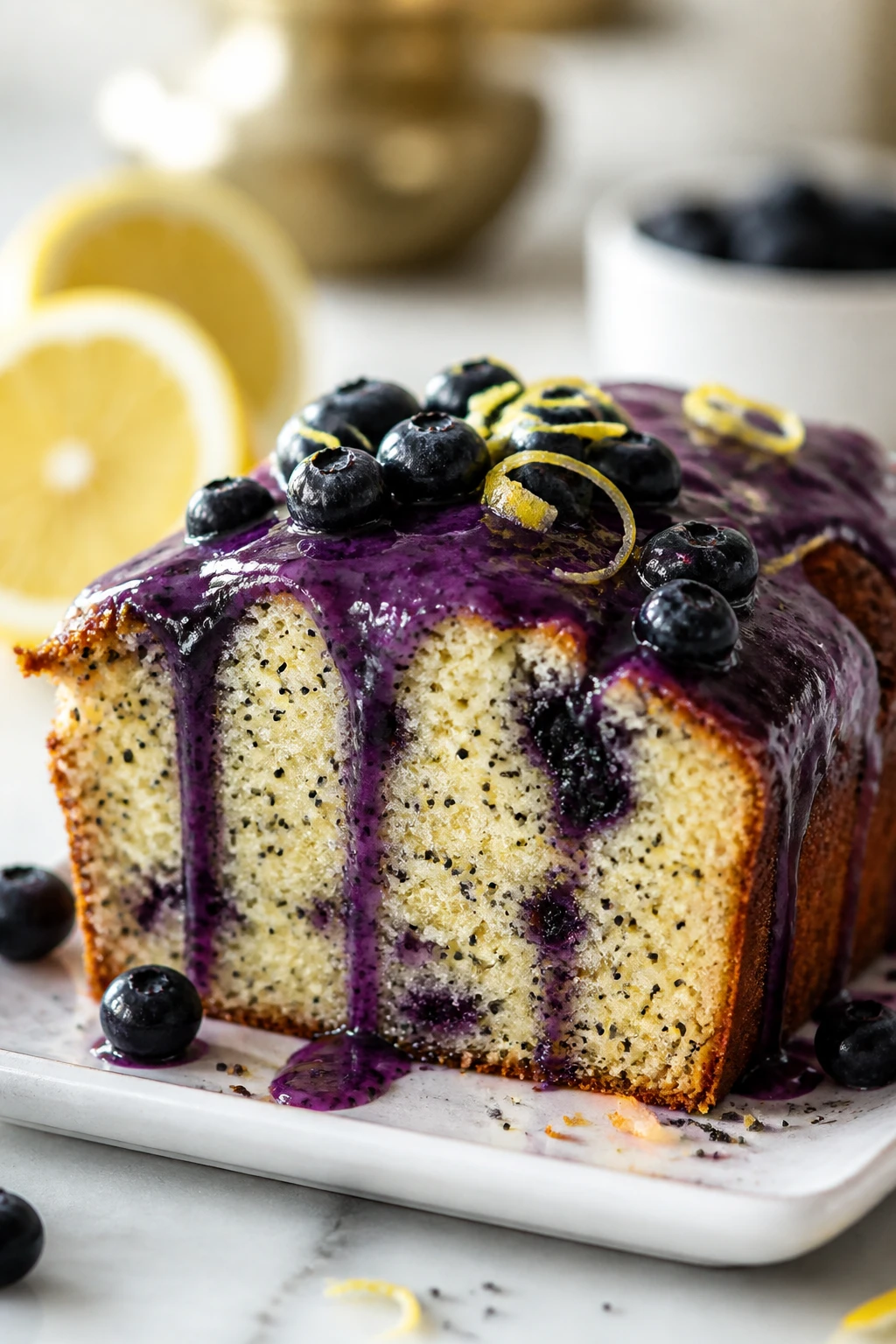
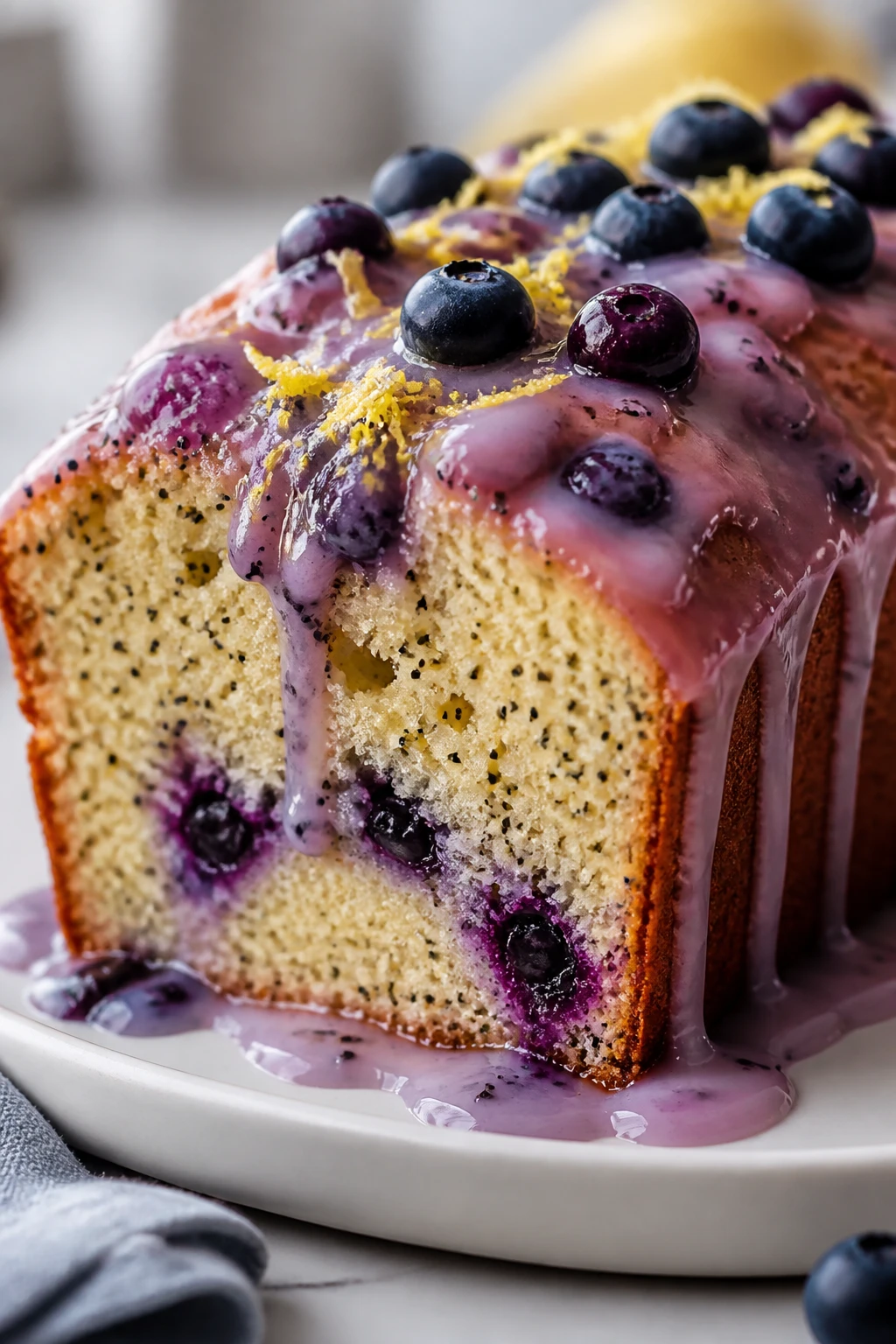
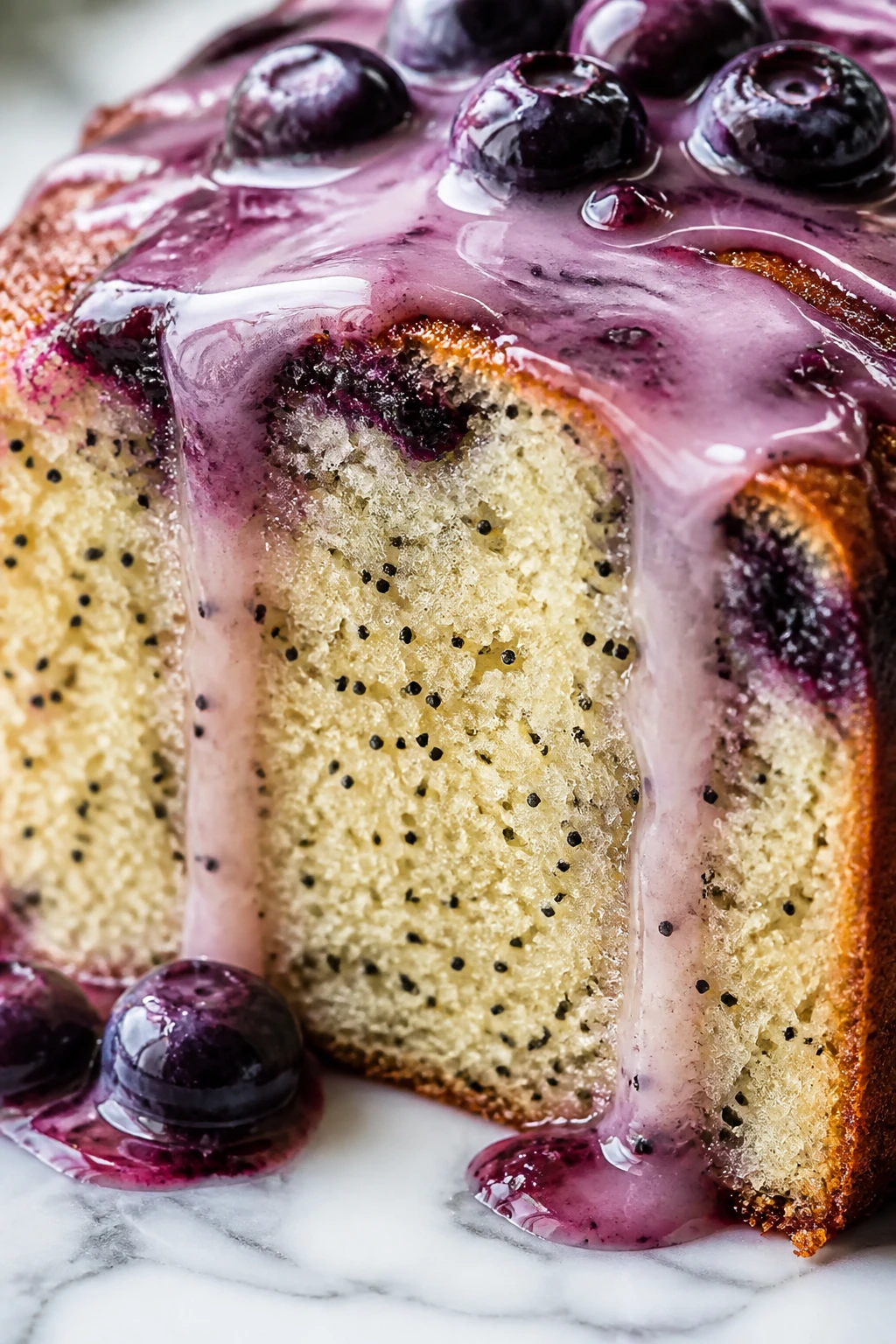
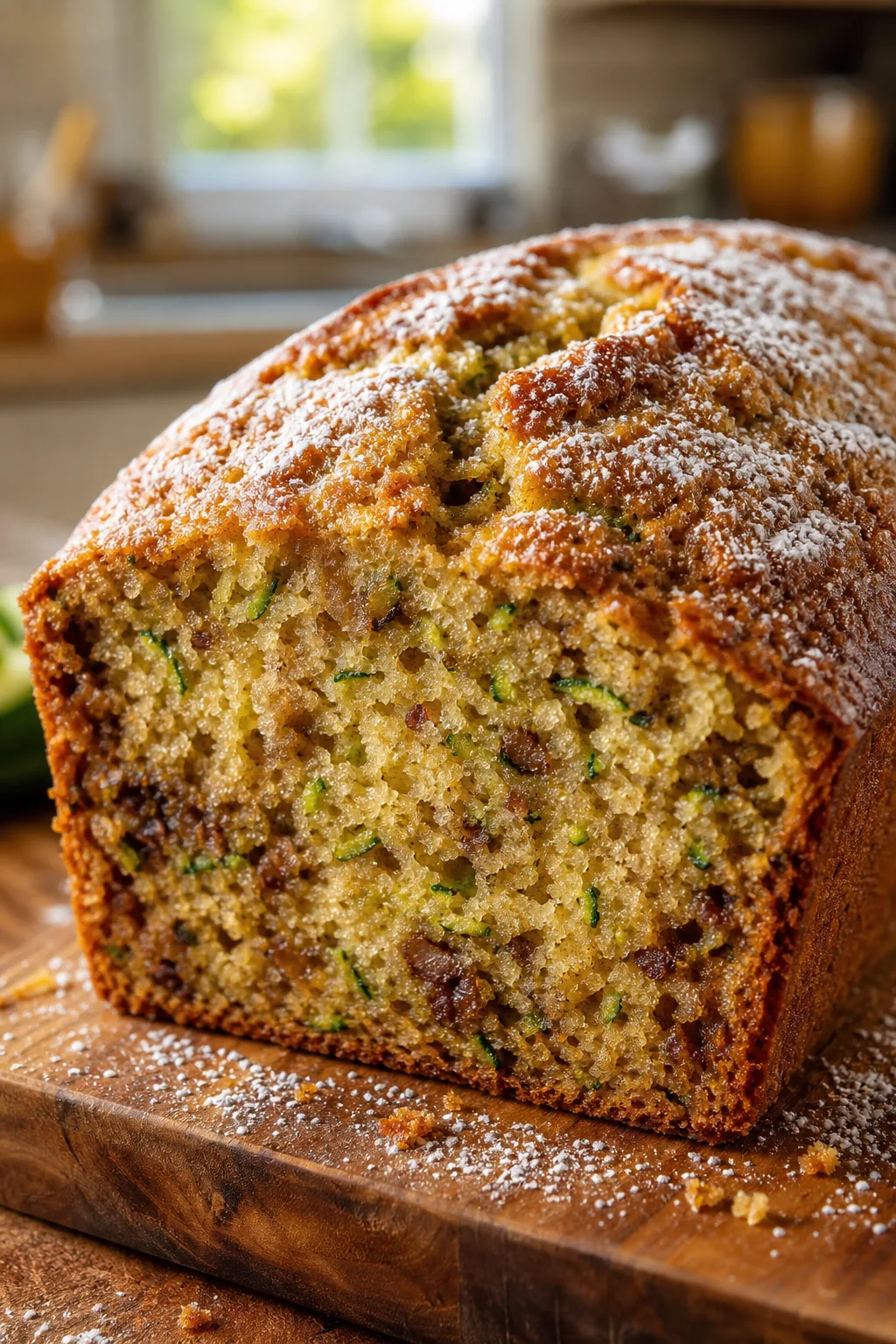
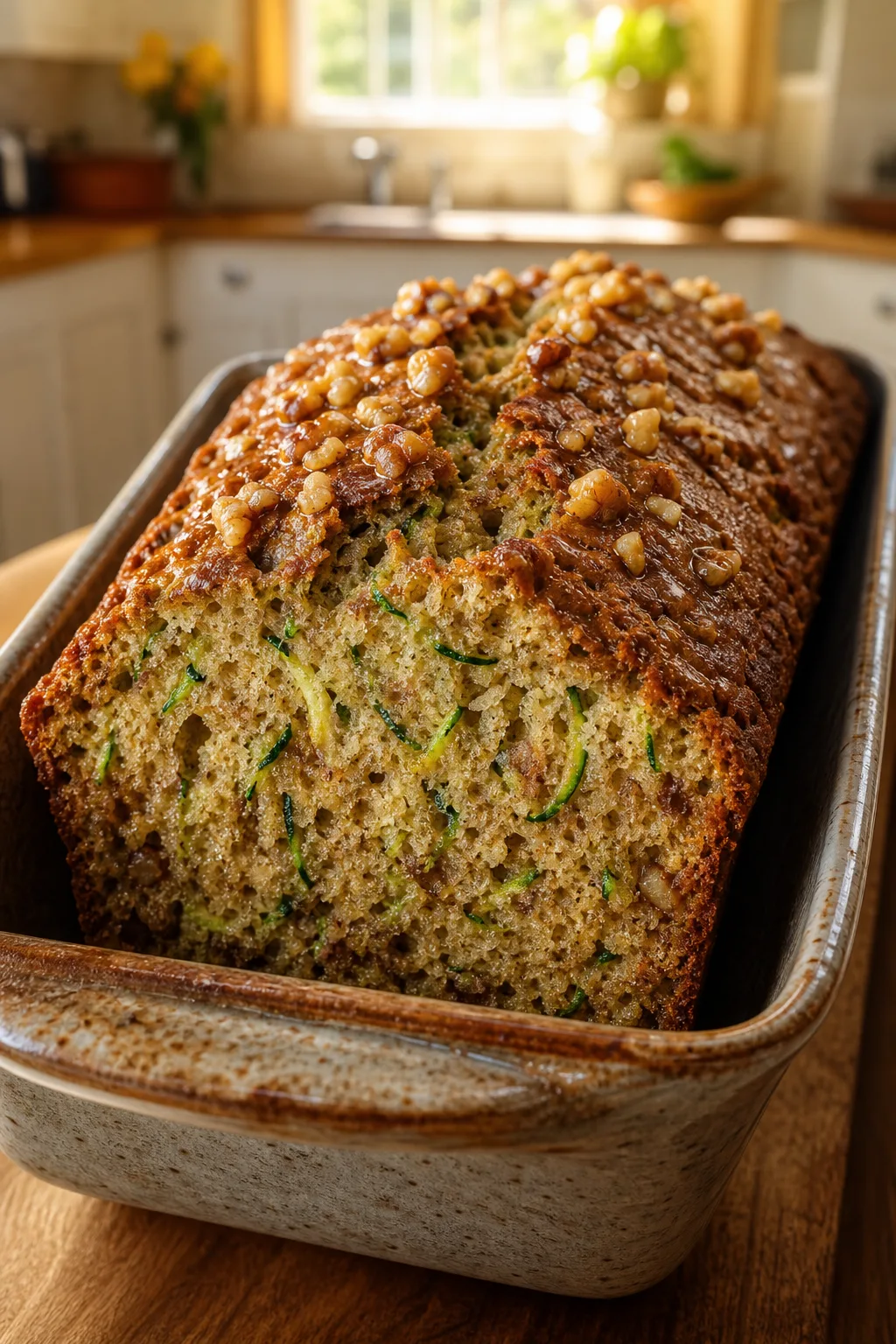
This lemon poppy seed cake is light and airy, bursting with fresh citrus flavor and a subtle crunch from poppy seeds. Topped with a tangy blueberry glaze, it’s perfect for spring brunch or a relaxed afternoon tea with friends.
Introduction
I first made this lemon poppy seed cake on a sunny spring morning when I wanted something light but still flavorful for brunch. The original recipe was good, but I found it a bit heavy, so I switched up the technique to whip the butter and sugar longer, which gave the cake a much airier texture. Plus, adding freshly grated lemon zest really brightened the whole thing up. What really makes this cake stand out for me is the blueberry glaze — it adds just the right amount of tangy sweetness and a beautiful color contrast. I remember the first time I served it to friends; they kept asking for the recipe! The poppy seeds add a delightful crunch that’s subtle but noticeable, making every bite interesting. This cake looks simple but tastes like you put in so much love and effort, which is perfect for sharing at spring brunches or afternoon tea. It’s light, fresh, and easy enough to whip up on a weekend without any stress.
What You'll Need
One 9-inch cake, 8 servings
- 1 1/2 cups all-purpose flour
- 1 cup granulated sugar
- 2 teaspoons baking powder
- 1/2 teaspoon salt
- 3 tablespoons poppy seeds
- 1/2 cup unsalted butter, softened
- 2 large eggs
- 1/2 cup whole milk
- Zest of 2 lemons
- 1/4 cup fresh lemon juice
- 1 teaspoon vanilla extract
- For the glaze:
- 1/2 cup fresh blueberries
- 1 cup powdered sugar
- 1 tablespoon lemon juice
How To Do It
Step 1
Preheat your oven to 350°F (175°C) and grease a 9-inch cake pan with butter or non-stick spray. This step ensures your cake won’t stick and bakes evenly. Greasing thoroughly is key — otherwise, the cake might tear when you try to remove it. Line the bottom with parchment paper for extra insurance. Proper prep here means a smooth release later, so don’t skip it!
⏱ Time: 10 minutes
✓ Doneness: Pan is fully greased and lined, no bare spots visible
Step 2
In a medium bowl, whisk together the flour, baking powder, salt, and poppy seeds. Sifting these ingredients helps to aerate the flour, which results in a lighter cake texture. The poppy seeds should be evenly distributed so every bite gets that subtle crunch. Mixing dry ingredients first also prevents clumping when combined with the wet ingredients.
⏱ Time: 5 minutes
✓ Doneness: Dry mix is smooth and uniform, no lumps or clumps
Step 3
In a large bowl, beat the softened butter and granulated sugar with an electric mixer on medium-high speed until pale and fluffy, about 3-5 minutes. This creaming process incorporates air into the batter, which is crucial for the cake’s light texture. If you rush this step, the cake can turn out dense and heavy, so be patient and let the mixer do its work.
⏱ Time: 5 minutes
✓ Doneness: Butter and sugar mixture is light in color and fluffy in texture
Step 4
Add the eggs one at a time to the butter mixture, beating well after each addition. This gradual incorporation helps maintain the air whipped into the batter and prevents it from curdling. Scrape down the sides of the bowl as needed to ensure even mixing. If you add eggs too quickly, the batter may split and lose volume.
⏱ Time: 3 minutes
✓ Doneness: Batter is smooth, glossy, and well combined
Step 5
Mix in the lemon zest, lemon juice, and vanilla extract until just combined. The fresh zest is packed with essential oils that give the cake its vibrant lemon flavor, while the juice adds brightness and moisture. Avoid overmixing here to keep the batter tender.
⏱ Time: 2 minutes
✓ Doneness: Batter has a fresh lemon aroma and uniform color
Step 6
Alternately add the dry ingredients and milk to the batter, starting and ending with the dry mix. Mix gently on low speed after each addition to avoid overworking the gluten, which can make the cake tough. Watch the texture: it should be smooth and slightly thick but still pourable.
⏱ Time: 5 minutes
✓ Doneness: Batter is homogenous with no streaks of flour or lumps
Step 7
Pour the batter into the prepared pan and smooth the top with a spatula. Tap the pan gently on the counter to release any large air bubbles. This helps the cake bake evenly without large holes. Place the pan in the oven and bake for 28-32 minutes, checking doneness with a toothpick inserted in the center — it should come out clean or with a few moist crumbs.
⏱ Time: 30 minutes
✓ Doneness: Golden top and toothpick comes out mostly clean
Step 8
While the cake cools, prepare the blueberry glaze. In a small saucepan, combine the blueberries, powdered sugar, and lemon juice over medium heat. Stir occasionally until the blueberries burst and the mixture thickens slightly, about 6-8 minutes. This glaze adds a bright, tangy finish that complements the lemon perfectly.
⏱ Time: 10 minutes
✓ Doneness: Glaze is thickened, smooth with visible blueberry pieces
Step 9
Once the cake is completely cooled, spoon the blueberry glaze over the top, letting it drip down the sides naturally. The glaze will set slightly as it cools further. This final touch adds moisture, color, and an irresistible tang that balances the sweetness of the cake.
⏱ Time: 10 minutes
✓ Doneness: Glaze is glossy and set but still slightly soft
Pro Tips
Don’t rush creaming butter and sugar; beat until pale and fluffy.
Creaming incorporates air bubbles that expand during baking for a lighter cake. Skipping or doing this step too quickly results in a dense texture because there’s less trapped air to help the cake rise.
Use fresh lemon zest instead of extract for vibrant citrus flavor.
Lemon zest contains essential oils that provide a fresh, bright aroma and flavor that extracts can’t replicate. This elevates the cake’s taste from ordinary to memorable.
Alternate adding dry ingredients and milk slowly to the batter.
This technique prevents overmixing and overdeveloping gluten, which can make the cake tough. It also helps keep the batter smooth and evenly hydrated for a tender crumb.
Line the bottom of the cake pan with parchment paper.
Even if greased well, parchment ensures the cake releases cleanly from the pan, preserving its shape and preventing frustrating sticking or tearing.
Tap the cake pan gently before baking to release air bubbles.
This step prevents large air pockets that create holes in the cake, ensuring an even crumb and better texture throughout.
Let the cake cool completely before glazing.
Applying glaze to a warm cake causes it to melt and slide off, losing that beautiful glossy finish and the perfect texture contrast.
Use fresh blueberries and simmer gently for the glaze.
Simmering breaks down the berries releasing natural pectin and flavor without cooking off the brightness. Overcooking makes the glaze dull and less flavorful.
Common Mistakes to Avoid
Overmixing the batter after adding flour
Why it happens Many assume mixing thoroughly is always good, but overmixing develops gluten, making the cake tough.
Fix Mix just until ingredients are combined, especially after adding flour. Use low speed or fold gently to keep the crumb tender.
Using cold butter for creaming
Why it happens Some think cold butter is easier to handle, but it won’t cream properly, trapping less air.
Fix Let butter soften at room temperature until you can easily press it with your finger but it’s not melted.
Skipping the parchment paper lining
Why it happens Greasing alone feels enough, but cakes can stick to the pan bottom, causing breakage.
Fix Always line the pan bottom with parchment after greasing to ensure easy release.
Applying glaze on warm cake
Why it happens Impatient cooks want to decorate immediately, but glaze slides off warm cakes.
Fix Cool the cake completely on a wire rack before glazing for a perfect finish.
Not testing cake doneness properly
Why it happens Relying on time alone ignores oven variations, leading to under or overbaking.
Fix Use a toothpick test in the center; it should come out clean or with moist crumbs.
Variations
Gluten-Free Lemon Poppy Seed Cake
Swap all-purpose flour for a gluten-free blend that includes xanthan gum. The texture will be slightly denser but still moist and flavorful. Use almond milk instead of regular milk to keep it dairy-free if needed.
Note: Gluten-free flours absorb liquid differently, so watch batter consistency and don’t overmix to avoid toughness.
Orange Poppy Seed Cake with Honey Glaze
Replace lemon zest and juice with fresh orange zest and juice. Swap the blueberry glaze for a simple honey-lemon glaze for a sweeter, warmer citrus flavor profile.
Note: Orange juice is less acidic, so reduce sugar slightly to balance sweetness.
Vegan Lemon Poppy Seed Cake
Use flax eggs (1 tbsp flaxseed meal + 3 tbsp water per egg) and coconut oil instead of butter. Almond or oat milk works well. The cake will be moist with a slightly different crumb but still delicious.
Note: Vegan batters often need a bit more moisture; add 1-2 tbsp extra milk if batter feels too thick.
Lemon Poppy Seed Muffins
Divide batter into muffin tins for individual servings perfect for grab-and-go. Bake for about 18-22 minutes until toothpick clean. Great for breakfast or snacks.
Note: Muffins bake faster due to smaller size; start checking doneness early.
Lavender Lemon Poppy Seed Cake
Add 1 teaspoon dried culinary lavender buds to the dry ingredients for a floral twist. Pair with the blueberry glaze or a simple lemon glaze for a sophisticated flavor.
Note: Use culinary-grade lavender only, and don’t overdo it as it can overpower the cake.
Nutrition
Per Serving:
Nutritional values are estimates and may vary based on specific ingredients used.
Storage & Tips
Room Temperature
Store the cake covered loosely with a cake dome or plastic wrap at room temperature for up to 2 days. Keep it away from direct sunlight and heat sources to avoid drying out.
Refrigerator
Keep the cake in an airtight container in the fridge for up to 5 days. The glaze may firm up and the cake will be denser when cold. Let it come to room temperature before serving for best texture.
Freezer
Wrap the cooled cake tightly in plastic wrap and then foil. Freeze for up to 3 months. Thaw overnight in the fridge wrapped to retain moisture, then bring to room temperature before serving.
Reheating
Warm slices gently in the microwave for 10-15 seconds or in a low oven (300°F) for 5-7 minutes. Avoid overheating to keep the cake moist. Add a splash of lemon juice or milk if glaze feels dry.
Make Ahead
You can bake the cake a day ahead and keep it wrapped at room temperature. Prepare the blueberry glaze a few hours before serving and drizzle just before guests arrive to keep it fresh and glossy.
FAQ
Can I use frozen blueberries for the glaze?
Yes, but frozen blueberries release more water, which can thin the glaze. To compensate, simmer the glaze a little longer to thicken it up. Fresh blueberries will give a brighter flavor and better texture, though.
What if I don’t have poppy seeds?
You can omit the poppy seeds or substitute with chia seeds for a similar crunch and texture. The cake will still be tasty but the nutty poppy seed flavor will be missing.
Why is my cake dense instead of light?
This usually happens if the butter and sugar weren’t creamed properly or if the batter was overmixed after adding flour. Make sure to beat the butter and sugar until fluffy and fold in the flour gently.
How do I know when the cake is done baking?
Insert a toothpick in the center. It should come out clean or with just a few moist crumbs attached. If it’s wet with batter, the cake needs more time.
Can I double this recipe?
Yes, just double all ingredients and bake in two pans or a larger pan. Baking time may vary slightly, so check doneness with a toothpick.
Can I make the glaze ahead of time?
Yes, you can make the glaze a day ahead and store it in the fridge in an airtight container. Warm gently before drizzling if it thickens too much.
What’s the best way to store leftover cake?
Keep leftovers in an airtight container at room temperature for 2 days or in the fridge up to 5 days. Bring to room temperature before serving for best flavor.
Can I bake this as cupcakes?
Definitely! Fill cupcake liners about two-thirds full and bake for 18-22 minutes. Check with a toothpick for doneness.
Final Thoughts
I hope you enjoy making this bright lemon poppy seed cake as much as I do! Don’t forget to share your baking adventures — I’d love to hear how it turns out.