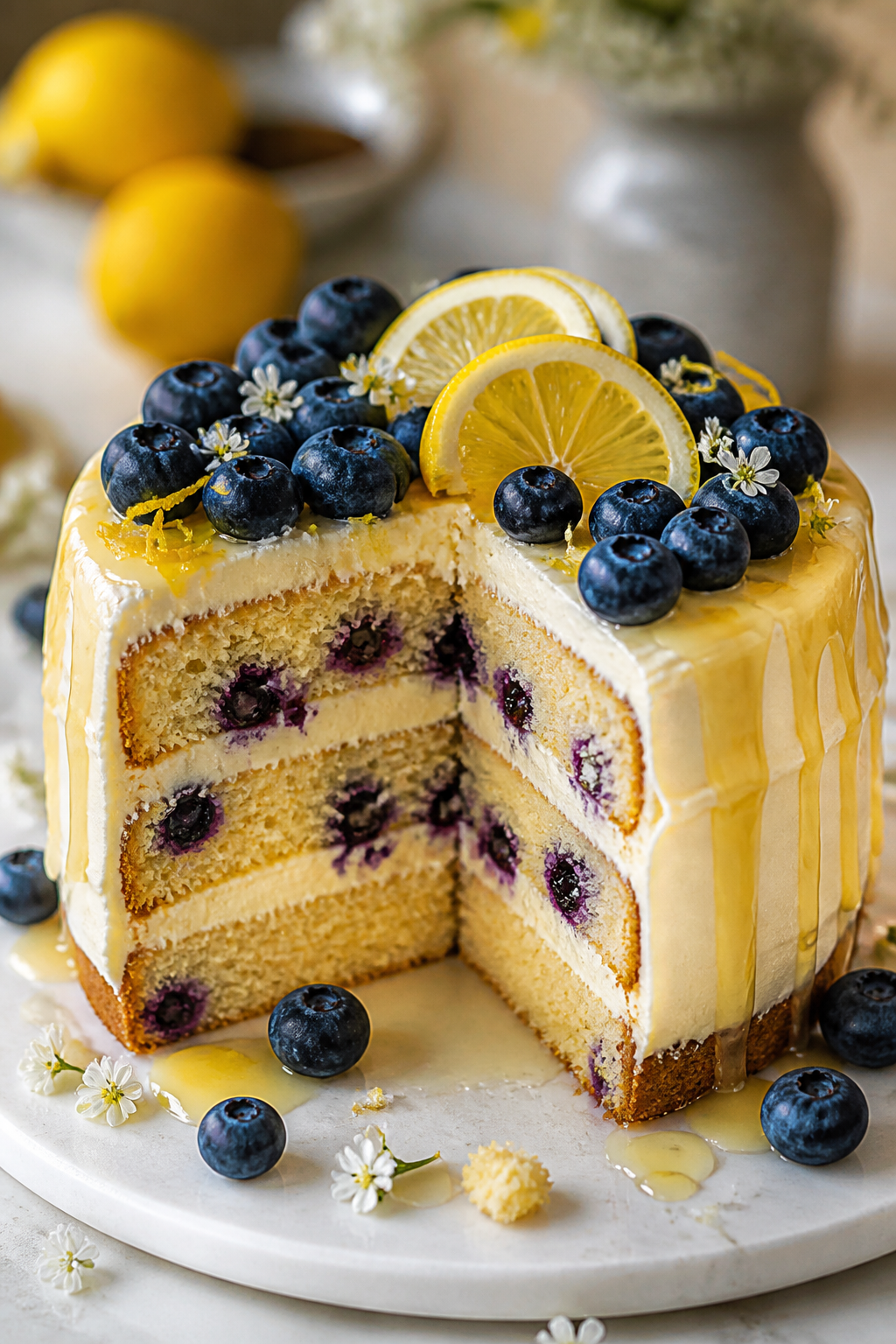
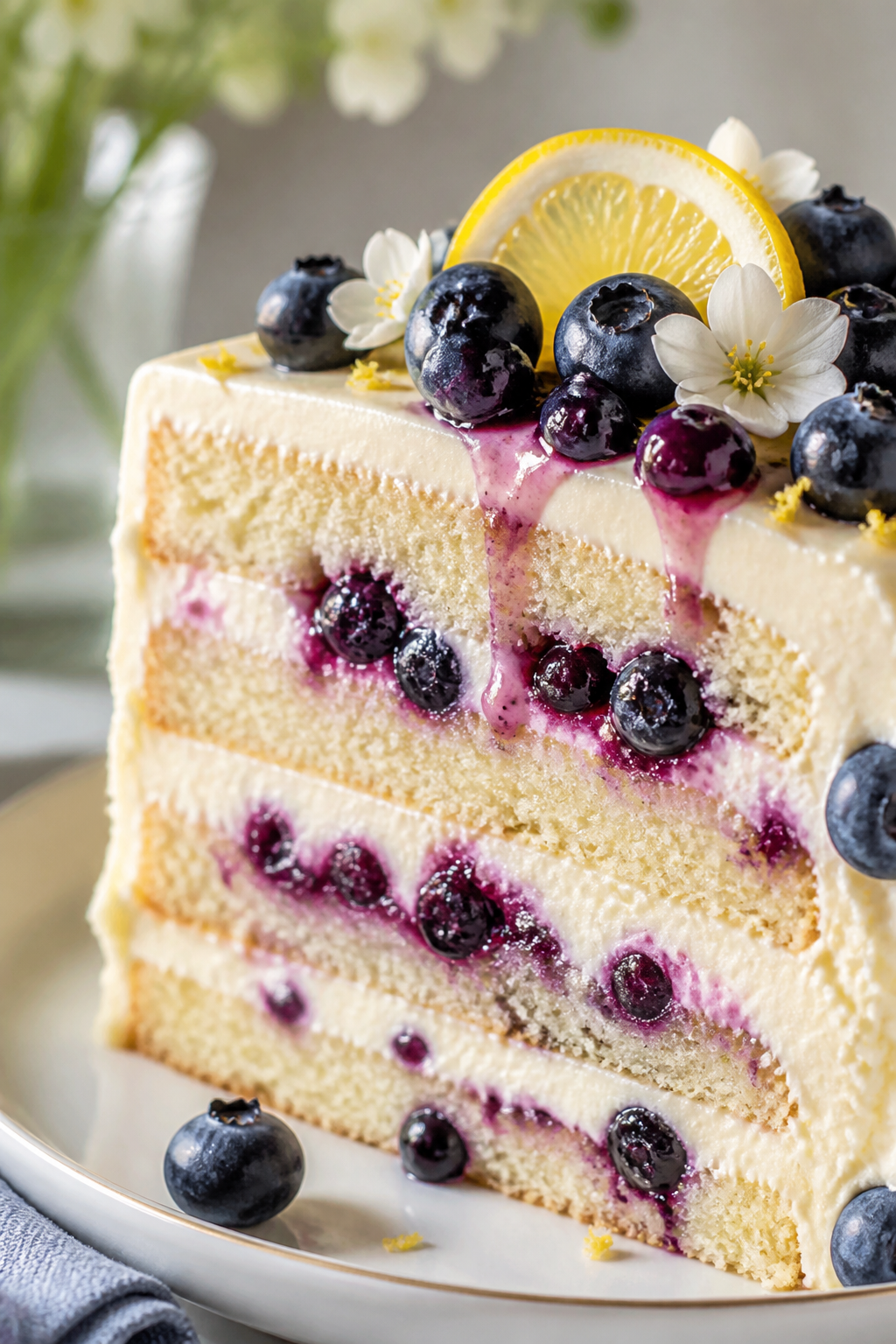
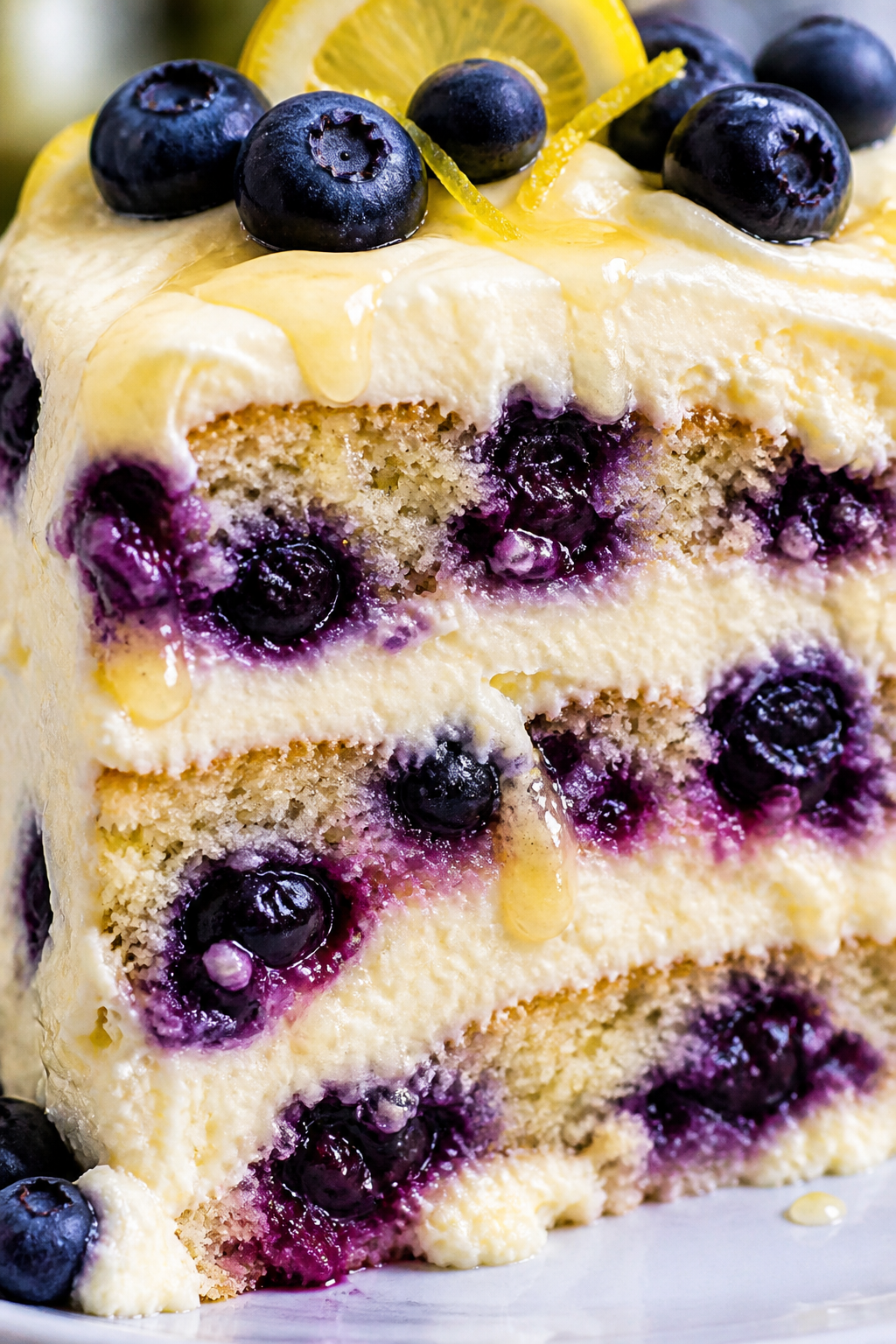
This lemon cake is my absolute favorite spring treat—airy, tangy, and layered with fresh blueberries. The honey-sweetened cream frosting adds a delicate floral touch that feels just right for afternoon tea or casual weekend get-togethers.
Introduction
I first baked this lemon cake a few springs ago when I wanted something fresh and light to bring to a garden party. I’d tried a bunch of lemon cakes before, but they often felt too dense or overly sweet. What makes this version special is the combination of an airy sponge with fresh blueberries tucked between the layers and a unique honey-sweetened cream frosting that’s not too heavy. The honey adds a subtle floral note that perfectly complements the bright lemon zing without overpowering it. One trick I learned early on was to fold the blueberries gently into the batter and reserve some for layering so they don’t break and turn the batter purple. Also, whipping the cream with honey just until soft peaks form keeps the frosting light and luscious. When finished, this cake feels like a little slice of spring on your plate—moist, tangy, and delicately sweet. It’s the kind of dessert that works beautifully for afternoon tea, birthdays, or any casual weekend celebration. Plus, it’s a crowd-pleaser every time I bring it out!
What You'll Need
One 9-inch layered cake, 8 servings
- 1 1/2 cups all-purpose flour, sifted
- 1 tsp baking powder
- 1/4 tsp baking soda
- 1/4 tsp salt
- 3/4 cup granulated sugar
- Zest of 2 lemons
- 3 large eggs, room temperature
- 1/2 cup buttermilk, room temperature
- 1/4 cup fresh lemon juice
- 1/2 cup unsalted butter, melted and cooled
- 1 cup fresh blueberries, rinsed and dried
- For the frosting:
- 1 cup heavy cream, chilled
- 3 tbsp honey (preferably mild floral honey)
- 1/2 tsp vanilla extract
How To Do It
Step 1
Preheat your oven to 350°F (175°C). Grease and flour a 9-inch round cake pan or line it with parchment paper. This preparation ensures your cake won’t stick and will release easily once baked, preserving its airy texture. Avoid skipping this step as it can make removing the cake tricky and damage the delicate crumb.
⏱ Time: 10 minutes
✓ Doneness: Pan is evenly greased with no dry spots; parchment paper fits snugly without wrinkles
Step 2
In a medium bowl, whisk together the sifted flour, baking powder, baking soda, and salt. Mixing these dry ingredients thoroughly helps distribute the leavening agents evenly, which is crucial for a uniform rise and light crumb. If you skip sifting, you risk lumps and uneven texture in the cake.
⏱ Time: 5 minutes
✓ Doneness: Dry ingredients are well combined with no clumps visible
Step 3
In a large bowl, combine the sugar and lemon zest. Rub the zest into the sugar with your fingers until fragrant. This technique releases the essential oils in the lemon zest, infusing the sugar with bright citrus flavor that really shines through in the final cake. It’s a small step that makes a big difference.
⏱ Time: 3 minutes
✓ Doneness: Sugar is moist and aromatic with fresh lemon scent
Step 4
Add the eggs one at a time to the sugar mixture, beating well after each addition until the mixture is pale and fluffy. Incorporating eggs gradually helps build structure and volume. If you add them all at once, the batter may curdle and lose airiness, resulting in a denser cake.
⏱ Time: 5 minutes
✓ Doneness: Mixture looks pale yellow, thick, and slightly airy
Step 5
Mix the buttermilk, lemon juice, and melted butter in a separate bowl. Alternately add the dry ingredients and this wet mixture to the egg mixture in three additions, starting and ending with the dry ingredients. Use gentle folding motions to keep the batter light. Overmixing here will develop gluten and make the cake tough, so be careful.
⏱ Time: 5 minutes
✓ Doneness: Batter is smooth with no streaks of flour, slightly thick but still light
Step 6
Gently fold in most of the blueberries, reserving a handful for layering and decoration. Folding gently prevents the berries from bursting and turning the batter purple, which can affect both texture and appearance.
⏱ Time: 2 minutes
✓ Doneness: Blueberries are evenly distributed without breaking apart
Step 7
Pour the batter into the prepared pan and smooth the top with a spatula. Bake for 30-35 minutes or until a toothpick inserted in the center comes out clean. Baking at the right temperature ensures the cake rises properly without drying out. Avoid opening the oven door too often to maintain heat.
⏱ Time: 30-35 minutes
✓ Doneness: Golden top with slight spring back when pressed; toothpick is clean
Step 8
Let the cake cool in the pan for 10 minutes, then turn it out onto a wire rack to cool completely. Cooling in the pan too long can cause sogginess from steam, while removing too soon may break the cake. Proper cooling preserves the airy texture.
⏱ Time: 30 minutes
✓ Doneness: Cake is fully cooled to room temperature and firm enough to handle
Step 9
For the frosting, whip the heavy cream with honey and vanilla extract until soft peaks form. Overwhipping can turn the cream grainy and buttery, so stop as soon as it holds soft peaks. Spread half the frosting on the cooled cake, sprinkle remaining blueberries, then top with the rest of the frosting. Chill briefly before serving to set the cream.
⏱ Time: 10 minutes
✓ Doneness: Frosting is smooth, fluffy, and holds shape without collapsing
Pro Tips
Always zest lemons before juicing them to preserve the most aromatic oils.
Zesting first captures the essential oils in the peel, which provide intense lemon fragrance and flavor. If you juice first, the peel becomes harder to zest and loses some aroma, reducing the cake’s lemony brightness.
Fold blueberries into the batter gently and last to prevent color bleeding.
Blueberries have delicate skins that burst easily when overmixed, releasing juice that can turn your batter purple and affect texture. Gentle folding keeps berries intact and evenly distributed for pretty, fresh bursts.
Use room temperature eggs and buttermilk for better batter emulsification.
Cold ingredients can cause the batter to curdle or mix unevenly, resulting in a denser cake. Room temperature ingredients blend smoothly, trap air better, and encourage even rising.
Don’t overwhip the cream frosting; stop at soft peaks.
Overwhipping causes the cream to break down into butter and liquid, ruining the smooth texture. Soft peaks hold shape but remain light and fluffy, ideal for a delicate frosting.
Let the cake cool completely before frosting to avoid melting the cream.
Applying frosting to a warm cake causes the cream to melt and slide off, losing its texture and look. Cooling ensures the frosting stays stable and the layers remain distinct.
Use a hand mixer or stand mixer for whipping cream to control texture.
Whipping by hand can be uneven and time-consuming, risking under or overwhipping. Electric mixers offer consistent speed and better control for perfect soft peaks every time.
Chill the cake briefly after frosting to set the cream before serving.
A short chill firms up the cream frosting, making slicing cleaner and presentation neater. It also lets flavors meld, enhancing the overall taste experience.
Common Mistakes to Avoid
Overmixing the batter after adding flour
Why it happens Many cooks try to ensure everything is fully combined and mistakenly mix too vigorously, not realizing this develops gluten.
Fix Fold the flour in gently just until no dry streaks remain. Use a spatula and slow folding motions. Overmixing leads to a tough, dense cake, so less is more here.
Using frozen blueberries without thawing
Why it happens People grab frozen berries for convenience but don’t realize they release excess moisture when added frozen.
Fix Use fresh blueberries or if frozen, thaw and drain them well before folding in. This prevents soggy batter and purple streaks.
Not greasing the pan properly
Why it happens Sometimes we underestimate how sticky cakes can be or skip this step to save time.
Fix Always grease and flour the pan or use parchment paper. This ensures the cake releases cleanly and keeps its delicate crumb intact.
Whipping cream past soft peaks
Why it happens It’s easy to get carried away watching the cream thicken and overshoot the desired texture.
Fix Stop whipping as soon as the cream holds soft peaks that gently bend over. If overwhipped, add a little fresh cream and whip briefly to rescue it.
Applying frosting to warm cake
Why it happens Impatience or misjudging cooling time leads to frosting melting and sliding off.
Fix Wait until the cake is completely cooled at room temperature before frosting. This keeps frosting stable and the layers neat.
Variations
Lemon Raspberry Cake
Swap blueberries for fresh raspberries for a slightly tart twist. The raspberries add a vibrant color and a tangier flavor, pairing beautifully with the honey cream. Expect a more vivid berry flavor and a bit more moisture from the raspberries.
Note: Because raspberries are softer, fold them in gently and consider adding them only as a layer between frosting to prevent too much juice in the batter.
Gluten-Free Lemon Blueberry Cake
Use a gluten-free all-purpose flour blend instead of regular flour. This keeps the cake accessible for gluten-sensitive eaters without sacrificing texture. The cake may be a bit more crumbly but still light and flavorful.
Note: Add 1/4 tsp xanthan gum if your blend doesn’t contain it to help with structure and elasticity.
Vegan Lemon Blueberry Cake
Replace eggs with flax eggs (1 tbsp flaxseed meal + 3 tbsp water per egg) and use plant-based milk and vegan butter. Use coconut cream whipped with maple syrup instead of heavy cream and honey for frosting. Texture will be slightly different but still delicious.
Note: Whip coconut cream chilled overnight for best volume and stability.
Lemon Poppy Seed Blueberry Cake
Add 2 tbsp poppy seeds to the batter for a subtle crunch and nutty flavor. This variation adds texture and a pretty speckled look that pairs well with the lemon and blueberries.
Note: Mix seeds with dry ingredients to distribute evenly before adding liquids.
Honey-Lavender Frosting
Infuse the honey with dried culinary lavender before whipping it into the cream for a floral twist. This adds an aromatic complexity that elevates the frosting, making the cake extra special for gatherings.
Note: Warm honey gently with lavender, steep for 10 minutes, then strain before using.
Nutrition
Per Serving:
Nutritional values are estimates and may vary based on specific ingredients used.
Storage & Tips
Room Temperature
This cake can safely sit covered at room temperature for up to 1 day. Keep it in a cake dome or airtight container to prevent drying out and protect the fresh cream frosting from dust or insects.
Refrigerator
Store leftovers in an airtight container in the fridge for up to 3 days. The cream frosting will firm up and the cake may become slightly denser but it still tastes great. Bring to room temperature before serving for best flavor.
Freezer
Freeze the unfrosted cake layers tightly wrapped in plastic wrap and foil for up to 2 months. Thaw overnight in the fridge before frosting. Frosted cake can be frozen but texture of cream may change slightly upon thawing.
Reheating
Avoid reheating this cake as it’s best served fresh or chilled. If desired, remove from fridge 30 minutes before serving to soften the frosting and enhance flavors.
Make Ahead
Bake the cake layers 1 day ahead and wrap tightly. Prepare the honey cream frosting the morning of serving and assemble just before guests arrive to keep the cream fresh and fluffy.
FAQ
Can I use frozen blueberries instead of fresh?
You can, but frozen blueberries release more juice and can turn the batter purple, affecting texture and appearance. If you must use frozen, thaw them completely and drain excess liquid before folding gently into the batter to minimize color bleeding.
What if I don’t have buttermilk?
No worries! You can make a simple substitute by adding 1 tablespoon of lemon juice or white vinegar to a 1/2 cup of milk. Let it sit for 5 minutes until it curdles slightly, then use it as buttermilk. This acidity helps the cake rise and tenderizes the crumb.
How do I prevent the cream frosting from melting?
Make sure the cake is completely cooled before applying frosting and keep the cake chilled until serving. Also, whip the cream just to soft peaks and use a mild honey to help stabilize. Avoid frosting in a warm kitchen or serving immediately after frosting.
Can I make this cake gluten-free?
Yes! Use a gluten-free all-purpose flour blend with xanthan gum if it’s not included. The texture might be a bit more crumbly but the flavor stays great. Be gentle when folding ingredients to maintain lightness.
How do I store leftover cake with cream frosting?
Store leftovers in an airtight container in the fridge for up to 3 days. The frosting will firm up and the cake might become denser but will still taste delicious. Let the cake come to room temperature before eating for best texture.
Can I substitute honey with sugar in the frosting?
You can, but honey adds moisture and a floral note that sugar lacks. If you use sugar, dissolve it in a little warm cream before whipping to avoid graininess. The frosting may be less smooth and flavorful without honey.
Why is my cake dense and not airy?
Common reasons include overmixing the batter after adding flour, using cold ingredients, or not baking immediately after mixing. Overmixing develops gluten making the cake tough, and cold ingredients can prevent proper rising. Follow the folding and mixing instructions carefully.
Can I prepare the frosting in advance?
It’s best to whip the cream frosting just before assembling the cake for maximum fluffiness and stability. If you must prepare ahead, whip it and store in the fridge up to 4 hours, then gently re-whip before spreading.
Final Thoughts
I hope you enjoy making and sharing this light lemon blueberry cake as much as I do! Don’t forget to let me know how it turns out and share your photos.