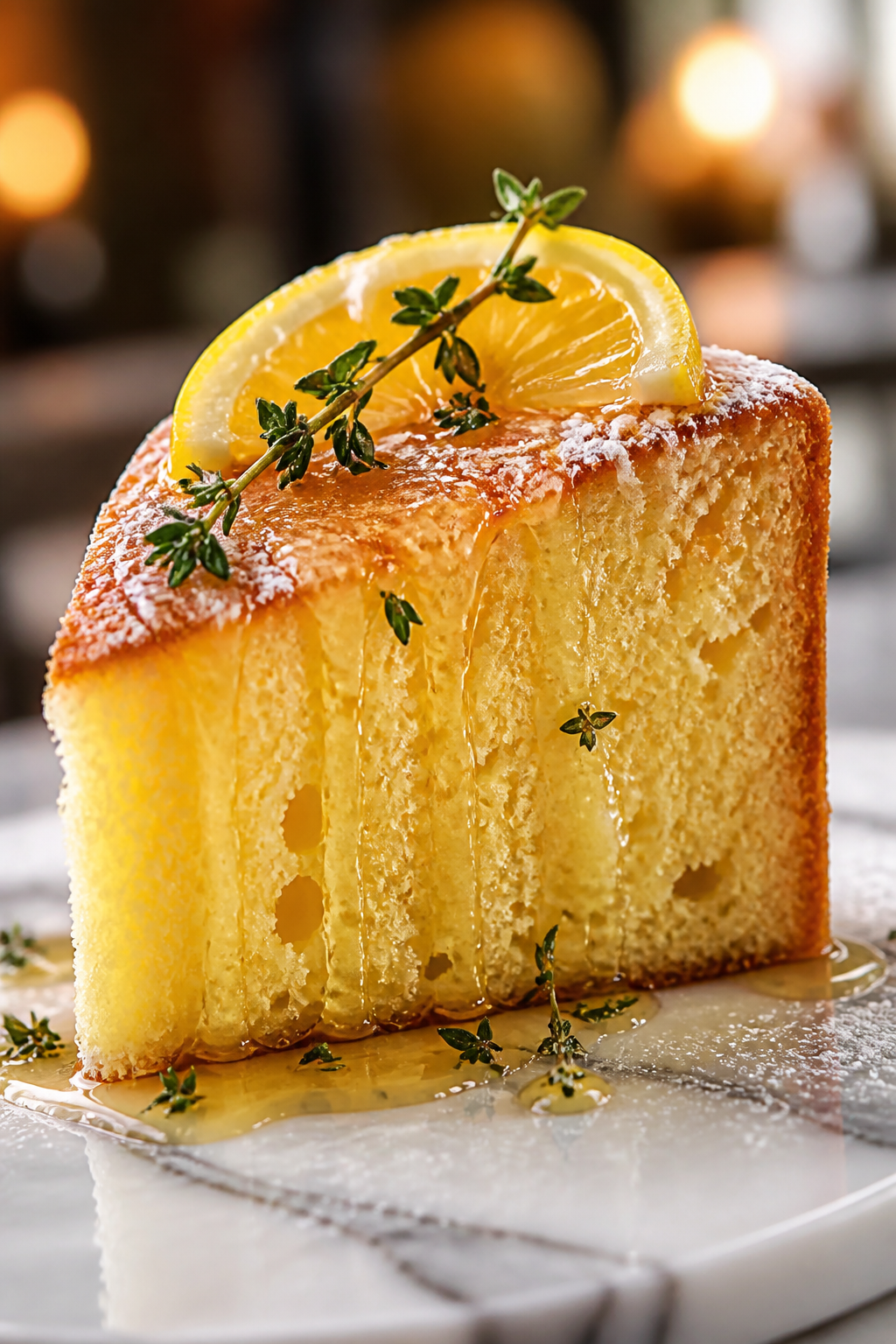
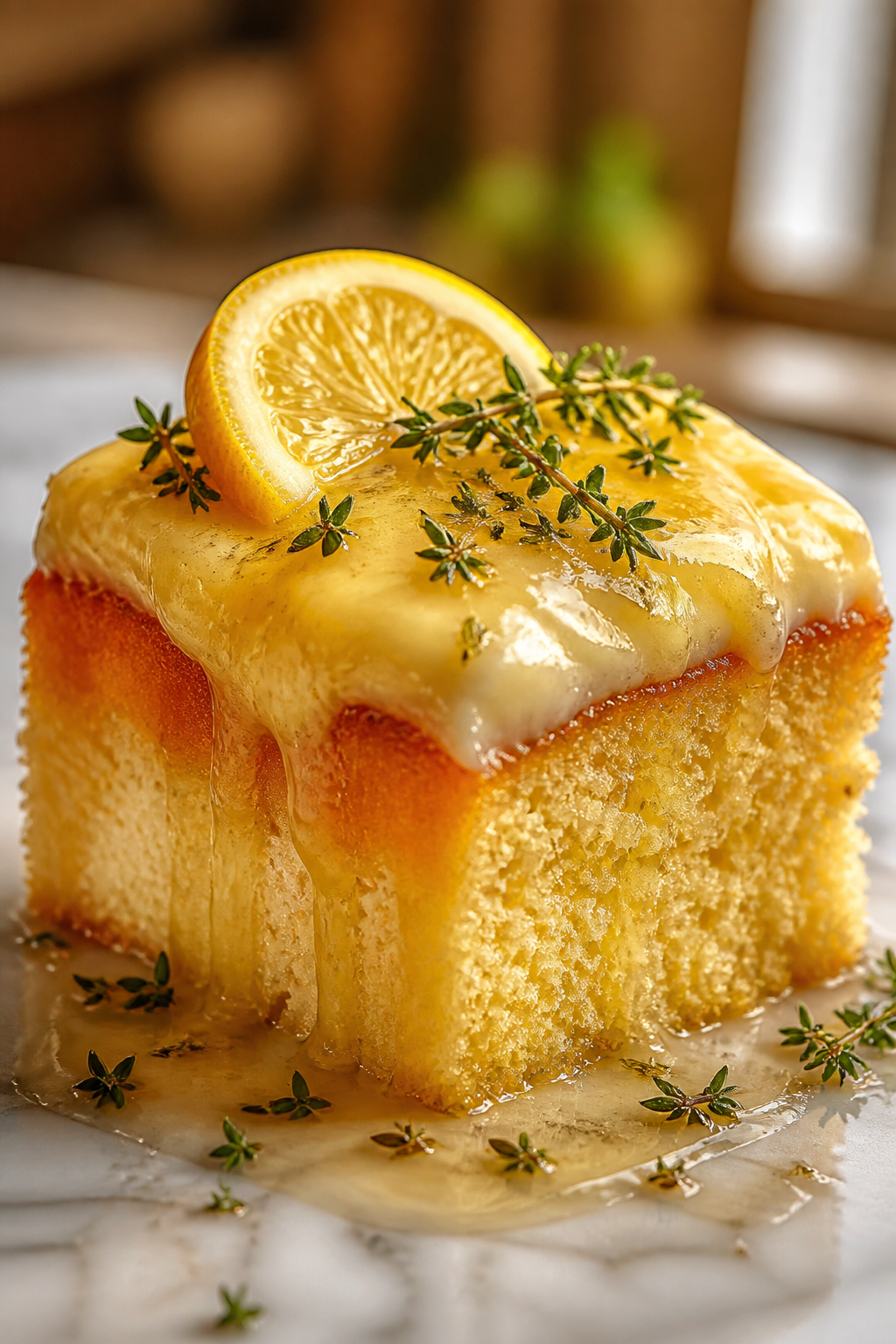
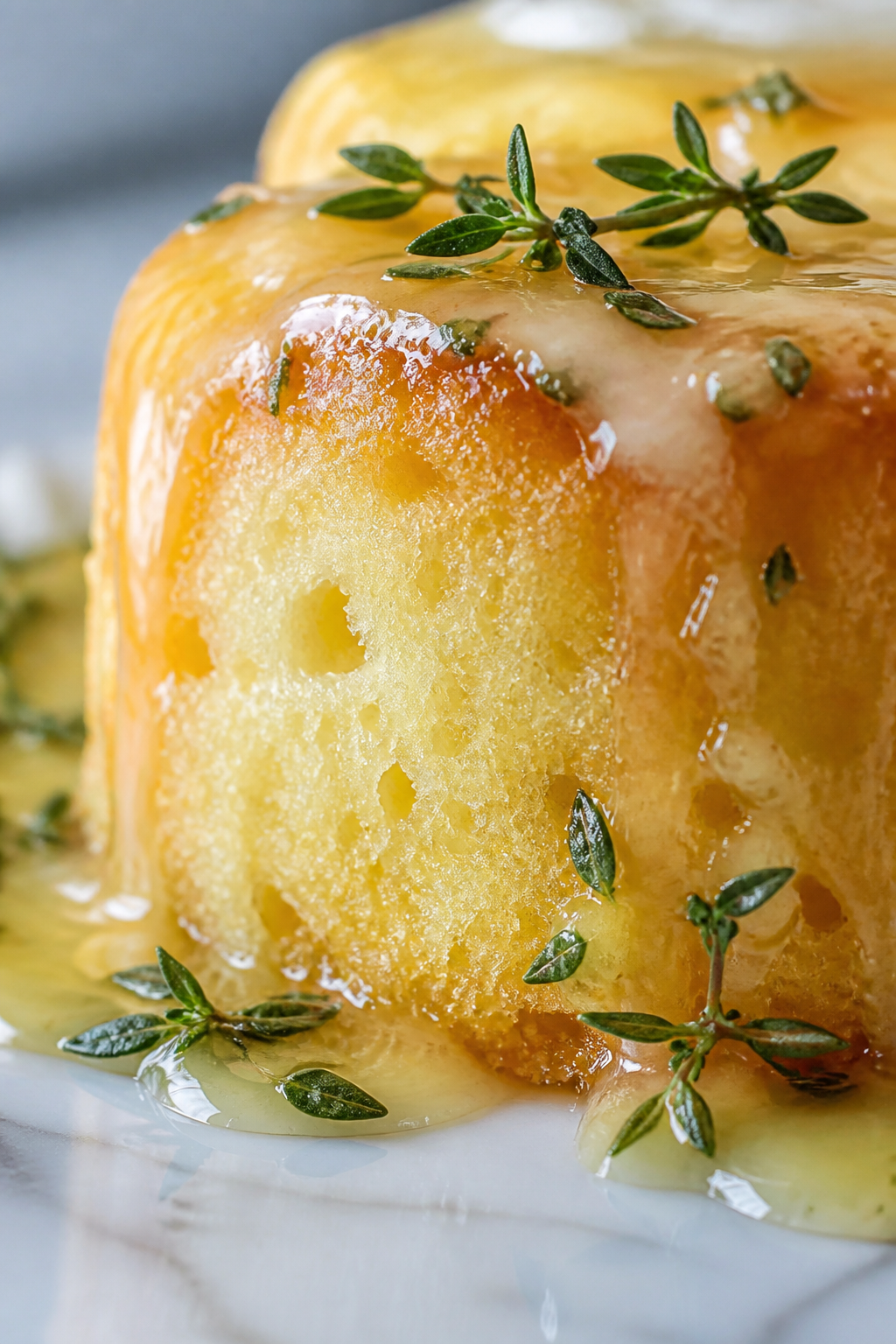
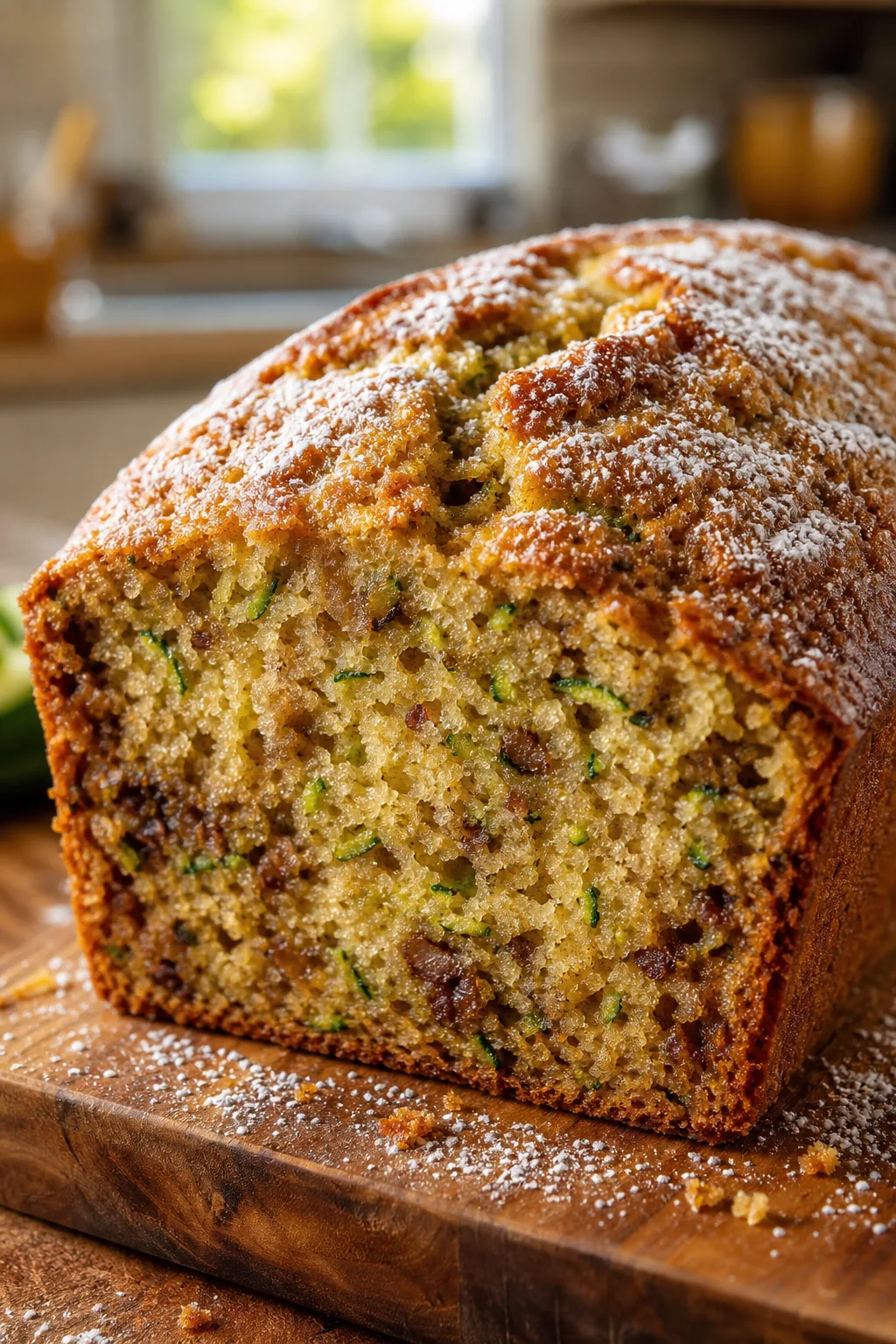
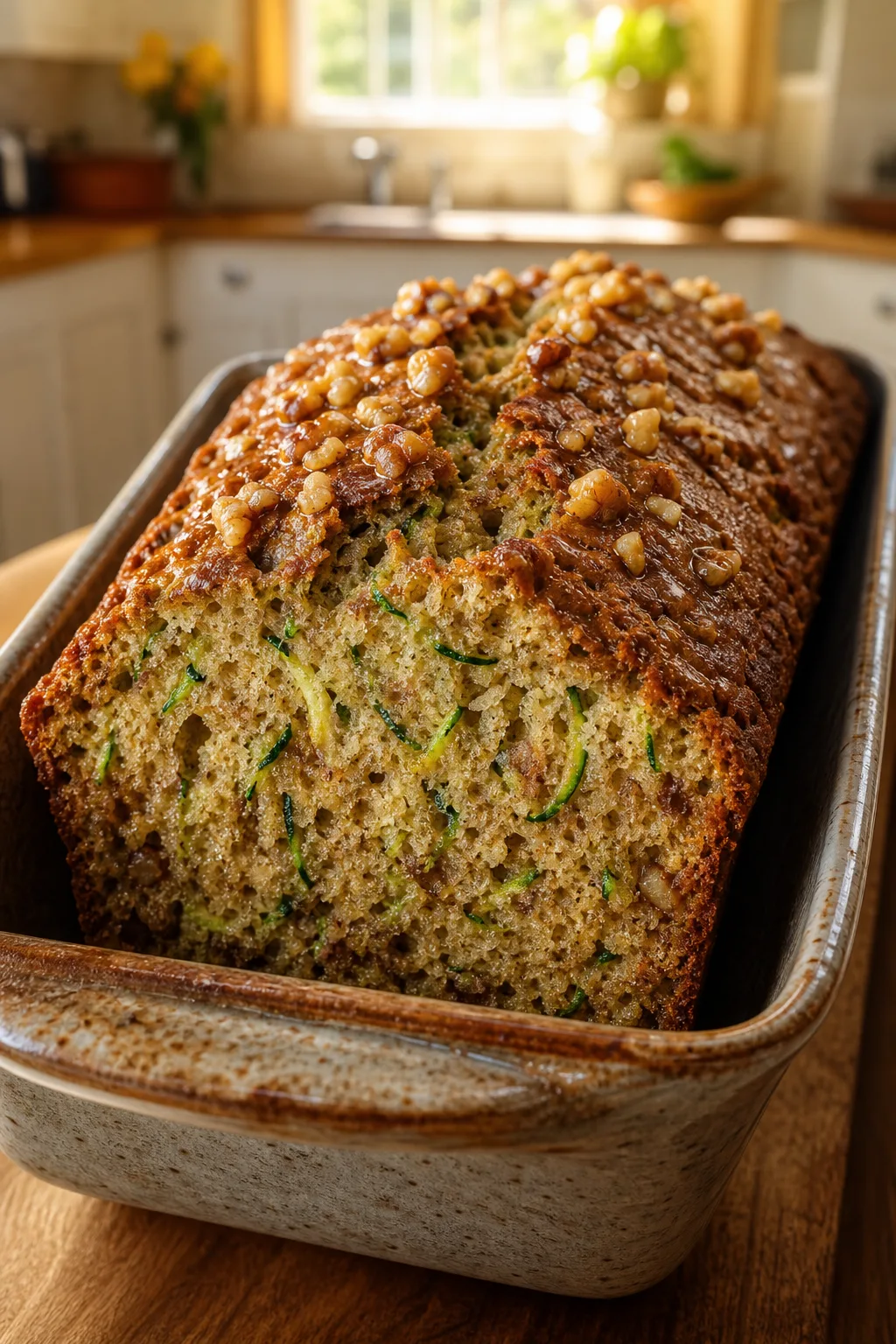
This lemon chiffon cake is super light and fluffy, with a delicate thyme syrup that gives it a fresh herbal note. It’s a perfect dessert for spring gatherings or when you want something bright but not heavy.
Introduction
I first tried my hand at chiffon cakes a few years ago and honestly, they intimidated me a bit. They seemed so delicate and tricky! But once I nailed this lemon chiffon cake with a subtle thyme syrup, I was hooked. What makes this version special is the light-as-air texture combined with that fresh herbal twist from the thyme syrup. It’s not your typical lemon cake — the syrup adds this really lovely depth and brightness that makes you want another slice. The trick I learned along the way is to beat the egg whites just right — not too soft, not too stiff — so the cake rises beautifully without collapsing. Also, folding the batter gently keeps it airy and tender. The finished cake is fluffy, moist, and perfectly balanced between citrus zing and herbal freshness. It’s become my go-to when I want a dessert that feels fancy but actually comes together without too much fuss. I love serving it in spring or summer when fresh herbs are abundant, but honestly, it’s great any time you want something light and refreshing after a meal.
What You'll Need
One 9-inch chiffon cake, 8 servings
- 1 cup cake flour, sifted
- 1 1/2 teaspoons baking powder
- 1/4 teaspoon salt
- 5 large eggs, separated
- 3/4 cup granulated sugar, divided
- 1/4 cup vegetable oil
- 1/4 cup fresh lemon juice
- 2 tablespoons lemon zest
- 1/4 teaspoon cream of tartar
- 1/2 cup water
- 1/4 cup granulated sugar (for syrup)
- 2 sprigs fresh thyme
How To Do It
Step 1
Preheat your oven to 325°F (163°C). In a medium bowl, whisk together the cake flour, baking powder, and salt. This step is crucial because sifting and combining these dry ingredients evenly ensures a light, tender crumb without any lumps. Baking powder helps the cake rise, so don’t skip this! Set aside while you prepare the wet ingredients.
⏱ Time: 10 minutes
✓ Doneness: Dry ingredients are fully combined and smooth, no clumps remain.
Step 2
Separate the eggs carefully, placing the whites in a large, clean bowl and the yolks in another. Make sure no yolk gets into the whites — even a little fat can prevent them from whipping properly. Beat the egg yolks with half of the sugar until pale and creamy, then add the vegetable oil, lemon juice, and lemon zest. Mixing these well infuses the batter with bright citrus flavor and moisture.
⏱ Time: 5 minutes
✓ Doneness: Yolk mixture is smooth, slightly thickened, and fragrant with lemon.
Step 3
Slowly add the sifted dry ingredients to the yolk mixture, folding gently until just combined. Be careful not to overmix here — you want to keep as much air as possible in the batter for that fluffy texture. Overmixing develops gluten which can make the cake dense.
⏱ Time: 3 minutes
✓ Doneness: Batter is smooth without streaks of flour but still light and airy.
Step 4
In the large bowl with egg whites, add cream of tartar and beat until soft peaks form. Then gradually add the remaining sugar while continuing to beat until stiff, glossy peaks appear. This step is key for the cake’s rise and airy texture — the sugar stabilizes the egg whites and helps them hold volume during baking.
⏱ Time: 7-8 minutes
✓ Doneness: Egg whites hold firm peaks that stand straight up without drooping.
Step 5
Gently fold about one-third of the beaten egg whites into the yolk batter to lighten it. Then carefully fold in the remaining whites in two additions. Use a spatula and fold with a gentle motion from the bottom up, rotating the bowl. This technique preserves the air bubbles, ensuring the cake stays light and rises well.
⏱ Time: 5 minutes
✓ Doneness: Batter is evenly blended with no large streaks of egg whites or yolks.
Step 6
Pour the batter into an ungreased 9-inch chiffon cake pan. The ungreased pan allows the batter to cling to the sides and climb as it bakes, helping the cake rise and keep its structure. Smooth the top gently with a spatula.
⏱ Time: 2 minutes
✓ Doneness: Batter evenly spread in pan, surface smooth but not pressed down.
Step 7
Bake in the preheated oven for 30-35 minutes, or until a toothpick inserted in the center comes out clean. Avoid opening the oven door during the first 25 minutes to prevent collapse. The cake should be golden and spring back lightly when touched.
⏱ Time: 30-35 minutes
✓ Doneness: Golden top, toothpick clean, springy surface.
Step 8
Immediately invert the cake pan onto a bottle or cooling rack to cool upside down. This prevents the delicate cake from shrinking or collapsing as it cools. Let it cool completely before removing from the pan.
⏱ Time: 1 hour
✓ Doneness: Cake is fully cooled and holds its height when released from pan.
Step 9
While the cake cools, make the thyme syrup. In a small saucepan, combine water, sugar, and thyme sprigs. Bring to a simmer and cook until sugar dissolves and syrup is fragrant with thyme, about 5-7 minutes. Strain out the thyme and let cool. Brush the syrup over the cooled cake to add moisture and a fresh herbal note that balances the lemon.
⏱ Time: 10 minutes
✓ Doneness: Syrup is clear, fragrant, and slightly thickened.
Pro Tips
Make sure your egg whites are at room temperature before beating.
Room temperature egg whites whip up more easily and achieve greater volume because the proteins unfold more readily. Cold whites take longer to whip and may not reach stiff peaks, which can compromise the cake’s rise and texture.
Use an ungreased tube pan for baking the chiffon cake.
The ungreased pan allows the batter to cling to the sides and climb as it bakes, which supports the structure and prevents the cake from collapsing. Greasing the pan would cause the batter to slip and the cake to fall flat.
Fold the egg whites gently into the batter using a spatula.
Folding preserves the air bubbles trapped in the egg whites. Stirring or mixing too vigorously deflates these bubbles, resulting in a denser, less airy cake. Use a light hand and a gentle folding motion to keep the batter fluffy.
Cool the cake upside down in the pan immediately after baking.
Inverting the cake uses gravity to prevent shrinkage and collapse as it cools. This technique maintains the cake’s height and light texture. If you cool it right side up, the delicate structure may fall and compress.
Brush the thyme syrup over the cooled cake just before serving.
Adding the syrup after cooling avoids sogginess and ensures the cake stays moist and flavorful. The syrup also enhances the lemon flavor with fresh herbal notes, making each bite more interesting and balanced.
Sift your dry ingredients to avoid lumps and ensure even mixing.
Sifting aerates the flour and evenly distributes baking powder and salt, resulting in a finer crumb and consistent rise. Skipping this step can lead to uneven texture and pockets of baking powder.
Don’t open the oven door during the first 25 minutes of baking.
Sudden temperature changes can cause the delicate chiffon cake to collapse. Keeping the oven door closed maintains steady heat for proper rising and baking.
Common Mistakes to Avoid
Overbeating or underbeating egg whites
Why it happens Many cooks either stop too soon or go too far when whipping egg whites, not realizing the subtle difference between soft, firm, and stiff peaks.
Fix Beat the whites until they form stiff, glossy peaks that stand straight without drooping but aren’t dry or grainy. Stop immediately at this point. Use a clean, grease-free bowl and no yolk contamination.
Greasing the chiffon cake pan
Why it happens It’s instinctive to grease pans, but chiffon cakes rely on the batter clinging to the pan to rise properly.
Fix Use an ungreased tube pan specifically for chiffon cakes. This helps the cake ‘climb’ the sides as it bakes, maintaining structure and height.
Folding the batter too aggressively
Why it happens Impatience or unfamiliarity with folding leads some to stir or mix quickly, deflating the batter.
Fix Use a gentle folding motion with a spatula: scoop from the bottom, lift, and turn the mixture. This preserves the air bubbles that give chiffon cake its signature fluffiness.
Using bottled lemon juice instead of fresh
Why it happens Convenience often leads to using bottled juice, but it lacks fresh aroma and flavor.
Fix Always use fresh lemon juice and zest for best flavor. The oils in the zest especially add vital brightness that bottled juice can’t replicate.
Removing the cake from the pan before it cools
Why it happens Eagerness to serve can cause premature removal, risking collapse.
Fix Invert the cake and let it cool completely upside down in the pan. Only then gently loosen the edges and remove it to keep its shape intact.
Variations
Orange Chiffon Cake with Rosemary Syrup
Swap lemon juice and zest for fresh orange, and infuse the syrup with rosemary instead of thyme. This variation offers a sweeter citrus flavor with a woodsy herb twist that pairs beautifully with the fluffy texture.
Note: Rosemary has a stronger flavor than thyme, so use slightly less and strain thoroughly to avoid bitterness.
Lavender Lemon Chiffon Cake
Add dried culinary lavender to the syrup for a floral aroma that complements the lemon perfectly. Lavender gives the cake a delicate, sophisticated flavor ideal for afternoon tea or special occasions.
Note: Use culinary-grade lavender sparingly to avoid overpowering the cake; steep in syrup for 5 minutes only.
Gluten-Free Lemon Chiffon Cake
Replace cake flour with a gluten-free blend designed for cakes. The texture will be slightly different but still light and fluffy. This is perfect for those with gluten sensitivities who want to enjoy a citrusy chiffon treat.
Note: Choose a gluten-free flour blend with xanthan gum included for best structure and rise.
Vegan Lemon Chiffon Cake
Use aquafaba (chickpea brine) whipped to stiff peaks in place of egg whites and a flaxseed or chia egg for yolks. This vegan version keeps the airy texture and fresh lemon flavor, great for plant-based diets.
Note: Aquafaba whips more slowly than egg whites; be patient and ensure no oil residues are present in your bowl.
Lemon Chiffon Cake with Blueberry Compote
Serve the cake with a homemade blueberry compote instead of thyme syrup for a fruity contrast. The tartness of blueberries pairs wonderfully with the lemon, adding color and a juicy burst.
Note: Make sure compote is thickened enough to avoid sogginess when served alongside the cake.
Nutrition
Per Serving:
Nutritional values are estimates and may vary based on specific ingredients used.
Storage & Tips
Room Temperature
The cake can be kept at room temperature for up to 8 hours if covered loosely with a cake dome or clean towel. Avoid direct sunlight or warm areas to prevent drying out or spoilage.
Refrigerator
Store the cake in an airtight container or cover tightly with plastic wrap for up to 3 days. The syrup helps retain moisture, but the cake might firm up slightly when chilled. For best texture, bring to room temperature before serving.
Freezer
Wrap the cake tightly in plastic wrap and then in foil to prevent freezer burn. Freeze for up to 2 months. Thaw overnight in the refrigerator, then bring to room temperature before serving to restore softness.
Reheating
Reheat slices gently in the microwave for 10-15 seconds if desired warm, or serve at room temperature. Avoid overheating as it can dry out the cake. You can brush a little extra syrup on before warming to add moisture.
Make Ahead
You can bake the chiffon cake a day ahead and store it wrapped at room temperature. Prepare the thyme syrup in advance and brush it on just before serving to keep the cake fresh and moist.
FAQ
Can I use all-purpose flour instead of cake flour?
You can, but the cake will be less tender and might have a denser texture. Cake flour has less protein which helps keep chiffon cakes light and delicate. If you only have all-purpose flour, try replacing 2 tablespoons per cup with cornstarch to mimic cake flour.
Why did my chiffon cake collapse after baking?
Common reasons include underbeaten egg whites, overmixing the batter, or opening the oven door too early. Egg whites provide structure by trapping air, so if they’re not stiff enough or get deflated, the cake won’t hold its shape.
How do I know when egg whites are beaten enough?
Look for stiff, glossy peaks that stand straight up when you lift the whisk. The whites shouldn’t be dry or grainy, but should hold their shape firmly without drooping.
Can I make this cake without fresh thyme?
You can skip the thyme or substitute with other mild herbs like rosemary or lavender in the syrup. Just be careful with stronger herbs as they can overpower the delicate lemon flavor.
Is it okay to grease the pan for chiffon cake?
No, chiffon cakes need an ungreased pan so the batter can cling and climb the sides during baking. Greasing will cause the cake to slip and collapse.
Can I freeze leftover chiffon cake?
Yes, wrap it tightly in plastic and foil to prevent freezer burn. Freeze for up to 2 months. Thaw in the fridge overnight and bring to room temperature before serving.
What’s the best way to store leftover cake?
Store covered at room temperature for up to 8 hours, or refrigerate in an airtight container for up to 3 days. Bring to room temp before eating for the best texture.
Why is my chiffon cake dry after baking?
It might be overbaked or not brushed with syrup. Keep an eye on baking time and apply the thyme syrup to add moisture and flavor.
Final Thoughts
I hope you enjoy making and sharing this bright lemon chiffon cake as much as I do. Don’t forget to let me know how it turns out!