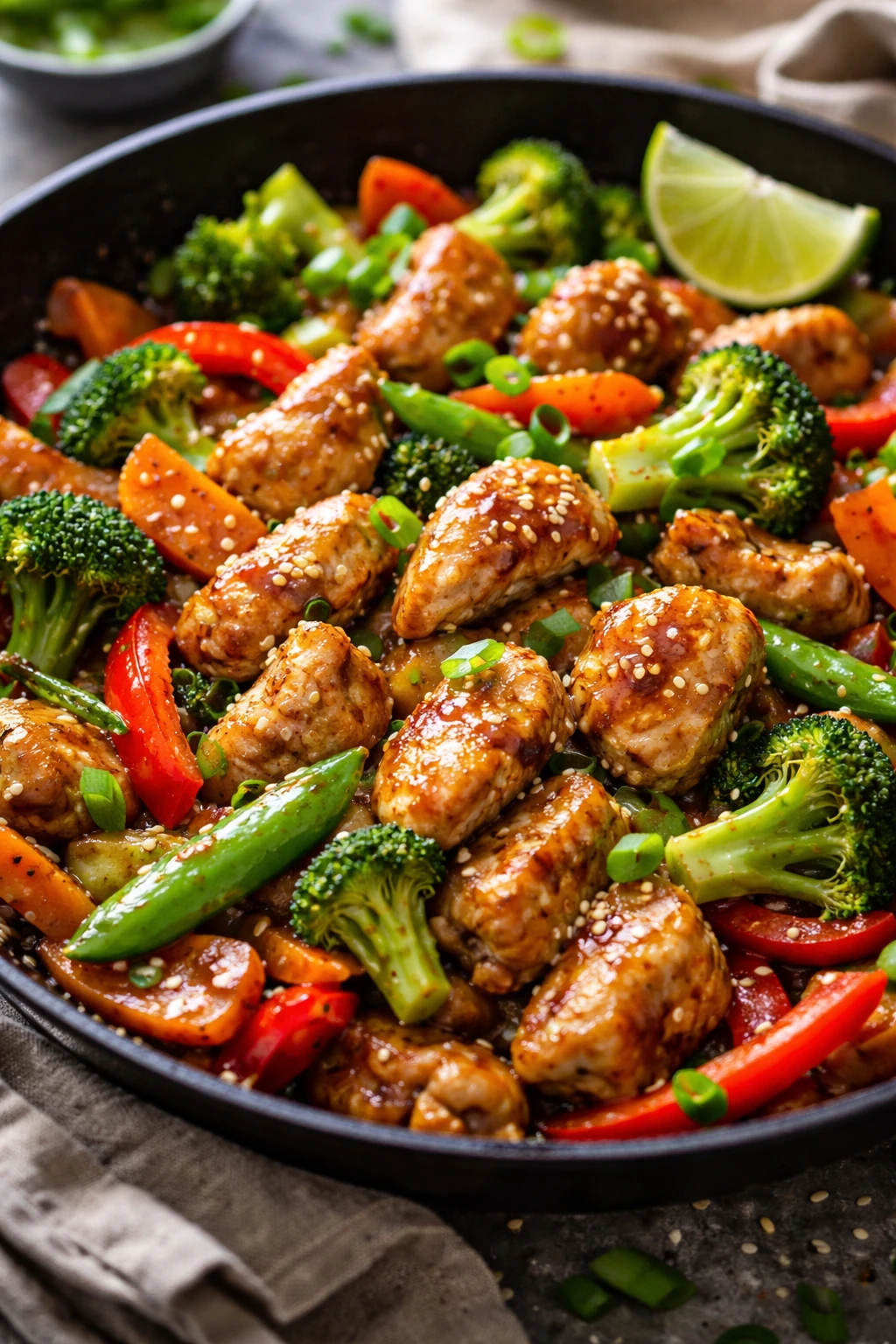
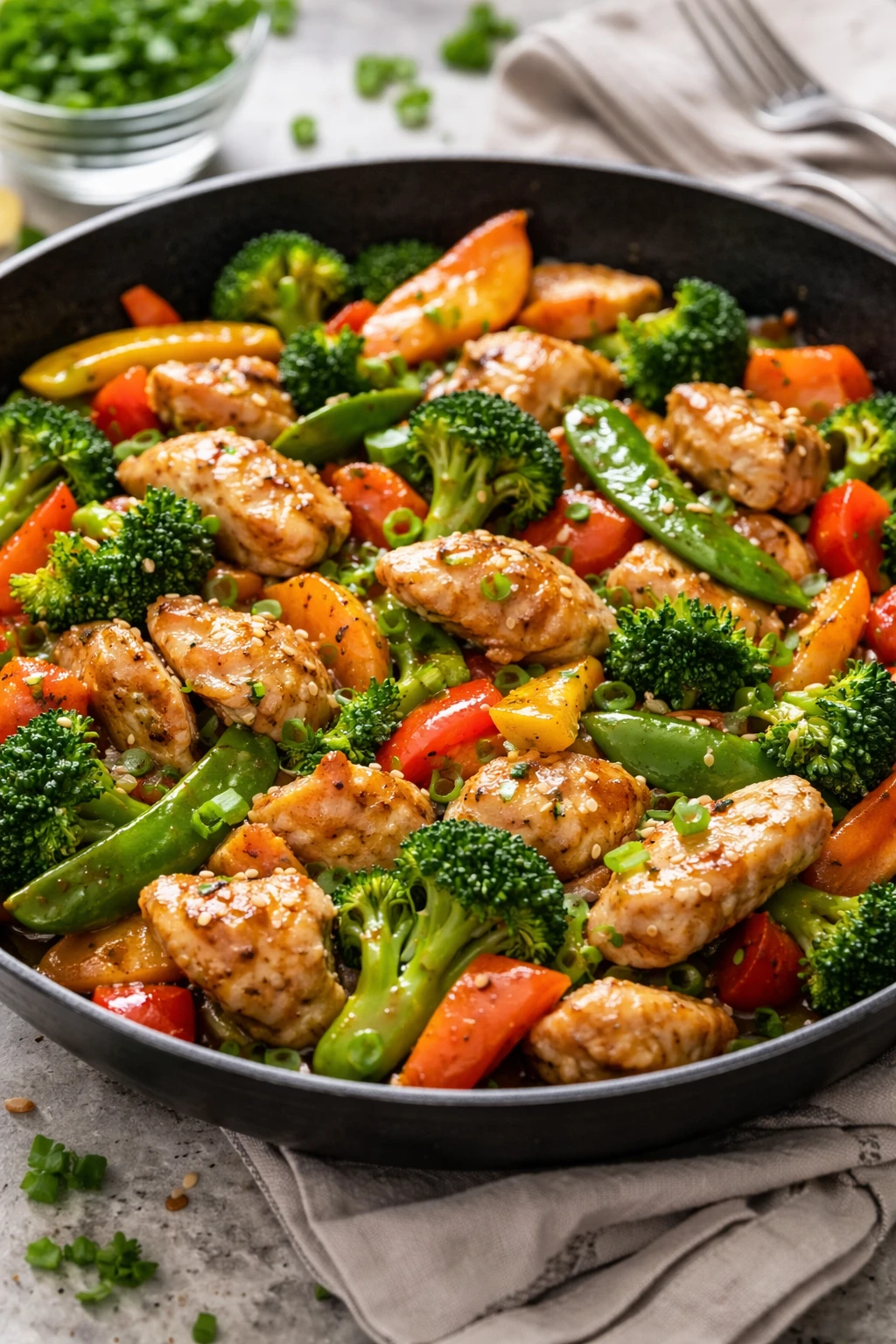
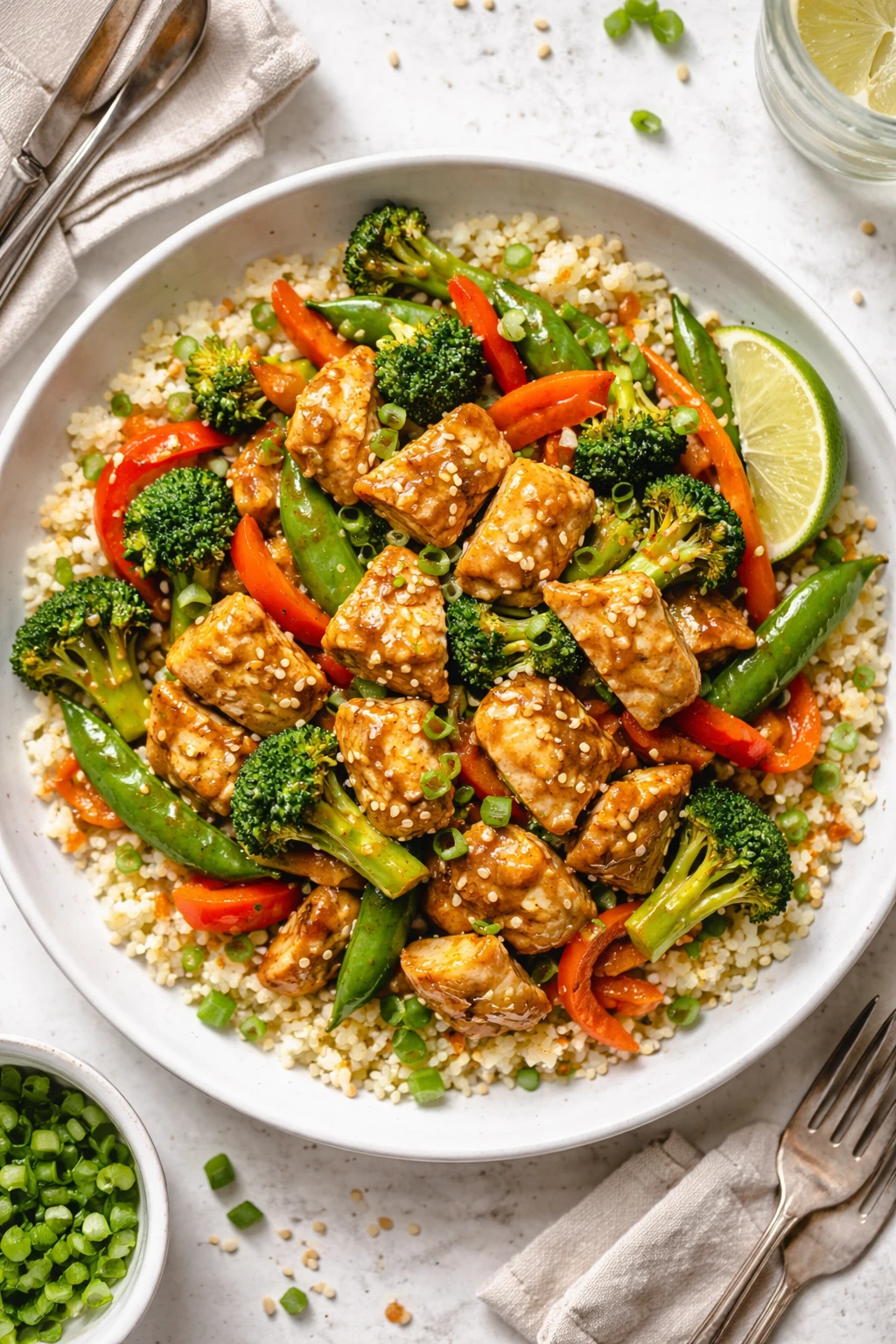
This stir fry is my go-to for busy nights—light, packed with protein, and loaded with fresh veggies. The secret? A quick marinade that keeps the chicken juicy without extra calories. Perfect for a healthy dinner that’s ready in no time!
Introduction
I've been making this chicken stir fry for years, especially when life gets hectic and I need something quick but satisfying. The first time I tried it, I was surprised how juicy and flavorful the chicken stayed, thanks to a simple marinade I toss it in before cooking. What sets this recipe apart is that quick marinade — a blend of soy, honey, garlic, and ginger — which not only adds great flavor but also keeps the chicken tender without adding extra calories or heaviness. My family loves the fresh crunch from the veggies, and I always mix in whatever I have on hand: bell peppers, broccoli, carrots, onions — it all works. The technique I swear by is cooking the chicken first in a hot pan to get a nice sear, then quickly stir-frying the veggies to keep them crisp but tender. The finished dish is colorful, fragrant, and perfectly balanced — a little sweet, savory, and just a touch tangy. If you’re in a rush but want a wholesome homemade dinner, this stir fry really delivers. Plus, it reheats well for leftovers or meal prep, which is a huge bonus for busy weeks.
How To Do It
Step 1
Start by slicing the chicken breasts thinly against the grain. This helps the chicken cook quickly and stay tender. In a medium bowl, whisk together the soy sauce, honey, rice vinegar, garlic, and ginger to make the marinade. Toss the chicken slices in this mixture and let it sit for at least 10 minutes — even a short marinade time will boost flavor and moisture. Avoid skipping this step because the marinade not only flavors the chicken but also helps keep it juicy during cooking.
⏱ Time: 10 minutes
✓ Doneness: Chicken pieces should be well coated and slightly glossy from the marinade.
Step 2
While the chicken marinates, prep your vegetables by slicing the bell pepper, julienning the carrot, cutting broccoli into florets, and slicing the onion thinly. Having all your veggies ready to go makes the stir fry process smooth and fast. Remember, stir frying is a quick method, so you want everything prepped before hitting the pan to avoid overcooking or soggy veggies.
⏱ Time: 10 minutes
✓ Doneness: Veggies should be cut evenly and ready to toss into the hot pan.
Step 3
Heat a large skillet or wok over medium-high heat and add 1 tablespoon of vegetable oil. Once hot and shimmering, add the marinated chicken in a single layer. Let it sear without stirring for about 2 minutes to get a nice golden crust. Then stir and cook for another 2-3 minutes until the chicken is cooked through. The quick sear locks in juices and flavor, so avoid overcrowding the pan which can cause steaming instead of frying.
⏱ Time: 5 minutes
✓ Doneness: Chicken should be golden brown on edges and no longer pink inside.
Step 4
Remove the chicken from the pan and set aside. Add the remaining tablespoon of oil to the pan, then toss in the onion, carrot, and broccoli first. Stir-fry these for about 3 minutes until they start to soften but still have a slight crunch. The high heat cooks them quickly, preserving texture and color. Keep stirring to avoid burning and to cook evenly.
⏱ Time: 3 minutes
✓ Doneness: Vegetables should be bright in color and tender-crisp.
Step 5
Add the sliced bell pepper last since it cooks fastest. Stir-fry everything together for another 2 minutes. Then return the cooked chicken to the pan. Toss everything to combine and heat through. If you want a thicker sauce, stir in the cornstarch slurry now and cook for an additional minute until the sauce thickens and coats the chicken and veggies nicely.
⏱ Time: 3 minutes
✓ Doneness: Sauce should be glossy and cling to ingredients; chicken hot throughout.
Step 6
Taste the stir fry and adjust seasoning with salt or extra soy sauce if needed. The balance of sweet, salty, and tangy should be harmonious. Remove from heat promptly to avoid overcooking and losing the fresh texture of the veggies. Serve immediately over steamed rice or noodles for a complete meal. The vibrant colors and aroma should be inviting.
⏱ Time: 2 minutes
✓ Doneness: Dish smells fragrant and looks colorful with no soggy veggies.
Step 7
For leftovers, cool the stir fry quickly and store in an airtight container in the fridge. Reheat gently in a skillet or microwave with a splash of water to refresh the sauce and prevent drying out. Avoid overheating which can make the chicken rubbery and the veggies mushy.
⏱ Time: 5 minutes
✓ Doneness: Leftovers should be hot but still tender and moist.
Step 8
If prepping ahead, you can slice and marinate the chicken the night before to deepen flavor. Keep the veggies separate and add fresh on cooking day to maintain their crispness. This strategy saves time and keeps the dish tasting fresh and vibrant.
⏱ Time: Varies
✓ Doneness: Marinated chicken should look glossy and veggies should be fresh and firm.
Step 9
Experiment with adding other ingredients like sliced mushrooms, snap peas, or baby corn for variety. Just add them according to their cooking time to keep the texture balanced. Stir fry is very forgiving and adaptable, so don’t hesitate to make it your own!
⏱ Time: Varies
✓ Doneness: Additional veggies should be cooked but retain some bite.
Pro Tips
Marinate the chicken for at least 10 minutes but up to 1 hour for best flavor.
Allowing the chicken to sit in the marinade gives time for the flavors to penetrate and helps tenderize the meat. Skipping or shortening this step results in less flavorful, drier chicken.
Cook chicken in batches if your pan isn’t large enough to avoid overcrowding.
Overcrowding traps moisture and causes the chicken to steam rather than sear, which prevents browning and leads to a rubbery texture. Cooking in batches ensures a nice crust forms.
Use a high smoke point oil like vegetable or canola for stir frying.
Oils with high smoke points withstand the high heat needed for stir frying without burning, preserving flavor and preventing bitter tastes.
Slice vegetables uniformly to ensure even cooking.
Consistent cuts help all veggies cook at the same rate, preventing some from becoming mushy while others remain raw.
Add delicate vegetables like bell peppers last to keep their crunch.
Bell peppers and similar veggies cook quickly and can turn soggy if added too early. Adding them at the end preserves texture and color.
Keep the pan hot but not smoking to maintain control over cooking.
A hot pan sears ingredients well, but if it’s too hot, food can burn quickly. Moderate high heat allows even cooking and better flavor development.
Use fresh garlic and ginger instead of powders for vibrant flavor.
Fresh aromatics release essential oils that powders lack, giving the dish a fresher, more complex taste.
Common Mistakes to Avoid
Skipping the marinade or marinating too briefly
Why it happens People often rush through prep or underestimate the marinade’s role, thinking it’s optional.
Fix Set aside at least 10 minutes for marinating to let flavors infuse and tenderize the chicken. Even a short marinade makes a noticeable difference in juiciness and taste.
Overcrowding the pan during cooking
Why it happens Trying to cook all the chicken or veggies at once to save time.
Fix Cook in batches if needed to allow proper searing and avoid steaming. This keeps the chicken juicy and veggies crisp.
Adding all vegetables at once without considering cooking times
Why it happens Assuming all veggies cook the same speed.
Fix Add harder vegetables like carrots and broccoli first, then softer or quicker-cooking ones like bell peppers last for even doneness.
Using low heat or too much oil
Why it happens Trying to be gentle but ends up steaming or greasy food.
Fix Use medium-high heat and minimal oil for stir frying to achieve a nice sear and avoid soggy texture.
Not tasting and adjusting seasoning at the end
Why it happens Relying solely on the marinade for flavor.
Fix Always taste before serving and add extra soy sauce, salt, or a splash of vinegar if needed to balance flavors perfectly.
Variations
Spicy Sriracha Chicken Stir Fry
Add 1-2 teaspoons of Sriracha or your favorite hot sauce to the marinade for a spicy kick. This variation adds a smoky heat that pairs beautifully with the sweet and savory base flavors. Great if you love a bit of spice!
Note: Adjust the amount of hot sauce according to your heat tolerance. Adding too early can intensify the heat, so taste as you go.
Honey Sesame Chicken Stir Fry
Mix 1 tablespoon toasted sesame oil into the marinade and sprinkle toasted sesame seeds over the finished dish. This adds a nutty aroma and extra depth of flavor. Perfect for a little Asian-inspired twist.
Note: Add sesame oil at the end of cooking to preserve its delicate flavor and avoid burning.
Vegetarian Tofu Stir Fry
Swap chicken for firm tofu pressed and cubed. Marinate tofu the same way and cook until golden. This makes a protein-packed vegetarian version with the same great flavors and texture contrasts.
Note: Press tofu well to remove excess moisture for better browning and texture.
Peanut Sauce Chicken Stir Fry
Add 2 tablespoons peanut butter to the marinade and a splash of lime juice for a creamy, nutty sauce. This variation is rich and satisfying, perfect for peanut lovers looking for a twist on the classic stir fry.
Note: Thin the peanut butter with water or broth to ensure the sauce coats ingredients evenly.
Lemon-Ginger Chicken Stir Fry
Add freshly squeezed lemon juice and zest to the marinade for a bright, citrusy flavor. This version feels lighter and fresher, great for spring and summer dinners.
Note: Add lemon juice just before cooking to avoid toughening the chicken with acid.
Nutrition
Per Serving:
Nutritional values are estimates and may vary based on specific ingredients used.
Storage & Tips
Room Temperature
This stir fry can safely sit covered at room temperature for up to 2 hours. Beyond that, bacteria growth increases, so refrigerate promptly to keep it fresh and safe.
Refrigerator
Store leftovers in an airtight container for up to 3 days. The flavors meld nicely, though veggies may soften slightly. Reheat gently to maintain texture and avoid drying out the chicken.
Freezer
Freeze in airtight containers or heavy-duty freezer bags for up to 2 months. To prevent freezer burn, remove as much air as possible. Thaw overnight in the fridge before reheating.
Reheating
Reheat on the stovetop over medium heat with a splash of water or broth to loosen the sauce and keep the chicken moist. Microwave works too but stir midway to heat evenly. Avoid overheating to prevent rubbery texture.
Make Ahead
Marinate chicken up to 24 hours ahead and prep vegetables the day before, storing them separately in airtight containers. On cooking day, stir fry quickly for fresh, vibrant results.
FAQ
Can I use chicken thighs instead of breasts?
Yes! Chicken thighs are a great alternative and tend to be juicier and more forgiving when cooking. Just slice them thinly like breasts. They may need slightly longer cooking time but add extra flavor.
What can I use if I don’t have rice vinegar?
You can substitute apple cider vinegar or white wine vinegar in equal amounts. They provide acidity but with a slightly different flavor profile. Avoid stronger vinegars like distilled white vinegar as they can be too harsh.
How do I keep vegetables crisp and not soggy?
Cook vegetables quickly over high heat and add them in stages based on their cooking time. Avoid overcrowding the pan and stir constantly to promote even cooking and maintain crunch.
Can I make this stir fry gluten-free?
Yes! Use tamari or a gluten-free soy sauce alternative instead of regular soy sauce. Double-check all other ingredients like vinegar and honey to ensure they are gluten-free.
What’s the best way to reheat leftovers?
Reheat gently on the stovetop over medium heat with a splash of water or broth to prevent drying out. Microwave works but stir halfway through heating to keep it even. Avoid overheating to keep chicken tender.
Can I add noodles or rice directly to the stir fry?
You can toss cooked noodles or rice into the stir fry at the end to combine flavors. Just make sure they’re fully cooked beforehand and add them just long enough to heat through without getting mushy.
How long can I marinate the chicken?
Marinate for at least 10 minutes up to 24 hours in the fridge. Longer marinating intensifies flavor but acidic ingredients like vinegar can start to break down the meat too much if left too long.
Final Thoughts
I hope you give this chicken stir fry a try — it’s quick, flavorful, and perfect for busy nights. Let me know how it turns out and what veggies you add!