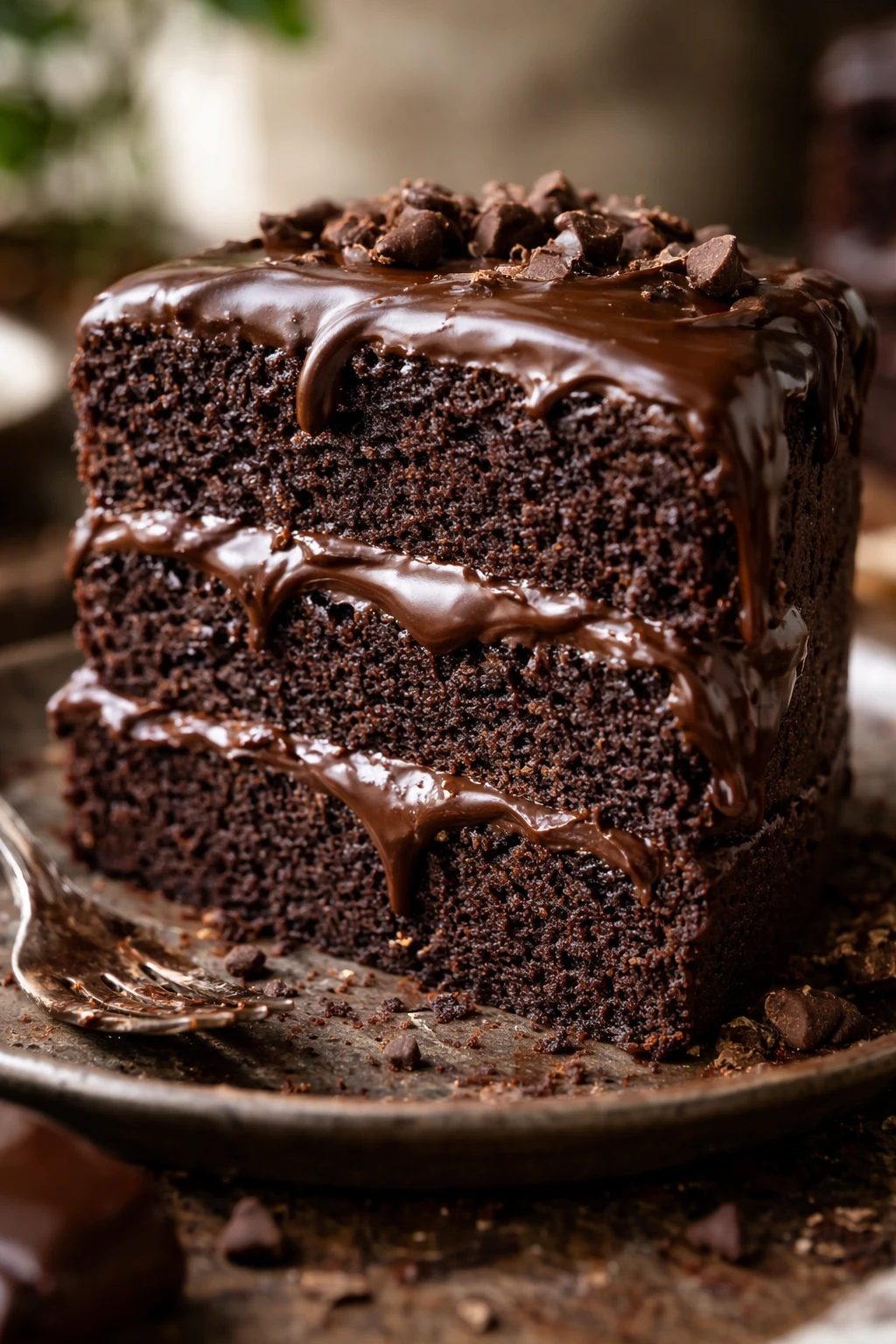
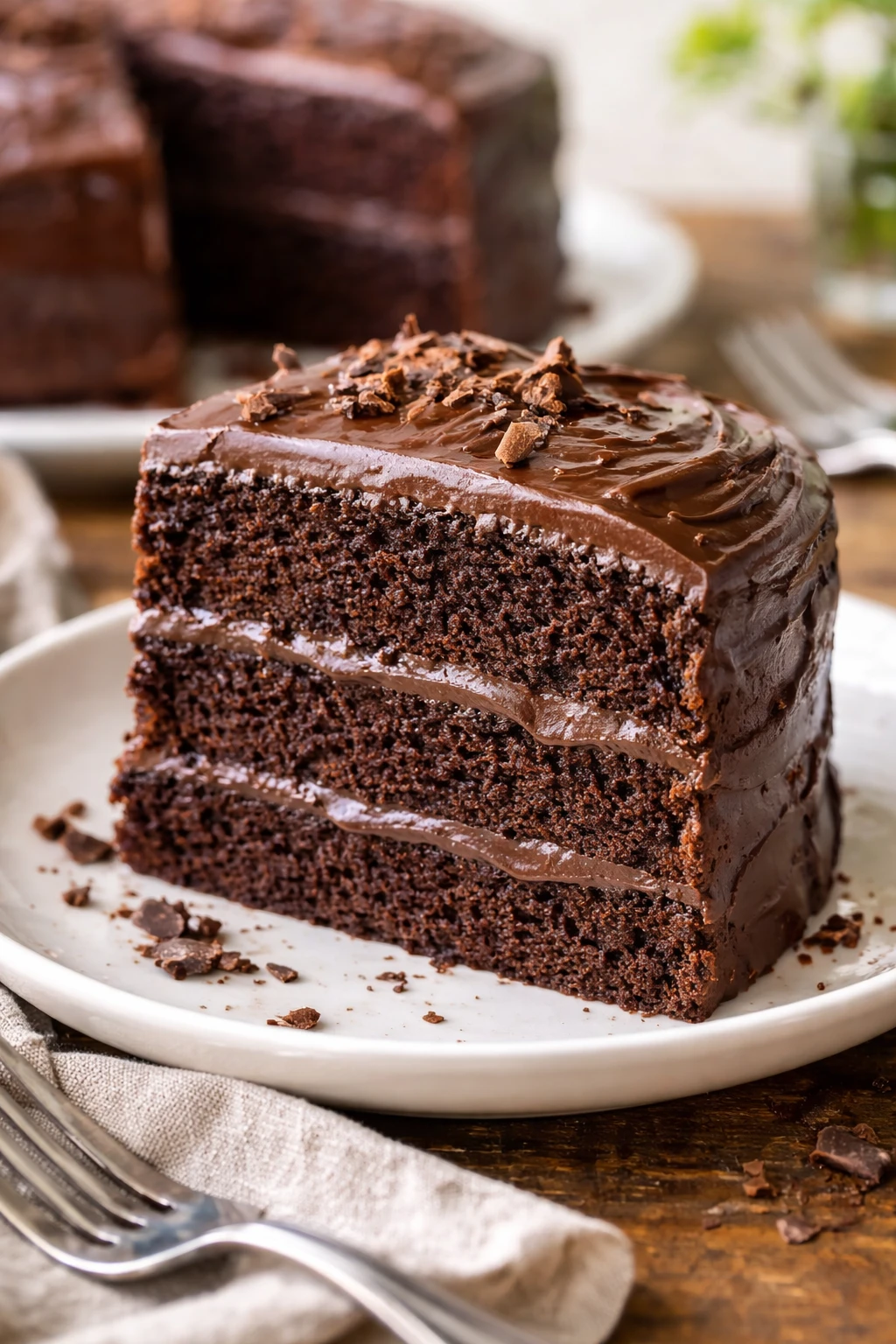
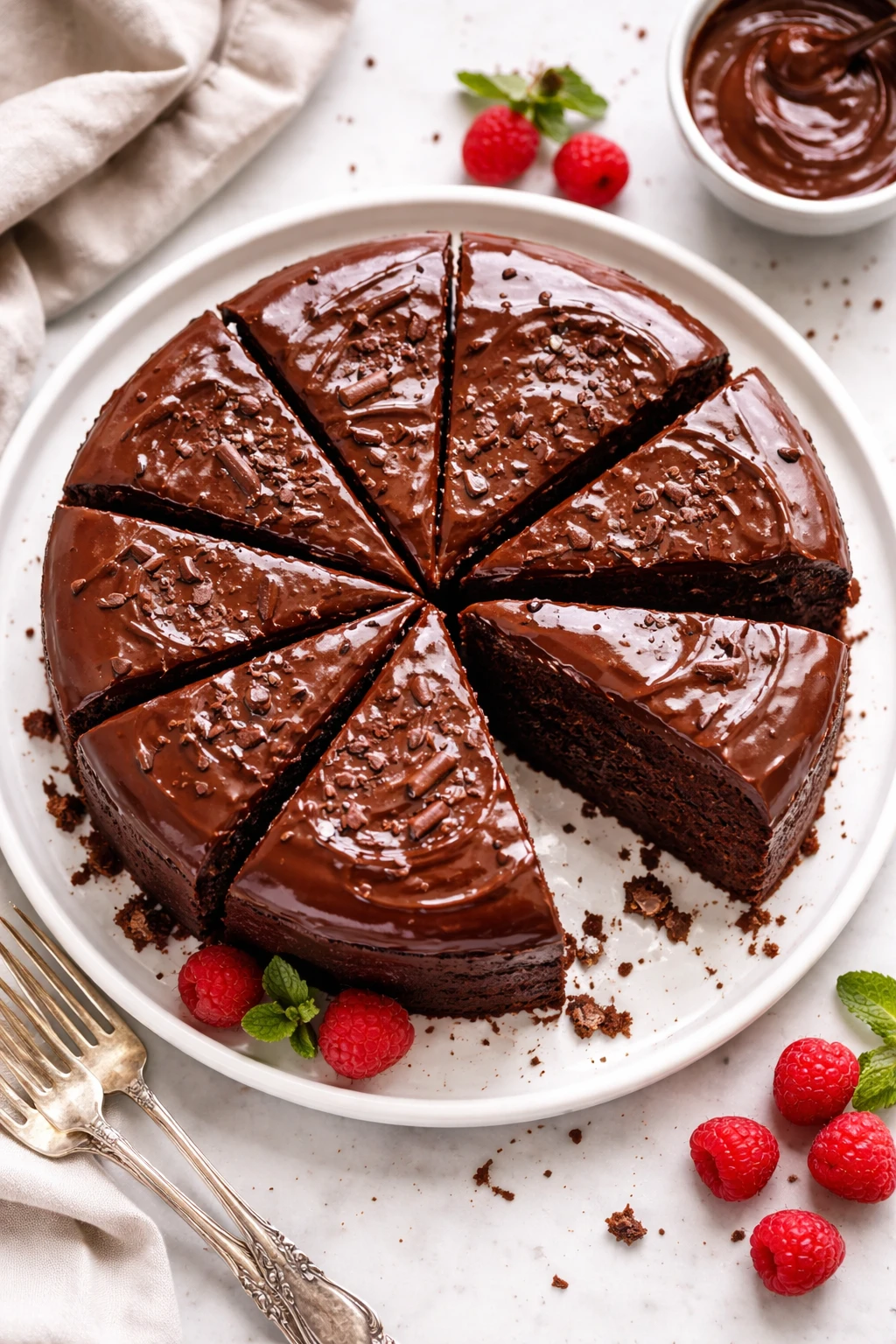
This chocolate cake is unbelievably moist and easy to whip up with only five ingredients. The silky ganache frosting is the magic touch that makes it extra special. Great for birthdays or whenever you need a sweet treat!
Introduction
I first made this chocolate cake on a whim when I needed a quick birthday dessert and, honestly, it blew me away. It’s so moist and tender, despite being made with just five main ingredients. What sets it apart is the silky ganache frosting — it’s like a rich chocolate hug that takes this simple cake to the next level. I’ve tried fancy cakes before, but this one is my go-to because it’s straightforward and reliably delicious. The trick I learned is to sift the cocoa powder and flour together to avoid lumps and get a smooth batter. Also, gently warming the cream before pouring it over the chopped chocolate ensures the ganache is perfectly glossy and spreadable. The finished cake has a tender crumb and a luscious finish that’s not too sweet, making it ideal for birthdays or any chocolate craving that hits you out of nowhere. I always feel like I’m treating myself with this one, even if it was whipped up in under an hour!
What You'll Need
One 9-inch round cake, about 8 servings
- 1 cup all-purpose flour, sifted
- 1 cup granulated sugar
- 1/2 cup unsweetened cocoa powder, sifted
- 1 teaspoon baking powder
- 1/2 teaspoon salt
- 1/2 cup vegetable oil
- 2 large eggs
- 1/2 cup whole milk
- 1 teaspoon vanilla extract
- For Ganache:
- 1 cup heavy cream
- 8 ounces semi-sweet chocolate, chopped
How To Do It
Step 1
Preheat your oven to 350°F (175°C) and grease a 9-inch round cake pan. Sifting the flour, cocoa powder, baking powder, and salt together into a large bowl is crucial for an even texture and to avoid any clumps in your batter. Mixing the dry ingredients well ensures the cocoa is evenly distributed, which gives the cake a uniform chocolate flavor and prevents any pockets of baking powder. Skipping this step can lead to uneven rising or dense spots in the cake.
⏱ Time: 10
✓ Doneness: Dry ingredients are well combined and smooth with no lumps
Step 2
In a separate bowl, whisk together the sugar, vegetable oil, eggs, milk, and vanilla extract until smooth and slightly frothy. This wet mixture helps incorporate air, which is essential for a light crumb. Make sure the eggs are at room temperature to blend smoothly and avoid curdling. If you rush this step or mix too vigorously, you might develop gluten in the flour later, resulting in a tougher cake.
⏱ Time: 5
✓ Doneness: Wet ingredients are fully combined with a slight frothy texture
Step 3
Slowly add the dry ingredients to the wet ingredients, stirring gently with a spatula or wooden spoon. Mix just until combined — over-mixing can develop gluten and make the cake dense or chewy. The batter should be smooth and glossy with no visible flour streaks. Be patient and fold carefully to keep the batter light.
⏱ Time: 5
✓ Doneness: Batter is smooth, thick but pourable, with no lumps or flour patches
Step 4
Pour the batter into the prepared cake pan and smooth the top with a spatula. Tap the pan gently on the counter to release any large air bubbles, which helps prevent holes or tunnels in the baked cake. This little step makes a big difference in the cake’s texture.
⏱ Time: 2
✓ Doneness: Batter surface is even and free of large bubbles
Step 5
Bake in the preheated oven for 28-32 minutes. Start checking at 28 minutes by inserting a toothpick into the center — it should come out with a few moist crumbs but no wet batter. Baking too long will dry the cake out, so keep an eye on it. The cake will also spring back slightly when pressed gently.
⏱ Time: 30
✓ Doneness: Toothpick inserted comes out with moist crumbs, cake springs back when touched
Step 6
Remove the cake from the oven and let it cool in the pan for 10 minutes. This resting time allows the cake to set and makes it easier to remove without breaking. After 10 minutes, run a knife around the edges to loosen it, then invert onto a wire rack to cool completely. Cooling fully is key before frosting to prevent the ganache from melting.
⏱ Time: 15
✓ Doneness: Cake cools to room temperature and feels firm but tender
Step 7
To make the ganache, heat the heavy cream in a small saucepan over medium heat until it just begins to simmer — small bubbles forming around the edges but not boiling. Pour the hot cream over the chopped chocolate in a heatproof bowl. Let it sit for 2-3 minutes to soften the chocolate before stirring gently until smooth and glossy. Heating the cream properly ensures the chocolate melts evenly, creating that silky texture.
⏱ Time: 10
✓ Doneness: Ganache is smooth, shiny, and pourable without lumps
Step 8
Let the ganache cool slightly at room temperature until it thickens to a spreadable consistency but is still pourable — about 10-15 minutes. If it cools too much, it becomes too stiff to spread easily. Stir occasionally to keep it smooth. This timing is crucial to get a beautiful finish on the cake.
⏱ Time: 15
✓ Doneness: Ganache thickens but still spreads smoothly without tearing the cake
Step 9
Pour the ganache over the cooled cake, starting in the center and letting it drip naturally over the sides. Use an offset spatula to gently smooth the surface if needed. The ganache should create a shiny, even coating that sets slightly as it cools. Chill the cake briefly if you want a firmer finish, but it’s delicious at room temperature too.
⏱ Time: 10
✓ Doneness: Cake coated evenly with glossy ganache that sets slightly on surface
Pro Tips
Sift dry ingredients together before mixing.
Sifting aerates the flour and cocoa powder, which helps the cake rise evenly and prevents lumps that could cause uneven texture or dry spots. It also ensures the baking powder is evenly distributed, vital for consistent leavening.
Use room temperature eggs and milk.
Cold eggs or milk can cause the batter to seize or mix unevenly, leading to a dense cake. Room temperature ingredients blend more smoothly, trap air better during mixing, and contribute to a lighter crumb.
Do not over-mix the batter once dry and wet ingredients are combined.
Over-mixing develops gluten in the flour, which makes the cake tough and chewy rather than tender. Mixing just until the flour disappears keeps the crumb soft and delicate.
Tap the cake pan gently before baking.
Tapping releases large air bubbles that can create holes or tunnels in the cake. This small step helps produce a uniform crumb and a smooth top.
Warm the cream before adding to chopped chocolate for ganache.
Heating the cream to just below boiling melts the chocolate evenly and helps create a smooth, shiny ganache. If the cream is too cool, the chocolate won’t melt properly and the ganache will be lumpy.
Let ganache cool to spreadable consistency before frosting.
Applying ganache while too warm can cause it to run off or melt the cake, while too cold ganache is stiff and hard to spread smoothly. Waiting ensures a glossy, even coating.
Cool the cake completely before frosting.
Frosting a warm cake causes the ganache to melt and slide off, ruining the finish. Cooling fully allows the ganache to set properly and keeps the cake moist.
Common Mistakes to Avoid
Over-mixing the batter
Why it happens Many home bakers think mixing longer makes the batter smoother, but this develops gluten and makes the cake dense.
Fix Mix ingredients just until combined and no dry flour is visible. Use gentle folding motions instead of vigorous stirring.
Not sifting dry ingredients
Why it happens Skipping sifting saves time but leads to lumps and uneven rising.
Fix Always sift flour, cocoa, and baking powder together to aerate and combine them evenly.
Baking too long
Why it happens Leaving the cake in the oven too long dries it out, often due to fear of undercooking.
Fix Check doneness at the minimum time with a toothpick; remove as soon as it comes out with moist crumbs.
Frosting warm cake
Why it happens Impatience leads to frosting the cake before it cools, causing ganache to melt and slide off.
Fix Allow the cake to cool completely on a wire rack before applying ganache.
Using cold cream for ganache
Why it happens Cold cream doesn’t melt chocolate properly, resulting in a lumpy ganache.
Fix Heat cream to just simmering before pouring over chocolate for smooth melting.
Variations
Add Espresso Powder for Mocha Flavor
Stir in 1 teaspoon of instant espresso powder with the dry ingredients to deepen the chocolate flavor with a subtle mocha twist. It enhances the richness without making the cake taste like coffee.
Note: Espresso powder dissolves quickly and intensifies cocoa’s bitterness, so don’t add too much or it will overpower the cake.
Use Dark Chocolate for Ganache
Swap semi-sweet chocolate with 70% dark chocolate in the ganache for a more intense, slightly bitter finish. This variation is perfect for those who prefer less sweetness and a richer chocolate experience.
Note: Dark chocolate ganache sets firmer and may require slightly longer cooling before spreading.
Make a Layer Cake
Split the batter into two pans to bake two thin layers, then sandwich with ganache in between. This creates a more elegant presentation and lets you add berries or whipped cream for extra flair.
Note: Bake layers for about 20-25 minutes and cool completely before assembling to avoid melting the ganache.
Add Chopped Nuts
Fold 1/2 cup chopped walnuts or pecans into the batter for a crunchy texture contrast. Nuts add a toasty flavor and make the cake heartier, great for fall or holiday desserts.
Note: Toss nuts with a tablespoon of flour before folding in to keep them from sinking to the bottom.
Use Coconut Milk Instead of Whole Milk
Swap whole milk with canned coconut milk for a subtle tropical flavor and extra moist crumb. This is a lovely twist if you enjoy coconut and chocolate together.
Note: Use full-fat coconut milk for best texture; the batter may be slightly thicker but bakes similarly.
Nutrition
Per Serving:
Nutritional values are estimates and may vary based on specific ingredients used.
Storage & Tips
Room Temperature
Store the cake covered loosely at room temperature for up to 2 days. Keep it away from direct sunlight or heat sources to prevent the ganache from melting. Covering with a cake dome or airtight container helps maintain moisture.
Refrigerator
Keep the cake in an airtight container in the fridge for up to 5 days. The ganache firms up and the cake becomes denser when cold, so it’s best served at room temperature. Remove from fridge 30 minutes before serving to soften.
Freezer
Wrap the cake tightly in plastic wrap and then foil to freeze for up to 2 months. Thaw overnight in the refrigerator wrapped, then bring to room temperature before serving to restore texture and flavor.
Reheating
Reheat slices gently in the microwave for 10-15 seconds to warm the ganache slightly without melting completely. Avoid overheating as it can dry out the cake. For whole cake, room temperature serving is best.
Make Ahead
Bake the cake layers 1-2 days ahead and store wrapped airtight in the fridge. Prepare ganache on the day of serving for best texture, or make ganache up to 24 hours ahead and gently rewarm before frosting.
FAQ
Can I substitute butter for vegetable oil in this cake?
You can substitute melted butter for vegetable oil, but the cake will be less moist and have a firmer crumb because butter solidifies when cooled. If you use butter, melt it and cool slightly before mixing, but expect a slightly different texture and flavor.
What if I don’t have heavy cream for the ganache?
Heavy cream is best for ganache because of its high fat content, which melts chocolate smoothly. You can try using half-and-half or whole milk, but the ganache will be thinner and less glossy. Alternatively, adding a small amount of butter to milk can help mimic cream’s richness.
How do I know when the cake is done without a toothpick?
The cake should spring back when gently pressed in the center and start pulling away from the pan edges. Also, it will have a slightly cracked, set surface. These signs indicate it’s baked through even if you don’t have a toothpick handy.
Can I make this cake gluten-free?
Yes, substitute the all-purpose flour with a gluten-free flour blend that includes xanthan gum for structure. The texture might be slightly different—less tender and more crumbly—but the flavor stays rich and chocolatey.
Why is my ganache grainy or lumpy?
Grainy ganache usually happens when the chocolate overheats or the cream is too hot or cold when mixed. Use room temperature chopped chocolate and pour warm (not boiling) cream over it. Stir gently and patiently to ensure a smooth finish.
Can I double this recipe for a larger cake?
Absolutely! Just double all ingredients and use a larger or two pans. Baking time may increase slightly, so start checking doneness at the original time and adjust as needed.
How long can I keep the ganache once made?
Ganache keeps well in the fridge for up to 5 days if stored in an airtight container. Rewarm gently before using. Avoid leaving it out at room temperature for more than a few hours to prevent spoilage.
What’s the best way to slice this cake cleanly?
Use a sharp, serrated knife and wipe the blade clean between cuts. Warm the knife under hot water and dry it before slicing to get smooth, clean edges without tearing the ganache.
Final Thoughts
I hope you give this simple yet indulgent chocolate cake a try — it’s sure to become a favorite. Don’t forget to share how it turns out!