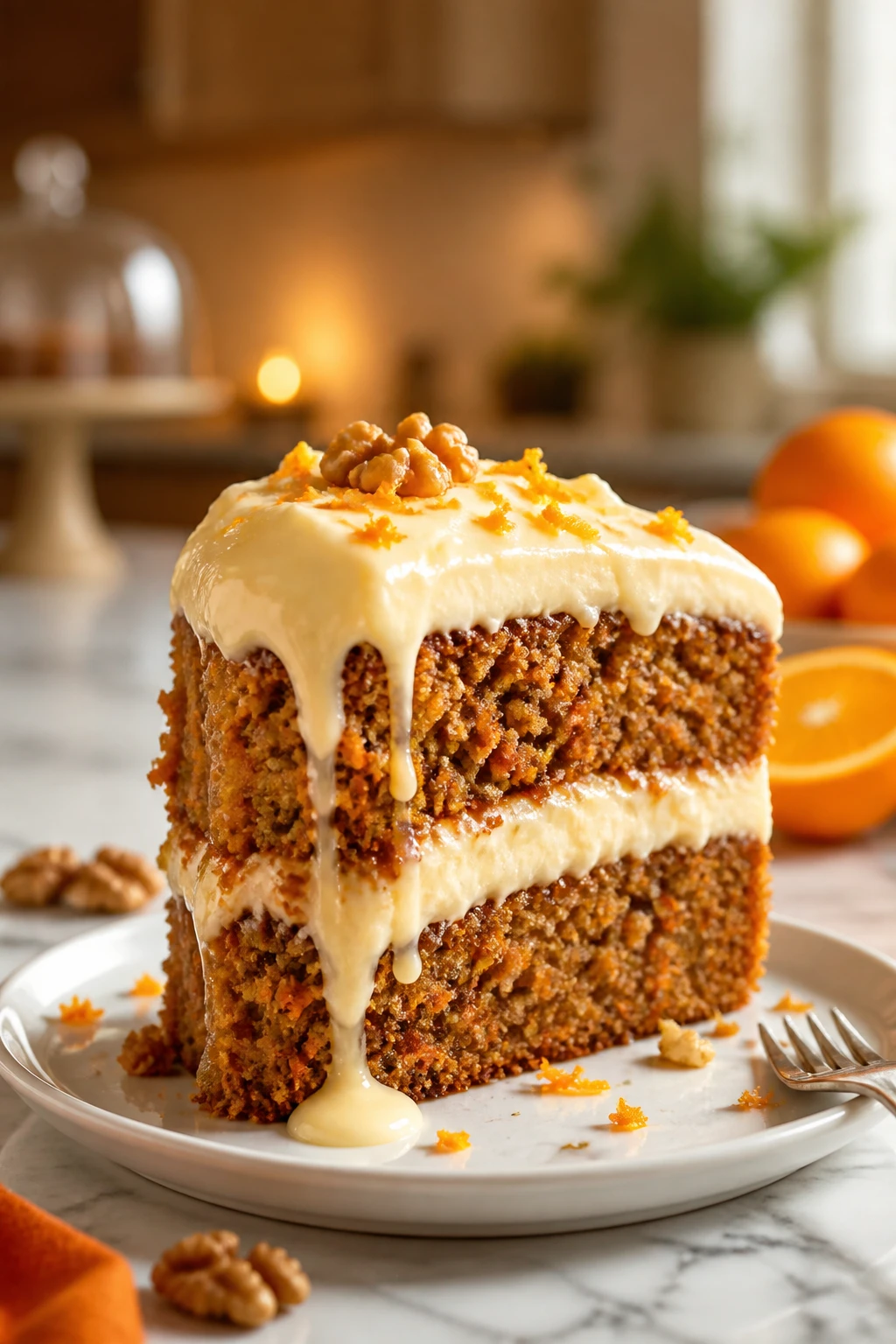
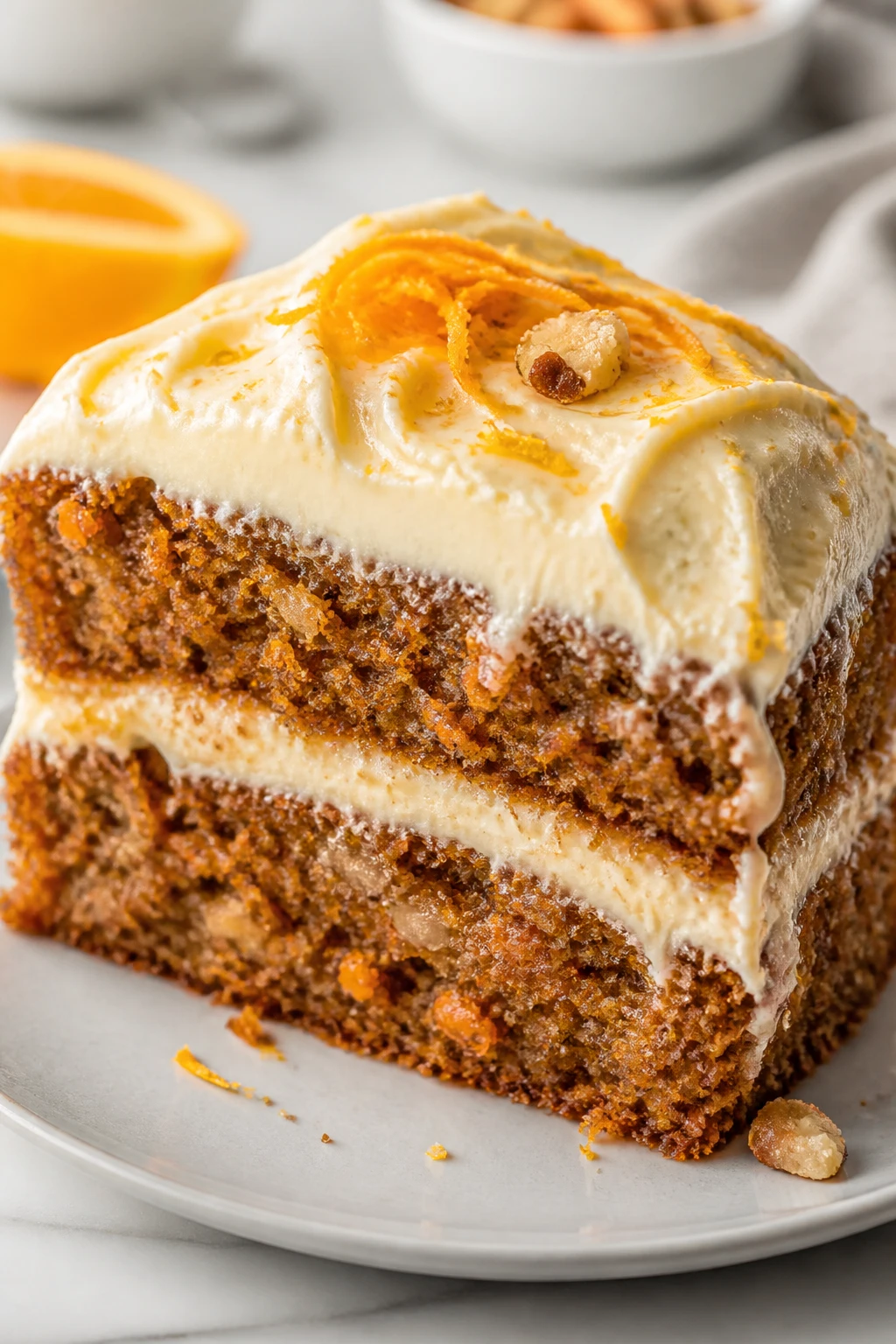
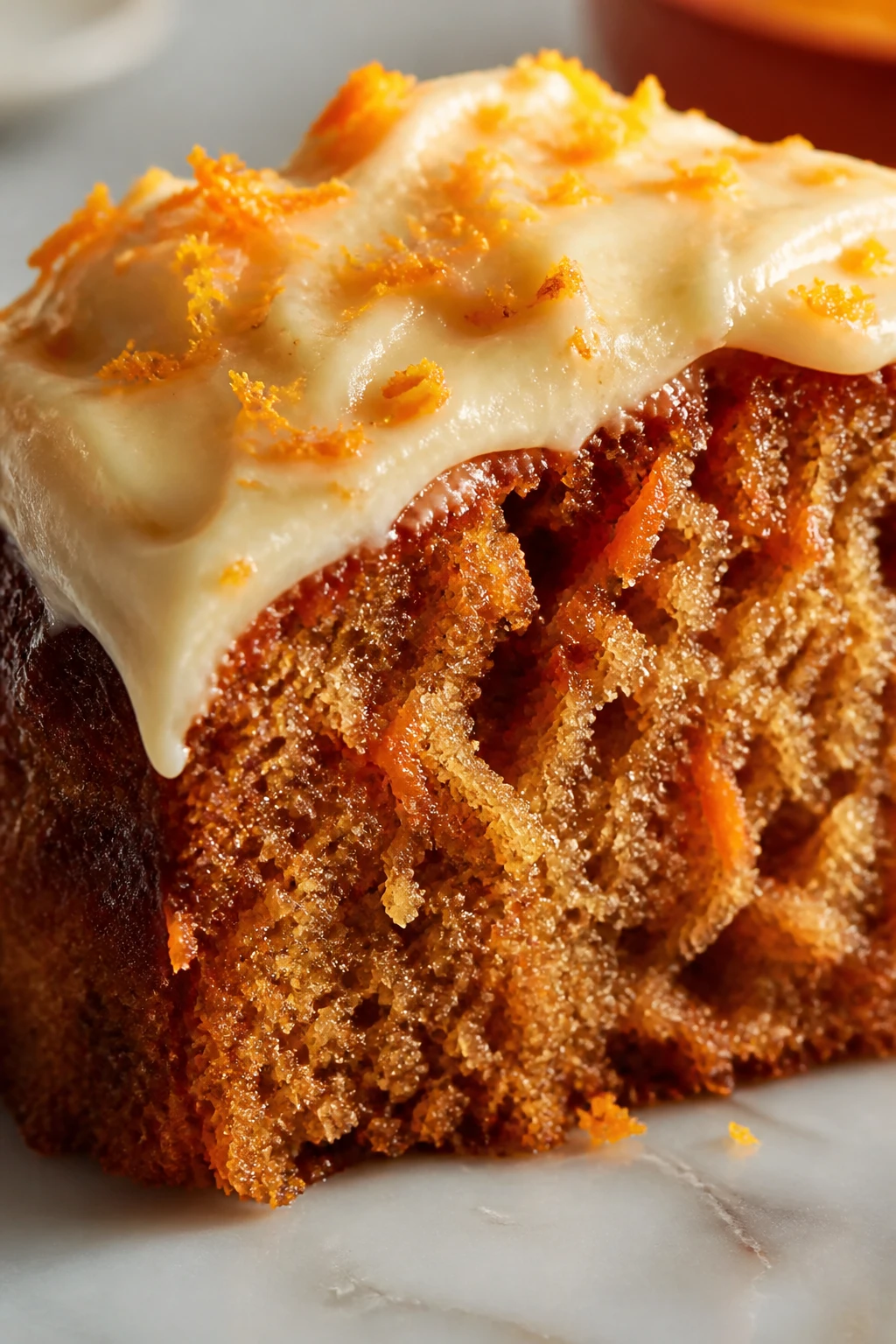
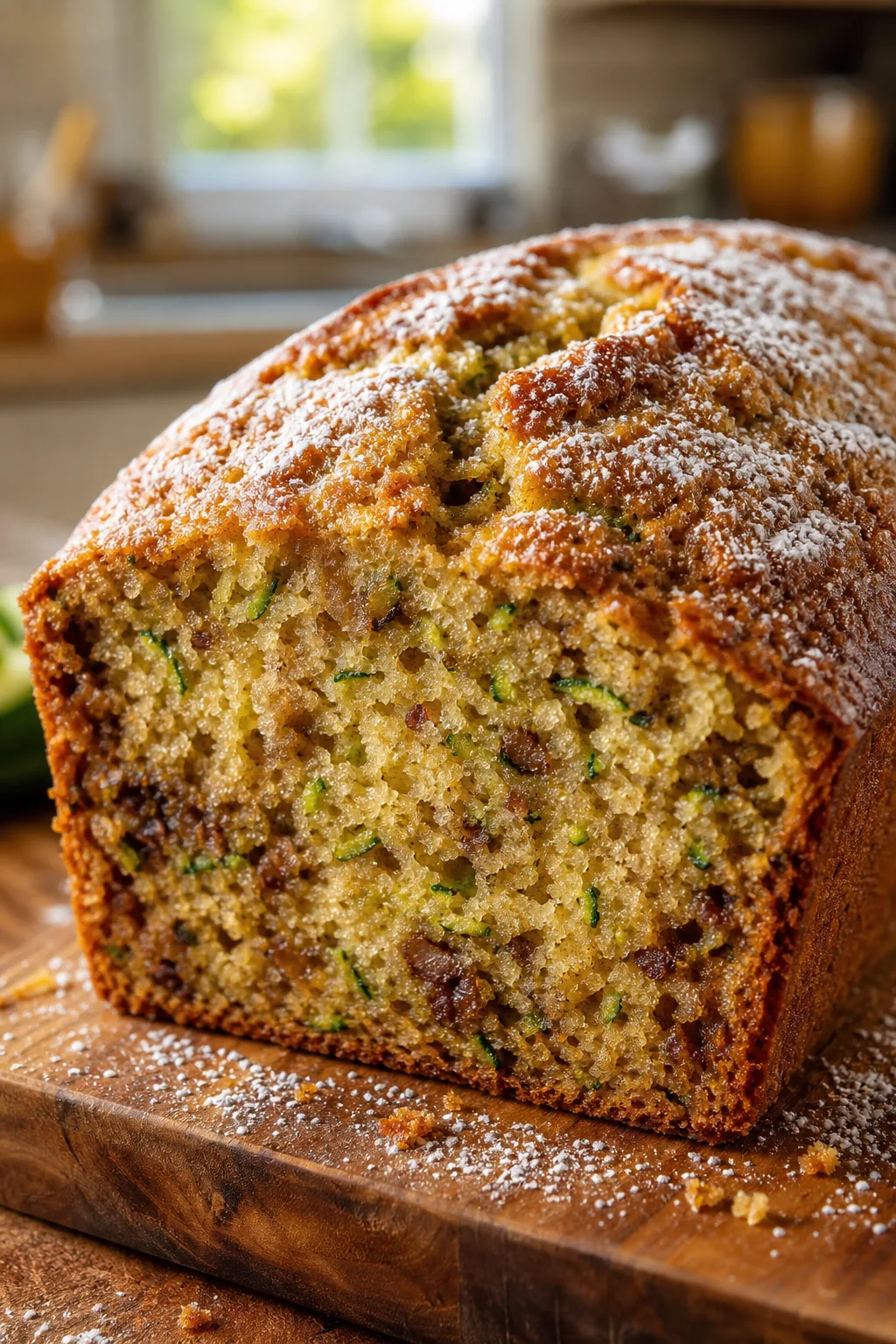
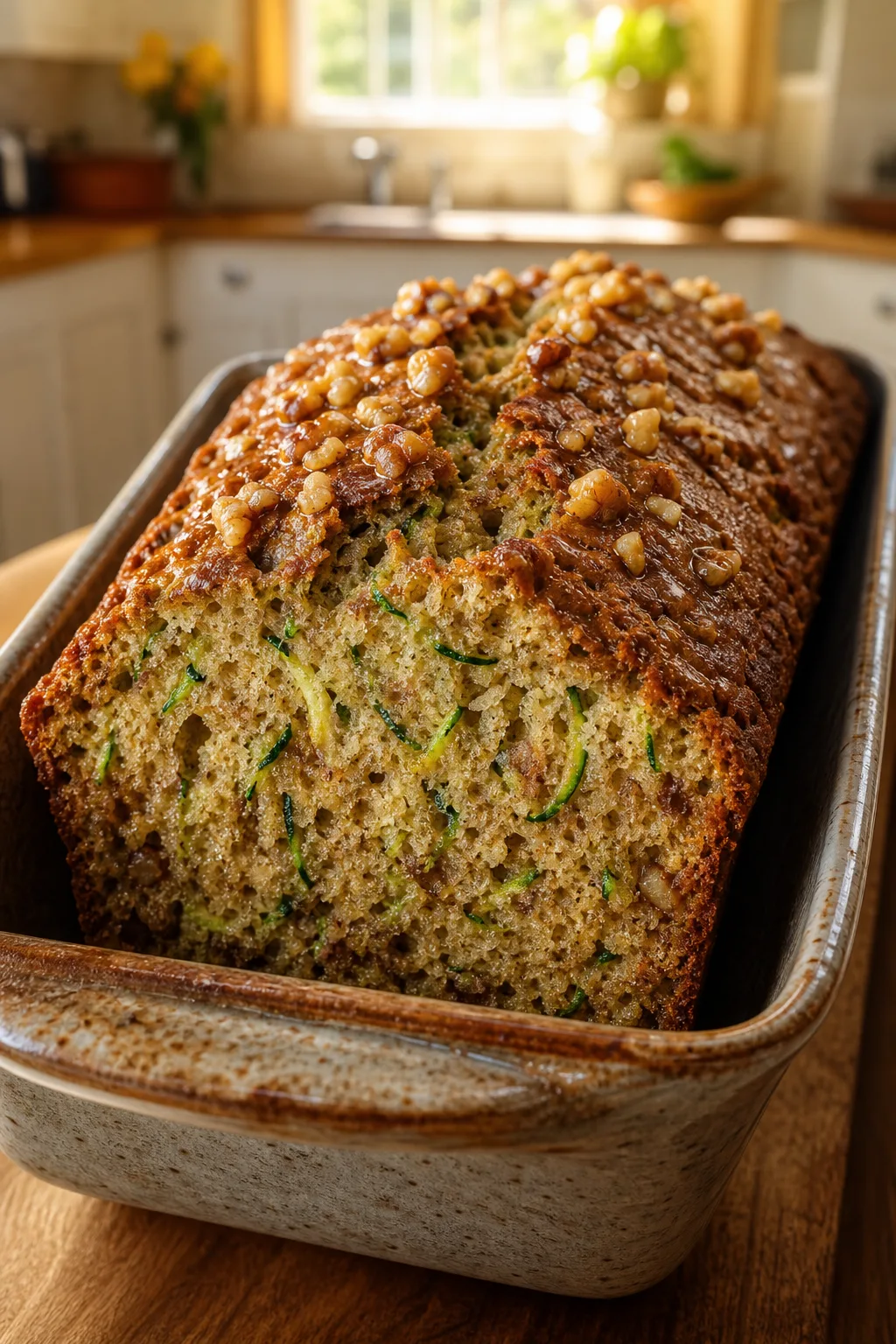
This carrot cake is super moist and full of cozy spices, topped with a zesty orange cream cheese frosting that really wakes it up. The fresh orange zest adds a bright twist, making it perfect for weekend treats or family get-togethers.
Introduction
I first stumbled upon this carrot cake recipe a few years ago when I needed a dessert that felt cozy but a little different from the usual. The magic here is the combination of warm spices that make the cake incredibly moist and flavorful, paired with a tangy cream cheese frosting brightened up with fresh orange zest. It’s not your grandma’s carrot cake — this one has a fresh twist that really wakes up your taste buds. I’ve made plenty of carrot cakes before, but I always felt they were either too dry or too sweet. The trick I learned is using both brown and granulated sugar plus plenty of oil to keep it tender and moist. Also, folding in fresh grated carrots instead of pre-shredded packs gives it a fresher texture and taste. The frosting is where it really shines — adding orange zest lifts the cream cheese and balances the sweetness perfectly. When you cut into this cake, you get a moist crumb with pockets of spice and a zingy, creamy frosting that’s just irresistible. It’s a perfect choice for weekend baking or any family gathering where you want to impress without too much fuss. I hope you love it as much as my family does!
What You'll Need
One 9-inch two-layer cake, 8 servings
- 2 cups all-purpose flour, sifted
- 1 1/2 teaspoons baking powder
- 1 teaspoon baking soda
- 1/2 teaspoon salt
- 1 1/2 teaspoons ground cinnamon
- 1/2 teaspoon ground nutmeg
- 1/4 teaspoon ground cloves
- 1 cup granulated sugar
- 1/2 cup light brown sugar, packed
- 3 large eggs
- 1 cup vegetable oil
- 1 teaspoon vanilla extract
- 3 cups finely grated carrots (about 4-5 medium carrots)
- 1/2 cup chopped walnuts (optional)
- Zest of 1 large orange
How To Do It
Step 1
Preheat your oven to 350°F (175°C). Grease and flour two 9-inch round cake pans or line them with parchment paper. This preparation ensures the cakes release easily after baking without sticking, which is key to keeping your layers intact and looking great. Take your time here because a good pan prep can make or break your cake’s presentation.
⏱ Time: 10 minutes
✓ Doneness: Pans are well greased with no bare spots and flour coating is even
Step 2
In a large bowl, whisk together the flour, baking powder, baking soda, salt, cinnamon, nutmeg, and cloves. Mixing the dry ingredients separately ensures even distribution of leavening agents and spices, which helps the cake rise uniformly and develop balanced flavor. Avoid overmixing once wet ingredients are added to keep the crumb tender.
⏱ Time: 5 minutes
✓ Doneness: Spices are evenly combined and the mixture looks uniform
Step 3
In another large bowl, beat the granulated sugar, brown sugar, and eggs until well combined and slightly fluffy. Add the vegetable oil and vanilla extract, mixing just until incorporated. This step is crucial because creaming the sugars with eggs traps air that helps lighten the cake texture. Rushing this can lead to a dense cake.
⏱ Time: 4 minutes
✓ Doneness: Mixture is smooth, slightly thickened, and pale in color
Step 4
Slowly add the dry ingredients to the wet ingredients, folding gently with a spatula until just combined. Overmixing here can develop gluten and make the cake tough. Folding carefully keeps the crumb soft and tender. Stop mixing as soon as you see no more flour streaks.
⏱ Time: 3 minutes
✓ Doneness: Batter is smooth with no visible flour but not overly stirred
Step 5
Fold in the grated carrots, orange zest, and walnuts (if using). The fresh carrots add moisture and natural sweetness, while the orange zest provides a bright, fresh flavor that cuts through the richness. Walnuts add a nice crunch and texture contrast. Make sure the carrots are finely grated to blend well into the batter.
⏱ Time: 3 minutes
✓ Doneness: Ingredients are evenly distributed, batter is thick and moist
Step 6
Divide the batter evenly between the two prepared pans, smoothing the tops with a spatula to ensure even baking. This helps the layers bake uniformly, so the cake stacks nicely. Tap the pans gently on the counter to release any large air bubbles that might cause holes in the crumb.
⏱ Time: 5 minutes
✓ Doneness: Batter surface is smooth and level in both pans
Step 7
Bake in the preheated oven for 35-40 minutes or until a toothpick inserted into the center comes out clean or with just a few moist crumbs. Avoid opening the oven too early to prevent the cakes from sinking. The spices will fill your kitchen with a wonderful aroma as it bakes, signaling it’s almost ready.
⏱ Time: 35-40 minutes
✓ Doneness: Golden brown tops and toothpick comes out mostly clean
Step 8
Allow the cakes to cool in the pans for 10 minutes before turning them out onto a wire rack to cool completely. Cooling in the pan first helps the cake set and reduces the chance of breaking. Turning out before fully cooled can cause the cake to crumble.
⏱ Time: 15 minutes
✓ Doneness: Cakes feel firm to touch and easily release from pans
Step 9
For the frosting, beat together softened cream cheese and butter until smooth and creamy. Gradually add powdered sugar, then fold in fresh orange zest and a splash of orange juice for brightness. This frosting is tangy and fresh, balancing the sweetness of the cake. Make sure the cream cheese is fully softened to avoid lumps and a grainy texture.
⏱ Time: 10 minutes
✓ Doneness: Frosting is smooth, creamy, and spreadable
Step 10
Once the cakes are completely cool, spread a generous layer of frosting on the first layer, then place the second layer on top and cover the entire cake with the remaining frosting. Chill the cake briefly to set the frosting before serving. This step helps the frosting firm up so slices come out neat.
⏱ Time: 10 minutes
✓ Doneness: Frosting is evenly spread with clean edges and no crumbs
Pro Tips
Grate your own carrots fresh for best moisture and texture.
Freshly grated carrots release more juice and have a better texture than pre-shredded ones, which often dry out or clump. This helps keep the cake moist and tender, and the flavor is fresher too.
Don’t overmix the batter once you add flour.
Overmixing develops gluten which makes the cake tough and dense. Gently folding until just combined keeps the crumb soft and light, which is essential for a tender carrot cake.
Use room temperature cream cheese and butter for the frosting.
Cold cream cheese can cause lumps and a grainy texture. Softened ingredients blend smoothly and trap air when beaten, resulting in a fluffy, creamy frosting that spreads easily.
Add a little orange juice to your frosting for extra zing.
A splash of fresh orange juice balances the sweetness of the frosting and enhances the orange zest flavor. It also slightly thins the frosting to a perfect spreadable consistency.
Line your cake pans with parchment paper for easy release.
Parchment paper prevents sticking and helps you get clean cake layers without breakage. This is especially helpful with moist cakes like carrot cake.
Cool cakes completely before frosting.
Frosting warm cakes causes it to melt and slide off. Cooling preserves the frosting’s texture and keeps the cake layers intact for neat slices.
Toast walnuts before folding them in.
Toasting intensifies their flavor and adds crunch. Raw nuts can taste bitter or soft, which doesn’t contrast well with the moist cake.
Common Mistakes to Avoid
Overbaking the cake
Why it happens Many assume longer baking means a more cooked cake, but carrot cakes can dry out quickly if left too long.
Fix Check for doneness starting at 35 minutes with a toothpick test. Remove the cake as soon as it comes out clean or with a few moist crumbs. This keeps the crumb moist and tender.
Using cold cream cheese in frosting
Why it happens Rushing frosting prep or forgetting to soften cream cheese leads to lumps and grainy texture.
Fix Always bring cream cheese and butter to room temperature before beating. This ensures smooth, creamy frosting that spreads well.
Not preparing pans properly
Why it happens Skipping greasing or lining pans can cause cakes to stick and break.
Fix Grease and flour pans thoroughly or line with parchment paper. This makes it easy to release cakes cleanly.
Overmixing batter after adding flour
Why it happens Eager cooks sometimes mix too long trying to get a smooth batter, but this develops gluten.
Fix Fold dry ingredients gently and stop as soon as flour disappears for a tender crumb.
Using pre-shredded carrots
Why it happens Convenience leads to choosing pre-shredded carrots, which are often dry or clumped.
Fix Grate carrots fresh yourself to keep moisture and texture optimal.
Variations
Pineapple Carrot Cake
Add 1/2 cup crushed pineapple (drained) to the batter for a tropical twist. This adds moisture and a subtle tang that complements the spices beautifully. Reduce oil slightly to balance the extra moisture.
Note: Since pineapple adds liquid, reduce oil by about 2 tablespoons to maintain batter consistency and prevent sogginess.
Gluten-Free Carrot Cake
Substitute all-purpose flour with a gluten-free blend that includes xanthan gum. This keeps the cake tender while accommodating gluten sensitivities. Expect a slightly denser texture but still deliciously moist.
Note: Use a 1:1 gluten-free flour mix with xanthan gum to mimic gluten’s structure for best results.
Vegan Carrot Cake
Replace eggs with flax eggs (1 tablespoon flaxseed meal + 3 tablespoons water per egg) and use a plant-based cream cheese for frosting. Swap oil for melted coconut oil for a subtle flavor. The cake will be moist with a slightly nutty flavor.
Note: Flax eggs help bind the batter but don’t provide as much lift, so expect a slightly denser crumb.
Spiced Carrot Cake Muffins
Portion the batter into muffin tins for quick, portable treats. Bake at 350°F for 20-25 minutes. Perfect for breakfast or snacks, these have the same moist texture and spicy flavor in a smaller form.
Note: Check doneness earlier to avoid overbaking muffins which dry out faster than cakes.
Coconut Carrot Cake
Fold in 1/2 cup shredded unsweetened coconut into the batter and sprinkle some on top of the frosting for extra texture and tropical flavor. This adds chewiness and a nice contrast to the smooth frosting.
Note: Use unsweetened coconut to avoid making the cake overly sweet.
Nutrition
Per Serving:
Nutritional values are estimates and may vary based on specific ingredients used.
Storage & Tips
Room Temperature
This carrot cake can be kept at room temperature covered tightly with plastic wrap or a cake dome for up to 2 days. Keep it away from direct sunlight or heat to prevent the frosting from melting or the cake drying out.
Refrigerator
Store the cake in an airtight container or covered with plastic wrap in the refrigerator for up to 5 days. The frosting may firm up and the cake will be denser when cold, so allow it to come to room temperature before serving for best flavor and texture.
Freezer
Wrap the cake tightly in plastic wrap then aluminum foil and freeze for up to 3 months. To thaw, transfer to the refrigerator overnight, then bring to room temperature before serving. Freezing can slightly change the frosting texture, so consider frosting after thawing if possible.
Reheating
For a warm slice, microwave a piece for about 15-20 seconds on medium power or reheat in a 300°F oven for 10 minutes wrapped in foil. Avoid overheating as the frosting can melt and the cake can dry out. Adding a splash of orange juice or cream can refresh the slice.
Make Ahead
You can bake the cake layers 1-2 days ahead and store them wrapped tightly in the refrigerator. Prepare the frosting separately and assemble the cake on the day of serving to keep the frosting fresh and vibrant. This also makes decorating easier and less stressful.
FAQ
Can I use pre-shredded carrots for this cake?
While you can use pre-shredded carrots, I recommend grating fresh carrots yourself. Pre-shredded carrots tend to dry out or clump, which affects moisture and texture. Freshly grated carrots add more juice and natural sweetness, making the cake much moister and tastier.
What can I substitute for vegetable oil?
You can use light olive oil or melted coconut oil as substitutes. Butter is not recommended because it solidifies when cooled and can make the cake dense. Oils keep the crumb tender and moist. If using coconut oil, expect a subtle coconut flavor.
How do I prevent the frosting from being too sweet?
Adding fresh orange zest and a bit of orange juice to the cream cheese frosting balances the sweetness with tang and brightness. You can also reduce the powdered sugar slightly if you prefer a less sweet frosting without sacrificing texture.
Can I make this cake gluten-free?
Yes! Substitute the all-purpose flour with a gluten-free blend that contains xanthan gum to mimic gluten’s binding properties. The cake may be slightly denser but still moist and delicious with the same spices and flavors.
Why did my carrot cake turn out dry?
Common causes include overbaking, overmixing the batter, or using dry shredded carrots. Make sure to follow baking times closely and fold the batter gently. Using fresh, finely grated carrots and vegetable oil helps keep the cake moist.
Can I add nuts or raisins to this cake?
Absolutely! Walnuts or pecans add great texture and flavor. Raisins bring extra sweetness and chewiness. Fold them in along with the carrots. Toasting nuts beforehand enhances their flavor even more.
How do I store leftover carrot cake?
Store leftovers in an airtight container in the refrigerator for up to 5 days. Allow slices to come to room temperature before eating for the best flavor. You can also freeze the cake wrapped tightly for up to 3 months.
Can I make this cake vegan?
Yes! Replace eggs with flax eggs (1 tbsp flaxseed meal + 3 tbsp water per egg) and use plant-based cream cheese and butter substitutes. Use melted coconut oil instead of vegetable oil. The texture will be slightly different but still delicious.
Final Thoughts
I hope you give this carrot cake a try and enjoy the cozy spices and bright orange frosting as much as my family does. Don’t forget to share how yours turns out!