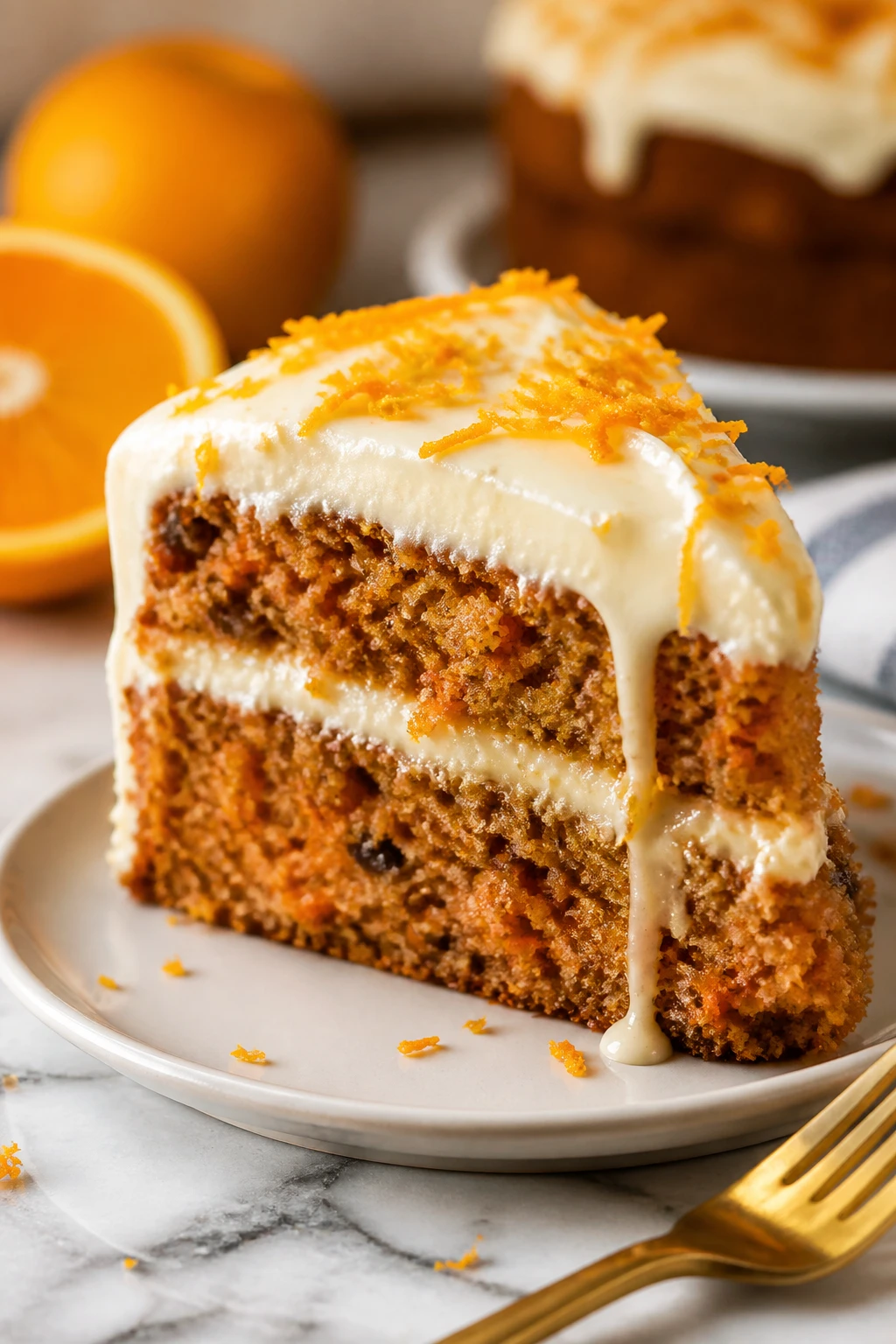
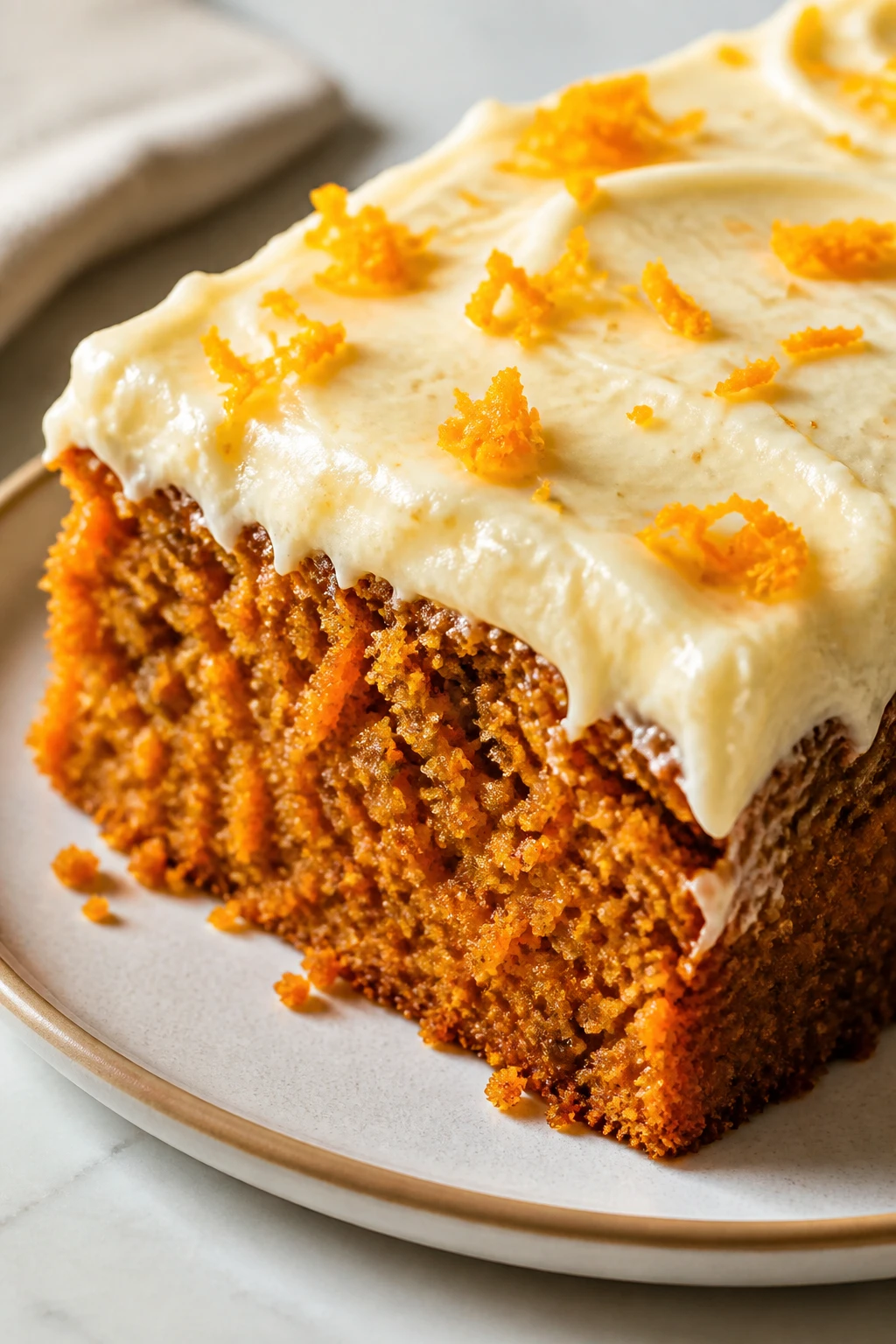
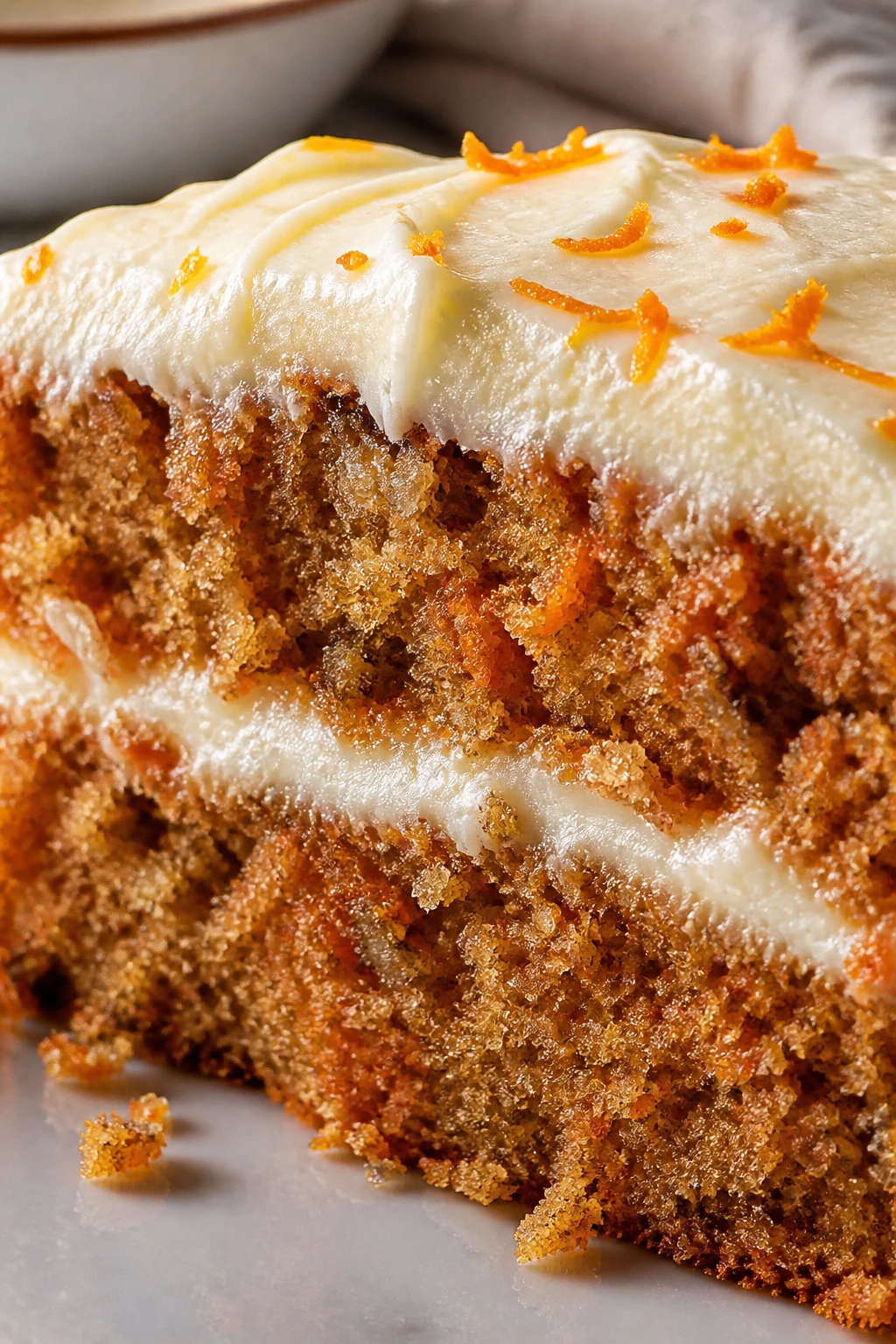
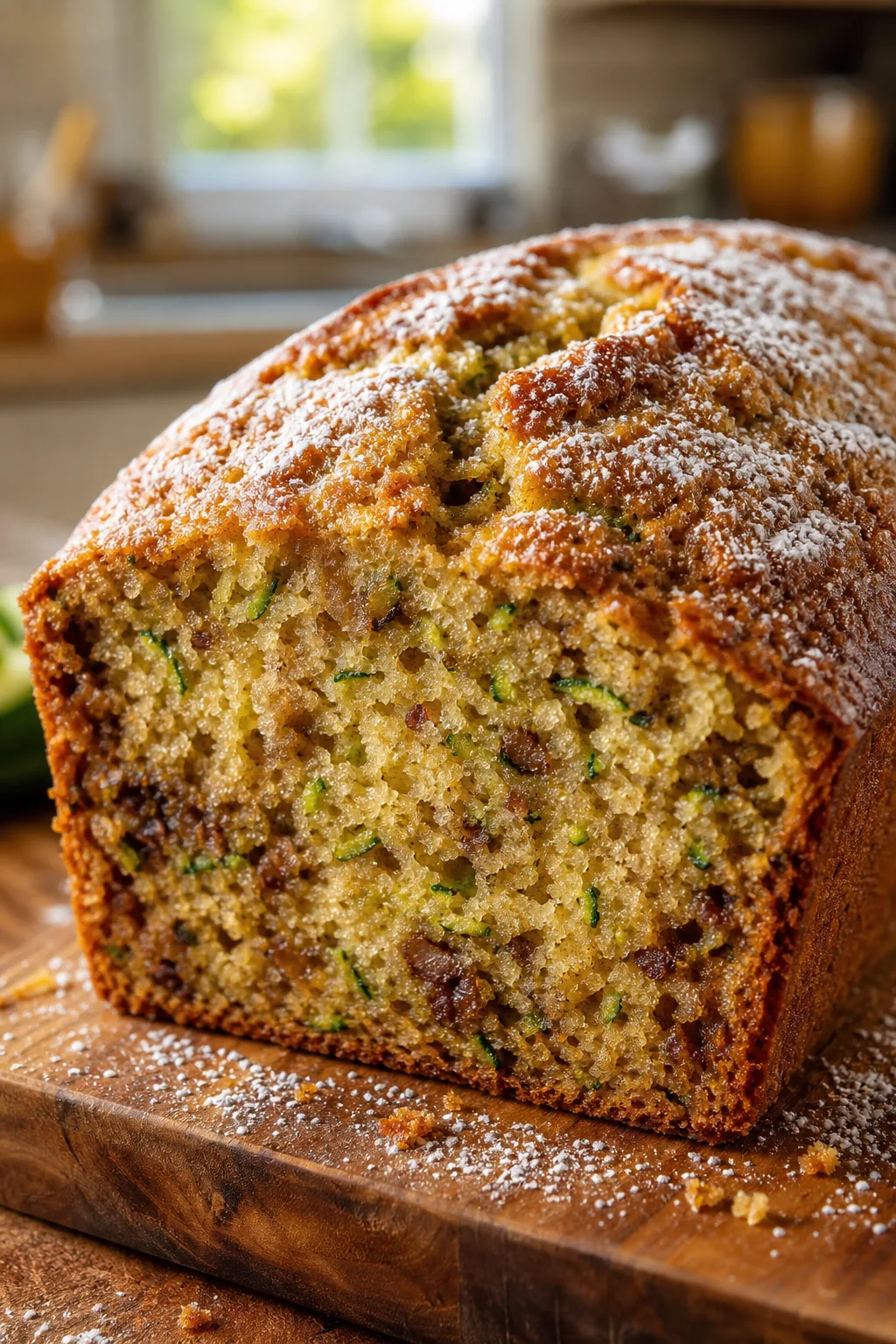
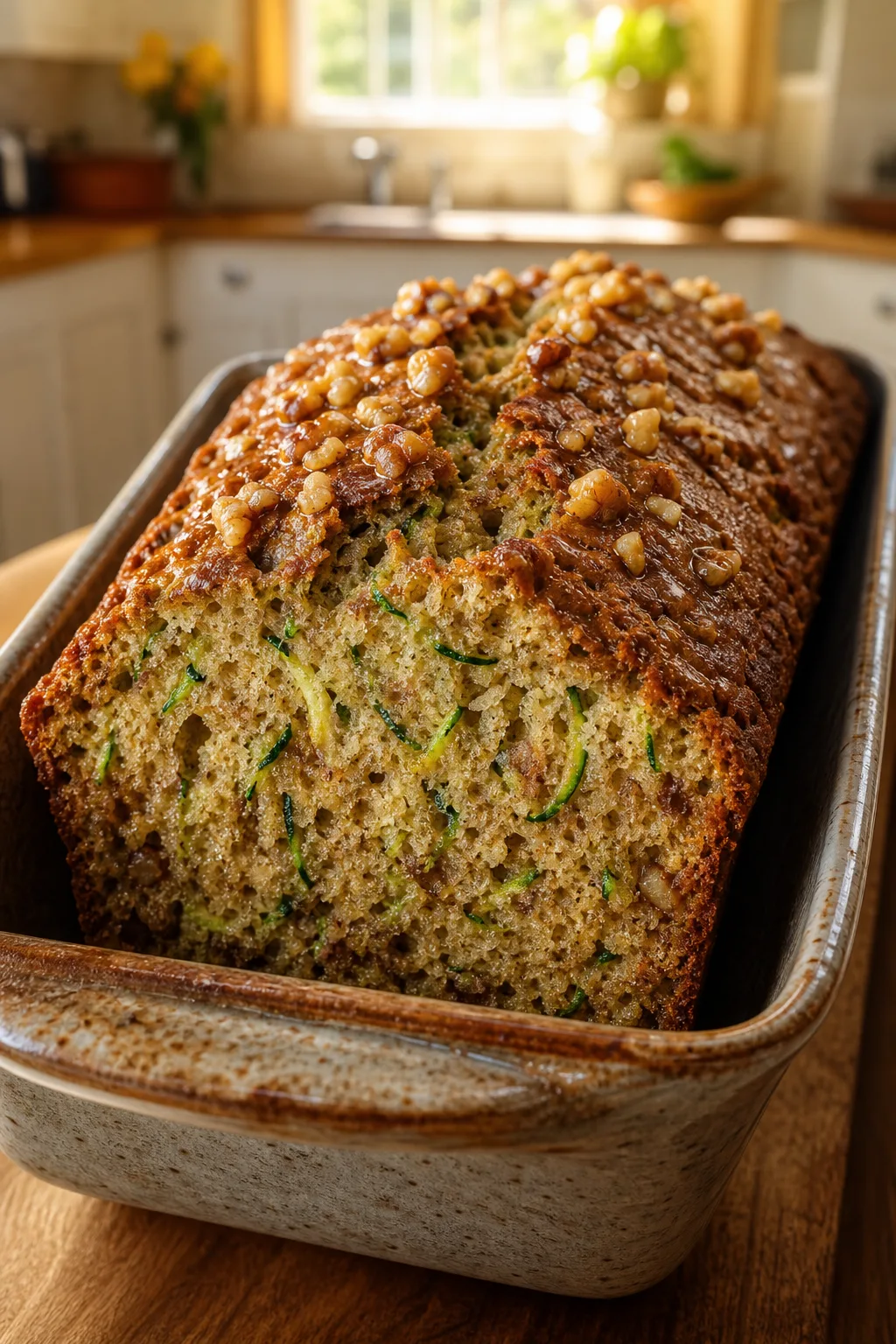
This carrot cake is incredibly moist and tender, with a fresh twist from orange zest in the cream cheese frosting. It’s the perfect balance of sweet and citrusy, making it a lovely treat for any celebration or cozy afternoon.
Introduction
I first made this carrot cake years ago when my friend brought over some fresh carrots from her garden. I wanted to create a cake that felt classic but with a little something extra, so I added orange zest to the cream cheese frosting. It totally changed the game! What sets this carrot cake apart is how moist and tender it stays, thanks to the right balance of oil and sugars. Plus, the combination of cinnamon and nutmeg brings a warm depth of flavor without overpowering the fresh carrot taste. One trick I learned after a few attempts is to grate the carrots finely and squeeze out any excess moisture; this prevents the cake from becoming soggy but keeps it perfectly moist. The frosting is creamy and luscious, and that hint of orange zest adds a bright, unexpected zing that pairs beautifully with the spices. When it’s all put together, you get a slice that’s rich but never too heavy, with just the right amount of sweetness and freshness. I love serving this at family gatherings or cozy weekend afternoons with a cup of tea — it’s always a hit. Honestly, once you try this version, I think you’ll find it hard to go back to plain carrot cake!
What You'll Need
One 9-inch two-layer cake, 8 servings
- 2 cups all-purpose flour, sifted
- 2 teaspoons baking powder
- 1 1/2 teaspoons baking soda
- 1/2 teaspoon salt
- 1 1/2 teaspoons ground cinnamon
- 1/2 teaspoon ground nutmeg
- 4 large eggs, room temperature
- 1 cup granulated sugar
- 1/2 cup packed light brown sugar
- 1 cup vegetable oil
- 2 teaspoons vanilla extract
- 3 cups finely grated carrots (about 4-5 medium carrots)
- 1 cup chopped walnuts (optional)
- For the frosting:
- 8 ounces cream cheese, softened
- 1/2 cup unsalted butter, softened
- 3 cups powdered sugar, sifted
- 1 teaspoon vanilla extract
- 1 tablespoon freshly grated orange zest
How To Do It
Step 1
Preheat your oven to 350°F (175°C). Grease and flour two 9-inch round cake pans to prevent sticking. Sifting the flour, baking powder, baking soda, salt, cinnamon, and nutmeg together ensures even distribution of the leavening agents and spices, which helps the cake rise uniformly and have a balanced flavor. Mixing these dry ingredients well at this stage avoids pockets of baking soda or spice later, which can cause uneven texture or bitter spots.
⏱ Time: 15 minutes
✓ Doneness: Dry ingredients are fully combined with no lumps or streaks.
Step 2
In a large bowl, whisk the eggs with granulated sugar and brown sugar until the mixture is smooth and slightly pale. Then slowly drizzle in the vegetable oil while whisking continuously to create a stable emulsion — this keeps the batter moist and tender. Add vanilla extract for aroma. If you skip this slow incorporation or rush it, the batter can separate and result in a denser cake.
⏱ Time: 5 minutes
✓ Doneness: Batter is smooth, glossy, and slightly thickened.
Step 3
Gradually fold the sifted dry ingredients into the wet mixture using a spatula. Folding gently prevents overmixing, which can develop gluten and make the cake tough. Stop mixing as soon as you see no dry streaks. Overworking the batter is a common mistake that leads to a dense crumb.
⏱ Time: 5 minutes
✓ Doneness: Batter is homogeneous but still light and airy.
Step 4
Fold in the grated carrots and chopped walnuts (if using). The finely grated carrots distribute moisture evenly and help keep the cake tender. Walnuts add a pleasant crunch and nutty flavor contrast. Be careful to fold gently to avoid deflating the batter.
⏱ Time: 3 minutes
✓ Doneness: Carrots and nuts are evenly incorporated without overmixing.
Step 5
Divide the batter evenly between the prepared pans and smooth the tops with a spatula. Bake in the preheated oven for 35-40 minutes, rotating pans halfway through for even baking. Use a toothpick inserted in the center to check doneness — it should come out clean or with a few moist crumbs. Avoid opening the oven door too often to prevent the cake from sinking.
⏱ Time: 35-40 minutes
✓ Doneness: Golden brown tops and toothpick comes out clean.
Step 6
Once baked, allow the cakes to cool in the pans for 10 minutes, then turn them out onto wire racks to cool completely. Cooling fully before frosting prevents the cream cheese from melting and sliding off, ensuring a smooth finish.
⏱ Time: 1 hour
✓ Doneness: Cakes are completely cool to the touch.
Step 7
To make the frosting, beat the softened cream cheese and butter together until smooth and creamy, about 3-5 minutes. This step is crucial for a silky texture and to avoid lumps. Using room temperature ingredients is key — cold cream cheese won’t blend well and can cause a grainy frosting.
⏱ Time: 5 minutes
✓ Doneness: Frosting is smooth, pale, and fluffy.
Step 8
Gradually add the sifted powdered sugar, beating on low speed to prevent a sugar cloud, then increase to medium-high until fully incorporated. Add vanilla extract and orange zest, mixing just until combined to keep the zest fresh and flavorful. Overmixing after adding zest can dull the bright citrus notes.
⏱ Time: 5 minutes
✓ Doneness: Frosting is thick but spreadable and fragrant.
Step 9
Assemble the cake by placing one layer on your serving plate, spreading a generous layer of frosting evenly on top. Add the second layer and cover the entire cake with frosting. Use an offset spatula for smooth edges. Chill the cake for at least 30 minutes before slicing to help the frosting set and make cutting easier.
⏱ Time: 20 minutes plus chilling
✓ Doneness: Cake is evenly frosted and firm to touch after chilling.
Pro Tips
Grate carrots finely and press out excess moisture before adding.
Removing extra liquid from the carrots prevents the batter from becoming too wet and dense. This technique ensures the cake bakes evenly and stays moist but not soggy.
Use room temperature eggs and cream cheese for smooth mixing.
Cold eggs or cream cheese can cause the batter or frosting to curdle or become lumpy. Room temperature ingredients blend more easily, creating an even texture.
Sift dry ingredients together to avoid lumps and ensure even rising.
Sifting aerates the flour and evenly distributes baking powder, baking soda, and spices, which helps the cake rise uniformly and have consistent flavor.
Rotate cake pans halfway through baking for even heat exposure.
Ovens often have hot spots. Rotating pans prevents uneven browning and ensures the cakes cook at the same rate.
Beat cream cheese and butter thoroughly before adding sugar.
This creates a smooth emulsion that holds powdered sugar well and prevents gritty frosting texture.
Add orange zest last to frosting and mix gently.
Overmixing after adding zest can dull its bright flavor by breaking down delicate citrus oils.
Cool cakes completely before frosting to prevent melting.
Applying frosting to warm cake causes it to melt and slide off, ruining the appearance and texture.
Common Mistakes to Avoid
Overmixing the batter
Why it happens Many cooks assume mixing longer makes a better batter, but overmixing develops gluten, leading to a tough, dense cake.
Fix Mix just until dry ingredients are incorporated. Stop as soon as the batter has no visible flour streaks to keep the crumb tender.
Using cold cream cheese for frosting
Why it happens Rushing the frosting step or forgetting to soften cream cheese results in lumps and grainy texture.
Fix Plan ahead and leave cream cheese out at room temperature for at least an hour before making frosting for smooth, creamy results.
Not measuring flour correctly
Why it happens Scooping flour directly from the bag packs it down, adding too much flour and drying out the cake.
Fix Spoon flour into your measuring cup lightly and level with a knife. This prevents a dense, dry cake.
Skipping the pan preparation
Why it happens Not greasing and flouring pans causes cake to stick and break when removing from pans.
Fix Always grease pans with butter or oil, then dust with flour or use parchment paper for easy release.
Adding carrots too early
Why it happens Adding carrots before mixing dry and wet separately can cause uneven batter and clumping.
Fix Mix dry and wet ingredients first, then fold in grated carrots gently to distribute evenly.
Variations
Pineapple Carrot Cake
Add 1 cup of crushed pineapple (drained) to the batter for extra moisture and a tropical twist. This variation makes the cake even more tender and adds a subtle sweetness that pairs wonderfully with the spices.
Note: Reduce oil slightly by 2 tablespoons to compensate for the moisture from pineapple to avoid a soggy cake.
Coconut Walnut Carrot Cake
Mix 1/2 cup shredded coconut into the batter along with walnuts for added texture and flavor. Coconut’s natural sweetness complements the spices and adds a chewy contrast.
Note: Toast the walnuts and coconut lightly beforehand to deepen their flavor and avoid excess moisture.
Gluten-Free Carrot Cake
Swap all-purpose flour for a gluten-free blend with xanthan gum. This keeps the cake moist and tender while accommodating gluten sensitivities.
Note: Add an extra egg or 1 tablespoon of yogurt to improve structure and crumb in gluten-free versions.
Spiced Carrot Cake with Ginger
Add 1 teaspoon ground ginger and 1/4 teaspoon ground cloves to the dry spices for a warmer, spicier flavor profile. This variation brings a cozy depth that’s perfect for fall and winter.
Note: Reduce nutmeg slightly to balance the flavors when adding extra spices.
Vegan Carrot Cake
Use flax eggs (1 tablespoon ground flaxseed + 3 tablespoons water per egg) and coconut oil instead of butter. Replace cream cheese frosting with a coconut cream-based frosting for a dairy-free delight.
Note: Ensure all ingredients are at room temperature and add 1/4 teaspoon baking powder extra to help with rise.
Nutrition
Per Serving:
Nutritional values are estimates and may vary based on specific ingredients used.
Storage & Tips
Room Temperature
Keep the cake covered tightly with a cake dome or plastic wrap at room temperature for up to 2 days. This prevents it from drying out. Avoid leaving it uncovered as the frosting can dry and crack.
Refrigerator
Store the frosted cake in an airtight container or cover with plastic wrap for up to 5 days. The cake may firm up and the frosting can become denser but flavors meld nicely. Bring to room temperature before serving for best texture.
Freezer
Wrap cake layers tightly in plastic wrap and aluminum foil, then freeze for up to 3 months. Freeze the frosting separately in an airtight container. Thaw layers overnight in the fridge and assemble fresh to preserve texture.
Reheating
Carrot cake is best served at room temperature. If chilled, let it sit out for 30-60 minutes. Avoid microwaving as it can melt frosting and change texture. A gentle warming in a low oven (250°F) wrapped loosely in foil for 10 minutes can refresh the cake without drying.
Make Ahead
Bake the cake layers 1-2 days ahead and store wrapped at room temperature. Make the frosting a day ahead and keep refrigerated. Assemble the cake the day of serving for the freshest taste and best frosting texture.
FAQ
Can I substitute the oil with butter in this carrot cake?
You can substitute melted butter for oil in equal amounts, but keep in mind that oil makes the cake moister and more tender. Butter adds flavor but can make the cake a bit denser. If using butter, melt it and cool slightly before mixing to avoid cooking the eggs.
How do I prevent the cream cheese frosting from becoming runny?
Make sure both the cream cheese and butter are softened but not too warm. Beat them thoroughly before adding powdered sugar. Also, sift the sugar to avoid lumps. If your kitchen is warm, refrigerate the frosting briefly before spreading to keep it firm.
Can I make this carrot cake gluten-free?
Yes! Use a gluten-free all-purpose blend with xanthan gum. You may want to add an extra egg or a tablespoon of yogurt to improve the cake’s structure and moisture. Baking times are usually similar but check doneness with a toothpick.
Why is my carrot cake dry after baking?
Dryness can result from overbaking, too much flour, or not enough fat. Measure flour carefully by spooning and leveling, avoid overmixing, and bake just until a toothpick comes out clean. Also, squeezing excess moisture from carrots helps keep balance.
Can I use pre-shredded carrots?
It’s best to grate fresh carrots yourself because pre-shredded carrots can be drier and may have preservatives that affect texture and flavor. Freshly grated carrots have more moisture and sweetness, which keeps the cake tender.
How do I store leftover carrot cake?
Keep the cake in an airtight container in the refrigerator for up to 5 days. Allow it to come to room temperature before serving. You can also freeze unfrosted layers wrapped well for up to 3 months and frost after thawing.
Is it okay to skip the nuts in the recipe?
Absolutely! Nuts add texture and flavor but are optional. If you omit them, the cake will be a bit softer and less crunchy but still delicious. You can substitute with raisins or shredded coconut if you like.
Why does my frosting taste bitter when I add orange zest?
Bitterness usually comes from the white pith under the orange peel. Make sure to zest only the colored outer layer, avoiding the white part. Use a fine grater or microplane for best results.
Final Thoughts
I hope you enjoy baking and sharing this carrot cake as much as I do! Don’t forget to let me know how it turns out — I love hearing your stories and tweaks.