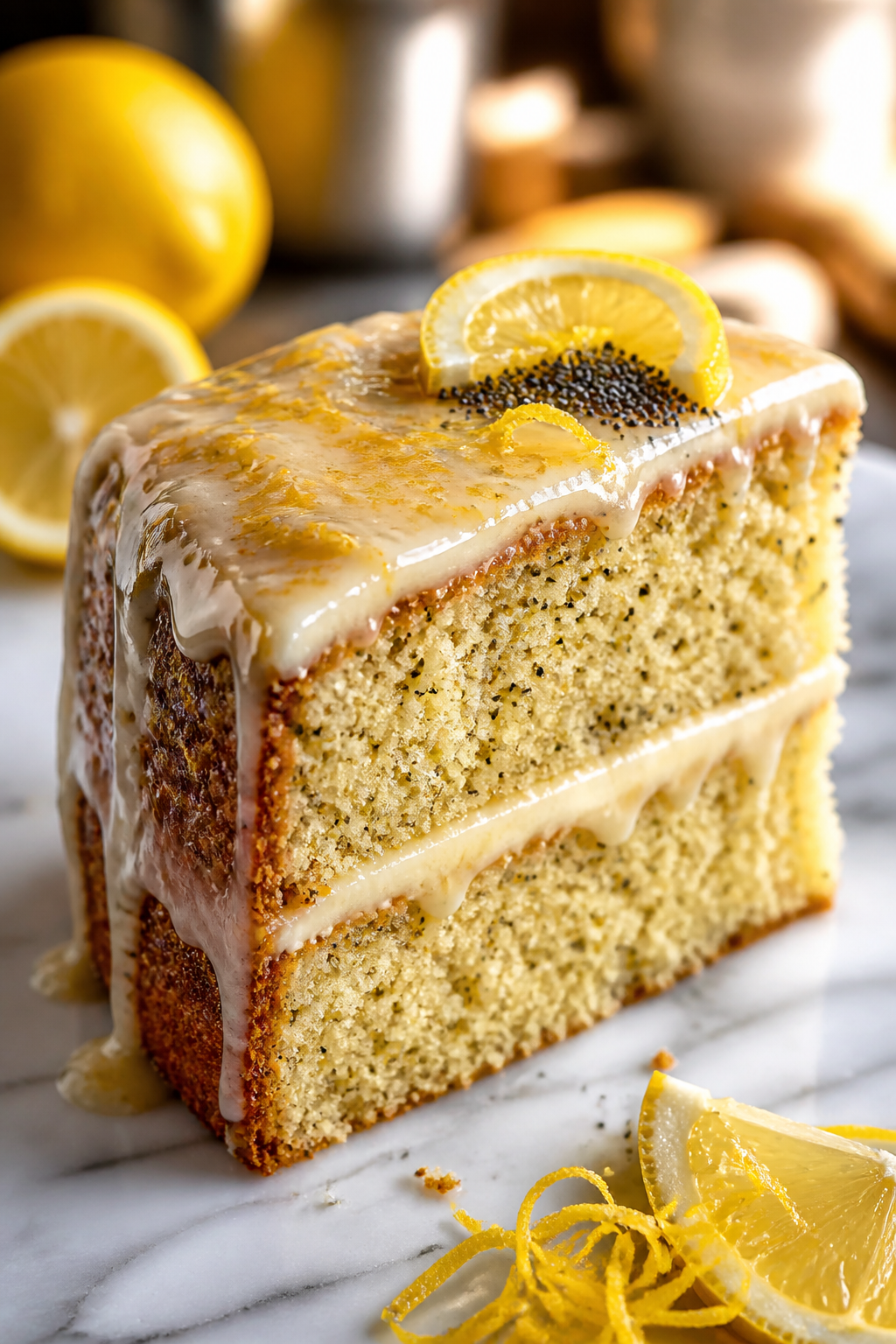
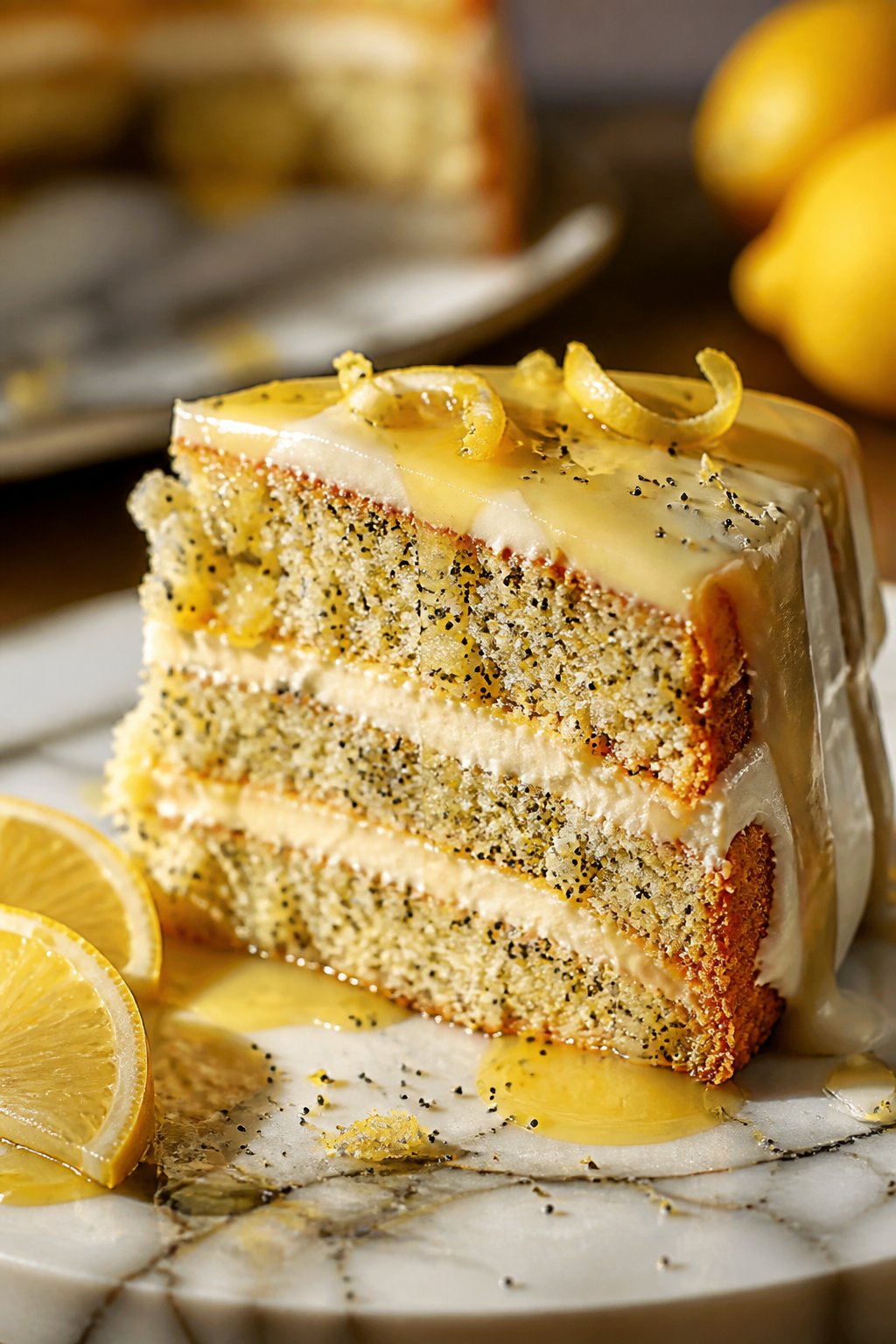
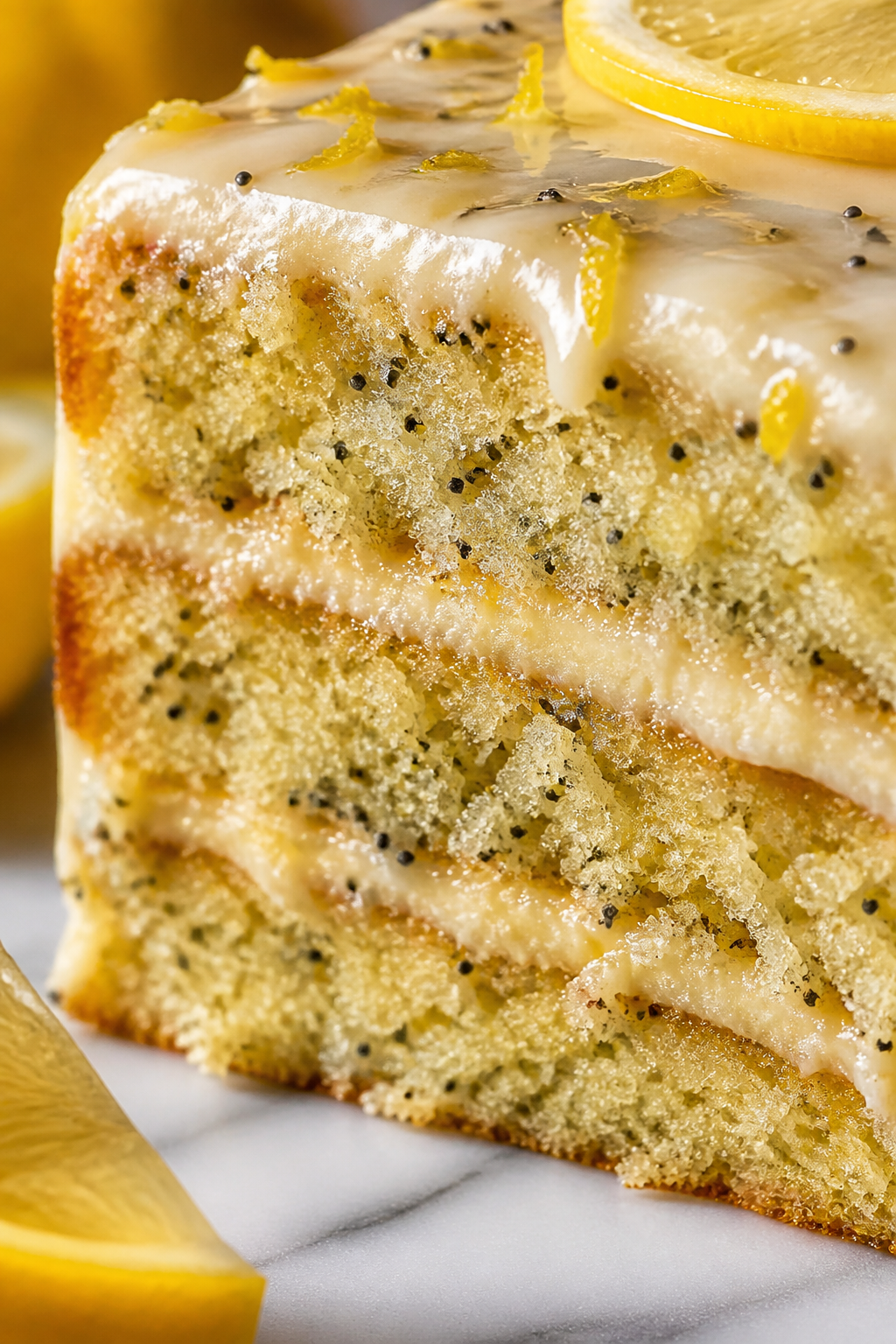
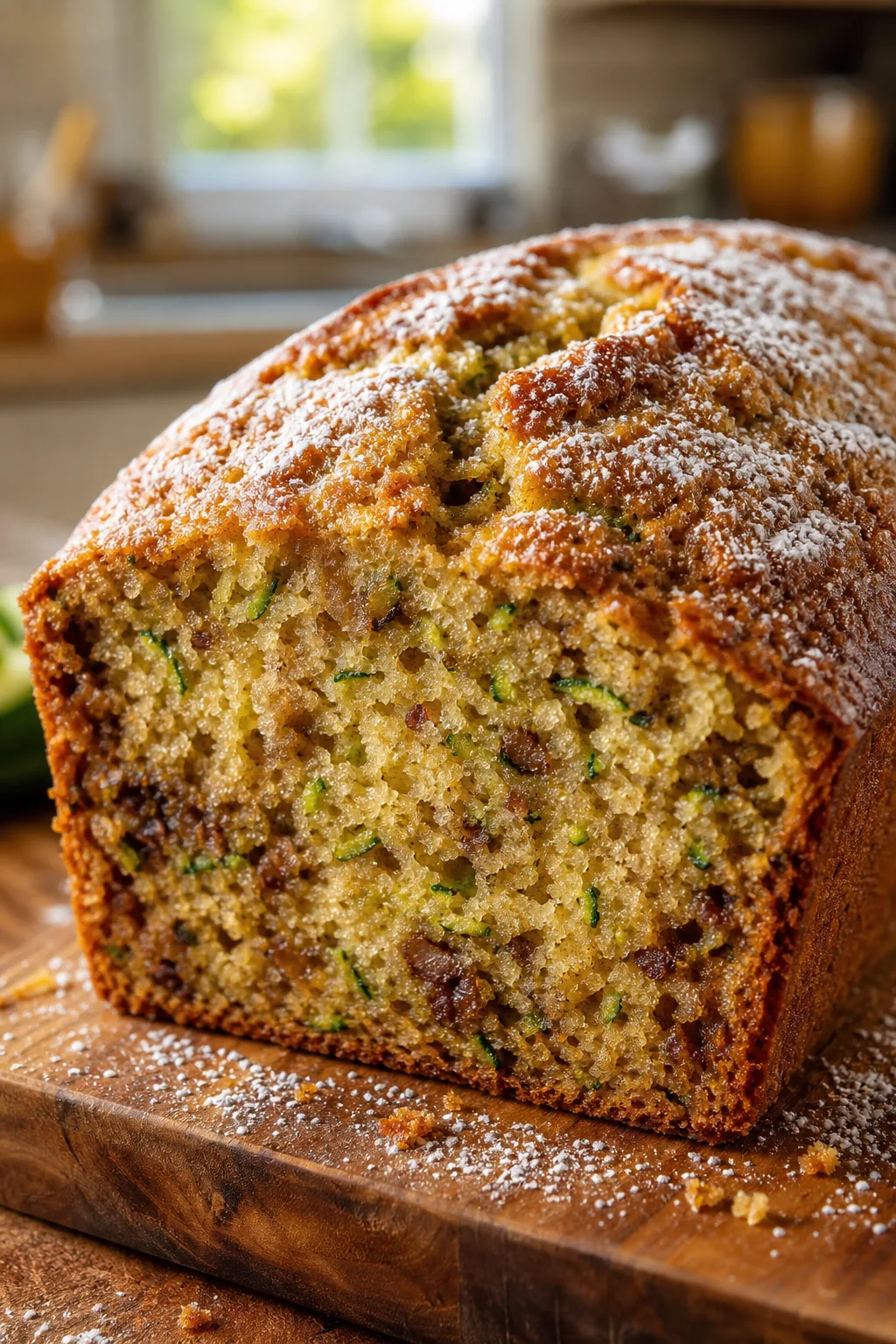
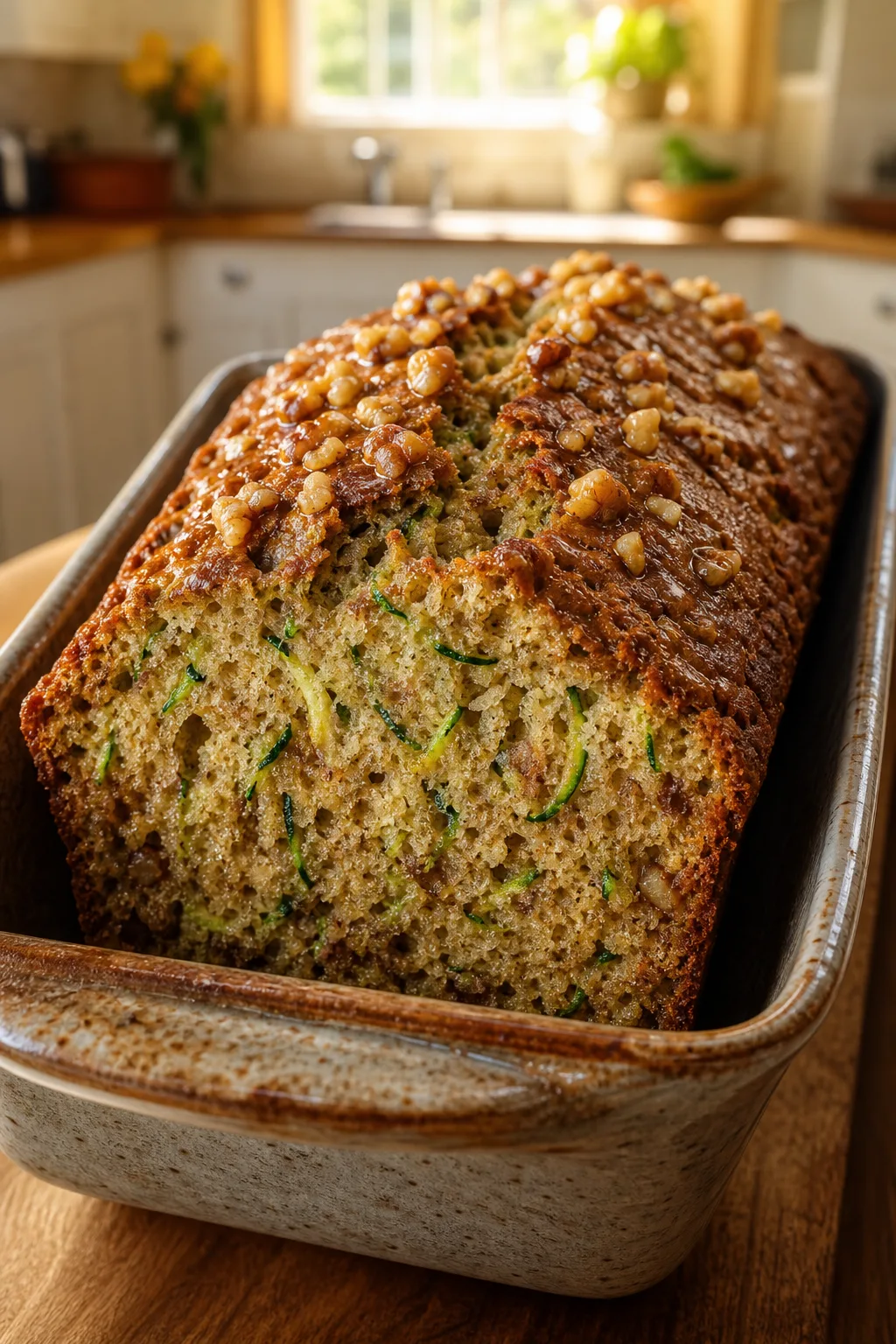
This lemon poppy seed cake is a bright, moist treat bursting with fresh citrus flavor. The crunchy poppy seeds add texture, and the tangy glaze makes it perfect for afternoon tea or any spring gathering.
Introduction
I first stumbled upon lemon poppy seed cake years ago at a friend’s brunch, and it instantly became one of my favorite easy cakes to bake. What I love about this version is that it’s wonderfully moist thanks to buttermilk and the fresh lemon zest that really wakes up the flavor. Plus, the poppy seeds give it a subtle crunch that makes each bite interesting. I’ll admit, my first attempt was a little dry because I overbaked it, but once I nailed the timing and used fresh lemon juice for the glaze, it was a total hit. The glaze itself is simple but adds just the right amount of tang and sweetness, perfect for pairing with a cup of tea or coffee. This cake is pretty forgiving, making it great for weekend baking or a last-minute dessert for family gatherings. When done right, it’s light, tender, and bursting with that fresh citrus zing that feels like spring in every bite. I hope you enjoy baking and eating it as much as I do!
What You'll Need
One 9-inch bundt or loaf cake, 8 servings
- 2 1/2 cups all-purpose flour, sifted
- 1 tablespoon poppy seeds, whole
- 1 cup granulated sugar
- 1/2 cup unsalted butter, softened
- 3 large eggs, room temperature
- 1 cup buttermilk, room temperature
- Zest of 2 lemons
- 1/4 cup fresh lemon juice
- 1 teaspoon baking powder
- 1/2 teaspoon baking soda
- 1/4 teaspoon salt
- For the glaze:
- 1 cup powdered sugar
- 2 tablespoons fresh lemon juice
- 1 teaspoon lemon zest
How To Do It
Step 1
Preheat your oven to 350°F (175°C). Grease and flour a 9-inch bundt or loaf pan thoroughly to ensure the cake doesn’t stick. This is crucial because lemon cakes tend to be moist, and without proper greasing, the cake could tear when you remove it. Use a pastry brush to get into all the nooks if you have a bundt pan. This step helps the cake release cleanly and keeps the texture intact.
⏱ Time: 10 minutes
✓ Doneness: Pan feels evenly coated with no dry spots; surface looks slightly glossy from the butter
Step 2
In a medium bowl, whisk together the flour, baking powder, baking soda, salt, and poppy seeds. Sifting the flour mixture helps aerate the dry ingredients and ensures an even distribution of the poppy seeds, which prevents clumping. This mix provides the cake’s structure and the subtle crunch from the seeds.
⏱ Time: 5 minutes
✓ Doneness: Dry ingredients are combined uniformly without lumps or clumps
Step 3
In a large bowl, beat the softened butter and sugar together with an electric mixer on medium speed until light and fluffy. This usually takes about 3-5 minutes. Creaming the butter and sugar properly traps air, which helps the cake rise and creates a tender crumb. If you rush this step, your cake might turn out dense.
⏱ Time: 5 minutes
✓ Doneness: Butter mixture is pale, fluffy, and slightly increased in volume
Step 4
Add the eggs one at a time, beating well after each addition to fully incorporate them. Adding eggs slowly ensures the batter emulsifies properly, preventing it from curdling. This creates a smooth batter and keeps the cake moist. If you add eggs too quickly, the batter might split.
⏱ Time: 3 minutes
✓ Doneness: Batter looks smooth, glossy, and homogeneous with no streaks
Step 5
Mix in the lemon zest and lemon juice. The zest adds aromatic oils that give an intense lemon flavor, while the juice adds brightness and acidity that balances the sweetness. Using fresh lemon juice is key here; bottled juice won’t give the same fresh flavor or acidity needed for the cake’s tender crumb.
⏱ Time: 2 minutes
✓ Doneness: Batter has visible flecks of zest and a fresh citrus aroma
Step 6
Alternate adding the dry flour mixture and buttermilk to the batter, starting and ending with the flour mixture. Mix gently after each addition just until combined. This alternating method helps keep the batter light and prevents overmixing, which can develop gluten and make the cake tough. Buttermilk also tenderizes the crumb and adds subtle tang.
⏱ Time: 5 minutes
✓ Doneness: Batter is smooth, thick but pourable, with no lumps or streaks
Step 7
Pour the batter into the prepared pan and smooth the top with a spatula. Tap the pan gently on the counter a few times to release any large air bubbles that could cause holes in the cake. This step helps the cake bake evenly and develop a fine crumb.
⏱ Time: 3 minutes
✓ Doneness: Batter is evenly distributed and surface is smooth
Step 8
Bake in the preheated oven for 35-40 minutes, or until a toothpick inserted in the center comes out clean or with just a few moist crumbs. Avoid opening the oven too early as the cake could sink. Check at 35 minutes and if not done, continue baking but watch closely. Overbaking causes dryness.
⏱ Time: 35-40 minutes
✓ Doneness: Toothpick test clean or with a few moist crumbs; cake springs back lightly when touched
Step 9
Let the cake cool in the pan for 15 minutes, then invert onto a wire rack to cool completely. Cooling in the pan too long traps steam and can make the bottom soggy. Cooling completely before glazing ensures the glaze sets properly and doesn’t slide off.
⏱ Time: 30 minutes
✓ Doneness: Cake is cool to the touch and firm enough to handle without breaking
Step 10
For the glaze, whisk together powdered sugar, lemon juice, and zest until smooth. Drizzle over the cooled cake evenly. The glaze adds a tangy sweetness that complements the lemon flavor and adds a pretty glossy finish. If the glaze is too thick, add a bit more lemon juice; too thin, add powdered sugar.
⏱ Time: 5 minutes
✓ Doneness: Glaze is smooth, shiny, and evenly coats the cake without running off
Pro Tips
Always use room temperature eggs and buttermilk.
Room temperature ingredients blend more easily, creating a smooth batter and better emulsion. Cold ingredients can cause the batter to curdle or mix unevenly, resulting in a dense or uneven crumb.
Don’t overmix the batter once you add flour.
Overmixing develops gluten which makes cakes tough and dense. Mix just until dry ingredients are incorporated to keep the crumb tender and light.
Use fresh lemon zest and juice for best flavor.
Fresh zest contains aromatic oils that give a bright lemon flavor, while fresh juice adds acidity and brightness. Bottled juice and dried zest lack this fresh quality and can make the cake taste flat.
Grease your pan thoroughly, especially if using a bundt pan.
Lemon cakes are moist and can stick easily. Proper greasing ensures the cake unmolds cleanly without breaking or tearing, preserving the beautiful shape.
Let the cake cool completely before glazing.
Applying glaze to a warm cake will cause it to melt and run off, losing the glossy finish. Cooling allows the glaze to set nicely and adds a pleasant texture contrast.
Tap the pan gently before baking to release air bubbles.
This prevents large holes or tunnels in the cake, ensuring an even crumb and smooth texture throughout.
Check the cake early with a toothpick to avoid overbaking.
Oven temperatures vary; checking early prevents drying out the cake. The cake should be just done with a few moist crumbs attached for optimal moisture.
Common Mistakes to Avoid
Overbaking the cake
Why it happens Many assume longer baking means fully cooked, but lemon cakes dry out quickly if left too long in the oven.
Fix Check the cake at the minimum baking time with a toothpick. Remove from oven as soon as it comes out clean or with a few moist crumbs. Use an oven thermometer to ensure accurate temperature.
Not properly greasing the pan
Why it happens It’s easy to underestimate how sticky moist cakes can be, especially in bundt pans with intricate shapes.
Fix Use softened butter and flour or a baking spray with flour. Brush the pan edges and crevices carefully to avoid sticking and tearing.
Using bottled lemon juice instead of fresh
Why it happens Convenience often leads to using bottled juice, which lacks acidity and fresh flavor.
Fix Always use fresh lemons for zest and juice. If you must use bottled, add a bit of lemon zest to boost flavor and compensate.
Overmixing after adding flour
Why it happens Eager cooks try to fully blend batter but develop gluten, making the cake tough.
Fix Mix until just combined after adding flour. It’s okay if a few tiny lumps remain; they will hydrate during baking.
Applying glaze to a warm cake
Why it happens Impatience leads to glazing before the cake cools, causing the glaze to run off.
Fix Cool cake completely on a wire rack before glazing to ensure the glaze sets properly with a nice finish.
Variations
Blueberry Lemon Poppy Seed Cake
Fold 1 cup fresh or frozen blueberries into the batter before baking for a fruity twist. Blueberries add moisture and bursts of sweetness that pair wonderfully with lemon and poppy seeds.
Note: Toss blueberries in a little flour before adding to batter to prevent sinking. May increase baking time by 5 minutes.
Gluten-Free Lemon Poppy Seed Cake
Use a gluten-free flour blend instead of all-purpose flour. The cake will still be moist and flavorful but with a slightly different texture, perfect for gluten-sensitive guests.
Note: Add 1/4 teaspoon xanthan gum if not included in the blend to improve structure.
Lemon Poppy Seed Bundt with Cream Cheese Glaze
Swap the citrus glaze for a tangy cream cheese glaze made with softened cream cheese, powdered sugar, and lemon juice. It adds richness and pairs beautifully with the lemon flavor.
Note: Chill glaze slightly before drizzling to prevent it from running off.
Vegan Lemon Poppy Seed Cake
Replace eggs with flax eggs (1 tbsp ground flax + 3 tbsp water per egg) and use plant-based milk with lemon juice instead of buttermilk. This keeps the cake moist and flavorful without animal products.
Note: Baking time may increase slightly; test doneness with a toothpick.
Orange Poppy Seed Cake
Swap lemon zest and juice for fresh orange zest and juice for a sweeter, less tart citrus flavor with the same lovely poppy seed crunch.
Note: Orange juice is less acidic, so consider adding 1/4 tsp baking soda to maintain rise.
Nutrition
Per Serving:
Nutritional values are estimates and may vary based on specific ingredients used.
Storage & Tips
Room Temperature
Store the cake covered loosely with a cake dome or foil at room temperature for up to 2 days. Avoid direct sunlight or heat sources to prevent drying out. This keeps the cake moist and fresh for short-term serving.
Refrigerator
Keep the cake in an airtight container in the refrigerator for up to 5 days. The glaze may harden slightly and the cake might firm up; bring to room temperature before serving or warm briefly to soften.
Freezer
Wrap the cooled cake tightly in plastic wrap and then foil. Freeze for up to 3 months. Thaw overnight in the refrigerator and bring to room temperature before serving to restore texture.
Reheating
Warm slices gently in the microwave for 10-15 seconds or in a low oven (300°F) for 5-7 minutes. Avoid overheating which can dry out the cake. Add a small dab of butter or a splash of lemon juice if it feels dry.
Make Ahead
Bake the cake up to 2 days ahead and store covered at room temperature or refrigerated. Prepare the glaze fresh on the day of serving and drizzle just before serving for best texture and flavor.
FAQ
Can I substitute regular milk for buttermilk?
Yes, you can make a buttermilk substitute by adding 1 tablespoon of lemon juice or white vinegar to 1 cup of milk. Let it sit for 5-10 minutes until it curdles slightly. This acidic milk will help tenderize the cake and activate the baking soda, ensuring a moist texture.
Why is my lemon poppy seed cake dry?
Dryness usually results from overbaking or not using enough moisture-rich ingredients like buttermilk. Make sure to check the cake a few minutes before the end of baking time, and always use fresh buttermilk and lemon juice. Also, avoid overmixing the batter which can develop gluten and dry out the cake.
Can I use frozen poppy seeds?
Poppy seeds don’t freeze well because their natural oils can become rancid or lose flavor. It’s best to buy fresh poppy seeds from a reputable source and store them in an airtight container in a cool, dark place.
How do I know when the cake is done?
Insert a toothpick in the center; it should come out clean or with a few moist crumbs. The cake should also spring back gently when pressed lightly on top. Avoid waiting until the toothpick is completely dry, which can mean overbaking.
Can I make this cake gluten-free?
Yes, substitute a 1:1 gluten-free flour blend and add 1/4 teaspoon xanthan gum if your blend does not contain it. The texture will be slightly different but still moist and delicious. Baking time might increase slightly, so check doneness carefully.
What’s the best way to zest lemons?
Use a microplane or fine grater to zest only the colored outer peel, avoiding the white pith underneath which is bitter. Zest just before mixing for maximum freshness and flavor.
Can I add other flavors or fruits?
Absolutely! Blueberries, raspberries, or even a splash of vanilla extract complement the lemon well. Just fold in berries gently to avoid breaking them and adjust baking time slightly if adding wet ingredients.
How long does the glaze stay fresh?
The lemon glaze sets quickly and stays fresh for up to 3 days when stored in the refrigerator. If it hardens too much, let it come to room temperature or warm slightly before serving.
Final Thoughts
I hope you enjoy making and sharing this lemon poppy seed cake as much as my family does. It’s a bright, cheerful treat that’s sure to bring a little sunshine to your day!