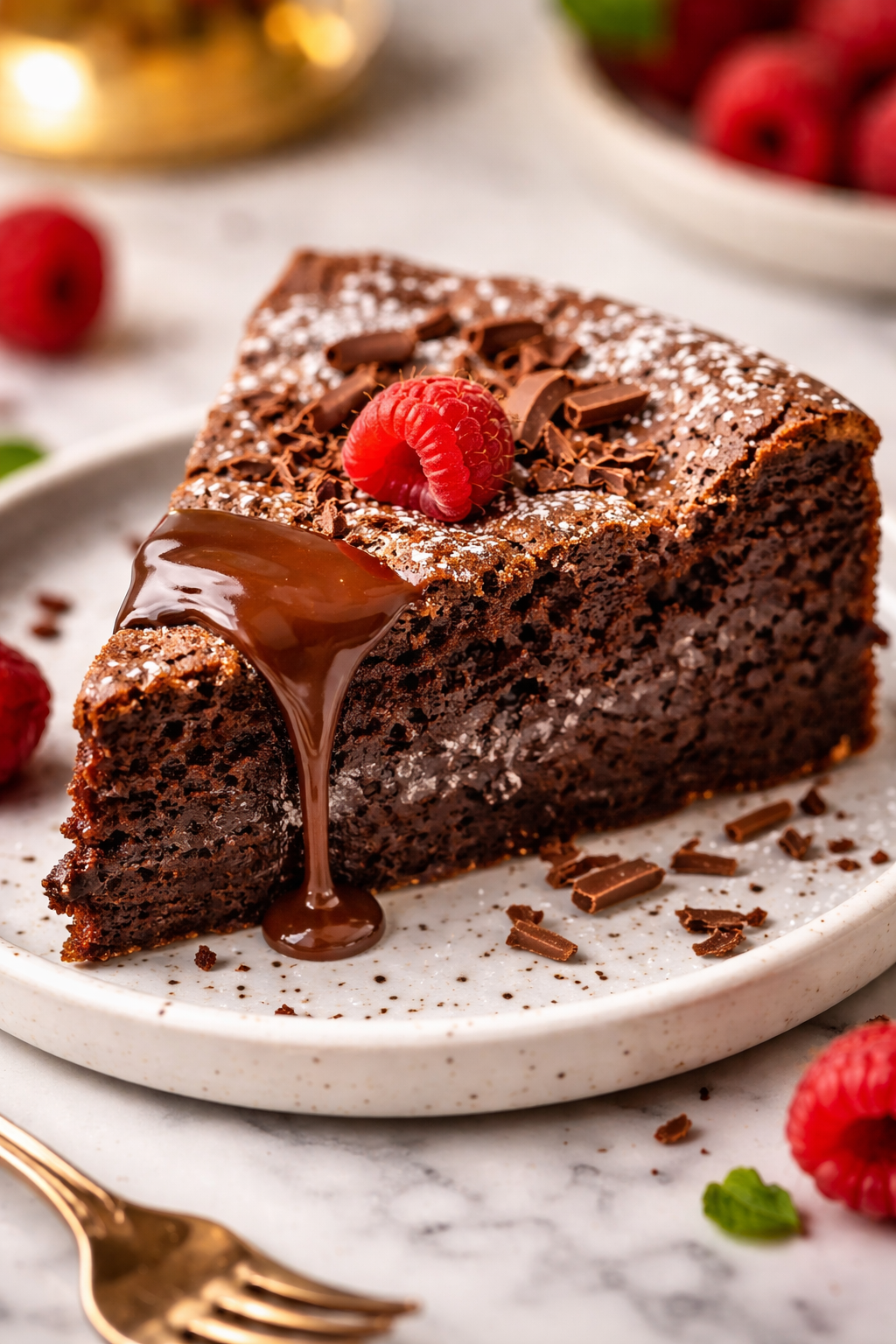
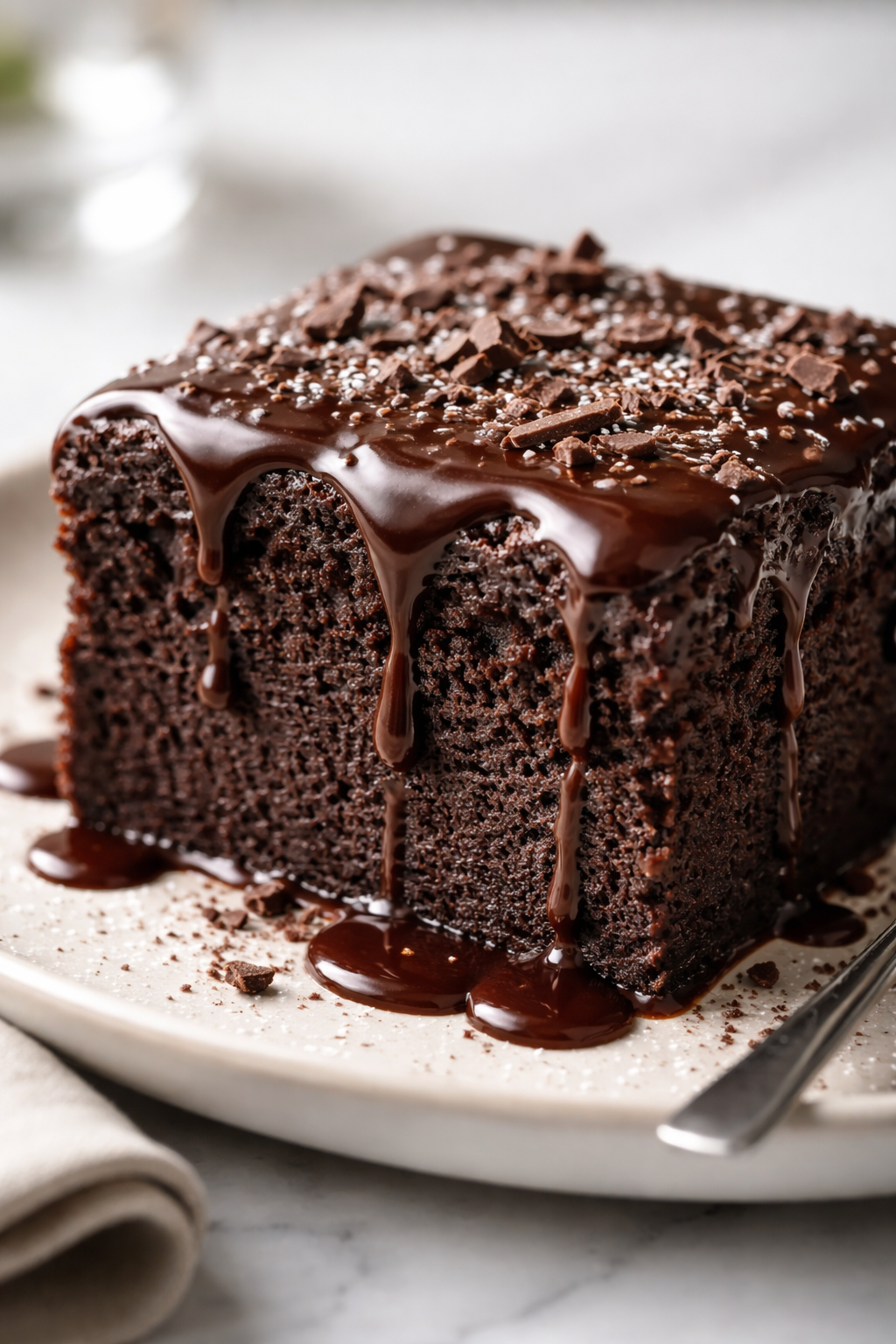
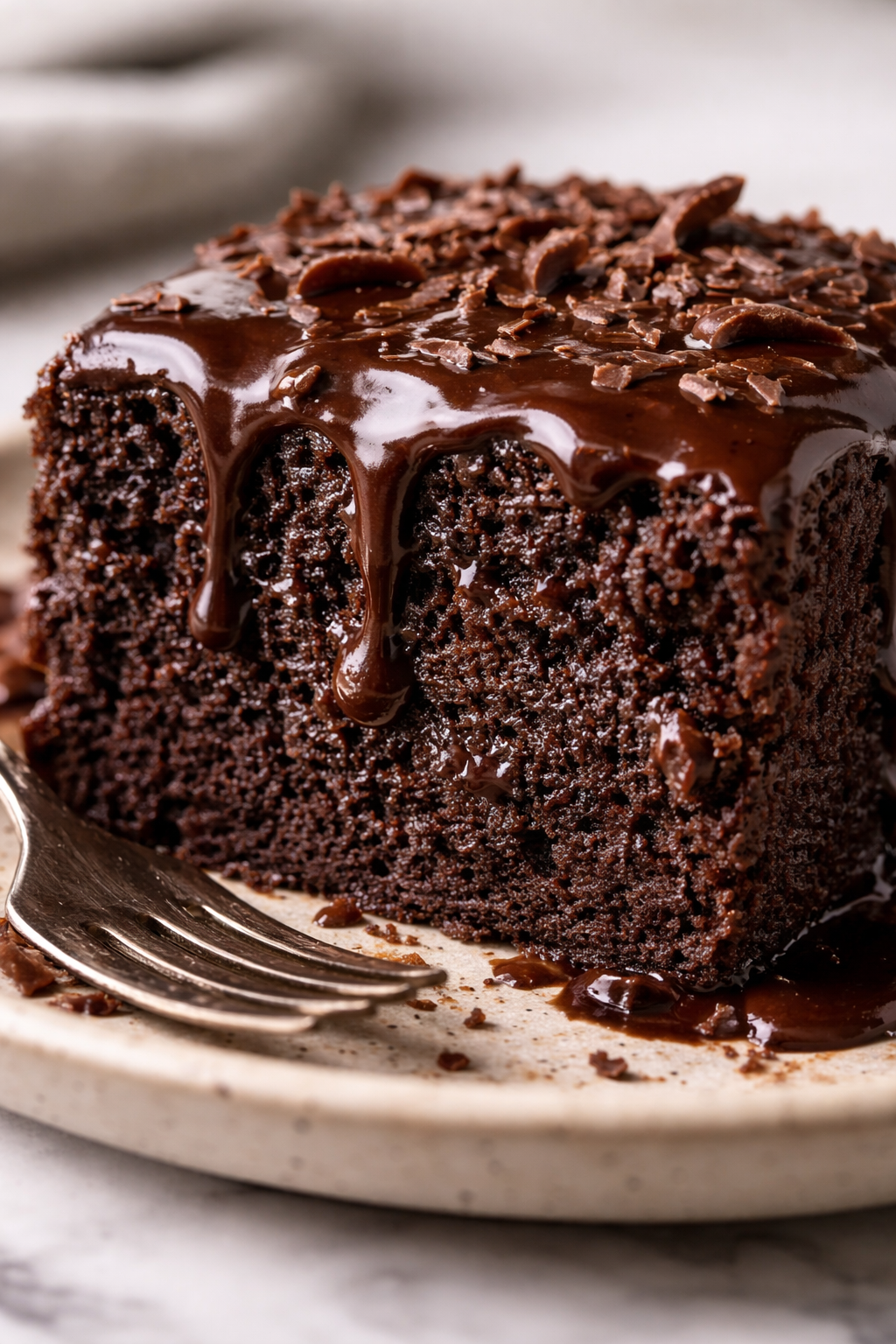
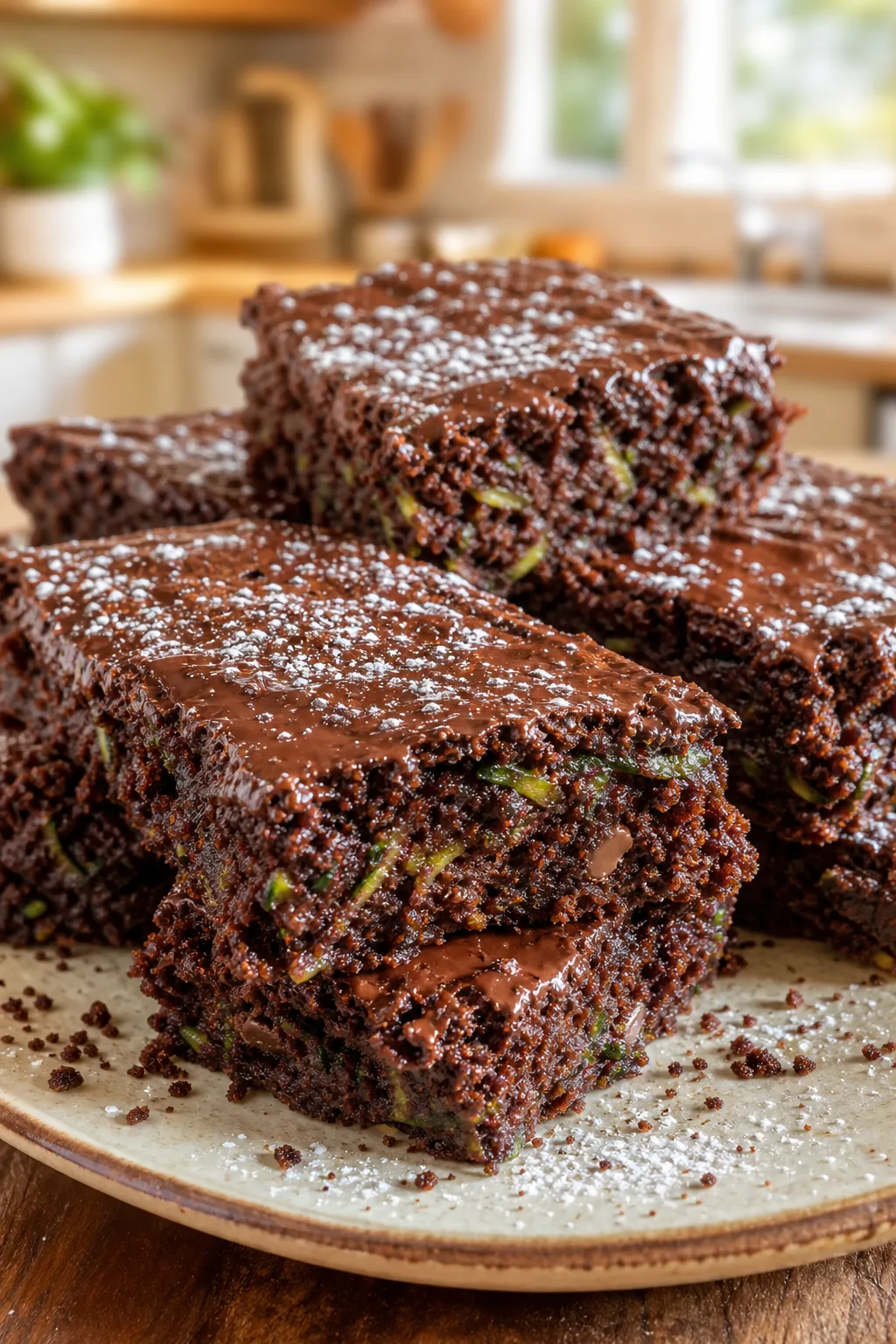
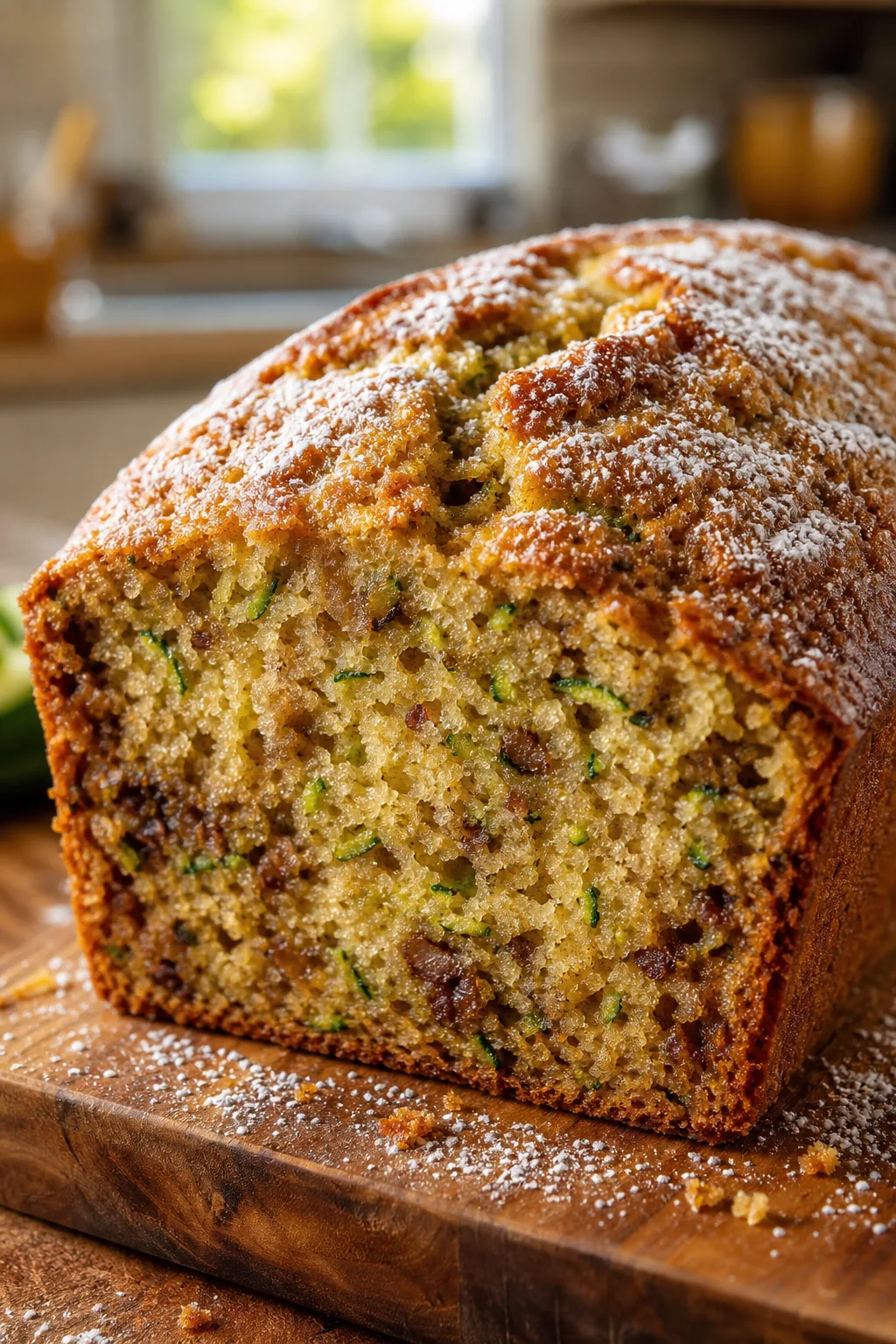
This chocolate cake is a lifesaver when you want homemade but don’t have much time. Just five ingredients and a secret touch of plain yogurt to keep it moist and tender. Perfect for an easy dessert or sweet snack anytime!
Introduction
I first stumbled on this chocolate yogurt cake recipe during a hectic weeknight when I wanted something homemade but didn't have the time or energy for a complicated dessert. What I love about this cake is how few ingredients it needs and how forgiving it is. The secret ingredient, plain yogurt, keeps it incredibly moist and tender, even days after baking. I've tried richer, fancier chocolate cakes over the years, but this simple version always wins for ease and flavor. The trick I learned is to use room temperature yogurt and eggs, which helps the batter come together smoothly and rise beautifully. Plus, the baking soda reacts perfectly with the yogurt’s acidity to give the cake a light crumb. The finished cake has a deep chocolate flavor with a soft, almost melt-in-your-mouth texture. It’s perfect for casual family dinners or when you want a quick, comforting treat without fuss. Honestly, it’s become one of my go-to recipes when I want that homemade feel without the usual stress.
What You'll Need
One 9-inch round cake, approximately 8 servings
- 1 cup all-purpose flour, sifted
- 1/2 cup unsweetened cocoa powder
- 1 cup granulated sugar
- 1 cup plain yogurt, room temperature
- 1/2 cup vegetable oil
- 2 large eggs
- 1 teaspoon baking soda
- 1 teaspoon vanilla extract
- Pinch of salt
How To Do It
Step 1
Preheat your oven to 350°F (175°C). Grease and flour a 9-inch round cake pan or line it with parchment paper. This ensures the cake releases easily after baking. Taking the time to prepare your pan properly prevents frustrating sticking and helps keep the cake’s edges tender rather than dry or crusty.
⏱ Time: 10 minutes
✓ Doneness: Pan is evenly greased and dusted with flour, no bare spots
Step 2
In a large mixing bowl, sift together the flour, cocoa powder, baking soda, and salt. Sifting removes clumps and aerates the dry ingredients, which helps create a light, even crumb in the finished cake. It also ensures the baking soda is well distributed for proper rising.
⏱ Time: 5 minutes
✓ Doneness: Dry ingredients are well combined with no lumps
Step 3
In a separate bowl, whisk the eggs and sugar together until the mixture becomes pale and slightly thickened. This step incorporates air, helping the cake rise and giving it a tender texture. Don’t rush this; a few minutes of whisking makes a noticeable difference.
⏱ Time: 3-4 minutes
✓ Doneness: Egg and sugar mixture is lighter in color and slightly foamy
Step 4
Add the vegetable oil, vanilla extract, and plain yogurt to the egg mixture. Stir gently until fully combined. The yogurt’s acidity will react with the baking soda later to help the cake rise, while the oil adds moisture and richness without heaviness.
⏱ Time: 2 minutes
✓ Doneness: Wet ingredients are smooth and homogenous, no streaks
Step 5
Gradually fold the dry ingredients into the wet mixture using a spatula. Be careful not to overmix; fold just until no streaks of flour remain. Overmixing develops gluten, which can make the cake tough rather than soft and tender.
⏱ Time: 3-5 minutes
✓ Doneness: Batter is smooth with no visible flour, thick but pourable
Step 6
Pour the batter evenly into your prepared pan, smoothing the top with a spatula. This ensures the cake bakes evenly and rises uniformly. Tap the pan gently on the counter to release any air bubbles trapped in the batter.
⏱ Time: 2 minutes
✓ Doneness: Batter surface is even and smooth, no large bubbles
Step 7
Bake in the preheated oven for 28-32 minutes. Start checking around 28 minutes by inserting a toothpick in the center; it should come out with a few moist crumbs but no wet batter. Baking too long dries the cake out, while underbaking leaves it gooey in the center.
⏱ Time: 28-32 minutes
✓ Doneness: Toothpick inserted comes out mostly clean with some crumbs
Step 8
Remove the cake from the oven and let it cool in the pan for 10 minutes. Cooling in the pan allows the cake to set and prevents it from breaking apart when you transfer it to a wire rack. After 10 minutes, invert the cake onto the rack to cool completely.
⏱ Time: 10 minutes
✓ Doneness: Cake edges pull slightly away from pan sides
Step 9
Once cooled, dust with powdered sugar or frost as desired. I love this cake plain or with a simple chocolate glaze. The yogurt keeps it moist even the next day, making leftovers just as delicious. Serve with a scoop of vanilla ice cream for an extra treat!
⏱ Time: 5 minutes
✓ Doneness: Cake is completely cool to touch and ready to decorate or slice
Pro Tips
Use room temperature ingredients for smoother batter.
When eggs and yogurt are at room temp, they combine more easily with dry ingredients, creating a uniform batter. Cold ingredients can cause lumps and uneven texture, leading to dense spots in the cake.
Don’t overmix after adding dry ingredients.
Overmixing develops gluten in the flour, which toughens the cake crumb. Folding gently until just combined keeps the texture tender and light.
Sift cocoa and flour together to prevent lumps.
Cocoa powder tends to clump, and sifting aerates the mixture, resulting in a smoother batter and more even crumb.
Check doneness early to avoid a dry cake.
Ovens vary, so start testing with a toothpick a few minutes before the minimum bake time. Overbaking dries out the cake, while underbaking leaves it gummy.
Let cake cool in pan before removing.
Cooling briefly sets the cake’s structure, preventing it from breaking when unmolding. It also lets steam escape, avoiding sogginess.
Use a neutral oil for best flavor.
Strong flavored oils like olive oil can alter the taste of the cake. Neutral oils keep the chocolate flavor pure and balanced.
Add vanilla extract for depth of flavor.
Vanilla enhances the chocolate notes and rounds out the flavor profile, making the cake taste richer and more complex.
Common Mistakes to Avoid
Using cold yogurt or eggs.
Why it happens Many don’t plan ahead or aren’t aware that cold ingredients affect mixing.
Fix Take yogurt and eggs out of the fridge at least 30 minutes before baking. This helps them blend smoothly, preventing lumps and uneven texture.
Overmixing batter after adding dry ingredients.
Why it happens Eager cooks want to get it done fast and mix thoroughly.
Fix Fold gently just until the flour disappears. A few streaks are better than overworked batter that yields a tough cake.
Skipping sifting of cocoa and flour.
Why it happens Sifting feels like an extra step and some think it’s unnecessary.
Fix Sift to avoid lumps and to aerate, which produces a lighter crumb and more even texture.
Overbaking the cake.
Why it happens Waiting for the cake to look ‘done’ without testing can dry it out.
Fix Start checking a few minutes before the timer ends. Toothpick should come out with a few moist crumbs, not wet batter.
Not preparing the pan properly.
Why it happens Sometimes skipped to save time or by accident.
Fix Grease and flour the pan thoroughly or use parchment paper to prevent sticking and maintain tender edges.
Variations
Chocolate Yogurt Cake with Espresso
Add 1 tablespoon of instant espresso powder to the dry ingredients for a mocha twist. The coffee enhances the chocolate depth without overpowering. Expect a slightly richer aroma and flavor.
Note: Espresso powder dissolves quickly; mix well with dry ingredients to prevent clumping.
Gluten-Free Version
Replace all-purpose flour with a gluten-free baking blend that includes xanthan gum. This keeps the cake tender and prevents crumbling. The texture will be slightly different but still moist and delicious.
Note: Gluten-free flours absorb moisture differently, so you might need to add an extra tablespoon of yogurt for balance.
Vegan Chocolate Yogurt Cake
Use plant-based yogurt and substitute eggs with flax eggs (1 tbsp ground flax + 3 tbsp water per egg). Oil remains the same. Expect a slightly denser texture and a subtle nutty flavor from flax.
Note: Flax eggs need to gel for 5 minutes before use to mimic egg binding.
Chocolate Yogurt Cake with Orange Zest
Add 1 tablespoon of fresh orange zest to the batter for a bright citrus note that complements the chocolate beautifully. This adds freshness and a lovely aroma to the cake.
Note: Zest before juicing to avoid bitterness; fold zest gently into wet ingredients.
Nutty Chocolate Yogurt Cake
Fold in 1/2 cup chopped walnuts or pecans for added crunch and flavor contrast. Toast nuts lightly before adding to boost their aroma and texture.
Note: Add nuts at the end of mixing to distribute evenly without breaking down.
Nutrition
Per Serving:
Nutritional values are estimates and may vary based on specific ingredients used.
Storage & Tips
Room Temperature
Keep the cake covered loosely with a clean kitchen towel or cake dome at room temperature for up to 2 days. This prevents it from drying out while maintaining a pleasant texture.
Refrigerator
Store the cake in an airtight container in the fridge for up to 5 days. The cake may firm up and lose some softness; bring to room temperature before serving or warm slightly in the microwave for a few seconds.
Freezer
Wrap the cooled cake tightly in plastic wrap and then foil to prevent freezer burn. Freeze for up to 2 months. Thaw overnight in the fridge before serving. Reheat gently if desired to restore softness.
Reheating
Warm slices in the microwave for 10-15 seconds or in a low oven (300°F) for 5-7 minutes. Add a splash of milk or cream if the cake feels dry. Avoid overheating to prevent drying out.
Make Ahead
You can prepare the batter a few hours ahead and keep it refrigerated, then bake fresh when ready. Alternatively, bake the cake a day ahead, store wrapped tightly, and frost or dust with sugar just before serving.
FAQ
Can I substitute sour cream for the yogurt?
Yes, sour cream works well because it has similar acidity and moisture content. It will keep the cake moist and tender. Just use the same amount and keep it at room temperature for best mixing.
Why is my cake dense and not fluffy?
Most likely, the batter was overmixed after adding the dry ingredients or the baking soda was old. Be gentle folding the flour in and ensure your baking soda is fresh to get a light, airy crumb.
Can I use cocoa powder that’s Dutch-processed?
Dutch-processed cocoa is less acidic, which means it won’t react as well with baking soda. You can use it, but the cake might not rise as much. Consider adding baking powder or swapping to natural cocoa for best results.
How do I store leftovers?
Store wrapped tightly in an airtight container at room temperature for 2 days or in the fridge for up to 5 days. For longer storage, freeze well wrapped for up to 2 months.
Can I make this cake gluten-free?
Absolutely! Use a high-quality gluten-free flour blend that includes xanthan gum for structure. You may need to adjust yogurt slightly to keep moisture balanced.
Why do I need to sift the dry ingredients?
Sifting removes lumps, especially from cocoa powder, and aerates the flour, which helps create a lighter, more uniform cake texture.
Is there a vegan version of this cake?
Yes, replace eggs with flax eggs and use plant-based yogurt and oil. The texture will be a bit denser but still tasty and moist.
What frosting pairs best with this cake?
Simple options like chocolate ganache, cream cheese frosting, or dusting with powdered sugar work wonderfully. The cake’s moist crumb holds up well to richer frostings too.
Final Thoughts
Give this chocolate yogurt cake a try—you’ll be amazed how easy and delicious it is. Don’t forget to share your baking wins and tweaks with me!