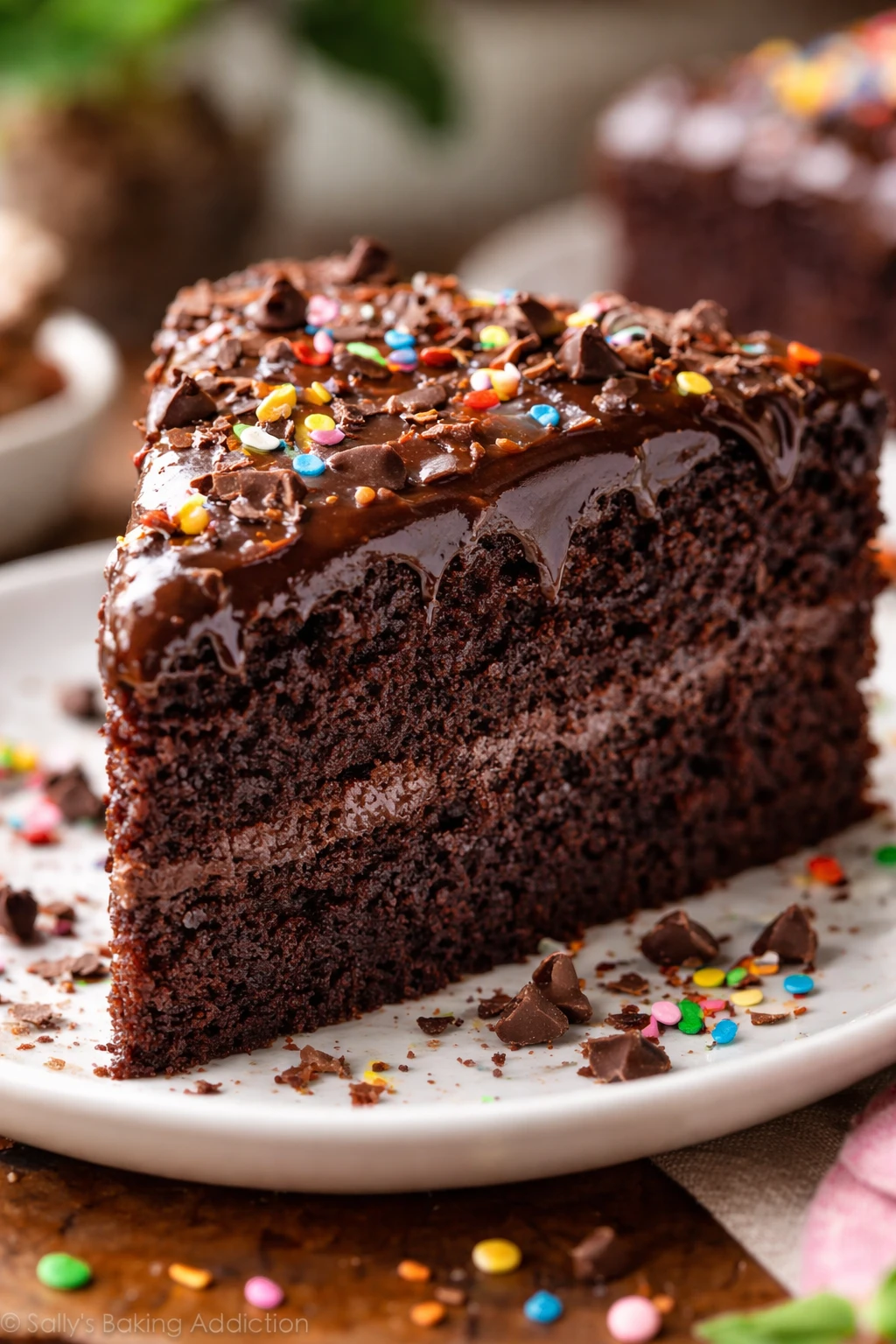
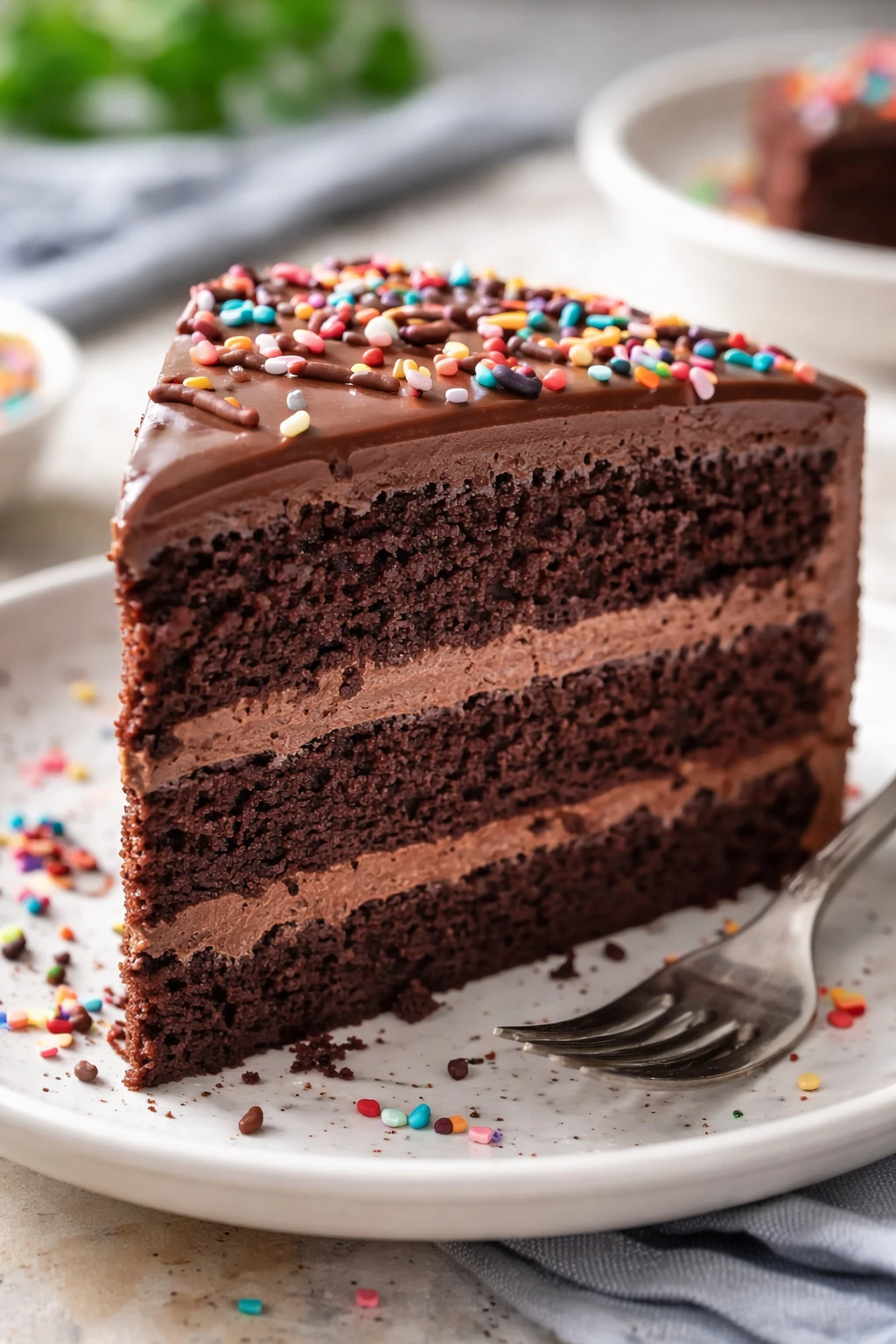
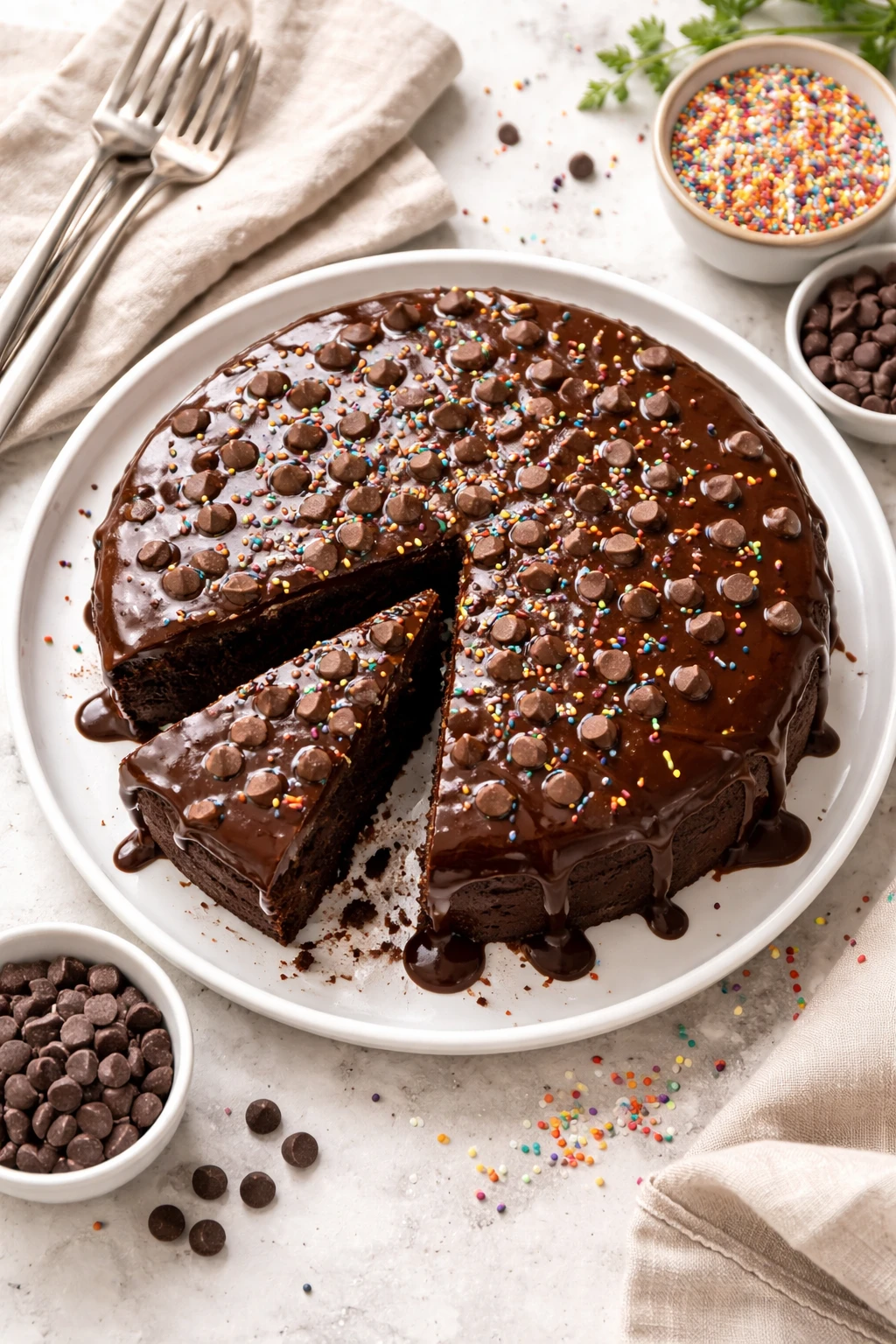
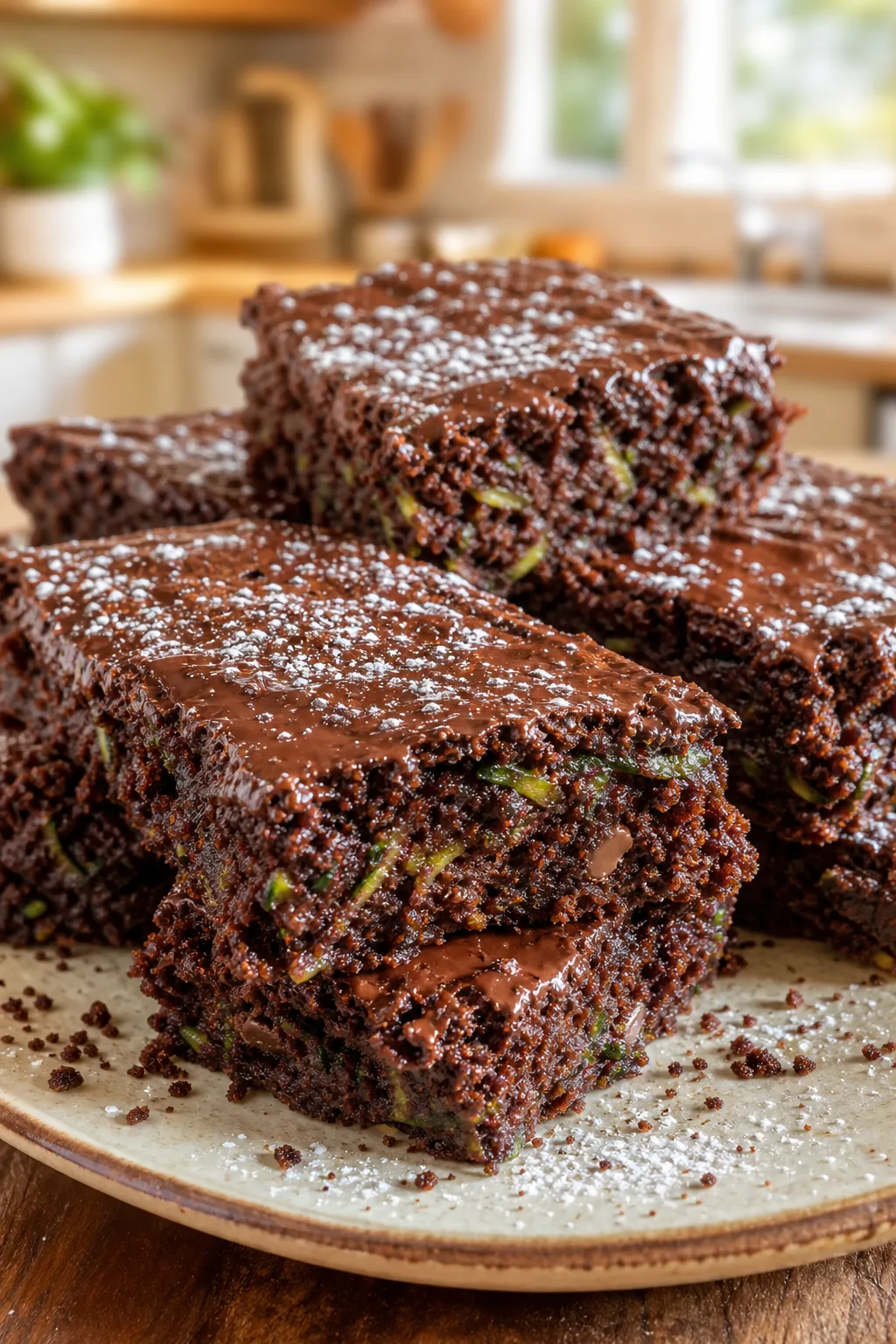
This chocolate cake is my go-to when I want something quick but totally satisfying. Just five ingredients, zero fuss, and it turns out moist and rich every time. Perfect for an easy family dessert or last-minute birthday!
Introduction
I first stumbled upon this chocolate cake recipe during a hectic week when I wanted something sweet but didn’t have time for complicated baking. I was amazed that with just five main ingredients and a few pantry staples, I ended up with a cake that was moist, tender, and deeply chocolatey — better than many fussy recipes I’d tried before. What makes this cake stand out is the use of vinegar and baking soda together; they react to give the cake a lovely rise and soft crumb without needing eggs or butter. Plus, mixing everything in one bowl means less cleanup, which I love. Over time, this cake has become my family’s favorite quick dessert, especially when I’m short on time but want to treat everyone to something homemade. It’s perfect for birthdays, after-school snacks, or whenever chocolate cravings hit. The texture is soft and springy, and the flavor rich but not overwhelming, making it a true crowd-pleaser.
What You'll Need
One 9-inch round cake, 8 servings
- 1 cup all-purpose flour, sifted
- 1 cup granulated sugar
- 1/2 cup unsweetened cocoa powder, sifted
- 1 teaspoon baking soda
- 1 cup water
- 1/3 cup vegetable oil
- 1 teaspoon vanilla extract
- 1 teaspoon white vinegar
How To Do It
Step 1
Start by preheating your oven to 350°F (175°C) and greasing a 9-inch round cake pan with a little oil or butter. This step ensures your cake won’t stick and will bake evenly. It’s important to have the oven fully heated before baking so the cake rises properly and develops a tender crumb. If your oven runs hot or cold, use an oven thermometer to double-check the temperature.
⏱ Time: 10 minutes
✓ Doneness: Oven is fully preheated to 350°F and pan is well greased without excess oil pooling
Step 2
In a large mixing bowl, whisk together the flour, sugar, cocoa powder, and baking soda until well combined and free of lumps. Sifting the dry ingredients is crucial because it helps prevent clumps, especially with cocoa powder, which can be sticky. A uniform mix ensures your cake bakes evenly and has a smooth texture.
⏱ Time: 5 minutes
✓ Doneness: Dry ingredients are evenly mixed with no visible streaks or clumps
Step 3
Add the water, vegetable oil, vanilla extract, and white vinegar to the dry ingredients. Stir gently with a spatula or wooden spoon until just combined. Avoid overmixing here; mixing too much can develop gluten in the flour and make the cake dense instead of tender. The vinegar reacts with baking soda to help the cake rise and keep it moist.
⏱ Time: 3 minutes
✓ Doneness: Batter is smooth with no streaks of flour but still slightly thick
Step 4
Pour the batter into your prepared pan, spreading it evenly with a spatula. Tap the pan gently on the counter a few times to release any large air bubbles trapped inside. This helps the cake bake evenly and prevents large holes in the crumb.
⏱ Time: 2 minutes
✓ Doneness: Batter is level in the pan and smooth on top
Step 5
Bake the cake in the preheated oven for 25 to 30 minutes. Around the 25-minute mark, start checking by inserting a toothpick in the center. If it comes out clean or with just a few moist crumbs, it’s done. Baking too long will dry out the cake, so keep a close eye as you approach the end of baking time.
⏱ Time: 25-30 minutes
✓ Doneness: Toothpick inserted in center comes out clean or with a few moist crumbs
Step 6
Once baked, remove the cake from the oven and let it cool in the pan for about 10 minutes. This resting time allows the cake to firm up a bit, making it easier to remove from the pan without breaking. If you try to unmold it while very hot, it might fall apart.
⏱ Time: 10 minutes
✓ Doneness: Edges pull slightly away from the pan and cake feels set to the touch
Step 7
Run a thin knife around the edges of the cake to loosen it, then invert it onto a cooling rack or plate. Let it cool completely before slicing to allow the crumb to set fully. Cutting too soon can cause the cake to crumble or stick.
⏱ Time: 15-20 minutes
✓ Doneness: Cake releases cleanly from the pan and is cool to the touch
Step 8
Optional: dust the cooled cake with powdered sugar or frost with your favorite icing. I like a simple dusting for a quick treat or a chocolate glaze if I want something extra rich. Either way, this cake pairs perfectly with a scoop of vanilla ice cream or fresh berries.
⏱ Time: 5 minutes
✓ Doneness: Cake looks finished with even dusting or smooth glaze
Step 9
Serve and enjoy! This cake tastes best the day it’s made but also keeps well for a couple of days at room temperature if covered. It’s a wonderful, fuss-free dessert that always gets compliments, especially from kids who love the soft crumb and chocolatey flavor.
⏱ Time: Immediate
✓ Doneness: Cake slices easily and has moist, tender texture
Pro Tips
Always sift your dry ingredients together before mixing.
Sifting breaks up clumps, especially in cocoa powder and flour, ensuring an even distribution. This prevents pockets of dry ingredients and helps the cake bake uniformly with a smooth texture.
Mix the wet and dry ingredients just until combined.
Overmixing develops gluten in the flour which can make the cake dense and chewy rather than tender. Gentle mixing preserves a soft crumb and helps the leavening reaction work effectively.
Use room temperature water for the batter.
Cold water slows down the chemical reactions and can cause uneven mixing. Room temperature water blends better with the dry ingredients and oil, promoting a uniform batter and better rise.
Don’t skip the vinegar – it’s key for lift and texture.
Vinegar reacts with baking soda to create bubbles that aerate the batter. Without it, the cake won’t rise properly and may be flat and dense. The acid also helps tenderize the crumb.
Check your baking soda’s freshness regularly.
Expired baking soda loses its leavening power, causing cakes to be flat and heavy. Test by mixing a small amount in vinegar; it should fizz vigorously if fresh.
Grease your pan well or use parchment paper.
This prevents sticking and helps the cake release cleanly. A stuck cake can break apart and lose its attractive appearance.
Allow cake to cool completely before slicing.
Cutting too soon can cause the crumb to crumble or stick to the knife. Cooling allows the structure to set, resulting in clean, neat slices.
Common Mistakes to Avoid
Overmixing the batter
Why it happens Many people think mixing longer improves texture, but it actually develops gluten, making the cake tough.
Fix Mix just until the dry ingredients disappear and the batter is smooth. Stop as soon as combined to keep the crumb tender.
Using old baking soda
Why it happens Baking soda loses potency over time, especially if exposed to moisture.
Fix Test baking soda by mixing a small amount with vinegar; if it doesn’t fizz, replace it to ensure proper rise.
Skipping vinegar or substituting with lemon juice
Why it happens Some avoid vinegar due to taste concerns or substitute with lemon juice which has a different acidity.
Fix Use white vinegar as directed; it doesn’t affect flavor noticeably but activates baking soda best for rise.
Not preheating the oven
Why it happens Rushing the baking process can mean the oven isn’t hot enough, affecting rise and texture.
Fix Always preheat fully to 350°F before baking so the cake bakes evenly and rises properly.
Removing cake from pan too soon
Why it happens Hot cakes are fragile and can break if unmolded immediately.
Fix Let cake cool in pan for 10 minutes before removing to help it firm up and release cleanly.
Variations
Chocolate Orange Cake
Add 1 tablespoon of orange zest to the batter and swap vanilla for orange extract. This gives a bright citrus twist that pairs wonderfully with the rich chocolate flavor.
Note: Zest evenly and fold gently into batter; baking time remains the same.
Vegan Chocolate Cake
This recipe is already egg-free, but to make it fully vegan, use maple syrup instead of sugar and coconut oil instead of vegetable oil for a subtle flavor shift.
Note: Maple syrup may make the batter slightly thinner; bake as usual but check doneness a few minutes earlier.
Spiced Chocolate Cake
Add 1 teaspoon cinnamon and 1/4 teaspoon cayenne pepper to the dry ingredients for a warm, spicy kick that elevates the chocolate flavor beautifully.
Note: Mix spices with dry ingredients thoroughly to distribute evenly.
Mocha Chocolate Cake
Dissolve 1 teaspoon instant espresso powder in the water before mixing into the batter for a subtle coffee flavor that enhances the chocolate depth.
Note: Espresso powder blends easily in warm water; use room temp water and warm slightly if needed.
Chocolate Bundt Cake
Bake the batter in a greased bundt pan for a pretty shape and slightly different texture due to the pan’s design. Great for special occasions.
Note: Increase baking time by 5-10 minutes; test doneness with toothpick in center.
Nutrition
Per Serving:
Nutritional values are estimates and may vary based on specific ingredients used.
Storage & Tips
Room Temperature
Store the cake covered at room temperature for up to 2 days. Keep it wrapped tightly with plastic wrap or in an airtight container to prevent drying out. The cake stays moist but avoid leaving it exposed to air.
Refrigerator
Keep the cake in an airtight container in the fridge for up to 5 days. Chilling can firm up the texture slightly, so it’s best served at room temperature. Bring it out 30 minutes before serving for best flavor.
Freezer
Freeze the cake wrapped tightly in plastic wrap and then foil for up to 3 months. Thaw overnight in the fridge or at room temperature. Avoid freezing with frosting as texture can change.
Reheating
Warm slices gently in the microwave for 15-20 seconds or in a low oven (300°F) wrapped in foil for 10 minutes to restore softness. Avoid overheating to prevent drying.
Make Ahead
You can prepare the batter a few hours ahead and keep it covered in the fridge before baking. Alternatively, bake the cake a day ahead, store wrapped, and frost or dust just before serving.
FAQ
Can I use Dutch-processed cocoa instead of natural cocoa?
Dutch-processed cocoa is alkalized and has a neutral pH, which means it won’t react properly with baking soda. Using it will result in less rise and a denser cake. If you only have Dutch-processed, swap baking soda for baking powder to compensate.
What if I don’t have white vinegar? Can I use lemon juice?
Lemon juice can work as a substitute acid but it has a distinct flavor that may slightly alter the taste. White vinegar is preferred because it’s neutral and activates the baking soda effectively without affecting flavor.
Why is my cake dry even though I followed the recipe?
Dry cake often results from overbaking or overmixing. Check your oven temperature with a thermometer and bake just until a toothpick comes out with moist crumbs. Mix batter gently to avoid toughening the crumb.
Can I double this recipe for a larger cake?
Yes, doubling works well. Use a larger pan or two pans and adjust baking time accordingly—start checking for doneness at the original time and add more as needed.
Is this cake gluten-free?
No, it uses all-purpose flour which contains gluten. For gluten-free, try substituting with a gluten-free flour blend, but expect some textural differences and possibly a need for additional binding agents.
Can I add eggs to this recipe?
You can add eggs for a richer texture, but it’s not necessary. If adding, reduce baking soda slightly and omit vinegar to balance leavening.
Why does the cake have a slight tangy flavor?
The tang comes from the vinegar reacting with baking soda. It’s subtle and balances the sweetness and cocoa bitterness, enhancing the overall flavor.
How should I store leftover cake?
Wrap leftovers tightly in plastic wrap or store in an airtight container at room temperature for 2 days or refrigerated for up to 5 days. Bring to room temp before eating for best texture.
Final Thoughts
I hope you enjoy making this easy chocolate cake as much as my family does! Don’t forget to share your results — I’d love to hear how it turns out for you.