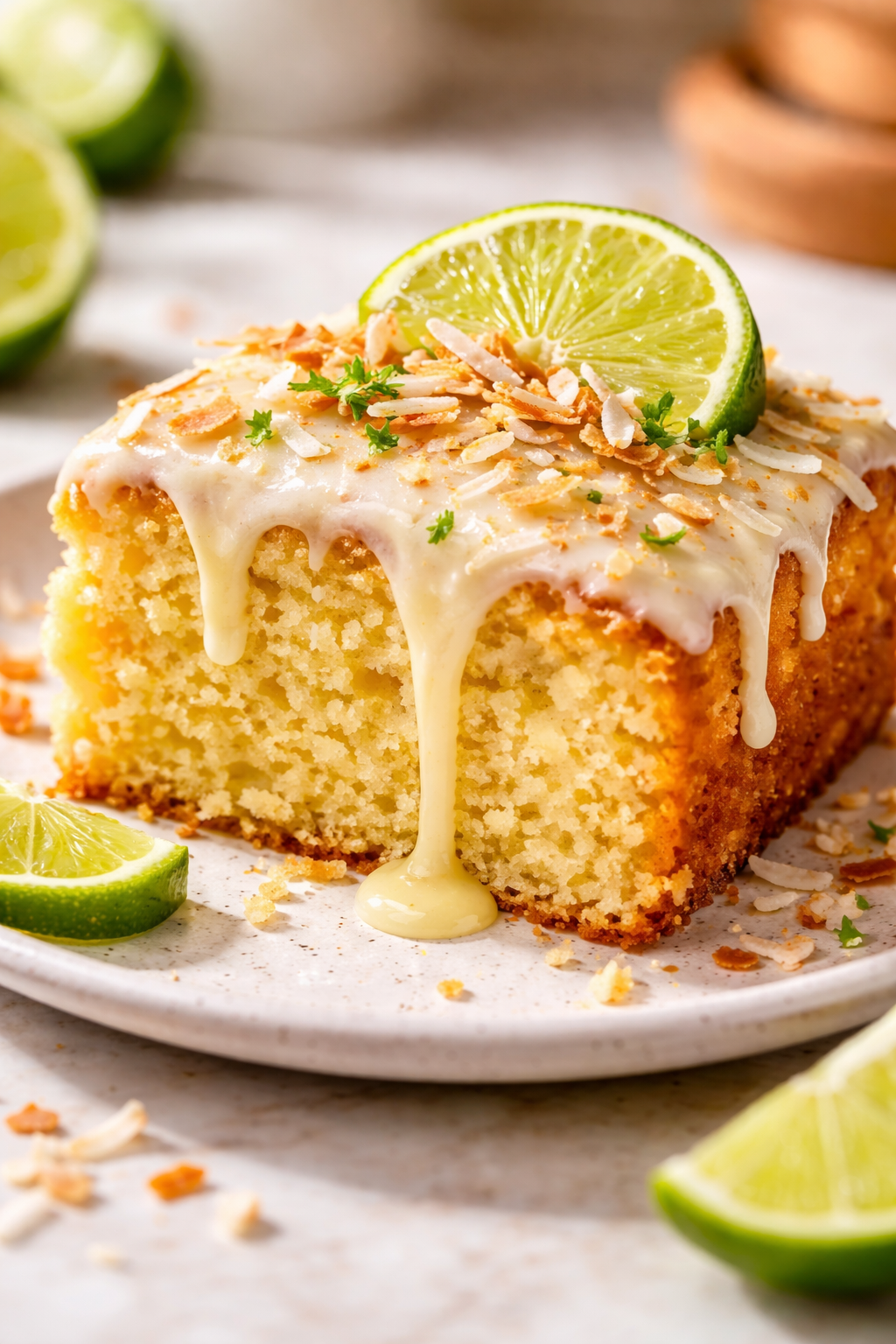
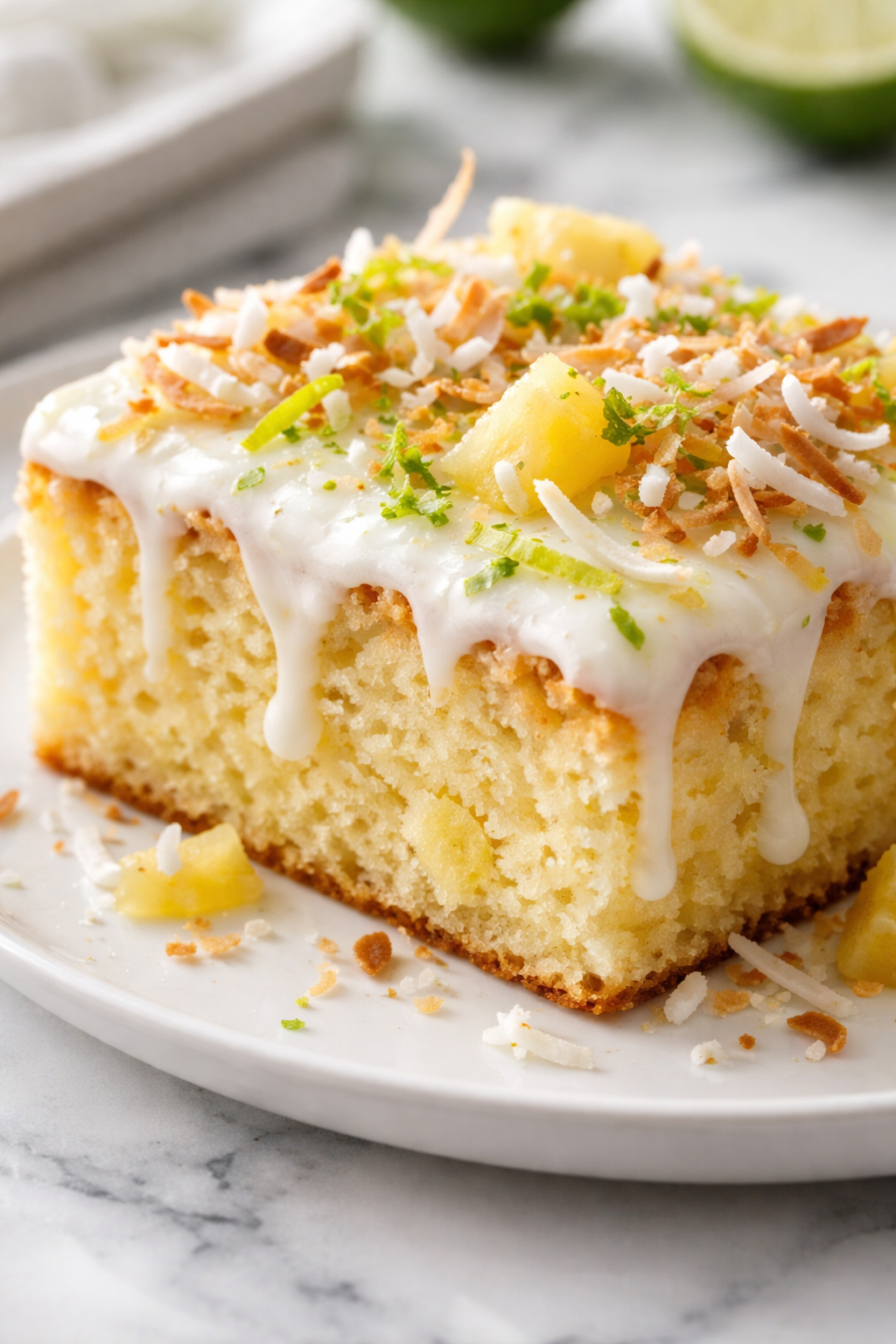
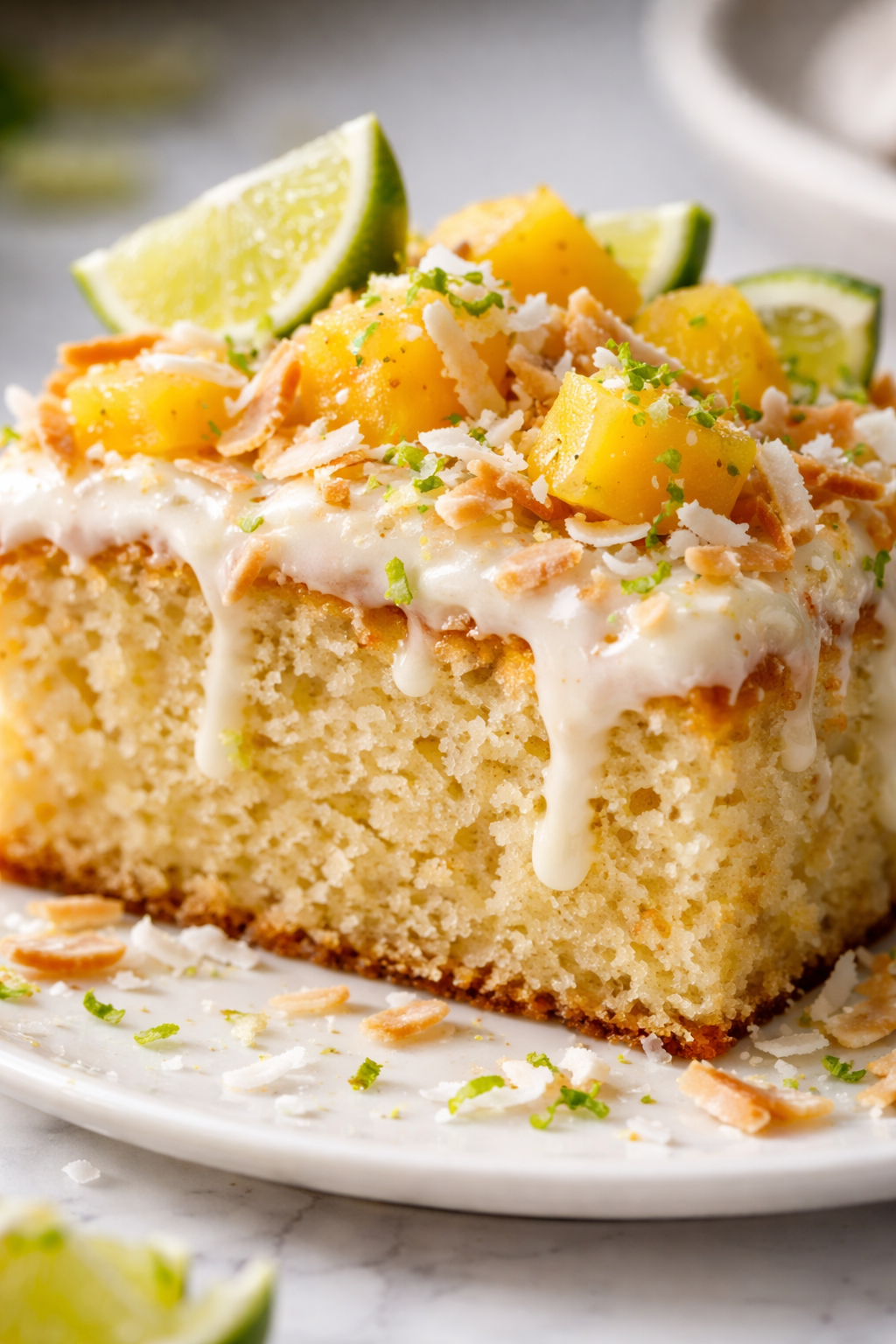
This coconut lime cake is light and fresh with just five ingredients. The zing of lime pairs perfectly with the subtle sweetness of coconut, making it a great choice for casual weekends or summer gatherings.
Introduction
I first made this coconut lime cake on a lazy weekend when I wanted something tropical but simple—no fuss, just fresh flavors. What sets this cake apart is how the coconut milk and shredded coconut add moistness and texture, while the lime zest and juice give it a bright, vibrant note that feels like a mini vacation in every bite. I’ve tried versions with heavy creams or complicated frostings, but this one nails it with just the basics. The secret? Don’t skimp on the lime zest; it really wakes up the flavor and balances the sweetness perfectly. When it’s done, the cake has a tender crumb and a subtle coconut aroma that’s not overpowering. It’s perfect for a casual afternoon tea or a light dessert after a summer meal. Plus, it’s forgiving enough for newbie bakers to get right on their first try. I love how easy it is to whip up but still feels special enough to share with friends.
What You'll Need
8 servings, one 9-inch round cake
- 1 1/2 cups all-purpose flour, sifted
- 1 cup granulated sugar
- 1/2 cup shredded coconut, unsweetened
- 1/2 cup coconut milk, full fat
- 2 large eggs
- 1/4 cup fresh lime juice
- 1 tablespoon lime zest
- 1 teaspoon baking powder
- 1/4 teaspoon salt
- 1/2 teaspoon vanilla extract
How To Do It
Step 1
Preheat your oven to 350°F (175°C) and grease a 9-inch round cake pan. This step is crucial because an evenly greased pan prevents sticking and ensures the cake bakes evenly. Using parchment paper on the bottom can help with removal too. A common mistake is skipping this prep and ending up with a crumbly mess when trying to get the cake out.
⏱ Time: 10 minutes
✓ Doneness: Pan is evenly coated with no bare spots; parchment lies flat
Step 2
In a medium bowl, whisk together the flour, baking powder, salt, and shredded coconut. Sifting the flour and baking powder together helps to aerate the mixture, which contributes to a lighter cake texture. The coconut adds a subtle chew and flavor. Mixing dry ingredients first prevents clumps and ensures even distribution in the batter.
⏱ Time: 5 minutes
✓ Doneness: Dry ingredients are well combined with no lumps
Step 3
In a large bowl, whisk the eggs and sugar until pale and slightly thickened. This aerates the eggs and dissolves the sugar, helping the cake rise and giving it a tender crumb. Rushing this step means less volume, so take your time to get a light, frothy mixture.
⏱ Time: 3-5 minutes
✓ Doneness: Mixture is pale yellow and slightly thickened
Step 4
Add the coconut milk, lime juice, lime zest, and vanilla extract to the egg mixture, stirring gently to combine. The acidity of the lime juice reacts with the baking powder later, helping the cake rise and giving a fresh tang. Mixing gently ensures you keep the air trapped in the eggs.
⏱ Time: 2 minutes
✓ Doneness: Wet ingredients are uniformly mixed with lime zest visible
Step 5
Gradually fold the dry ingredients into the wet mixture using a spatula. Folding keeps as much air as possible in the batter, which is key for a light texture. Overmixing at this stage can develop gluten and make the cake dense, so fold until just combined.
⏱ Time: 3-4 minutes
✓ Doneness: No streaks of flour remain, batter is smooth and slightly thick
Step 6
Pour the batter into the prepared pan and smooth the top with a spatula. Even spreading helps the cake bake uniformly. Tap the pan gently on the counter to release any big air bubbles that could cause uneven holes in the crumb.
⏱ Time: 2 minutes
✓ Doneness: Batter surface is level and bubbles have settled
Step 7
Bake in the preheated oven for 28-32 minutes. Check doneness by inserting a toothpick in the center; it should come out clean or with a few moist crumbs. Avoid opening the oven too often early on to prevent the cake from collapsing.
⏱ Time: 30 minutes
✓ Doneness: Golden edges and toothpick test clean
Step 8
Let the cake cool in the pan for 10 minutes, then invert onto a wire rack to cool completely. Cooling in the pan too long traps steam and makes the bottom soggy. A wire rack allows air to circulate and keeps the cake texture perfect.
⏱ Time: 20 minutes
✓ Doneness: Cake releases easily from pan and feels firm but springy
Step 9
Serve plain or dust with powdered sugar for a simple finish. You can also top with fresh lime slices or toasted coconut for extra flair. This cake tastes best at room temperature to enjoy the full spectrum of flavors and moistness.
⏱ Time: 5 minutes
✓ Doneness: Cake looks inviting with light golden crust and moist crumb
Pro Tips
Always zest the lime before juicing it.
Zesting first ensures you capture all the aromatic oils from the lime’s skin. If you juice first, the fruit becomes slippery and harder to zest. The oils in the zest add a vibrant, fresh flavor that bottled lime juice can’t replicate.
Don’t overmix when folding in dry ingredients.
Overmixing activates gluten in the flour, which toughens the cake’s crumb. Folding gently until just combined keeps the texture tender and light, which is especially important in a delicate cake with coconut milk.
Use room temperature eggs and coconut milk.
Bringing ingredients to room temp helps them blend smoothly, ensuring an even batter. Cold ingredients can cause the coconut milk to seize or curdle and make it harder to trap air in the eggs, affecting the cake’s rise and texture.
Line the bottom of your cake pan with parchment paper.
This prevents sticking and makes it easier to remove the cake without breaking. Greasing alone sometimes isn’t enough with moist cakes that have shredded coconut, which can cling to the pan.
Let the cake cool completely before slicing.
Cutting while warm can cause the crumb to crumble or become gummy. Cooling allows the cake’s structure to set and flavors to meld, giving a cleaner slice and better taste.
Use fresh baking powder for best rise.
Baking powder loses potency over time. Fresh leavening is key to achieving the light, airy texture that balances the cake’s richness. Test it by adding a bit to warm water to see if it bubbles vigorously.
Toast the shredded coconut for a nutty flavor.
Briefly toasting the coconut before adding it to the batter enhances its flavor and adds a subtle crunch. Be careful not to burn it, as burnt coconut tastes bitter and will overpower the cake.
Common Mistakes to Avoid
Using bottled lime juice instead of fresh.
Why it happens Sometimes cooks grab bottled juice for convenience, assuming it’s the same. Bottled juice lacks the essential oils and brightness of fresh lime, which dulls the flavor.
Fix Always use fresh limes, zest before juicing, and measure juice accurately. This keeps the cake tasting vibrant and ensures the acid reacts properly with the leavening.
Overmixing the batter after adding dry ingredients.
Why it happens It’s tempting to keep stirring to remove lumps, but this develops gluten, making the cake tough.
Fix Fold gently with a spatula just until flour disappears. Stop mixing as soon as it’s combined to maintain a tender crumb.
Skipping greasing or parchment lining the pan.
Why it happens Sometimes we underestimate how sticky coconut can be and rely on greasing alone.
Fix Grease thoroughly and line the bottom with parchment to prevent the cake from sticking and breaking apart.
Cutting the cake before it cools.
Why it happens Eager to taste, many slice warm cake, which hasn’t set yet and crumbles easily.
Fix Let the cake cool completely on a wire rack. This helps it firm up and slice cleanly.
Using low-fat or light coconut milk.
Why it happens To reduce calories, some substitute light coconut milk but don’t realize it affects moisture and richness.
Fix Use full-fat coconut milk for best texture and flavor. Light versions can result in a drier, less flavorful cake.
Variations
Vegan Coconut Lime Cake
Swap eggs for flax eggs (1 tbsp flaxseed meal + 3 tbsp water per egg) and use a plant-based yogurt or applesauce to replace coconut milk. The cake will be slightly denser but still moist with the same tropical zing.
Note: Baking time may increase by 5-7 minutes; check doneness carefully as texture differs.
Coconut Lime Bundt Cake with Glaze
Bake the batter in a bundt pan and drizzle a simple glaze made from powdered sugar and lime juice on top. This adds a shiny finish and extra zing, perfect for special occasions.
Note: Increase bake time by 5-10 minutes due to pan shape; test doneness with a skewer.
Add Fresh Berries
Fold in 1 cup of fresh blueberries or raspberries for a juicy burst and color contrast. The berries add a lovely tartness that complements the lime and coconut beautifully.
Note: Gently fold berries in last to avoid crushing; may require a slightly longer bake time.
Coconut Lime Cupcakes
Portion the batter into cupcake liners for individual servings. Top with a whipped coconut cream frosting and lime zest for a festive presentation.
Note: Bake for 18-22 minutes; watch closely to avoid overbaking.
Spiced Coconut Lime Cake
Add 1 tsp ground ginger and 1/2 tsp cinnamon to the dry ingredients for a warm spice note that pairs surprisingly well with the lime and coconut flavors.
Note: Spices deepen flavor but don’t affect baking time significantly.
Nutrition
Per Serving:
Nutritional values are estimates and may vary based on specific ingredients used.
Storage & Tips
Room Temperature
This cake can be kept at room temperature, covered tightly with plastic wrap or in an airtight container, for up to 2 days. Keep it away from direct sunlight or heat to avoid drying out.
Refrigerator
Store leftover cake in an airtight container in the fridge for up to 5 days. The cake may firm up and the coconut milk flavor deepens when chilled. Bring to room temperature before serving for best taste.
Freezer
Wrap the cooled cake tightly in plastic wrap and then foil to prevent freezer burn. Freeze for up to 2 months. Thaw overnight in the fridge and warm slightly in the oven or microwave to refresh moisture.
Reheating
Warm slices gently in a microwave for 15-20 seconds or in a 300°F oven for 5-7 minutes. Adding a small splash of coconut milk before warming can help restore moisture. Avoid overheating which can dry out the cake.
Make Ahead
You can prepare the batter a day ahead and keep it covered in the fridge. Bring it to room temperature and stir gently before baking. The baked cake also freezes well, so make it in advance for gatherings.
FAQ
Can I use bottled lime juice instead of fresh?
I don’t recommend it because bottled lime juice lacks the fresh zest and essential oils that give this cake its bright flavor. Fresh lime juice also reacts better with the baking powder to help the cake rise. If you must use bottled, try to add some lime zest to compensate.
What happens if I overmix the batter?
Overmixing develops gluten in the flour, which can make the cake dense and tough instead of light and tender. It's best to fold the dry ingredients into the wet just until combined to avoid this.
Can I substitute coconut milk with regular milk?
You can, but the cake will lose some of its coconut flavor and moistness. Coconut milk adds fat and aroma that regular milk doesn’t provide, so if you substitute, consider adding a bit of coconut extract.
How do I store leftover cake?
Keep the cake in an airtight container at room temperature for up to 2 days or refrigerate for up to 5 days. If refrigerated, bring it to room temperature before eating for the best texture.
Can I freeze this cake?
Yes, wrap it tightly in plastic and foil and freeze for up to 2 months. Thaw overnight in the fridge and warm gently before serving to restore moisture.
What’s the best way to zest a lime?
Use a microplane or fine grater to zest just the green outer skin, avoiding the bitter white pith underneath. Zest before juicing for ease.
Why does my cake sometimes sink in the middle?
This can happen if the oven temperature is too low, or if you open the oven door too early, disturbing the rising process. Make sure your oven is calibrated and avoid opening it until near the end of baking.
Can I make this cake gluten-free?
Yes, substitute the flour with a gluten-free all-purpose blend. The texture might be a bit different—often crumbly—but the flavor will still shine.
Final Thoughts
Give this coconut lime cake a try and bring a little tropical sunshine into your kitchen. I’d love to hear how it turns out for you!