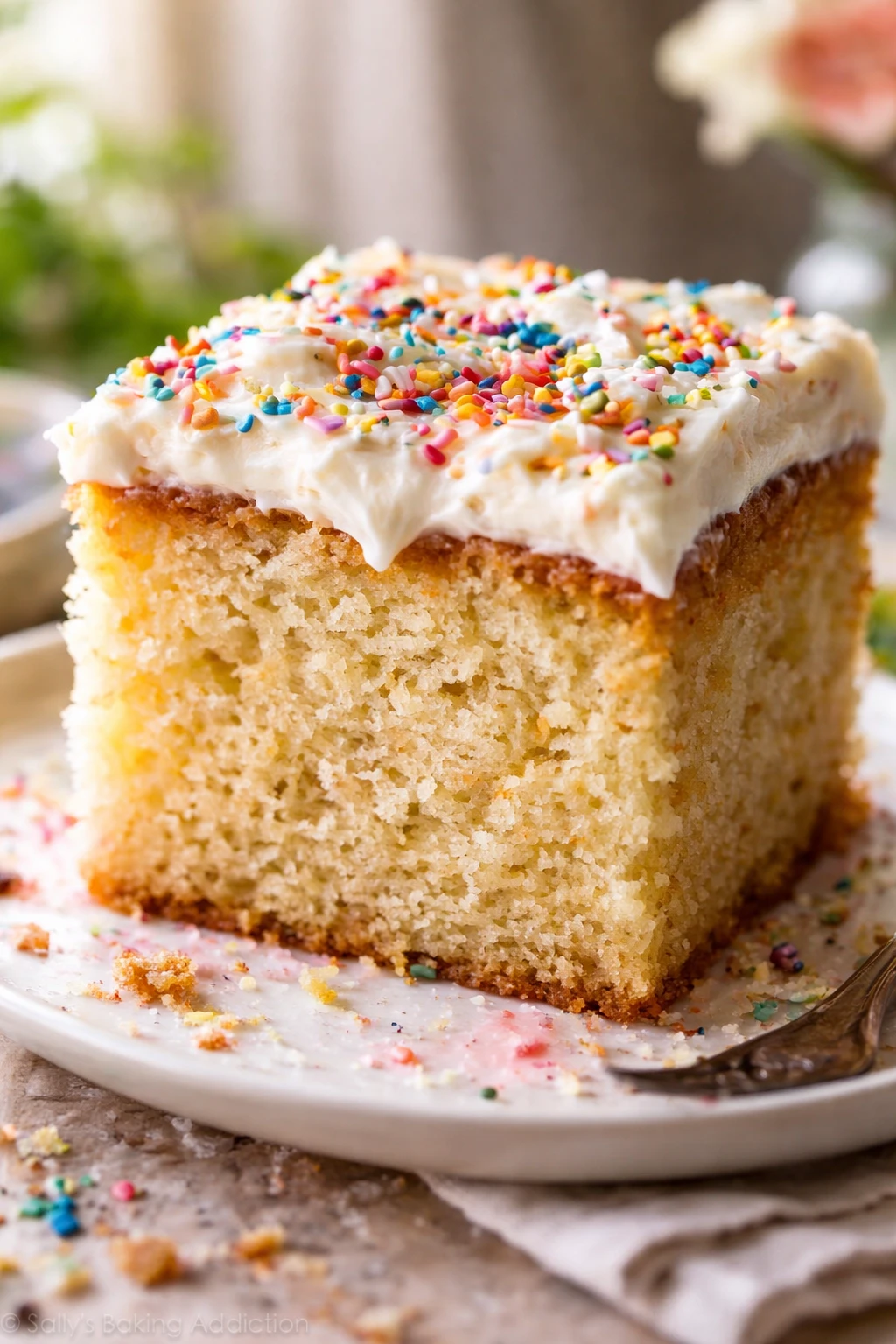
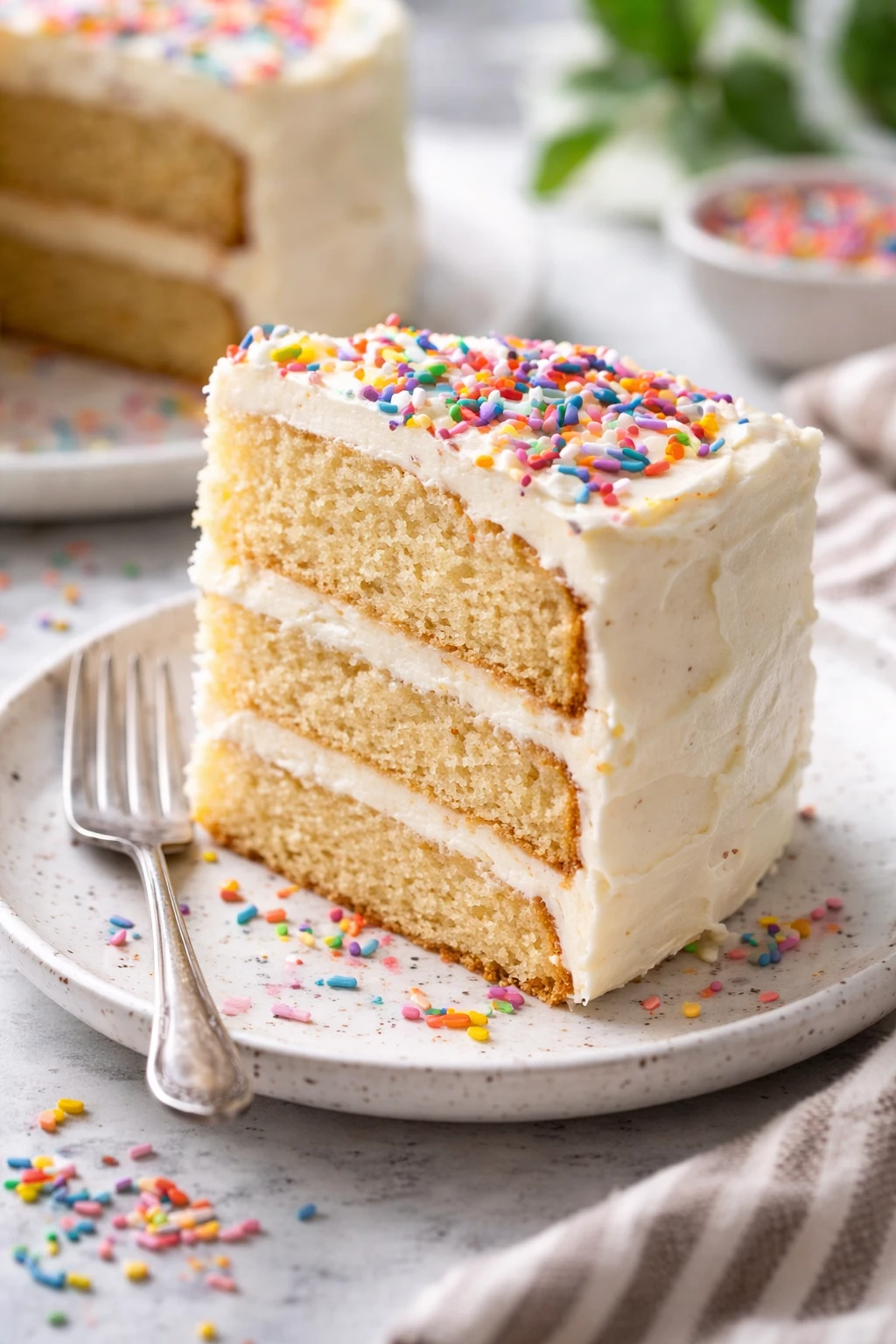
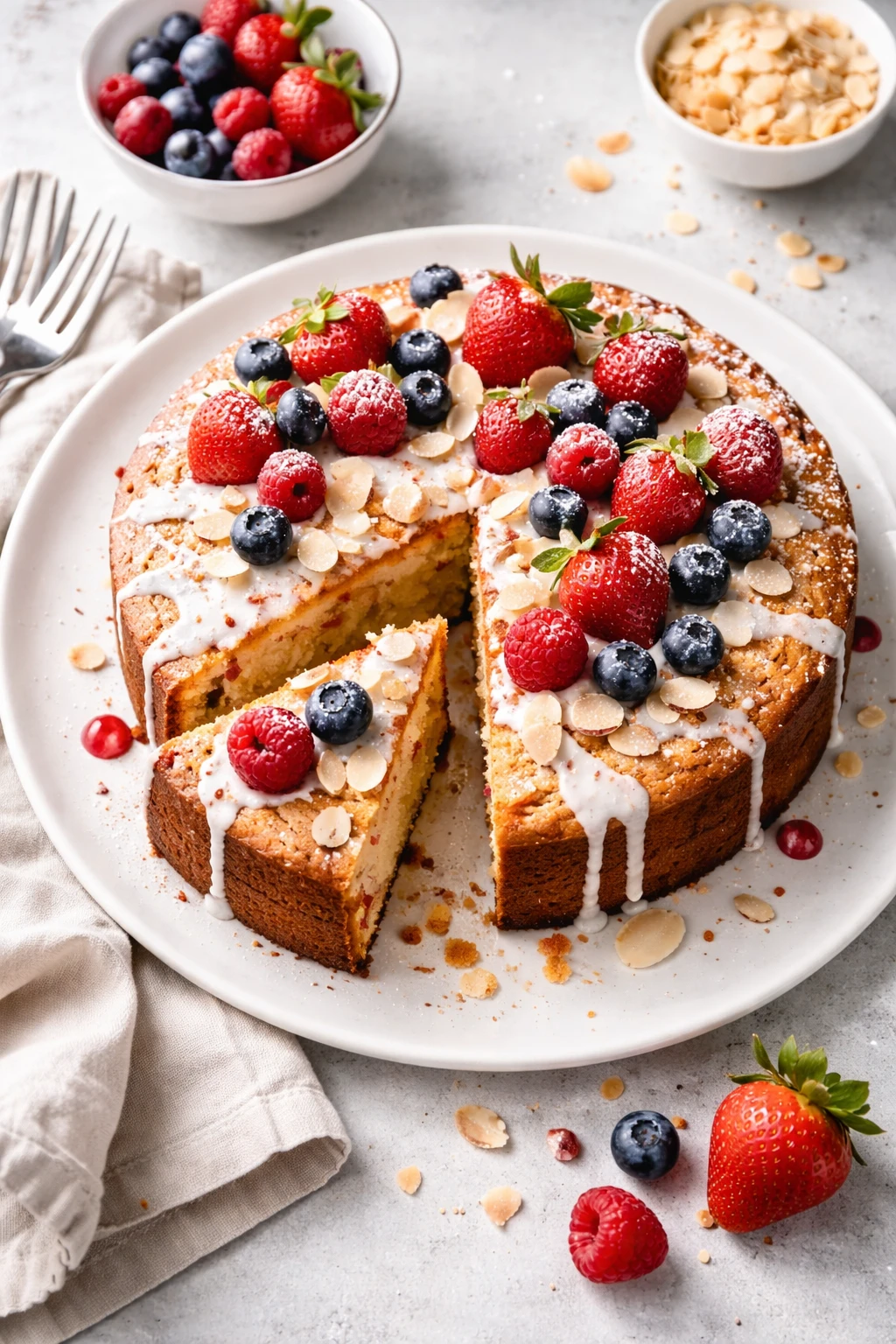
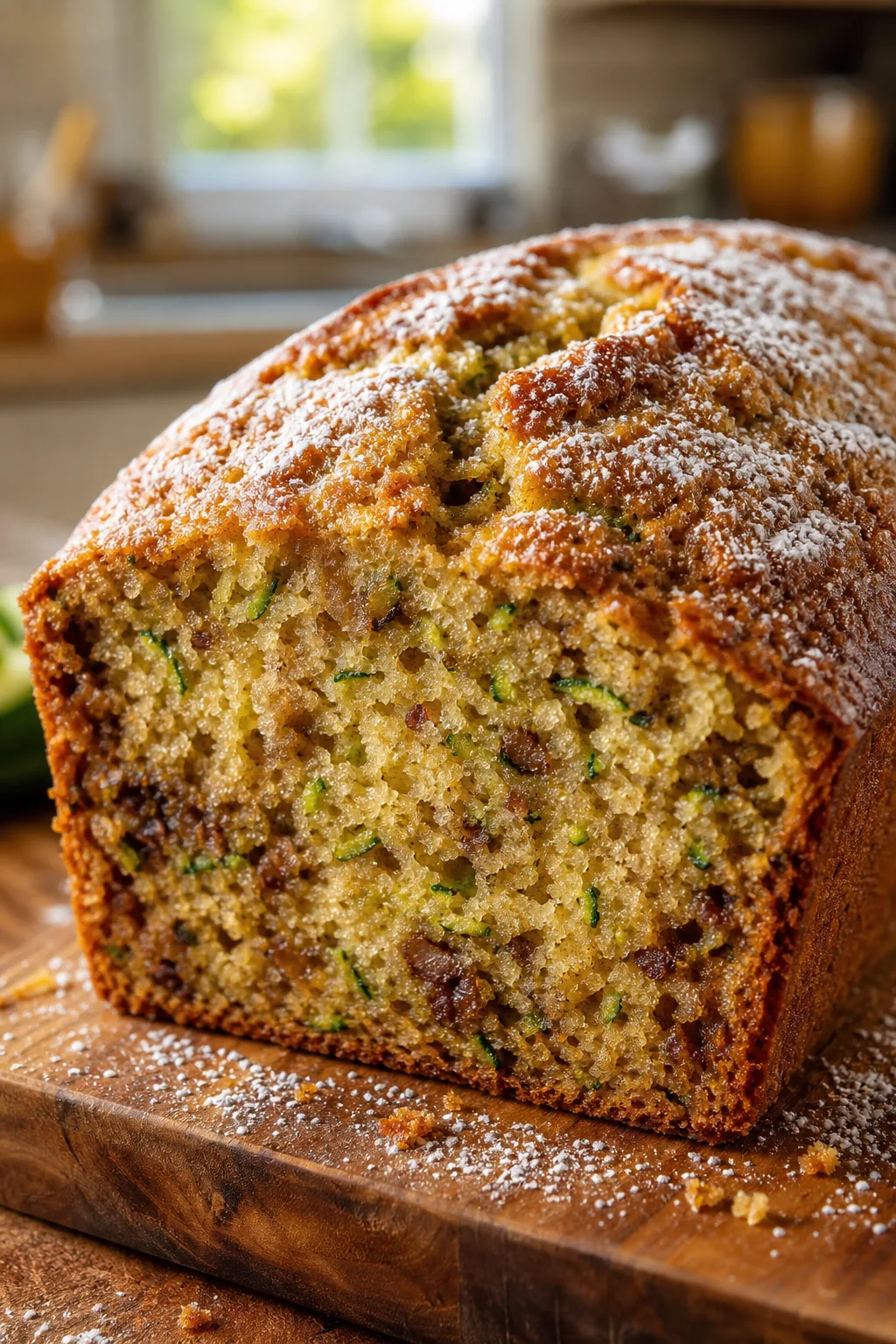
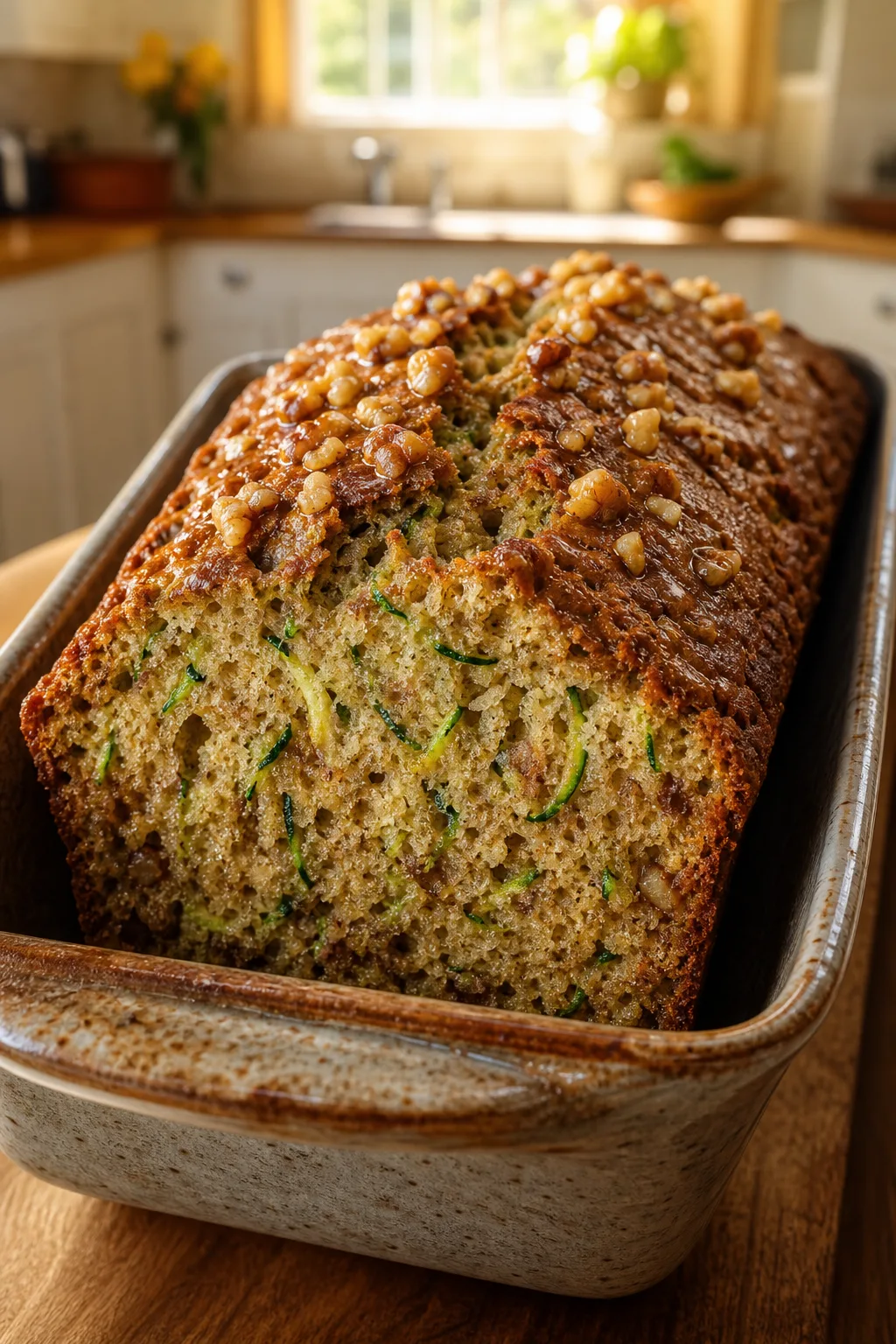
This one bowl vanilla cake is the ultimate no-fuss treat. Super moist with a simple mixing trick, it’s perfect for casual get-togethers or a cozy afternoon tea. You’ll love how easy it is!
Introduction
I first stumbled upon this one bowl vanilla cake recipe during a hectic week when I wanted something sweet but didn’t feel like wrestling with multiple bowls and steps. What I love most is how simple it is—no fancy equipment, no complex layering, just straightforward ingredients mixed together effortlessly. The trick I learned is to add the wet ingredients gradually into the dry and mix gently, which keeps the batter light and airy, resulting in a beautifully moist, tender crumb. I’ve tried many vanilla cakes before, but this one always comes out soft and flavorful without any fuss. It’s perfect for afternoon tea with friends or even a last-minute dessert. The golden crust and tender inside make it feel special even though it’s so easy. Honestly, I’ve had moments where I almost overmixed it and the texture was off, but once I got the hang of it, it became my go-to. You’ll end up with a cake that’s delicate, moist, and just sweet enough, with that warm vanilla aroma filling your kitchen. Trust me, this one bowl wonder will become one of your favorites too!
What You'll Need
One 8-inch round cake, 8 servings
- 1 1/2 cups (190g) plain flour, sifted
- 1 cup (200g) caster sugar
- 2 teaspoons baking powder
- 1/2 teaspoon salt
- 1/2 cup (120ml) vegetable oil
- 3/4 cup (180ml) milk, at room temperature
- 2 large eggs, at room temperature
- 2 teaspoons vanilla extract
How To Do It
Step 1
Preheat your oven to 350°F (175°C) and grease an 8-inch round cake pan or line it with parchment paper. This ensures the cake releases easily after baking without sticking. It’s important not to skip this step because a well-prepared pan means your cake keeps its shape and looks pretty when you serve it.
⏱ Time: 10
✓ Doneness: Pan is fully greased or parchment paper is smoothly fitted without wrinkles
Step 2
In a large mixing bowl, sift together the flour, sugar, baking powder, and salt. Sifting helps aerate the dry ingredients and removes lumps, which leads to a smoother batter and lighter cake texture. Mixing these dry ingredients first ensures even distribution of the leavening agent, so the cake rises uniformly.
⏱ Time: 5
✓ Doneness: Dry ingredients are combined evenly with no visible clumps
Step 3
Make a well in the center of the dry ingredients and pour in the vegetable oil, milk, eggs, and vanilla extract. Using a spatula or wooden spoon, gently fold the wet ingredients into the dry. The key here is to mix just until combined—overmixing can develop gluten and make the cake dense or tough.
⏱ Time: 5
✓ Doneness: Batter is smooth with no streaks of flour but still slightly thick
Step 4
Pour the batter into the prepared pan, smoothing the top with the back of a spoon or spatula. This helps the cake bake evenly and develop a nice, flat top that’s easy to frost or serve as is. Avoid tapping the pan too hard to prevent air bubbles from escaping prematurely.
⏱ Time: 2
✓ Doneness: Batter evenly spread and surface smoothed out
Step 5
Bake the cake in the preheated oven for 25-30 minutes. Start checking at 25 minutes by inserting a toothpick in the center; it should come out clean or with a few moist crumbs. Baking too long dries the cake out, so keep an eye on it during the last few minutes.
⏱ Time: 30
✓ Doneness: Toothpick inserted in center comes out clean or with moist crumbs
Step 6
Once baked, remove the cake from the oven and let it cool in the pan for about 10 minutes. Cooling slightly in the pan helps the cake set and makes it easier to remove without breaking. Don’t try to unmold it while it’s too hot or it might crumble.
⏱ Time: 10
✓ Doneness: Cake edges start pulling away from pan sides slightly
Step 7
Run a knife around the edges to loosen the cake, then turn it out onto a wire rack to cool completely. Cooling on a rack prevents condensation and sogginess on the bottom, keeping the texture perfect for serving or frosting.
⏱ Time: 20
✓ Doneness: Cake is fully cooled to room temperature and firm to touch
Step 8
If desired, dust the cooled cake with powdered sugar or frost with your favorite icing. This step is optional but adds a lovely finishing touch. If frosting, make sure the cake is completely cool so the icing doesn’t melt or slide off.
⏱ Time: 10
✓ Doneness: Icing or dusting applied evenly without melting
Step 9
Slice and serve! This cake is best enjoyed fresh but can be stored covered at room temperature for a day or two. The moist, tender crumb holds up beautifully, making it a perfect everyday treat or casual celebration cake.
⏱ Time: 5
✓ Doneness: Clean slices with a tender, moist crumb
Pro Tips
Always use room temperature eggs and milk for best mixing results.
Using ingredients at room temperature ensures they combine smoothly and evenly. Cold eggs or milk can cause the batter to curdle or not mix properly, leading to uneven texture or dense spots in the cake.
Sift your dry ingredients to remove lumps and aerate the flour.
Sifting adds air to the flour, helping your cake rise better and have a lighter texture. It also prevents clumps of baking powder or sugar that might cause uneven baking or unpleasant bites.
Mix the batter gently and just until combined to avoid developing gluten.
Overmixing activates gluten in the flour, making the cake tough or chewy instead of soft and tender. Gentle folding keeps the crumb light and moist.
Grease your pan well or line it with parchment paper to prevent sticking.
A properly prepared pan ensures your cake releases easily and stays intact. Skipping this can cause the cake to break or crumble when removing from the pan.
Check the cake starting at 25 minutes to avoid overbaking.
Baking too long dries out the cake, making it crumbly rather than moist. Testing early helps catch the perfect moment when the cake is fully baked but still tender.
Cool the cake in the pan briefly before transferring to a wire rack.
This step helps the cake set and prevents it from breaking apart. Cooling on a rack avoids sogginess from trapped steam.
Use vanilla extract for authentic flavor; avoid artificial substitutes.
Real vanilla extract adds depth and warmth to the cake’s flavor. Artificial flavors can taste harsh or chemical, diminishing the cake’s appeal.
Common Mistakes to Avoid
Overmixing the batter
Why it happens Many home bakers think mixing longer makes the batter smoother or better combined, but it actually develops gluten strands.
Fix Mix ingredients gently just until no dry flour remains. Use a spatula and fold rather than beat vigorously. This keeps the cake tender and moist.
Using cold eggs or milk
Why it happens Sometimes ingredients are taken straight from the fridge to save time, but cold liquids don’t emulsify well.
Fix Let eggs and milk sit at room temperature for about 30 minutes before starting. This ensures smooth mixing and even texture.
Not preparing the pan properly
Why it happens Rushing or skipping greasing can cause sticking and crumbling when removing the cake.
Fix Grease the pan thoroughly with butter or oil, then lightly flour it or use parchment paper for easy release.
Overbaking the cake
Why it happens Leaving the cake in the oven too long dries it out, often from guessing baking times.
Fix Check with a toothpick at 25 minutes; remove as soon as it comes out clean or with moist crumbs.
Using expired baking powder
Why it happens Baking powder loses potency over time, so old powder won’t help the cake rise.
Fix Test baking powder by mixing a small amount with hot water; it should bubble vigorously. Replace if not active.
Variations
Lemon Zest One Bowl Cake
Add 1 tablespoon of freshly grated lemon zest and a tablespoon of lemon juice to the batter for a fresh citrus twist. This variation brightens the flavor and pairs beautifully with a light glaze or powdered sugar dusting.
Note: Because lemon juice adds acidity, reduce milk slightly to keep batter consistency. Bake as usual but watch for a slightly faster browning.
Chocolate Swirl One Bowl Cake
Fold 1/4 cup of cocoa powder into half the batter, then swirl it into the vanilla batter before baking. This creates a marbled effect and adds a rich chocolate flavor without extra fuss.
Note: Use a gentle swirling motion to avoid overmixing. Baking time remains the same, but test with a toothpick to confirm doneness.
Gluten-Free One Bowl Cake
Swap plain flour with a gluten-free all-purpose blend that includes xanthan gum. This keeps the cake tender and moist for gluten-sensitive diets without sacrificing texture or flavor.
Note: Gluten-free batters can be slightly thicker; consider adding a tablespoon more milk if needed. Bake at the same temperature but check doneness a few minutes early.
Spiced Vanilla One Bowl Cake
Add 1 teaspoon cinnamon and 1/2 teaspoon nutmeg to the dry ingredients for a warm, spiced flavor perfect for fall or winter gatherings. This subtle spice adds depth without overpowering the vanilla.
Note: The spices blend well with vanilla, so no other changes needed. Bake as directed and enjoy the cozy aroma.
One Bowl Cake with Greek Yogurt
Replace half the milk with Greek yogurt to add tanginess and extra moisture. This makes the cake even more tender and adds a slight richness that’s delightful.
Note: Yogurt thickens the batter slightly; mix carefully to maintain lightness. Baking time remains unchanged.
Nutrition
Per Serving:
Nutritional values are estimates and may vary based on specific ingredients used.
Storage & Tips
Room Temperature
Store the cake covered loosely with a clean tea towel or cake dome at room temperature for up to 2 days. This keeps the cake moist but avoid humid environments which can make it soggy.
Refrigerator
Keep the cake in an airtight container or wrapped tightly in plastic wrap in the fridge for up to 5 days. The cake may firm up and lose some moisture but can be warmed slightly before serving.
Freezer
Wrap the cooled cake tightly in plastic wrap and then foil to prevent freezer burn. Freeze for up to 2 months. Thaw overnight in the fridge or at room temperature before serving.
Reheating
Warm slices gently in the microwave for 15-20 seconds or in a low oven (300°F/150°C) for 5-8 minutes. Adding a small splash of milk or covering with foil helps restore moisture.
Make Ahead
You can prepare the batter a few hours ahead and keep it covered in the fridge before baking. Alternatively, bake the cake a day in advance, wrap it well, and frost or serve the next day for best flavor.
FAQ
Can I substitute butter for vegetable oil in this recipe?
Yes, but keep in mind that butter will make the cake slightly denser and add a richer flavor. Melt the butter before adding and allow it to cool slightly so it doesn’t cook the eggs. The cake might not be as moist as using oil.
What if I don’t have an 8-inch cake pan?
You can use a 9-inch pan but the cake will be thinner and bake faster, so start checking doneness around 20 minutes. Alternatively, use a loaf pan but increase baking time and test with a toothpick.
Why is my cake dense or heavy?
This usually happens if the batter was overmixed, activating gluten, or if the baking powder is old and not giving enough rise. Also, check that you measured ingredients correctly and used room temperature liquids.
Can I make this cake vegan?
You can substitute eggs with flax eggs (1 tablespoon ground flaxseed + 3 tablespoons water per egg) and use plant-based milk. Replace vegetable oil with a neutral oil. The texture might be slightly different but still tasty.
How do I store leftover cake?
Keep leftover cake in an airtight container at room temperature for 2 days or in the fridge for up to 5 days. Wrap tightly to prevent drying out. For longer storage, freeze as per instructions.
Can I add frosting to this cake?
Definitely! This vanilla cake pairs well with buttercream, cream cheese frosting, or a simple glaze. Just ensure the cake is completely cool before frosting to avoid melting.
What’s the best way to measure flour for this recipe?
Use a spoon to lightly fill your measuring cup and level it off with a knife rather than scooping directly from the bag, which can pack the flour and lead to too much in the batter causing dryness.
Can I double the recipe for a larger cake?
Yes, but bake in two pans rather than one larger pan to ensure even baking. Baking times may vary slightly; check doneness early to avoid overbaking.
Final Thoughts
I hope you give this one bowl vanilla cake a try—it's a simple, comforting treat that’s hard to beat. Let me know how yours turns out!