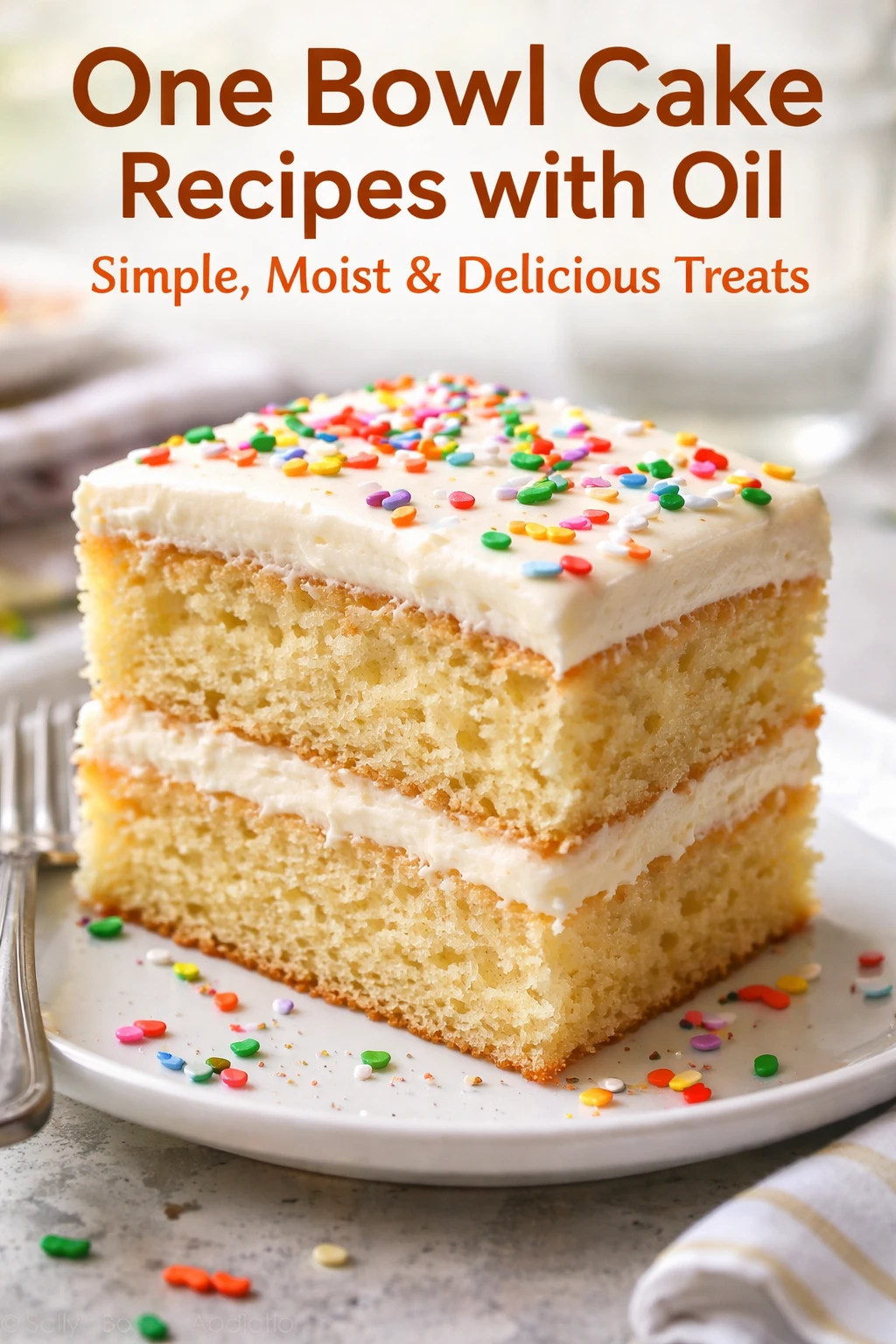
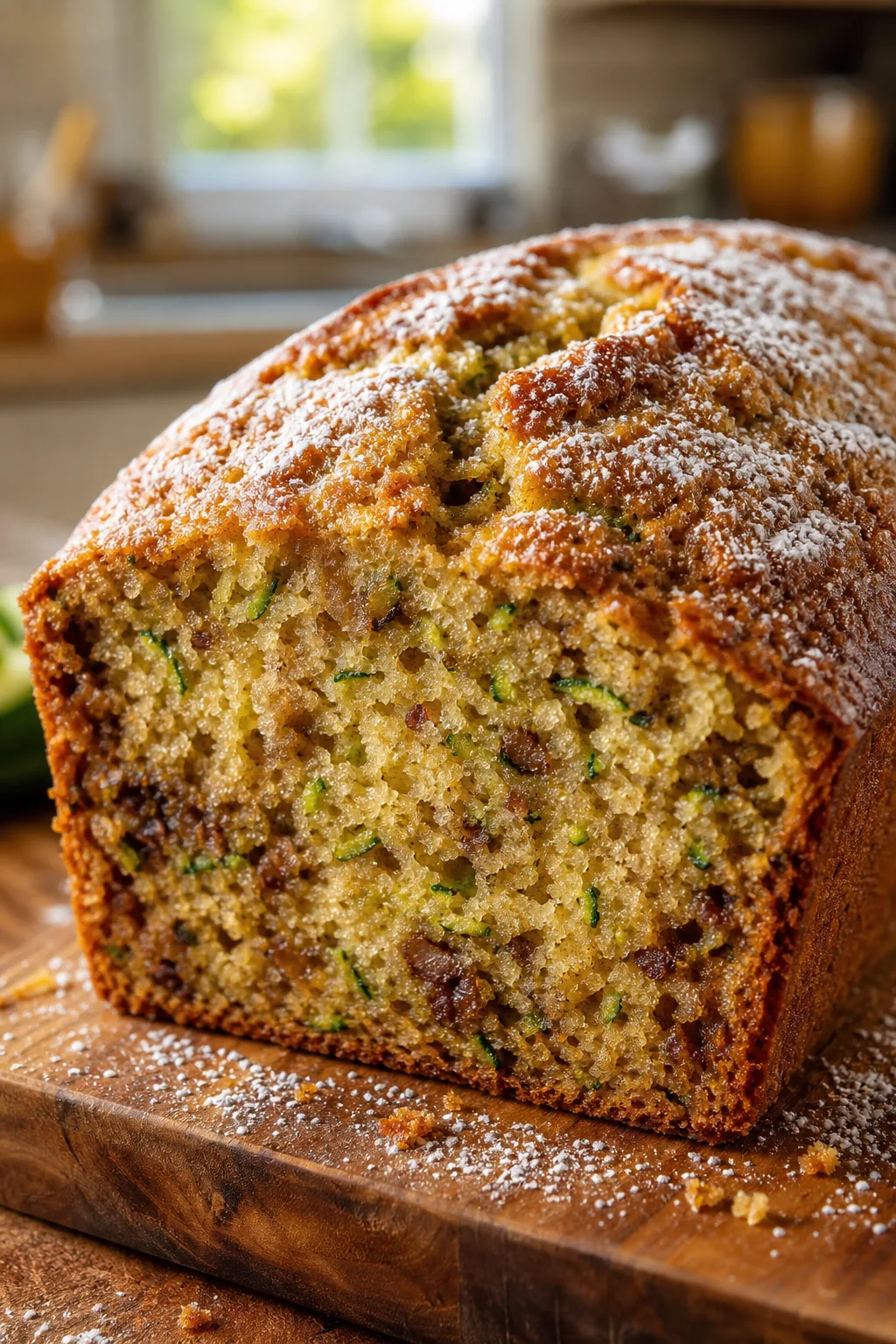
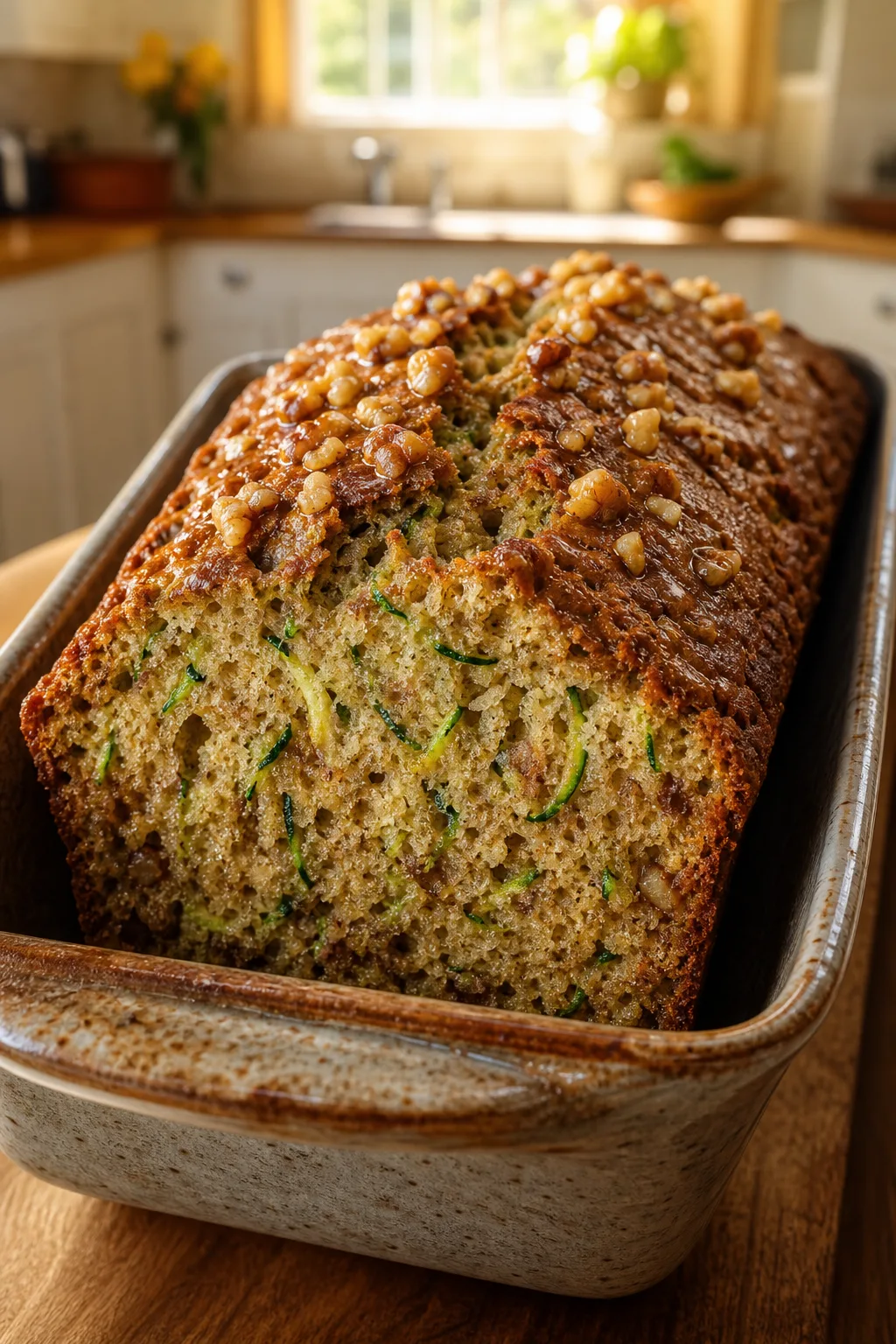
This simple one bowl cake is my go-to when I want a soft, moist treat without a lot of mess. Using oil instead of butter keeps it tender for days. Perfect for a last-minute dessert or afternoon snack!
Introduction
I’ve been making this one bowl oil cake for years, especially on days when I crave something sweet but don’t want to spend forever in the kitchen. The first time I tried it, I was surprised at how moist and tender it turned out, especially since it uses oil instead of butter. That switch makes a huge difference because oil keeps the crumb soft for days, unlike butter cakes that tend to dry out quickly. What I love most is how simple it is—just toss everything in one bowl, mix, and bake. No extra bowls, no complicated steps. I did mess up once by rushing and not sifting the flour, which made the texture a bit dense, so I always make sure to sift now for the lightest crumb. This cake has a subtle vanilla flavor and a soft crumb that’s perfect for an afternoon snack, a casual dessert, or even breakfast with a cup of coffee. It’s humble but reliable, and I think you’ll love how easy it is to whip up whenever you want something sweet without the fuss.
What You'll Need
One 9-inch round cake, 8 servings
- 1 1/2 cups all-purpose flour, sifted
- 1 cup granulated sugar
- 1/2 teaspoon baking soda
- 1/2 teaspoon baking powder
- 1/4 teaspoon salt
- 1/2 cup vegetable oil
- 1 cup buttermilk, room temperature
- 2 large eggs, room temperature
- 1 teaspoon vanilla extract
How To Do It
Step 1
Start by preheating your oven to 350°F (175°C) and greasing a 9-inch round cake pan. This step is crucial to ensure your cake doesn’t stick and comes out cleanly. I like to grease and then lightly flour the pan for extra insurance, especially when using oil instead of butter. Preheating also means the oven is ready to go when your batter is mixed, which helps the cake rise evenly.
⏱ Time: 10 minutes
✓ Doneness: Oven is fully preheated to 350°F before baking
Step 2
In a large bowl, sift together the flour, baking soda, baking powder, and salt. Sifting aerates the flour and removes lumps, which is key for a light, tender crumb. If you skip this, your cake might turn out dense or have little flour pockets. Take your time here to mix the dry ingredients evenly so the leavening agents distribute well.
⏱ Time: 5 minutes
✓ Doneness: Dry ingredients are evenly combined with no lumps
Step 3
Add the sugar to the dry ingredients and whisk them together gently. This helps ensure the sugar is evenly distributed, which affects how the cake sweetens and browns. Don’t skip this step because sugar impacts both texture and flavor.
⏱ Time: 2 minutes
✓ Doneness: Dry mix looks uniform with sugar well incorporated
Step 4
Make a well in the center of the dry ingredients and pour in the vegetable oil, buttermilk, eggs, and vanilla extract. Using room temperature eggs and buttermilk is important—they blend better and help the batter emulsify, resulting in a smoother texture. If ingredients are cold, the batter may curdle or be lumpy.
⏱ Time: 5 minutes
✓ Doneness: Wet ingredients are fully combined with dry, batter is smooth
Step 5
Gently mix all ingredients with a spatula or wooden spoon until just combined. Overmixing develops gluten, which can make the cake tough. Stop mixing as soon as you don’t see flour patches. This delicate folding preserves tenderness and moisture.
⏱ Time: 2 minutes
✓ Doneness: Batter is smooth but still slightly thick and glossy
Step 6
Pour the batter into your prepared pan and smooth the top with a spatula. This ensures even baking and a nice flat top for decorating or slicing. Avoid tapping the pan too hard, or you’ll lose the air bubbles that help the cake rise.
⏱ Time: 3 minutes
✓ Doneness: Batter evenly spread with no large air pockets on surface
Step 7
Bake in the preheated oven for 30-35 minutes. Keep an eye on the cake starting at 30 minutes; every oven is different. The cake is done when a toothpick inserted in the center comes out clean or with a few moist crumbs. Don’t open the oven too early or the cake might sink.
⏱ Time: 30-35 minutes
✓ Doneness: Golden top and toothpick comes out clean
Step 8
Once baked, remove the cake from the oven and let it cool in the pan for about 10 minutes. This resting helps the cake firm up and makes it easier to remove from the pan without breaking. Trying to unmold it while hot often causes it to crumble.
⏱ Time: 10 minutes
✓ Doneness: Cake feels set and slightly pulled away from pan edges
Step 9
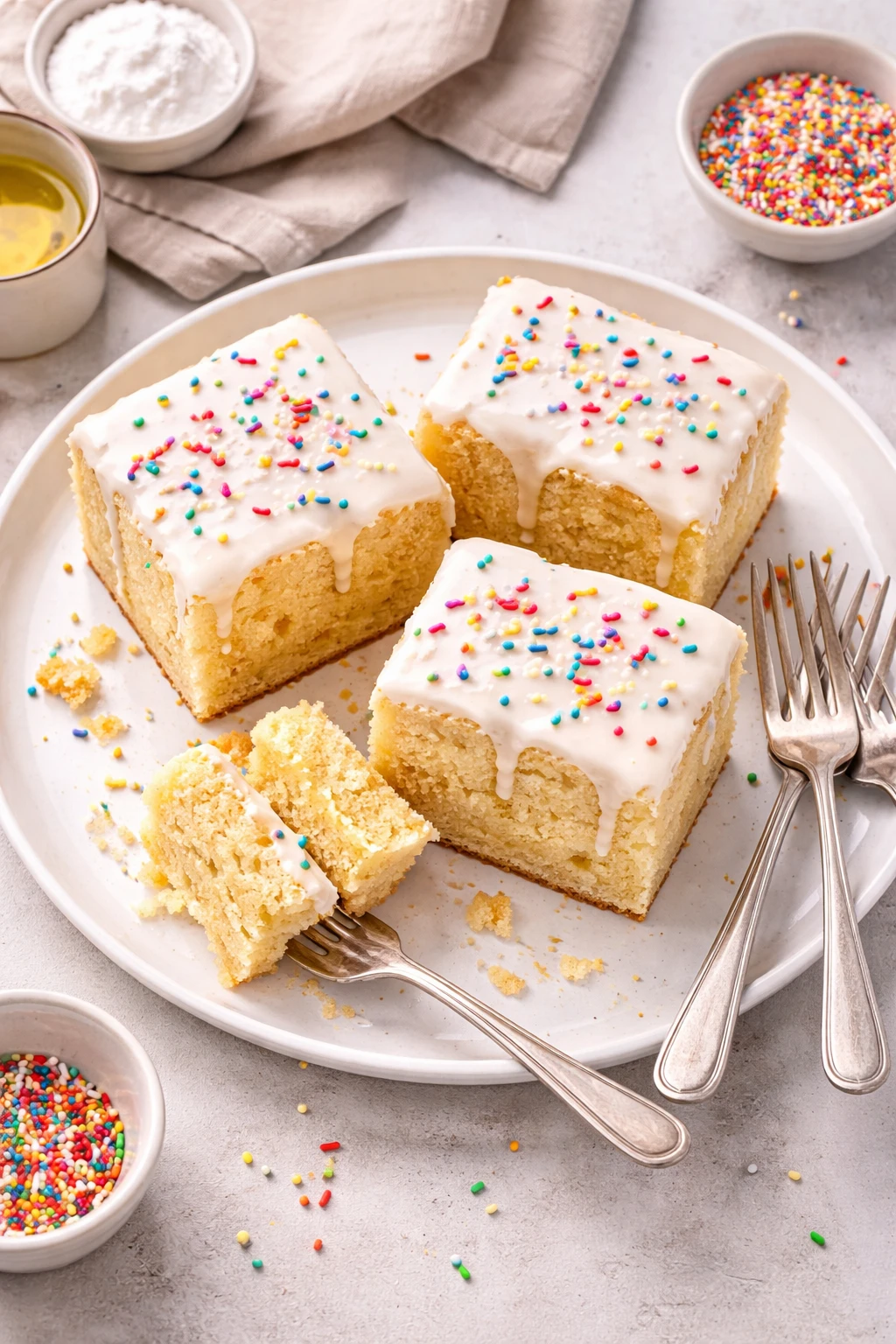
Run a knife around the edges and invert the cake onto a wire rack to cool completely. Cooling on a rack prevents sogginess from steam. Once cool, you can frost or serve it plain. This cake’s tender crumb is perfect with a dusting of powdered sugar or a simple glaze.
⏱ Time: 30 minutes
✓ Doneness: Cake is completely cool to the touch and holds its shape
Pro Tips
Always sift your dry ingredients together before mixing.
Sifting aerates the flour and evenly distributes leavening agents, which helps the cake rise uniformly and have a lighter crumb. Skipping this can cause lumps and dense spots.
Use room temperature eggs and buttermilk for the batter.
Room temperature ingredients blend more smoothly, helping emulsify the batter and trap air bubbles. This leads to a tender, moist cake with an even texture.
Mix the batter just until combined—don’t overmix.
Overmixing develops gluten in the flour, which results in a tougher, chewier cake. Gentle folding preserves air bubbles and keeps the crumb soft.
Preheat your oven fully before baking.
A properly preheated oven ensures consistent heat, which helps the cake rise evenly and develop a good crust. Baking in a cold oven can cause a dense or sunken cake.
Grease and lightly flour your pan to prevent sticking.
Oil cakes can sometimes stick since they lack the butter’s fat that helps release. Greasing and dusting with flour ensures easy removal without damaging the cake.
Let the cake cool in the pan for 10 minutes before removing.
This resting allows the cake to firm up and pull away from the pan edges, making it easier to unmold without breaking.
Use neutral-flavored oil to keep the taste clean.
Strongly flavored oils can overpower the delicate vanilla notes of the cake. A neutral oil ensures the flavor stays balanced and enjoyable.
Common Mistakes to Avoid
Overmixing the batter
Why it happens Many cooks think mixing longer makes the batter smoother, but it develops gluten, making the cake tough.
Fix Mix just until no dry flour remains. Use a spatula to fold gently and stop as soon as the batter looks uniform.
Using cold eggs or buttermilk
Why it happens Sometimes ingredients are taken straight from the fridge, which causes the batter to curdle or mix unevenly.
Fix Bring eggs and buttermilk to room temperature before mixing to ensure smooth emulsification.
Not preheating the oven
Why it happens Rushing to bake before the oven is hot can cause uneven rising or dense texture.
Fix Always preheat the oven fully to 350°F before putting the cake in.
Skipping sifting of dry ingredients
Why it happens Assuming it’s unnecessary can lead to lumps and uneven leavening.
Fix Sift flour, baking soda, baking powder, and salt together to aerate and combine them evenly.
Removing cake from pan too soon
Why it happens Trying to unmold hot cake often causes it to break or crumble.
Fix Let the cake cool in the pan for 10 minutes before removing to firm up.
Variations
Lemon Zest Oil Cake
Add 2 tablespoons of fresh lemon zest and a tablespoon of lemon juice to the batter for a bright, citrus twist. The tang complements the moist crumb beautifully and makes the cake refreshing for spring or summer.
Note: Reduce vanilla extract to 1/2 teaspoon to avoid overpowering lemon flavor.
Chocolate Swirl Oil Cake
Stir in 1/4 cup of cocoa powder with the dry ingredients and swirl in melted chocolate before baking for a marbled effect. This adds richness and a touch of indulgence without changing the moist texture.
Note: Add 1-2 tablespoons extra buttermilk if batter feels too thick after cocoa powder.
Spiced Cinnamon Oil Cake
Mix 1 teaspoon ground cinnamon and 1/4 teaspoon nutmeg into the dry ingredients for a warm, cozy flavor perfect for fall. This variation pairs well with a dusting of powdered sugar or a simple glaze.
Note: Omit vanilla extract or reduce to 1/2 teaspoon to let spices shine.
Gluten-Free Oil Cake
Replace all-purpose flour with a 1:1 gluten-free flour blend that includes xanthan gum. This makes the cake suitable for gluten-sensitive diets while maintaining tenderness and moisture.
Note: Check blend instructions for any batter hydration adjustments; usually no change needed.
Orange Almond Oil Cake
Add 1 teaspoon almond extract and 1 tablespoon orange zest to the batter. Fold in 1/4 cup sliced almonds for crunch. The nutty and bright flavors create a sophisticated twist on this classic cake.
Note: Toast almonds lightly before folding in to enhance flavor.
Nutrition
Per Serving:
Nutritional values are estimates and may vary based on specific ingredients used.
Storage & Tips
Room Temperature
This cake can be kept covered at room temperature for up to 2 days without drying out. Cover tightly with plastic wrap or a cake dome to maintain moistness and prevent it from absorbing other odors.
Refrigerator
Store the cake in an airtight container in the fridge for up to 5 days. The texture may firm up slightly when chilled, so bring to room temperature before serving or warm gently in the microwave for a few seconds.
Freezer
Wrap the cooled cake tightly in plastic wrap and then foil before freezing. It keeps well for up to 3 months. Thaw overnight in the fridge or at room temperature for a few hours to restore texture.
Reheating
Warm slices in the microwave for 15-20 seconds or in a low oven (300°F) for 10 minutes. Adding a small splash of milk or covering with foil helps retain moisture during reheating.
Make Ahead
You can mix the batter a day ahead and keep it refrigerated in an airtight container. Bring to room temperature before baking. Alternatively, bake the cake a day ahead and store it wrapped well; this actually helps the flavors meld and the texture improve.
FAQ
Can I substitute butter for oil in this recipe?
While you can swap butter for oil, keep in mind it will change the texture. Butter tends to make cakes firmer and drier over time, whereas oil keeps this cake moist longer. If using butter, melt it and cool before mixing, but expect a slightly different crumb.
What can I use if I don’t have buttermilk?
You can make a quick substitute by adding 1 tablespoon of lemon juice or white vinegar to 1 cup of milk and letting it sit for 5 minutes. This acidic mixture mimics buttermilk’s effect on the batter, helping it rise and tenderize.
Why is my cake dense or heavy?
Common causes include overmixing, not sifting dry ingredients, or baking in an oven that’s too cool. Be sure to sift, mix gently, and preheat your oven fully. Also, check your baking powder and soda are fresh for proper leavening.
Can I make this cake gluten-free?
Yes! Use a 1:1 gluten-free flour blend that includes xanthan gum to mimic gluten’s structure. The texture will be slightly different but still moist and delicious. No other changes are usually needed.
How do I know when the cake is done?
Insert a toothpick into the center of the cake; it should come out clean or with a few moist crumbs. The top should be golden and spring back lightly when pressed. Avoid opening the oven too early to prevent sinking.
Can I add fruit or nuts to this cake?
Absolutely! Fold in small amounts of chopped nuts or berries gently after mixing the batter. Be careful not to overload, as this can weigh down the cake and affect rising.
How long can I store the baked cake?
Stored properly at room temperature, it’s best eaten within 2 days. Refrigerated, it lasts up to 5 days but may firm up. Always keep it covered to maintain moisture.
Why does the cake sometimes crack on top?
Cracking can happen if the oven is too hot or the batter is too thick. Make sure to preheat the oven properly and don’t overmix. Also, avoid placing the cake too close to the top heating element.
Final Thoughts
I hope you enjoy making this easy, moist one bowl oil cake as much as I do! Don’t forget to share your baking adventures and tweaks with me—I love hearing from you.