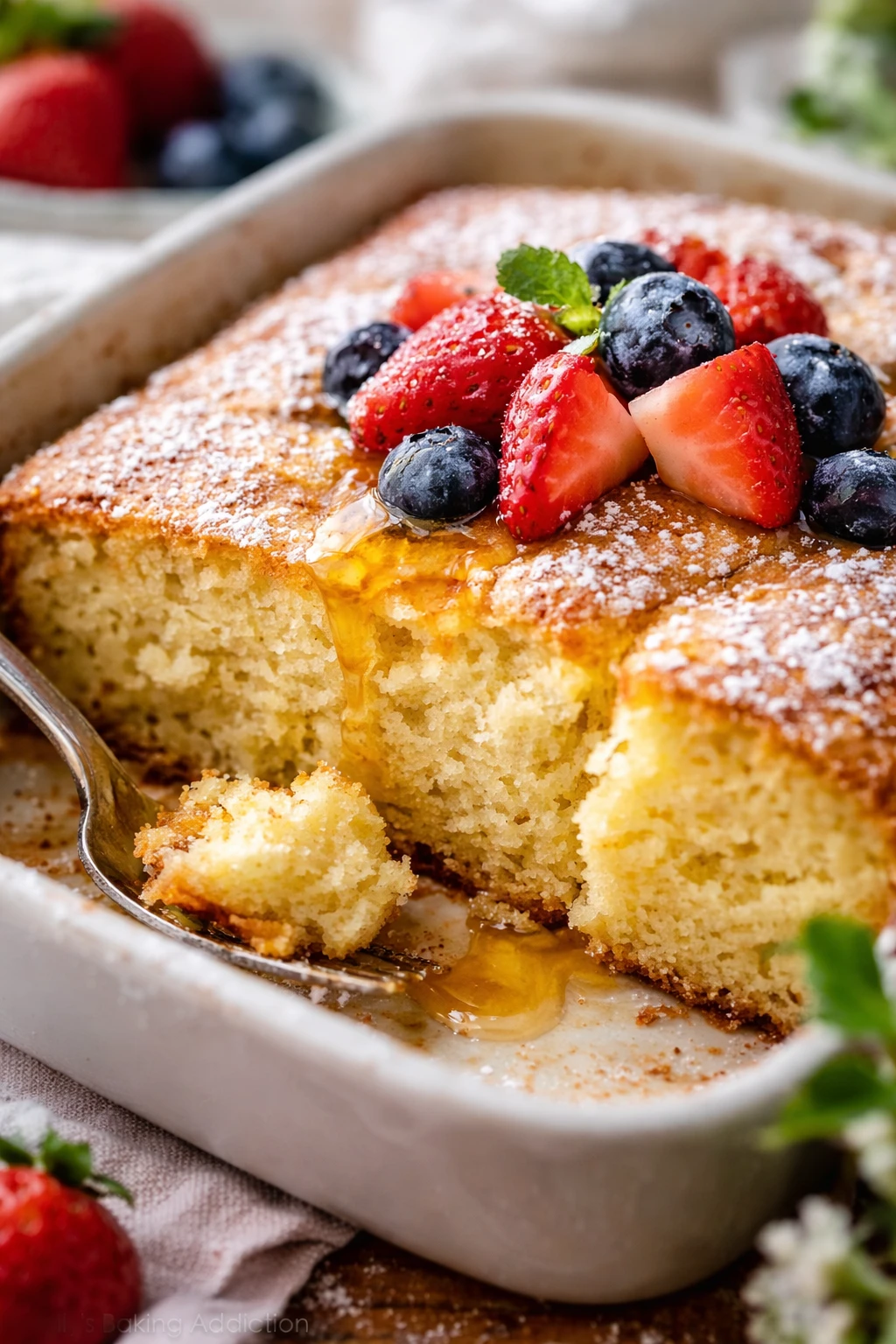
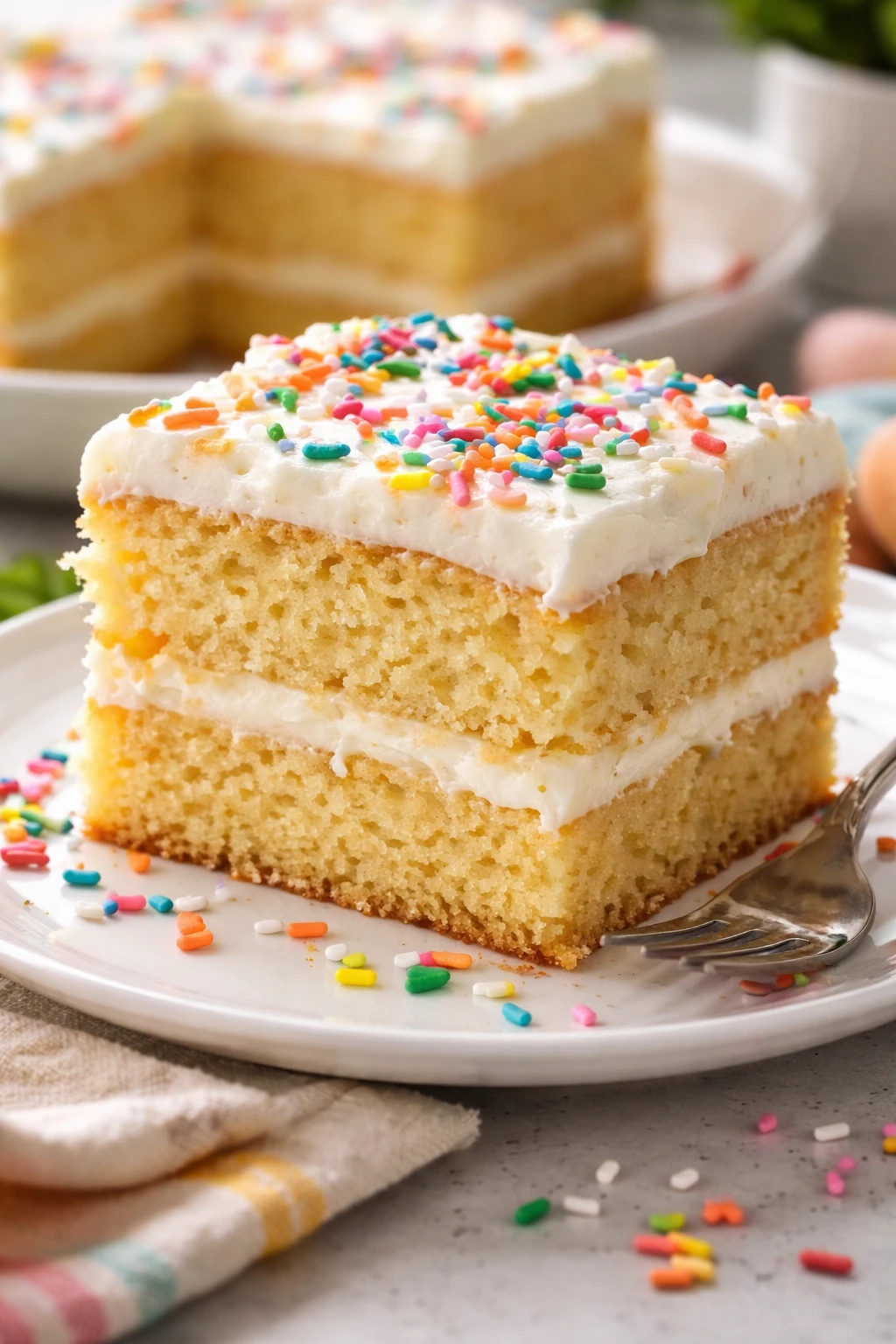
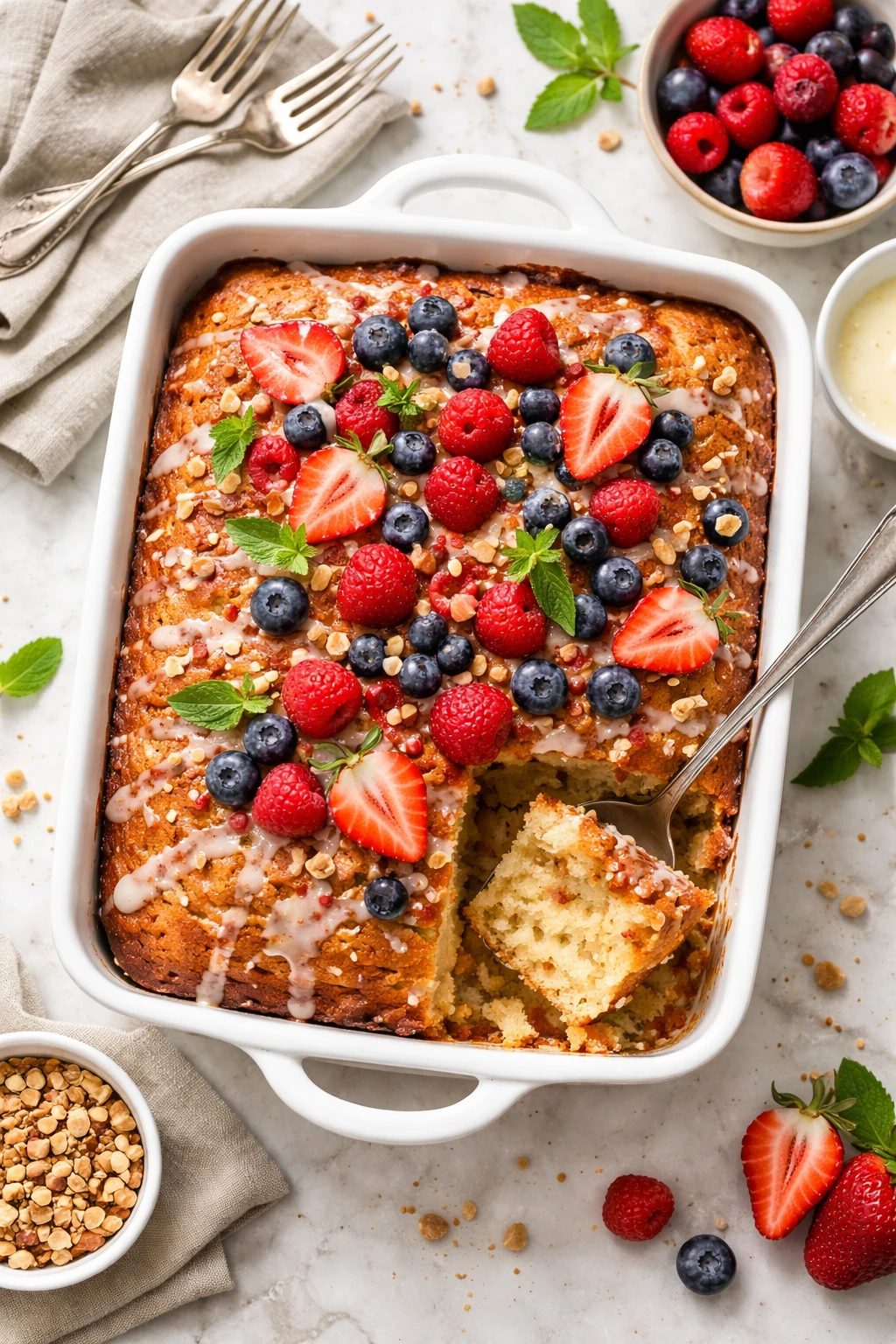
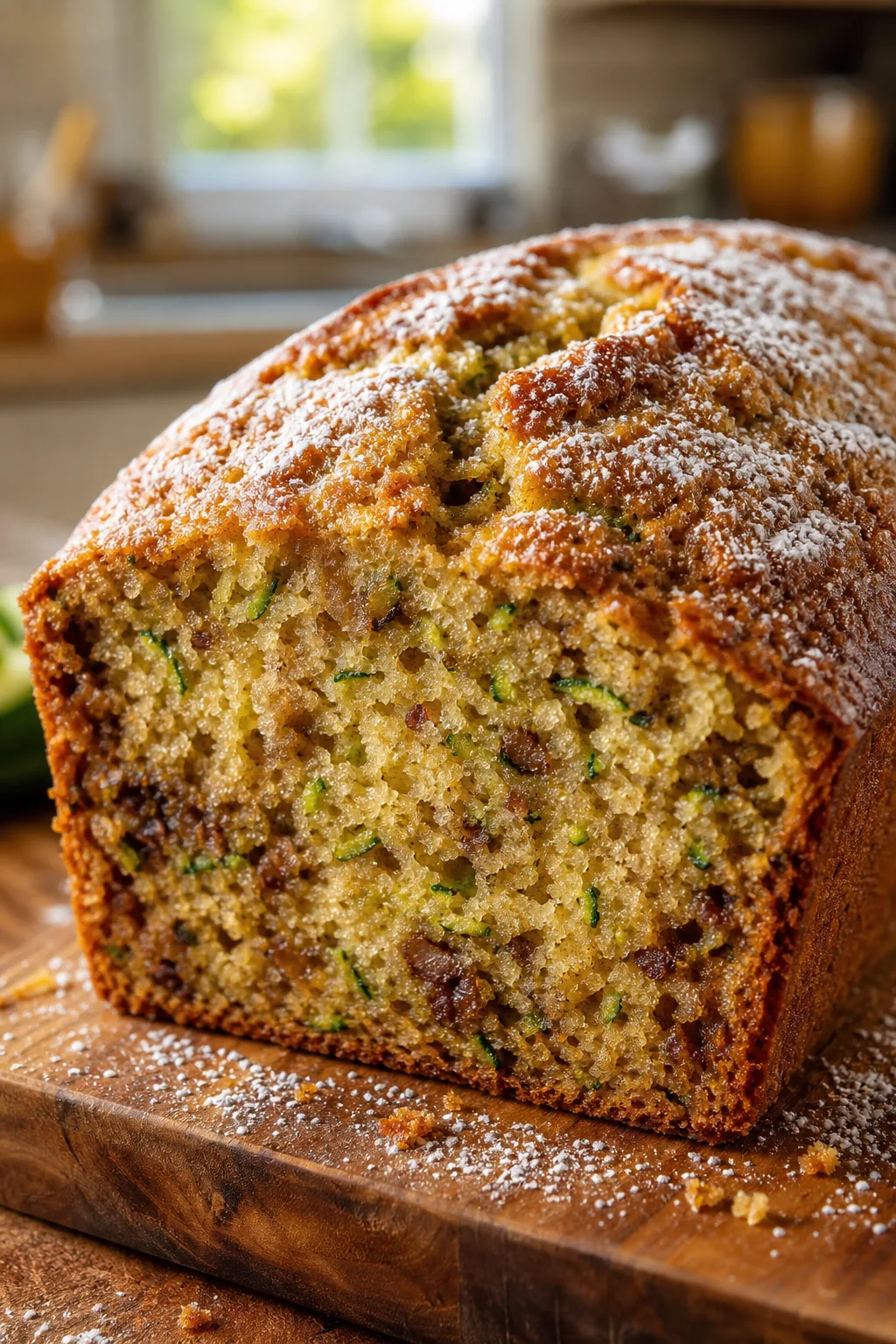
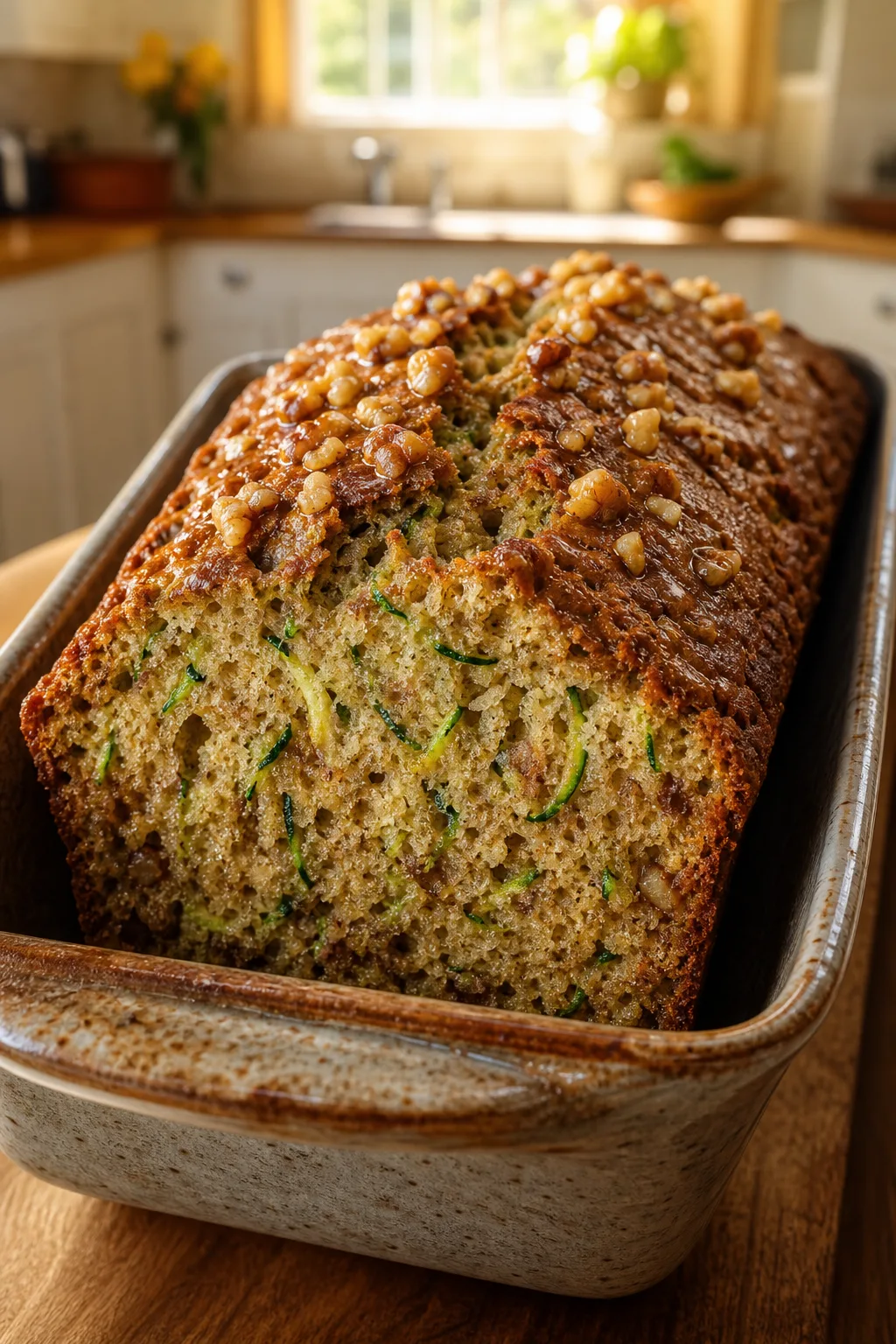
This one dish vanilla cake is my go-to when I want something sweet but simple. It’s super moist and tender thanks to mixing everything in one pan. Perfect for casual afternoons or surprise guests!
Introduction
I first stumbled upon this one dish vanilla cake when I needed a quick dessert for unexpected guests. Honestly, I was skeptical about how good a cake could taste when mixed all in one pan, but this recipe blew me away! The secret is really in the gentle folding technique and using room temperature ingredients so everything blends smoothly. Unlike some cakes that can be dry or crumbly, this one stays moist and tender every time I make it. I remember the first time I baked it, I was pleasantly surprised by the soft crumb and subtle vanilla aroma that filled my kitchen. It’s simple, fuss-free, and perfect for those casual afternoons when you want something sweet without the hassle. Plus, cleanup is a breeze since everything goes into one pan. I think this recipe is a keeper and always brings a little smile to the table.
What You'll Need
One 9-inch round cake, 8 servings
- 2 cups all-purpose flour, sifted
- 1 1/2 cups granulated sugar
- 1/2 cup unsalted butter, softened
- 1 cup whole milk, room temperature
- 3 large eggs
- 2 1/2 teaspoons baking powder
- 1 teaspoon pure vanilla extract
- 1/2 teaspoon salt
How To Do It
Step 1
Start by preheating your oven to 350°F (175°C) and greasing a 9-inch round cake pan thoroughly. This step is crucial because it prevents the cake from sticking and ensures an even bake. Make sure to grease the sides well, not just the bottom, to help the cake release easily after baking. If you skip this, you risk tearing the cake when removing it, which can be disappointing after all your effort.
⏱ Time: 10 minutes
✓ Doneness: Pan is evenly greased with no bare spots
Step 2
In a large mixing bowl, cream the softened butter and sugar together until pale and fluffy. This aeration step is key to a light texture in the final cake. Use room temperature butter so it blends easily without lumps. If you rush this step or the butter is too cold, the cake can turn dense and heavy.
⏱ Time: 5 minutes
✓ Doneness: Mixture looks light, creamy, and slightly increased in volume
Step 3
Add the eggs one at a time, beating well after each addition. This gradual incorporation helps maintain the emulsion and prevents the batter from curdling. If you add all eggs at once, the batter might split, affecting texture. Also, scrape down the sides of the bowl to ensure everything is mixed evenly.
⏱ Time: 3 minutes
✓ Doneness: Batter looks smooth and glossy without separation
Step 4
Mix in the vanilla extract for that lovely aromatic flavor. Pure vanilla extract is best here because it gives a rich, natural taste that artificial flavorings can’t match. Stir gently to keep the batter light.
⏱ Time: 1 minute
✓ Doneness: Vanilla evenly distributed, batter smells fragrant
Step 5
In a separate bowl, whisk together the sifted flour, baking powder, and salt. Sifting is important to aerate the flour and remove any lumps, which helps the cake rise evenly and have a tender crumb. Skipping this can result in a dense texture or uneven baking.
⏱ Time: 2 minutes
✓ Doneness: Dry ingredients are light and lump-free
Step 6
Add the dry ingredients to the wet mixture alternately with the milk, beginning and ending with the flour mixture. Use a gentle folding motion rather than vigorous stirring to avoid overworking the gluten, which can make the cake tough. Overmixing is a common mistake that ruins the delicate crumb.
⏱ Time: 5 minutes
✓ Doneness: Batter is smooth, thick but pourable, with no streaks
Step 7
Pour the batter into the prepared pan and smooth the top with a spatula. Even spreading helps the cake bake uniformly. Tap the pan gently on the counter to release any large air bubbles that could cause holes or cracks.
⏱ Time: 3 minutes
✓ Doneness: Batter surface is even and free of big bubbles
Step 8
Bake in the preheated oven for 30 minutes. Avoid opening the oven door during the first 20 minutes to prevent the cake from collapsing. You’ll know it’s done when the top is golden and a toothpick inserted in the center comes out clean or with a few moist crumbs.
⏱ Time: 30 minutes
✓ Doneness: Golden top and clean toothpick test
Step 9
Let the cake cool in the pan for 10 minutes before transferring to a wire rack. This resting allows the cake to firm up and makes it easier to remove without breaking. Cooling completely on a rack prevents sogginess from trapped steam.
⏱ Time: 10 minutes
✓ Doneness: Cake feels set and slightly pulls away from pan edges
Pro Tips
Always use room temperature ingredients for smooth batter.
Room temperature eggs, butter, and milk blend more evenly, preventing curdling and ensuring a smooth batter. Cold ingredients can cause lumps and uneven texture, while warm ingredients help trap air for a lighter cake.
Don’t overmix once you add flour to keep the cake tender.
Overmixing activates gluten too much, making the cake tough and dense. Fold gently just until combined to maintain a soft crumb and perfect rise.
Sift your dry ingredients for an even rise and fine texture.
Sifting aerates the flour and removes lumps, which helps the cake bake evenly and prevents dense spots. It also blends the baking powder thoroughly with the flour for consistent leavening.
Use an oven thermometer to ensure accurate baking temperature.
Oven temperatures can vary widely, affecting how the cake bakes. Too hot causes crusting and raw centers; too cool results in a dry, dense cake. A thermometer guarantees consistent results.
Let the cake cool in the pan before removing to avoid breakage.
Cooling slightly allows the cake to set and pull away from the pan edges, making it easier to remove without tearing or crumbling.
Tap the pan before baking to release air bubbles.
Tapping removes large air pockets that could cause holes or uneven texture in the cake, resulting in a uniform crumb.
Use pure vanilla extract for the best flavor.
Pure vanilla provides complex, natural aromas that enhance the cake’s overall taste. Imitation vanilla can taste harsh and lacks depth.
Common Mistakes to Avoid
Using cold ingredients straight from the fridge
Why it happens Many people forget to set out eggs and butter ahead of time, assuming cold is fine or rushing the process.
Fix Plan ahead and let ingredients come to room temperature for at least 30 minutes before mixing. This ensures proper creaming and smooth batter, preventing lumps and curdling.
Overmixing after adding flour
Why it happens It’s tempting to mix thoroughly to avoid lumps, but this develops gluten too much.
Fix Mix just until the flour disappears. Use a folding motion rather than vigorous stirring to keep the cake tender.
Skipping sifting of dry ingredients
Why it happens Sifting feels like an extra step some cooks skip to save time.
Fix Always sift flour, baking powder, and salt together to aerate and remove lumps for even baking.
Opening oven door too early while baking
Why it happens Curiosity or impatience leads to checking the cake too soon.
Fix Avoid opening the oven in the first 20 minutes to prevent heat loss that can cause the cake to collapse.
Not greasing the pan thoroughly
Why it happens Rushing or underestimating this step leads to sticking.
Fix Grease the bottom and sides of the pan well with butter or baking spray and dust lightly with flour if needed.
Variations
Lemon Zest One Dish Cake
Add 2 teaspoons of finely grated lemon zest to the batter for a bright citrus twist. You can also replace vanilla with lemon extract for extra zing. This variation yields a fresh, fragrant cake perfect for spring or summer gatherings.
Note: Be sure to fold zest in gently to avoid overmixing. Baking time remains the same.
Chocolate Chip One Dish Cake
Stir in 1 cup of mini chocolate chips into the batter before baking. The chips add pockets of melty chocolate in every bite, making it a favorite for kids and chocoholics alike. Use good quality chips for best flavor.
Note: Toss chips in a little flour first to prevent sinking. Bake as directed.
Gluten-Free One Dish Cake
Swap the all-purpose flour for a gluten-free 1:1 baking flour blend. This keeps the texture tender and moist without gluten. Perfect for those with dietary restrictions without sacrificing flavor.
Note: Check your gluten-free blend for baking powder content and adjust if necessary.
Spiced One Dish Cake
Add 1 teaspoon ground cinnamon and 1/2 teaspoon ground nutmeg to the dry ingredients for a warm, cozy flavor. This version is great for fall or holiday occasions and pairs well with a dusting of powdered sugar.
Note: Mix spices thoroughly with the flour to ensure even distribution.
One Dish Cake with Sour Cream
Replace half the milk with sour cream to boost moisture and add a subtle tang. This variation creates an even richer, denser cake that stays soft for days.
Note: Use full-fat sour cream for best texture. Baking time may increase by a few minutes.
Nutrition
Per Serving:
Nutritional values are estimates and may vary based on specific ingredients used.
Storage & Tips
Room Temperature
Store the cooled cake covered loosely with a clean kitchen towel or cake dome at room temperature for up to 2 days. Avoid direct sunlight or heat which can dry it out.
Refrigerator
Keep the cake in an airtight container or wrapped tightly in plastic wrap. It will last 4-5 days, though refrigeration can dry it slightly. Bring to room temperature before serving or warm briefly in the microwave.
Freezer
Wrap the cooled cake tightly in plastic wrap and then in aluminum foil to prevent freezer burn. Freeze for up to 2 months. Thaw overnight in the refrigerator or at room temperature wrapped to retain moisture.
Reheating
Warm slices gently in the microwave for 15-20 seconds or in a 300°F oven for 5-7 minutes, loosely covered with foil. Avoid overheating which dries the cake. Adding a small dab of butter or a splash of milk before warming can refresh moisture.
Make Ahead
You can prepare the batter a few hours ahead and keep it refrigerated in the mixing bowl, covered tightly. Bring to room temperature and stir gently before baking. Also, bake the cake a day ahead and store wrapped; flavors often improve with resting.
FAQ
Can I use oil instead of butter in this cake?
Yes, you can substitute an equal amount of neutral oil like vegetable or canola oil for butter. However, the texture will be slightly different—oil makes the cake moist but less rich and fluffy. Butter also adds flavor and helps with aeration when creamed with sugar, so the cake may be denser.
What if my cake turns out dense or heavy?
Dense cake usually means overmixing or cold ingredients. Make sure to cream butter and sugar well, use room temperature eggs and milk, and fold the dry ingredients gently just until combined. Also, check that your baking powder is fresh to ensure proper rise.
Can I make this cake gluten-free?
Absolutely! Use a gluten-free baking flour blend designed for 1:1 substitution. Make sure it contains xanthan gum or a binding agent for structure. Baking time and texture may vary slightly, so watch the cake closely.
How do I store leftover cake?
Store leftover cake at room temperature in an airtight container for up to 2 days. For longer storage, refrigerate wrapped tightly for up to 5 days or freeze for up to 2 months. Bring to room temp or warm before serving for best texture.
Can I add mix-ins like nuts or fruit?
Yes! Fold in chopped nuts, chocolate chips, or dried fruit gently after combining the batter. Just be mindful of the quantity—too much can weigh down the cake and affect baking time.
Why is sifting the flour important?
Sifting aerates the flour and removes lumps, which helps the cake rise evenly and prevents dense spots. It also ensures baking powder and salt are evenly distributed for consistent texture and flavor.
What’s the best way to test if the cake is done?
Insert a toothpick into the center of the cake. If it comes out clean or with a few moist crumbs, the cake is done. If batter sticks, bake a few minutes longer and test again.
Can I double this recipe?
Yes, you can double the ingredients and bake in a larger pan or two pans. Adjust baking time accordingly—larger pans may require longer baking. Check doneness with a toothpick regularly.
Is it okay to use artificial vanilla extract?
You can, but pure vanilla extract provides a richer, more natural flavor. Artificial vanilla may taste harsh or chemical, which can affect the cake’s overall taste.
Can I make this cake vegan?
This recipe relies on eggs and butter for texture and structure, so it’s not easily veganized without major changes. You’d need egg replacers and vegan butter substitutes, which will alter the texture and flavor significantly.
Final Thoughts
Give this easy one dish vanilla cake a try — it’s simple, moist, and always a crowd-pleaser. I’d love to hear how yours turns out!