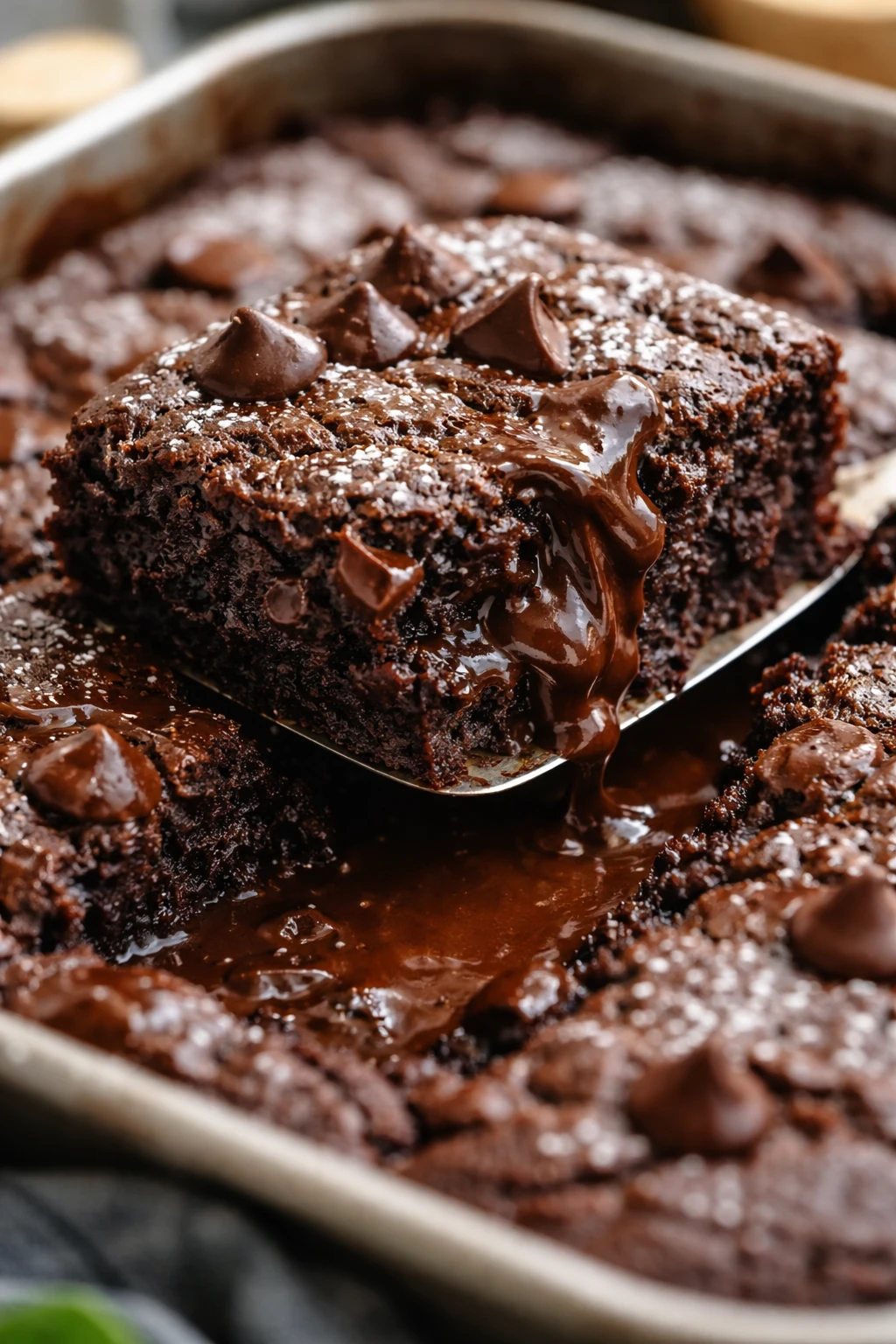
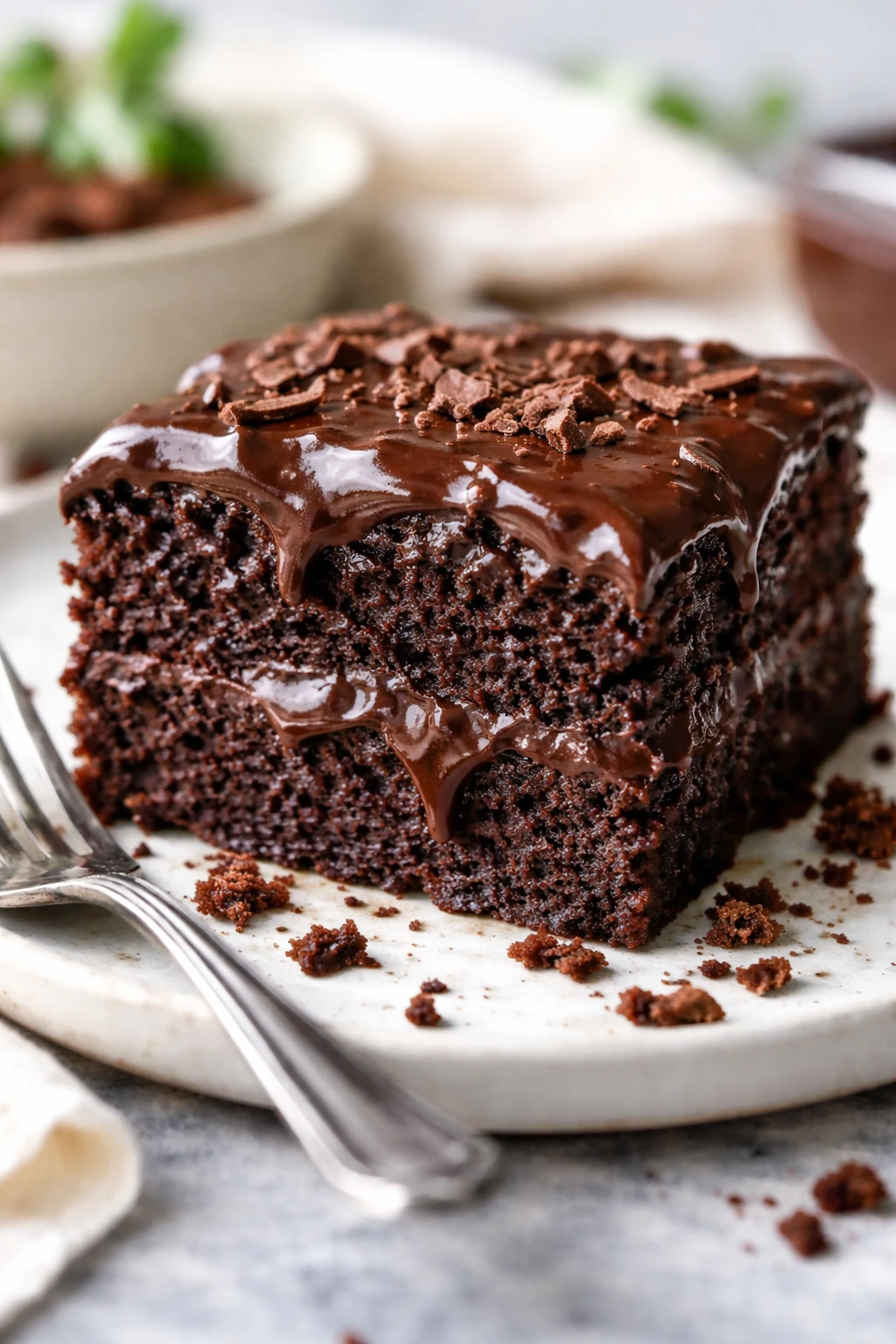
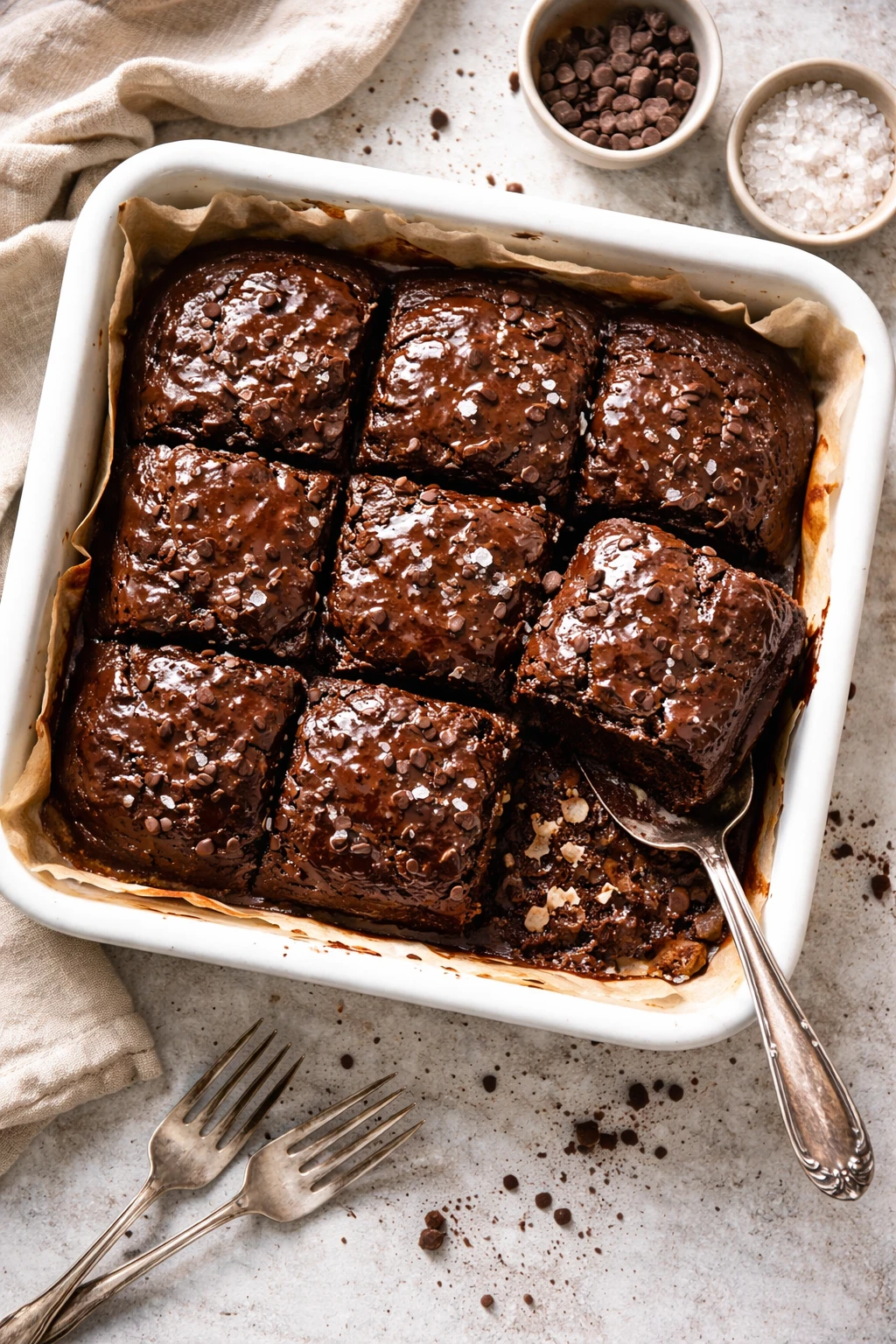
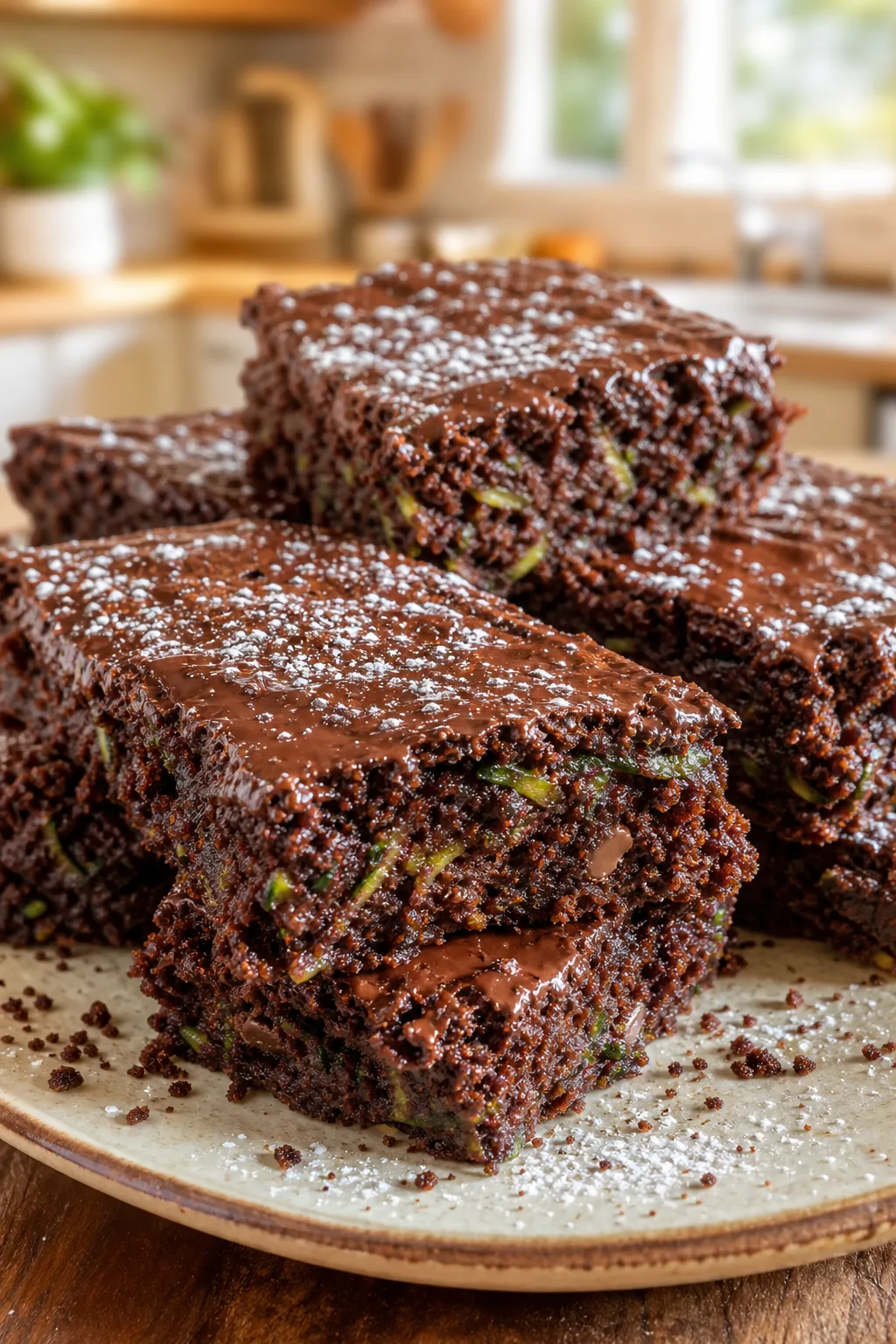
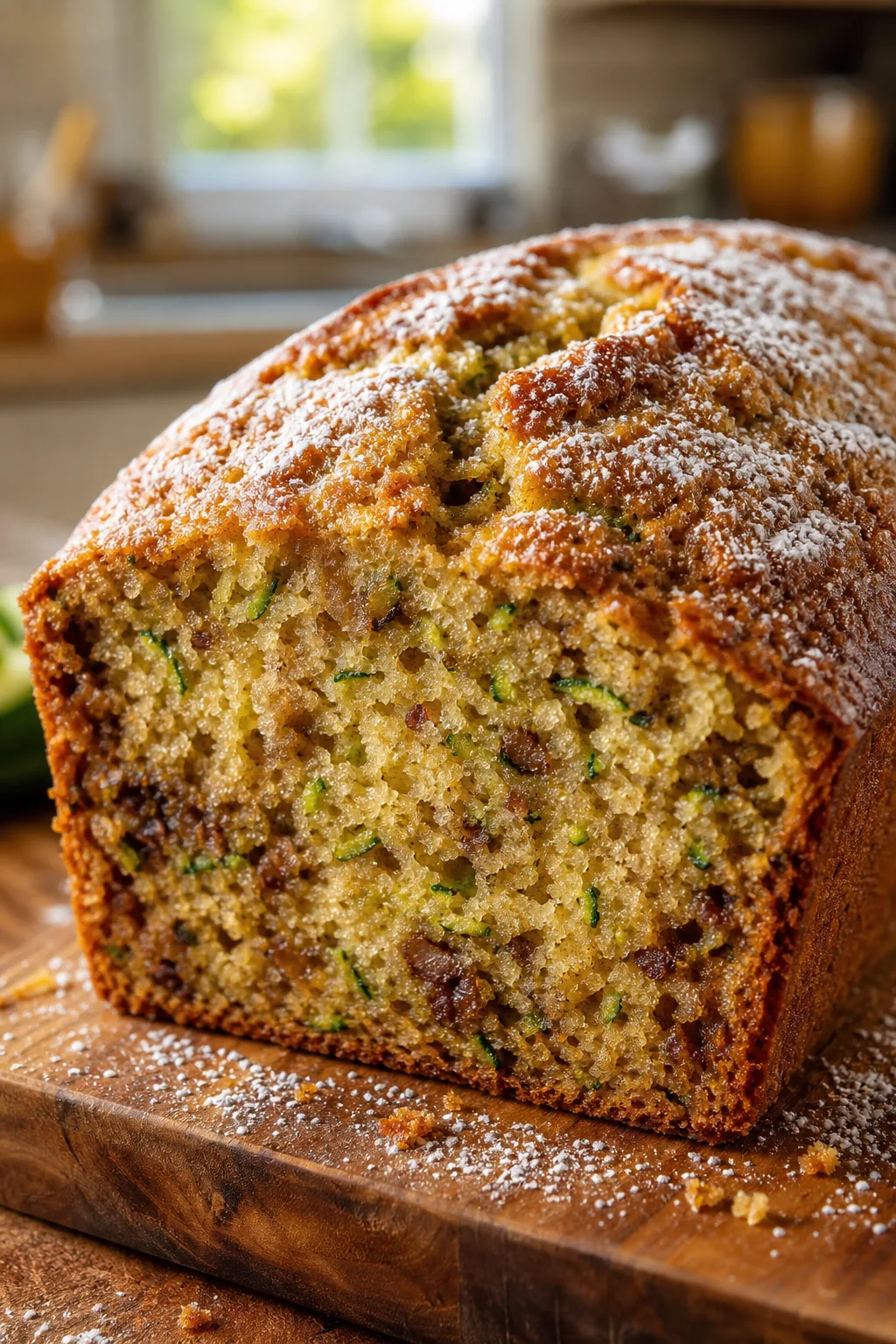
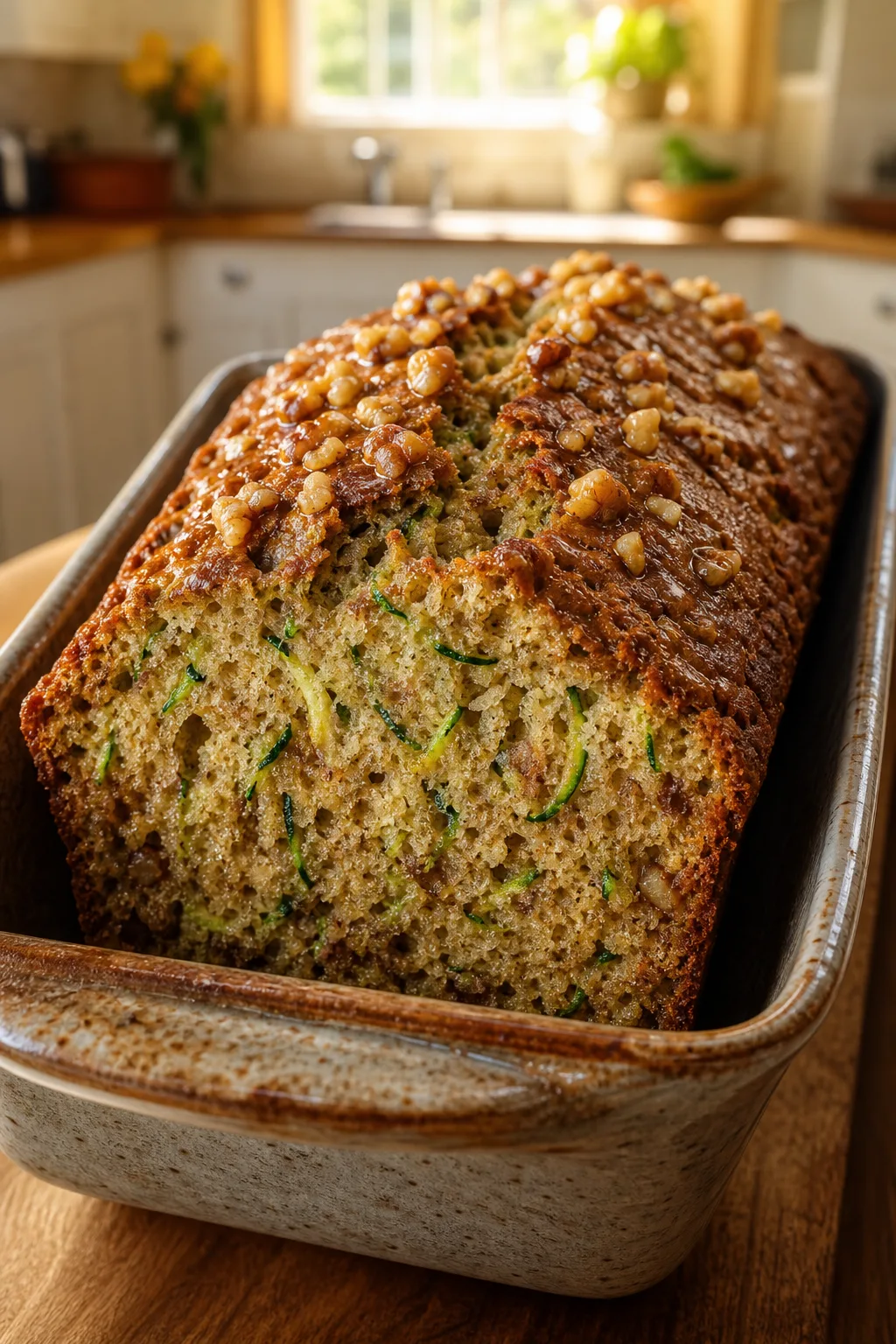
This one-pan chocolate cake is my go-to when I want rich dessert without the fuss. It’s super gooey and made entirely in one skillet, so clean-up is a breeze. Perfect for cozy nights or surprise guests!
Introduction
I first stumbled upon this one-pan chocolate cake when I needed a quick dessert after an unexpectedly busy day. Honestly, I was skeptical at first—could a cake really be delicious and gooey without a dozen bowls and a mountain of dishes? Turns out, it absolutely can! What makes this cake special is how everything comes together in a single skillet, and the boiling water poured over the batter creates that irresistibly moist, almost fudgy texture. I've made it dozens of times since, and it never fails to impress friends or family. The trick I learned is to pour the boiling water gently and not stir it in, so the cake stays light but super moist. When it’s done, you get a cake with a slightly crackly top and a soft, gooey center that’s perfect for spooning straight out of the pan. It’s exactly the kind of dessert I want when I don’t want to fuss but still crave something deeply chocolatey and comforting.
What You'll Need
One 9-inch skillet cake, serves 6
- 1 cup all-purpose flour, sifted
- 1 cup granulated sugar
- 1/2 cup unsweetened cocoa powder
- 1 teaspoon baking powder
- 1/2 teaspoon salt
- 1/2 cup milk, room temperature
- 1/3 cup vegetable oil
- 1 large egg
- 1 teaspoon vanilla extract
- 1/2 cup boiling water
How To Do It
Step 1
Preheat your oven to 350°F (175°C). Grease a 9-inch oven-safe skillet thoroughly with butter or oil to prevent sticking. This step is crucial because it ensures the cake will come out cleanly and helps develop a nice crust on the edges. Don’t skimp here—greasing evenly and well is your best bet for success.
⏱ Time: 10 minutes
✓ Doneness: Skillet is evenly greased with no bare spots or pooling oil
Step 2
In a large bowl, whisk together the flour, sugar, cocoa powder, baking powder, and salt until fully combined and smooth. This dry mix is the foundation for your cake’s texture and flavor, so take a moment to break up any lumps. A good sift or thorough whisking helps the batter come together evenly.
⏱ Time: 5 minutes
✓ Doneness: Dry ingredients are well combined with no lumps
Step 3
Add the milk, vegetable oil, egg, and vanilla extract to the dry ingredients. Stir gently with a spatula or whisk until just combined. Overmixing here can develop gluten and make the cake tough, so stop as soon as you see no dry streaks. The batter will be thick but smooth.
⏱ Time: 3 minutes
✓ Doneness: Batter is smooth and thick with no visible flour
Step 4
Pour the batter into the prepared skillet, smoothing the top evenly with a spatula. This ensures the cake bakes uniformly and creates a nice flat surface. Take care not to overspread or press down too hard, or the cake might bake unevenly.
⏱ Time: 2 minutes
✓ Doneness: Batter evenly distributed and smooth on top
Step 5
Carefully pour the boiling water over the batter in the skillet, distributing it evenly. Don’t stir after adding the water—it seeps into the batter and creates that signature gooey texture. This step might seem odd, but it’s what makes the cake so moist and fudgy inside.
⏱ Time: 2 minutes
✓ Doneness: Water covers batter surface evenly but isn’t mixed in
Step 6
Place the skillet in the preheated oven and bake for about 25 minutes. Keep an eye on the cake towards the end—it’s done when the edges look set and the center is slightly soft but no longer wet. Overbaking will dry it out, so test gently with a toothpick near the center.
⏱ Time: 25 minutes
✓ Doneness: Edges are firm and center is soft but not liquid
Step 7
Remove the skillet from the oven and let the cake cool for at least 10 minutes before serving. This resting time allows the cake to set up without losing its gooey appeal. If you cut it too soon, it might fall apart or be overly gooey.
⏱ Time: 10 minutes
✓ Doneness: Cake is warm but holds shape when sliced
Step 8
Serve the cake warm straight from the skillet, optionally with a scoop of vanilla ice cream or a dusting of powdered sugar. The contrast between warm cake and cold ice cream is heavenly, and the skillet presentation keeps it casual and inviting.
⏱ Time: 0 minutes
✓ Doneness: Cake slices easily and looks moist with a crackly top
Step 9
Store leftovers covered at room temperature for up to 2 days or refrigerate for longer keeping. Reheat gently before serving to bring back that molten texture. Avoid microwaving too long or it will dry out, so a quick warm oven or skillet reheat works best.
⏱ Time: 0 minutes
✓ Doneness: Cake is warm and moist after reheating
Pro Tips
Use room temperature eggs and milk for smoother batter.
Cold ingredients can cause the batter to seize or mix unevenly, leading to lumps or uneven baking. Room temperature helps everything combine smoothly and bake more consistently.
Don’t stir after adding boiling water.
The boiling water helps hydrate the batter and create a moist crumb. Stirring it in would thin the batter too much and change the texture, making the cake less gooey and more dense.
Grease the skillet thoroughly with butter or oil.
Proper greasing prevents sticking and helps create a crisp edge. Skipping this step often leads to broken cake or a mess when serving.
Let the cake rest before slicing.
Resting allows the cake to firm up slightly, making it easier to slice without crumbling while still retaining gooeyness.
Use a toothpick to check doneness near the center.
A toothpick should come out with moist crumbs but not wet batter. This indicates the cake is baked through but still gooey in the middle.
Serve warm with ice cream for best experience.
Warm cake paired with cold ice cream creates a delicious contrast in temperature and texture that enhances the dessert’s appeal.
Avoid overbaking to keep the gooey center.
Overbaking dries out the cake and ruins the soft, molten texture that makes this recipe special.
Common Mistakes to Avoid
Overmixing the batter
Why it happens People often think more mixing means smoother batter, but overmixing develops gluten and results in a tough cake.
Fix Mix just until ingredients are combined and no dry flour remains. Stop as soon as the batter is smooth to keep the cake tender.
Skipping the skillet greasing
Why it happens Sometimes we rush and forget this, thinking the batter won’t stick much, but it easily does.
Fix Generously grease the skillet with butter or oil, making sure to cover all surfaces evenly to prevent sticking.
Stirring after pouring boiling water
Why it happens Curiosity or habit might lead you to mix again, but this changes the batter texture.
Fix Pour the boiling water gently on top and leave it be to maintain the right consistency and gooey texture.
Overbaking the cake
Why it happens Fearing undercooked batter, some leave it too long, drying it out.
Fix Check the cake at 20 minutes and watch for set edges and slightly soft center. Remove promptly once done.
Using cold ingredients
Why it happens In a hurry, cold eggs or milk go straight into the batter, causing lumps or uneven mixing.
Fix Always bring eggs and milk to room temperature before mixing for smoother batter and even baking.
Variations
Add Espresso Powder for a Mocha Twist
Mix 1 teaspoon of instant espresso powder into the dry ingredients for a subtle coffee flavor that deepens the chocolate notes. This pairs wonderfully with a scoop of coffee ice cream or whipped cream.
Note: Espresso powder dissolves quickly and won’t add liquid, so no adjustments to wet ingredients are needed.
Swirl in Peanut Butter for a Nutty Surprise
Drop dollops of creamy peanut butter onto the batter before baking and swirl lightly with a knife. The peanut butter melts into ribbons of flavor and adds richness and texture.
Note: Swirling too much can deflate the batter, so gently fold for best results.
Top with Fresh Berries After Baking
Once cooled slightly, scatter fresh raspberries or strawberries over the cake. The tartness balances the rich chocolate and adds a fresh, bright element.
Note: Add berries right before serving to prevent them from sinking or making the cake soggy.
Use Coconut Milk Instead of Regular Milk
Substitute coconut milk for a dairy-free, tropical flavor twist. The cake remains moist with a subtle coconut aroma that pairs well with chocolate.
Note: Use full-fat coconut milk canned for best richness and texture.
Add Chopped Nuts for Crunch
Fold in 1/2 cup chopped walnuts or pecans into the batter for added crunch and nuttiness. This adds texture contrast to the gooey cake.
Note: Toast the nuts lightly beforehand to enhance their flavor.
Nutrition
Per Serving:
Nutritional values are estimates and may vary based on specific ingredients used.
Storage & Tips
Room Temperature
Store the cake covered loosely with foil or a cake dome at room temperature for up to 2 days. It will remain moist but may lose some gooeyness on the edges.
Refrigerator
Keep leftovers in an airtight container in the fridge for up to 4 days. The cake will firm up and can be served cold or gently reheated to restore softness.
Freezer
Wrap the cooled cake tightly in plastic wrap and aluminum foil before freezing. Freeze for up to 2 months. Thaw overnight in the fridge and reheat gently to refresh texture.
Reheating
Reheat slices in a microwave for 20-30 seconds or in a warm oven at 300°F for 5-7 minutes. Adding a splash of milk or cream before reheating helps maintain moisture. Avoid overheating to prevent drying.
Make Ahead
Prepare the batter and pour into the skillet a few hours before baking, then cover and refrigerate. Bake just before serving. Alternatively, bake fully then reheat as needed.
FAQ
Can I use butter instead of vegetable oil?
You can substitute melted butter for oil, but it will change the texture slightly, making the cake a bit denser and richer. Butter also solidifies when cooled, which can reduce the gooeyness. If you use butter, melt it and cool before mixing to avoid cooking the eggs.
How do I know when the cake is done but still gooey?
Look for set edges and a center that jiggles slightly when you shake the pan gently. A toothpick inserted near the middle should come out with moist crumbs but no raw batter. This balance ensures gooeyness without being undercooked.
What’s the best way to store leftovers?
Store the cake in an airtight container at room temperature for up to 2 days or in the fridge for up to 4 days. Reheat gently before serving to restore its soft, gooey texture.
Is it okay to use low-fat milk?
Low-fat milk can be used but may result in a slightly less rich cake. Whole milk or even creamier alternatives give better moistness and flavor.
Why is the boiling water important?
The boiling water hydrates the cocoa powder fully and helps dissolve the dry ingredients, resulting in a moist, tender crumb. It also thins the batter just enough to create that signature fudgy texture.
Can I double this recipe?
You can double the ingredients but bake in a larger pan or two skillets. Baking time will increase slightly, so start checking doneness a few minutes earlier than expected.
Final Thoughts
I hope you love this one-pan chocolate cake as much as I do! It’s so easy and comforting—perfect for anytime you want chocolate without fuss. Let me know how yours turns out!