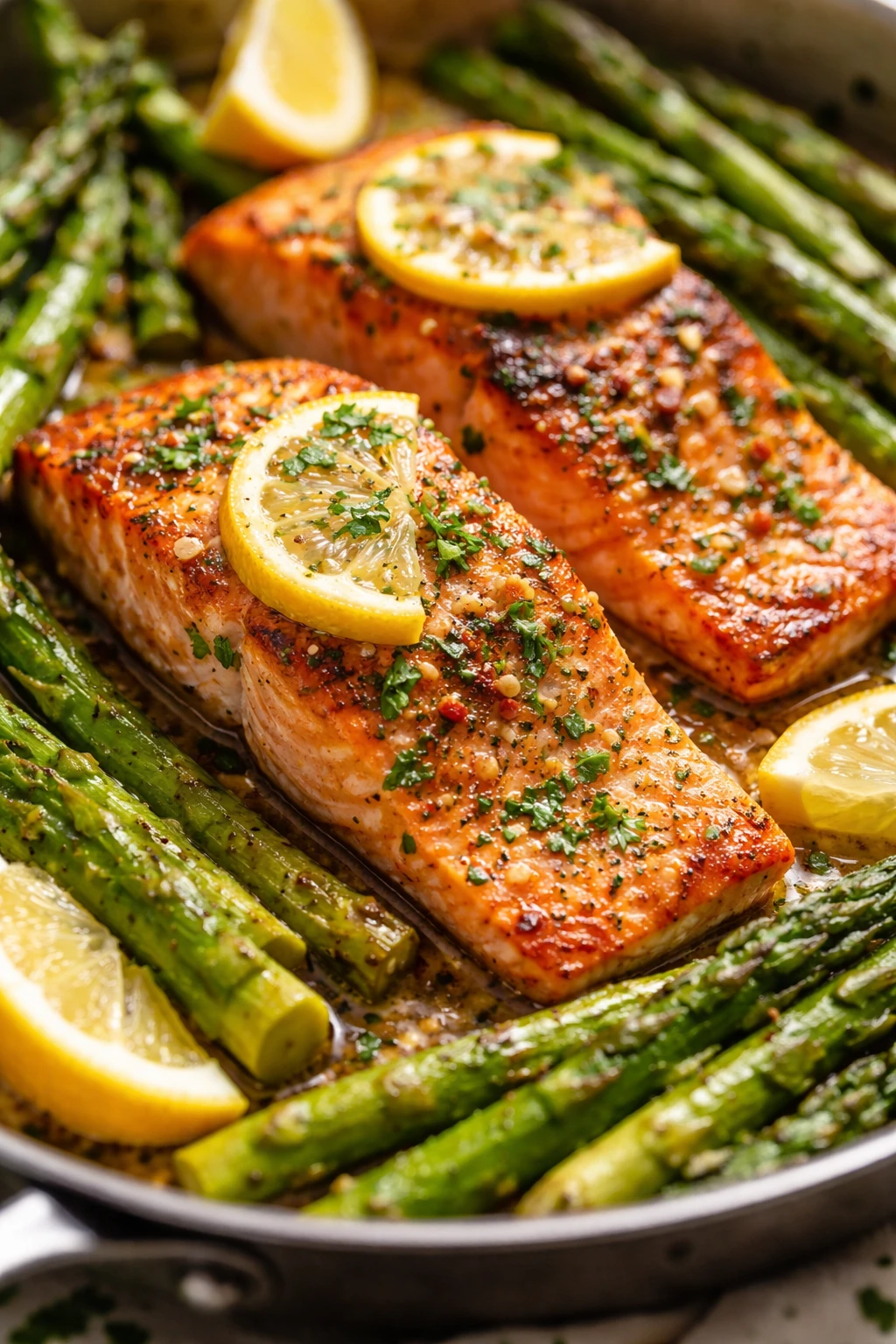
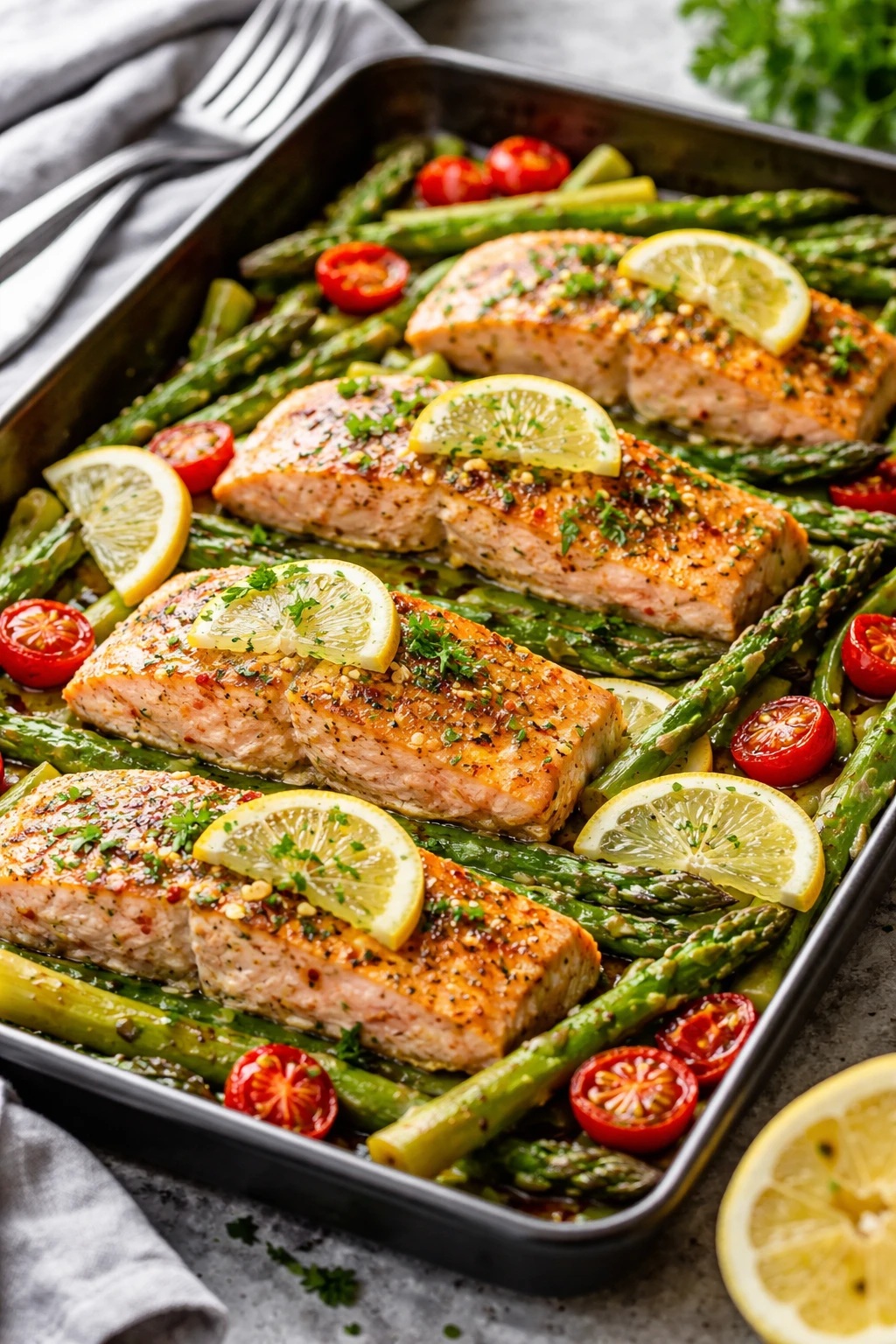
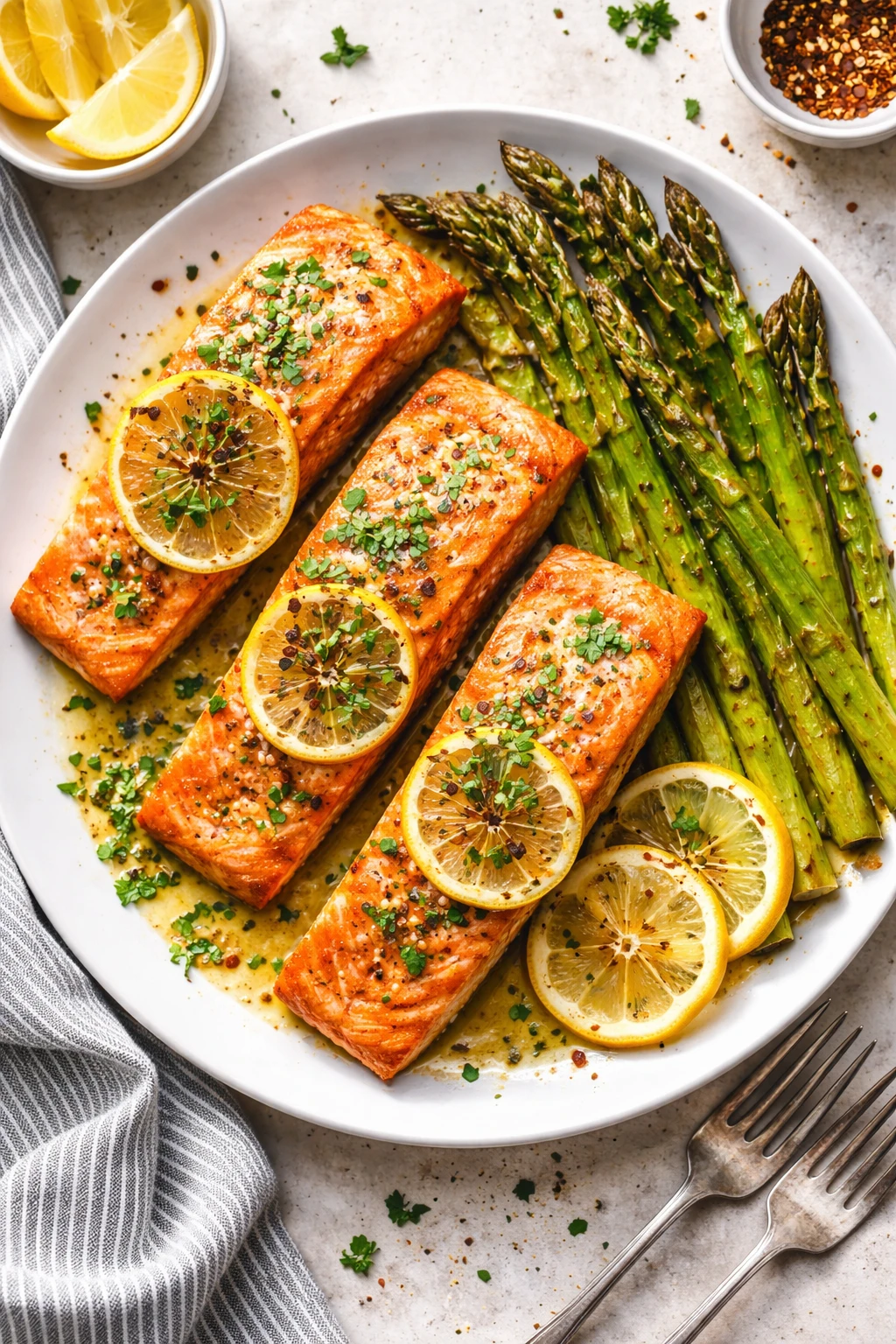
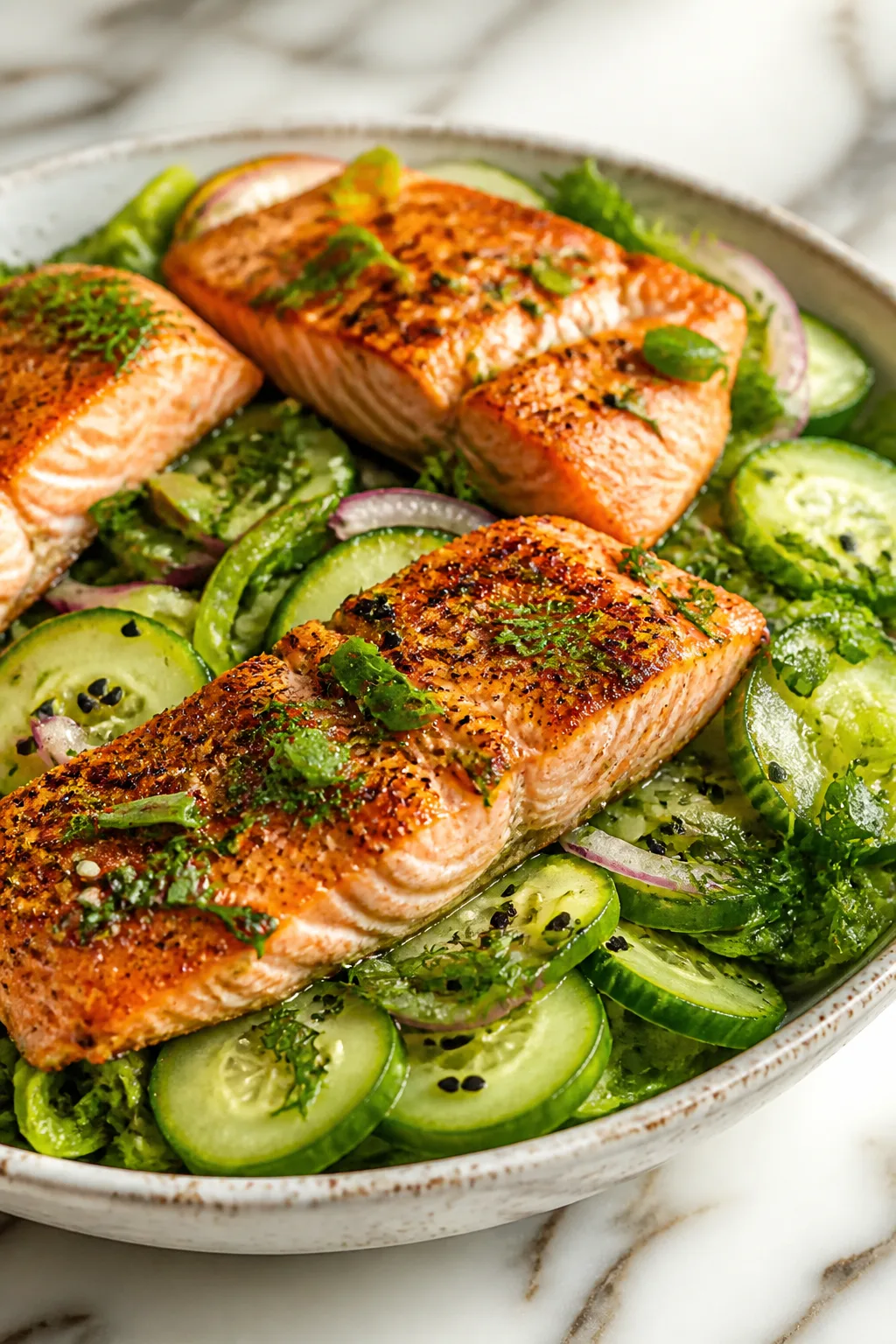
This one pan salmon and asparagus dish is a total lifesaver on hectic nights. The salmon stays perfectly juicy, while the asparagus roasts tender with a bright lemon garlic butter glaze. Super easy and fresh for any dinner.
Introduction
I first tried this one pan salmon and asparagus recipe on a particularly busy weeknight when I wanted something quick but still satisfying. I’d made salmon before, but it often came out dry or unevenly cooked. This version changed everything because everything cooks together on one sheet pan, which means the salmon stays juicy and the asparagus roasts perfectly tender with just the right amount of crunch. The secret is in the lemon garlic butter sauce that you drizzle over everything before roasting—it adds such a fresh, bright flavor that really makes the dish pop. Plus, it’s super simple to throw together, making it my go-to when I want something healthy without a lot of fuss. I love how the flavors meld as it cooks, and the kitchen smells amazing. It’s a dish my whole family enjoys, and I think you’ll find it’s a winner for quick dinners too!
How To Do It
Step 1
Preheat your oven to 400°F (200°C). While it heats, prepare the asparagus by trimming the tough ends and patting them dry with a towel. This helps them roast evenly and prevents steaming, which can make them soggy. Arrange the asparagus in a single layer on a large rimmed baking sheet, leaving space for the salmon. Drizzle with olive oil and sprinkle with salt and pepper, then toss gently to coat. Spreading the asparagus out ensures they roast with a nice caramelized edge instead of steaming.
⏱ Time: 10
✓ Doneness: Asparagus should look glossy from the oil and be spread out without overlapping.
Step 2
Make the lemon garlic butter sauce by combining melted butter, minced garlic, lemon zest, and juice in a small bowl. The acidity of the lemon brightens the butter while the garlic adds a savory depth. Whisk it well to emulsify the flavors. This sauce will keep the salmon moist and infuse the asparagus with a lovely citrus aroma while roasting.
⏱ Time: 5
✓ Doneness: The sauce should be smooth and evenly combined, with no visible separation.
Step 3
Place the salmon fillets skin-side down on the baking sheet next to the asparagus. Brush each fillet generously with the lemon garlic butter sauce, reserving some for later. Season the salmon with salt and pepper. The skin helps protect the delicate flesh from drying out and crisps up nicely in the oven.
⏱ Time: 5
✓ Doneness: Salmon should be well coated and evenly seasoned.
Step 4
Roast the salmon and asparagus in the preheated oven for 12-15 minutes. Keep an eye on the salmon’s color; it should turn opaque and flake easily with a fork but still be moist inside. The asparagus should be tender with slightly browned tips. Avoid overcooking to keep the salmon juicy and the veggies crisp-tender.
⏱ Time: 15
✓ Doneness: Salmon flakes easily and asparagus tips are lightly caramelized.
Step 5
Halfway through roasting, brush the salmon and asparagus with the remaining lemon garlic butter sauce to boost flavor and moisture. This step helps develop a glossy finish on the salmon and keeps the asparagus flavorful. Don’t skip this or the dish might dry out.
⏱ Time: 2
✓ Doneness: Sauce is evenly applied and glistening on the surface.
Step 6
Once done, remove the pan from the oven and let the salmon rest for 2-3 minutes. Resting allows the juices to redistribute throughout the fillet, making each bite tender and juicy. Meanwhile, you can sprinkle chopped fresh parsley over the dish for a pop of color and fresh herb aroma.
⏱ Time: 3
✓ Doneness: Salmon looks moist with a slight sheen; asparagus is vibrant green.
Step 7
Serve the salmon and asparagus hot, spooning any pan juices over the top for extra flavor. Pair with your favorite side like rice, quinoa, or crusty bread to soak up the sauce. This dish shines when eaten fresh from the oven but leftovers reheat well too.
⏱ Time: 0
✓ Doneness: Dish is plated attractively with sauce glistening.
Step 8
For a crispier salmon skin, broil the salmon for the last 2 minutes of cooking, watching carefully to avoid burning. This step adds a delightful crunch contrasting the tender flesh. If you prefer softer skin, skip broiling.
⏱ Time: 2
✓ Doneness: Skin is golden brown and crisp but not charred.
Step 9
Clean up is minimal since everything cooks on one pan. To keep the pan from sticking, use parchment paper or a nonstick baking sheet. This saves time and keeps asparagus tips from burning. Plus, it makes plating easier and cleanup faster.
⏱ Time: 0
✓ Doneness: Pan surface is protected and easy to clean after cooking.
Pro Tips
Pat the salmon and asparagus dry before roasting.
Removing excess moisture ensures better browning and prevents steaming. When the surface is dry, heat can create a Maillard reaction, producing flavorful caramelization on the salmon skin and asparagus tips. If you skip this, you might end up with soggy veggies and less crispy fish.
Use a rimmed baking sheet to catch juices and prevent spills.
A rimmed sheet holds the butter sauce and any liquid released during roasting, which helps baste the ingredients and keeps your oven clean. Without it, juices could drip and burn, creating smoke and mess.
Apply the lemon garlic butter sauce twice—before and halfway through roasting.
Brushing the sauce at the start and midway boosts moisture and flavor. The first coat infuses the salmon and asparagus, while the second refreshes the glaze, preventing dryness and enhancing taste. Skipping the second application can leave the dish less flavorful.
Let the salmon rest after roasting for a few minutes.
Resting allows the juices inside the salmon to redistribute evenly, resulting in moist, tender fillets. Cutting into it immediately can cause the juices to run out, leaving the fish dry.
Trim woody ends off asparagus before cooking.
Woody ends are tough and fibrous, which detracts from the tender texture you want. Removing them ensures every bite is pleasant and the asparagus cooks evenly without lingering toughness.
Don’t overcrowd the pan—give ingredients space.
Crowding traps steam and prevents proper roasting. Spreading out the salmon and asparagus allows hot air to circulate, promoting browning and crisp textures. Overcrowding leads to soggy veggies and less flavorful fish.
Use fresh herbs like parsley for garnish to brighten the dish.
Fresh herbs add a pop of color and fresh aromatic notes that contrast the rich butter and fish. They elevate the presentation and flavor without overpowering the dish.
Common Mistakes to Avoid
Overcooking the salmon
Why it happens Many home cooks rush the process or leave salmon in the oven too long, fearing undercooked fish.
Fix Use a timer and check for doneness at 12 minutes; salmon should flake easily but still be moist inside. Removing it promptly prevents dryness and preserves flavor.
Skipping the lemon garlic butter sauce
Why it happens Some might think the salmon and asparagus alone are flavorful enough or want to save time.
Fix Don’t skip the sauce—it adds moisture and bright, savory notes that elevate the dish. Prepare it in advance to save time.
Not spreading out the asparagus
Why it happens When pressed for time, it’s tempting to crowd the pan.
Fix Arrange asparagus in a single layer with space between stalks to ensure even roasting and caramelization.
Using bottled lemon juice instead of fresh
Why it happens Convenience or pantry availability.
Fix Fresh lemon juice and zest provide brighter, fresher flavor and aroma. Use fresh for best results.
Not patting ingredients dry
Why it happens Skipping this step to save time.
Fix Pat salmon and asparagus dry with paper towels to encourage browning and prevent sogginess.
Variations
Spicy Cajun Salmon and Asparagus
Add Cajun seasoning to the salmon before roasting and sprinkle red pepper flakes over the asparagus for a spicy kick. This variation adds warmth and bold flavors that contrast nicely with the lemon butter sauce.
Note: Spices may darken faster; watch closely to avoid burning during roasting.
Honey Mustard Glazed Salmon with Asparagus
Swap the lemon garlic butter with a honey mustard glaze made from Dijon mustard, honey, and a touch of garlic. This sweet and tangy twist pairs beautifully with roasted asparagus for a comforting dinner.
Note: Honey can burn easily; apply glaze halfway through roasting to prevent scorching.
Herb-Crusted Salmon with Roasted Asparagus
Coat the salmon with a mix of chopped fresh herbs like dill, parsley, and thyme before roasting. The herbs add fresh aromatic layers that complement the natural flavors of the salmon and asparagus.
Note: Press herbs gently into the salmon to ensure they stick during cooking.
Asian-Inspired Soy Ginger Salmon and Asparagus
Marinate the salmon in a mixture of soy sauce, grated ginger, and garlic before roasting. Toss asparagus with sesame oil and a sprinkle of sesame seeds for an umami-rich, flavorful dinner.
Note: Reduce soy sauce saltiness by rinsing salmon lightly if needed before roasting.
Parmesan Roasted Salmon and Asparagus
Sprinkle grated Parmesan cheese over asparagus and salmon before roasting for a nutty, savory finish. Parmesan adds a crispy topping that contrasts with the tender fish and veggies.
Note: Add cheese in the last 5 minutes of roasting to prevent burning.
Nutrition
Per Serving:
Nutritional values are estimates and may vary based on specific ingredients used.
Storage & Tips
Room Temperature
This dish can safely sit out for up to 2 hours if covered loosely with foil or a clean kitchen towel. Beyond that, bacteria growth increases, so refrigerate promptly.
Refrigerator
Store leftovers in an airtight container for up to 3 days. The salmon may firm up and flavors meld, but asparagus can lose some crispness. Reheat gently to avoid drying out the fish.
Freezer
Freeze cooked salmon and asparagus separately in airtight containers or freezer bags for up to 2 months. Wrap tightly to prevent freezer burn. Thaw overnight in the fridge before reheating.
Reheating
Reheat gently in a low oven (300°F) for 10-15 minutes or in the microwave at medium power to prevent drying. Adding a splash of water or lemon juice helps restore moisture. Avoid high heat which can toughen fish.
Make Ahead
Prepare the lemon garlic butter sauce and trim asparagus up to 1 day ahead. Store separately in the fridge. On the day of serving, assemble and roast fresh for best texture and flavor.
FAQ
Can I use frozen salmon for this recipe?
Yes, but make sure to thaw it completely in the fridge overnight before cooking. Frozen salmon tends to release more water, so pat it dry thoroughly to ensure proper browning and prevent sogginess.
What if I don’t like asparagus?
You can swap asparagus for green beans, broccoli, or Brussels sprouts. Just adjust roasting time slightly depending on the vegetable’s density to ensure everything cooks evenly.
How do I know when the salmon is fully cooked?
Salmon is done when it flakes easily with a fork and the flesh turns opaque. It should still be moist inside and not chalky or dry. Use a fork to gently test near the thickest part.
Can this recipe be doubled or halved?
Absolutely! Just use a larger baking sheet if doubling, and make sure ingredients are spread out evenly for proper roasting. Halving works fine on a smaller pan.
Is it necessary to use skin-on salmon?
Skin-on salmon helps protect the flesh from drying and crisps nicely, but you can use skinless fillets if preferred. Just watch cooking time carefully as skinless cooks faster.
Can I prepare this dish ahead of time?
You can prep the asparagus and sauce a day ahead, but it’s best to roast the salmon and asparagus fresh to keep textures and flavors vibrant.
What sides pair well with this dish?
Rice, quinoa, couscous, or a simple green salad complement this meal beautifully and keep it light and balanced.
How do I prevent the asparagus from becoming mushy?
Trim woody ends, pat dry, and roast at high heat without overcrowding. This ensures they stay crisp-tender with nice caramelization.
Final Thoughts
I hope you love making this one pan salmon and asparagus as much as I do! It’s a simple, fresh dinner that always feels special. Don’t forget to share how it turns out!