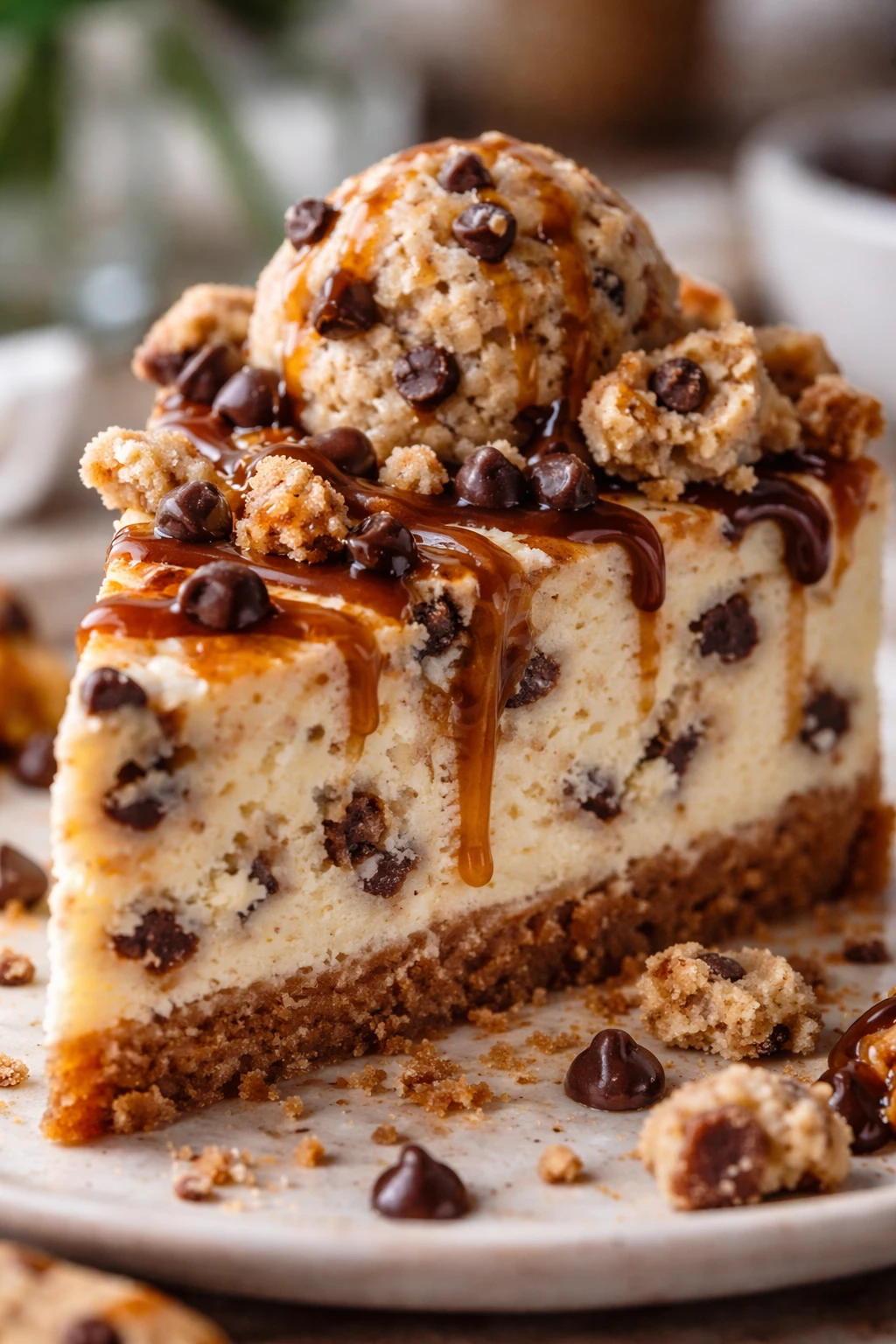
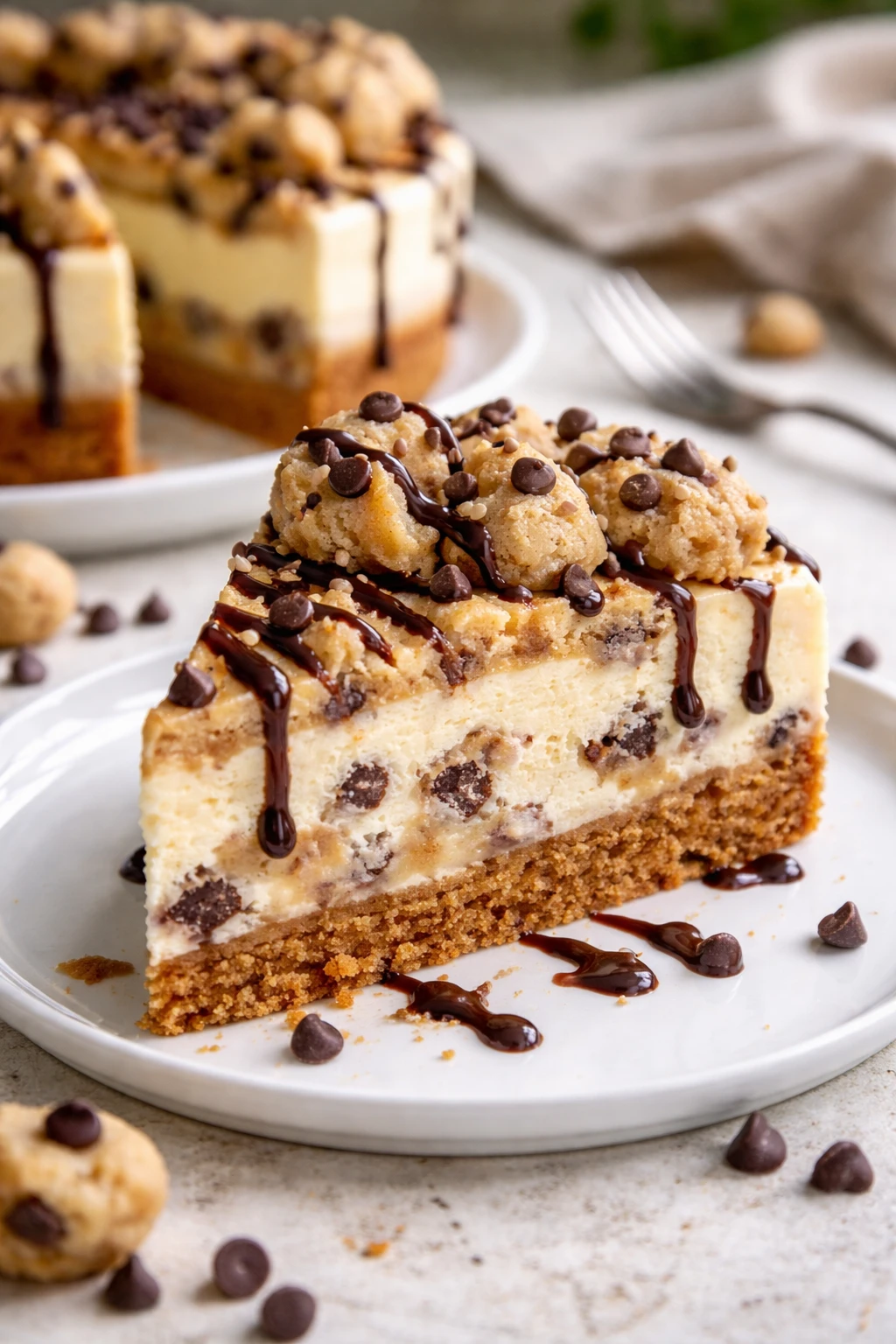
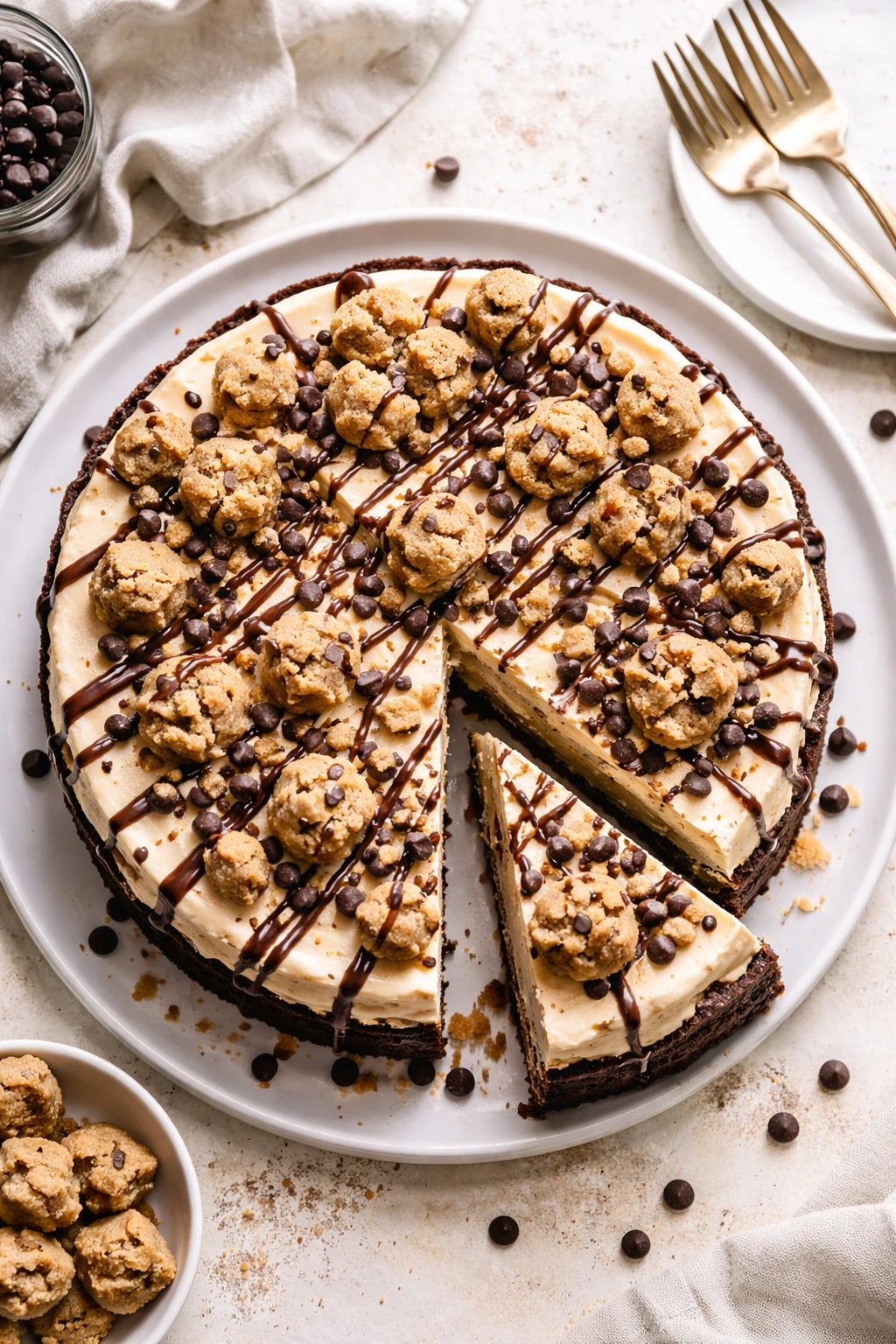
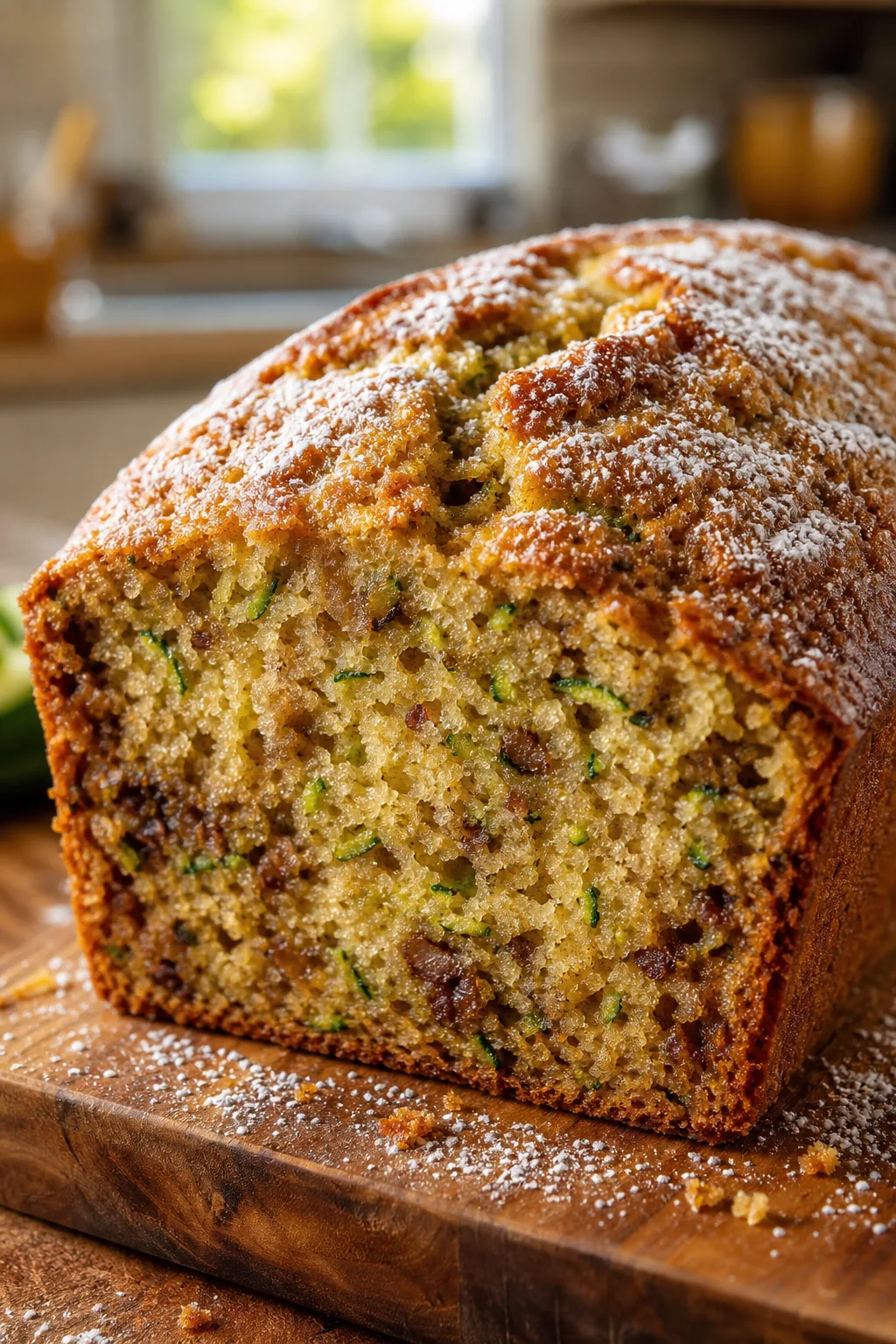
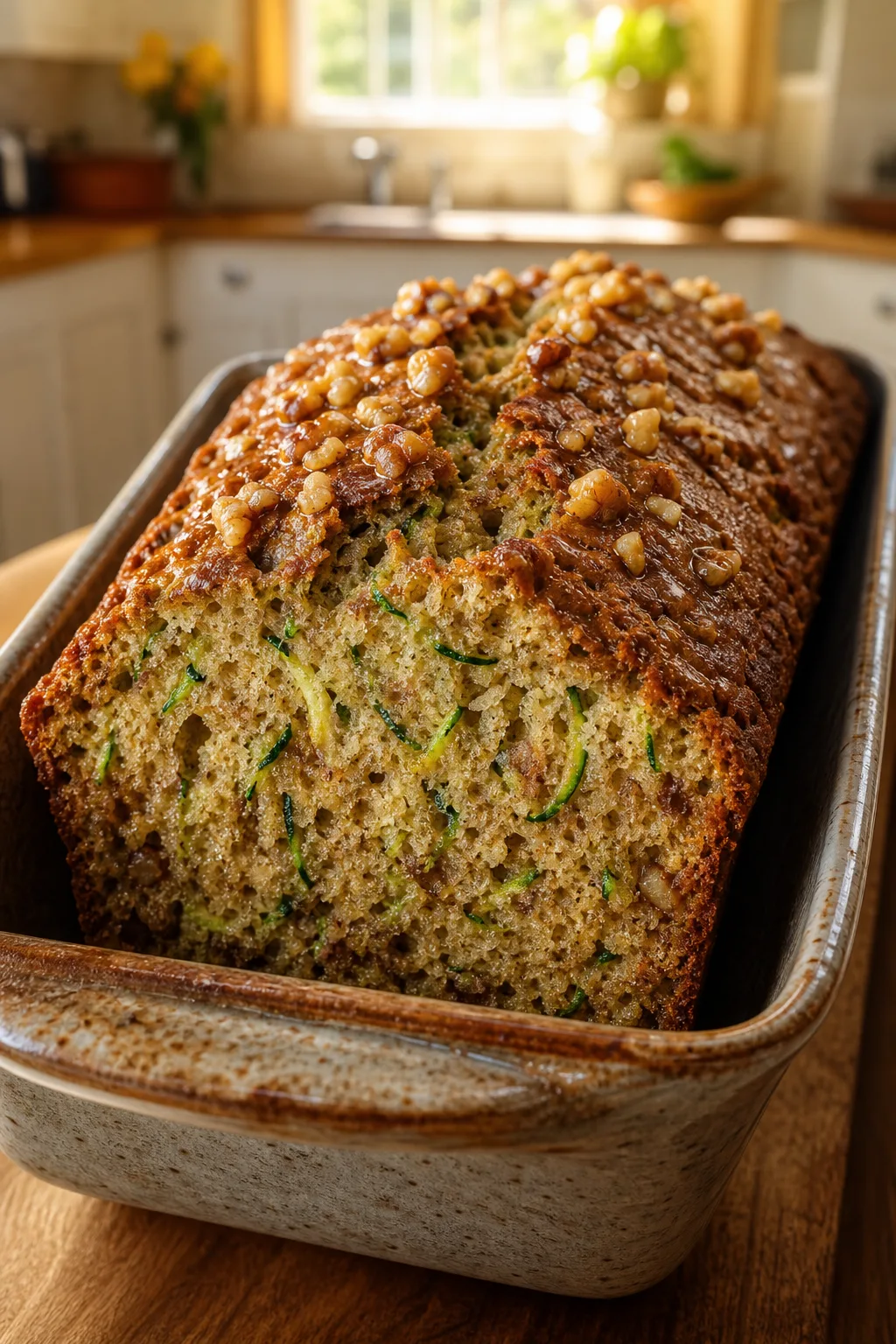
This cheesecake blends creamy richness with pockets of cookie dough in a single pot—so easy and insanely delicious. It’s my go-to when I want something sweet but fuss-free. Perfect for weekend dessert cravings!
Introduction
I stumbled on this one-pot cookie dough swirl cheesecake recipe a few years ago when I wanted something that felt indulgent but didn’t require a ton of cleanup. I love cheesecake, but the traditional multi-step process can be intimidating and messy. This version simplifies everything by combining the batter and cookie dough chunks right in the same pot, cutting down on dishes and prep time. The trick I learned was to gently fold in the cookie dough so it stays chunky and doesn’t melt into the batter, giving you those delightful pockets of chewy sweetness. Every time I make it, my family raves about the creamy texture and the surprise bites of cookie dough. It’s perfect for weekend gatherings or when you just want to treat yourself without fuss. Plus, it looks inviting with beautiful swirls on top. If you’re a cheesecake fan who loves cookie dough too, this recipe will quickly become a favorite in your rotation.
What You'll Need
One 9-inch cheesecake, about 8 servings
- 16 ounces cream cheese, softened
- 1 cup granulated sugar
- 1 teaspoon vanilla extract
- 2 large eggs
- 1/2 cup sour cream
- 1 cup all-purpose flour
- 1/2 teaspoon baking powder
- 1/4 teaspoon salt
- 1/2 cup unsalted butter, melted and cooled
- 1 cup cookie dough chunks (store-bought or homemade)
How To Do It
Step 1
Preheat your oven to 325°F (160°C) and grease a 9-inch springform pan. This low temperature helps the cheesecake cook gently and evenly, preventing cracks. Make sure to use a springform pan so you can easily release the cheesecake without ruining the edges. Avoid rushing this step, as an unevenly greased pan can cause sticking.
⏱ Time: 10
✓ Doneness: Pan is evenly coated and smooth to the touch without any dry spots
Step 2
In a large mixing bowl, beat the softened cream cheese and sugar on medium speed until smooth and creamy, about 2-3 minutes. This step is crucial to break down any lumps and ensure your batter is silky. Scrape down the sides frequently to incorporate everything evenly. If you skip this, your cheesecake texture might be grainy.
⏱ Time: 5
✓ Doneness: Mixture is smooth, pale, and free of lumps
Step 3
Add the vanilla extract and eggs one at a time, mixing on low speed after each addition. Mixing slowly prevents too much air from being incorporated, which can cause cracks during baking. Be careful not to overmix here; just combine until smooth.
⏱ Time: 5
✓ Doneness: Batter is uniform in color with no visible streaks of egg or vanilla
Step 4
Stir in the sour cream until just combined. This adds moisture and tang, keeping the cheesecake creamy. Overmixing at this stage can affect the texture, so fold gently.
⏱ Time: 2
✓ Doneness: Batter looks smooth and slightly thickened
Step 5
In a separate bowl, whisk together the flour, baking powder, and salt. Gradually add this dry mixture to the cream cheese batter, folding carefully to avoid overworking the gluten. This helps maintain a tender crumb and prevents toughness.
⏱ Time: 3
✓ Doneness: No flour streaks remain, batter is thick but smooth
Step 6
Slowly pour in the melted butter while folding the batter gently. The butter enriches the cheesecake and adds moisture. Make sure the butter is cooled so it doesn’t cook the eggs or curdle the batter.
⏱ Time: 2
✓ Doneness: Batter is glossy and well combined
Step 7
Fold in the cookie dough chunks carefully to distribute them evenly without breaking them up too much. This creates those delicious pockets of sweet chewiness throughout the cheesecake. If you overmix, the dough will melt into the batter and you’ll lose that texture contrast.
⏱ Time: 3
✓ Doneness: Cookie dough pieces are visible and evenly scattered
Step 8
Pour the batter into the prepared springform pan and smooth the top gently with a spatula. Tap the pan lightly on the counter to release any air bubbles, which helps prevent cracks and gives an even texture.
⏱ Time: 2
✓ Doneness: Surface is smooth and free of large air pockets
Step 9
Bake for about 30 minutes or until the edges are set but the center still jiggles slightly when you gently shake the pan. Avoid overbaking to keep the cheesecake creamy and prevent dryness. Let it cool completely before removing from the pan and chilling in the fridge for at least 4 hours or overnight.
⏱ Time: 30
✓ Doneness: Edges are firm, center has a slight wobble but is not liquid
Pro Tips
Always soften your cream cheese fully before mixing.
Softened cream cheese blends smoothly into the batter, preventing lumps and ensuring a creamy texture. If it’s too cold, you’ll end up with grainy cheesecake and uneven baking.
Add eggs one at a time and mix gently.
This prevents too much air from being incorporated into the batter, which can cause cracking or a spongy texture. Gentle mixing keeps the cheesecake dense and creamy.
Fold in cookie dough chunks last and gently.
This preserves the shape and texture of the dough, giving you those delightful pockets of chewiness. Overmixing will cause the dough to melt and lose its distinct texture.
Use a springform pan for easy removal.
Cheesecake is delicate, and a springform pan lets you remove it without damaging the edges or surface. It’s much easier than trying to flip a regular pan.
Bake at low temperature to avoid cracks.
A slow, gentle bake allows the cheesecake to set evenly without drying out or cracking. Higher temps cook the edges faster, causing uneven texture and breaks.
Cool cheesecake completely before chilling.
Rapid cooling can cause condensation that affects texture. Letting it cool at room temperature first helps avoid sogginess and ensures the cheesecake sets perfectly in the fridge.
Tap the pan before baking to release air bubbles.
Air bubbles can cause holes or cracks on the surface. Tapping the pan helps them rise and pop, resulting in a smooth, even cheesecake top.
Common Mistakes to Avoid
Using cold cream cheese straight from the fridge.
Why it happens Many people rush the process and don’t allow enough time to soften the cream cheese, thinking it will blend faster.
Fix Plan ahead and let cream cheese sit at room temperature for at least 30 minutes. If you’re short on time, gently microwave in short bursts, stirring frequently to avoid melting.
Overmixing the batter after adding eggs.
Why it happens It’s easy to get carried away trying to make the batter smooth and end up whipping in too much air.
Fix Add eggs one at a time and mix just until combined. Stop mixing as soon as the batter looks uniform to keep it dense and creamy.
Skipping the gentle folding of cookie dough chunks.
Why it happens In a hurry, some mix the dough chunks in vigorously, causing them to break down.
Fix Fold the chunks in carefully at the end to keep their shape and texture intact for chewy bites.
Baking at too high a temperature.
Why it happens Some assume higher heat will cook the cheesecake faster and save time.
Fix Stick to a low oven temp (325°F/160°C) to bake evenly and avoid cracks or dryness.
Removing the cheesecake from the pan too soon.
Why it happens Impatience or excitement to serve can lead to cutting or unmolding before it’s set.
Fix Cool completely at room temperature, then chill for at least 4 hours or overnight before removing to firm up.
Variations
Chocolate Chip Cookie Dough Cheesecake
Swap the cookie dough chunks for chocolate chip cookie dough and add mini chocolate chips to the batter for extra chocolate goodness. This version is richer with a deeper chocolate flavor, perfect for chocoholics.
Note: Chocolate chips can sink if batter is too thin; fold them in gently at the end to distribute evenly.
Peanut Butter Cookie Dough Swirl
Use peanut butter cookie dough chunks for a nutty twist that pairs beautifully with the creamy cheesecake base. Add a swirl of peanut butter on top for extra flair and flavor.
Note: Peanut butter dough is softer; chill it thoroughly before chopping to maintain chunk integrity.
Vegan Cookie Dough Cheesecake
Replace cream cheese with vegan cream cheese and use plant-based butter and egg replacers. Use dairy-free cookie dough chunks for a cruelty-free treat that doesn’t skimp on flavor.
Note: Baking time may vary; check doneness carefully as vegan batters sometimes set differently.
Salted Caramel Cookie Dough Cheesecake
Drizzle salted caramel sauce over the cheesecake before baking and add caramel-flavored cookie dough chunks. The salty-sweet contrast adds a gourmet touch to this comforting dessert.
Note: Caramel sauce can increase moisture; reduce sour cream slightly to balance texture.
Berry Swirl Cookie Dough Cheesecake
Fold in a berry compote swirl along with cookie dough chunks for a fruity, fresh balance to the rich cheesecake. Use raspberries or strawberries for bright flavor and color.
Note: Swirl the berry compote gently to avoid mixing it fully; this creates a beautiful marbled effect.
Nutrition
Per Serving:
Nutritional values are estimates and may vary based on specific ingredients used.
Storage & Tips
Room Temperature
Cheesecake can safely sit at room temperature for about 2 hours if covered loosely with foil or a cake dome to prevent drying. Avoid leaving it out longer to prevent spoilage.
Refrigerator
Store cheesecake in an airtight container or wrapped tightly with plastic wrap in the fridge for up to 5 days. The texture stays creamy but cold; some prefer to let slices sit at room temperature for 15 minutes before serving to soften.
Freezer
Freeze cheesecake wrapped tightly in plastic wrap and then aluminum foil for up to 2 months. To thaw, transfer to the fridge overnight. Avoid refreezing once thawed to maintain texture.
Reheating
Cheesecake is best served chilled or at room temperature. If preferred warm, microwave a slice in 10-second bursts until slightly warmed, but avoid overheating as it can become oily or grainy.
Make Ahead
You can prepare the batter and fold in cookie dough chunks a day ahead, storing it covered in the fridge. Bake fresh on serving day for best texture and flavor. Alternatively, bake fully and chill overnight.
FAQ
Can I use regular cookie dough instead of chunks?
Using regular cookie dough is fine but it’s best to chill it first and cut into chunks. Soft dough will melt into the batter, losing the distinct chewy bites. Chilled chunks hold their shape better during baking.
Can I make this cheesecake gluten-free?
Yes! Use gluten-free flour blends and gluten-free cookie dough chunks. Make sure all your ingredients are certified gluten-free to avoid cross-contamination.
Can I substitute sour cream with yogurt?
Full-fat plain yogurt can be used instead of sour cream, but it might make the cheesecake slightly less tangy and a bit less creamy. Greek yogurt works best for texture.
Is it necessary to use a springform pan?
While not absolutely required, a springform pan makes removing the cheesecake much easier and helps maintain its shape. Without it, you risk damaging the sides when unmolding.
How long does this cheesecake keep in the fridge?
Stored properly, it stays fresh for up to 5 days. Beyond that, texture and flavor may decline.
Can I freeze leftover cheesecake slices?
Yes, wrap slices tightly and freeze for up to 2 months. Thaw overnight in the fridge before serving for best texture.
Final Thoughts
I hope you give this easy, one-pot cookie dough cheesecake a try—it’s become a favorite for good reason! Don’t forget to share how yours turns out!