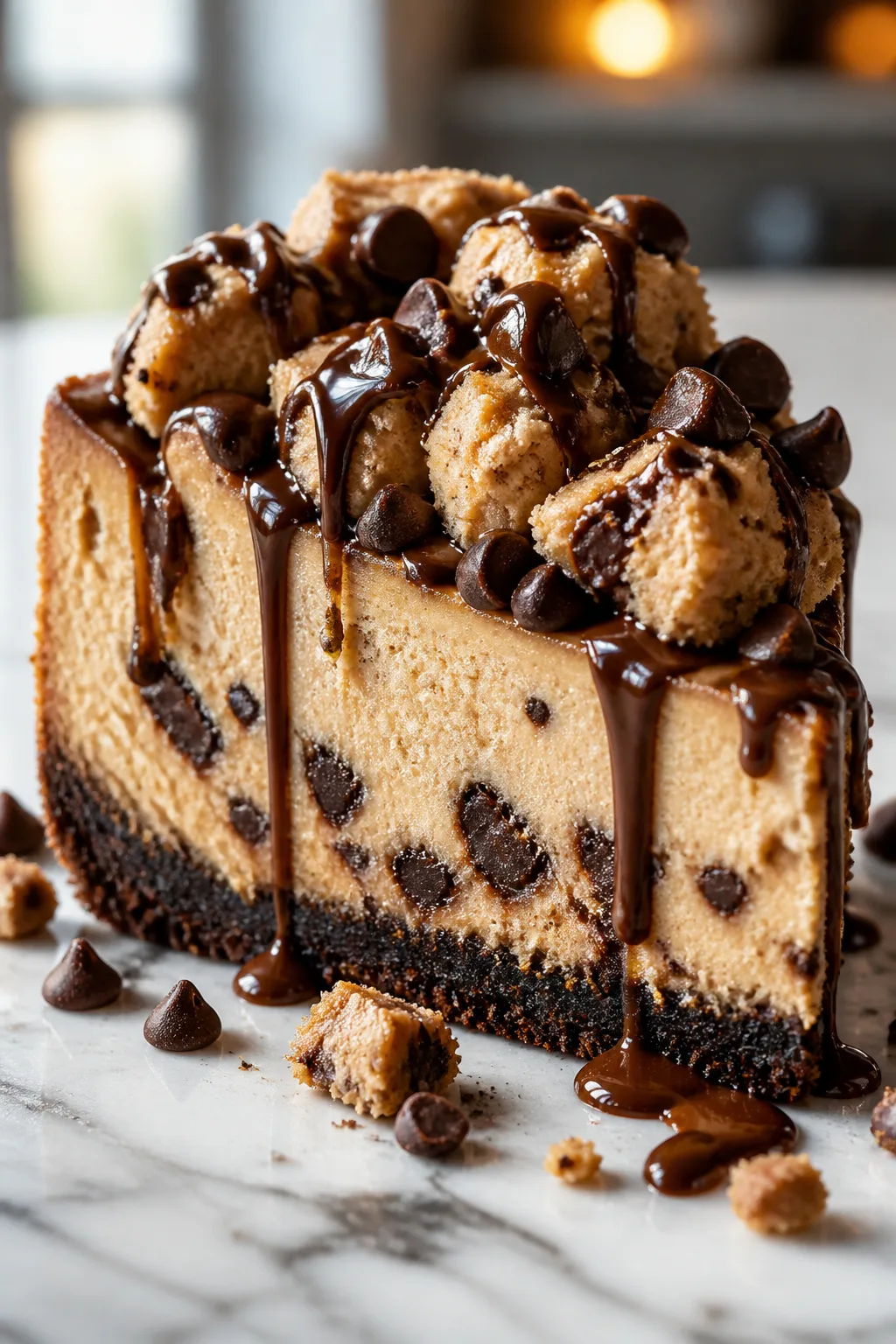
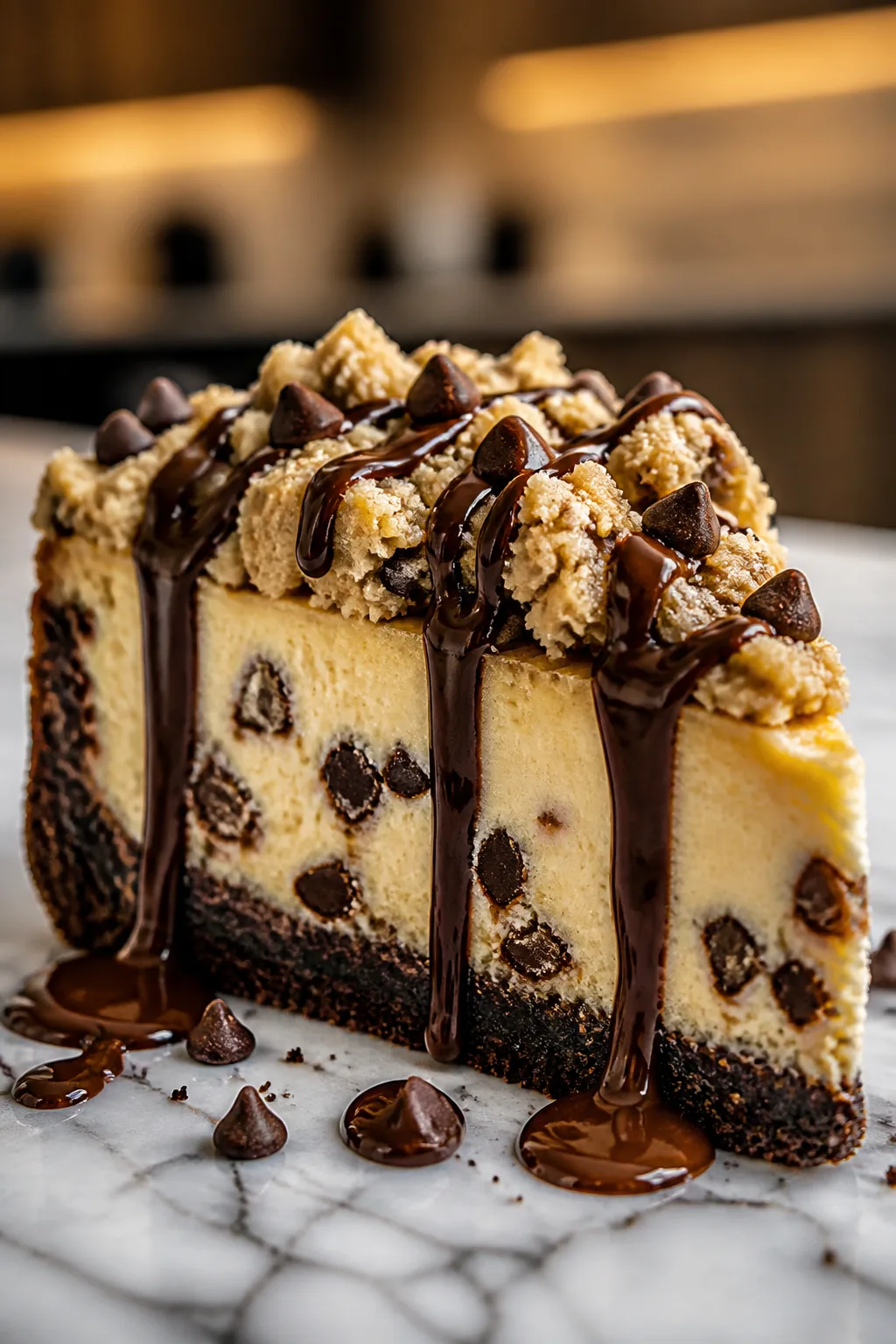
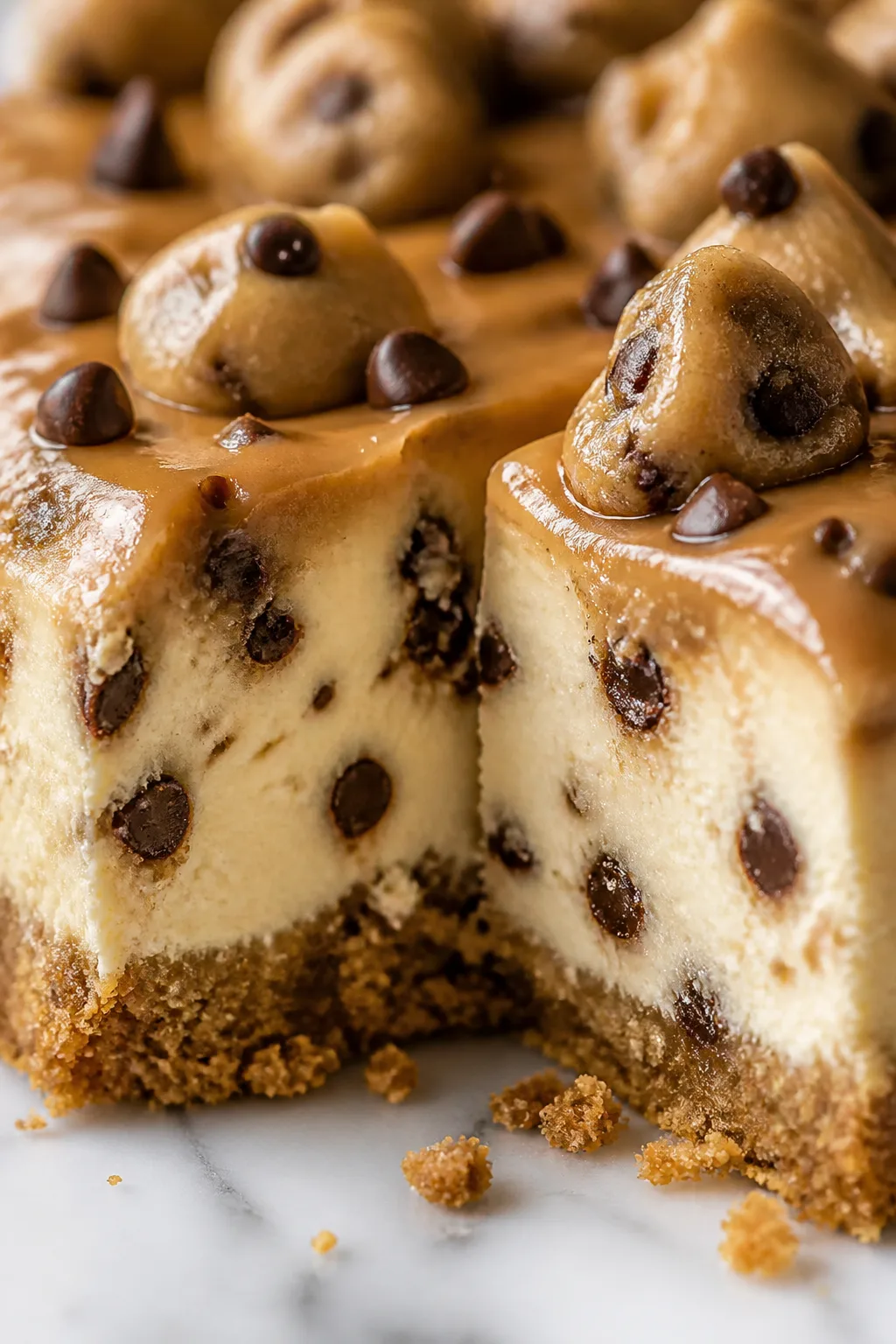
This cheesecake is creamy, dreamy, and loaded with cookie dough chunks. Made in just one pot, it’s a total game changer for easy cleanup. Perfect for weekend indulgences or impressing guests!
Introduction
I first made this one pot cookie dough cheesecake on a lazy Saturday afternoon when I wanted something indulgent but didn’t want to spend hours in the kitchen. The idea of combining creamy cheesecake with soft chunks of cookie dough felt like a dream come true. What makes this version special is the one pot method—everything comes together in the same pan, so cleanup is a breeze. Plus, the cookie dough pieces add a fun texture that’s totally addictive. I’ve tried other cheesecakes before, but this one always gets rave reviews from friends and family. The trick I learned is to fold the cookie dough gently into the batter so it stays intact and doesn’t melt away during baking. The final cheesecake is silky smooth with those delightful pockets of cookie dough in every bite. It looks impressive but honestly couldn’t be simpler. If you love rich desserts that aren’t fussy, this recipe’s for you. I hope you enjoy it as much as I do!
How To Do It
Step 1
Preheat your oven to 325°F (160°C). Start by making the crust: combine graham cracker crumbs and melted butter in a bowl, mixing until the crumbs are evenly coated and hold together when pressed. This step is crucial because a well-packed crust forms a sturdy base that won’t crumble when you slice the cheesecake. Press the mixture firmly into the bottom of a greased 9-inch springform pan. Use the bottom of a glass or measuring cup to compact it evenly. Avoid skipping this pressing step or your crust might fall apart later.
⏱ Time: 10 minutes
✓ Doneness: Crust feels firmly packed and evenly spread with no loose crumbs
Step 2
In a large mixing bowl, beat the softened cream cheese with granulated sugar until smooth and creamy, about 2-3 minutes. This step is key to preventing lumps and ensuring a velvety texture. If you rush or don’t beat the cream cheese enough, you’ll end up with a grainy cheesecake. Scrape down the sides of the bowl as you go to incorporate all the cream cheese evenly.
⏱ Time: 3 minutes
✓ Doneness: Mixture is smooth, fluffy, and free of lumps
Step 3
Add the eggs one at a time, beating gently after each addition just until combined. Overbeating here can introduce too much air, causing cracks during baking. Then stir in vanilla extract for flavor. The eggs help bind the cheesecake but too much mixing can ruin the texture, so be gentle.
⏱ Time: 3 minutes
✓ Doneness: Batter is smooth and just combined without air bubbles
Step 4
In a separate bowl, whip the heavy cream until soft peaks form. This means when you lift the whisk, the cream holds shape but the tip curls slightly. Gently fold the whipped cream into the cream cheese mixture to lighten the batter, making the cheesecake less dense and more luscious. Folding carefully preserves the airiness; don’t stir vigorously or you’ll lose volume.
⏱ Time: 5 minutes
✓ Doneness: Batter looks lighter and fluffy with no streaks of cream
Step 5
Fold in the cookie dough chunks gently, distributing them evenly without breaking them up. This is the fun part—the cookie dough chunks add texture and surprise bites. If you mix too hard, the dough will melt into the batter, losing that chewy contrast. Use a spatula and fold with slow, deliberate motions.
⏱ Time: 2 minutes
✓ Doneness: Cookie dough chunks are evenly scattered and intact in batter
Step 6
Pour the batter over the prepared crust in the springform pan. Use a spatula to smooth the top and make sure the batter is evenly spread to bake uniformly. Uneven batter can cause cracking or uneven texture. Tap the pan gently on the counter a few times to release any air bubbles trapped inside.
⏱ Time: 2 minutes
✓ Doneness: Batter surface is smooth and even with no large air pockets
Step 7
Place the springform pan on a baking sheet and bake in the preheated oven for about 30-35 minutes. The cheesecake should be mostly set but still jiggle slightly in the center when you gently shake the pan. Overbaking will dry it out, underbaking leaves it too soft. Keep an eye after 25 minutes and test gently.
⏱ Time: 30-35 minutes
✓ Doneness: Edges are set and center jiggles slightly without liquid batter
Step 8
Turn off the oven and leave the cheesecake inside with the door slightly open for 30 minutes. This gradual cooling helps prevent cracks by letting the temperature drop slowly. If you skip this step and cool quickly, your cheesecake might crack or sink.
⏱ Time: 30 minutes
✓ Doneness: Cheesecake cools gently with no cracks on the surface
Step 9
Remove the cheesecake from the oven and cool completely at room temperature before refrigerating for at least 4 hours or overnight. Chilling firms the cheesecake and enhances flavor. Don’t rush this step or your slices won’t hold shape and texture.
⏱ Time: 4+ hours
✓ Doneness: Cheesecake is fully chilled, firm, and sliceable
Pro Tips
Make sure the cream cheese is fully softened before mixing.
Softened cream cheese blends more smoothly with sugar and eggs, preventing lumps and ensuring a velvety cheesecake texture. Using cold cream cheese can lead to uneven mixing and grainy texture.
Fold in the cookie dough gently to keep the chunks intact.
Gentle folding preserves the shape and texture of the cookie dough pieces, so you get those delightful chewy bites rather than melted dough lost in the batter.
Don’t overbake the cheesecake; it should still jiggle slightly in the center.
Overbaking dries out the cheesecake, making it crumbly and less creamy. The slight jiggle indicates it’s perfectly set and will firm up during cooling.
Use a springform pan for easy removal and clean edges.
Springform pans allow you to remove the cheesecake without inverting or damaging the crust, preserving the presentation and making slicing easier.
Cool the cheesecake gradually in the oven with the door ajar.
Slow cooling prevents sudden temperature changes that cause cracks on the surface, keeping your cheesecake smooth and picture-perfect.
Press the crust firmly and evenly to avoid crumbling.
A compact crust holds together when slicing and contrasts nicely with the creamy filling. Loose crust crumbs can make the dessert messy.
Chill the cheesecake overnight for best flavor and texture.
Chilling allows the flavors to meld and the texture to firm up, making slicing easier and enhancing the overall eating experience.
Common Mistakes to Avoid
Using cold cream cheese straight from the fridge
Why it happens It’s tempting to rush and mix cream cheese as is, but this leads to lumps because the cheese doesn’t blend smoothly.
Fix Let cream cheese sit at room temperature for at least 30 minutes until soft. This ensures a smooth batter and creamy final cheesecake.
Overmixing the batter after adding eggs
Why it happens Excited to get everything combined, many overbeat the eggs, which traps air and causes cracks.
Fix Mix eggs in one at a time just until combined. Avoid vigorous beating to keep the batter smooth and crack-free.
Skipping the gradual cooling step in the oven
Why it happens Once baking finishes, people often remove the cheesecake immediately, causing temperature shock.
Fix Leave the cheesecake in the oven with the door slightly open for 30 minutes to cool gradually and prevent cracks.
Not pressing the crust firmly enough
Why it happens Rushing or lightly pressing the crust causes it to crumble when slicing.
Fix Use the bottom of a glass to firmly pack the crust evenly before baking for a sturdy base.
Adding cookie dough too early or mixing too aggressively
Why it happens Some add cookie dough early or mix too hard, causing it to dissolve into the batter.
Fix Fold cookie dough chunks in gently near the end of mixing to keep them intact and chewy.
Variations
Chocolate Chip Cookie Dough Cheesecake
Swap the cookie dough chunks for chocolate chip cookie dough for a classic favorite. You can also swirl melted chocolate into the batter for extra richness. Expect a familiar, comforting flavor with delightful chocolate bursts.
Note: Chocolate chip cookie dough behaves similarly; fold in gently to avoid melting. Baking time remains unchanged.
Peanut Butter Cookie Dough Cheesecake
Add peanut butter cookie dough chunks instead of plain for a nutty twist. The peanut butter flavor pairs beautifully with the creamy cheesecake and adds a savory edge to the sweetness.
Note: Peanut butter dough can be slightly denser; fold carefully and monitor baking for any texture changes.
Vegan Cookie Dough Cheesecake
Use dairy-free cream cheese and coconut cream whipped to soft peaks, along with vegan edible cookie dough. This version is perfect for plant-based diets and still creamy and delicious.
Note: Vegan substitutes may require slightly longer chilling times for firm setting.
Gluten-Free Cookie Dough Cheesecake
Use gluten-free graham crackers for the crust and gluten-free cookie dough chunks. This adaptation keeps the dessert accessible without compromising on texture or flavor.
Note: Check gluten-free ingredients for similar texture; crust pressing and baking time remain the same.
Salted Caramel Cookie Dough Cheesecake
Drizzle salted caramel sauce over the top before serving or swirl it into the batter. The salty-sweet contrast enhances the cookie dough and cheesecake flavors beautifully.
Note: Add caramel after baking to avoid burning; swirling in raw batter may affect baking slightly.
Nutrition
Per Serving:
Nutritional values are estimates and may vary based on specific ingredients used.
Storage & Tips
Room Temperature
Keep the cheesecake covered loosely at room temperature for up to 2 hours. Beyond that, it should be refrigerated to prevent spoilage.
Refrigerator
Store in an airtight container or cover tightly with plastic wrap in the fridge for up to 5 days. The cheesecake may firm up more when cold; serve slightly chilled or bring to room temp before slicing.
Freezer
Wrap the cheesecake tightly in plastic wrap and then foil, freezing for up to 2 months. Thaw overnight in the fridge to preserve texture and flavor.
Reheating
Cheesecake is best served cold or room temperature; avoid reheating as it can alter texture. If desired, let it sit at room temp for 20 minutes before serving.
Make Ahead
Bake the cheesecake a day ahead and refrigerate overnight. You can prepare the crust and batter separately a day before, then assemble and bake fresh for best results.
FAQ
Can I use regular cookie dough instead of edible cookie dough chunks?
Regular cookie dough often contains raw eggs, which can be unsafe to eat without baking. For this recipe, use edible cookie dough made without eggs or heat-treated flour to ensure safety. Alternatively, make your own egg-free dough for mixing in.
Why did my cheesecake crack on top?
Cracks usually happen from overmixing, overbaking, or rapid cooling. To avoid cracks, mix gently, bake until just set with a slight jiggle, and cool slowly in the oven with the door ajar before refrigerating.
What’s the best way to store leftover cheesecake?
Store leftovers in an airtight container or cover tightly with plastic wrap in the fridge for up to 5 days. For longer storage, freeze wrapped cheesecake for up to 2 months.
Can I substitute the graham cracker crust for another type?
Yes! You can use digestive biscuits, vanilla wafers, or even crushed pretzels for a salty-sweet twist. Just make sure to crush finely and press firmly for a good crust.
How do I prevent the cookie dough from melting into the batter?
Fold cookie dough chunks in gently at the very end of mixing. Avoid vigorous stirring or mixing the dough in too early so the chunks stay intact after baking.
Can I make this cheesecake dairy-free?
Yes, using dairy-free cream cheese and coconut cream whipped to soft peaks can replicate the creamy texture. Use vegan cookie dough chunks to keep it fully dairy-free.
Why does the cheesecake jiggle in the center when done baking?
A slight jiggle indicates the cheesecake is set but still moist and creamy inside. It will firm up as it cools and chills. Overbaking removes this jiggle but can dry out the cake.
Is it necessary to use a springform pan?
While not absolutely necessary, a springform pan makes removing the cheesecake much easier without damaging the crust or sides. If you don’t have one, line a regular pan with parchment paper for easier removal.
Final Thoughts
Give this one pot cookie dough cheesecake a try—you’ll love how easy and delicious it is! Don’t forget to share your creations; I can’t wait to hear what you think.