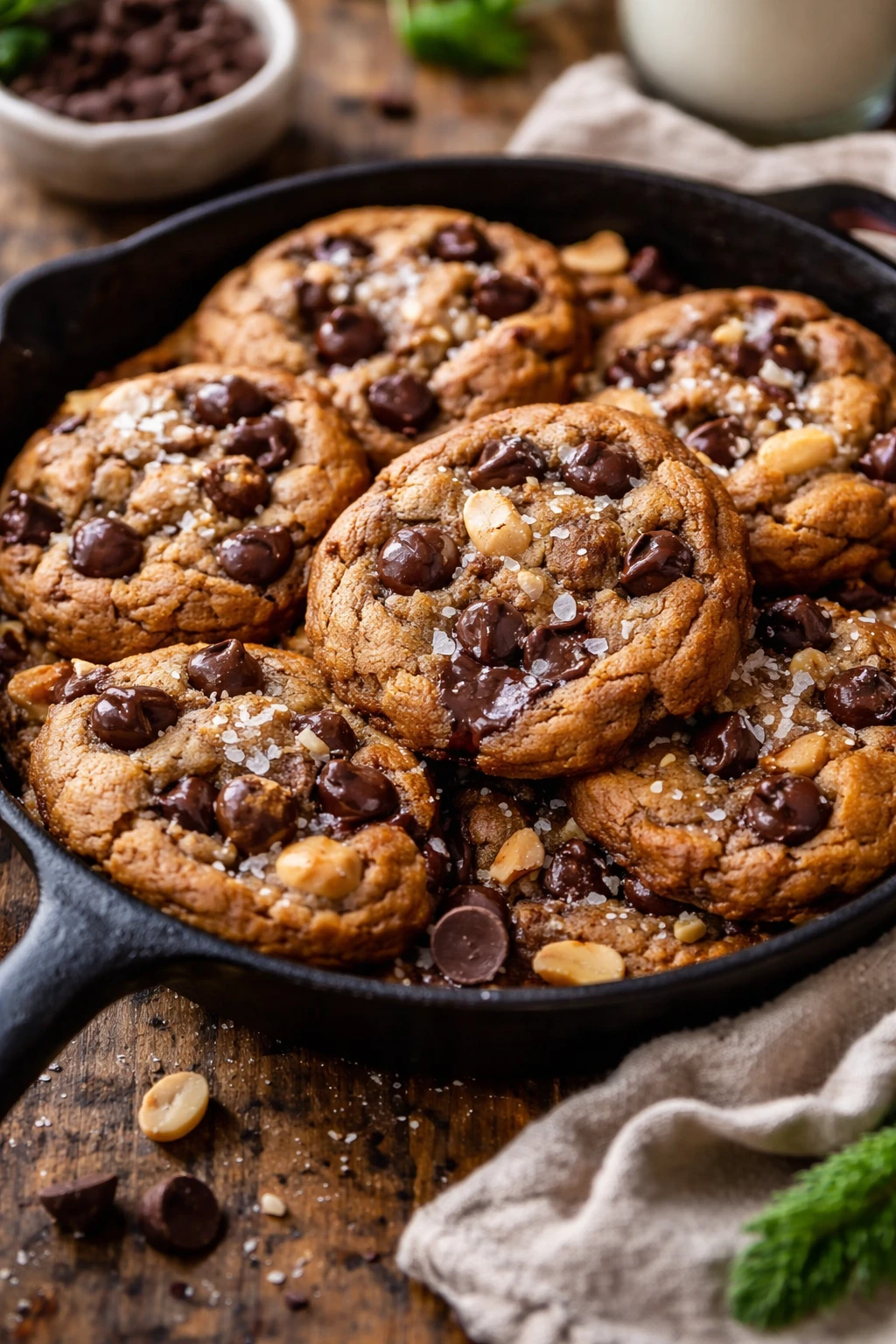
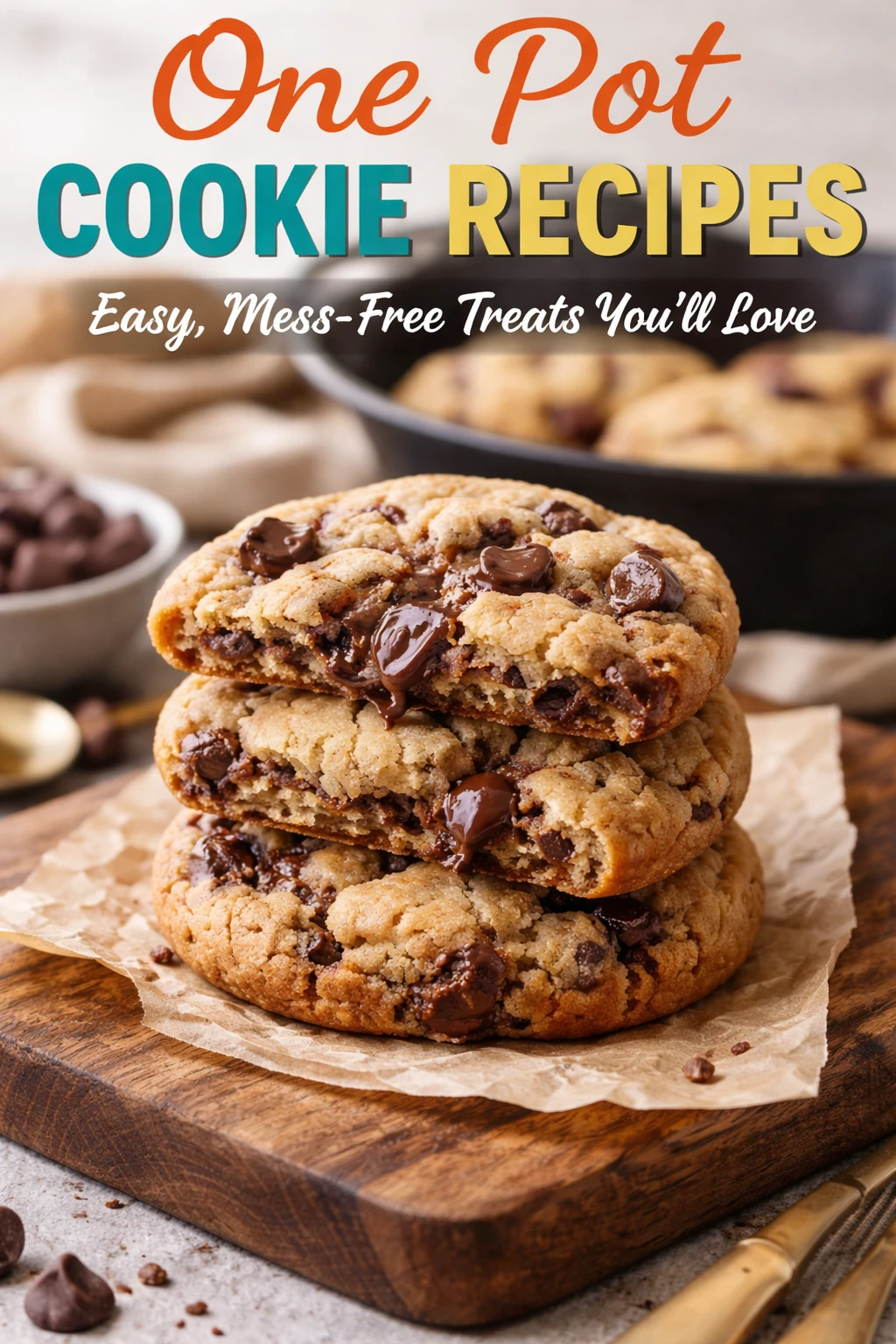
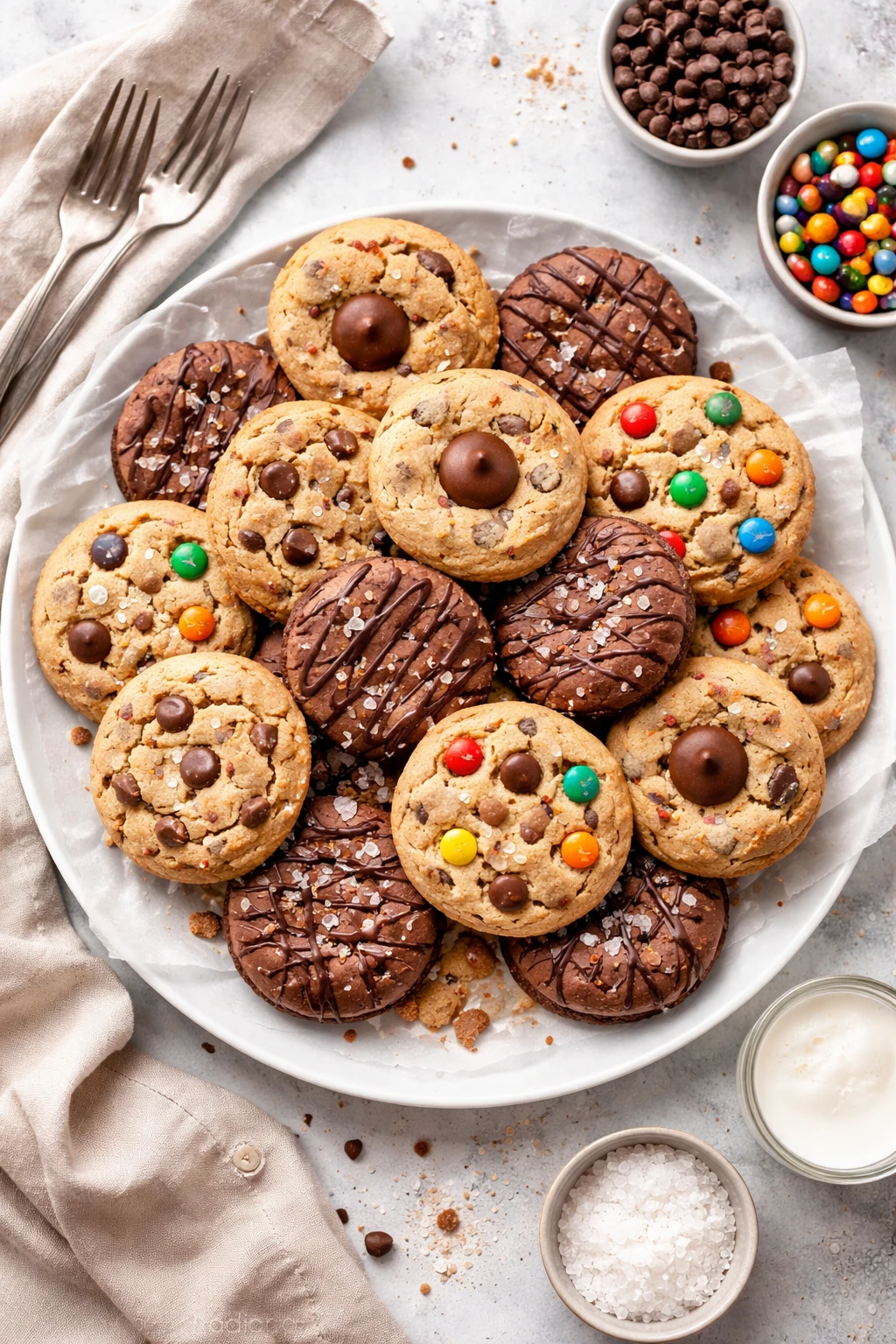
These cookies come together in just one pot—no extra bowls or mess! They’re soft, gooey, and perfect when you want a quick, comforting treat without the fuss. Bonus: less cleanup!
Introduction
I stumbled upon this one-pot cookie recipe a few months ago when I was desperate for a quick dessert but didn’t want to deal with washing multiple bowls afterward. Honestly, it’s been a game changer in my kitchen! What makes this version stand out is the simplicity — everything gets mixed right in the pot you melt the butter in, which means less mess and more time enjoying the cookies. I love how soft and gooey they turn out, even though they’re baked in one pan. The trick I learned is to melt the butter first, which helps the sugars dissolve better and gives the cookies that perfect chewy texture. Plus, using both brown and granulated sugar adds a nice depth of flavor. When they come out of the oven, the cookies have a slightly crisp edge but remain soft and tender inside, making them irresistible. It’s perfect for weeknight treats, last-minute guests, or just whenever you want homemade cookies without fuss. I think you’ll love how easy and rewarding this recipe is — it’s become a staple in my home, and I’m sure it will be in yours too!
What You'll Need
Approximately 12 large cookies
- 1 cup unsalted butter, melted
- 1 cup packed brown sugar
- 1/2 cup granulated sugar
- 2 large eggs
- 2 teaspoons vanilla extract
- 2 1/4 cups all-purpose flour
- 1 teaspoon baking soda
- 1/2 teaspoon salt
- 2 cups semisweet chocolate chips
How To Do It
Step 1
Start by melting the butter in a large, oven-safe pot or Dutch oven over low heat. Melting the butter first is key because it helps the sugars dissolve evenly, which creates a chewy texture in the finished cookies. Be careful not to let the butter brown or burn — just melt until fully liquid. This step sets the stage for the perfect cookie dough consistency and flavor development.
⏱ Time: 5
✓ Doneness: Butter is fully melted and smooth without any browning
Step 2
Once the butter is melted, remove the pot from heat and immediately stir in both the brown sugar and granulated sugar until well combined. The warm butter softens the sugars, allowing them to blend smoothly into the mixture. This creates a rich, caramel-like flavor that deepens the cookie’s taste. Make sure to mix well so there are no sugar clumps—this ensures even sweetness throughout.
⏱ Time: 3
✓ Doneness: Sugar is fully dissolved and mixture looks smooth and glossy
Step 3
Add the eggs one at a time, beating well after each addition. The eggs help bind the dough and give the cookies structure while keeping them moist. Adding them slowly ensures they incorporate fully without cooking from the residual heat of the butter. Then, stir in the vanilla extract for that classic warm aroma and flavor that makes homemade cookies so comforting.
⏱ Time: 4
✓ Doneness: Mixture is smooth, shiny, and slightly thickened
Step 4
In a separate bowl, whisk together the all-purpose flour, baking soda, and salt to evenly distribute the leavening agent and seasoning. This step prevents clumps and ensures the cookies rise uniformly. Gradually add the dry ingredients to the wet mixture in the pot, stirring gently but thoroughly to avoid overmixing, which can lead to tough cookies.
⏱ Time: 5
✓ Doneness: Dough comes together smoothly without dry patches
Step 5
Fold in the chocolate chips evenly throughout the dough. This is where the magic happens — pockets of melted chocolate in every bite. Be gentle so you don’t break the chips, but make sure they’re well distributed to get chocolate in every cookie.
⏱ Time: 2
✓ Doneness: Chocolate chips are evenly scattered throughout the dough
Step 6
Preheat your oven to 350°F (175°C). If your pot isn’t oven-safe, transfer the dough to a lined baking sheet, but I prefer baking it right in the pot for less mess and a rustic edge. The oven temperature is perfect for baking cookies that have crisp edges and soft centers.
⏱ Time: 10
✓ Doneness: Oven is fully preheated and ready to bake
Step 7
Bake the cookies for 12-14 minutes. Keep an eye on them in the last few minutes because ovens vary. The cookies are done when the edges are golden but the centers still look slightly underbaked — they’ll continue to set as they cool, giving you that soft, gooey texture.
⏱ Time: 14
✓ Doneness: Edges are golden and centers look just set but slightly soft
Step 8
Remove the pot from the oven and let the cookies cool for at least 10 minutes before serving. This resting time allows the cookies to firm up and develop their chewy texture. Resist the urge to dig in immediately, or they might fall apart. The aroma filling your kitchen will be worth the wait!
⏱ Time: 10
✓ Doneness: Cookies are firm enough to lift without crumbling
Step 9
Serve warm with a glass of milk or your favorite hot drink. These cookies are best enjoyed fresh but also store well if you want to save some for later. I love how this one-pot method makes baking feel less intimidating and more fun — perfect for a cozy night in or spontaneous dessert cravings.
⏱ Time: 0
✓ Doneness: Cookies are soft, gooey, and delicious
Pro Tips
Use room temperature eggs for better incorporation.
Room temperature eggs emulsify more easily with the melted butter and sugar mixture, resulting in a smoother, more uniform dough. Cold eggs can cause the butter to seize or create lumps, which may affect the cookie texture.
Don’t overmix after adding flour.
Overmixing activates gluten development in the flour, which can lead to tougher, chewier cookies instead of tender, soft ones. Mix just until you don’t see dry streaks of flour to keep the texture light.
Chill the dough for 30 minutes if you want thicker cookies.
Chilling firms up the dough, which slows spreading during baking. This results in cookies that are thicker, chewier, and less flat. It’s especially helpful in warm kitchens or if your dough feels soft.
Line your baking sheet with parchment paper if not baking in the pot.
Parchment prevents sticking and promotes even baking. It also helps with cleanup and prevents the bottoms of cookies from burning or browning too much.
Use a cookie scoop for even-sized cookies.
A cookie scoop ensures uniform size, so cookies bake evenly. This avoids some cookies being undercooked while others are overdone.
Add a pinch of flaky sea salt on top before baking.
A sprinkle of sea salt enhances the chocolate flavor and balances sweetness, creating a more complex and satisfying cookie experience.
Let cookies cool on the baking surface for 5 minutes before transferring.
Cooling on the hot surface allows the cookies to set properly, preventing them from falling apart when moved. It also lets residual heat finish the cooking gently.
Common Mistakes to Avoid
Using cold butter instead of melted.
Why it happens Many recipes call for softened butter, so it’s easy to forget this recipe requires melted butter. People often assume softened butter is interchangeable here.
Fix Make sure to melt the butter fully on low heat before mixing in sugars. This helps dissolve sugars properly and creates the desired chewy texture. Don’t rush or overheat to avoid browning.
Overbaking the cookies.
Why it happens It’s tempting to bake cookies until they look fully firm, but this recipe needs them slightly underbaked in the center to stay gooey.
Fix Remove cookies when edges are golden but centers look soft and slightly underdone. They’ll finish setting as they cool, preserving that perfect softness.
Adding too much flour.
Why it happens Flour can be easily packed into measuring cups, leading to dense, dry dough if too much is added.
Fix Use the spoon-and-level method to measure flour lightly or weigh it if possible. This keeps the dough tender and prevents dryness.
Skipping the resting/cooling time.
Why it happens Cookies are often eaten right out of the oven, but this recipe needs cooling to set properly.
Fix Let cookies cool at least 10 minutes before serving to allow the structure to firm up and prevent crumbling.
Using expired baking soda.
Why it happens Baking soda loses potency over time, and it’s easy to overlook its freshness.
Fix Test baking soda by mixing a small amount with vinegar; it should fizz vigorously. Replace if fizz is weak to ensure proper rise.
Variations
Add chopped nuts for crunch
Stir in 1 cup of chopped walnuts or pecans with the chocolate chips for an extra crunchy texture and nutty flavor that complements the sweet dough beautifully.
Note: Adding nuts may slightly slow the spreading, so watch the baking time closely to avoid overbaking.
Use white chocolate and dried cranberries
Swap semisweet chips for white chocolate chunks and add 1/2 cup dried cranberries for a festive, sweet-tart twist that’s perfect for holidays or special occasions.
Note: White chocolate melts differently and can brown faster; check cookies a minute or two earlier.
Make it vegan with flax eggs and coconut oil
Replace eggs with flax eggs (2 tablespoons flaxseed meal + 6 tablespoons water) and butter with melted coconut oil for a vegan-friendly version that stays soft and flavorful.
Note: Coconut oil solidifies when cool, so keep cookies at room temp for best texture.
Add a pinch of cinnamon and espresso powder
Sprinkle 1/2 teaspoon cinnamon and 1 teaspoon espresso powder into the dry ingredients for a subtle spicy warmth and enhanced chocolate depth.
Note: These spices won’t affect texture but add complexity to flavor.
Use dark chocolate chunks for richer flavor
Swap semisweet chips for chopped dark chocolate bars (70% cocoa or higher) for a more intense chocolate taste and a slightly less sweet cookie.
Note: Chopped chunks melt unevenly, creating pockets of molten chocolate.
Nutrition
Per Serving:
Nutritional values are estimates and may vary based on specific ingredients used.
Storage & Tips
Room Temperature
Cookies keep well at room temperature for up to 2 days when stored in an airtight container. Keep them away from heat and sunlight to maintain softness and prevent melting of chocolate chips.
Refrigerator
Store in an airtight container for up to 5 days. Refrigerated cookies may firm up and lose some of their gooey texture. Warm briefly in the microwave for 10-15 seconds before serving to soften.
Freezer
Freeze cookies in a single layer on a baking sheet, then transfer to a freezer bag for up to 3 months. To thaw, leave at room temperature for 1-2 hours or microwave briefly. Avoid refreezing after thawing to preserve texture.
Reheating
Reheat cookies in a microwave for 10-15 seconds or in a 300°F oven for 5 minutes to restore softness. Adding a small splash of milk or covering with foil in the oven helps retain moisture. Avoid overheating to prevent drying out.
Make Ahead
You can prepare the dough 1 day ahead and refrigerate it tightly wrapped. Let the dough come to room temperature before baking. This resting period enhances flavor and texture, making cookies even better.
FAQ
Can I use salted butter instead of unsalted?
You can, but reduce or omit the added salt in the recipe to avoid over-seasoning. Unsalted butter gives you better control over the final saltiness, which is important for balancing sweetness.
Why do my cookies spread too much?
Too warm dough, too much butter, or not chilling the dough can cause excess spreading. Try chilling the dough for 30 minutes before baking and measure ingredients carefully to keep the right balance.
Can I substitute the all-purpose flour with gluten-free flour?
Yes, but use a gluten-free blend designed for baking, and add xanthan gum if not included. Texture may be slightly different, but the cookies should still be delicious.
How do I keep cookies soft for longer?
Store cookies in an airtight container with a slice of bread inside; the bread helps retain moisture. Avoid refrigerating unless necessary, as cold air can dry cookies out.
Can I add other mix-ins besides chocolate chips?
Absolutely! Nuts, dried fruit, or white chocolate chunks all work well. Just be sure to keep the total mix-ins around 2 cups to maintain dough balance.
What’s the best way to measure flour for this recipe?
Spoon flour into your measuring cup and level it off with a knife rather than scooping directly from the bag. This prevents packing which can lead to dense cookies.
Why do my cookies sometimes come out flat and greasy?
This usually happens if the butter is overheated or the dough is too warm. Melt butter gently and let the dough cool slightly before baking to prevent excess spreading and greasiness.
Can I double the recipe?
Yes, just mix ingredients in a larger pot or bowl and bake in batches. Watch baking time closely as larger batches may take longer to bake evenly.
Final Thoughts
I hope you enjoy making these one-pot gooey chocolate chip cookies as much as I do! Be sure to share your baking wins and tweaks—I love hearing how it turns out for you.