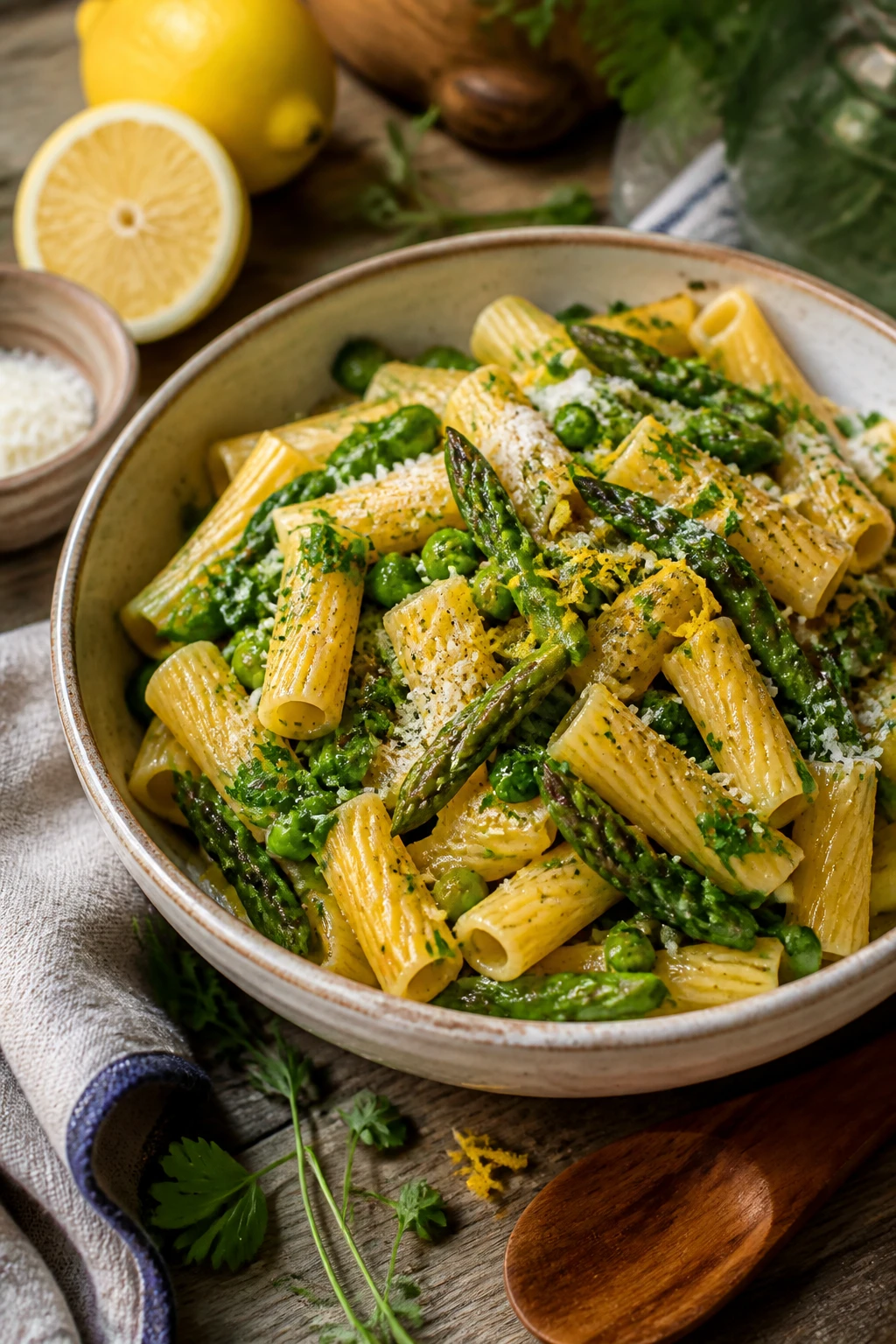
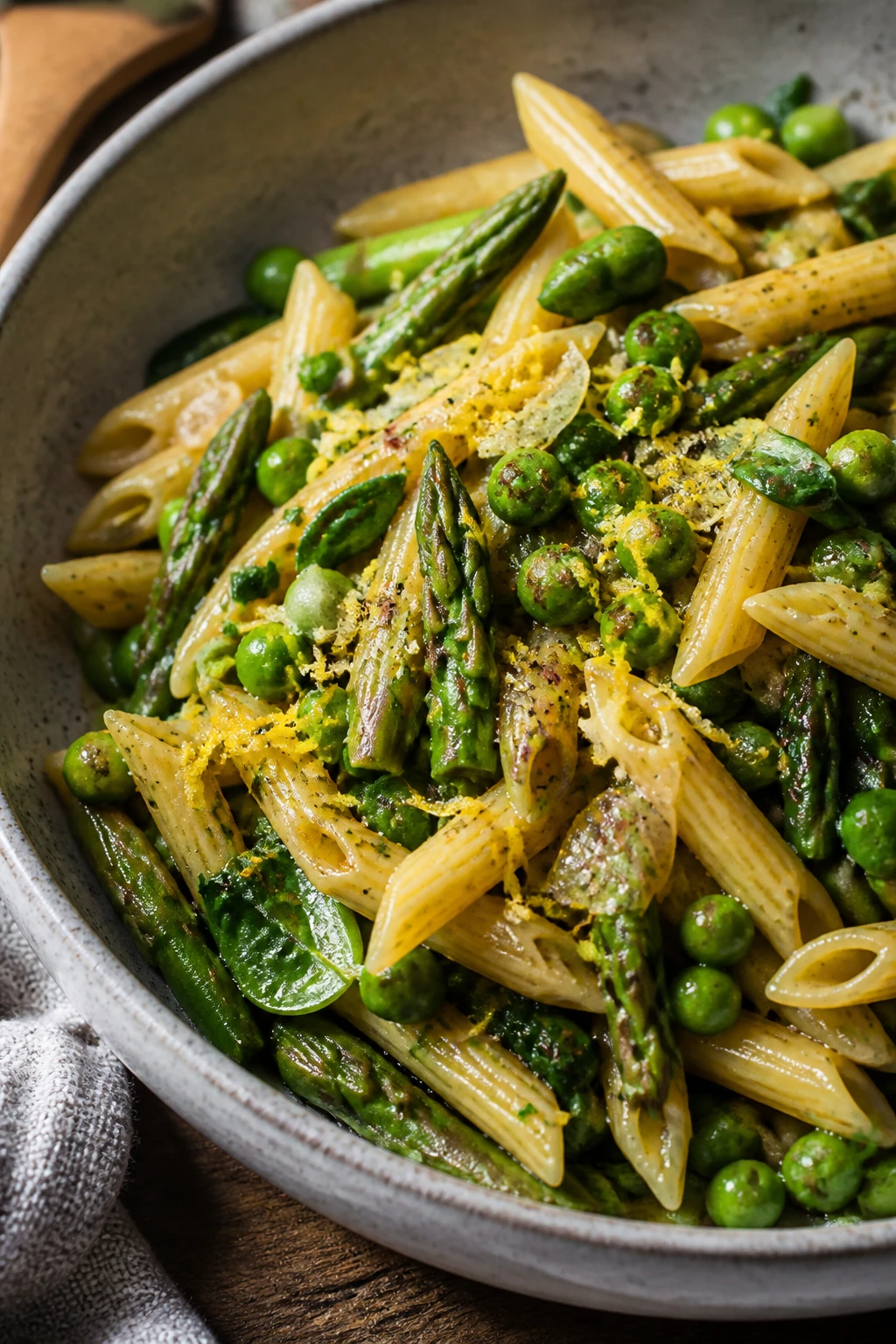
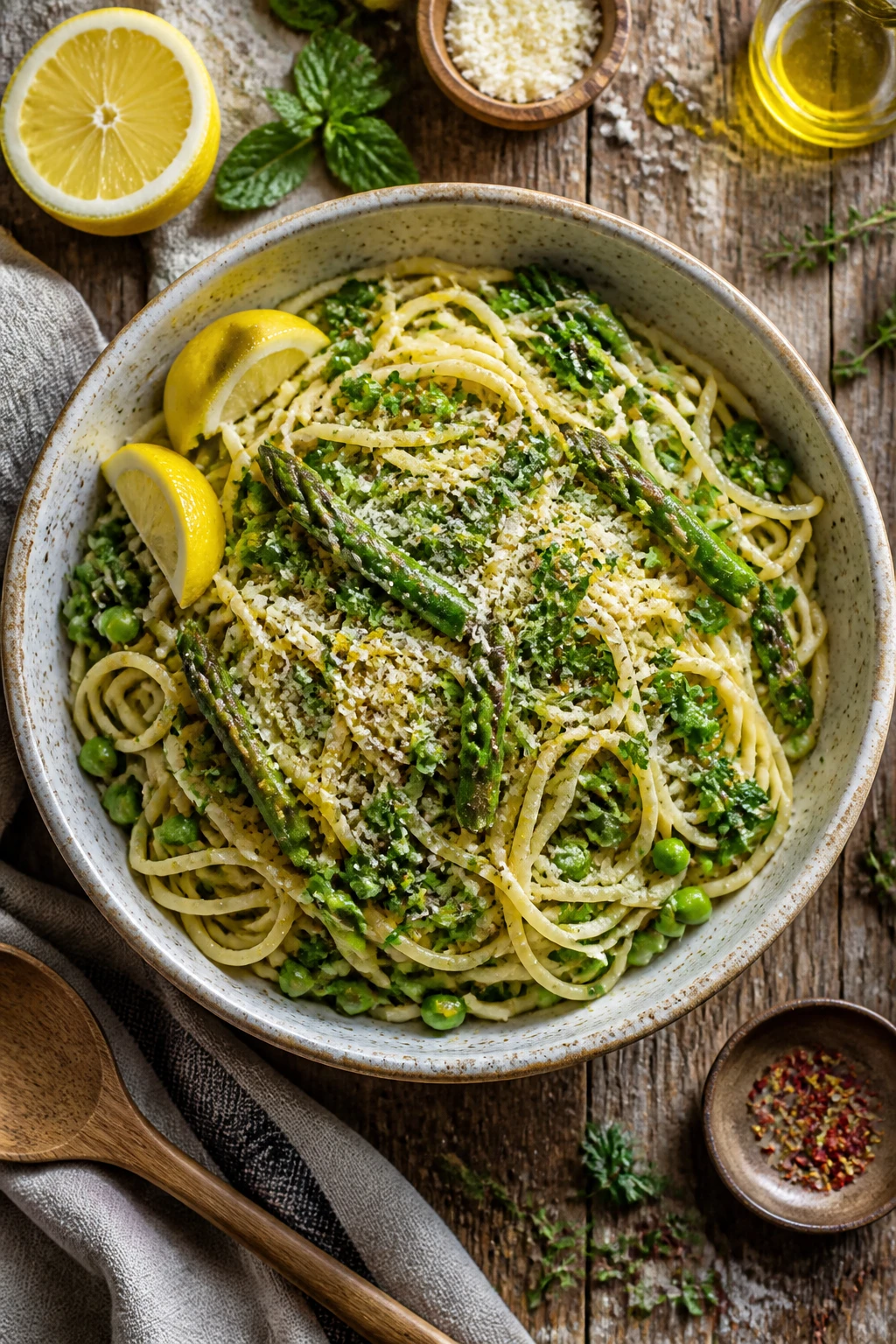
A fresh and lively one-pot pasta packed with spring veggies, garlic, and a bright lemon zing. Quick to whip up, it’s perfect for an easy weeknight dinner when you want something light but satisfying.
Introduction
I first tried this one-pot spring veggie pasta on a whim during a busy week when I wanted something fresh but fuss-free. What I love about this recipe is how it packs a punch of bright, garlicky lemon flavor while being incredibly simple to make. Unlike traditional pasta dishes that require multiple pots and pans, this one comes together in just a single pot, which means less cleanup and more time to relax. The trick I learned was to add the pasta directly to the broth with the veggies so it cooks perfectly, soaking up all those zesty, garlicky notes. I’ve tweaked it a bit over time, adding fresh lemon zest and a splash of juice at the end to really elevate the brightness. The finished dish is light but satisfying, with tender spring vegetables and a fresh, tangy bite that feels like spring on a plate. It’s become my go-to when I want a quick, healthy dinner that doesn’t skimp on flavor. I hope you’ll love it as much as my family does!
How To Do It
Step 1
Heat the olive oil in a large pot over medium heat. Add the minced garlic and sauté gently for about 1-2 minutes until fragrant but not browned. This step is crucial because garlic burns quickly and turns bitter, so keep an eye on it and stir frequently. The gentle sauté releases the garlic’s flavor into the oil, which will infuse the entire dish with that lovely aromatic base.
⏱ Time: 2 minutes
✓ Doneness: Garlic is fragrant and just starting to turn golden but not browned
Step 2
Add the sliced zucchini, asparagus pieces, and cherry tomatoes to the pot. Stir them with the garlic for 2-3 minutes to start softening the veggies and bring out their natural sweetness. This brief sauté helps the vegetables retain some texture while releasing their fresh flavors. Avoid crowding the pot so veggies cook evenly and don’t steam too much.
⏱ Time: 3 minutes
✓ Doneness: Vegetables start to soften but remain bright and slightly firm
Step 3
Pour in the vegetable broth and bring the mixture to a boil. Once boiling, carefully add the dried spaghetti, gently pressing it down so it’s mostly submerged. The pasta will cook right in the broth, absorbing all the flavors from the garlic and veggies. Stir occasionally to prevent sticking and ensure even cooking. Don’t rush this step, as the pasta needs to absorb enough liquid to cook through without being mushy.
⏱ Time: 10 minutes
✓ Doneness: Pasta is tender but still has a slight bite (al dente), broth has reduced slightly
Step 4
Lower the heat to medium-low and let the pasta simmer gently. Stir every few minutes to keep the pasta from sticking to the bottom and to distribute the veggies evenly. This gentle simmer lets the pasta finish cooking slowly, soaking up the lemony broth without getting mushy. If the liquid reduces too fast, add a splash of water or broth.
⏱ Time: 8 minutes
✓ Doneness: Pasta is tender and broth is mostly absorbed with a creamy texture
Step 5
Remove the pot from heat and stir in the lemon zest and lemon juice. This fresh citrus addition brightens the whole dish and balances the garlic’s richness. The timing here is key — adding lemon juice too early can make the pasta tough, so wait until the end to keep the texture perfect.
⏱ Time: 1 minute
✓ Doneness: A fresh, zesty aroma fills the kitchen and the pasta glistens with lemony brightness
Step 6
Sprinkle the grated Parmesan cheese over the pasta, stirring gently to combine. The cheese melts into the hot pasta, adding a creamy, savory note that rounds out the flavors. If you want it cheesier, add more gradually, tasting as you go. Season with salt and freshly ground pepper to taste — the broth and Parmesan add saltiness, so adjust carefully.
⏱ Time: 2 minutes
✓ Doneness: Cheese is melted and evenly distributed, pasta looks creamy and glossy
Step 7
Let the pasta rest for a couple of minutes off the heat. This brief resting time allows the flavors to meld and thickens the sauce slightly. It also helps the pasta absorb any remaining liquid, making for a better texture. Resist the urge to dig in immediately!
⏱ Time: 3 minutes
✓ Doneness: Sauce thickens a bit, and the pasta feels perfectly coated and flavorful
Step 8
Serve the pasta hot, garnished with fresh basil leaves for a pop of color and herbal brightness. The basil adds a fresh, slightly peppery note that complements the lemon and garlic beautifully. You can also add an extra sprinkle of Parmesan if you like.
⏱ Time: 1 minute
✓ Doneness: Fresh basil looks vibrant and adds a fragrant herbal note
Step 9
Enjoy your meal right away for the best texture and flavor. This pasta is best fresh since the veggies and lemon zest shine brightest when just cooked. If you have leftovers, store them properly and reheat gently to preserve the dish’s freshness.
⏱ Time: Immediate
✓ Doneness: Pasta is warm, flavorful, and the veggies retain a slight bite
Pro Tips
Don’t rush the garlic sauté step.
Sautéing garlic gently releases its essential oils without burning it, which is key for a mellow, fragrant base. Burnt garlic tastes bitter and can overpower the dish, so keep the heat medium-low and stir often for the best flavor.
Add pasta gradually and press it down gently.
Submerging the pasta slowly helps it cook evenly and prevents clumping. Pressing it down ensures it’s mostly covered by the broth, allowing it to soften uniformly. Stirring occasionally prevents sticking and promotes even absorption of flavors.
Use fresh lemon zest and juice added at the end.
Adding lemon zest and juice at the end preserves their bright, fresh flavor and prevents the acid from toughening the pasta. The zest contains aromatic oils that infuse the dish with citrus brightness, while the juice balances the richness of the cheese and oil.
Stir gently but regularly while simmering.
Regular stirring prevents the pasta from sticking to the pot and helps distribute veggies and flavors evenly. It also prevents uneven cooking and clumping, resulting in a smoother, creamier texture throughout the dish.
Rest the pasta for a few minutes off the heat before serving.
Letting the pasta rest helps the sauce thicken slightly and allows flavors to meld. It also lets the pasta absorb any remaining broth, so the texture is perfectly coated and not watery.
Use fresh Parmesan cheese, not pre-grated.
Freshly grated Parmesan melts better and adds a richer flavor. Pre-grated cheeses often contain additives that prevent good melting and can result in a grainy texture.
Garnish with fresh basil for an herbal lift.
Fresh basil adds a subtle peppery note and vibrant color that complements the lemon and garlic. It brightens the dish and enhances the overall flavor profile.
Common Mistakes to Avoid
Burning the garlic during sautéing.
Why it happens Many cooks turn the heat too high or leave garlic unattended, causing it to brown or blacken quickly.
Fix Use medium-low heat and stir garlic constantly for 1-2 minutes until fragrant but not browned. Remove from heat immediately if it starts to darken.
Adding lemon juice too early.
Why it happens Some think lemon juice can be added with broth, but acid affects pasta texture negatively if cooked too long.
Fix Add lemon juice only after the pasta is fully cooked and removed from heat to preserve texture and flavor.
Not stirring enough while pasta cooks.
Why it happens Busy cooks often leave pasta unattended, causing it to stick and cook unevenly.
Fix Stir gently every few minutes to prevent sticking and ensure even cooking.
Using low-quality broth or water instead of broth.
Why it happens Some skip broth for convenience, but it results in bland pasta.
Fix Use a good vegetable broth for rich flavor; homemade or quality store-bought works best.
Overcooking the veggies until mushy.
Why it happens Cooking veggies too long in broth can lead to loss of texture and vibrant color.
Fix Add veggies early but avoid over-simmering; they should be tender-crisp when pasta is done.
Variations
Add Protein with Grilled Chicken
For a heartier meal, toss in sliced grilled chicken breast before serving. The smoky, savory chicken pairs beautifully with the lemony pasta and fresh veggies, making it a perfect balanced dinner. It’s great for meal prep too!
Note: Grill chicken separately and add just before serving to keep textures distinct.
Make It Vegan with Nutritional Yeast
Skip the Parmesan and sprinkle nutritional yeast instead for a cheesy, nutty flavor without dairy. Use a vegan broth and add extra lemon for brightness. This variation keeps the dish fresh and plant-based.
Note: Nutritional yeast doesn’t melt like cheese, so stir it in at the end off heat.
Spicy Kick with Red Pepper Flakes
If you love a little heat, add red pepper flakes when sautéing garlic. It transforms this bright pasta into a zesty, spicy dish that wakes up your taste buds without overwhelming the fresh flavors.
Note: Adjust amount of flakes to taste; add early to infuse oil with spice.
Swap Zucchini for Spinach or Kale
Try replacing zucchini with leafy greens like spinach or kale for a different texture and flavor. Add them near the end of cooking so they wilt just right, keeping the dish fresh and vibrant.
Note: Leafy greens cook faster, so add in the last 2-3 minutes of simmering.
Use Gluten-Free Pasta
Make this dish gluten-free by using your favorite GF pasta. Cooking times may vary slightly, so watch closely to achieve perfect al dente texture without mushiness.
Note: Check package instructions and adjust broth amount as needed for GF pasta absorption.
Nutrition
Per Serving:
Nutritional values are estimates and may vary based on specific ingredients used.
Storage & Tips
Room Temperature
This pasta can safely sit at room temperature for up to 2 hours if covered, but it’s best enjoyed fresh. Leaving it out longer risks bacterial growth, especially with dairy cheese.
Refrigerator
Store leftovers in an airtight container for up to 3 days. The pasta may absorb more liquid and veggies soften further. Reheat gently to avoid drying out, adding a splash of broth or water if needed.
Freezer
Freeze cooked pasta in airtight containers or freezer bags for up to 2 months. To prevent freezer burn, wrap tightly and remove as much air as possible. Thaw overnight in the fridge before reheating.
Reheating
Reheat on stovetop over low heat with a splash of broth or water to loosen sauce. Microwave works too but cover and stir halfway through. Avoid high heat to prevent drying or toughening the pasta.
Make Ahead
You can prep the veggies and garlic sauté 1-2 days ahead and store separately. Assemble and cook the pasta fresh for best texture. Alternatively, cook the full dish and refrigerate; reheat gently before serving.
FAQ
Can I use other types of pasta for this recipe?
Absolutely! While spaghetti works well, you can swap in penne, fusilli, or linguine. Just adjust the cooking time slightly based on the pasta shape and thickness. Remember to keep the pasta mostly submerged in broth for even cooking.
What if I don’t have vegetable broth on hand?
You can use water, but the dish won’t be as flavorful. To boost flavor with water, add a bouillon cube or some herbs and salt. Homemade broth or low-sodium store-bought broth is best for depth of flavor.
Can I prepare this dish vegan?
Yes! Replace Parmesan with nutritional yeast for a cheesy flavor without dairy. Make sure your broth is vegan-friendly and skip any animal-based ingredients. The lemon and garlic flavors still shine through beautifully.
How can I make this dish spicier?
Add red pepper flakes or a pinch of cayenne pepper when sautéing garlic for a subtle heat. You can adjust the amount to your preference. Adding spice early in cooking helps infuse the oil and distribute the heat evenly.
Why does my pasta sometimes turn mushy when cooking in broth?
Overcooking or too little liquid can cause mushy pasta. Make sure to keep an eye on the cooking time and add more broth or water if the liquid absorbs too quickly. Stirring occasionally also helps prevent clumping and uneven cooking.
Can I add protein to this pasta?
Definitely! Grilled chicken, shrimp, or tofu are great additions. Cook protein separately to maintain texture, then stir it in at the end. This keeps the dish balanced and lets the fresh veggie flavors shine.
Is it okay to add lemon juice earlier in cooking?
It’s best to add lemon juice at the end. Adding acid too early can toughen the pasta and affect texture negatively. The zest, however, can be added earlier for aroma, but the juice should wait until off heat.
How do I store and reheat leftovers without losing flavor?
Store leftovers in airtight containers in the fridge for up to 3 days. Reheat gently with a splash of broth on the stovetop or microwave to keep pasta moist. Avoid overheating, which can dry out the dish and dull the fresh lemon flavor.
Final Thoughts
Give this one-pot spring veggie pasta a try—it’s fresh, simple, and full of flavor. I’d love to hear how it turns out for you, so don’t hesitate to share your thoughts!