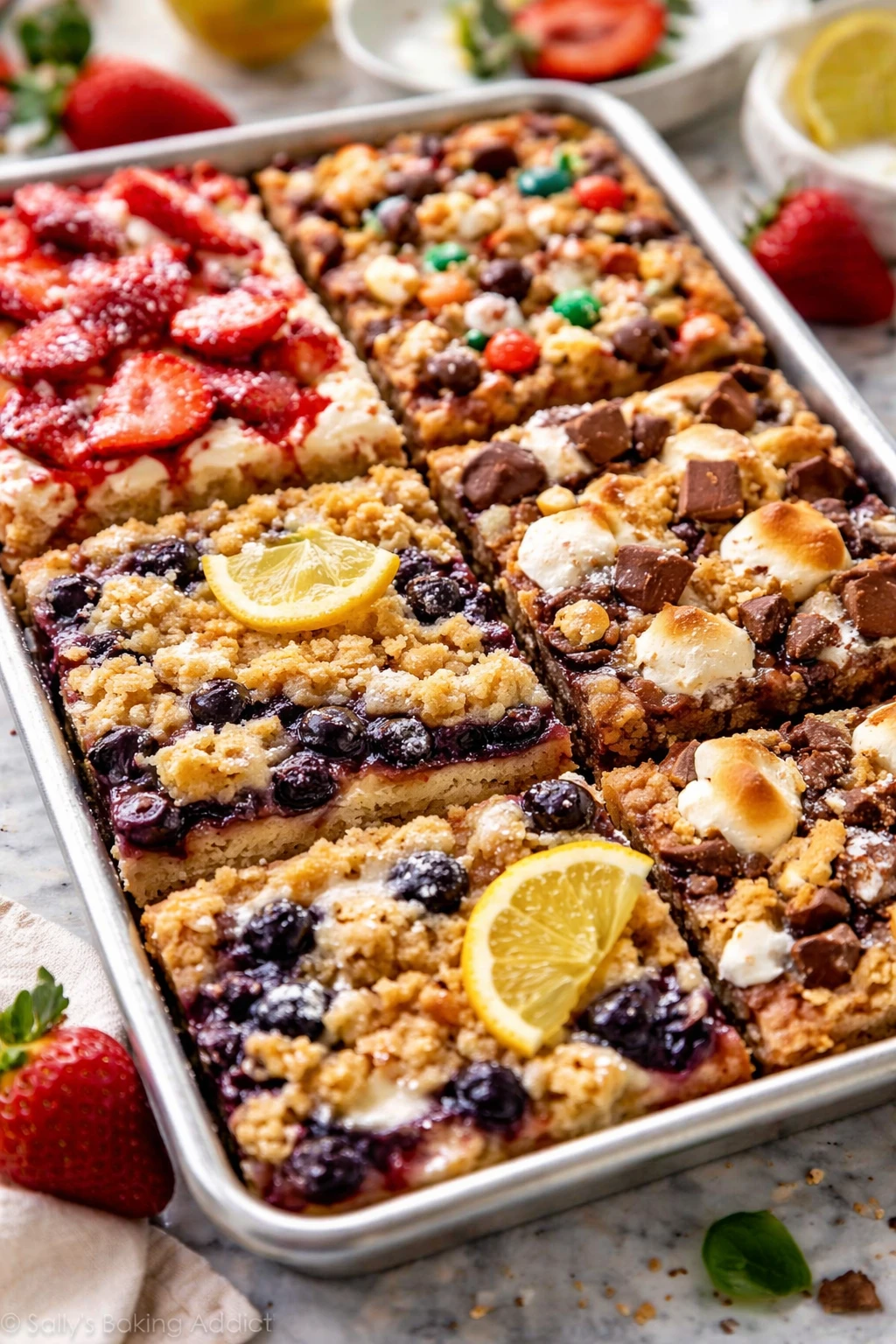
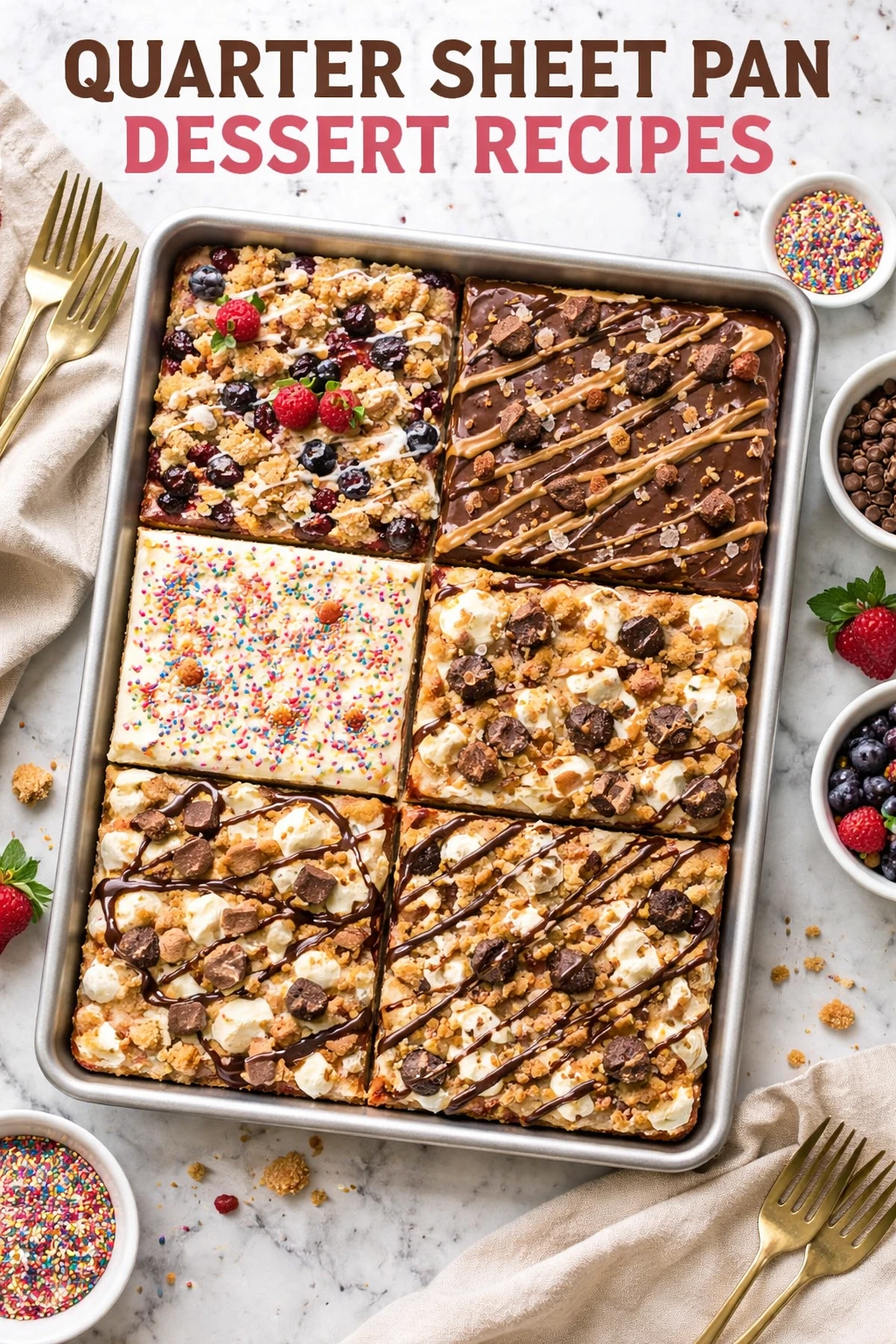
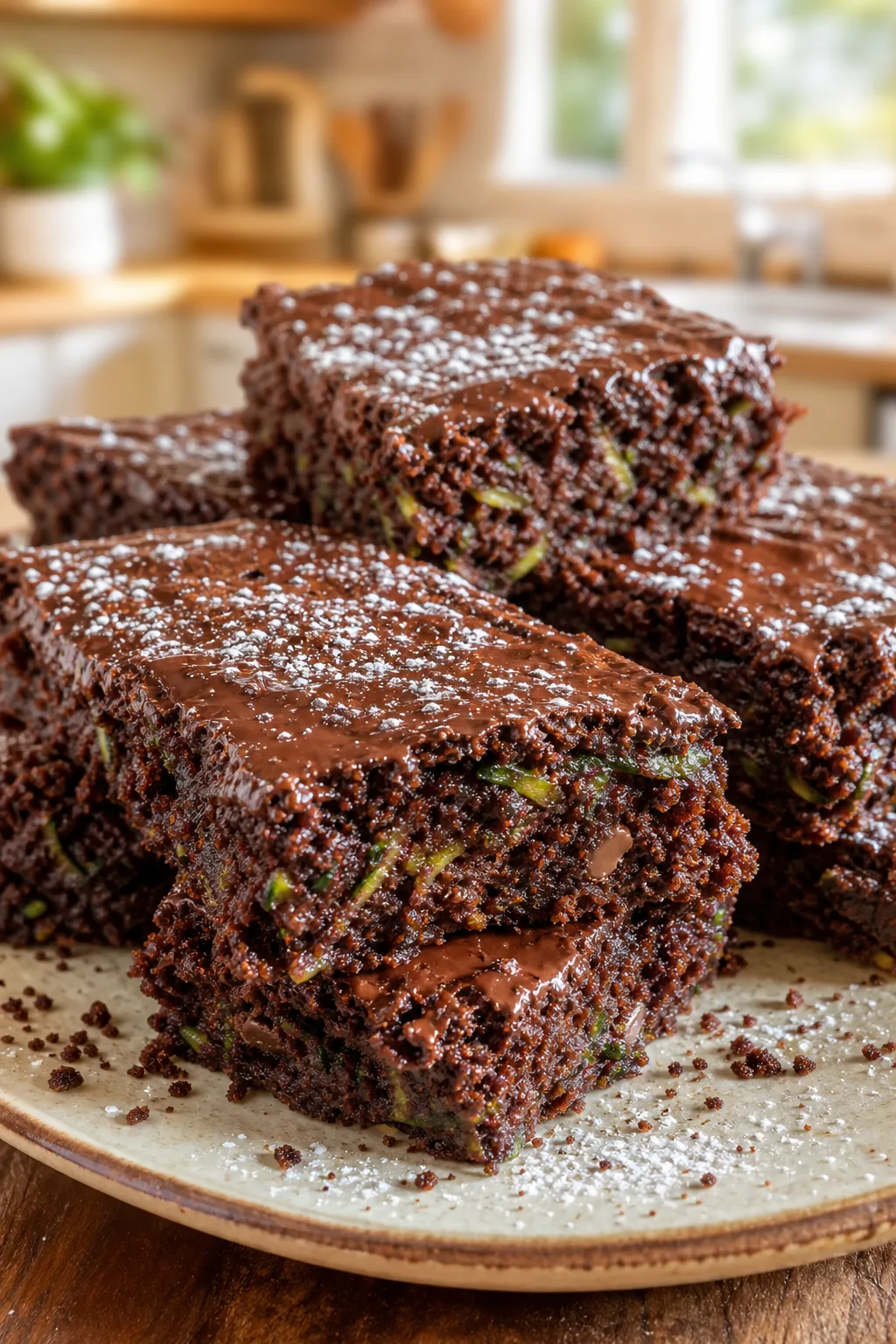
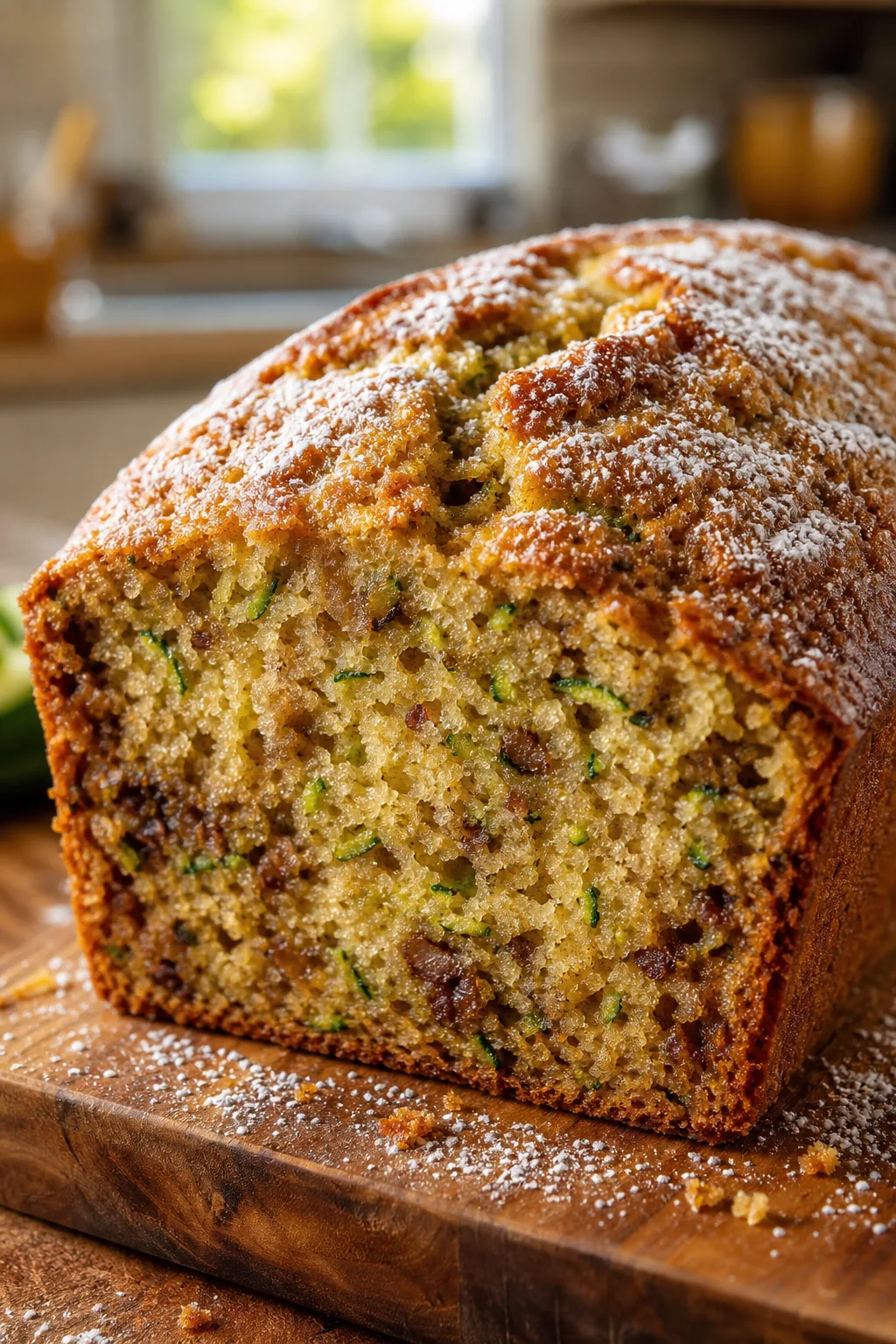
These brownies bake up fast thanks to the smaller pan size, giving you rich, fudgy bites every time. I love how they’re perfect for sharing or just indulging on a cozy night in.
Introduction
I first made these quarter sheet pan brownies years ago when I was craving something chocolatey but didn’t want to spend forever baking or cleaning up. Using a smaller pan means the brownies bake faster, and you get those perfect fudgy edges without the dry center that sometimes happens in larger pans. Over time, I tweaked the recipe to balance the richness and sweetness just right. One trick I swear by is melting the butter and mixing it with sugar before adding eggs — it gives the brownies that glossy, crackly top that everyone loves. These brownies always come out dense, moist, and super chocolaty. They’re great for casual get-togethers or just a quiet night in with a mug of tea. Seriously, once you try this pan size and method, you’ll wonder why you ever baked brownies any other way!
What You'll Need
Approximately 16 brownies, 8 servings
- 1 cup unsalted butter, melted
- 2 cups granulated sugar
- 4 large eggs
- 1 teaspoon vanilla extract
- 1 cup all-purpose flour
- 3/4 cup unsweetened cocoa powder
- 1/2 teaspoon salt
- 1/2 teaspoon baking powder
- 1 cup semi-sweet chocolate chips (optional)
How To Do It
Step 1
Preheat your oven to 350°F (175°C) and grease a quarter sheet pan (about 9x9 inches) with butter or non-stick spray. This smaller pan size helps the brownies bake evenly and faster, giving you that perfect fudgy texture throughout. Make sure to grease the pan well to prevent sticking, especially around the edges, which tend to cook faster and can cling if not prepared properly.
⏱ Time: 10 minutes
✓ Doneness: Pan greased evenly with no bare spots
Step 2
In a large bowl, whisk together the melted butter and sugar until combined and slightly glossy. This step helps dissolve the sugar a bit, giving the brownies a shiny, crackly top once baked. Adding sugar directly to melted butter also aids in creating a moist crumb. Avoid rushing this step; take your time to mix thoroughly for the best texture.
⏱ Time: 3 minutes
✓ Doneness: Mixture looks smooth and glossy
Step 3
Add the eggs one at a time, whisking well after each addition to fully incorporate them. Then stir in the vanilla extract. This gradual addition helps emulsify the batter, preventing it from curdling and ensuring a smooth, uniform texture in the final brownies. If you add eggs too quickly, the batter may separate, leading to uneven baking.
⏱ Time: 5 minutes
✓ Doneness: Batter is smooth, shiny, and slightly thickened
Step 4
Sift together the flour, cocoa powder, salt, and baking powder in a separate bowl. Sifting removes lumps and evenly distributes the leavening agent, which helps the brownies rise just enough without becoming cakey. This ensures a tender crumb and prevents pockets of dry cocoa or flour in your brownies.
⏱ Time: 5 minutes
✓ Doneness: Dry ingredients are light and lump-free
Step 5
Gently fold the dry ingredients into the wet mixture using a spatula. Mix just until combined to avoid developing gluten, which would make the brownies tough. The batter should be thick and fudgy but smooth with no streaks of flour. Overmixing is a common mistake and can ruin the texture.
⏱ Time: 3 minutes
✓ Doneness: Batter is uniform with no dry spots
Step 6
Fold in the chocolate chips if using. These add bursts of melty chocolate and extra richness. You can skip them or swap for nuts or white chocolate chunks for a different twist. Just be gentle to keep the batter intact and fudgy.
⏱ Time: 2 minutes
✓ Doneness: Chips are evenly distributed throughout batter
Step 7
Pour the batter into the prepared pan, spreading it evenly with a spatula. The even layer ensures consistent baking and that every bite has the same fudgy texture. Don’t tap the pan too much or you’ll lose some air bubbles that help keep the brownies tender.
⏱ Time: 2 minutes
✓ Doneness: Batter is level and smooth on top
Step 8
Bake in the preheated oven for 25-30 minutes. Start checking around 25 minutes by inserting a toothpick into the center; it should come out with a few moist crumbs but not wet batter. Overbaking will dry them out, so keep a close eye after 25 minutes.
⏱ Time: 25-30 minutes
✓ Doneness: Toothpick has moist crumbs, edges pull slightly from pan
Step 9
Let the brownies cool completely in the pan on a wire rack before cutting. Cooling allows the structure to set so they don’t crumble when sliced. If you cut too soon, they may fall apart or seem too gooey. Patience here pays off with neat, fudgy squares!
⏱ Time: 30 minutes
✓ Doneness: Brownies are firm to the touch and cool
Pro Tips
Let the butter cool slightly after melting before mixing with sugar.
If the butter is too hot, it can cook the eggs when added, causing the batter to curdle and affecting texture. Cooling it to warm but not hot ensures smooth mixing and helps maintain the desired fudgy consistency.
Use room temperature eggs for easier incorporation.
Cold eggs can cause the butter mixture to seize or look curdled, which affects texture and can lead to uneven baking. Room temperature eggs emulsify better, resulting in a smoother, more uniform batter.
Don’t overmix once you add the dry ingredients.
Overmixing activates gluten in the flour, which makes brownies tough and cakey instead of fudgy. Gently folding until just combined keeps the crumb tender and moist.
Line your pan with parchment paper for easy removal.
This prevents sticking and helps you lift the entire batch out cleanly for neat slicing. It also reduces the risk of breaking brownies when cutting.
Test doneness early with a toothpick starting at 25 minutes.
Ovens vary and overbaking dries out brownies. A toothpick with moist crumbs ensures fudgy centers, while a clean toothpick means they’re overdone.
Allow brownies to cool completely before cutting.
Cutting warm brownies can cause them to crumble or fall apart. Cooling lets the structure set, so you get clean, fudgy squares.
Add mix-ins like nuts or chocolate chips last and fold gently.
Mix-ins add texture and flavor but can weigh down batter if overmixed. Folding preserves air bubbles and prevents dense spots.
Common Mistakes to Avoid
Overbaking the brownies
Why it happens Many people leave brownies in the oven too long, thinking they need to be fully set. This dries them out and ruins the fudgy texture.
Fix Start checking for doneness at 25 minutes by inserting a toothpick. Remove the brownies when it comes out with moist crumbs, not completely clean. This keeps them moist and soft.
Using cold eggs straight from the fridge
Why it happens Cold eggs can shock the melted butter mixture, causing it to curdle and look grainy, which affects texture.
Fix Bring eggs to room temperature before mixing by leaving them on the counter for 30 minutes or placing them in warm water for 10 minutes.
Skipping the sifting of dry ingredients
Why it happens Not sifting can leave lumps of cocoa powder or baking powder, leading to uneven flavor and texture.
Fix Always sift flour, cocoa, baking powder, and salt together to ensure even distribution and a smooth batter.
Overmixing the batter after adding flour
Why it happens Overmixing develops gluten, making brownies tough and cakey instead of fudgy.
Fix Fold dry ingredients gently with a spatula just until no flour streaks remain.
Not greasing or lining the pan properly
Why it happens Brownies can stick and break apart if the pan isn’t prepared well.
Fix Grease the pan thoroughly or line with parchment paper for easy removal.
Variations
Nutty Walnut Brownies
Add 1 cup chopped walnuts to the batter before baking for a crunchy texture and nutty flavor. Walnuts pair beautifully with chocolate and add a satisfying bite. The brownies will be slightly denser with the nuts but still fudgy.
Note: Fold in nuts gently at the end to avoid overmixing. Baking time remains the same.
Espresso Infused Brownies
Stir 1 tablespoon of instant espresso powder into the melted butter and sugar mixture to deepen the chocolate flavor with a subtle mocha note. This variation is perfect for coffee lovers and intensifies richness.
Note: Espresso powder dissolves easily in warm butter, so mix thoroughly before adding eggs.
Gluten-Free Brownies
Swap all-purpose flour for a gluten-free baking blend in a 1:1 ratio. These brownies still turn out fudgy and moist, great for gluten-sensitive friends or family without sacrificing flavor.
Note: Make sure your gluten-free blend contains xanthan gum for structure; adjust baking time if needed.
Peanut Butter Swirl Brownies
Drop spoonfuls of peanut butter on top of the batter and swirl gently with a knife before baking. This combo is a crowd-pleaser with creamy, salty-sweet pockets throughout the fudgy brownie base.
Note: Don’t over-swirling to keep distinct peanut butter ribbons visible after baking.
White Chocolate Chip Brownies
Replace semi-sweet chocolate chips with white chocolate chips for a sweeter, creamier twist. The contrast with cocoa powder creates a lovely flavor balance and texture variation.
Note: White chocolate melts differently; fold in gently and watch for browning to avoid burning.
Nutrition
Per Serving:
Nutritional values are estimates and may vary based on specific ingredients used.
Storage & Tips
Room Temperature
Brownies can be kept covered at room temperature for up to 2 days. Use a cake dome or airtight container to prevent drying out. They’ll stay moist and chewy but avoid leaving them out longer to prevent spoilage.
Refrigerator
Store brownies in an airtight container in the fridge for up to 5 days. They tend to firm up and become chewier when cold, so bring to room temperature or warm slightly before serving for best texture.
Freezer
Wrap brownies tightly in plastic wrap and then foil to freeze for up to 3 months. Thaw overnight in the fridge or at room temperature. Reheat gently in the oven or microwave to restore softness.
Reheating
Warm brownies in a 300°F oven for 5-7 minutes or microwave for 15-20 seconds. Adding a small pat of butter or a splash of milk before reheating can help restore moistness. Avoid overheating to prevent drying.
Make Ahead
Prepare the batter up to 24 hours ahead and keep it covered in the fridge. Bring to room temperature before baking. You can also bake in advance and freeze cut brownies, thawing as needed for quick dessert fixes.
FAQ
Can I use salted butter instead of unsalted?
Yes, you can use salted butter, but reduce or skip adding extra salt in the recipe to avoid over-salting. Unsalted butter gives you better control of the salt level, but salted works in a pinch.
How do I know when the brownies are done without overbaking?
Start checking with a toothpick at 25 minutes. Insert it in the center; it should come out with moist crumbs but not wet batter. If it’s clean, the brownies are overbaked and may be dry.
Can I double this recipe for a larger pan?
You can double the ingredients for a 9x13 inch pan, but baking time will increase. Start checking doneness around 35-40 minutes. The texture may be slightly less fudgy due to longer bake time.
What if my batter looks grainy or curdled after adding eggs?
This happens if the melted butter is too hot when eggs are added. Let the butter cool to warm before mixing in eggs to prevent curdling and ensure a smooth batter.
Can I substitute cocoa powder with melted chocolate?
You can, but the ratios and method change significantly. Cocoa powder provides dry chocolate flavor and texture, while melted chocolate adds fat and moisture. Use a recipe designed for melted chocolate for best results.
Is it okay to add nuts or other mix-ins?
Absolutely! Fold in nuts, chocolate chips, or dried fruit gently at the end. Just don’t overmix, or the batter may become dense. Add about 1 cup of mix-ins for best balance.
Why do my brownies sometimes come out cakey instead of fudgy?
Overmixing flour or adding too much leavening can cause cakey brownies. Also, baking too long dries them out. Use the quarter sheet pan and follow the folding instructions carefully to keep them fudgy.
Can I make these brownies vegan?
You can try substituting eggs with flax eggs and using dairy-free butter, but texture and flavor will change. This recipe relies on eggs for structure, so results may be less fudgy.
Final Thoughts
I hope you enjoy making and sharing these brownies as much as I do! Don’t forget to let me know how they turn out — I love hearing your baking stories.