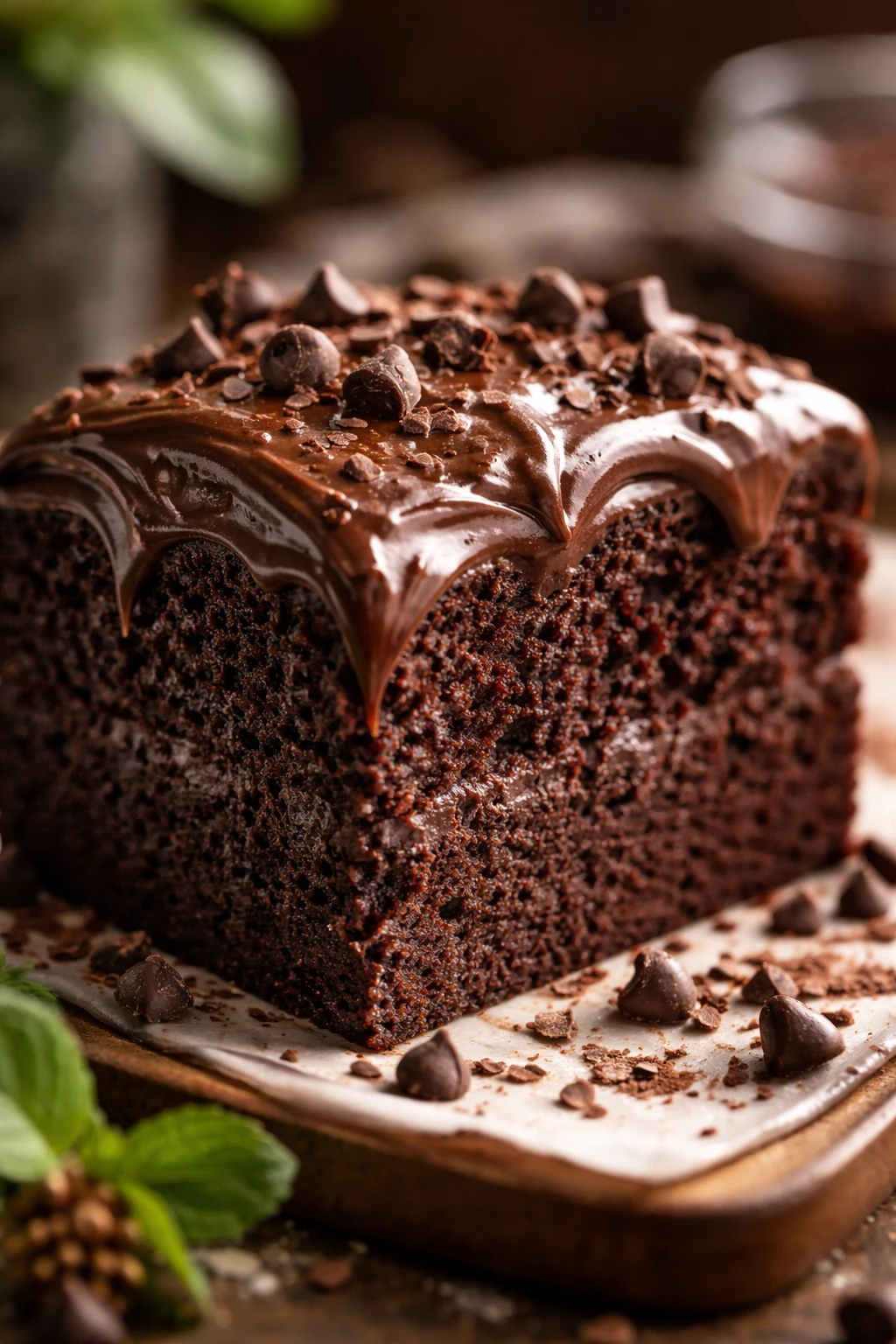
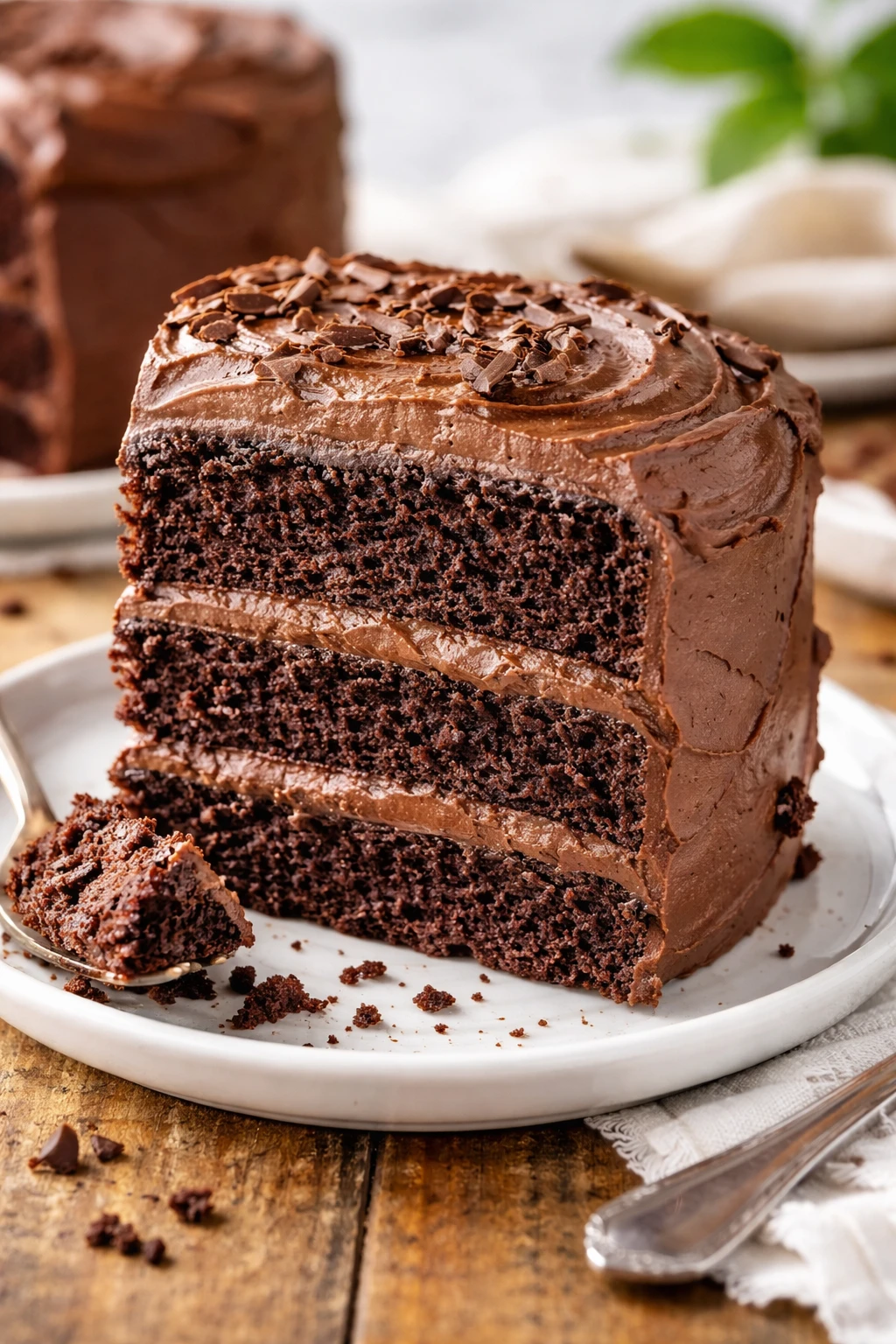
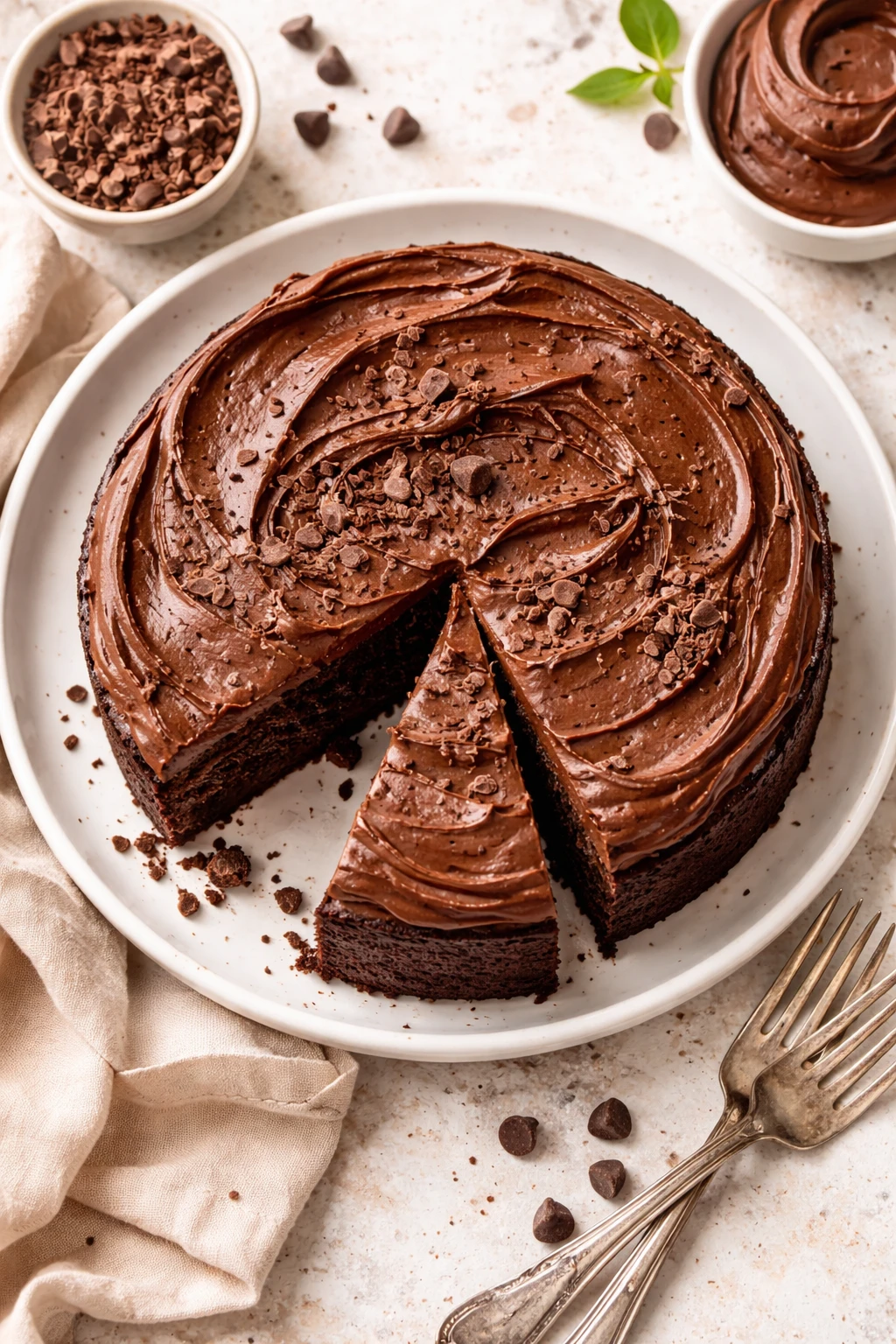
This chocolate cake is pure comfort with just five ingredients and a luscious fudge frosting. It’s quick, easy, and perfect for when you want a rich dessert without any fuss. Great for cozy nights or unexpected guests!
Introduction
I first tried making this five-ingredient chocolate cake on a whim when I needed a quick dessert but didn’t want to haul out a million ingredients. It was a lifesaver! What makes this version stand out is its simplicity — no fancy steps, just straightforward mixing that anyone can do. I love that it uses basic pantry staples but still ends up super moist and chocolatey. The fudge frosting is the real star here; it’s rich and silky without being too sweet, which balances the cake perfectly. One trick I learned is to sift the cocoa and flour together to avoid lumps and get that tender crumb. I’ve had my share of dense, dry chocolate cakes, but this one is reliably soft and fudgy every time. Plus, it’s great for last-minute celebrations or just a cozy night in with a cup of coffee. You don’t need to be a pro baker to pull this off, and it always feels like a treat to share. I hope you enjoy making it as much as I do!
What You'll Need
One 9-inch round cake, serves 8
- 1 cup all-purpose flour, sifted
- 1 cup granulated sugar
- 1/2 cup unsweetened cocoa powder
- 1 teaspoon baking powder
- 1/2 teaspoon salt
- 1/2 cup vegetable oil
- 2 large eggs
- 1/2 cup milk
- For the fudge frosting:
- 1/2 cup unsalted butter
- 1/4 cup unsweetened cocoa powder
- 2 cups powdered sugar
- 2 tablespoons milk
- 1 teaspoon vanilla extract
How To Do It
Step 1
Preheat your oven to 350°F (175°C) and grease a 9-inch round cake pan. Sifting the dry ingredients — flour, sugar, cocoa powder, baking powder, and salt — together is key here. It helps to combine everything evenly and prevents clumps of cocoa powder, which can make the cake unevenly flavored or dense. Take your time with this step; it really sets the foundation for a smooth batter and a tender crumb.
⏱ Time: 10
✓ Doneness: Dry ingredients are evenly mixed with no lumps or clumps
Step 2
In a separate bowl, whisk the eggs, vegetable oil, and milk until combined. Adding the wet ingredients gradually into the dry mix while stirring gently will prevent overmixing, which can toughen the cake. The oil keeps the cake moist, while the eggs help with structure. If you rush this step or mix too vigorously, you might end up with a dense texture instead of a soft, fluffy cake.
⏱ Time: 5
✓ Doneness: Batter is smooth, slightly thick but pourable, with no streaks of dry flour
Step 3
Pour the batter into your prepared pan and smooth the top with a spatula. Bake for about 28-30 minutes, but start checking at 25 minutes. The cake is done when a toothpick inserted in the center comes out with a few moist crumbs but no wet batter. Overbaking dries it out, so keep an eye on it. The edges will start pulling away slightly from the pan when perfectly baked.
⏱ Time: 30
✓ Doneness: Toothpick comes out mostly clean with a few moist crumbs
Step 4
While the cake bakes, prepare the fudge frosting. Melt the butter gently in a saucepan over low heat, then whisk in the cocoa powder until smooth. Gradually add the powdered sugar, alternating with milk, whisking constantly to avoid lumps. The frosting should be thick but spreadable. Adding vanilla at the end brings out the chocolate flavor. If it’s too thick, add a splash more milk; too thin, add a bit more powdered sugar.
⏱ Time: 10
✓ Doneness: Frosting is glossy, smooth, and thick enough to spread easily
Step 5
Once the cake has cooled completely, spread the fudge frosting evenly over the top. Cooling is crucial—if the cake is warm, the frosting will melt and slide off. Use an offset spatula or the back of a spoon to get a smooth finish. This frosting is rich and decadent, so a thin but even layer works best to complement the cake without overpowering it.
⏱ Time: 10
✓ Doneness: Frosting is set but still soft, with a smooth, even coating
Step 6
Let the cake sit for at least 30 minutes after frosting to allow the flavors to meld and the frosting to firm up slightly. This resting time helps the cake slice cleanly and improves the overall texture. If you cut it too soon, the frosting can smear and the cake might crumble more easily.
⏱ Time: 30
✓ Doneness: Frosting is slightly set and cake slices hold together well
Step 7
Slice the cake with a sharp knife, wiping the blade between cuts to keep slices neat. This cake is moist, so a clean cut helps it look as good as it tastes. Serve it with a glass of cold milk or a scoop of vanilla ice cream for an extra indulgence.
⏱ Time: 5
✓ Doneness: Clean, even slices with no crumbling
Step 8
Store any leftovers in an airtight container at room temperature for up to 2 days or in the fridge for longer. The cake stays moist but the frosting firms up in the fridge. Bring it to room temperature before serving for the best texture and flavor.
⏱ Time: 5
✓ Doneness: Cake remains moist and frosting softens slightly when served
Step 9
If you want to make this cake ahead, bake it a day in advance and keep it wrapped well. Frost it on the day you plan to serve for the freshest taste. Alternatively, you can freeze the unfrosted cake layers wrapped tightly for up to 2 months, thawing overnight in the fridge before frosting.
⏱ Time: 5
✓ Doneness: Cake tastes fresh and moist after thawing and frosting
Pro Tips
Always sift your dry ingredients before mixing.
Sifting removes lumps and aerates the flour and cocoa powder, which helps the cake rise evenly and produces a lighter texture. Skipping this can lead to uneven pockets of cocoa or dense spots.
Don’t overmix the batter once wet and dry ingredients are combined.
Overmixing develops gluten in the flour, making the cake tough and chewy instead of soft and tender. Stir just until combined for the best crumb.
Use room temperature eggs and milk for better mixing.
Cold eggs or milk can cause the batter to seize or mix unevenly, resulting in lumps or a dense texture. Room temperature ingredients incorporate more smoothly and help with rise.
Check the cake early to avoid overbaking.
Ovens vary, and overbaking dries out the cake. Start testing with a toothpick a few minutes before the timer ends to catch it at perfect moistness.
Cool the cake completely before frosting.
Warm cake melts the butter in the frosting, causing it to slide off and become greasy. Cooling also firms the crumb so the cake slices cleanly.
Use an offset spatula for spreading frosting evenly.
An offset spatula gives you better control and a smooth finish, which makes the cake look more polished and professional.
Store the cake in an airtight container to keep it fresh.
Exposing the cake to air dries it out quickly. Airtight storage traps moisture and maintains softness for days.
Common Mistakes to Avoid
Mixing the batter too vigorously
Why it happens Many cooks think more mixing means better blending, but it actually develops gluten which toughens the cake.
Fix Mix just until all ingredients are combined and no dry flour remains. Use gentle folding motions instead of beating.
Not measuring ingredients accurately
Why it happens Eyeballing or scooping flour without leveling leads to too much flour, making the cake dry.
Fix Use a kitchen scale or spoon flour into your measuring cup and level with a knife for precise amounts.
Frosting a warm cake
Why it happens Impatience or rushing causes the frosting to melt and slide off.
Fix Let the cake cool completely on a wire rack before frosting to ensure the frosting stays put.
Using old baking powder
Why it happens Baking powder loses potency over time and won’t leaven the cake properly.
Fix Test baking powder by mixing a small amount in hot water; it should bubble vigorously. Replace if not active.
Overbaking the cake
Why it happens Leaving it in the oven too long dries it out.
Fix Start checking the cake 5 minutes before the end of baking time with a toothpick to catch it perfectly moist.
Variations
Chocolate Walnut Cake
Add 1/2 cup chopped walnuts to the batter for a crunchy texture and nutty flavor. Fold them in gently after mixing wet and dry ingredients to avoid overmixing. Expect a richer bite with a delightful crunch throughout.
Note: Nuts add density, so the cake may take a minute or two longer to bake; test doneness accordingly.
Gluten-Free Chocolate Cake
Substitute the all-purpose flour with a 1:1 gluten-free baking flour blend. Make sure it contains xanthan gum for structure. The texture will be slightly different but still moist and fudgy.
Note: Gluten-free batters can be more fragile; handle gently and avoid overmixing to prevent crumbling.
Vegan Chocolate Cake
Replace eggs with flax eggs (1 tbsp flaxseed meal + 3 tbsp water per egg) and use a plant-based milk and vegan butter for the frosting. The cake will be slightly denser but still delicious and moist.
Note: Flax eggs need a few minutes to thicken before mixing; ensure proper binding for good rise.
Spicy Chocolate Cake
Add 1/2 teaspoon cinnamon and a pinch of cayenne pepper to the dry ingredients for a subtle warm kick. It pairs wonderfully with the rich chocolate and adds complexity.
Note: Spices intensify during baking, so start with small amounts and adjust to taste.
Mocha Chocolate Cake
Dissolve 1 tablespoon instant coffee granules in the milk before mixing to add a deep mocha flavor that enhances the chocolate. The coffee flavor is subtle but elevates the cake’s richness.
Note: Be sure coffee is fully dissolved to avoid grainy texture.
Nutrition
Per Serving:
Nutritional values are estimates and may vary based on specific ingredients used.
Storage & Tips
Room Temperature
Store the cake covered loosely with a cake dome or plastic wrap at room temperature for up to 2 days. Avoid leaving it uncovered as it will dry out quickly. Keep it away from direct sunlight or heat sources.
Refrigerator
Keep the cake in an airtight container for up to 5 days. The frosting firms up and the cake may become slightly denser. Bring to room temperature before serving to restore softness and flavor.
Freezer
Wrap the unfrosted cake tightly in plastic wrap and then foil before freezing for up to 2 months. Thaw overnight in the fridge, then frost and serve. Avoid freezing frosted cake as the texture of the frosting can change.
Reheating
Warm slices gently in the microwave for 10–15 seconds or in a low oven (300°F) for 5–7 minutes. Add a splash of milk to frosting if it seems dry. Avoid overheating as it will dry out the cake.
Make Ahead
Bake the cake layers up to 2 days in advance and store wrapped at room temperature or refrigerated. Prepare the frosting a day ahead and keep refrigerated. Frost the cake on the day of serving for best results.
FAQ
Can I substitute butter for the vegetable oil in this cake?
Yes, you can use melted butter instead of oil, but it may change the texture slightly. Butter tends to create a denser crumb and a richer flavor, but the cake might not be as moist as with oil. Melt the butter and cool it before mixing to avoid cooking the eggs.
What can I do if my cake turns out dry?
Dry cake usually results from overbaking or too much flour. To fix it, try brushing the cake layers with simple syrup or milk before frosting to add moisture. Next time, check for doneness earlier and measure flour carefully by spooning and leveling.
Is it okay to use Dutch-processed cocoa instead of natural cocoa?
Yes, but Dutch-processed cocoa is less acidic and may affect how the baking powder reacts, potentially resulting in less rise. You might want to replace baking powder with baking soda if using Dutch cocoa for better lift.
How do I know when the cake is fully baked?
Insert a toothpick into the center. It should come out with a few moist crumbs but no wet batter. The cake’s edges will also start to pull away slightly from the pan. Avoid waiting until the toothpick is completely clean, which can mean overbaking.
Can I make this cake in a different pan shape?
Absolutely! You can use a square or rectangular pan; just adjust the baking time slightly. Thinner cakes bake faster, so start checking 5 minutes earlier. For bundt or tube pans, increase time and test doneness carefully.
What if I don’t have powdered sugar for the frosting?
Powdered sugar is best for smooth frosting texture. If unavailable, you can blend granulated sugar until powdery, but it might be grainy. Alternatively, use a simple chocolate glaze made with cocoa, sugar, and milk.
Can I add chocolate chips to the batter?
Yes! Stir in 1/2 cup of chocolate chips after mixing the batter for pockets of melted chocolate. Use semi-sweet or dark chips for balance. Coat chips lightly in flour to prevent sinking.
How long can I store leftover frosted cake?
Store frosted cake in an airtight container in the fridge for up to 5 days. The frosting firms up but the cake remains moist. For best flavor, bring to room temperature before serving.
Final Thoughts
I hope you give this simple chocolate cake a try — it’s a real crowd-pleaser and so easy to make! Don’t forget to share how yours turns out; I’d love to hear your thoughts.