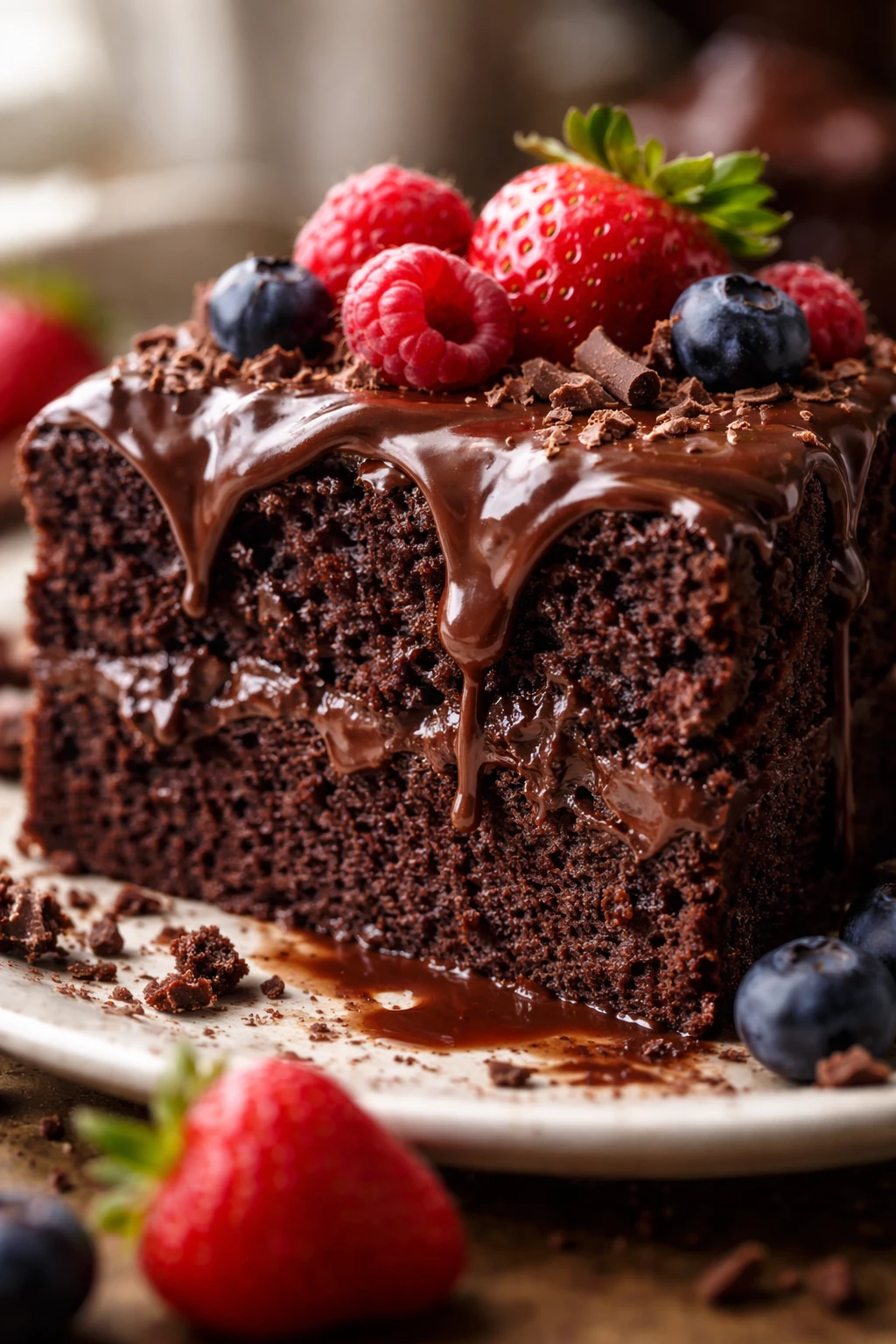
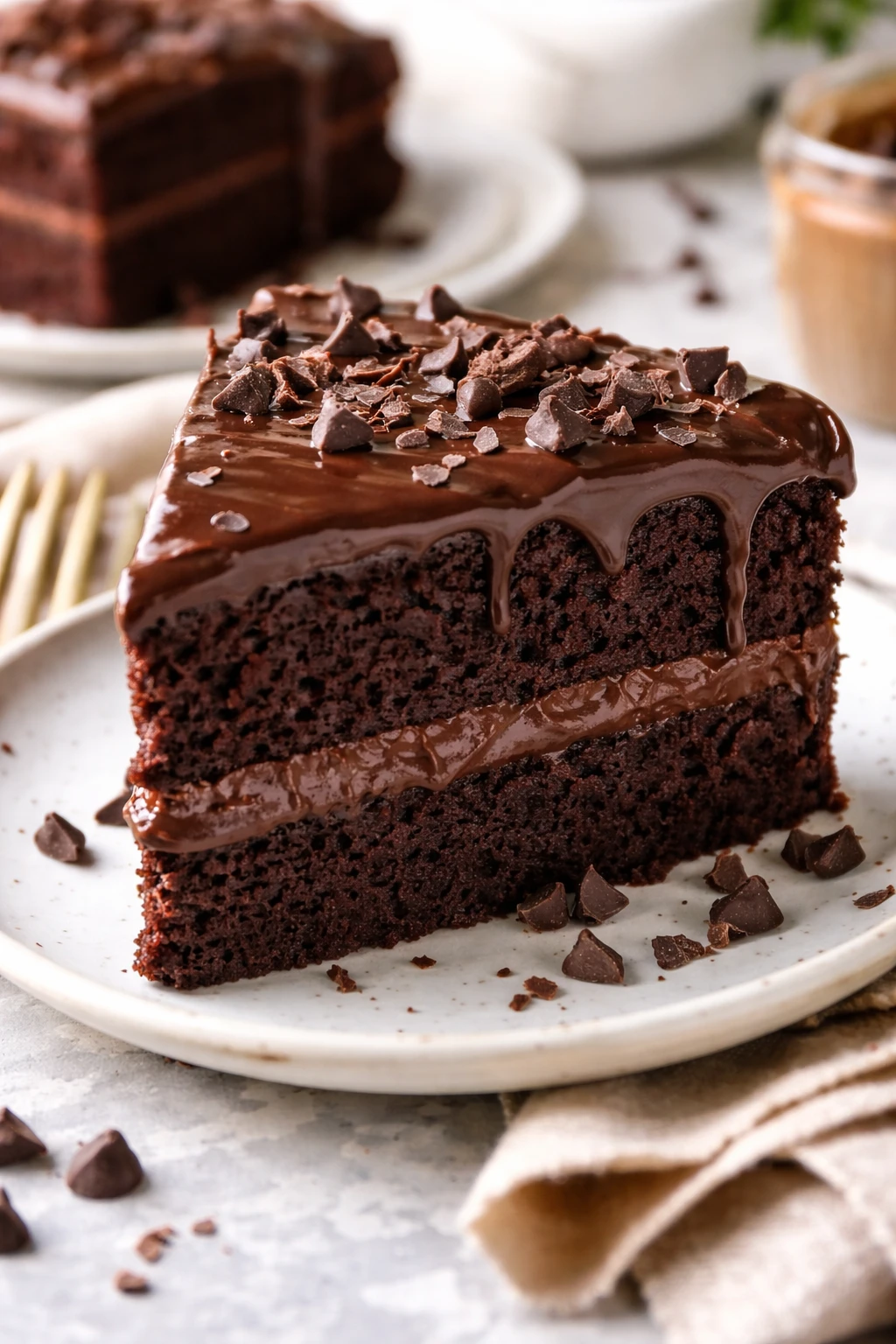
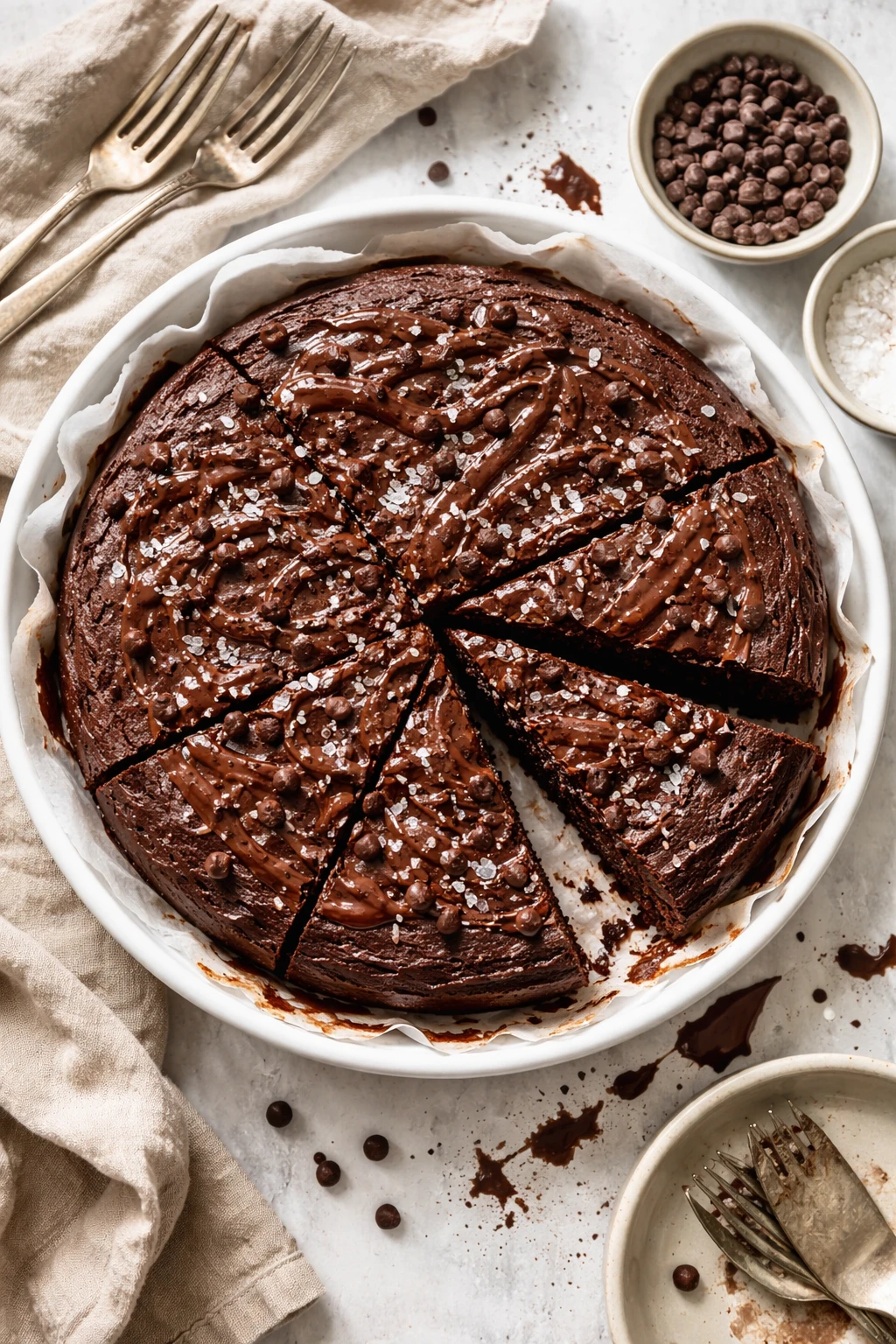
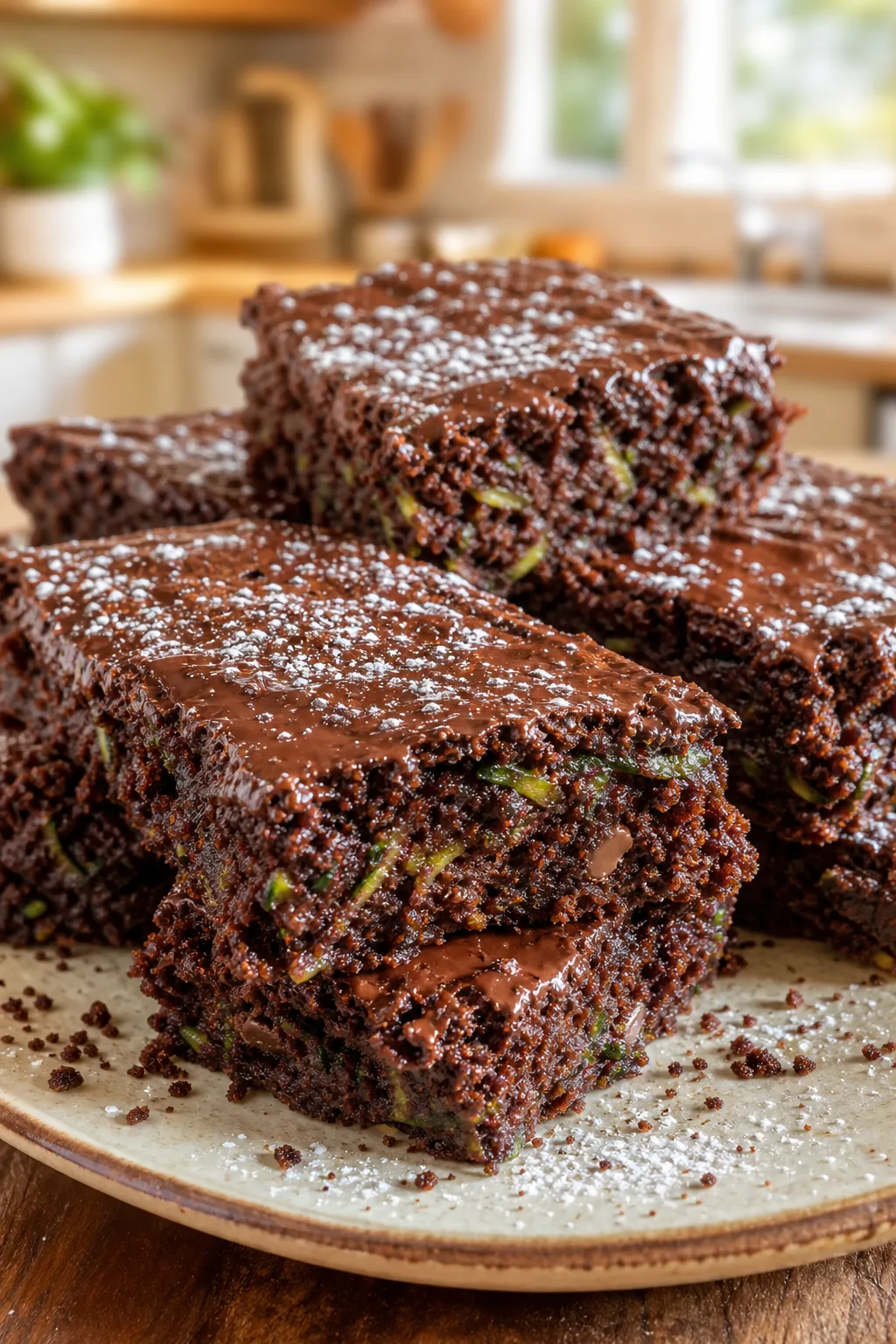
This rich chocolate fudge cake is insanely fudgy and comes together with just five ingredients. It’s my go-to when I want a quick, cozy dessert that feels like a warm hug. Perfect for impromptu celebrations or a sweet treat after dinner!
Introduction
I first made this chocolate fudge cake on a whim when I was craving something rich but didn’t want to fuss with complicated recipes. What surprised me most was how incredibly fudgy and moist it turned out, especially since it only uses five basic ingredients. Over time, it’s become my go-to quick dessert for when I have unexpected guests or just want something comforting after a long day. The trick I learned that makes all the difference is melting the butter first and mixing it carefully with cocoa powder before adding the eggs and flour. This step really helps develop that deep, chocolatey richness and fudgy texture. Plus, I like that it doesn’t rely on any fancy ingredients, so it’s super easy to whip up anytime. The finished cake is dense but tender, with an almost brownie-like feel that melts in your mouth. It’s perfect served slightly warm with a scoop of vanilla ice cream or just as is with a cup of coffee. Honestly, this cake feels like a hug in dessert form—a quick, no-fuss way to satisfy any chocolate craving.
What You'll Need
8 servings, one 9-inch round cake
- 1 cup unsalted butter, melted and slightly cooled
- 1 cup granulated sugar
- 3/4 cup unsweetened cocoa powder
- 3 large eggs
- 1 cup all-purpose flour
How To Do It
Step 1
Start by melting the butter gently in a saucepan or microwave until just melted and slightly cooled. This step is crucial because hot butter can cook the eggs if added too soon, leading to a grainy texture. Mixing the cocoa powder into warm melted butter helps release its rich flavor and ensures an even chocolate base without lumps. Stir the cocoa powder in thoroughly until smooth and glossy. Avoid overheating the butter as it may separate, which would affect the cake’s texture.
⏱ Time: 5 minutes
✓ Doneness: Smooth, shiny chocolate-butter mixture with no lumps
Step 2
Add the sugar to the cocoa-butter mixture and stir well until combined. Then, crack in the eggs one at a time, mixing after each addition until fully incorporated. This gradual mixing helps create a smooth batter and prevents the eggs from scrambling. If you rush this step or add eggs all at once, the batter could curdle, resulting in a dense, uneven crumb.
⏱ Time: 5 minutes
✓ Doneness: Thick, glossy batter that’s uniform in color
Step 3
Sift the flour over the batter to avoid lumps and gently fold it in using a spatula. Folding rather than vigorously mixing keeps the batter light and prevents overdeveloping the gluten, which could make the cake tough. Be patient and fold just until the flour disappears. Overmixing here is a common mistake that reduces fudginess.
⏱ Time: 3 minutes
✓ Doneness: Smooth batter with no visible flour streaks
Step 4
Pour the batter into a greased 9-inch round cake pan and smooth the surface evenly. This helps the cake bake uniformly and rise nicely. Tap the pan gently on the counter to release any air bubbles trapped in the batter, which can cause holes or uneven texture.
⏱ Time: 2 minutes
✓ Doneness: Even, level batter surface in the pan
Step 5
Bake the cake in a preheated oven at 350°F (175°C) for about 18-22 minutes. Start checking around 18 minutes by inserting a toothpick in the center; it should come out with a few moist crumbs but not wet batter. Baking too long will dry out the cake, while underbaking leaves it gooey and unstable.
⏱ Time: 20 minutes
✓ Doneness: Toothpick with moist crumbs but no raw batter
Step 6
Once baked, remove the cake from the oven and let it cool in the pan for 10 minutes. This resting time allows the cake to set and makes it easier to remove from the pan without breaking. If you try to unmold it while hot, it might fall apart due to its fudgy texture.
⏱ Time: 10 minutes
✓ Doneness: Cake slightly firm to the touch but still soft
Step 7
Run a knife around the edges of the cake to loosen it from the pan, then invert onto a wire rack to cool completely. Cooling on a rack prevents condensation from making the cake soggy. If you prefer it warm, you can serve after the initial resting period, but full cooling helps the flavors develop.
⏱ Time: 15 minutes
✓ Doneness: Cake releases cleanly from pan and is firm
Step 8
Optional: Dust the cooled cake with powdered sugar or cocoa powder for a simple finish. I like this touch because it adds a bit of elegance without extra fuss. You could also top it with whipped cream or fresh berries to add freshness and balance the richness.
⏱ Time: 2 minutes
✓ Doneness: Even, light dusting on cake surface
Step 9
Slice the cake using a sharp knife wiped between cuts to keep edges neat. Serve as is or with your favorite accompaniment like ice cream or coffee. This cake is best enjoyed within a day or two to savor its fudgy texture at its peak.
⏱ Time: 2 minutes
✓ Doneness: Clean, even slices with moist texture
Pro Tips
Melt butter slowly and cool slightly before mixing.
Melting butter slowly prevents it from overheating and separating, which can ruin the cake’s texture. Cooling slightly before adding eggs stops the eggs from cooking prematurely, ensuring a smooth, uniform batter without lumps.
Add eggs one at a time, mixing well after each addition.
This gradual incorporation prevents the eggs from scrambling and helps maintain a smooth batter. It also allows the eggs to emulsify better with the fat and sugar, contributing to a tender crumb.
Fold in the flour gently rather than stirring vigorously.
Overmixing flour develops gluten, which makes the cake tough and cakey. Folding keeps the batter light and preserves the fudgy texture, yielding a soft, dense cake.
Tap the pan gently before baking to release air bubbles.
Trapped air bubbles can cause holes or uneven texture in the cake. Tapping the pan ensures a smooth surface and consistent crumb without large holes.
Check for doneness early with a toothpick.
This cake is best slightly underbaked to keep it fudgy. Testing early prevents overbaking, which dries out the cake and ruins the luscious texture.
Cool the cake in the pan before removing.
The cake is delicate when warm and can break apart if unmolded too soon. Cooling helps it set and makes handling easier.
Use a sharp knife wiped clean between cuts for slicing.
A clean, sharp knife prevents the fudgy cake from crumbling and keeps slices neat and attractive for serving.
Common Mistakes to Avoid
Adding eggs all at once causing curdling.
Why it happens Many cooks try to speed things up by cracking all eggs in at once, but the cold eggs shock the warm butter mixture, causing it to separate or curdle.
Fix Add eggs one at a time, mixing gently and thoroughly after each. This gradual approach keeps the batter smooth and prevents scrambling.
Overmixing flour leading to a tough cake.
Why it happens It’s tempting to stir vigorously to get rid of lumps, but this activates gluten in the flour, making the cake dense and chewy instead of fudgy.
Fix Fold the flour in gently with a spatula just until no streaks remain. Resist the urge to overwork the batter.
Overbaking resulting in dryness.
Why it happens Leaving the cake in the oven too long evaporates moisture, especially in a fudgy cake with less flour and more fat.
Fix Start checking the cake 3-5 minutes before the minimum baking time. Remove when a toothpick comes out with moist crumbs, not wet batter.
Using unsifted cocoa powder causing lumps.
Why it happens Cocoa powder tends to clump, and if not broken up before mixing, it can create dry pockets in the batter.
Fix Sift or whisk the cocoa powder with the melted butter to ensure smooth incorporation.
Removing cake from pan while too hot.
Why it happens The fudgy cake is fragile when warm and can break or crumble if unmolded immediately after baking.
Fix Let the cake cool in the pan for at least 10 minutes before removing to allow it to set.
Variations
Nutty Chocolate Fudge Cake
Add 1/2 cup chopped walnuts or pecans to the batter for a crunchy contrast to the fudgy cake. The nuts add texture and a toasty flavor that pairs beautifully with rich chocolate.
Note: Fold nuts in gently after the flour to avoid overmixing. Expect a slightly firmer texture due to the nuts.
Spiced Chocolate Fudge Cake
Stir in 1 teaspoon cinnamon and a pinch of cayenne pepper to the dry ingredients for a warm, spicy kick. This variation adds depth and a subtle heat that complements the chocolate.
Note: Add spices with the flour to distribute evenly. The cake remains fudgy but with an exciting flavor twist.
Mocha Fudge Cake
Dissolve 1 tablespoon instant espresso powder in the melted butter before mixing to enhance the chocolate flavor with a coffee note. Great for coffee lovers craving chocolate.
Note: Ensure espresso powder is fully dissolved to avoid graininess. The cake stays moist and fudgy with an added aromatic layer.
Vegan Chocolate Fudge Cake
Replace eggs with 3/4 cup unsweetened applesauce and use a plant-based butter substitute. This version keeps the fudgy texture while being dairy and egg free.
Note: Baking time may increase slightly; check doneness carefully. Texture is slightly less rich but still moist and dense.
Gluten-Free Chocolate Fudge Cake
Swap all-purpose flour for a gluten-free blend with xanthan gum. This adaptation allows gluten-sensitive bakers to enjoy the fudgy cake without compromise.
Note: Use a 1:1 gluten-free flour blend for best results. The cake may be a bit more delicate but maintains fudginess.
Nutrition
Per Serving:
Nutritional values are estimates and may vary based on specific ingredients used.
Storage & Tips
Room Temperature
This cake can safely sit covered at room temperature for up to 2 days. Keep it wrapped tightly with plastic wrap or in an airtight container to prevent it from drying out or absorbing odors.
Refrigerator
Store leftover cake in an airtight container in the fridge for up to 5 days. The cake will firm up and may lose some moisture, so bring it to room temperature or warm slightly before serving for best texture.
Freezer
Wrap the cake tightly in plastic wrap and then foil to freeze for up to 3 months. Thaw overnight in the fridge or at room temperature. To refresh texture, warm slices briefly in the microwave or oven before serving.
Reheating
Reheat slices in the microwave for 15-20 seconds or in a 325°F oven for 5-7 minutes. Add a small splash of milk or cream before warming if the cake seems dry, but avoid overheating as it can toughen the texture.
Make Ahead
You can prepare the batter 1 day ahead and keep it refrigerated, then bake fresh just before serving. Alternatively, bake the cake a day ahead and store wrapped; flavors often improve after resting overnight.
FAQ
Can I use Dutch-processed cocoa powder instead of natural?
Yes, but it may slightly affect the cake’s rise because Dutch-processed cocoa is less acidic and won’t react the same way with other ingredients. You might notice a darker color and milder flavor. The cake will still be fudgy and delicious.
How do I know when the cake is done without overbaking?
Start checking around 18 minutes by inserting a toothpick in the center. It should come out with moist crumbs but no wet batter. Overbaking dries out the cake, so it’s better to err on the side of slightly underbaked for that perfect fudgy texture.
Can I substitute the butter with oil?
Butter adds flavor and affects texture, so substituting with oil will change the cake’s richness and mouthfeel. If you must, use a neutral oil like vegetable oil, but expect a slightly different crumb and less buttery taste.
What’s the best way to store leftover cake?
Keep it in an airtight container at room temperature for up to 2 days or in the fridge for up to 5 days. For longer storage, freeze wrapped tightly to prevent freezer burn and thaw before serving.
Can I make this cake gluten-free?
Yes, use a gluten-free flour blend with xanthan gum for best results. The texture will be slightly different but still fudgy and delicious. Be sure to measure carefully and avoid overmixing.
Why is my cake dry or crumbly?
This usually happens if the cake is overbaked or overmixed. Check doneness early and fold the flour gently. Also, avoid overheating the butter or adding eggs too fast, which can affect batter texture.
Can I add chocolate chips or nuts?
Absolutely! Stir in 1/2 cup of chocolate chips or chopped nuts after folding in the flour for extra texture and flavor. Just fold gently to maintain the batter’s fudgy consistency.
Is it okay to use salted butter?
You can, but reduce or omit any added salt in the recipe. Salted butter can affect the sweetness balance and flavor, so unsalted is preferred for better control.
Final Thoughts
Give this quick and fudgy chocolate cake a try—you’ll be amazed at how simple and satisfying it is. Don’t forget to share your baking adventures with me!