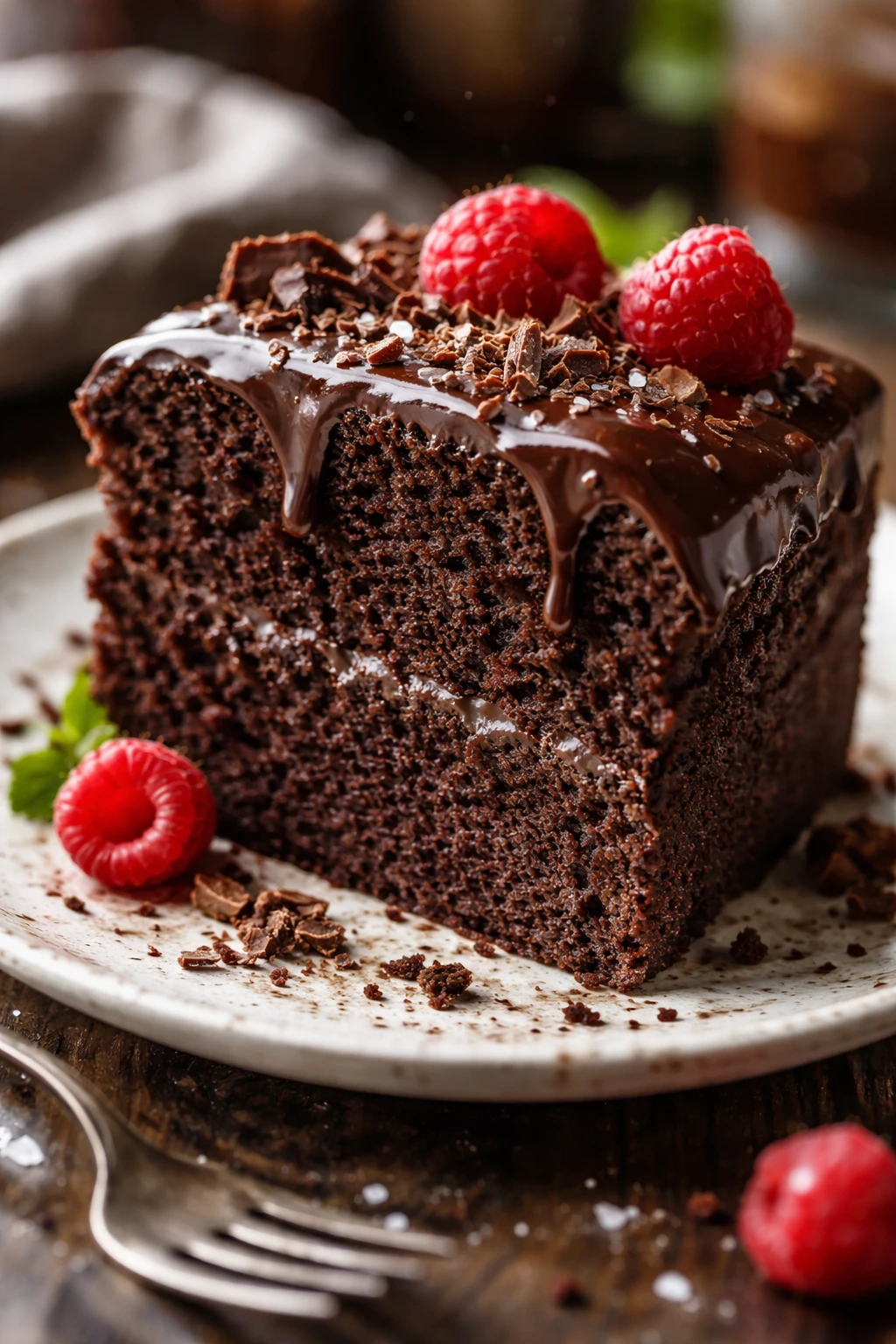
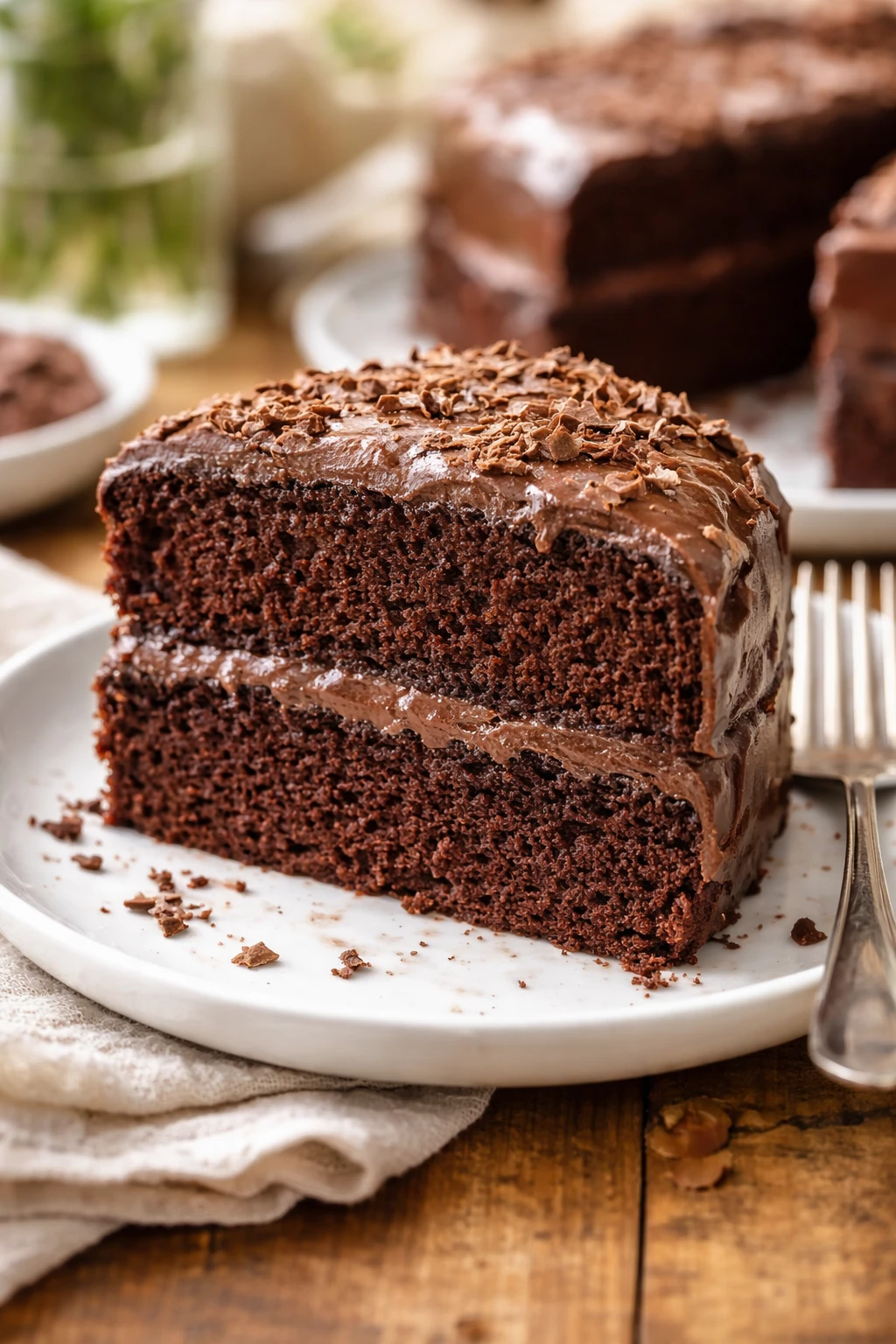
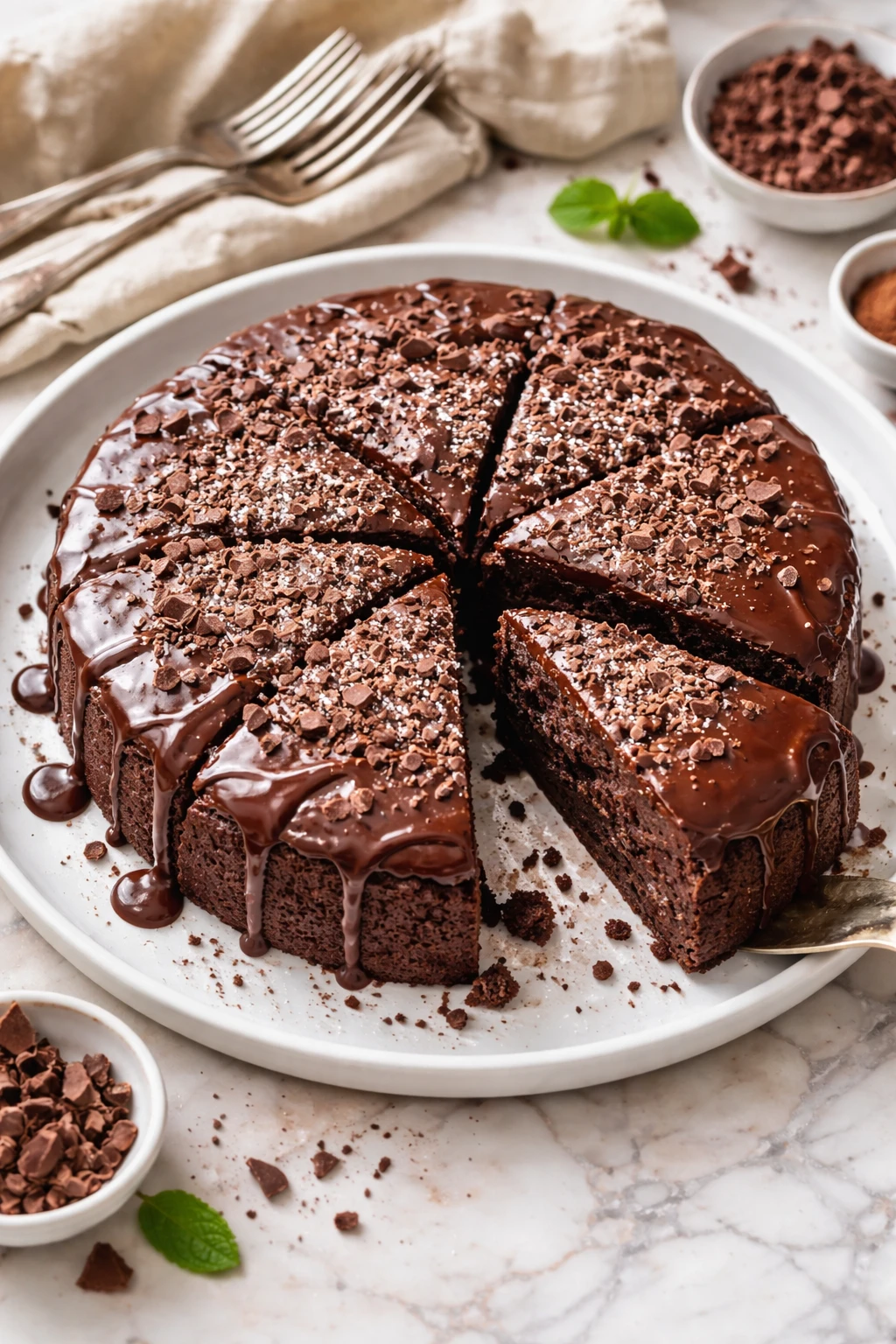
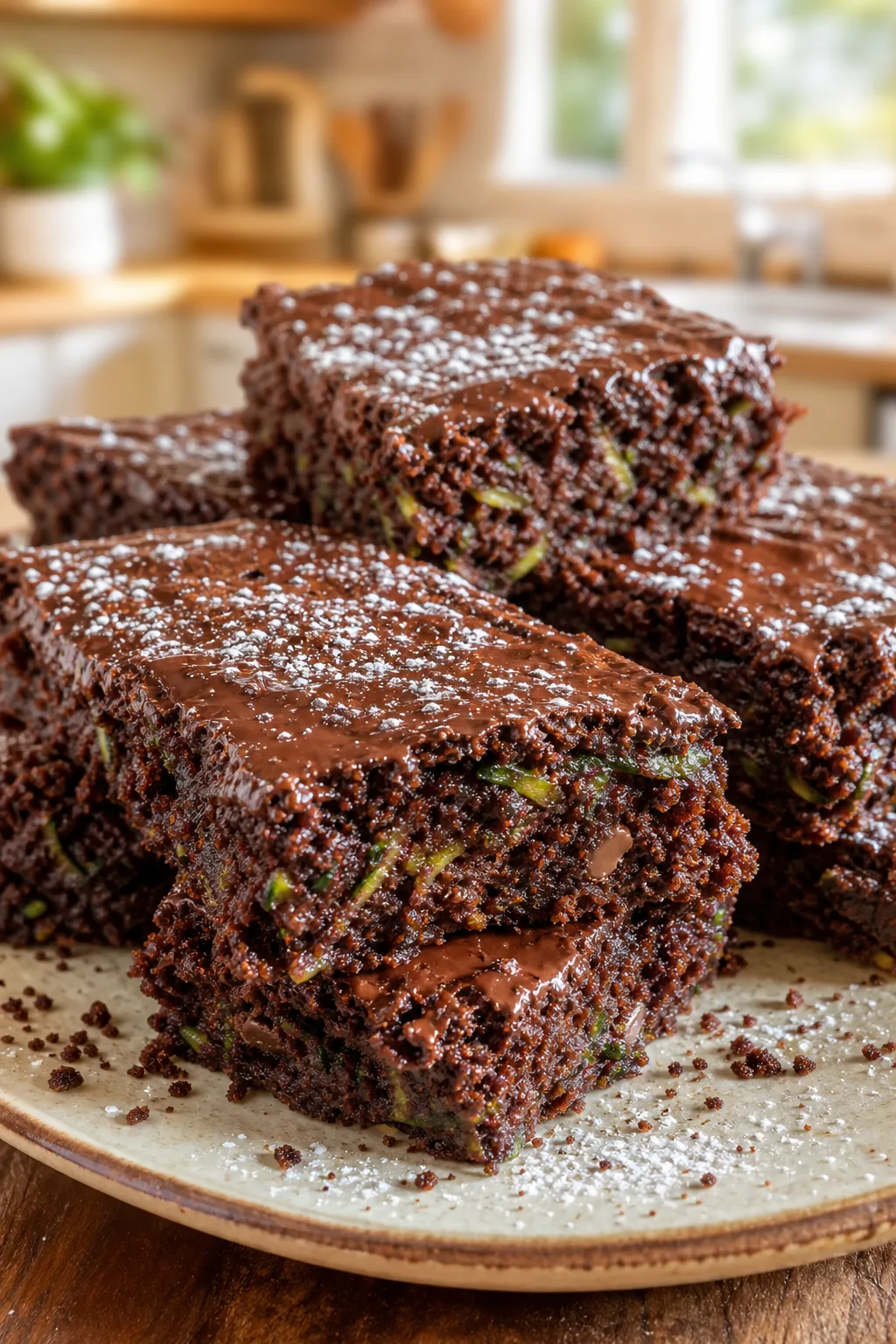
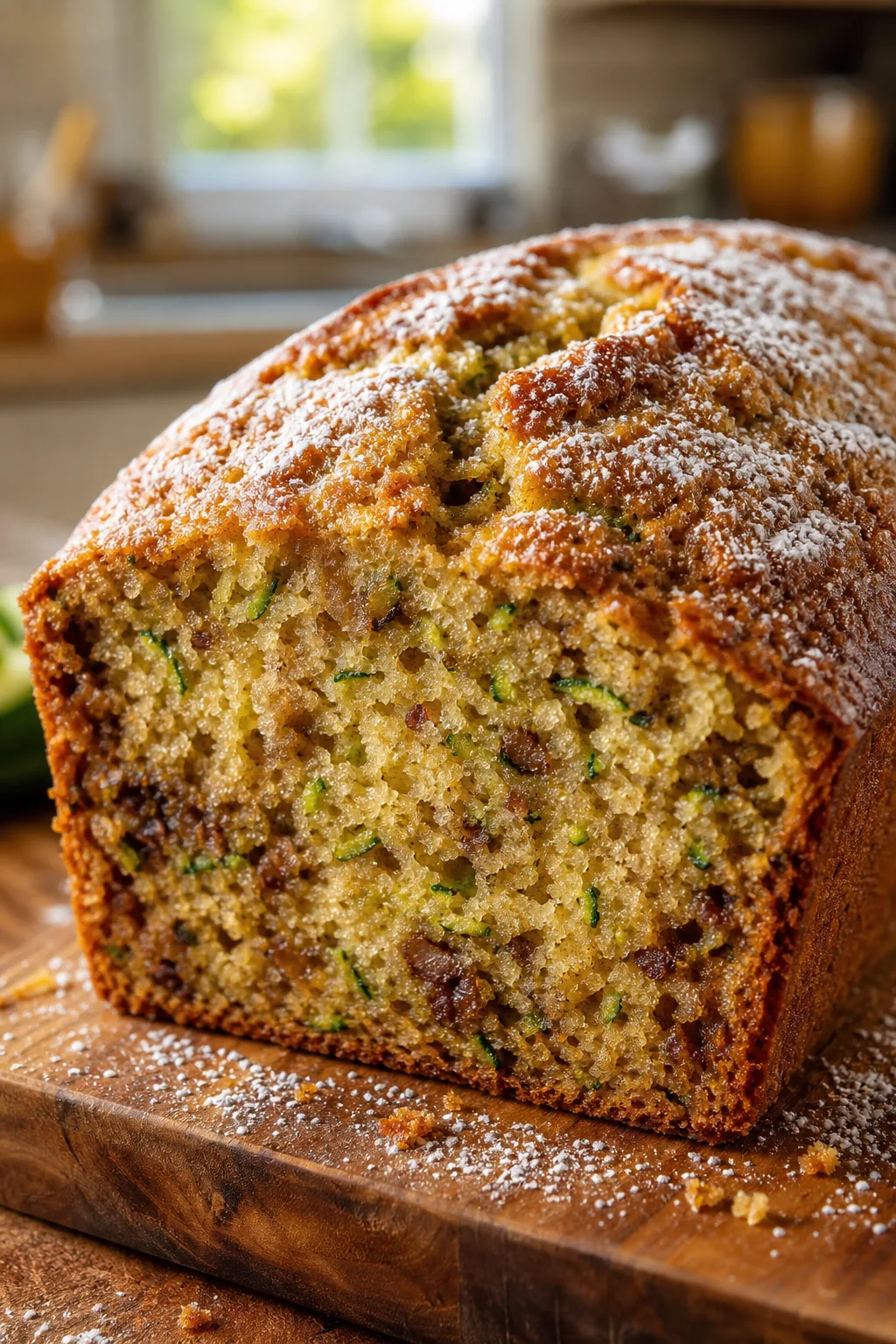
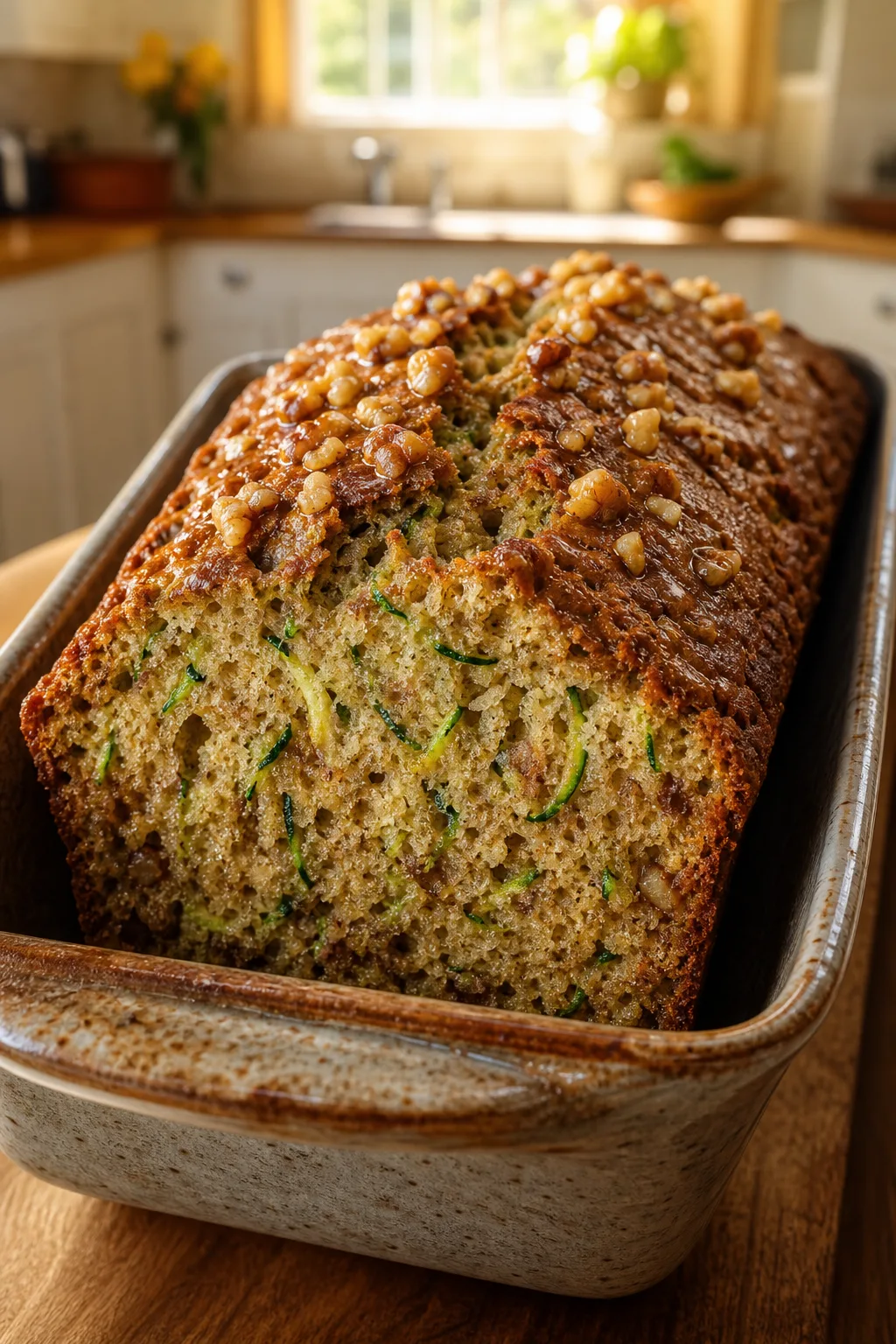
This chocolate cake is my go-to when I want something rich and moist but without a ton of fuss. It uses just five simple ingredients and comes together in no time. Perfect for last-minute celebrations or cozy nights in!
Introduction
I stumbled upon this chocolate cake recipe years ago when I needed a quick dessert for an unexpected dinner guest. Honestly, it saved me that night and has since become a staple in my kitchen. What I love most is how simple it is—just five main ingredients and a couple of pantry staples, yet it yields a cake that’s incredibly moist and rich. I used to think you needed fancy ingredients or complicated steps to get a perfect chocolate cake, but this one proved me wrong. The trick I learned is to not overmix the batter; it keeps the crumb tender and soft. Plus, I always make sure my eggs and milk are at room temperature, which helps everything come together more smoothly. When it’s done, the cake has this beautiful deep chocolate flavor without any bitterness, and the texture is just right—not too dense, not too fluffy. It’s perfect for those cozy nights when you want something indulgent but don’t want to spend hours in the kitchen. My family loves it topped with a simple dusting of powdered sugar or a scoop of vanilla ice cream. Honestly, it’s become my secret weapon for any last-minute celebration or just a sweet treat to brighten the day.
What You'll Need
One 9-inch round cake, 8 servings
- 1 cup all-purpose flour, sifted
- 1 cup granulated sugar
- 1/2 cup unsweetened cocoa powder, sifted
- 1 teaspoon baking powder
- 1/2 cup whole milk, at room temperature
- 1/2 cup vegetable oil
- 2 large eggs, at room temperature
- 1 teaspoon vanilla extract
- 1/2 teaspoon salt
How To Do It
Step 1
Preheat your oven to 350°F (175°C). Grease and flour a 9-inch round cake pan to prevent sticking. This step ensures your cake releases easily after baking, preserving its shape and texture. Be thorough but avoid excess flour, which can dry the cake edges.
⏱ Time: 10 minutes
✓ Doneness: Pan is evenly greased with no bare spots visible.
Step 2
In a large mixing bowl, sift together the flour, cocoa powder, baking powder, and salt. Sifting aerates the dry ingredients, removing lumps and ensuring an even distribution of leavening agents, which helps the cake rise uniformly.
⏱ Time: 5 minutes
✓ Doneness: Dry ingredients are lump-free and uniformly combined.
Step 3
In a separate bowl, whisk the eggs, sugar, vegetable oil, milk, and vanilla extract until smooth. The eggs provide structure, while the oil keeps the cake moist. Whisking well incorporates air, which contributes to the cake’s light texture.
⏱ Time: 5 minutes
✓ Doneness: Mixture is smooth, pale, and slightly thickened.
Step 4
Slowly pour the wet ingredients into the dry ingredients, gently folding with a spatula. Avoid overmixing here; stir just until combined to keep the crumb tender. Overmixing develops gluten, which can make the cake tough.
⏱ Time: 3 minutes
✓ Doneness: Batter is uniform with no streaks of flour visible.
Step 5
Pour the batter into the prepared pan and gently tap it on the counter to release any large air bubbles. This helps avoid unwanted holes or tunnels in your cake after baking.
⏱ Time: 2 minutes
✓ Doneness: Batter surface is even and smooth.
Step 6
Bake in the preheated oven for 28-32 minutes. Start checking at 28 minutes by inserting a toothpick into the center; it should come out with a few moist crumbs but no wet batter. Baking too long will dry out the cake, so keep an eye on it.
⏱ Time: 30 minutes
✓ Doneness: Toothpick inserted in center comes out mostly clean with a few moist crumbs.
Step 7
Remove the cake from the oven and let it cool in the pan for 10 minutes. Cooling slightly allows the cake to set so it doesn’t break when you remove it from the pan.
⏱ Time: 10 minutes
✓ Doneness: Cake edges start to pull away from the pan slightly.
Step 8
Run a knife around the edge of the pan to loosen the cake, then invert it onto a wire rack to cool completely. This prevents condensation from making the bottom soggy and keeps the texture perfect.
⏱ Time: 15 minutes
✓ Doneness: Cake releases cleanly from the pan and cools evenly.
Step 9
Once cooled, dust with powdered sugar or frost as desired. Serving it at room temperature brings out the best flavor and moisture. If you frost, make sure the cake is fully cool to avoid melting.
⏱ Time: 5 minutes
✓ Doneness: Cake surface is dry to touch and decorations hold well.
Pro Tips
Always bring your eggs and milk to room temperature before mixing.
Room temperature ingredients emulsify better, creating a smooth, cohesive batter. Cold ingredients can cause the batter to seize or become lumpy, resulting in uneven texture and less rise.
Sift your dry ingredients together before mixing with wet ingredients.
Sifting removes lumps and aerates the flour and cocoa powder, ensuring even distribution of leavening agents and a lighter crumb.
Fold wet and dry ingredients gently to avoid overmixing.
Overmixing develops gluten, which can make the cake tough and dense instead of tender and moist.
Use a toothpick to check doneness starting at 28 minutes.
Baking too long dries out the cake, so testing early helps ensure a moist center with no raw batter.
Cool the cake in the pan for 10 minutes before removing.
This helps the cake set and prevents it from breaking apart when unmolding.
Tap the pan gently before baking to release air bubbles.
Trapped air can cause holes or uneven texture; tapping smooths the batter for a uniform crumb.
Use vegetable oil rather than butter for moistness.
Oil stays liquid at room temperature, keeping the cake tender longer compared to butter-based cakes.
Common Mistakes to Avoid
Overmixing the batter
Why it happens Many people think mixing longer makes the batter smoother, but overmixing activates gluten, making the cake tough.
Fix Mix just until the dry ingredients disappear into the wet. Use a spatula to fold gently and stop as soon as you have a uniform batter.
Using cold eggs or milk
Why it happens Some skip the step of warming ingredients to room temp, causing batter to curdle or mix unevenly.
Fix Set eggs and milk out 30 minutes before baking. This helps create a smooth emulsion and better rise.
Not greasing and flouring the pan properly
Why it happens Rushing this step leads to cakes sticking and breaking when removing.
Fix Grease the pan thoroughly, then dust lightly with flour, tapping out excess. This creates a nonstick barrier.
Baking too long
Why it happens Leaving the cake in the oven past doneness dries it out.
Fix Start checking at 28 minutes with a toothpick. Remove as soon as it comes out mostly clean with moist crumbs.
Skipping the sift step
Why it happens Not sifting leads to clumps of cocoa or flour, resulting in uneven texture.
Fix Always sift dry ingredients together to ensure even mixing and a smooth batter.
Variations
Chocolate Ganache Frosting
Add a luscious chocolate ganache frosting made from heavy cream and dark chocolate for a richer dessert. It adds a glossy, decadent layer that pairs perfectly with the moist cake.
Note: Prepare ganache by heating cream until simmering, then pouring over chopped chocolate. Stir until smooth and cool slightly before spreading.
Add Espresso Powder
Mix a teaspoon of instant espresso powder into the dry ingredients to intensify the chocolate flavor without adding bitterness. It gives the cake a deeper, more complex taste.
Note: Dissolve espresso powder fully in the dry mix to avoid grainy texture.
Use Almond Flour Substitute
For a gluten-free twist, substitute half the all-purpose flour with almond flour. This adds a nutty flavor and moist texture but expect a slightly denser cake.
Note: Reduce baking powder slightly and monitor baking time as almond flour browns faster.
Add Fresh Berries
Fold in fresh raspberries or strawberries into the batter for a fruity contrast. The berries add bursts of tartness that complement the rich chocolate.
Note: Gently fold berries to avoid breaking and adjust baking time by a few minutes if needed.
Make Mini Cupcakes
Divide batter into a muffin tin lined with cupcake liners for individual portions. Baking time shortens to about 18-20 minutes, perfect for parties or snacks.
Note: Check doneness early to avoid drying out mini cakes.
Nutrition
Per Serving:
Nutritional values are estimates and may vary based on specific ingredients used.
Storage & Tips
Room Temperature
Store the cake covered loosely with a cake dome or plastic wrap at room temperature for up to 2 days. Keep it away from direct sunlight or heat to maintain moisture.
Refrigerator
Place the cake in an airtight container and refrigerate for up to 4 days. The cake may firm up and lose some softness; bring to room temperature before serving or warm gently.
Freezer
Wrap the cake tightly in plastic wrap and then aluminum foil to prevent freezer burn. Freeze for up to 2 months. Thaw overnight in the fridge, then bring to room temperature before serving.
Reheating
Warm slices in the microwave for 15-20 seconds or in a low oven (300°F) for 5-7 minutes. Add a small splash of milk or cover with foil to prevent drying out. Avoid overheating which can make it tough.
Make Ahead
You can bake the cake a day ahead and store it wrapped at room temperature or refrigerated. If frosting, wait until the day of serving to keep the topping fresh and glossy.
FAQ
Can I use butter instead of vegetable oil?
Yes, but the texture will be slightly different. Butter makes cakes richer but can dry out faster since it solidifies at room temperature. If using butter, melt it and cool before mixing, and expect a firmer crumb.
What if I don’t have baking powder?
Baking powder is essential for leavening here. You can substitute with 1/4 teaspoon baking soda plus 1/2 teaspoon cream of tartar, but the rise and texture might vary slightly.
Can I make this cake gluten-free?
Yes, try swapping all-purpose flour for a gluten-free flour blend that includes xanthan gum. The texture might be a bit different but still delicious. Adjust baking time as needed.
Why is my cake dense and heavy?
Common causes are overmixing the batter or using cold ingredients. Be gentle when folding, and make sure eggs and milk are room temperature for better rise and crumb.
How can I make the cake more chocolatey?
Add a teaspoon of instant espresso powder to the dry ingredients to enhance the chocolate flavor without adding bitterness. You can also top with chocolate ganache for extra richness.
Can I double the recipe?
Yes, double all ingredients and bake in a larger pan or two pans. Adjust baking time accordingly and check doneness with a toothpick.
What frosting goes well with this cake?
A simple chocolate ganache, cream cheese frosting, or even a dusting of powdered sugar complement this cake nicely. Choose one that suits your taste and occasion.
How do I store leftover cake?
Keep leftover cake in an airtight container at room temperature for 2 days or refrigerated up to 4 days. For longer storage, freeze wrapped tightly for up to 2 months.
Final Thoughts
I hope you give this easy, moist chocolate cake a try—it’s a real crowd-pleaser! Let me know how it turns out and what toppings you love most.