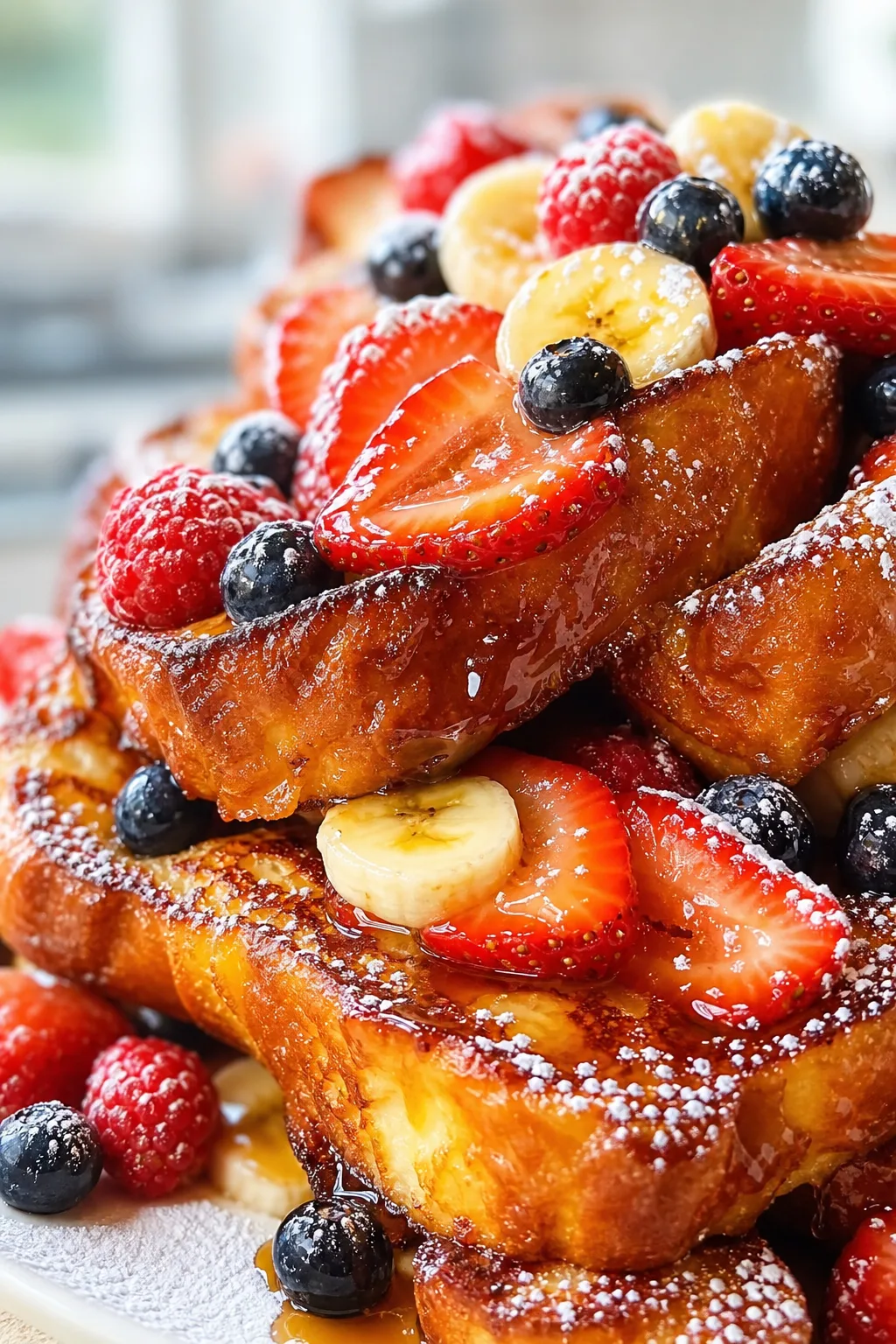
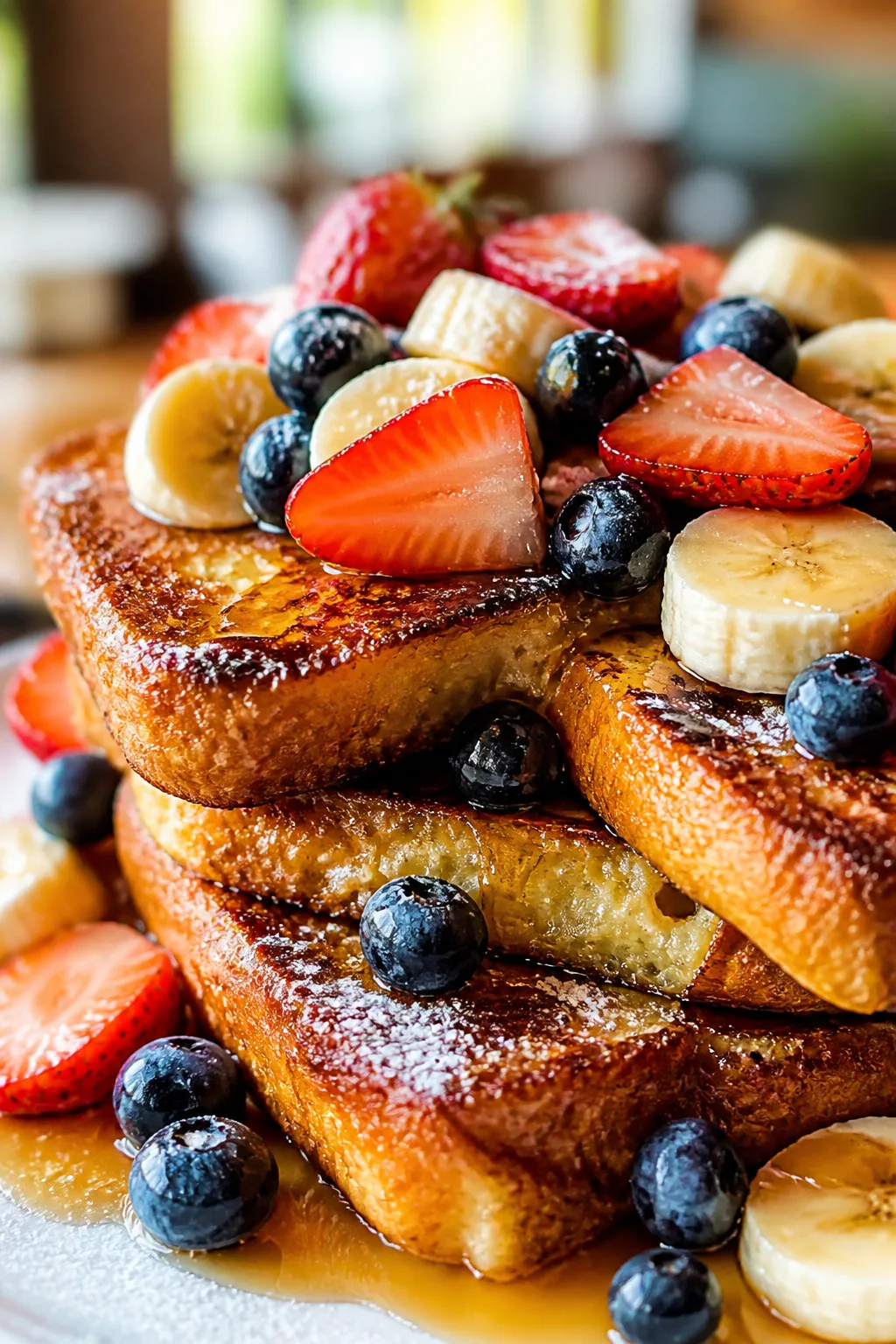
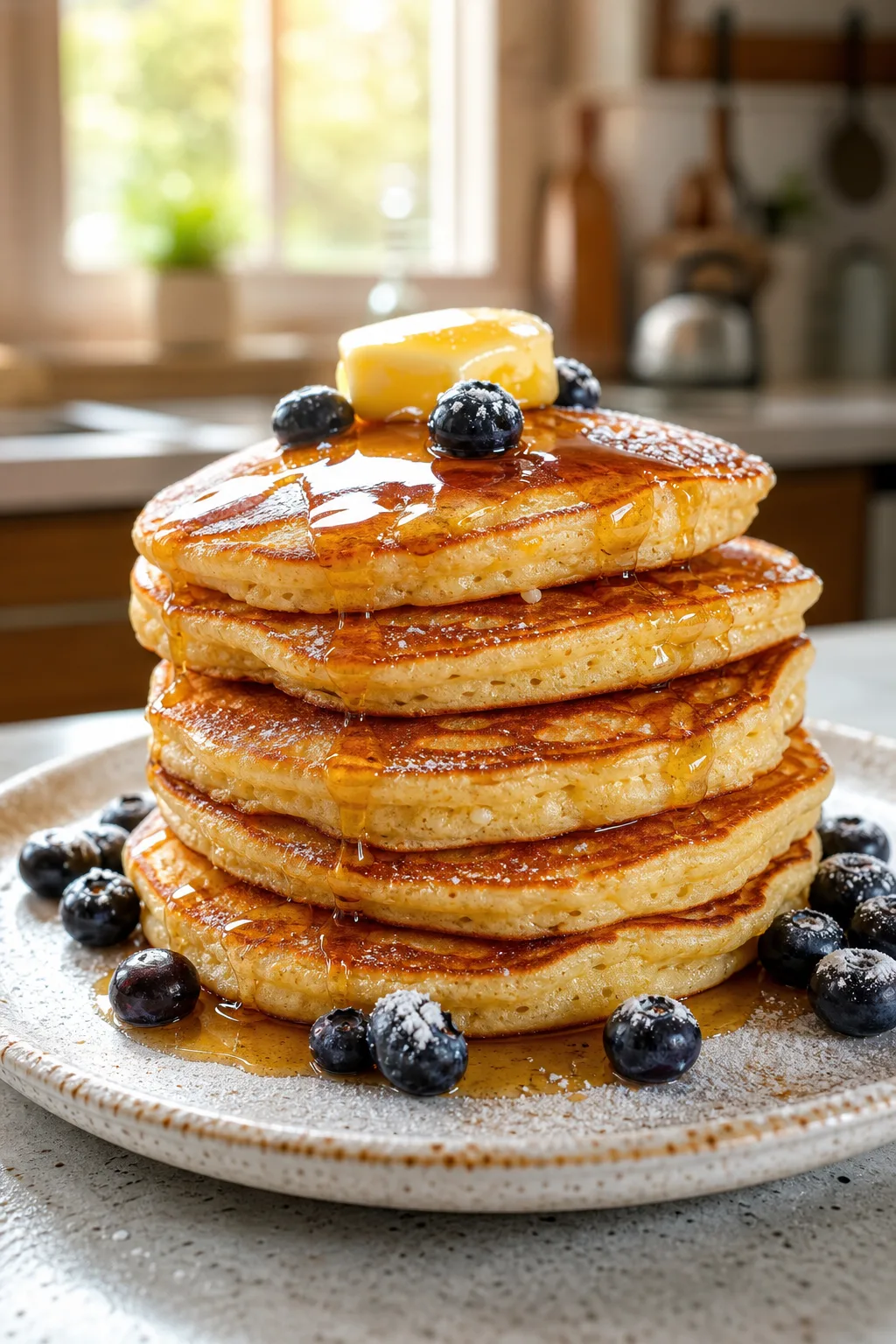
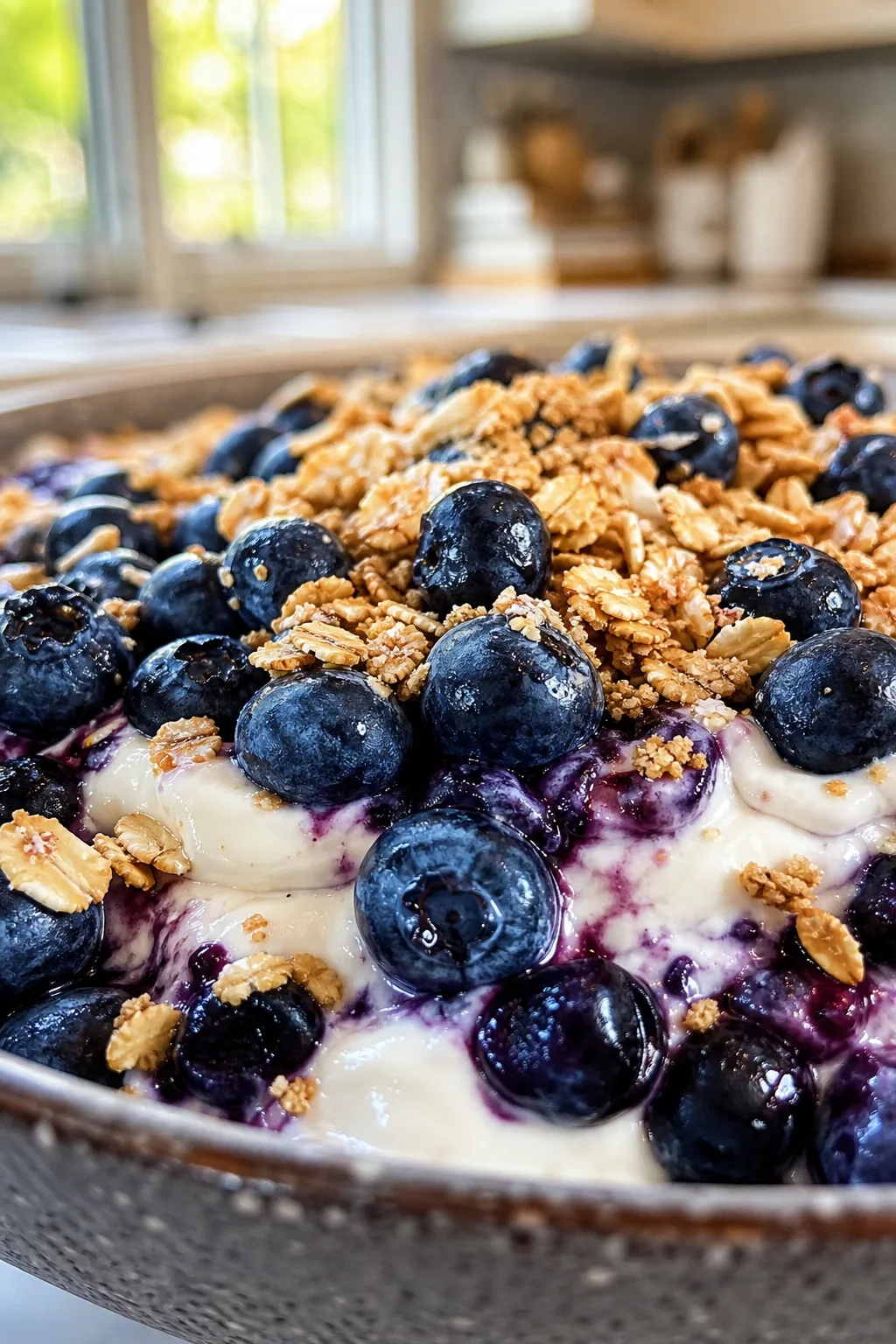
These mini pancakes are a lifesaver when mornings get hectic. Light, fluffy, and ready in under 20 minutes, they’re a hit with kids and adults alike. I love adding fresh fruit for a natural sweetness—great for school days or weekend treats!
Introduction
I first made these mini pancakes on a chaotic school morning when my kids were starving and I had just 20 minutes to get everyone fed and out the door. Typical pancake recipes take too long or leave me with pancakes that are too thick or rubbery. Over time, I tweaked this recipe until I found the perfect balance of fluffy texture and quick cooking time. The secret? Using buttermilk and a touch of baking soda to get that light, tender crumb. I also keep the batter slightly thinner than usual, which helps the pancakes cook quickly and evenly, making them perfect for tiny, easy-to-eat sizes. Not only do these pancakes come together fast, but they also freeze well — so you can make a batch ahead and just reheat on busy mornings. The best part is watching my kids dip their mini pancakes into maple syrup or top them with fresh fruit, making breakfast feel like a treat rather than a chore. Honestly, these pancakes have become a staple in our house, especially when time is tight but I still want to serve something homemade and satisfying.
What You'll Need
Approximately 24 mini pancakes, 4 servings
- 1 cup all-purpose flour, sifted
- 2 tablespoons sugar
- 1 teaspoon baking powder
- 1/2 teaspoon baking soda
- 1/4 teaspoon salt
- 1 cup buttermilk, room temperature
- 1 large egg
- 2 tablespoons melted butter, plus extra for cooking
- 1 teaspoon vanilla extract
- Fresh berries or sliced fruit for topping
How To Do It
Step 1
In a large bowl, whisk together the sifted flour, sugar, baking powder, baking soda, and salt. This dry mix is the foundation of your pancakes, and sifting helps avoid lumps and ensures even rising. Take your time here; a well-mixed dry base sets you up for fluffy pancakes with a consistent texture.
⏱ Time: 5 minutes
✓ Doneness: Mixture is uniform with no clumps, light and airy
Step 2
In a separate bowl, whisk the buttermilk, egg, melted butter, and vanilla extract until smooth. The buttermilk reacts with baking soda to create bubbles that make pancakes fluffy. Make sure the butter is cooled slightly to avoid cooking the egg when mixed.
⏱ Time: 3 minutes
✓ Doneness: Smooth, homogenous wet mixture without streaks of egg or butter
Step 3
Pour the wet ingredients into the dry ingredients and gently fold with a spatula. Be careful not to overmix; a few lumps are okay. Overmixing develops gluten, which can make pancakes tough instead of tender and fluffy.
⏱ Time: 2 minutes
✓ Doneness: Batter is combined but still slightly lumpy and thick
Step 4
Heat a non-stick skillet or griddle over medium heat and brush with a little melted butter. The right temperature is crucial: too hot and pancakes burn outside before cooking through, too cool and they turn pale and dense.
⏱ Time: 3 minutes
✓ Doneness: Butter melts and sizzles gently, surface feels warm to touch
Step 5
Using a tablespoon or small scoop, pour batter onto the skillet to form mini pancakes about 2 inches wide. Smaller pancakes cook faster and are easier to flip, making them perfect for little hands or quick breakfasts.
⏱ Time: 2 minutes
✓ Doneness: Batter forms small, round circles without spreading too thin
Step 6
Cook pancakes until bubbles form on the surface and edges look set, about 1-2 minutes. This indicates that the pancake’s interior is cooking and the bottom is golden. Avoid flipping too early or the pancake may tear or cook unevenly.
⏱ Time: 2 minutes
✓ Doneness: Bubbles appear and edges look dry and slightly firm
Step 7
Flip the pancakes gently and cook the other side until golden brown, about 1 minute. The second side cooks faster, so watch closely to prevent burning. The golden color means the Maillard reaction has developed flavor and texture.
⏱ Time: 1 minute
✓ Doneness: Golden brown color with light crispness on the surface
Step 8
Transfer cooked pancakes to a warm plate or oven set at low heat to keep warm while cooking the rest. This keeps them soft without drying out. Avoid stacking too tightly or they’ll steam and become soggy.
⏱ Time: Ongoing during cooking
✓ Doneness: Pancakes stay warm and fluffy, not soggy or dry
Step 9
Serve immediately with fresh fruit, maple syrup, or your favorite toppings. The contrast of warm, fluffy pancakes and fresh, juicy berries is delightful. If not serving right away, cool completely before storing to avoid condensation.
⏱ Time: Immediate
✓ Doneness: Pancakes are soft, fluffy, and topped attractively
Pro Tips
Let the batter rest for 5 minutes before cooking.
Resting allows the flour to hydrate fully and the leavening agents to start producing bubbles, resulting in lighter pancakes. Skipping this can lead to uneven texture and less rise.
Use a non-stick skillet and preheat it properly over medium heat.
Proper heat ensures even cooking and prevents sticking. Too hot will burn pancakes outside while leaving them raw inside; too cool leads to pale, dense pancakes.
Don’t overmix the batter; fold until just combined.
Overmixing develops gluten, which makes pancakes tough and chewy instead of tender. A few lumps in the batter are perfectly fine.
Brush the pan with melted butter before each batch.
Butter adds flavor and keeps pancakes from sticking, but too much can cause uneven browning. A light brush is enough for a golden crust.
Use a tablespoon or small scoop for uniform mini pancakes.
Smaller, evenly sized pancakes cook faster and flip more easily, making breakfast quicker and less messy.
Keep cooked pancakes warm in a low oven instead of stacking tightly.
Stacking traps steam and makes pancakes soggy. A low oven keeps them warm and crisp on the edges.
Top pancakes with fresh fruit or a drizzle of honey instead of syrup for a lighter option.
Fresh fruit adds natural sweetness, vitamins, and a refreshing contrast to the warm pancakes, making it a healthier and tastier choice.
Common Mistakes to Avoid
Overmixing the batter
Why it happens Many cooks think mixing longer makes batter smoother, but it actually develops gluten, causing tough pancakes.
Fix Mix gently until just combined; lumps are okay. Use a spatula to fold ingredients, not a whisk.
Cooking on too high heat
Why it happens Trying to speed up cooking by increasing heat burns pancakes outside while leaving raw centers.
Fix Cook on medium heat and wait for bubbles before flipping. Adjust heat if pancakes brown too fast.
Using cold ingredients
Why it happens Cold milk or eggs don’t mix well and reduce batter rise and texture.
Fix Bring eggs and buttermilk to room temperature before mixing for best results.
Not letting batter rest
Why it happens Skipping rest means flour isn’t fully hydrated and leavening doesn’t activate properly.
Fix Let batter sit 5-10 minutes before cooking to improve texture.
Stacking pancakes immediately after cooking
Why it happens Stacking traps steam and moisture, making pancakes soggy.
Fix Keep pancakes warm on a baking sheet in a low oven instead of stacking tightly.
Variations
Gluten-Free Mini Pancakes
Swap all-purpose flour for a gluten-free blend that includes xanthan gum. The texture will be slightly different—more tender but still fluffy. Add an extra 1/4 teaspoon baking powder to help with rise.
Note: Gluten-free flours absorb liquids differently; you may need to adjust batter thickness slightly.
Banana Mini Pancakes
Mash one ripe banana and fold into the batter for natural sweetness and moisture. This adds a mild fruity flavor and softens texture, perfect for a wholesome twist.
Note: Banana adds moisture; reduce buttermilk by 2 tablespoons to keep batter consistency.
Chocolate Chip Mini Pancakes
Sprinkle mini chocolate chips onto pancakes right after pouring batter onto the pan. Kids love the melty chocolate surprise in every bite.
Note: Add chips just before cooking to prevent them from sinking and burning.
Vegan Mini Pancakes
Replace egg with flaxseed 'egg' (1 tablespoon flaxseed meal + 3 tablespoons water) and use plant-based milk with a splash of vinegar instead of buttermilk. Use vegan butter or oil.
Note: Vegan batter may be slightly thinner; cook carefully to avoid sticking.
Spiced Mini Pancakes
Add 1/2 teaspoon cinnamon and a pinch of nutmeg to the dry ingredients for warm, cozy flavor. Great for fall mornings or holiday breakfasts.
Note: Spices don’t affect texture but enhance aroma and taste.
Nutrition
Per Serving:
Nutritional values are estimates and may vary based on specific ingredients used.
Storage & Tips
Room Temperature
Mini pancakes can be left at room temperature for up to 2 hours covered loosely with foil or a clean towel to prevent drying out. Beyond that, they may become stale or attract bacteria.
Refrigerator
Store cooled pancakes in an airtight container in the fridge for up to 3 days. They may become slightly drier but reheat well with a splash of water or butter to restore softness.
Freezer
Freeze pancakes in a single layer on a baking sheet, then transfer to a freezer bag for up to 2 months. Proper wrapping prevents freezer burn. Thaw overnight in the fridge or reheat directly from frozen.
Reheating
Reheat pancakes in a skillet over medium-low heat with a little butter or in a toaster oven until warmed through. Avoid microwaving too long or they become rubbery. Adding a splash of water helps retain moisture.
Make Ahead
Prepare the batter the night before and store it covered in the fridge. This can improve texture as flour hydrates overnight. Cook pancakes fresh in the morning for best fluffiness.
FAQ
Can I make the batter ahead of time?
Absolutely! Making the batter the night before allows the flour to fully hydrate and the leavening agents to activate slightly, which often results in fluffier pancakes. Just cover the bowl tightly and refrigerate. Stir gently before cooking to recombine.
What if I don’t have buttermilk?
You can easily make a buttermilk substitute by mixing 1 cup of milk with 1 tablespoon of lemon juice or white vinegar. Let it sit for 5 minutes to curdle before using. This acidity is important for reacting with baking soda to help pancakes rise.
Why are my pancakes flat and dense?
Common reasons include expired baking powder or soda, overmixing the batter, or using cold ingredients. Make sure your leavening agents are fresh, mix just until combined, and use room temperature buttermilk and eggs for best rise.
Can I freeze leftover mini pancakes?
Yes! Freeze them in a single layer on a baking sheet, then transfer to a freezer-safe bag. They keep well for up to 2 months. Reheat in a toaster oven or skillet for best texture.
How do I keep pancakes warm without drying out?
Place cooked pancakes on a baking sheet in a low oven (around 200°F/95°C) uncovered or loosely covered with foil. This keeps them warm without trapping steam that makes them soggy.
Can I use whole wheat flour instead of all-purpose?
You can substitute whole wheat flour, but the texture will be denser and the pancakes less fluffy. Try using half whole wheat and half all-purpose flour for a good balance.
Why is the batter supposed to be lumpy?
Lumps mean you haven’t overmixed. Overmixing develops gluten, making pancakes tough. The lumps will hydrate during cooking and won’t affect the final texture negatively.
What’s the best way to flip mini pancakes?
Use a small, thin spatula and wait for bubbles on the surface and set edges before flipping. Flip gently to avoid tearing, and cook the second side just until golden brown.
Final Thoughts
Give these mini pancakes a try and see how they transform your busy mornings! I’d love to hear how your family enjoys them—don’t forget to share your pancake pics!