If you crave authentic South Indian breakfasts but are pressed for time, these soft idlis and crispy dosas are just the ticket. The secret? Freshly ground chutneys and a tangy sambar that bring everything alive. Perfect for busy mornings when you want a wholesome, comforting start.
Introduction
I first fell in love with South Indian breakfasts during a trip to Chennai years ago. The soft, pillowy idlis paired with crispy dosas and fresh chutneys felt like a warm hug on a plate. Back then, I tried making them at home but often got frustrated with dense idlis or dosas that stuck to the pan. Over time, I discovered a few simple tricks that make all the difference: soaking the rice and urad dal properly, fermenting the batter just right, and using the right pan temperature for dosas. This version is my go-to when I want something authentic but don’t have hours to spare. The idlis turn out fluffy, the dosas perfectly crisp, and the chutneys add that fresh zing. It’s a comforting, satisfying breakfast that feels special yet is surprisingly straightforward. I love how the flavors come alive with a little patience, and it’s always a hit with my family. If you’ve struggled with making these dishes, I hope my tips help you nail it every time. Plus, nothing beats the aroma of freshly made sambar simmering on the stove first thing in the morning!
What You'll Need
Approximately 16 idlis or 8 dosas, 4 servings
- 1 cup parboiled rice, soaked for 4 hours
- 1/4 cup split urad dal (black gram), soaked for 4 hours
- 1/2 teaspoon fenugreek seeds
- Salt to taste
- Water as needed
- Oil or ghee for cooking dosas
- For chutney: 1 cup grated fresh coconut, 2 green chilies, 1-inch piece ginger, salt, and tamarind paste
- For sambar: 1/2 cup toor dal, 2 cups chopped mixed vegetables, tamarind pulp, sambar powder, mustard seeds, curry leaves, dried red chilies
How To Do It
Step 1
Start by rinsing the parboiled rice and urad dal under cold water until the water runs clear. This removes excess starch and helps achieve the perfect texture. Soak them separately in plenty of water for at least 4 hours or overnight. Fenugreek seeds go into the dal soak, which helps with fermentation and adds a subtle aroma. Proper soaking softens the grains making them easier to grind, resulting in smooth batter.
⏱ Time: 4 hours soaking
✓ Doneness: Soaked rice and dal become plump and soft to the touch.
Step 2
Drain the soaked rice and dal. Using a wet grinder or high-speed blender, grind the urad dal with fenugreek seeds first until it becomes a smooth, fluffy batter. Then grind the rice coarsely, combining the two batters in a large bowl. The texture difference is key: dal should be creamy, rice slightly grainy. Mix well, add salt, and cover loosely to ferment in a warm spot overnight. Fermentation develops the tangy flavor and lightness essential for fluffy idlis and crispy dosas.
⏱ Time: 20 minutes grinding, overnight fermentation
✓ Doneness: Batter should double in volume and have bubbles on the surface.
Step 3
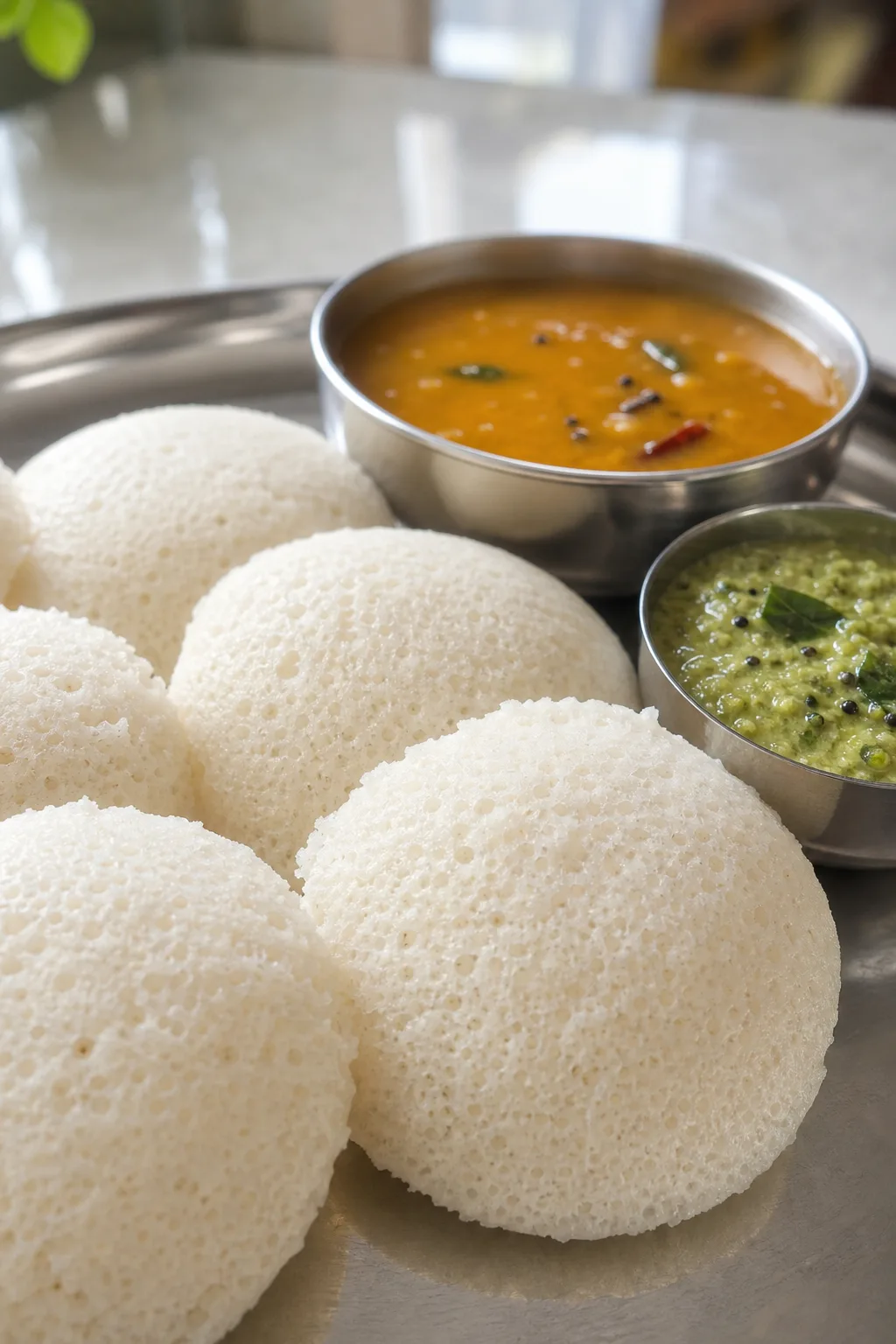
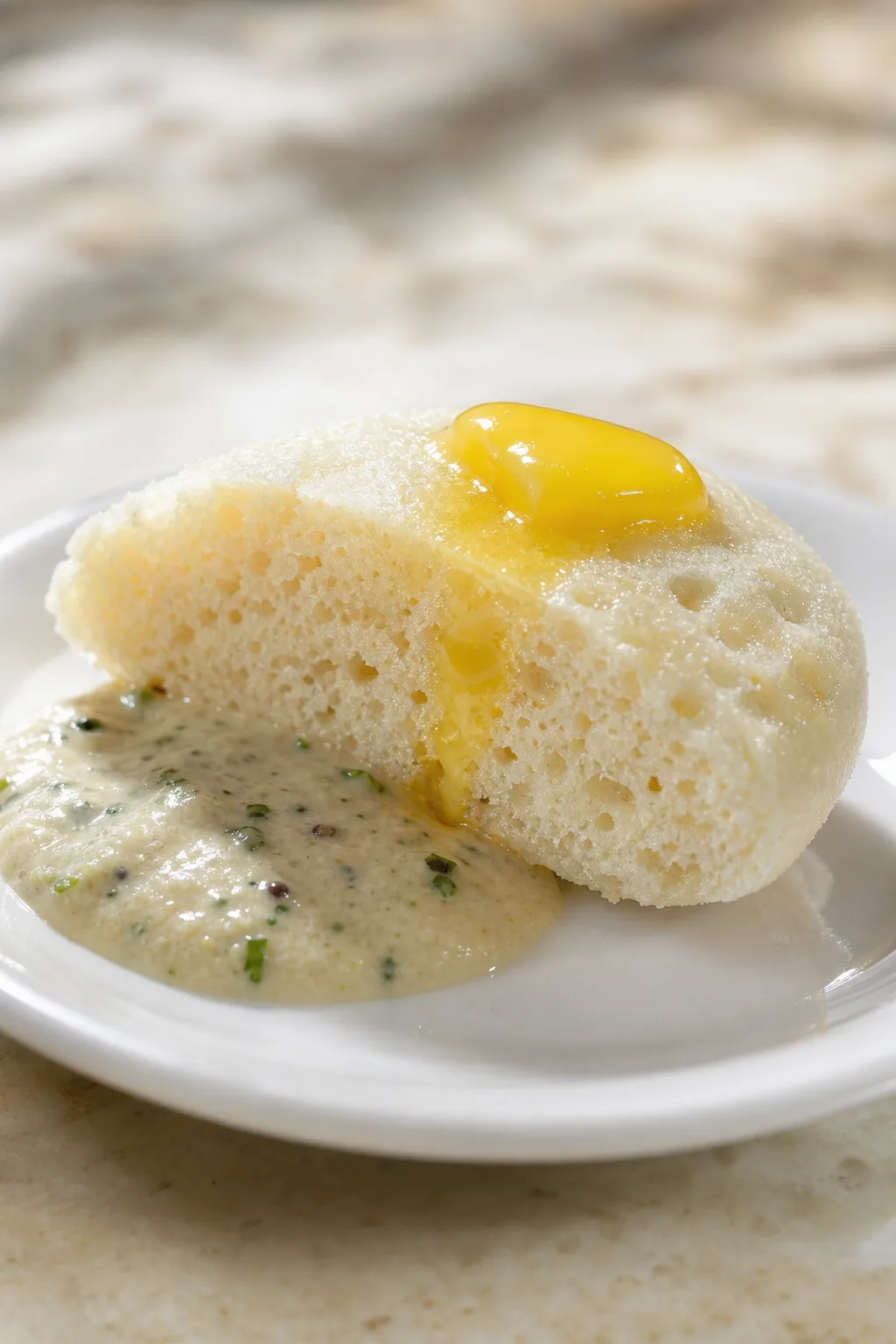
To make idlis, grease idli molds lightly and pour batter about three-quarters full. Steam in an idli steamer or large pot with boiling water for 10-12 minutes. Avoid opening the lid during steaming to keep the steam trapped, which helps the idlis cook evenly and become soft. Test doneness by inserting a toothpick; it should come out clean. Steaming gently cooks the batter without drying it out.
⏱ Time: 10-12 minutes steaming
✓ Doneness: Idlis should be fluffy, soft, and spring back when pressed.
Step 4
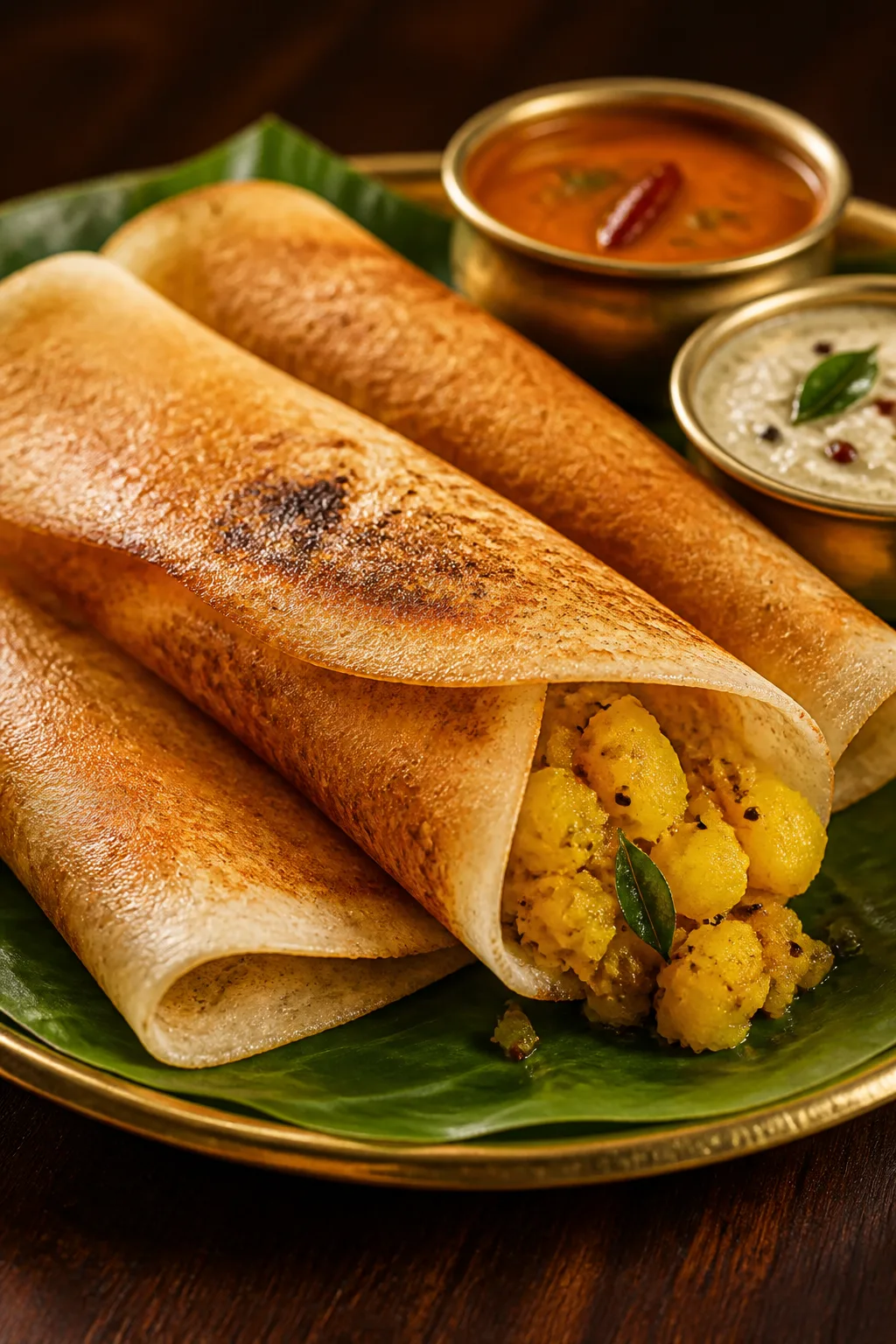
For dosas, heat a non-stick or cast-iron pan on medium-high heat until hot but not smoking. Pour a ladleful of batter in the center and quickly spread in a circular motion to form a thin layer. Drizzle a little oil or ghee around the edges. Cook until the bottom turns golden brown and crisp, about 2 minutes. Flip if you like or serve as is. The key is a hot pan and thin batter spread to get that signature crispness.
⏱ Time: 2-3 minutes per dosa
✓ Doneness: Edges lift easily and dosa turns golden brown with crisp texture.
Step 5
Prepare the coconut chutney by blending grated coconut, green chilies, ginger, salt, and a small amount of tamarind paste with water until smooth. Adjust thickness by adding water gradually. This chutney adds a fresh, zesty contrast to the mild idlis and dosas, balancing flavors perfectly.
⏱ Time: 5 minutes
✓ Doneness: Chutney is creamy with a smooth texture and bright aroma.
Step 6
Cook toor dal in a pressure cooker until soft, then mash lightly. In a pot, combine the dal with chopped vegetables, tamarind pulp, and sambar powder. Simmer until veggies are tender. Temper mustard seeds, curry leaves, and dried red chilies in hot oil and add to the sambar for authentic flavor. The sambar should be tangy, mildly spiced, and perfect for dipping.
⏱ Time: 20-25 minutes simmer
✓ Doneness: Vegetables are tender and sambar has a rich, aromatic broth.
Step 7
Once fermented, stir the batter gently before use, avoiding over-mixing which can deflate it. Use fresh batter each day for best results. Store leftovers in the fridge and bring to room temperature before using to reactivate fermentation flavors.
⏱ Time: 5 minutes
✓ Doneness: Batter is airy but not runny, ready to use.
Step 8
For perfect dosas, adjust the batter consistency by adding water if too thick; it should flow easily but not be watery. Practice spreading with a steady wrist, and keep the pan well-seasoned for non-stick results. Avoid overcrowding the pan to maintain heat.
⏱ Time: Ongoing adjustments
✓ Doneness: Dosa spreads thin and cooks evenly without sticking.
Step 9
Serve idlis and dosas hot with coconut chutney and fresh sambar. The combination of soft, fluffy idlis and crispy dosas with tangy sides is a breakfast that feels both light and filling. Enjoy immediately for best texture and flavor.
⏱ Time: Serve immediately
✓ Doneness: Warm, fresh, and flavorful presentation on the plate.
Pro Tips
Always soak rice and dal separately for best texture.
Soaking separately allows each to absorb water optimally. Urad dal needs more water to become fluffy when ground, while rice benefits from less water to maintain slight graininess. This difference is key to achieving the ideal batter consistency and texture for both idlis and dosas.
Use a warm spot for fermentation, like inside an oven with the light on.
Fermentation depends on consistent warmth (around 80°F). If your kitchen is cold, the batter won’t ferment well and idlis will be dense. Using an oven with just the light on provides gentle warmth, encouraging the natural yeast and bacteria to work their magic.
Don’t overmix the batter after fermentation.
Overmixing deflates the air bubbles formed during fermentation, leading to denser idlis and less crispy dosas. Stir gently to combine before cooking. This preserves the airy texture that makes these dishes so delightful.
Use a cast-iron or well-seasoned non-stick pan for dosas.
These pans retain and distribute heat evenly, essential for crisp dosas. A cold or uneven pan causes sticking or uneven cooking. Seasoning your pan with oil builds a natural non-stick surface over time, improving results.
Steam idlis with the lid tightly closed and avoid opening mid-way.
Steam is the cooking medium that gently sets the batter into soft idlis. Opening the lid releases steam and lowers temperature, causing uneven cooking and potential sogginess. Keeping the lid closed traps heat and moisture for perfect softness.
Adjust dosa batter thickness with water for perfect spreading.
Batter that’s too thick won’t spread evenly and results in thick, soft dosas. Too thin batter becomes fragile and tears easily. Aim for a pourable but not watery consistency to get that signature thin, crisp dosa.
Serve idlis and dosas hot for best taste and texture.
These dishes lose their signature softness and crispness as they cool. Serving immediately after cooking ensures you enjoy the full sensory experience. If necessary, keep them warm in a covered container or on a low heat.
Common Mistakes to Avoid
Skipping soaking or under-soaking the rice and dal.
Why it happens Often, cooks rush the process or underestimate how long soaking affects batter quality. Skipping soaking leads to rough grinding and poor fermentation.
Fix Plan ahead to soak rice and dal for at least 4 hours or overnight. Proper soaking softens the grains, allowing smooth batter and better fermentation, resulting in fluffier idlis and crisp dosas.
Fermenting batter in a cold environment.
Why it happens In cooler climates or seasons, the batter takes longer or fails to ferment because natural yeasts are less active.
Fix Use a warm spot like inside the oven with the light on or near a heater. You can also wrap the batter bowl in a warm towel. This encourages proper fermentation, producing airy texture and tangy flavor.
Using a cold pan for dosas causing sticking.
Why it happens Beginners may not wait long enough for the pan to heat properly or use the wrong pan type.
Fix Preheat the pan over medium-high heat until a drop of water sizzles and evaporates quickly. Use cast iron or non-stick pans and lightly oil between dosas to prevent sticking.
Overmixing batter after fermentation.
Why it happens Some think mixing well improves texture but it actually deflates the bubbles formed during fermentation.
Fix Stir batter gently just to combine before cooking. This preserves the airy quality essential for soft idlis and crisp dosas.
Opening the idli steamer lid during cooking.
Why it happens Impatient cooks check too early to test doneness, releasing steam.
Fix Keep the lid closed throughout steaming to trap heat and moisture. Only open after recommended time and test for doneness with a toothpick.
Variations
Rava Idli Variation
Swap rice with semolina (rava) soaked briefly and mixed with yogurt instead of fermented batter. This yields instant idlis that are light and slightly grainy with a tangy flavor. Great for when you’re short on time but want a similar experience.
Note: No fermentation needed, so batter can be cooked immediately. Texture is different — slightly coarser and tangier due to yogurt.
Masala Dosa Variation
Add a spiced potato filling inside the dosa for a hearty snack or breakfast. Sauté boiled potatoes with mustard seeds, curry leaves, turmeric, and chili for authentic flavor. This transforms simple dosas into a filling meal.
Note: Prepare filling ahead; cook dosas as usual and fold with filling inside while hot.
Mixed Millet Idli Batter
Replace part of rice with millets like foxtail or barnyard millet for a healthier twist. Millets add nuttiness and extra fiber, suitable for gluten-free diets. The fermentation and cooking process remains the same.
Note: Soak millets with rice and grind together. Texture may be slightly denser but still soft after steaming.
Tomato Chutney Instead of Coconut Chutney
Blend roasted tomatoes with garlic, red chili, and tamarind for a tangy, spicy chutney alternative. It pairs wonderfully with idlis and dosas, offering a flavor punch and color contrast.
Note: Roasting tomatoes develops sweetness and reduces acidity for balanced chutney.
Instant Dosa Batter Using Baking Soda
If you’re short on fermentation time, add a pinch of baking soda to the batter before cooking dosas. This creates bubbles and lightens the dosa quickly but lacks the depth of flavor from natural fermentation.
Note: Use sparingly to avoid a soapy taste; best consumed immediately after cooking.
Nutrition
Per Serving:
Nutritional values are estimates based on typical ingredients and serving sizes.
Storage & Tips
Room Temperature
Idli and dosa batter can be kept covered at room temperature for up to 12 hours during fermentation. After cooking, idlis and dosas should be consumed immediately or cooled and refrigerated. Avoid leaving cooked items out more than 2 hours to prevent spoilage.
Refrigerator
Store leftover cooked idlis or dosas in an airtight container in the fridge for up to 2 days. They tend to harden, so reheat with a sprinkle of water in a steamer or microwave to regain softness. Chutneys and sambar can be refrigerated for 3-4 days.
Freezer
Freeze cooked idlis or dosas individually wrapped in foil or freezer bags for up to 1 month. Thaw overnight in the fridge and reheat steamed or on a hot pan to restore texture. Avoid microwaving frozen items directly as they can become rubbery.
Reheating
Reheat idlis by steaming for 5-7 minutes or microwaving covered with a damp paper towel for 1-2 minutes. For dosas, warm on a hot non-stick pan for 1-2 minutes per side to regain crispness. Avoid overheating which dries them out.
Make Ahead
You can prepare and ferment the batter a day ahead and refrigerate it. On the day, bring it to room temperature and stir gently before making idlis or dosas. Chutneys and sambar can also be made a day in advance to deepen flavors.
FAQ
Can I use a blender instead of a wet grinder for the batter?
Yes, a high-speed blender can work, but the texture may not be as smooth or fluffy compared to a traditional wet grinder. Blenders tend to heat the batter slightly, which can affect fermentation. To minimize this, grind in short bursts and keep the batter cool.
How do I know if the batter has fermented properly?
Properly fermented batter will double in volume, look bubbly, and have a mildly sour aroma. If it hasn’t risen or smells off, it may need more time or a warmer spot. Avoid using batter that smells unpleasant or looks discolored.
Why do my idlis turn out dense or hard?
Dense idlis usually result from insufficient fermentation, batter that’s too thick, or overmixing after fermentation. Ensure grains are soaked long enough, ferment in a warm place, and stir gently before steaming. Also, don’t overcook idlis.
My dosas stick to the pan. How can I prevent this?
Make sure the pan is properly preheated and lightly greased. Cast iron or well-seasoned non-stick pans work best. If sticking persists, clean the pan thoroughly and re-season if cast iron. Avoid pouring batter on a cold or unevenly heated pan.
Can I make the batter without fenugreek seeds?
Yes, you can omit fenugreek seeds but they aid fermentation and add subtle flavor. Without them, fermentation might be slower and the batter less airy. Some people substitute with a pinch of baking soda for quick fermentation, but flavor differs.
How do I store leftover batter?
Refrigerate leftover batter in an airtight container for up to 3 days. Before using, bring it to room temperature and stir gently. The batter may continue fermenting slowly in the fridge, which can intensify sourness.
What can I substitute for tamarind in chutney and sambar?
You can use lemon juice or dry mango powder (amchur) as substitutes. Lemon juice adds fresh acidity but should be added after cooking sambar to avoid bitterness. Amchur powder offers a fruity sourness but use sparingly.
Is it okay to add baking soda to batter for quick idlis?
Baking soda can be added just before steaming to lighten batter if fermentation is insufficient. Use a small pinch as too much affects taste and texture. It’s a useful shortcut but doesn’t replicate the flavor complexity of natural fermentation.
Final Thoughts
I hope you enjoy making these quick South Indian breakfasts as much as I do! Give the recipe a try and let me know how your idlis and dosas turn out.