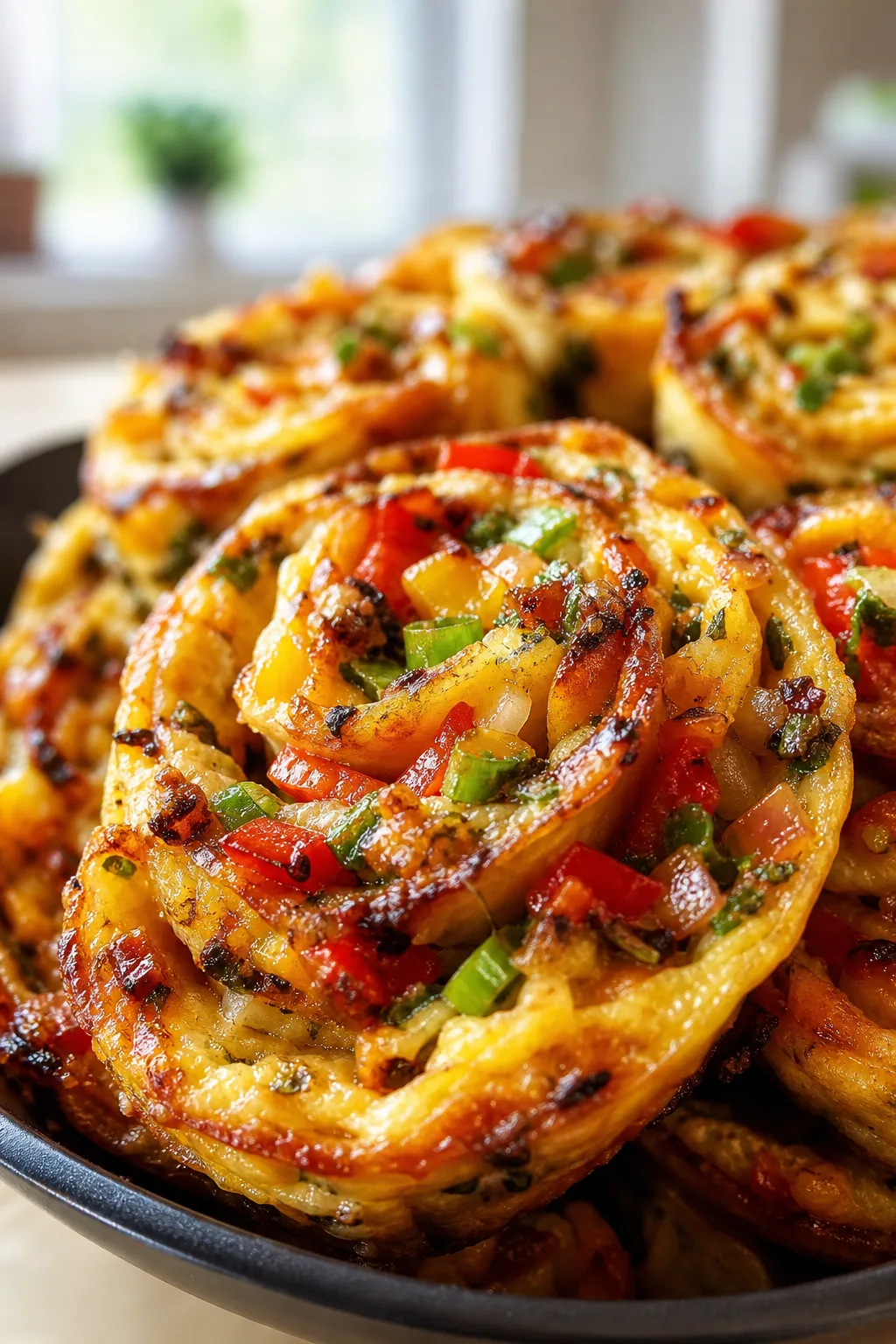
This veggie scramble is my lifesaver on hectic mornings. Loaded with fresh veggies and ready in 15 minutes, it’s a tasty, healthy way to fuel your day. Great for a quick weekday breakfast!
Introduction
I first stumbled upon this veggie breakfast scramble during a particularly rushed morning when I had nothing prepped but wanted something fresh and filling. It quickly became my go-to because it’s so simple yet packs a punch of flavor and nutrients. What makes this scramble different from others I’ve tried is how I layer the vegetables and cook them just right so they stay vibrant and tender without turning mushy. Plus, beating the eggs with a little salt beforehand helps the scramble stay fluffy and soft — a trick I learned after a few failed attempts where my eggs turned rubbery. The finished dish looks bright and inviting with all the colorful veggies, and tastes fresh with a subtle sweetness from the peppers and tomato. It’s perfect for busy weekdays when you want something wholesome but don’t have a lot of time to spare. I love pairing it with a slice of crusty bread or a quick fruit salad to round out the meal. Honestly, it’s a breakfast that feels like a treat but comes together in under 15 minutes — what’s not to love?
How To Do It
Step 1
Heat the olive oil in a medium non-stick skillet over medium heat. Add the diced onion and bell peppers first because these veggies take a bit longer to soften. Stir them occasionally to ensure they cook evenly without browning too much. The goal here is to sweat the veggies gently, releasing their natural sweetness and softening them just enough to blend well with the eggs later. Watch closely so they don’t burn, which would add a bitter taste to the scramble.
⏱ Time: 4 minutes
✓ Doneness: Onions become translucent and peppers soften but still hold their shape and color.
Step 2
Add the chopped spinach and diced tomato to the skillet with the softened onions and peppers. Stir everything together and cook for another 2 minutes until the spinach wilts but stays bright green. This step adds freshness and moisture to the scramble. If you add spinach too early, it will get soggy, so timing matters here. The tomatoes should warm through without breaking down completely to keep a bit of texture.
⏱ Time: 2 minutes
✓ Doneness: Spinach is wilted but vibrant; tomatoes are warm and slightly softened.
Step 3
Reduce the heat to medium-low and pour the beaten eggs evenly over the cooked vegetables. Let the eggs sit undisturbed for about 15 seconds to start setting at the edges before gently stirring. This technique helps create soft curds instead of scrambling too aggressively, which can make the eggs tough. Use a spatula to fold the eggs slowly, scraping the bottom so nothing sticks or burns. Patience here ensures a fluffy texture.
⏱ Time: 3 minutes
✓ Doneness: Eggs start to form soft curds and look creamy but not runny.
Step 4
Continue cooking the eggs gently, stirring occasionally, until they’re mostly set but still slightly glossy and moist. If you’re adding cheese, sprinkle it over the top now and fold it in to melt evenly. Removing the scramble from heat just before the eggs are fully firm prevents overcooking, which can cause dryness. The residual heat will finish cooking the eggs perfectly.
⏱ Time: 2 minutes
✓ Doneness: Eggs are soft, slightly creamy, and cheese is melted if used.
Step 5
Season the scramble with salt and pepper to taste. I like to add a pinch of black pepper and a small sprinkle of flaky sea salt for extra flavor layers. Taste as you go to avoid overseasoning. You can also add fresh herbs like chives or parsley if you have them on hand for brightness. Serve immediately while warm.
⏱ Time: 1 minute
✓ Doneness: Seasoned to taste with a balanced flavor—no overpowering saltiness.
Step 6
Optional: Toast a slice of your favorite bread or warm a tortilla on the side. This adds a nice textural contrast and makes the meal more filling. You can also prepare a quick fruit salad or pour a glass of fresh juice to complement the savory scramble.
⏱ Time: 3-5 minutes concurrently
✓ Doneness: Bread toasted golden brown or tortilla warmed through.
Step 7
Plate the scramble with any sides and garnish with a sprinkle of extra cheese or fresh herbs if desired. Presentation is simple but colorful, making it as visually inviting as it is tasty. The variety of textures—from tender veggies to fluffy eggs—makes each bite satisfying.
⏱ Time: 2 minutes
✓ Doneness: Dish looks vibrant and fresh with appealing colors.
Step 8
Clean your skillet promptly after cooking while it’s still warm to prevent food residue from sticking. A quick wipe with a paper towel or rinse with warm water usually does the trick. Proper cleanup keeps your pan in great shape for next time.
⏱ Time: 5 minutes
✓ Doneness: Pan free of stuck-on bits and ready for next use.
Step 9
Enjoy your scramble immediately for best flavor and texture. If you need to store leftovers, cool them quickly and refrigerate. Reheat gently to avoid drying out the eggs. This meal is best fresh but keeps well for a quick breakfast or snack later.
⏱ Time: N/A
✓ Doneness: Scramble tastes fresh and moist after reheating.
Pro Tips
Beat the eggs with salt before cooking.
Adding salt to the eggs before cooking starts breaking down the proteins, which helps create a softer, more tender scramble. If you add salt too late, the eggs can become tougher and less creamy. This simple trick makes a noticeable difference in texture.
Cook veggies on medium heat, not high.
Medium heat allows vegetables to soften gently without burning or drying out. High heat can cause uneven cooking and bitter flavors. Taking your time ensures the veggies release their natural sweetness and retain a pleasant texture.
Add spinach last to avoid sogginess.
Spinach wilts very quickly and releases moisture. Adding it too early can make the scramble watery and limp. Adding it just before the eggs ensures it stays bright green and tender, contributing freshness to the dish.
Use a non-stick skillet for easy scrambling.
A non-stick pan prevents the eggs from sticking and breaking apart, allowing gentle folding for fluffy curds. Using stainless steel can work but requires more attention and fat to avoid sticking, which might make the scramble less delicate.
Remove from heat while eggs are slightly underdone.
Eggs continue cooking from residual heat after you take the pan off the stove. Removing them early prevents overcooking and dryness, resulting in a creamier and more enjoyable texture.
Add cheese at the end for melty richness.
Sprinkling cheese just before finishing cooking lets it melt smoothly into the eggs without overheating, which can cause separation or greasiness. It adds flavor and creaminess without overwhelming the veggies.
Season gradually and taste as you go.
Adding salt and pepper in stages helps you control the flavor balance and avoid overseasoning. Since the ingredients concentrate flavors differently during cooking, tasting ensures a perfectly seasoned scramble.
Common Mistakes to Avoid
Cooking eggs on too high heat
Why it happens Many cooks rush mornings and crank up heat to speed cooking, assuming it saves time.
Fix Cook eggs on medium or medium-low heat to gently set them. This prevents toughness and rubbery texture. Patience here yields soft, fluffy eggs.
Adding spinach too early
Why it happens People often add all veggies at once to simplify steps without considering different cooking times.
Fix Add spinach last since it wilts quickly. This keeps it bright and prevents the scramble from becoming watery and limp.
Skipping the step to soften onions and peppers
Why it happens In a hurry, cooks might toss all veggies in together or add eggs too soon.
Fix Sauté onions and peppers first until translucent and tender. This develops sweetness and texture essential for a balanced scramble.
Overstirring the eggs
Why it happens Some think constant stirring makes eggs fluffier, but it can break curds and dry them out.
Fix Stir gently and intermittently to create soft curds. Let eggs set briefly before folding to keep creamy texture.
Not seasoning properly
Why it happens Beginners often forget to season or add too much salt at once.
Fix Season gradually and taste as you go. Salt enhances flavor without overpowering, and pepper adds subtle heat.
Variations
Spicy Southwest Veggie Scramble
Add diced jalapeño and a pinch of smoked paprika for a smoky, spicy twist. Swap cheddar for pepper jack cheese and finish with fresh cilantro and avocado slices. This variation brings a lively southwestern flavor with a creamy, spicy kick.
Note: Be mindful of jalapeño quantity to control heat. Cook peppers thoroughly to mellow spiciness without losing crunch.
Mushroom and Herb Veggie Scramble
Swap bell peppers and tomato for sautéed mushrooms and add fresh thyme and parsley. Use gruyere cheese for a nutty richness. This version is earthy and fragrant, perfect for mushroom lovers wanting a cozy breakfast.
Note: Cook mushrooms first to release moisture and brown them well before adding eggs to prevent sogginess.
Vegan Tofu Scramble
Replace eggs with crumbled firm tofu seasoned with turmeric and nutritional yeast for color and flavor. Sauté the same veggies and fold tofu in last. This plant-based scramble is protein-rich and deliciously satisfying.
Note: Press tofu well to remove excess water for better texture. Cook gently to avoid drying out.
Cheesy Mediterranean Veggie Scramble
Add chopped Kalamata olives, sun-dried tomatoes, and crumbled feta cheese. Use spinach and add a sprinkle of oregano for a Mediterranean flair. This scramble offers bold, tangy flavors balanced with creamy cheese.
Note: Add olives and sun-dried tomatoes early with onions to soften flavors and avoid bitterness.
Sweet Potato and Kale Scramble
Incorporate cooked diced sweet potatoes and kale instead of spinach for a hearty, nutrient-packed scramble. Use smoked gouda cheese for a smoky depth. This variation is filling and perfect for cooler mornings.
Note: Par-cook sweet potatoes before adding to the skillet to ensure tenderness without overcooking eggs.
Nutrition
Per Serving:
Nutritional values are estimates and may vary based on specific ingredients used.
Storage & Tips
Room Temperature
The scramble can be safely left out at room temperature for up to 2 hours. Cover loosely with foil or a plate to prevent drying out and protect from contaminants. Beyond this time, refrigeration is recommended.
Refrigerator
Store leftovers in an airtight container for up to 3 days. The scramble may firm up in the fridge, so reheat gently to restore creaminess. Some vegetables might release moisture, so stirring during reheating helps maintain texture.
Freezer
Freeze the scramble in a sealed container or freezer bag for up to 1 month. To prevent freezer burn, remove as much air as possible before sealing. Thaw overnight in the fridge before reheating gently.
Reheating
Reheat gently on the stovetop over low heat or in the microwave at medium power to avoid drying out. Add a splash of water or milk to loosen the texture if needed. Avoid high heat which causes rubbery eggs.
Make Ahead
You can chop all vegetables the night before and store them in the fridge. Beat eggs and season in advance but keep separate until cooking. This prep shortens morning cooking time to under 10 minutes.
FAQ
Can I use frozen vegetables instead of fresh?
Frozen veggies can work in a pinch but tend to release more moisture, which may make the scramble watery. If using frozen, thaw and drain excess water before cooking. Fresh veggies provide better texture and flavor, especially for quick scrambles.
How can I make this scramble dairy-free?
Simply omit the cheese or substitute with a dairy-free cheese alternative. The scramble still tastes great without cheese since the veggies and eggs provide plenty of flavor and richness. Adding nutritional yeast can add a cheesy note if desired.
What’s the best pan to use for scrambling eggs?
A non-stick skillet is ideal because it prevents sticking and allows gentle cooking. If you only have stainless steel, use a bit more oil and keep the heat moderate to avoid eggs sticking and breaking apart.
Can I add other vegetables to this scramble?
Absolutely! Feel free to add mushrooms, zucchini, or even leftover roasted veggies. Adjust cooking times accordingly—denser veggies like carrots or sweet potatoes need to cook longer before adding eggs.
How do I avoid rubbery eggs?
Cook eggs gently over medium to low heat and remove them from heat while still slightly moist. Overcooking or high heat causes eggs to become tough and rubbery. Stir gently and don’t rush the process.
Is it okay to prepare this scramble in advance?
You can prep veggies and beat eggs ahead but cook the scramble fresh for best texture and flavor. If you must cook ahead, refrigerate promptly and reheat gently, adding a bit of liquid to refresh the eggs.
What can I serve with this scramble to make it a full meal?
Try pairing with whole grain toast, avocado slices, or a fresh fruit salad. A side of yogurt or a smoothie also complements the protein and veggies well for a balanced breakfast.
How do I make the scramble spicier?
Add diced jalapeños or a pinch of cayenne pepper when cooking the veggies. You can also sprinkle hot sauce or chili flakes on top when serving for an extra kick.
Final Thoughts
Give this veggie breakfast scramble a try—you’ll love how fresh and easy it is! Don’t forget to share your tweaks and favorites with me.