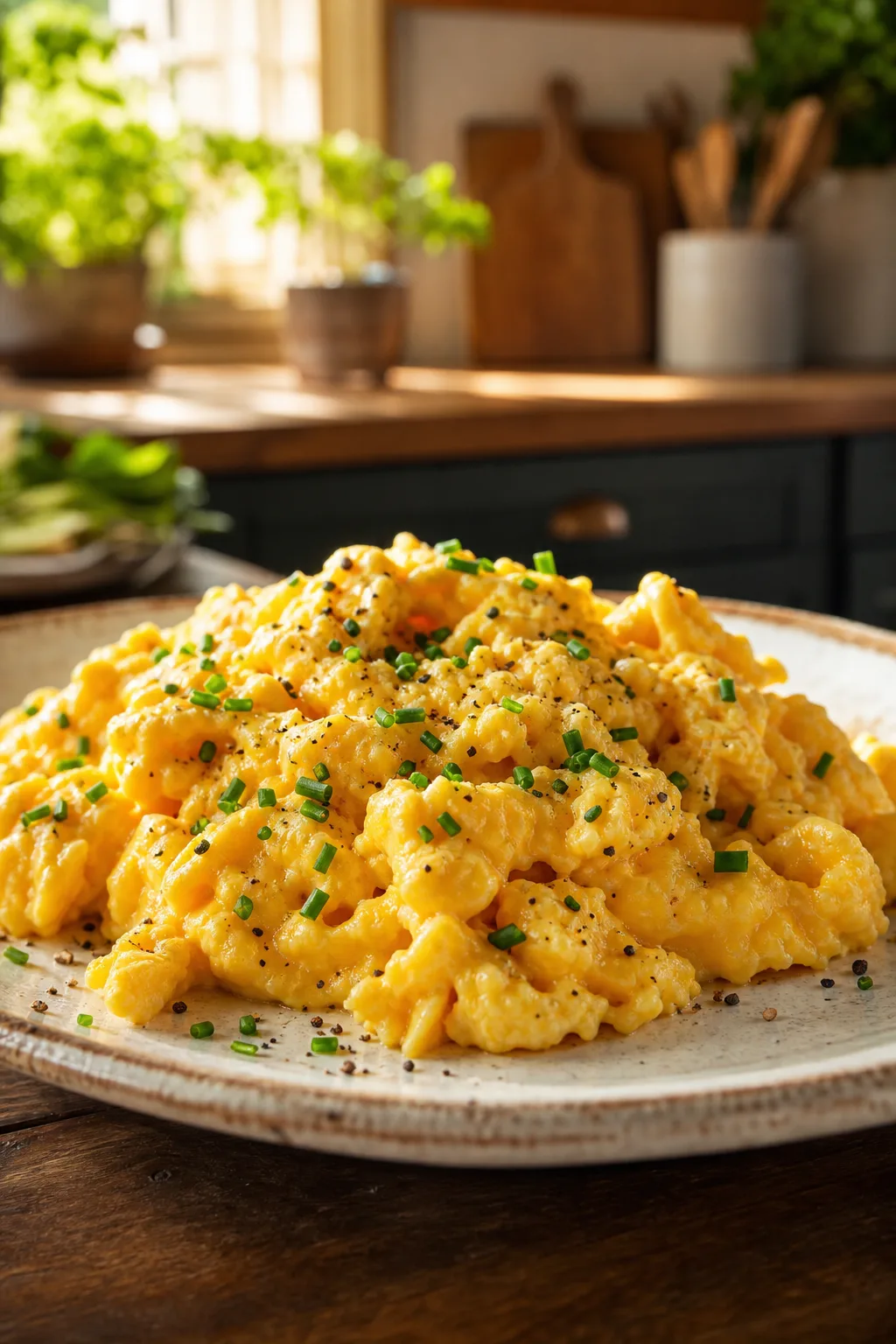
These scrambled eggs are my secret to a quick, comforting breakfast. The gentle folding technique makes them super fluffy without drying out. Great for busy mornings or slow weekend brunches!
Introduction
I’ve been making scrambled eggs this way for years, and it’s honestly my go-to when mornings get hectic. The trick I learned early on was to beat the eggs lightly and then gently fold them while cooking, rather than stirring vigorously. This keeps them fluffy and tender, not rubbery or dry like some scrambled eggs can turn out. I remember the first time I tried this technique — my eggs came out like soft clouds, and it felt like such a small change made a big difference. What I love most is how quick it is; you can have a warm, homemade breakfast on the table in under ten minutes. Whether it’s a rushed weekday morning or a lazy weekend brunch, these eggs feel comforting and satisfying. Plus, adding a splash of cream makes them extra rich without being heavy. If you’re used to scrambling eggs fast over high heat, try slowing down and folding gently—your taste buds will thank you!
How To Do It
Step 1
Crack the eggs into a bowl and add the milk or cream. Whisk gently until the mixture is just combined and slightly frothy. Avoid over-beating, which can cause the eggs to become tough once cooked. The milk adds a touch of creaminess and helps keep the eggs soft. Whisking introduces a bit of air, which will contribute to the fluffiness later on.
⏱ Time: 3 minutes
✓ Doneness: Egg mixture is uniform, pale yellow, with light bubbles on top
Step 2
Heat a nonstick skillet over low to medium-low heat and melt the butter until foamy but not browned. Using low heat is key here — high heat cooks eggs too fast and makes them rubbery. The butter coats the pan and adds flavor, helping the eggs cook evenly without sticking.
⏱ Time: 2 minutes
✓ Doneness: Butter is melted, foamy, and slightly bubbling but not browned
Step 3
Pour the egg mixture into the skillet. Let it sit undisturbed for about 20 seconds until you see the edges just starting to set. This allows a gentle crust to form, which helps create layers when you fold the eggs later.
⏱ Time: 20 seconds
✓ Doneness: Edges look slightly opaque and set while center is still runny
Step 4
Using a silicone spatula, gently fold the eggs from the edges towards the center. Don’t stir vigorously; instead, scoop and fold slowly to create soft curds. This delicate folding traps air and keeps the eggs fluffy. Keep the heat low to avoid overcooking.
⏱ Time: 2 minutes
✓ Doneness: Eggs form soft curds and start to thicken but remain moist
Step 5
Continue folding the eggs gently every 15-20 seconds, letting them rest briefly between folds. The slow cooking and folding prevent the eggs from drying out and maintain a creamy texture. Avoid rushing this step; patience yields the best texture.
⏱ Time: 3 minutes
✓ Doneness: Eggs are mostly set but still glossy and soft
Step 6
Remove the skillet from heat just before the eggs look fully cooked. Remember, they’ll continue cooking slightly from residual heat. This prevents overcooking, which can make eggs tough and dry.
⏱ Time: 30 seconds
✓ Doneness: Eggs are softly set with a shiny, creamy surface
Step 7
Season with salt and freshly ground black pepper to taste. Stir gently to distribute seasoning evenly. Adding salt too early can break down the eggs and make them watery, so seasoning at the end preserves texture.
⏱ Time: 30 seconds
✓ Doneness: Seasoning is evenly mixed without affecting texture
Step 8
Transfer the scrambled eggs to warm plates immediately to stop cooking. If left in the hot pan, they’ll keep firming up and might dry out. Serving right away ensures they stay soft and fluffy.
⏱ Time: 1 minute
✓ Doneness: Eggs look delicate, moist, and fluffy on the plate
Step 9
Optional: sprinkle chopped fresh chives or parsley over the eggs for a pop of color and fresh flavor. It adds a nice herbal brightness that complements the rich eggs perfectly.
⏱ Time: 30 seconds
✓ Doneness: Herbs are evenly scattered and vibrant green
Pro Tips
Use a silicone spatula for folding the eggs gently.
A silicone spatula is flexible and gentle, allowing you to fold the eggs without breaking the delicate curds. Using a metal spoon or whisk can be too harsh and cause the eggs to break down and become dense rather than fluffy.
Cook scrambled eggs on low heat to control texture.
Low heat cooking ensures the eggs cook slowly and evenly, preventing the proteins from tightening too quickly. This slow coagulation traps moisture inside the curds, resulting in soft, creamy eggs rather than dry, rubbery ones.
Remove eggs from heat just before fully set.
Eggs continue to cook from residual heat even after being removed from the pan. Taking them off the burner early prevents overcooking, which can dry out the eggs and ruin the fluffy texture you’re aiming for.
Let eggs come to room temperature before cooking.
Room temperature eggs cook more evenly and quickly. Cold eggs can cause uneven cooking, leading to some parts being overdone while others remain runny. This simple step improves texture and timing.
Add salt at the end, not before cooking.
Salt added too early breaks down egg proteins and can cause watery eggs. Seasoning at the end preserves the eggs’ structure and moisture, enhancing flavor without compromising texture.
Whisk eggs gently to incorporate air without overdoing it.
Light whisking introduces air bubbles that help create fluffiness. Over-whisking can break down proteins too much, resulting in tough eggs. A gentle hand strikes the perfect balance.
Use fresh herbs to finish for brightness and color.
Fresh herbs add a pop of flavor and visual appeal without overpowering the eggs. Adding them at the end preserves their vibrant color and fresh aroma.
Common Mistakes to Avoid
Cooking eggs on high heat
Why it happens Many cooks rush mornings and crank the heat to speed up cooking, thinking it saves time.
Fix Slow down and use low heat. It might feel slower but results in tender eggs. High heat causes proteins to tighten quickly, making eggs rubbery and dry. Patience pays off here.
Stirring eggs too vigorously
Why it happens Some think constant stirring prevents sticking or uneven cooking.
Fix Instead, fold gently and let eggs rest between folds. Vigorous stirring breaks curds and squeezes out moisture, resulting in dense eggs. Gentle folding traps air and keeps eggs light.
Adding salt too early
Why it happens Seasoning early seems logical but affects texture.
Fix Season at the end to avoid breaking down proteins prematurely, which causes watery eggs. Add salt after cooking to enhance flavor without compromising fluffiness.
Not removing eggs from heat early enough
Why it happens It’s tempting to wait till eggs look fully done.
Fix Pull eggs off heat when slightly underdone; residual heat finishes cooking. Waiting too long results in overcooked, dry eggs.
Using cold eggs straight from fridge
Why it happens Skipping room temp step to save time.
Fix Let eggs sit out 15 minutes before cooking for even heat distribution and faster cooking. Cold eggs cook unevenly, causing texture issues.
Variations
Cheesy Scrambled Eggs
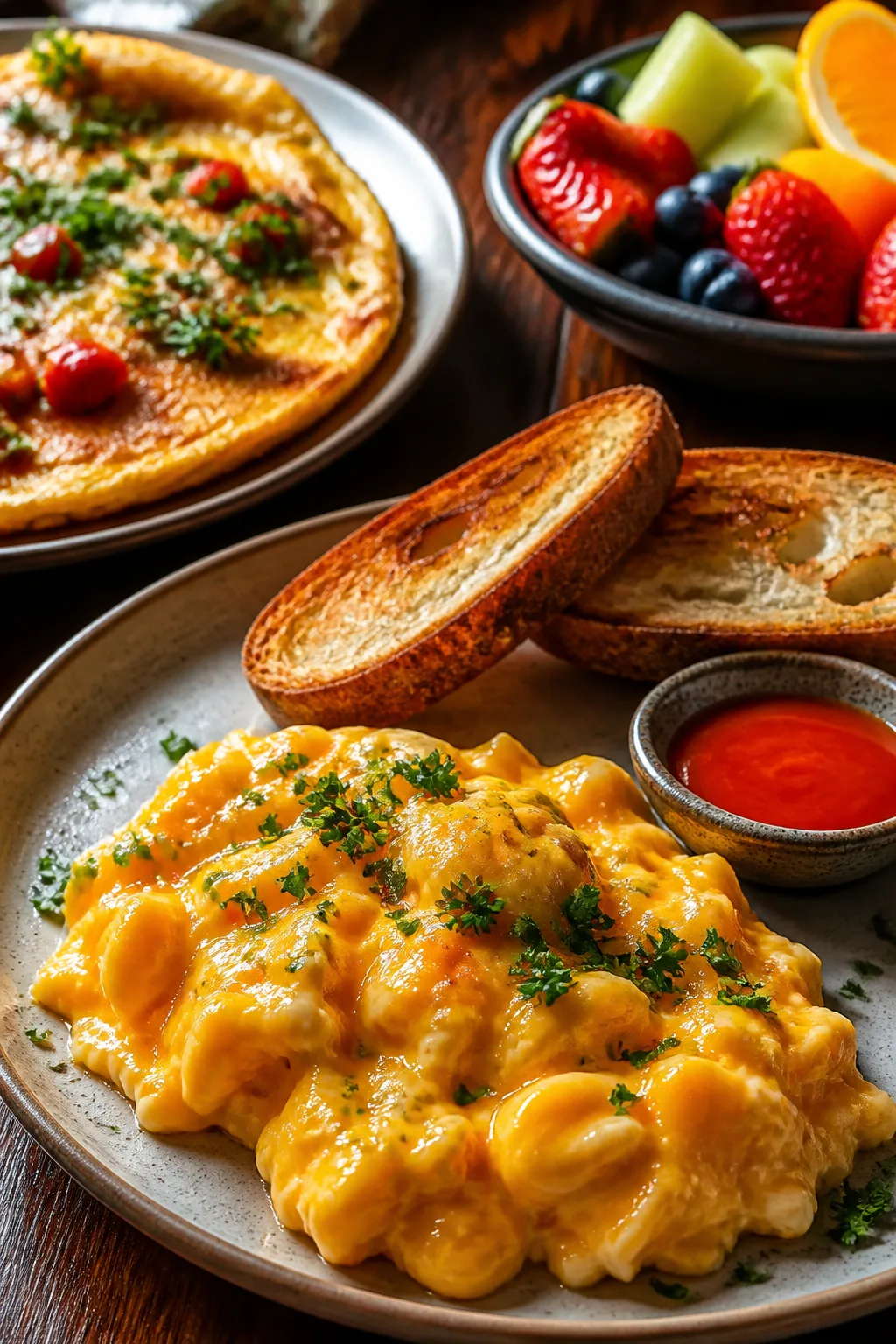
Add 1/4 cup grated cheddar, mozzarella, or your favorite cheese during the last fold. The cheese melts into the eggs, making them extra creamy and flavorful. Great for a comforting twist.
Note: Add cheese off heat or at very low heat to prevent curdling and ensure smooth melting.
Herbed Scrambled Eggs
Mix in fresh herbs like dill, tarragon, or basil along with chives for a bright, aromatic flavor. Herbs add freshness that balances the richness of the eggs perfectly.
Note: Add herbs at the end to keep their vibrant color and flavor intact.
Spicy Scrambled Eggs
Stir in a pinch of cayenne, smoked paprika, or diced jalapeños for a bit of heat. This variation gives your morning a flavorful kick and pairs well with avocado toast.
Note: Add spices early in the whisking stage for even seasoning or fold in fresh chilies during cooking.
Vegan Tofu Scramble
Swap eggs for crumbled firm tofu and cook with turmeric, nutritional yeast, and your favorite veggies. It mimics scrambled eggs’ texture and color, perfect for a plant-based diet.
Note: Press tofu to remove excess water for better texture, and cook low and slow to develop creaminess.
Cream Cheese Scrambled Eggs
Fold in small dollops of cream cheese just before finishing cooking. The eggs become ultra creamy and rich with a slight tang, perfect for a decadent breakfast.
Note: Add cream cheese off heat or at the very end to prevent curdling.
Nutrition
Per Serving:
Nutritional values are estimates and may vary based on specific ingredients used.
Storage & Tips
Room Temperature
Scrambled eggs can safely sit at room temperature for up to 2 hours if covered. Beyond that, bacteria growth increases, so it’s best to refrigerate leftovers promptly.
Refrigerator
Store leftovers in an airtight container for up to 3 days. Eggs may firm up and lose some creaminess when cold. Reheat gently to restore softness, but avoid overheating which causes dryness.
Freezer
Scrambled eggs don’t freeze well because they become watery and rubbery after thawing. It’s best to make fresh or refrigerate instead.
Reheating
Reheat gently over low heat on the stovetop or in short bursts in the microwave with a splash of milk or water to restore moisture. Stir frequently to prevent hot spots and overcooking.
Make Ahead
You can whisk eggs and mix in milk up to 1 day ahead and store covered in the fridge. Cook just before serving for best texture and flavor. Avoid cooking and refrigerating as reheating degrades quality.
FAQ
Can I use skim milk or water instead of cream or whole milk?
You can use skim milk or even water, but the texture won’t be as creamy or rich. The fat in cream or whole milk helps tenderize the eggs and adds flavor. Using water may make the eggs a bit drier and less flavorful.
Why do my scrambled eggs turn out rubbery sometimes?
Rubbery eggs usually result from cooking over too high heat or overcooking. High heat tightens egg proteins quickly, squeezing out moisture. Cooking slowly on low heat and removing the eggs before fully set helps keep them tender and fluffy.
Is it necessary to add milk or cream to scrambled eggs?
It’s not strictly necessary, but adding milk or cream improves texture and richness. Without it, eggs can be firmer and less creamy. If you prefer, you can skip it for a more classic, straightforward scramble.
How do I keep scrambled eggs warm without overcooking?
Cover the eggs loosely with foil or a lid and place the pan off heat or in a warm spot. Residual heat will keep them warm without cooking further. Avoid leaving eggs on direct heat or in a hot pan, which will keep cooking them and dry them out.
Can I prepare scrambled eggs ahead for meal prep?
Scrambled eggs are best fresh but you can cook and refrigerate them for up to 3 days. Reheat gently with a splash of milk to restore moisture. For best texture, whisk eggs ahead and cook just before eating.
Why should I add salt at the end instead of before cooking?
Salt breaks down egg proteins, leading to watery eggs if added too early. Adding salt at the end preserves the eggs’ structure and moisture, resulting in fluffier, tender eggs.
Can I use a whisk or fork instead of a spatula to fold eggs?
A spatula is better for gentle folding because it’s flexible and won’t break the curds. A whisk or fork tends to stir too vigorously, breaking the eggs down and making them denser.
How many eggs per person is a good serving size?
Generally, 2 large eggs per person is a good serving for breakfast. Adjust based on appetite or if serving with other dishes. This recipe uses 4 eggs for 2 people.
Final Thoughts
Give this fluffy scrambled eggs recipe a try and see how a small change in technique makes a big difference. I’d love to hear how yours turn out!