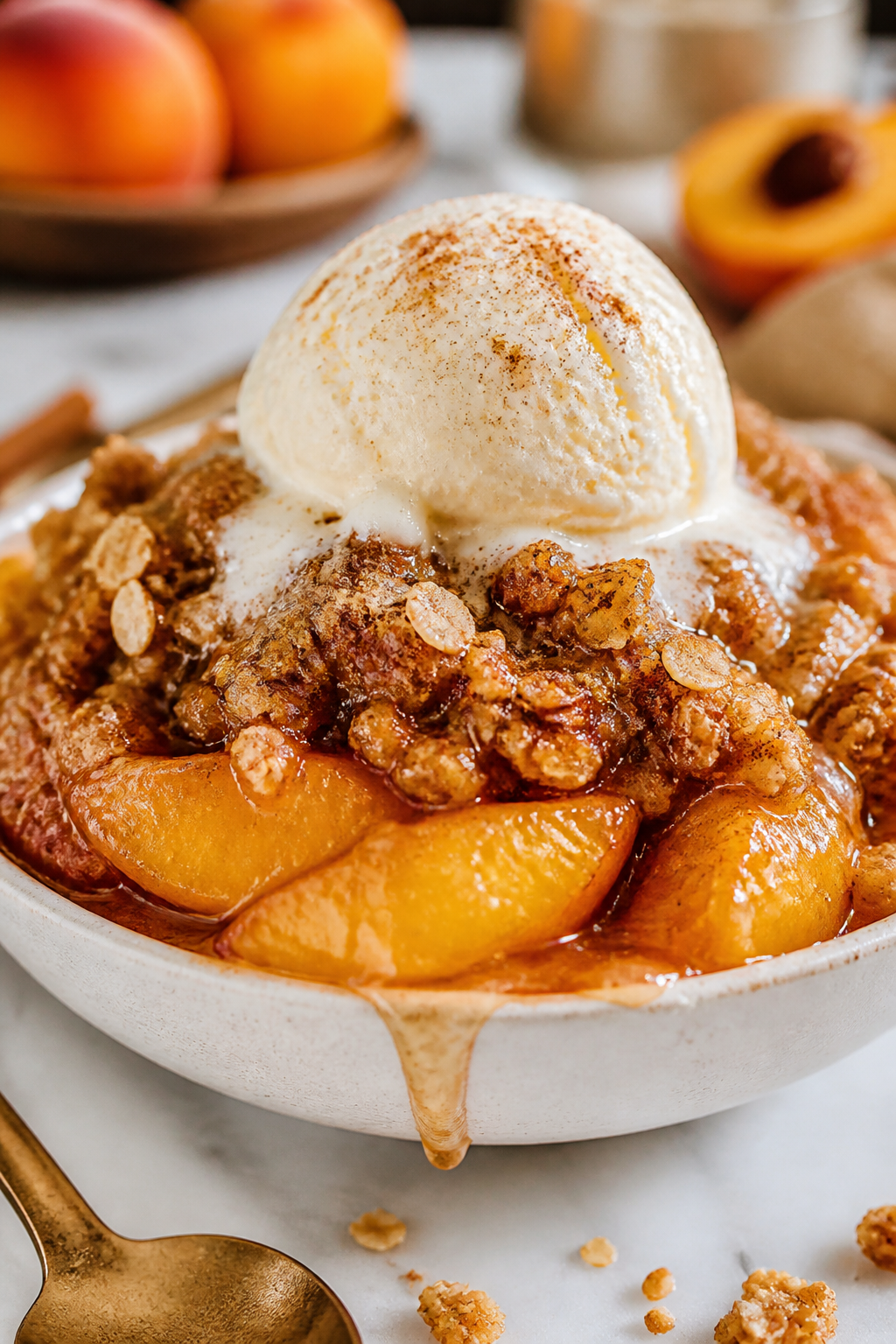
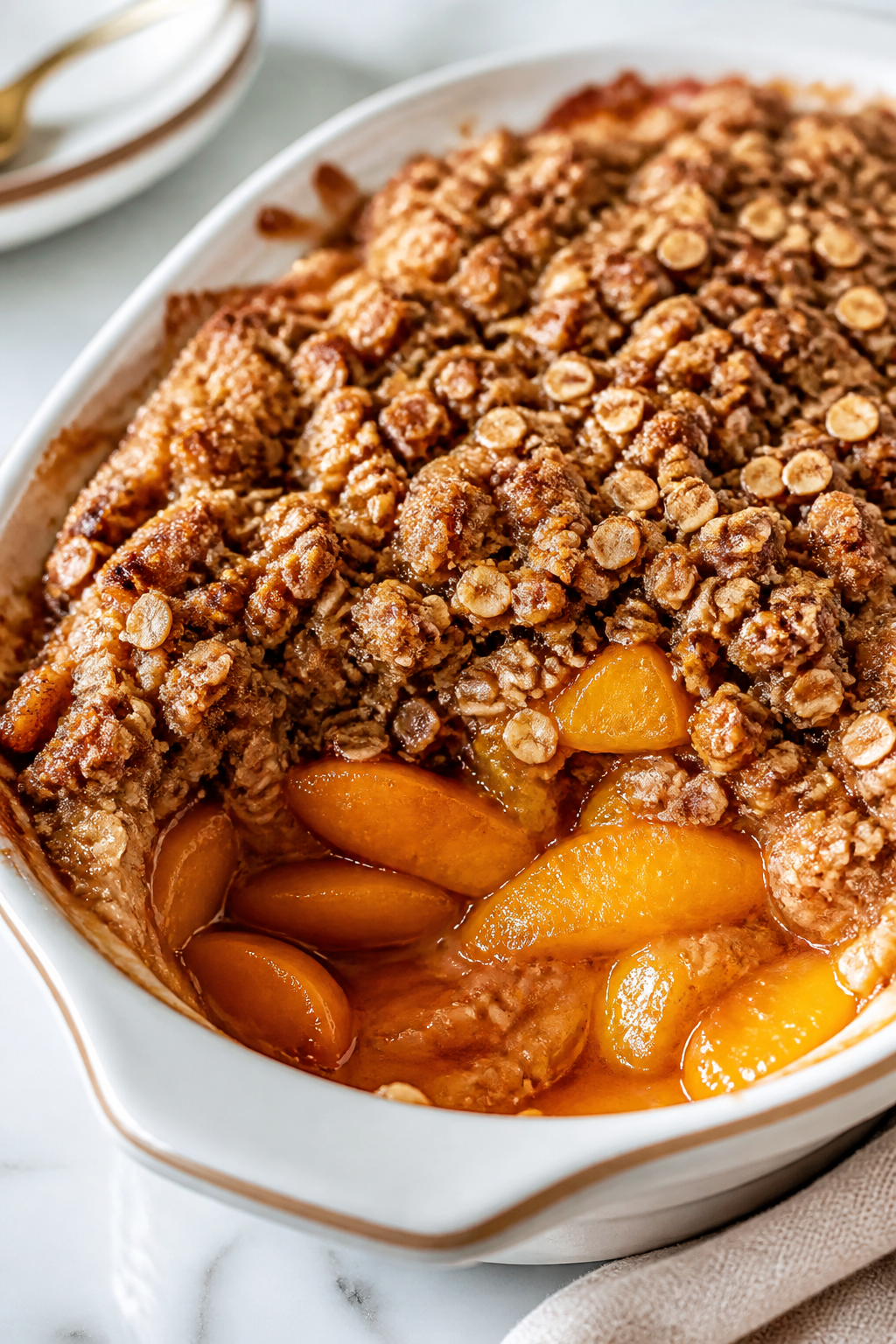
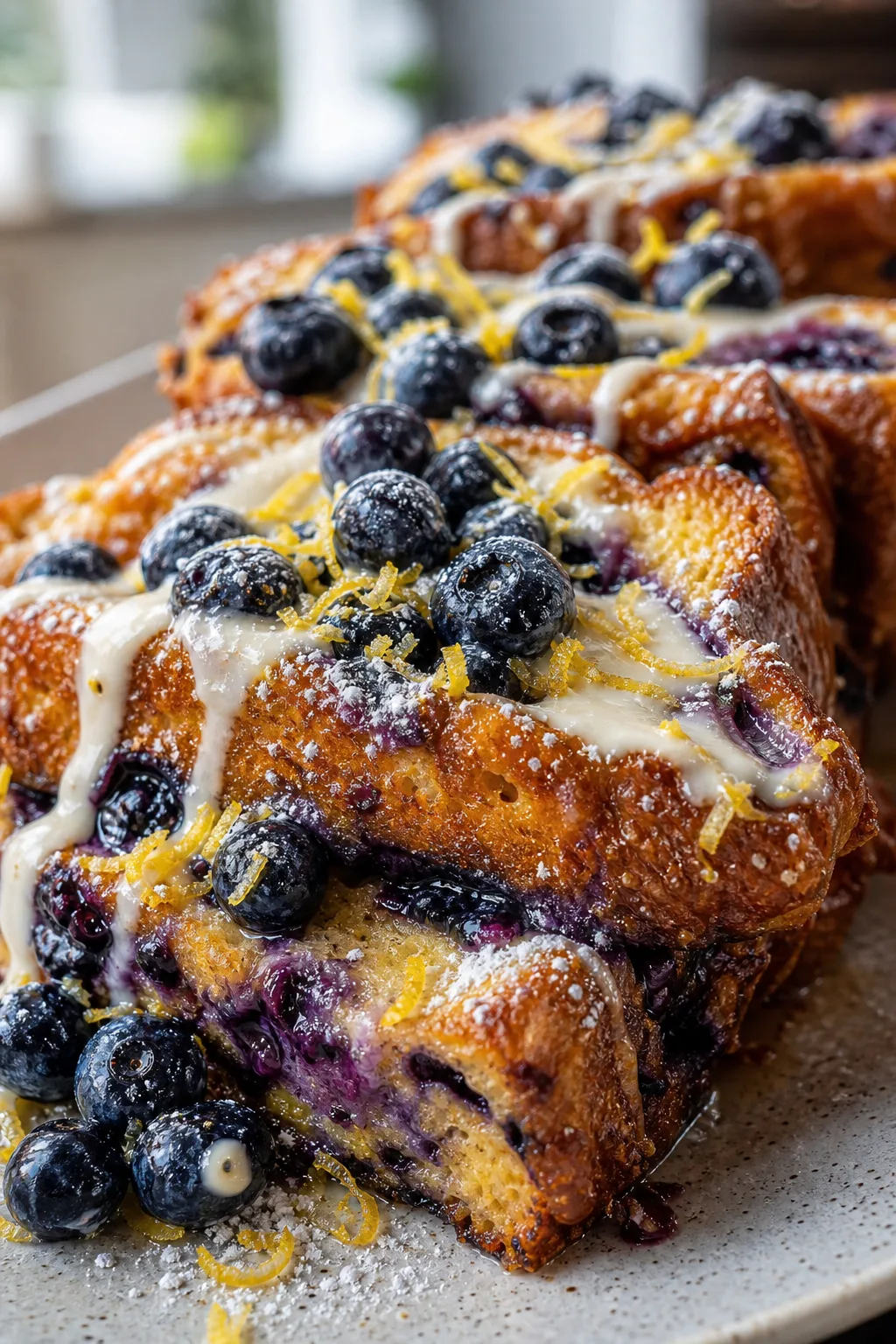
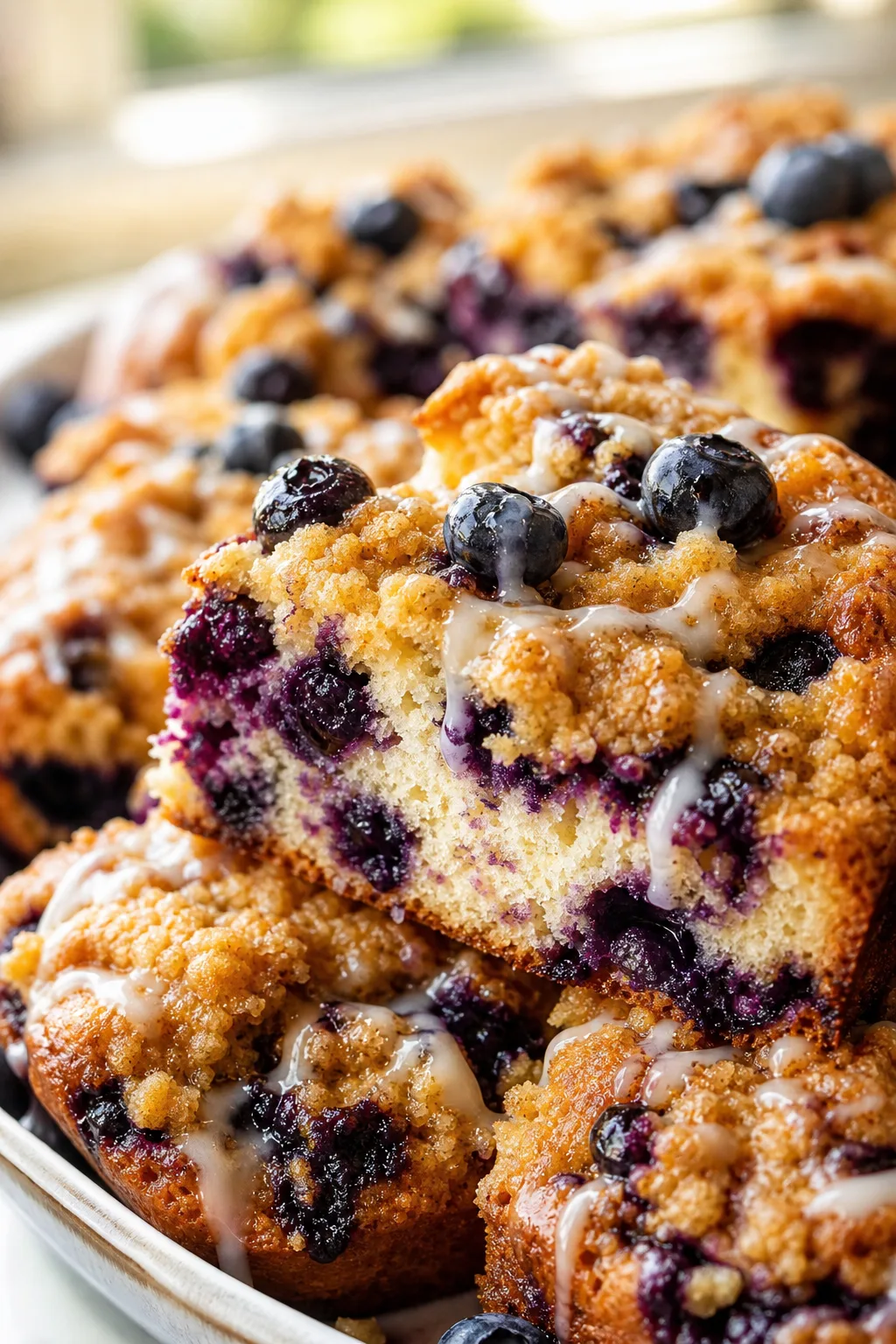
This peach cobbler blends juicy summer peaches with a crunchy cinnamon oat crust for a lighter, spiced twist on a southern favorite. It’s perfect for warm evenings when you want something sweet but not too heavy.
Introduction
I first made this peach cobbler one summer when I wanted a dessert that felt indulgent but wasn’t too heavy after a big family barbecue. Traditional cobblers often use a thick biscuit topping, which is delicious but can feel a bit dense on hot days. So I experimented with a crunchy cinnamon oat crust instead, and it completely changed the game. The oats add a nutty texture and a warm spice that pairs beautifully with the juicy peaches. Plus, the crust crisps up nicely in the oven, giving a perfect contrast to the soft fruit beneath. One trick I learned is to let the peaches macerate briefly with sugar and lemon juice before baking so they release their juices and stay bright and fresh-tasting. The final result is a cobbler that’s light, comforting, and perfect for summer evenings when you want something sweet but not overly rich. I think you’ll love how the cinnamon and oats add a cozy twist without weighing it down. It’s become my go-to for summer get-togethers, and I hope it becomes yours too!
How To Do It
Step 1
Start by peeling and slicing your fresh peaches. This step is crucial because peeling removes the tough skin, allowing the peaches to cook down evenly and release their natural sweetness. Slice them into even pieces, about 1/2 inch thick, so they soften uniformly. Toss the peaches with granulated sugar, lemon juice, and vanilla extract in a large bowl. The sugar helps draw out the juices, while the lemon juice brightens the flavor and prevents browning. Let this mixture sit for at least 15 minutes to macerate, which enhances the peach’s natural flavor and creates a juicy base for the cobbler.
⏱ Time: 20
✓ Doneness: Peaches should look juicy and slightly softened, with a glossy sheen from the sugar mixture.
Step 2
While the peaches are macerating, prepare the oat crust. In a separate bowl, combine rolled oats, all-purpose flour, brown sugar, ground cinnamon, and salt. Mixing the dry ingredients thoroughly ensures the cinnamon and sugar are evenly distributed, which gives the crust consistent flavor. Slowly pour in the melted butter and stir until everything is combined and the mixture feels crumbly but sticks together when pressed. This butter binds the oats and flour, helping the crust crisp up nicely without becoming soggy. Avoid adding too much butter or the topping will be greasy and heavy.
⏱ Time: 10
✓ Doneness: The oat mixture should hold together when squeezed but still be crumbly and coarse.
Step 3
Preheat your oven to 350°F (175°C). Transfer the macerated peaches with their juices to a greased baking dish, spreading them out evenly. This ensures even cooking and that the juice doesn’t pool too much in one spot, which could make the crust soggy. If you’re using pecans, sprinkle them evenly over the peaches for an extra nutty crunch. The nuts add a lovely texture contrast and deepen the flavor profile.
⏱ Time: 5
✓ Doneness: The peach layer should be spread evenly with visible juice pooling lightly but not overflowing.
Step 4
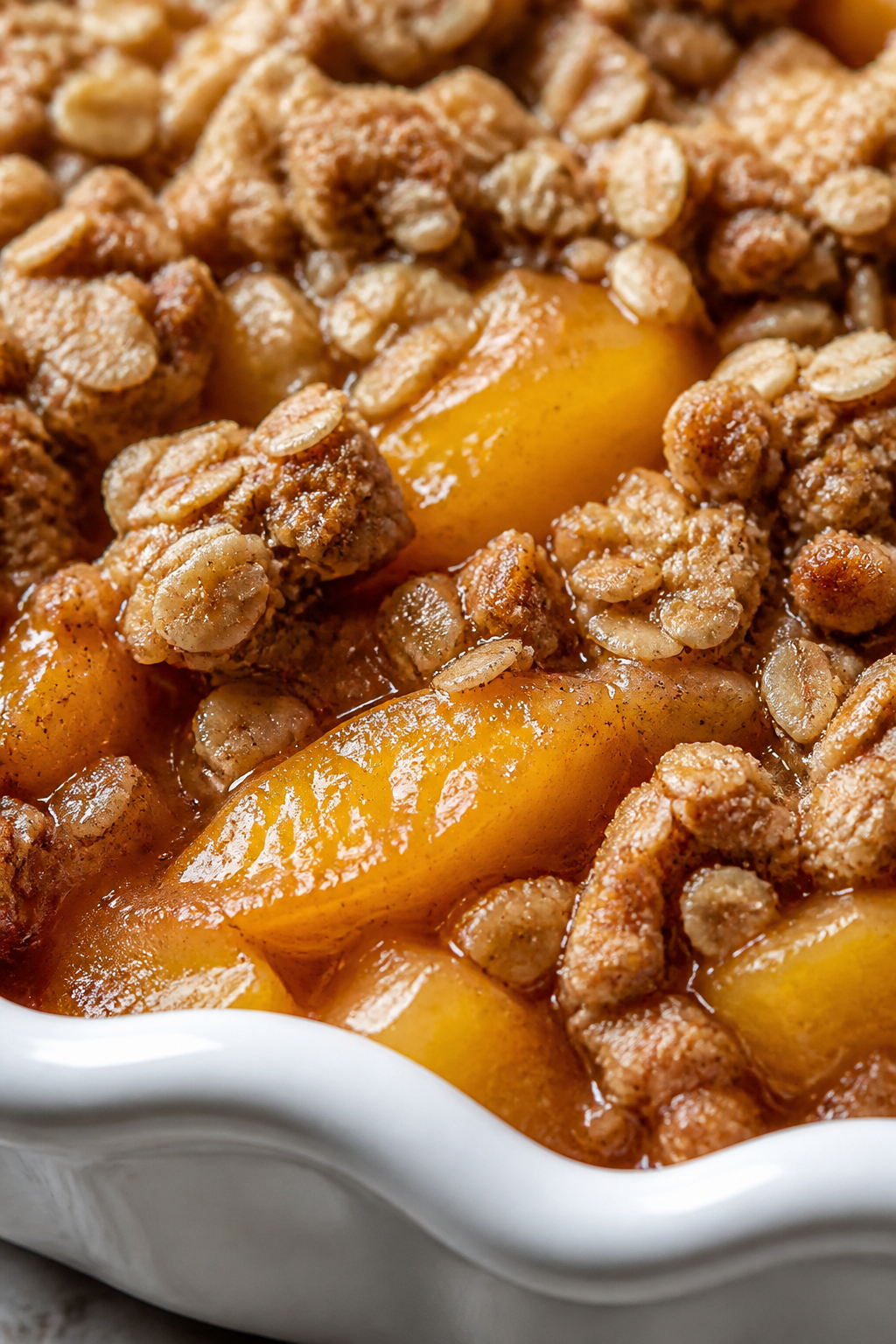
Sprinkle the oat crust mixture evenly over the top of the peaches. Try to cover the fruit completely but don’t press the topping down; keeping it loose helps it bake into a crunchy, crumbly texture rather than a dense crust. If you press down, the topping can become compacted and less crisp. The contrast between the tender peaches and the crunchy crust is what makes this cobbler special.
⏱ Time: 5
✓ Doneness: Oat topping should cover the peaches fully and look crumbly and coarse.
Step 5
Place the baking dish in the preheated oven and bake for 35-40 minutes. During baking, the peaches will soften and bubble, and the oat crust will crisp and turn golden brown. Avoid opening the oven door too often as this can cause temperature fluctuations that affect the texture of the crust. If the crust browns too quickly before the peaches are tender, tent the dish loosely with foil.
⏱ Time: 40
✓ Doneness: The crust should be golden brown and crisp, and the peach juices should be bubbling around the edges.
Step 6
Once baked, remove the cobbler from the oven and let it cool for about 15 minutes. This resting time allows the juices to thicken slightly, so when you scoop it out, it’s not too runny. It also helps the crust firm up a bit more for that perfect crunchy texture. Serve warm, optionally with vanilla ice cream or whipped cream for an extra indulgent touch.
⏱ Time: 15
✓ Doneness: Cobbler should be warm with thickened juices and a firm, crisp topping.
Step 7
To store leftovers, cover the cobbler loosely with foil or plastic wrap and refrigerate. When reheating, adding a splash of water or juice before warming helps keep the peaches moist and the crust from drying out. Reheat gently in the oven or microwave until warm throughout.
⏱ Time: 5
✓ Doneness: Leftovers should be warm and moist without the crust becoming soggy or tough.
Step 8
For best results, use ripe but firm peaches. Overripe peaches can become mushy during baking and lose their structure, while underripe peaches won’t release enough juice or flavor. If fresh peaches aren’t available, frozen sliced peaches can be used but reduce the added sugar slightly since frozen fruit is often sweeter.
⏱ Time: 5
✓ Doneness: Peaches should be tender but hold their shape after baking.
Step 9
If you want to add a little more spice, sprinkle a pinch of nutmeg or ground ginger into the oat crust mixture. These warm spices complement the cinnamon and peaches beautifully, adding depth without overpowering the natural fruit flavor. Just be careful not to add too much, as the crust’s subtle flavor balance is part of what makes this cobbler so delightful.
⏱ Time: 2
✓ Doneness: Spices should be evenly distributed with no clumps in the crust.
Pro Tips
Let the peaches macerate for at least 15 minutes before baking.
This step draws out the natural juices and softens the fruit slightly, ensuring a juicy filling and better flavor infusion. Skipping this can result in a dryer cobbler with less depth.
Don’t press down the oat topping before baking.
Keeping the topping loose allows it to crisp up perfectly. Pressing it down compresses the oats and prevents them from becoming crunchy, resulting in a denser, less appealing crust.
Use fresh, firm peaches for the best texture.
Firm peaches hold their shape during baking and provide a pleasant bite. Overripe peaches can turn mushy and watery, which negatively affects the filling’s consistency.
Add a pinch of salt to the oat crust mixture.
Salt balances sweetness and enhances the flavors in the crust. Without it, the topping can taste flat or overly sweet, diminishing the overall flavor complexity.
Bake at 350°F for even cooking and browning.
This temperature allows the peaches to soften slowly and the crust to brown without burning. Higher heat risks burning the crust before the fruit is cooked through.
Use a light-colored baking dish.
Dark pans absorb more heat and can cause the crust to brown too quickly or burn. A light-colored dish promotes even baking and better control over the crust’s color.
Serve the cobbler warm with a scoop of vanilla ice cream.
The cold ice cream contrasts beautifully with the warm fruit and crunchy crust, enhancing the dessert experience and balancing sweetness and temperature.
Common Mistakes to Avoid
Skipping the maceration step
Why it happens Many cooks rush to bake without letting the fruit sit with sugar and lemon juice, thinking it’s unnecessary.
Fix Take the time to macerate the peaches for at least 15 minutes. This develops flavor and juice, preventing a dry or bland filling.
Pressing the oat topping down
Why it happens It feels natural to want to compact the topping for even coverage.
Fix Instead, sprinkle it loosely and avoid pressing. This keeps the topping crumbly and crisp after baking.
Using overripe or underripe peaches
Why it happens Sometimes peaches look ripe but are too soft or too firm for baking.
Fix Choose peaches that are ripe but still firm enough to hold their shape when baked.
Baking at too high a temperature
Why it happens Some assume higher heat speeds up cooking.
Fix Stick to 350°F to allow the fruit to cook through gently and the crust to brown evenly without burning.
Not letting the cobbler cool before serving
Why it happens Eager to eat, some serve immediately.
Fix Let it rest 10-15 minutes so the juices thicken and the crust firms up for better texture.
Variations
Gluten-Free Version
Swap the all-purpose flour for a gluten-free blend and use certified gluten-free oats. This keeps the crust crunchy and flavorful for those avoiding gluten without sacrificing texture or taste.
Note: Gluten-free flours absorb moisture differently; you may need to adjust butter slightly to maintain the crumbly texture.
Add Fresh Berries
Mix in a cup of fresh blueberries or raspberries with the peaches for a vibrant, tangy twist. The berries add color and a tart contrast to the sweet peaches and cinnamon crust.
Note: Berries release extra juice, so reduce added sugar slightly to prevent the filling from becoming too runny.
Vegan Cobbler
Use coconut oil or vegan butter instead of dairy butter, and substitute honey with maple syrup or agave. This keeps the cobbler moist and flavorful while making it suitable for a vegan diet.
Note: Coconut oil solidifies differently; melt it gently and combine well to avoid greasy spots in the crust.
Spiced Up with Ginger
Add 1/2 teaspoon ground ginger and a pinch of nutmeg to the oat crust for a warm, spicy flavor that complements the peaches and cinnamon beautifully. Great for fall vibes or when you want a little more complexity.
Note: Don’t overdo spices; they should enhance, not overpower, the peach flavor.
Crunchy Almond Topping
Replace pecans with sliced almonds or add both for extra crunch and a different nutty flavor. Almonds toast beautifully in the oven and add a lovely texture contrast to the oat crust.
Note: Almonds toast faster than pecans, so watch the crust closely to avoid burning.
Nutrition
Per Serving:
Nutritional values are estimates and may vary based on specific ingredients used.
Storage & Tips
Room Temperature
You can safely keep the peach cobbler covered at room temperature for up to 2 hours. Cover with foil or plastic wrap to prevent drying out and keep out insects. Beyond this, refrigerate to avoid spoilage.
Refrigerator
Store leftovers in an airtight container for up to 4 days. The crust may soften in the fridge, but reheating in the oven restores some crunch. The flavor often improves after a day as the spices meld.
Freezer
Freeze the cobbler in a freezer-safe container for up to 2 months. Wrap tightly with plastic wrap and foil to prevent freezer burn. Thaw overnight in the refrigerator before reheating.
Reheating
Reheat in a 325°F oven for 15-20 minutes until warmed through, adding a splash of water if the fruit looks dry. Avoid microwaving too long, which can make the crust soggy.
Make Ahead
Prepare the peach filling and oat topping separately 1-2 days ahead. Store each in airtight containers in the fridge. Assemble and bake on the day you want to serve for the freshest crust and best texture.
FAQ
Can I use canned peaches instead of fresh?
Yes, but drain canned peaches well to avoid excess liquid that can make the cobbler soggy. Reduce added sugar since canned peaches are often sweetened. Fresh peaches provide the best texture and flavor, but canned works in a pinch.
How do I prevent the oat crust from getting soggy?
Avoid pressing the topping down and bake immediately after assembling. Also, use melted butter to bind the crust and bake at 350°F so it crisps evenly. Letting the cobbler rest after baking helps the crust firm up.
Can I make this cobbler gluten-free?
Absolutely! Substitute the flour with a gluten-free blend and use certified gluten-free oats. Adjust the butter slightly if the texture seems off, but overall it works well without gluten.
What’s the best way to peel peaches quickly?
Blanch the peaches in boiling water for 30 seconds, then plunge into ice water. The skins will slip off easily. This technique is quick and preserves the peach’s texture for baking.
Can I prepare the cobbler ahead of time?
Yes, you can macerate the peaches and prepare the oat topping a day or two ahead. Store separately in the fridge and assemble just before baking to keep the topping crisp.
Is it okay to use frozen peaches?
Frozen peaches work fine but tend to be softer and release more juice. Reduce added sugar slightly and bake a bit longer to evaporate excess liquid for the best texture.
How do I reheat leftovers without losing the crust’s crunch?
Reheat in a 325°F oven for 15-20 minutes. Avoid microwaving as it can make the crust soggy. Adding a splash of water before reheating helps keep the filling moist.
Can I add other fruits to this cobbler?
Yes! Berries, apples, or plums can all be mixed with the peaches. Adjust sugar amounts based on the fruit’s sweetness and watch for extra juice which may affect baking time.
Final Thoughts
I hope you enjoy this lighter peach cobbler as much as my family does! Give it a try and share how your cobbler turns out—I’d love to hear your thoughts.