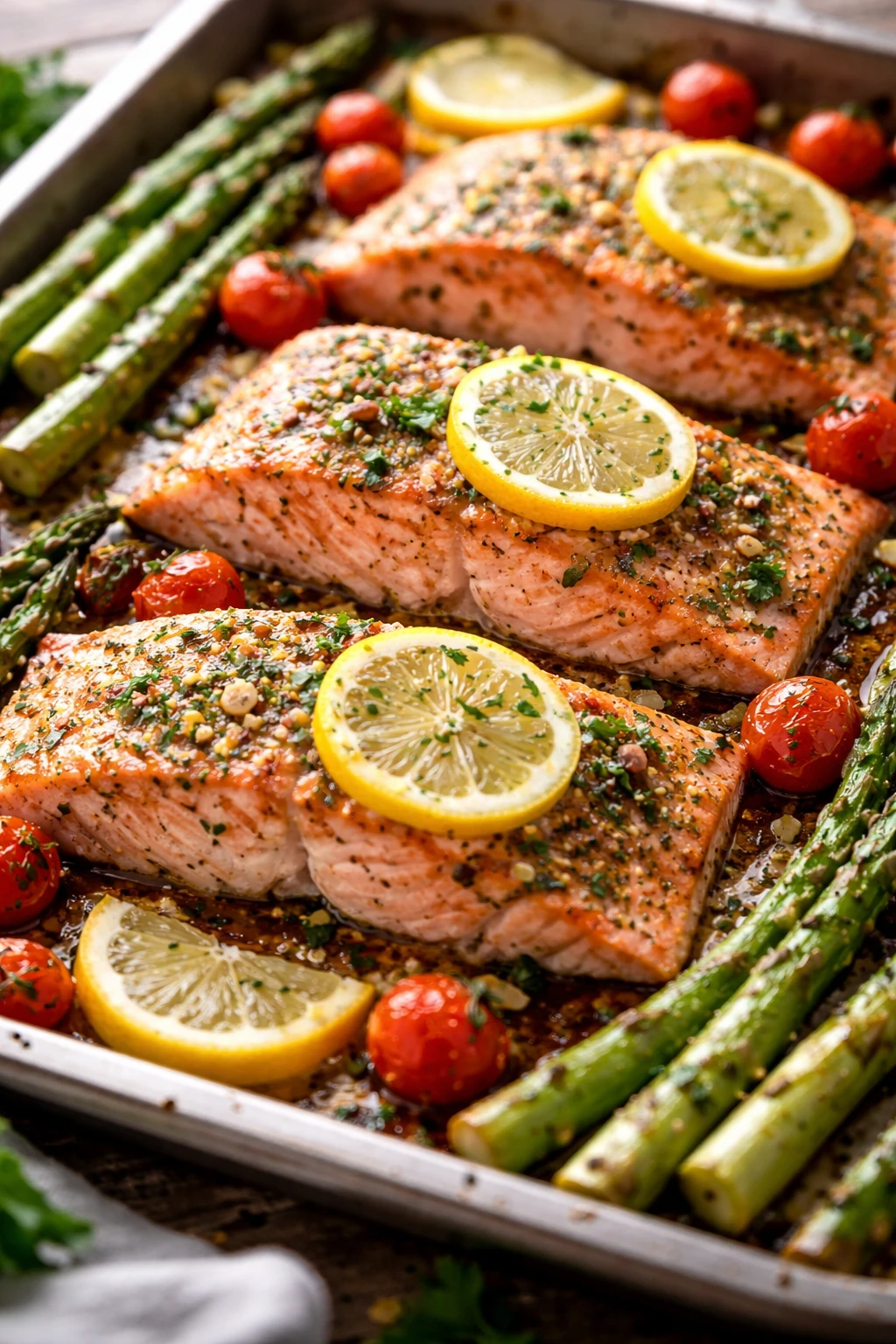
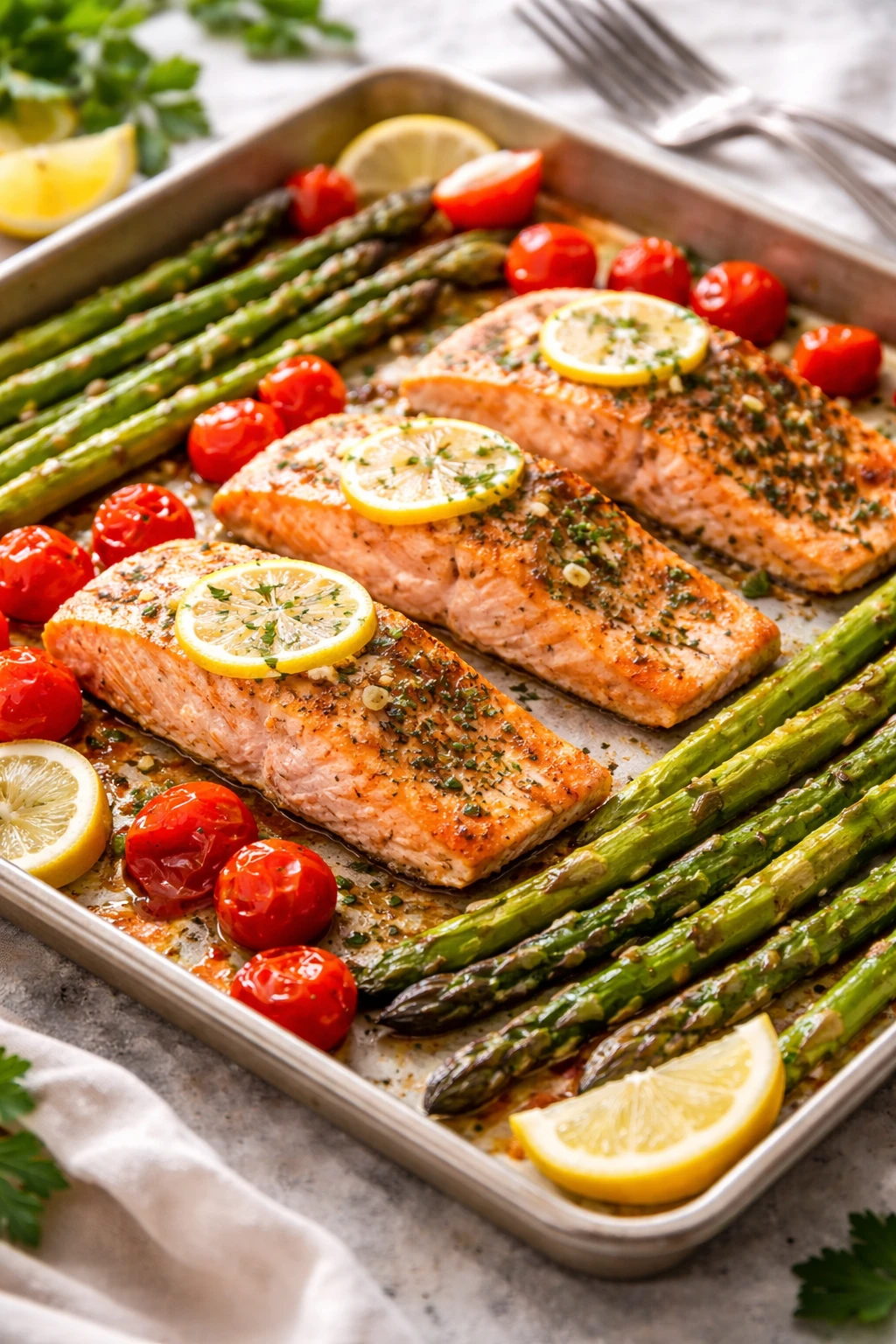
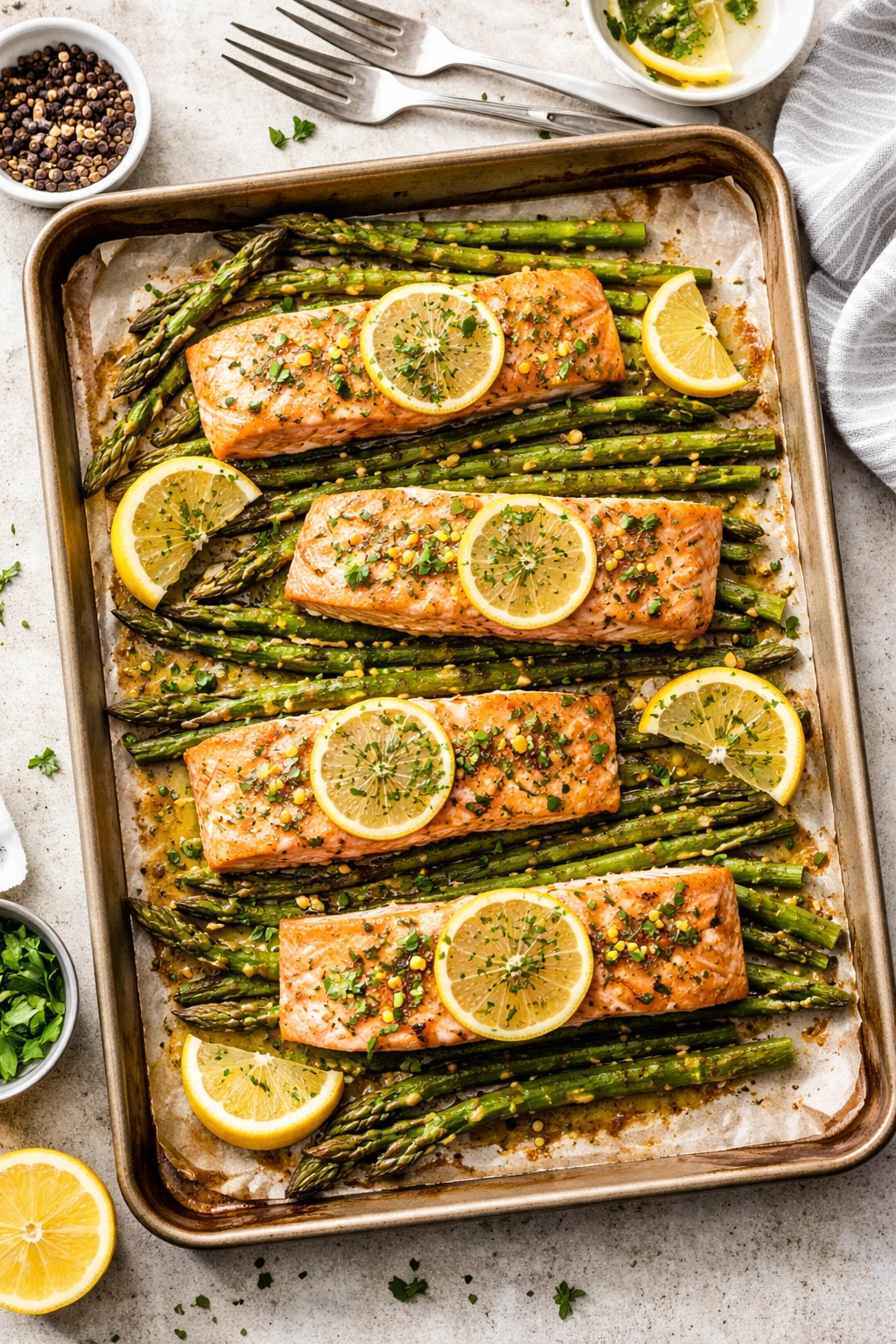
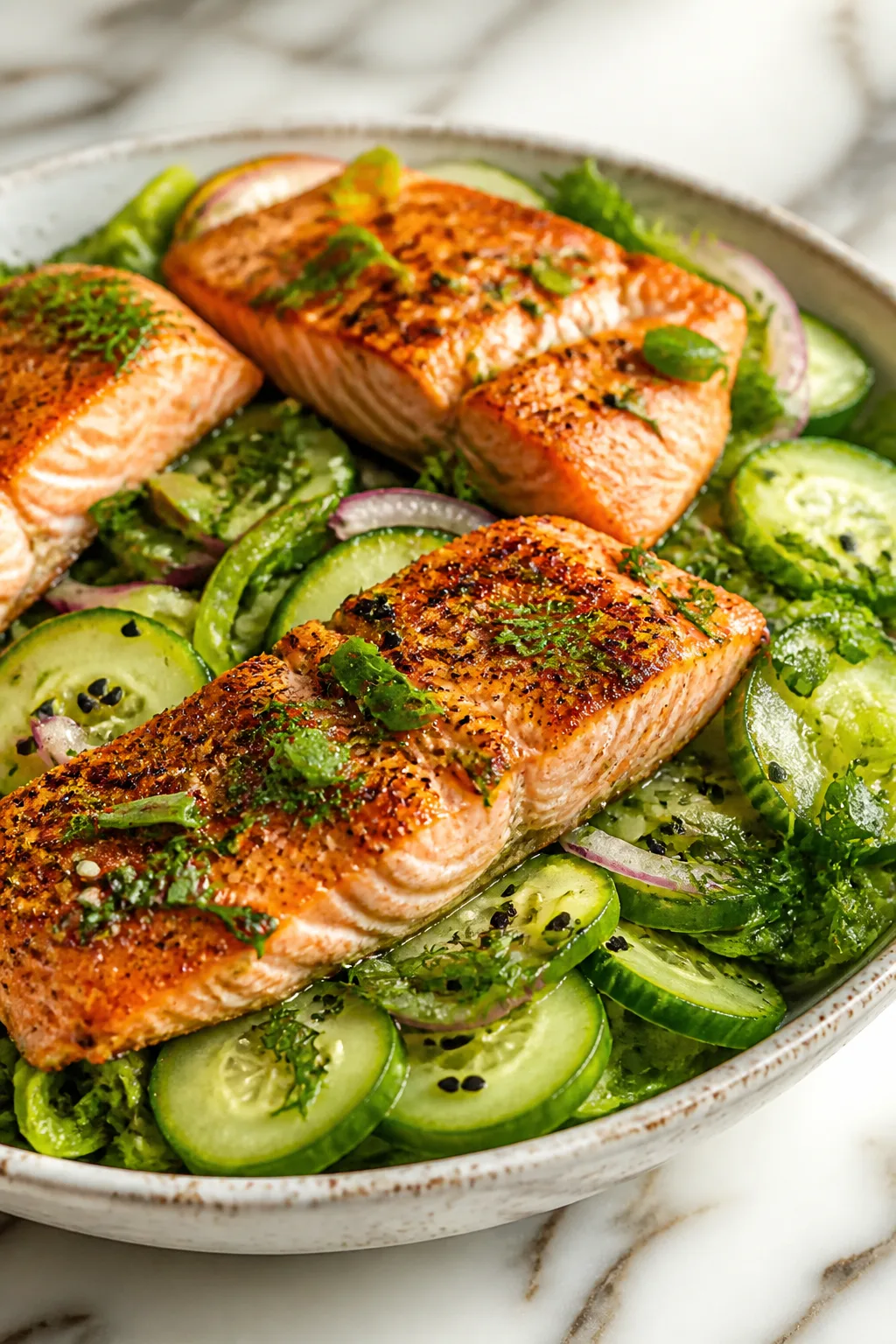
This sheet pan salmon dinner is my go-to when I want something healthy and hassle-free. Roasting salmon and asparagus together locks in flavor and makes cleanup super easy. Perfect for quick weeknight meals!
Introduction
I remember the first time I tried making salmon and asparagus together on one sheet pan—I was skeptical about how well everything would cook evenly, but it turned out amazing! What I love most about this recipe is how simple it is: just a handful of ingredients and one pan, and you have a healthy, flavorful dinner that feels special without the fuss. Over time, I tweaked the seasoning and found that adding garlic and a bit of smoked paprika really elevates the flavor without overpowering the natural taste of the salmon. Roasting the asparagus alongside the salmon lets the juices mingle, giving the veggies a delicious, slightly caramelized edge. The trick I learned is to space everything out on the pan so the heat circulates properly—crowding the pan leads to soggy asparagus and unevenly cooked salmon. When it’s done, you get tender, flaky salmon with crisp-tender asparagus that’s bright and fresh. It’s perfect for weeknights when you want something nourishing but don’t want to spend ages in the kitchen. Plus, cleanup is a breeze since it’s all on one pan. I think you’ll love how effortless and tasty this dinner is!
How To Do It
Step 1
Preheat your oven to 400°F (200°C). Line a large rimmed baking sheet with parchment paper or lightly grease it. This prep helps prevent sticking and makes cleanup easier. Make sure the oven is fully heated before roasting to ensure the salmon cooks evenly and the asparagus crisps up nicely.
⏱ Time: 10
✓ Doneness: Oven reaches steady 400°F temperature
Step 2
Trim the woody ends off the asparagus and pat dry. Arrange the asparagus in a single layer on one side of the baking sheet. Drizzle with 1 tablespoon olive oil, sprinkle with half the salt and pepper, and toss gently to coat. Spreading the asparagus evenly ensures they roast properly and develop a nice caramelized texture without steaming.
⏱ Time: 5
✓ Doneness: Asparagus stalks look glossy and evenly coated with oil
Step 3
Place the salmon fillets skin-side down on the other side of the baking sheet. Drizzle with the remaining olive oil and season with the rest of the salt, pepper, minced garlic, and smoked paprika if using. Rub the seasoning gently into the salmon to enhance flavor absorption without breaking the flesh.
⏱ Time: 5
✓ Doneness: Salmon fillets evenly coated with seasoning and oil
Step 4
Lay lemon slices over the salmon fillets. These will infuse a subtle citrus aroma and help keep the fish moist while roasting. Avoid piling too many slices to prevent sogginess on top of the salmon.
⏱ Time: 2
✓ Doneness: Lemon slices evenly distributed atop salmon
Step 5
Transfer the baking sheet to the oven and roast for about 12-15 minutes. The salmon should be opaque and flake easily with a fork, and the asparagus should be tender but still have a slight bite. Check at 12 minutes to avoid overcooking, which can dry out the fish and make the asparagus mushy.
⏱ Time: 15
✓ Doneness: Salmon flakes easily; asparagus is tender and slightly crisp
Step 6
Remove the sheet pan from the oven and let the salmon rest for 2-3 minutes. Resting allows the juices to redistribute, resulting in moist, tender fish. Resist the urge to cut into it immediately, as this can cause the juices to run out and dry the salmon.
⏱ Time: 3
✓ Doneness: Salmon looks glossy and plump after resting
Step 7
Garnish with fresh dill or parsley if you like for a pop of color and fresh flavor. This step is optional but adds a lovely herbal note that pairs beautifully with the salmon and lemon.
⏱ Time: 1
✓ Doneness: Fresh herbs appear vibrant and bright
Step 8
Serve immediately on warm plates, pairing with your favorite grain or salad if desired. The combination of flaky salmon and roasted asparagus is satisfying on its own but also versatile enough to complement many sides.
⏱ Time: 1
✓ Doneness: Dish plated attractively, ready to eat
Step 9
Clean the baking sheet by soaking immediately after use to make cleanup a breeze. The olive oil and lemon juice can leave a bit of residue, so soaking prevents any stubborn bits from sticking.
⏱ Time: 5
✓ Doneness: Baking sheet is clean with minimal scrubbing
Pro Tips
Pat the salmon and asparagus dry before seasoning.
Removing excess moisture ensures better browning and prevents steaming. Moisture on the surface traps steam, which inhibits the Maillard reaction—the browning that creates flavor and texture. Dry ingredients roast to a crisp-tender finish rather than becoming soggy.
Use a rimmed baking sheet for roasting.
A rimmed sheet pan helps contain juices and prevents spills in the oven. It also allows proper air circulation around the food, promoting even roasting. Using a flat tray without sides can cause juices to drip and uneven cooking.
Don’t crowd the pan; leave space between salmon fillets and asparagus.
Crowding traps moisture and causes steaming instead of roasting. Proper spacing allows hot air to circulate, which caramelizes vegetables and crisps the salmon skin. This step is key to achieving the desired texture contrast.
Rest salmon for a few minutes after roasting before serving.
Resting lets the juices redistribute within the fish, making it moist and tender. Cutting into salmon immediately causes juices to run out, resulting in drier, less flavorful fillets. A brief rest also allows flavors to settle.
Use fresh garlic minced finely for seasoning.
Fresh garlic provides a bright, pungent flavor that infuses the salmon and asparagus during roasting. Garlic powder or pre-minced garlic lacks the same intensity and can taste dull. Minced garlic also caramelizes nicely in the oven, adding complexity.
Preheat the oven fully before roasting.
Starting with a hot oven ensures the salmon cooks quickly and evenly. A cold oven can cause uneven cooking and a longer cook time, which dries out the fish and overcooks the asparagus. Preheating is a simple step that improves overall results.
Use parchment paper or a silicone baking mat to line the pan.
This prevents sticking and makes cleanup much easier. It also protects the delicate salmon skin from tearing when removing fillets from the pan. Plus, it helps distribute heat evenly across the surface.
Common Mistakes to Avoid
Overcrowding the pan
Why it happens People often try to fit everything on one pan and forget that food needs space to roast properly. The assumption is that more food on a pan saves time, but it causes steaming instead of roasting.
Fix Use two pans if needed to give everything room. Arrange salmon and asparagus so air circulates around each piece. This ensures crispness and even cooking.
Not patting the salmon and asparagus dry
Why it happens Skipping this step saves time but leads to soggy results. Many assume washing is enough to prepare them for roasting.
Fix Use paper towels to thoroughly dry salmon and asparagus before seasoning. This encourages browning and better texture.
Cooking salmon too long
Why it happens It’s easy to overcook fish if you don’t watch the timing closely, especially if fillets vary in thickness.
Fix Check salmon at the minimum cook time by gently flaking with a fork. Remove from oven when just opaque. Rest to finish cooking through.
Using bottled lemon juice instead of fresh
Why it happens Convenience leads cooks to grab bottled juice, but it lacks fresh brightness and can taste bitter.
Fix Always use fresh lemons sliced thinly. They add flavor and moisture without overpowering the dish.
Skipping the resting step
Why it happens Impatience to eat causes skipping resting. Many don’t realize resting improves texture.
Fix Let salmon rest 2-3 minutes after roasting. This redistributes juices for moist, tender fillets.
Variations
Spicy Sheet Pan Salmon with Chili and Lime
Add a kick by mixing chili flakes and lime zest into the olive oil before drizzling over salmon and asparagus. The heat pairs beautifully with the citrus brightness, giving the dish a lively twist. Expect a bit more zing and a fresh, vibrant flavor profile.
Note: Chili flakes can burn quickly, so toss them lightly and avoid piling on too thickly to prevent bitterness.
Honey Mustard Glazed Salmon with Roasted Asparagus
Brush salmon with a mixture of honey, Dijon mustard, and a splash of soy sauce before roasting. This glaze creates a sweet-savory crust that contrasts nicely with the earthy asparagus. The glaze caramelizes in the oven for an irresistible finish.
Note: Apply glaze midway through roasting to prevent burning the sugars while still developing flavor.
Herb-Crusted Salmon with Garlic Butter Asparagus
Top salmon with a mix of chopped fresh herbs like parsley, thyme, and basil, then roast. Toss asparagus in melted garlic butter instead of olive oil for a richer taste. This variation offers a fresh, aromatic twist with a buttery touch.
Note: Add herbs just before roasting to preserve their fresh flavor and avoid browning.
Mediterranean Sheet Pan Salmon with Cherry Tomatoes and Olives
Add halved cherry tomatoes and pitted olives to the pan for a Mediterranean flair. The tomatoes roast to juicy sweetness while olives add briny depth. This makes the dish more colorful and flavorful with minimal effort.
Note: Place tomatoes and olives around salmon to roast evenly without crowding.
Sheet Pan Salmon with Roasted Broccoli Instead of Asparagus
Swap asparagus for broccoli florets for a different vegetable option. Broccoli roasts well with salmon and adds a slightly nutty flavor and crisp texture. Adjust roasting time slightly if broccoli pieces are large.
Note: Cut broccoli into uniform florets to ensure even cooking alongside salmon.
Nutrition
Per Serving:
Nutritional values are estimates and may vary based on specific ingredients used.
Storage & Tips
Room Temperature
Keep leftovers covered at room temperature for no more than 2 hours to avoid bacterial growth. Cover with foil or a clean towel if serving soon but not immediately.
Refrigerator
Store salmon and asparagus in an airtight container for up to 3 days. The texture may firm up slightly when cold; reheat gently to restore moisture or enjoy cold in salads.
Freezer
Freeze cooked salmon and asparagus separately in airtight containers or heavy-duty freezer bags for up to 2 months. Wrap tightly to prevent freezer burn. Thaw overnight in the fridge before reheating.
Reheating
Reheat gently in a 300°F oven for 10-15 minutes or in a microwave at medium power with a splash of water or lemon juice to prevent drying. Avoid high heat which can overcook and toughen the salmon.
Make Ahead
You can prep the asparagus and salmon with seasoning 1 day ahead and keep refrigerated. Assemble on the sheet pan and roast fresh the day you plan to serve for best texture and flavor.
FAQ
Can I use frozen salmon for this recipe?
Yes, but make sure to fully thaw the salmon in the refrigerator overnight and pat it dry before seasoning. Excess moisture from partially thawed fish can cause steaming instead of roasting, leading to less crispy skin and uneven cooking.
What if I don’t have asparagus? Can I use another vegetable?
Absolutely! Broccoli, green beans, or snap peas work well with similar roasting times. Just cut them into uniform pieces to ensure even cooking alongside the salmon.
How do I know when the salmon is done?
Salmon is perfectly cooked when it flakes easily with a fork and is opaque throughout. The internal temperature should be about 125-130°F for medium doneness. Overcooking will dry it out, so check early if fillets are thin.
Can I make this recipe gluten-free?
Yes! This recipe is naturally gluten-free as it uses simple whole ingredients. Just double-check any seasoning blends or condiments you add to ensure they don’t contain gluten.
What’s the best way to store leftovers?
Store leftovers in airtight containers in the fridge for up to 3 days. Reheat gently to avoid drying out the salmon. Leftovers are also great cold in salads or sandwiches.
Can I add other herbs or spices?
Definitely! Fresh dill, thyme, or rosemary complement salmon well. For spices, try cumin or coriander for a different flavor profile. Just adjust amounts to your taste preferences.
Is it better to use skin-on or skinless salmon?
Skin-on salmon is preferred because the skin helps keep the fillet intact during cooking and crisps up nicely in the oven, adding texture and flavor. You can remove the skin after cooking if you prefer.
Can I cook this on a grill instead of the oven?
Yes, you can use a grill pan or foil packet on the grill. Just be careful with cooking times and heat levels to avoid burning the asparagus or overcooking the salmon.
Final Thoughts
I hope you give this simple sheet pan salmon and asparagus recipe a try — it’s one of my favorite easy dinners that always impresses. Let me know how it turns out for you!