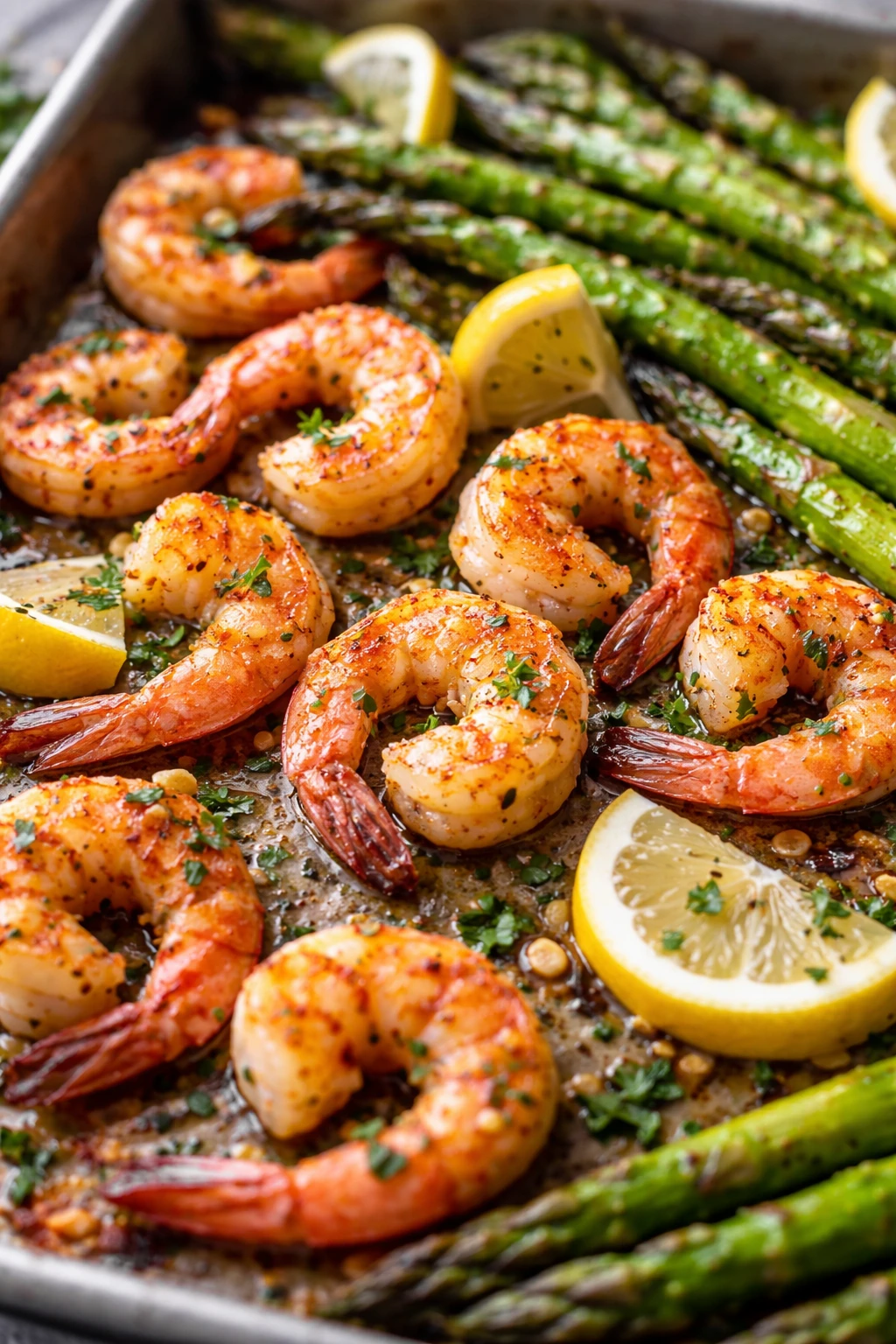
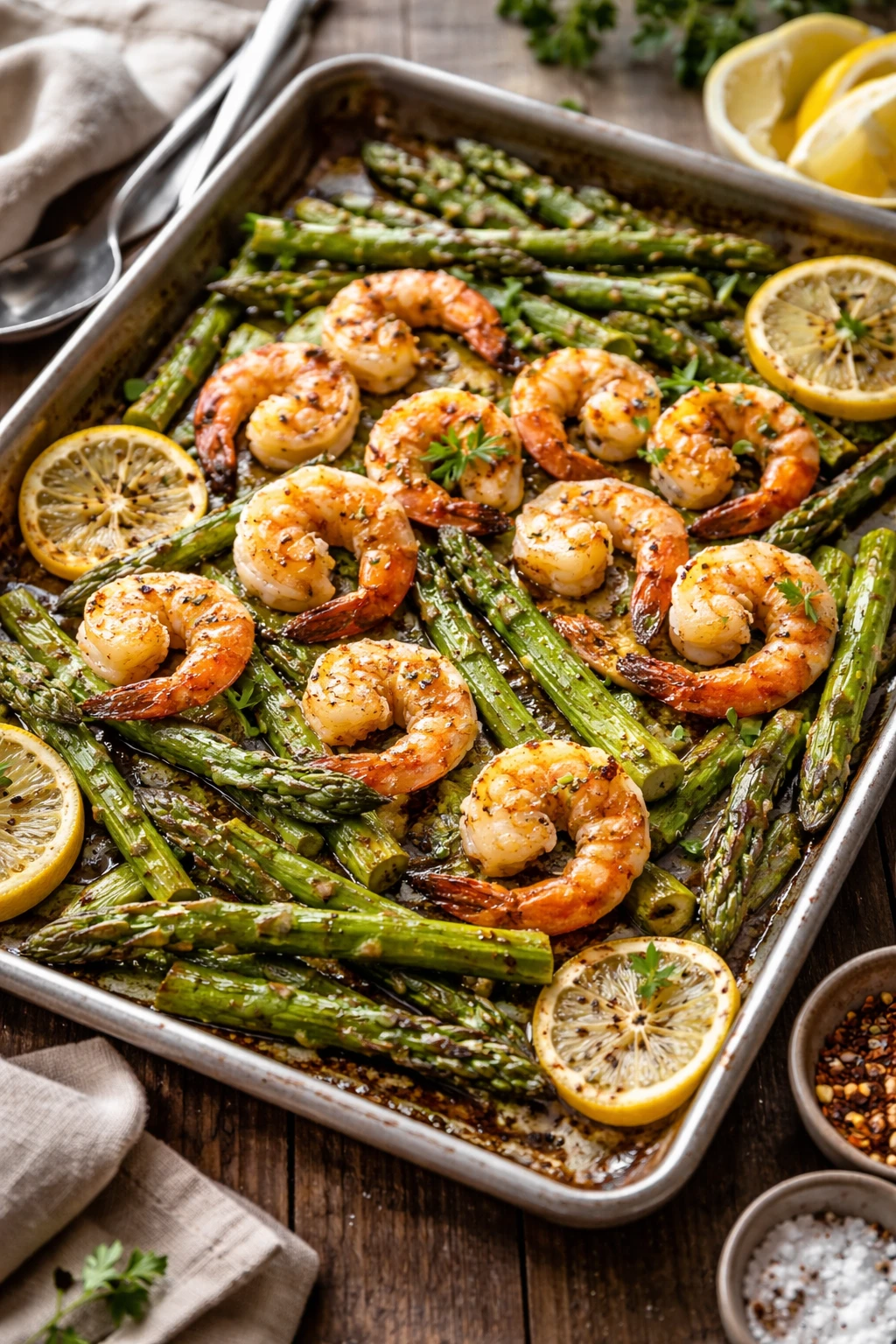
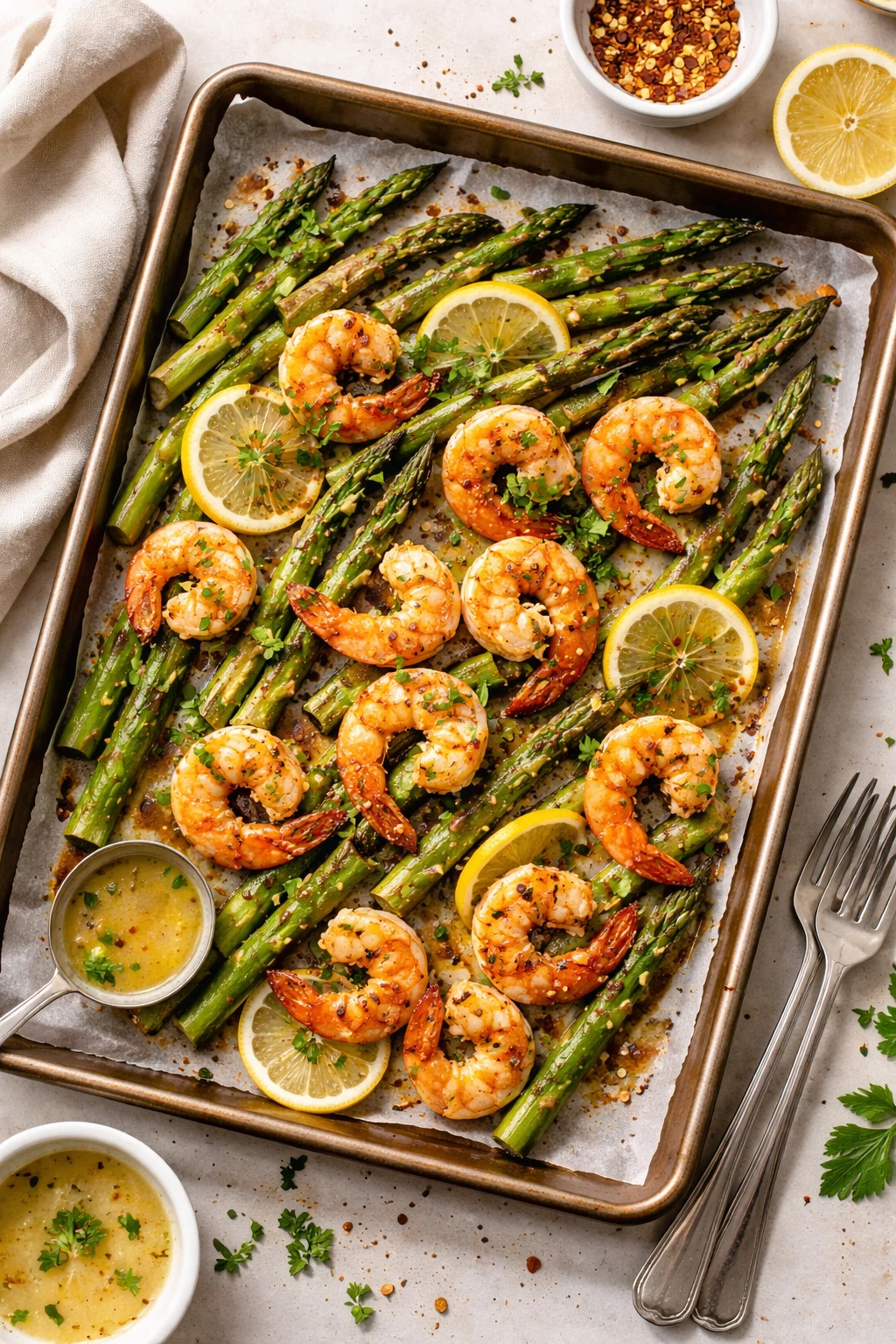
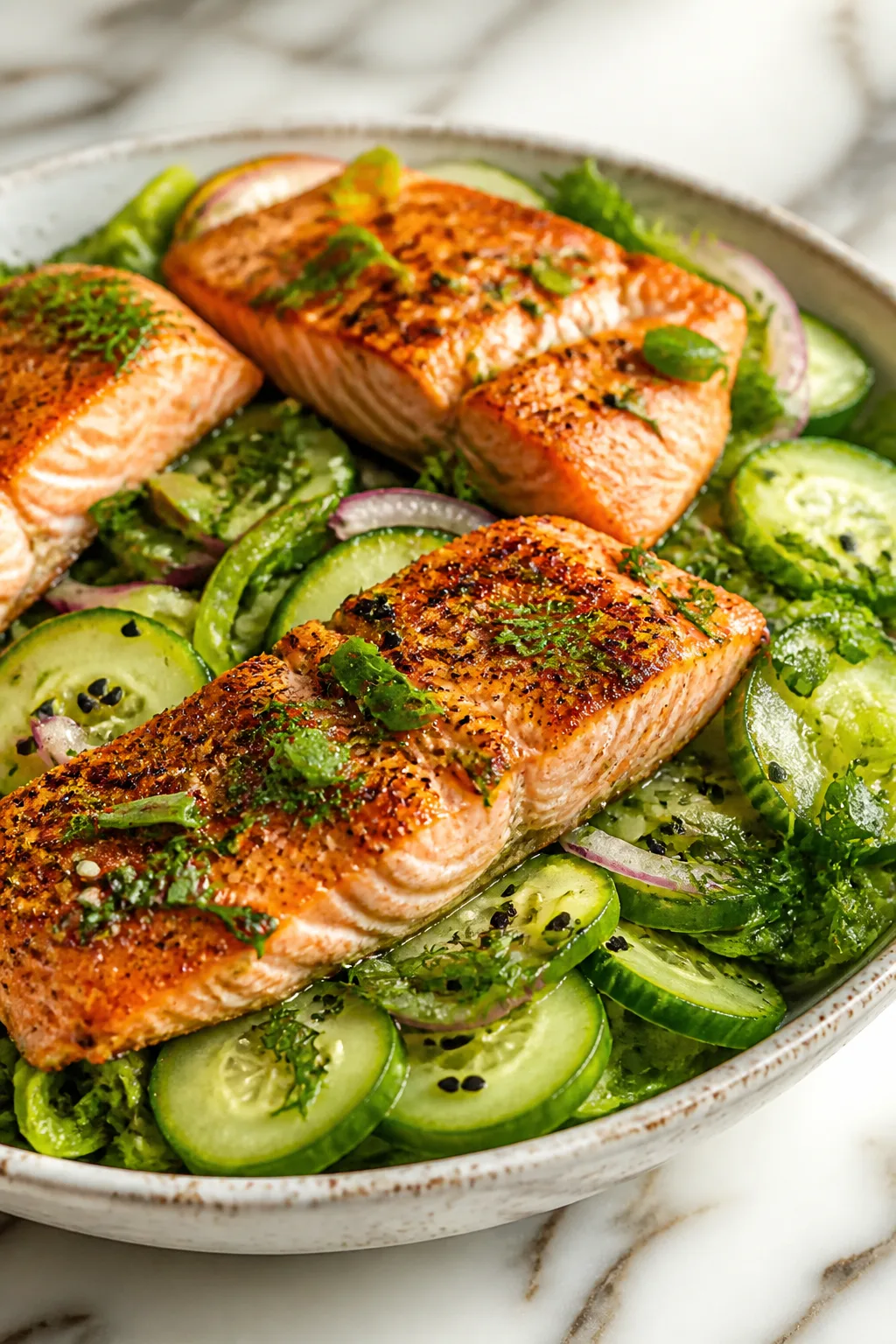
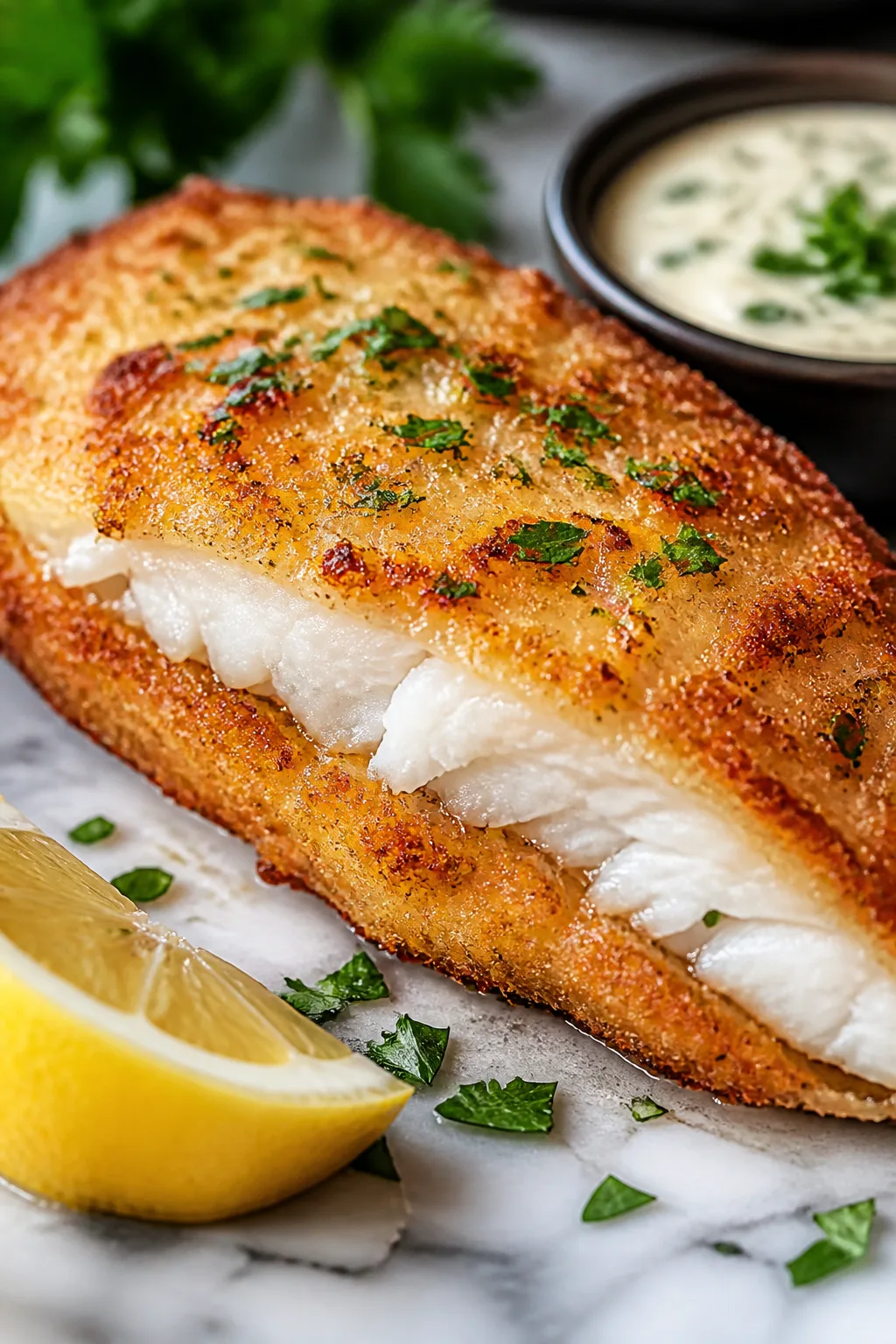
This sheet pan shrimp and asparagus dish is my go-to for busy evenings. The garlicky lemon sauce adds a fresh zing, and it all comes together in under 30 minutes. Great for a light, healthy dinner!
Introduction
I first tried this sheet pan shrimp and asparagus recipe on a hectic weeknight when I needed something quick but satisfying. I loved how everything cooked together on one pan, saving me time on cleanup. What makes this version special is the bright, garlicky lemon sauce that really wakes up the flavors. I also learned that tossing the shrimp and asparagus separately on the pan helps everything cook evenly – shrimp gets perfectly tender without overcooking, and asparagus stays crisp-tender. The final dish looks vibrant with the fresh parsley and lemon zest sprinkled on top, and the aroma of garlic and lemon makes the whole kitchen smell amazing. It’s light but filling, and I usually serve it with a side of rice or crusty bread to soak up the juices. Honestly, this recipe has become a staple in my dinner rotation because it’s fast, healthy, and always a crowd-pleaser. If you’ve been intimidated by cooking shrimp or want a fuss-free way to get veggies on the table, you’ll love this one!
How To Do It
Step 1
Preheat your oven to 425°F (220°C). This high temperature helps roast the asparagus and shrimp quickly, locking in their natural flavors and giving the asparagus a nice slight char without drying out the shrimp. Make sure your oven is fully preheated before putting the pan in to ensure even cooking.
⏱ Time: 10 minutes
✓ Doneness: Oven reaches 425°F and is steady; preheating indicator turns off
Step 2
In a large bowl, combine olive oil, minced garlic, lemon zest, lemon juice, smoked paprika, salt, and pepper. Whisk until well blended. This marinade infuses the shrimp and asparagus with bright citrus and smoky depth. The lemon juice tenderizes the shrimp slightly while the garlic adds aromatic punch.
⏱ Time: 5 minutes
✓ Doneness: Mixture is smooth and fragrant
Step 3
Add the trimmed asparagus to the bowl and toss to coat evenly with the marinade. Spread the asparagus out in a single layer on one side of a rimmed baking sheet. Keeping them in a single layer ensures even roasting and prevents steaming, which keeps asparagus crisp-tender.
⏱ Time: 5 minutes
✓ Doneness: Asparagus is fully coated and spread out without overlapping
Step 4
In the same bowl, add the peeled and deveined shrimp. Toss gently to coat with the remaining marinade. Arrange the shrimp on the other side of the baking sheet, leaving space between each piece. This spacing helps the shrimp roast evenly and develop a slight caramelization without steaming.
⏱ Time: 5 minutes
✓ Doneness: Shrimp are coated and spaced on the pan
Step 5
Place the baking sheet in the preheated oven and roast for 10-12 minutes. Keep an eye on the shrimp—they turn pink and opaque when done. The asparagus should be tender with some browning at the tips. Avoid overcooking shrimp, as they become rubbery quickly.
⏱ Time: 10-12 minutes
✓ Doneness: Shrimp are opaque pink and asparagus is tender-crisp with browned edges
Step 6
Remove the pan from the oven and sprinkle chopped fresh parsley over the shrimp and asparagus. The parsley adds a fresh, herbaceous note that brightens the dish and balances the richness of olive oil and garlic.
⏱ Time: 2 minutes
✓ Doneness: Parsley looks fresh and vibrant on the dish
Step 7
Give everything a gentle toss on the pan to mix the parsley in, then transfer to plates. Serve immediately with extra lemon wedges on the side for squeezing. The lemon wedges let everyone adjust the brightness to their taste.
⏱ Time: 3 minutes
✓ Doneness: Dish is plated with lemon wedges and ready to serve
Step 8
If desired, serve with a side of cooked rice, quinoa, or crusty bread to soak up the flavorful pan juices. These sides complement the lightness of the shrimp and asparagus while making the meal more filling.
⏱ Time: Optional
✓ Doneness: Side dishes are warm and ready alongside main
Step 9
Clean up your baking sheet promptly after cooking to prevent stuck-on bits. Soaking it while still warm helps remove garlic and lemon residues easily. Keeping your equipment clean encourages you to make this meal often!
⏱ Time: 5 minutes
✓ Doneness: Baking sheet is cleaned and dried
Pro Tips
Pat shrimp dry before marinating to help the marinade stick better.
Moisture on the shrimp surface can dilute the marinade and prevent it from clinging properly. By drying the shrimp with paper towels, you ensure the garlic lemon sauce coats each piece evenly, resulting in better flavor absorption and a nicer roast texture.
Trim the woody ends off asparagus before cooking for tenderness.
The bottom inch or so of asparagus stalks tends to be tough and fibrous. Removing this part prevents chewy bites and allows the stalks to cook evenly, becoming tender but still crisp. This simple prep step makes a big difference in texture.
Use a rimmed baking sheet to catch juices and create a pan sauce.
A rimmed pan prevents marinade and released juices from spilling over in the oven. These flavorful liquids concentrate during roasting, adding moisture and taste to the shrimp and asparagus. You can spoon the sauce over the finished dish for extra flavor.
Don’t overcrowd the pan; give shrimp space to roast properly.
If shrimp are too crowded, they steam instead of roasting, resulting in a rubbery texture. Spacing them out allows hot air to circulate, promoting caramelization and a better bite.
Add fresh parsley after roasting for a bright herbaceous note.
Cooking parsley diminishes its fresh flavor and bright green color. Sprinkling it on at the end preserves its vibrancy and adds a fresh contrast to the rich, roasted shrimp and asparagus.
Serve with extra lemon wedges to customize brightness per bite.
Not everyone likes the same level of acidity, so offering lemon wedges lets each person adjust the dish to their taste. The fresh lemon juice also helps cut through the richness of olive oil.
Use smoked paprika for subtle smoky depth without overpowering.
Smoked paprika adds complexity and warmth to the marinade without overwhelming the delicate shrimp flavor. It also gives the dish a lovely color.
Common Mistakes to Avoid
Overcooking the shrimp
Why it happens Shrimp cook very quickly, and many cooks leave them in the oven too long, resulting in a rubbery, tough texture.
Fix Keep a close eye on the shrimp during roasting and remove the pan as soon as they turn opaque and pink. They will continue to cook slightly after removing from the oven. Using a timer and checking early helps prevent overcooking.
Crowding the pan
Why it happens Trying to fit too much on one pan to save time or dishes is common, but it causes steaming rather than roasting.
Fix Use a large enough baking sheet and space shrimp and asparagus pieces apart. If necessary, roast in two batches for best texture and flavor.
Using pre-cooked shrimp
Why it happens Some cooks use pre-cooked shrimp to save time, but these don’t hold up well to roasting and become rubbery.
Fix Always use raw shrimp that are peeled and deveined. This ensures they cook properly during roasting and stay tender.
Not trimming asparagus properly
Why it happens Leaving woody ends on asparagus results in tough, unpleasant bites.
Fix Snap or cut off the bottom inch or so of asparagus stalks before cooking to ensure tenderness throughout.
Skipping fresh lemon juice
Why it happens Using bottled lemon juice or omitting it loses the fresh brightness that balances the dish.
Fix Always use fresh lemon juice and zest for best flavor. The acidity brightens the shrimp and asparagus and complements the garlic.
Variations
Spicy Chili Garlic Shrimp and Asparagus
Add 1 teaspoon red pepper flakes or a diced fresh chili to the marinade for a spicy kick. This variation brings heat that pairs beautifully with the lemon and garlic, adding an exciting flavor twist while keeping the same quick roasting method.
Note: Adjust chili quantity to taste; roasting time remains the same but watch for burning if using dried flakes.
Parmesan Crusted Shrimp and Asparagus
Toss shrimp and asparagus with 1/4 cup grated Parmesan cheese before roasting to add a savory, cheesy crust. This adds richness and a crispy texture that contrasts with the tender veggies.
Note: Add cheese in the last 5 minutes of roasting to prevent burning and maintain a golden crust.
Honey Mustard Glazed Shrimp and Asparagus
Mix 1 tablespoon honey and 1 tablespoon Dijon mustard into the marinade for a sweet and tangy flavor profile. This variation is perfect if you like a balance of sweetness alongside the garlic and lemon notes.
Note: Honey can brown quickly; keep an eye on the pan during roasting to avoid burning.
Mediterranean Style with Olives and Feta
After roasting, sprinkle the dish with chopped Kalamata olives and crumbled feta cheese for a salty Mediterranean twist. This adds layers of flavor and a creamy texture that pairs well with the fresh lemon and garlic.
Note: Add olives and feta after cooking to preserve their texture and flavor.
Garlic Butter Shrimp and Asparagus
Swap olive oil for melted garlic butter in the marinade for a richer, more indulgent flavor. The butter adds a velvety texture and deep garlic aroma, making this version extra comforting.
Note: Use clarified butter to prevent burning during roasting; roasting time remains unchanged.
Nutrition
Per Serving:
Nutritional values are estimates and may vary based on specific ingredients used.
Storage & Tips
Room Temperature
This dish can be safely left out at room temperature for up to 2 hours if covered loosely. Beyond that, bacteria growth increases, so refrigeration is recommended for leftovers.
Refrigerator
Store leftovers in an airtight container in the fridge for up to 3 days. The shrimp may firm up and asparagus soften slightly when cold. Reheat gently to maintain texture or enjoy cold in salads.
Freezer
Freeze cooked shrimp and asparagus in airtight freezer bags or containers for up to 1 month. Wrap tightly to prevent freezer burn. Thaw overnight in the fridge before reheating.
Reheating
Reheat gently in a skillet over medium heat or in a microwave on low power to avoid overcooking shrimp. Add a splash of water or lemon juice to keep it moist. Avoid high heat which can toughen shrimp.
Make Ahead
You can trim and marinate the shrimp and asparagus up to 1 day ahead, stored covered in the fridge. Roast just before serving to keep textures fresh and flavors bright.
FAQ
Can I use frozen shrimp for this recipe?
Yes, you can use frozen shrimp, but make sure to thaw them completely before marinating and cooking. Thawing prevents uneven cooking and ensures the shrimp roast properly rather than steaming. The best method is to thaw overnight in the fridge or under cold running water.
How do I know when the shrimp are fully cooked?
Shrimp are done when they turn opaque and pink all over, and the flesh is firm but still tender. Overcooked shrimp curl tightly and become rubbery, so watch closely during roasting and remove the pan as soon as they look cooked through.
Can I use other vegetables instead of asparagus?
Absolutely! Vegetables like green beans, broccoli florets, or bell peppers work well with this recipe. Just adjust roasting times accordingly—denser veggies might need a few extra minutes, while softer ones less time.
Is this recipe gluten-free?
Yes, all the ingredients used are naturally gluten-free. Just double-check any packaged ingredients like smoked paprika or spices to ensure no gluten-containing additives are included.
Can I make this recipe vegan or vegetarian?
For a vegan version, swap shrimp for firm tofu or chickpeas and use olive oil with garlic and lemon marinade. Roasting times may vary slightly, but this keeps the fresh, bright flavors intact.
What’s the best way to clean the baking sheet after cooking?
Soak the baking sheet in warm soapy water while it’s still warm to loosen stuck-on bits. Use a non-abrasive scrubber to avoid scratching. Prompt cleaning prevents garlic and lemon residues from hardening.
Can I double the recipe for a larger crowd?
Yes, but use two baking sheets to avoid overcrowding, which causes steaming instead of roasting. Roast the pans simultaneously if your oven fits both or in batches for best texture.
How can I make the dish more filling?
Serve the shrimp and asparagus over cooked grains like rice, quinoa, or couscous. Adding a side of crusty bread to soak up the juices also makes the meal more satisfying.
Final Thoughts
Give this sheet pan shrimp and asparagus a try — it’s a quick, fresh meal that’s sure to become a favorite. Let me know how it turns out!