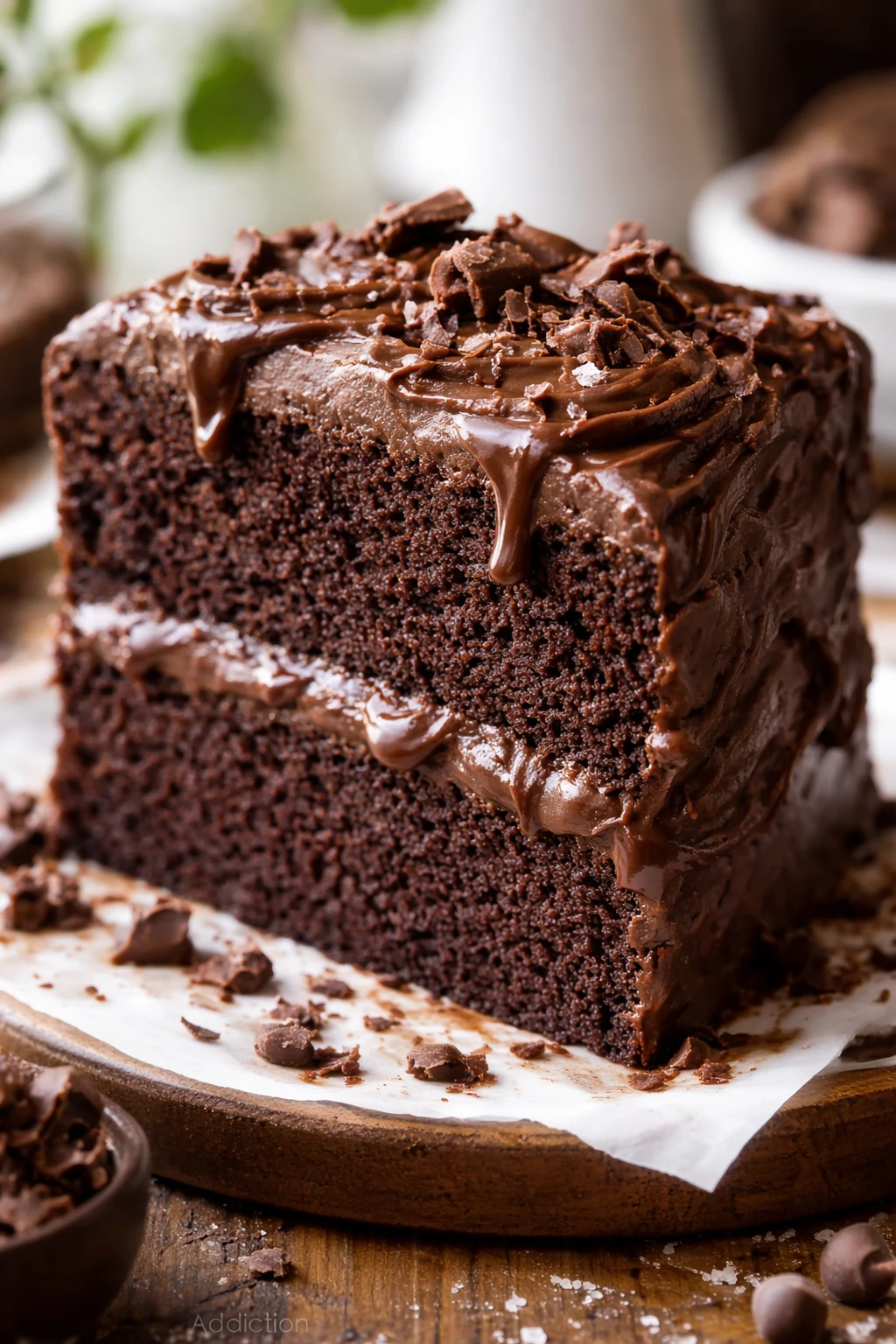
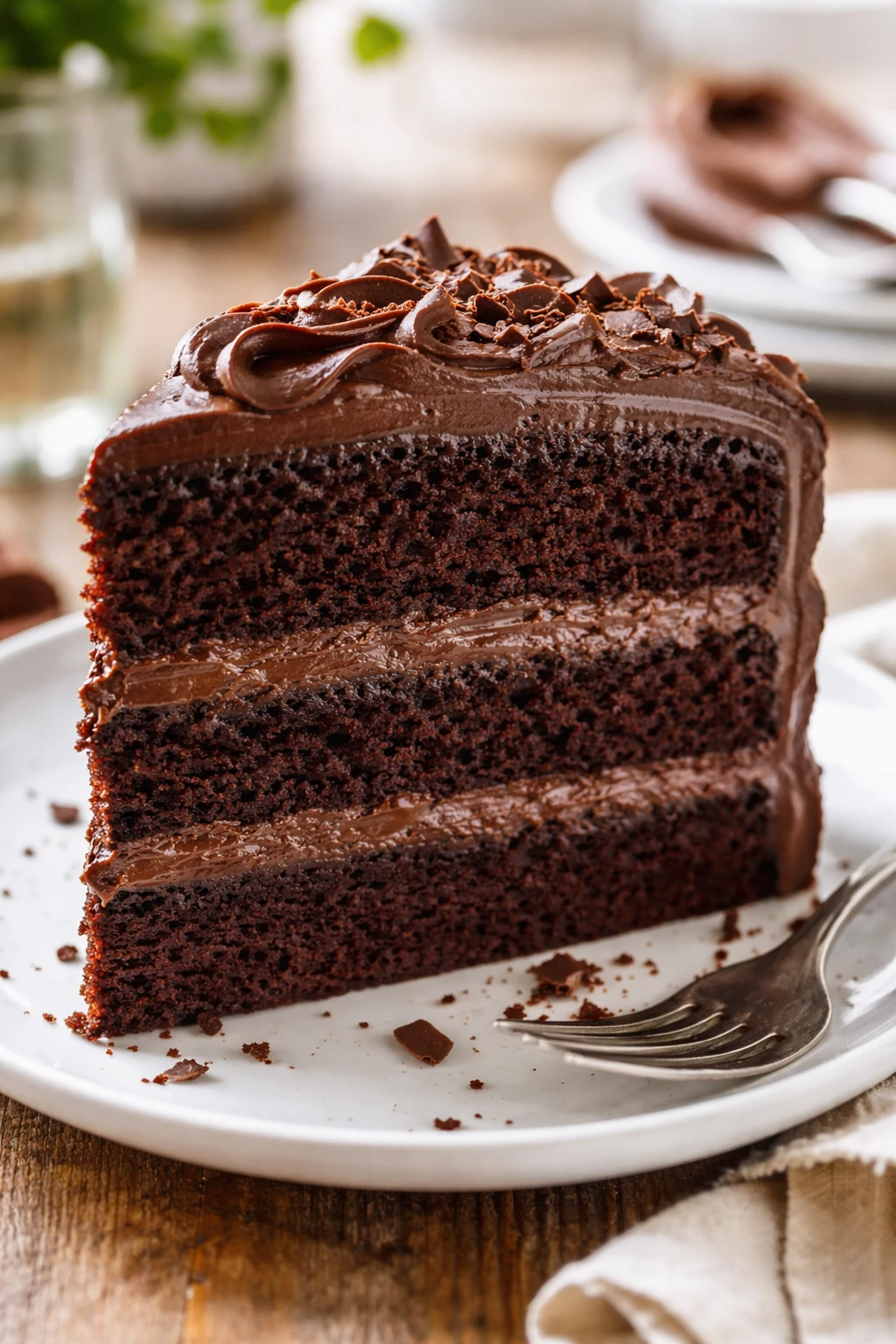
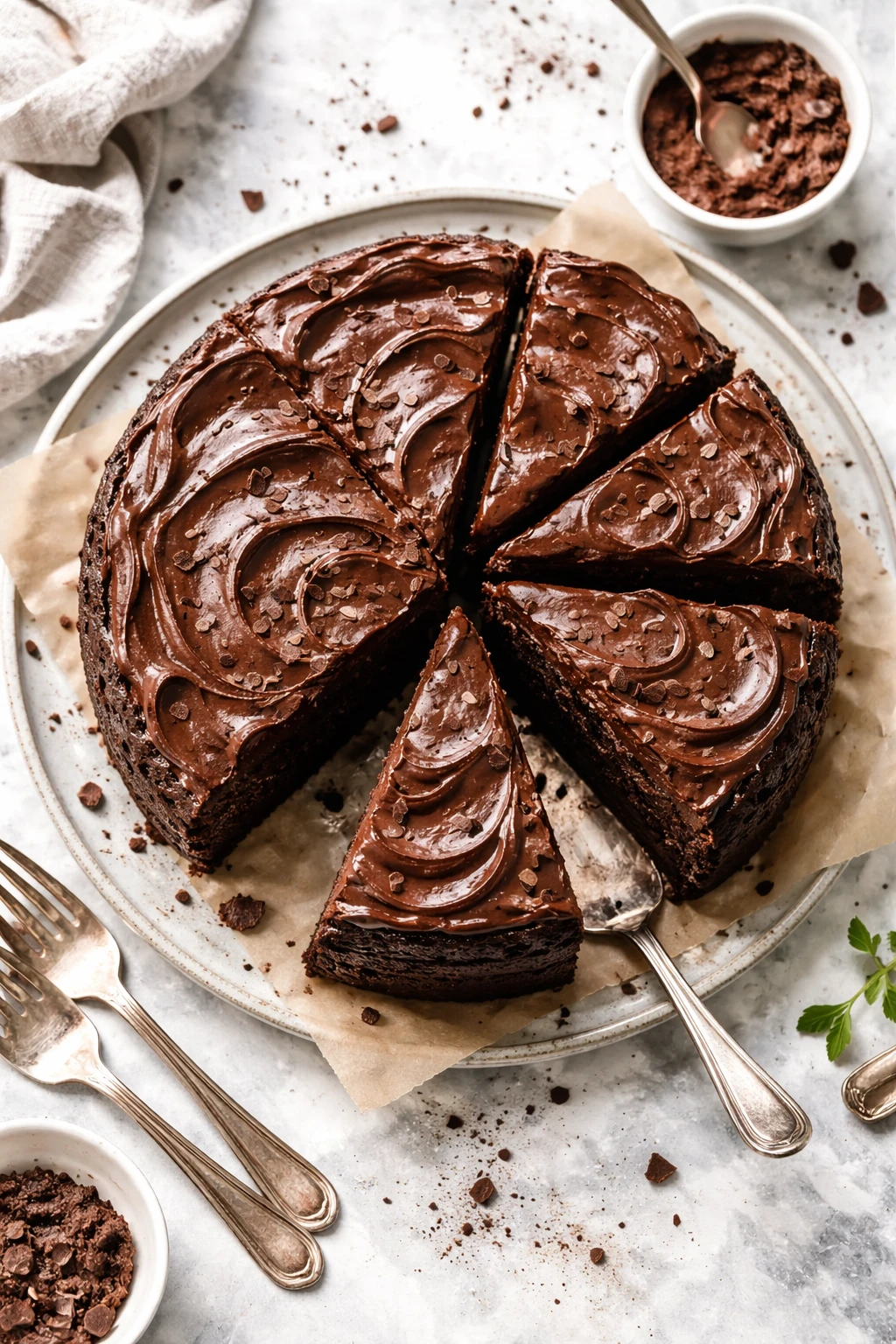
This chocolate cake is a dream for chocoholics—rich, moist, and surprisingly simple with only five ingredients. The fudge frosting is decadently smooth, perfect for birthdays or whenever you need a sweet pick-me-up.
Introduction
I first stumbled upon this chocolate cake recipe when I was desperate for a quick dessert that still felt special. Honestly, I was skeptical—only five ingredients? But once I tasted it, I was hooked. The cake is incredibly moist and rich without feeling heavy, and the fudge frosting adds the perfect silky finish. What makes this version better than others I’ve tried is the simple trick of adding boiling water to the batter. It sounds odd, but it really intensifies the cocoa flavor and keeps the crumb tender. Also, I use room temperature eggs and milk to keep everything smooth and well blended. I’ve made this cake multiple times for birthdays, casual dinners, and even just to satisfy a late-night craving. It always turns out beautifully, and my family loves it. The frosting is another highlight — it’s creamy and fudgy, but not overly sweet, which balances the cake perfectly. If you’re new to baking or just want a no-fuss chocolate cake that feels like a treat, this is it. Expect a deep chocolate flavor, soft texture, and a glossy finish that’ll make you want seconds (or thirds!).
What You'll Need
One 9-inch round cake, serves 8
- 1 and 3/4 cups all-purpose flour, sifted
- 2 cups granulated sugar
- 3/4 cup unsweetened cocoa powder
- 1 and 1/2 teaspoons baking powder
- 1 teaspoon baking soda
- 1 teaspoon salt
- 2 large eggs, room temperature
- 1 cup whole milk
- 1/2 cup vegetable oil
- 2 teaspoons vanilla extract
- 1 cup boiling water
- For the fudge frosting:
- 1/2 cup unsalted butter
- 2/3 cup unsweetened cocoa powder
- 3 cups powdered sugar
- 1/3 cup milk
- 1 teaspoon vanilla extract
How To Do It
Step 1
Preheat your oven to 350°F (175°C). Grease two 9-inch round cake pans with butter or non-stick spray and lightly dust them with flour to prevent sticking. This step ensures your cakes release easily after baking, avoiding any frustrating tearing or crumbling. It's important to evenly grease the pans, especially the edges, so the cake bakes with a smooth surface. If you skip this, your cake might stick and break when you try to remove it.
⏱ Time: 10
✓ Doneness: Pans feel evenly coated without any dry spots or excess grease pooling.
Step 2
In a large mixing bowl, sift together the flour, sugar, cocoa powder, baking powder, baking soda, and salt. Sifting helps break up any lumps and aerates the mixture, which is key for a light, tender crumb. Mixing dry ingredients thoroughly at this stage ensures even distribution, so your cake rises uniformly and tastes consistent. Don’t rush this step or skip sifting; lumps of cocoa or flour can cause uneven texture.
⏱ Time: 5
✓ Doneness: Dry ingredients form a smooth, uniform powder with no visible clumps.
Step 3
Add the eggs, milk, vegetable oil, and vanilla extract to the dry ingredients. Beat on medium speed with a mixer for about 2 minutes until the batter is smooth and well combined. This emulsifies the fats and liquids, creating a consistent batter that will rise evenly. Overmixing here can develop gluten and make the cake tough, so mix just until smooth. Use room temperature eggs and milk for better incorporation.
⏱ Time: 3
✓ Doneness: Batter is glossy and smooth with no streaks of flour or lumps.
Step 4
Carefully stir in the boiling water last. The batter will be thin—that's expected! The hot water helps bloom the cocoa powder, enhancing the chocolate flavor while keeping the cake moist. Stir gently to combine, avoiding vigorous mixing that could deflate the batter. This step might look strange but is the secret to a rich, tender cake.
⏱ Time: 2
✓ Doneness: Batter is thin, smooth, and evenly mixed with no dry patches.
Step 5
Divide the batter evenly between the prepared pans and gently tap them on the counter to release air bubbles. This helps avoid large holes or tunnels in the cake crumb. Place the pans in the preheated oven on the middle rack for 30-35 minutes. Avoid opening the oven door early as temperature drops can cause the cake to sink.
⏱ Time: 30
✓ Doneness: Cake springs back when lightly pressed and a toothpick inserted in center comes out with moist crumbs, not wet batter.
Step 6
While the cake bakes, prepare the fudge frosting. Melt the butter in a saucepan over medium heat. Stir in the cocoa powder until smooth. Gradually add powdered sugar alternated with milk, stirring until creamy and spreadable. Finally, mix in vanilla extract. The gradual addition of sugar and milk helps create a smooth, lump-free frosting with perfect consistency for spreading.
⏱ Time: 10
✓ Doneness: Frosting is thick, glossy, and spreads easily without being runny.
Step 7
When the cakes are done, remove them from the oven and let cool in the pans for 10 minutes. Then run a knife around the edges and invert onto wire racks to cool completely. Cooling fully is crucial so the frosting doesn’t melt or slide off. Patience here ensures a neat, beautiful finish.
⏱ Time: 20
✓ Doneness: Cakes feel cool to the touch and are firm but not dry.
Step 8
Place one cake layer on your serving plate and spread a generous layer of fudge frosting over the top. This adds moisture and richness between layers for extra indulgence. Then carefully place the second cake on top and frost the top and sides evenly. Use an offset spatula for a smooth finish.
⏱ Time: 10
✓ Doneness: Frosting covers cake evenly with no gaps or crumbs showing.
Step 9
For a final touch, let the cake rest at room temperature for about 30 minutes before slicing. This allows the frosting to set slightly and the flavors to meld. When cutting, use a sharp knife wiped clean between slices to get neat pieces. Serve with a cold glass of milk or your favorite coffee for the ultimate treat!
⏱ Time: 30
✓ Doneness: Frosting is firm but soft; cake slices cleanly without crumbling.
Pro Tips
Use room temperature eggs and milk for the batter.
Room temperature ingredients blend better, producing a smoother batter that traps air more effectively. Cold eggs or milk can cause the batter to curdle or mix unevenly, resulting in a denser, less tender cake.
Sift dry ingredients before mixing.
Sifting breaks up clumps and aerates the flour and cocoa powder, which is crucial for a light crumb. It also ensures even distribution of leavening agents, preventing uneven rising or pockets of baking powder.
Don’t overmix the batter once liquids are added.
Overmixing develops gluten strands in the flour, which toughen the cake’s texture. Mixing just until combined keeps the crumb tender and soft while still incorporating enough air for rise.
Add boiling water last and mix gently.
Boiling water blooms the cocoa, enhancing flavor and thinning the batter for moisture. Stirring gently avoids deflating the air bubbles that help the cake rise, ensuring a light texture.
Let the cake cool completely before frosting.
Frosting warm cake causes it to melt and slide off, ruining the presentation. Cooling allows the crumb to set and the frosting to adhere nicely for a smooth finish.
Use an offset spatula to spread frosting evenly.
An offset spatula gives better control and helps create a smooth, professional-looking surface without tearing the cake. It’s especially helpful for crumb coating and layering.
Tap cake pans gently before baking.
Tapping releases trapped air bubbles in the batter, preventing large holes or tunnels in the finished cake and promoting an even crumb texture.
Common Mistakes to Avoid
Skipping the boiling water step
Why it happens Some home bakers worry the thin batter will ruin the cake or don’t understand the purpose of boiling water.
Fix Trust the recipe and add boiling water last, stirring gently. This step is key for moistness and chocolate intensity. Omitting it will yield a drier, less flavorful cake.
Overmixing the batter after adding wet ingredients
Why it happens Eager to get a smooth batter, some mix too long, thinking it improves texture.
Fix Mix just until ingredients are combined and no dry spots remain. Stop as soon as the batter is uniform to avoid toughening the crumb.
Frosting the cake while it’s still warm
Why it happens Impatience or lack of cooling space can tempt bakers to frost immediately.
Fix Allow cakes to cool completely on wire racks before frosting. This prevents melting and sliding, ensuring a neat finish.
Not properly preparing the pans
Why it happens Rushing or assuming non-stick pans don’t need greasing.
Fix Grease and flour pans thoroughly to prevent sticking. This helps cakes release cleanly and maintain shape.
Using expired leavening agents
Why it happens Leavening powders often get overlooked in pantry checks.
Fix Test baking powder and soda before baking by mixing small amounts with vinegar or hot water. Replace if no bubbling occurs to ensure proper rise.
Variations
Gluten-Free Chocolate Cake
Swap all-purpose flour for a gluten-free blend that includes xanthan gum for structure. The cake will be just as moist and rich, but may have a slightly different crumb—still delicious and perfect for gluten-sensitive friends.
Note: Gluten-free flours absorb liquids differently, so monitor batter consistency and bake a few minutes longer if needed.
Vegan Chocolate Cake
Replace eggs with flax eggs (1 tbsp flaxseed meal + 3 tbsp water per egg) and use plant-based milk and vegan butter for frosting. This version stays moist and rich, with a subtle nutty note from flax.
Note: Flax eggs provide binding but not as much leavening; consider adding a pinch more baking powder for lift.
Mocha Chocolate Cake
Add 1 tbsp instant espresso powder to the boiling water to intensify the chocolate with a coffee kick. The mocha flavor is subtle but enhances the richness beautifully without overpowering.
Note: Make sure espresso powder is fully dissolved to avoid grainy texture.
Chocolate Orange Cake
Add 1 tsp orange zest to the batter and swap vanilla extract in frosting for orange extract. The bright citrus notes lighten the deep chocolate flavor and add a fresh twist that’s great for holidays.
Note: Zest finely to avoid bitter pith and fold gently into batter.
Nutty Chocolate Cake
Fold 1/2 cup toasted chopped walnuts or pecans into the batter before baking for crunch. Top the frosted cake with additional nuts for texture contrast and a nutty aroma.
Note: Toast nuts lightly to enhance flavor but avoid burning which causes bitterness.
Nutrition
Per Serving:
Nutritional values are estimates and may vary based on specific ingredients used.
Storage & Tips
Room Temperature
The frosted cake can safely sit at room temperature for up to 2 days if covered loosely with a cake dome or plastic wrap. This keeps the frosting soft and the cake moist without drying out.
Refrigerator
Store leftover cake in an airtight container in the fridge for up to 5 days. The frosting will firm up and cake may become slightly denser. Bring to room temperature before serving or warm gently for best flavor.
Freezer
Wrap cake layers tightly in plastic wrap and foil, then freeze for up to 3 months. Thaw in the fridge overnight and allow to come to room temperature before frosting or serving to restore texture.
Reheating
Reheat individual slices gently in the microwave for 15-20 seconds to soften frosting and warm the cake. Avoid overheating or the frosting may melt excessively. Alternatively, warm in a 300°F oven for 10 minutes wrapped in foil.
Make Ahead
You can bake the cake layers 1-2 days ahead and keep them wrapped tightly at room temperature. Prepare the frosting the day of serving for best texture and flavor, then assemble just before guests arrive.
FAQ
Can I use Dutch-processed cocoa powder instead of natural?
Dutch-processed cocoa is less acidic and won’t react with baking soda the same way natural cocoa does, which can affect the rise and texture. If using Dutch-processed, replace baking soda with baking powder to compensate. The flavor will be milder but still delicious.
Why is my cake dense and not rising well?
Common causes include expired baking powder or soda, overmixing the batter, or oven temperature being too low. Make sure your leavening agents are fresh, mix just until combined, and check your oven’s accuracy with a thermometer.
Can I substitute butter for oil in this recipe?
You can substitute melted butter for oil in equal amounts, but the cake may be slightly less moist and have a firmer crumb. Oil stays liquid at room temperature, which helps keep this cake tender longer.
How do I make the frosting less sweet?
Reduce the powdered sugar slightly and add a pinch of salt to balance sweetness. You can also add a teaspoon of strong brewed coffee or espresso to the frosting to deepen flavor without adding sugar.
Can I make this cake gluten-free?
Yes, substitute a gluten-free flour blend that includes xanthan gum for structure. Baking times may vary slightly, and texture might be a bit different, but it’s a great option for gluten-sensitive bakers.
Why is my frosting grainy?
Graininess usually comes from undissolved powdered sugar or cocoa lumps. Sift your powdered sugar and cocoa before mixing and add milk gradually while stirring to achieve a smooth consistency.
Can I use a different pan size?
You can use a 9x13-inch pan but the baking time will change, usually shorter. Keep an eye on the cake and test doneness with a toothpick. Adjust frosting quantity accordingly.
How do I store leftover cake?
Store covered at room temperature for up to 2 days or in the fridge for up to 5 days in an airtight container. Bring to room temperature before serving for best texture.
Final Thoughts
I hope you give this easy chocolate cake a try—it’s one of my favorites for good reason! Let me know how it turns out and if you add your own twist.