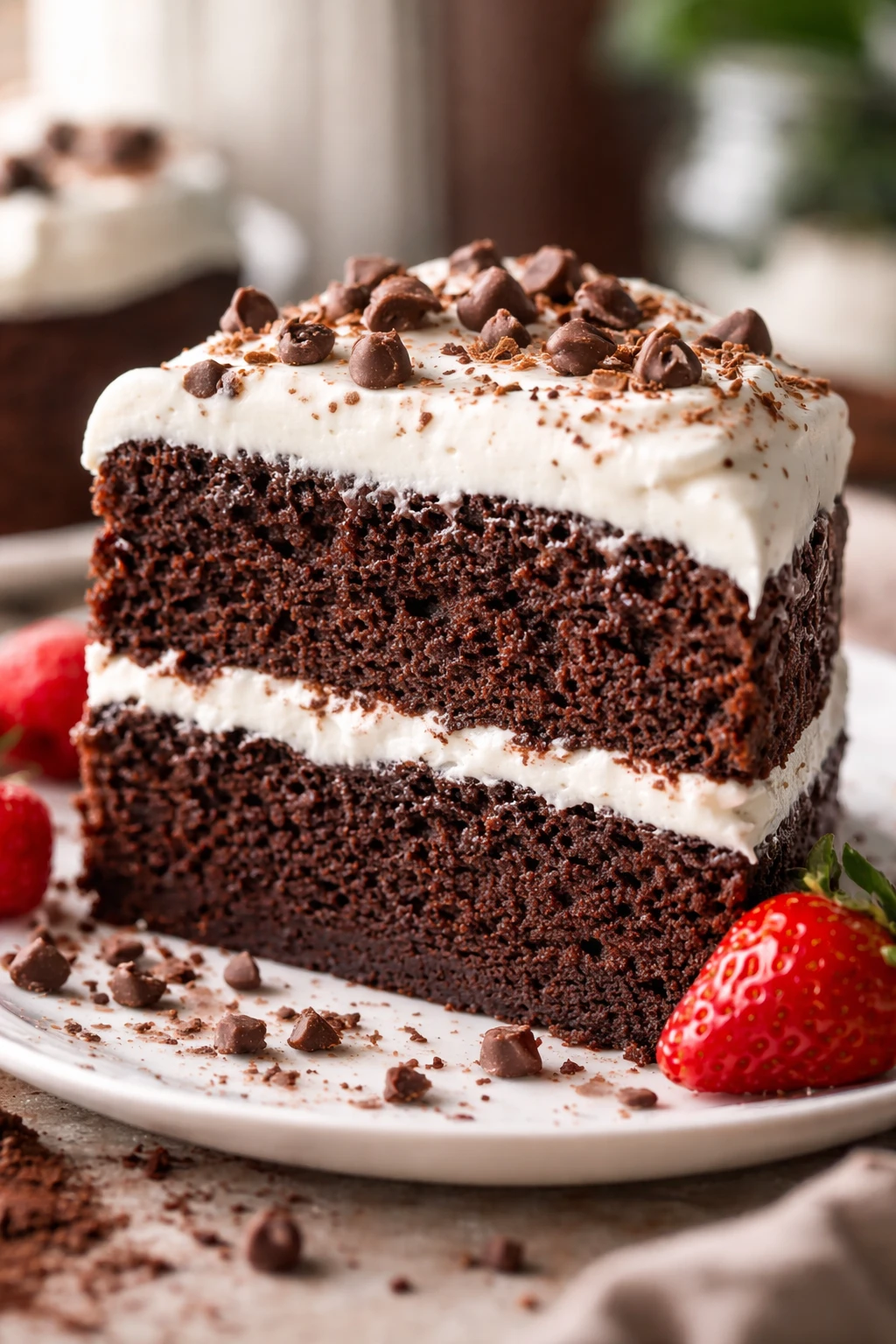
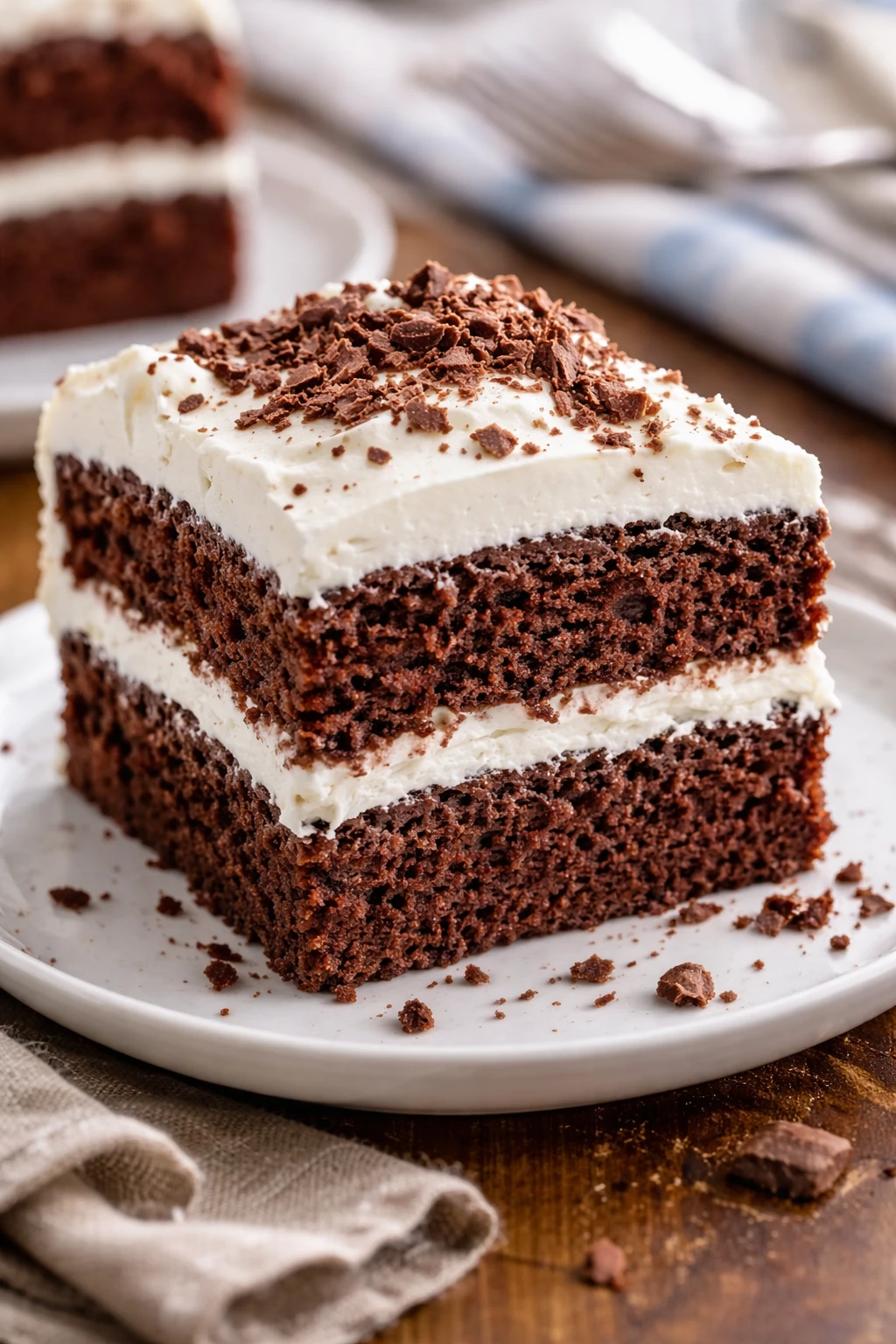
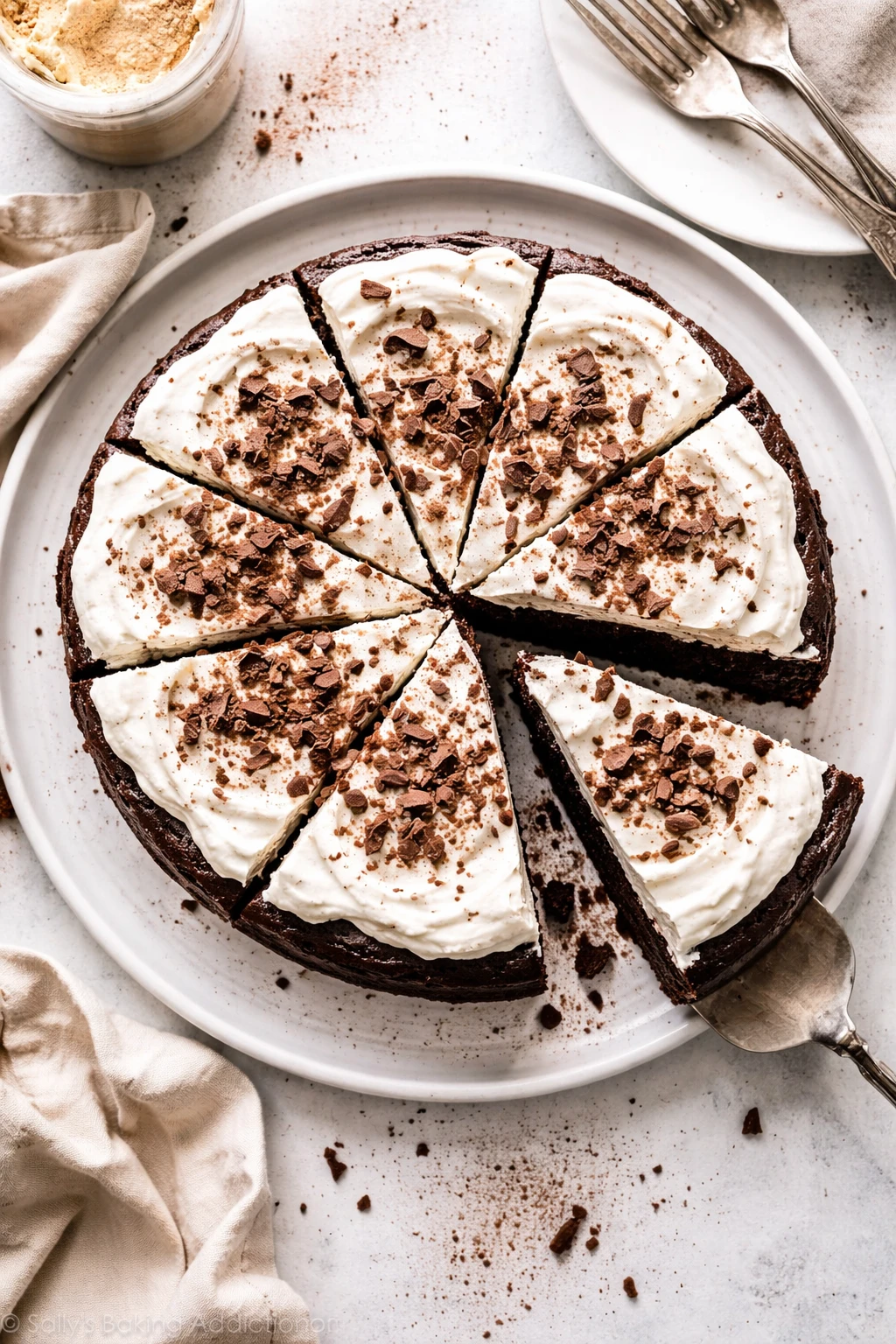
This chocolate cake is pure comfort—rich, moist, and super easy with just five ingredients. The light whipped cream frosting makes it special without being heavy. Perfect for last-minute celebrations or a cozy weekend treat!
Introduction
I first made this chocolate cake on a rainy Sunday when I was craving something rich but didn't want to fuss over complicated steps. What I love most is how simple it is—just five main dry ingredients and a few wet ones, yet the result is incredibly moist and deeply chocolatey. The secret I discovered early on was adding boiling water to the batter; it intensifies the cocoa flavor and makes the cake unbelievably tender. For frosting, I keep it light with homemade whipped cream sweetened just right, avoiding the heaviness of buttercream. I’ve tried many chocolate cakes over the years, but this one always wins for family gatherings or last-minute celebrations. It’s fluffy, rich, and not too sweet, making it perfect for any chocolate lover looking for a quick, satisfying bake. Plus, it looks impressive even if you’re not a pro baker. The texture is soft and moist, and the whipped cream frosting adds a fresh, airy finish. I’m excited to share this with you because it’s become a staple in my kitchen and always brings smiles around the table!
What You'll Need
One 9-inch round cake, 8 servings
- 1 and 3/4 cups all-purpose flour, sifted
- 1 and 1/2 cups granulated sugar
- 3/4 cup unsweetened cocoa powder
- 1 and 1/2 teaspoons baking powder
- 1 teaspoon baking soda
- 1/2 teaspoon salt
- 2 large eggs, room temperature
- 1 cup whole milk, room temperature
- 1/2 cup vegetable oil
- 2 teaspoons vanilla extract
- 1 cup boiling water
- 2 cups heavy whipping cream, cold
- 1/4 cup powdered sugar
- 1 teaspoon vanilla extract
How To Do It
Step 1
Preheat your oven to 350°F (175°C). Grease and flour a 9-inch round cake pan to ensure the cake doesn’t stick. This step is crucial because even a perfectly baked cake can get ruined if it sticks to the pan. Use butter or non-stick spray and lightly coat the inside, then dust with flour, tapping out the excess. This creates a barrier between the batter and the pan, helping the cake release cleanly after baking.
⏱ Time: 10
✓ Doneness: Pan is evenly coated with no bare spots or clumps of flour
Step 2
In a large mixing bowl, sift together the flour, sugar, cocoa powder, baking powder, baking soda, and salt. Sifting helps remove lumps and aerates the dry ingredients, which leads to a lighter cake texture. Make sure all these ingredients are evenly combined; otherwise, you risk uneven rising or bitter spots from cocoa clumps.
⏱ Time: 5
✓ Doneness: Dry ingredients are uniformly mixed with no visible lumps
Step 3
Add the eggs, milk, vegetable oil, and vanilla extract to the dry ingredients. Beat on medium speed with a hand mixer or stand mixer for about 2 minutes until smooth and well combined. This step develops the batter’s structure while keeping it tender. Don’t overmix here; just enough to blend everything smoothly. Overmixing can lead to a denser cake.
⏱ Time: 3
✓ Doneness: Batter is smooth, glossy, and slightly thick
Step 4
Carefully stir in the boiling water last. The batter will be thin—that’s normal and helps create a moist crumb. The hot water blooms the cocoa powder, intensifying the chocolate flavor and making the cake super tender. Mix gently to combine, avoiding splashes. If you skip this step or add cold water, the cake won’t have that deep, rich taste.
⏱ Time: 2
✓ Doneness: Batter is thin and well combined with no dry pockets
Step 5
Pour the batter into the prepared pan and bake for 30 to 35 minutes. Avoid opening the oven door during the first 25 minutes to prevent the cake from collapsing. The cake is done when a toothpick inserted in the center comes out with a few moist crumbs but no raw batter. Baking too long will dry the cake, while underbaking leaves it gooey inside.
⏱ Time: 30
✓ Doneness: Toothpick comes out mostly clean with some moist crumbs
Step 6
Let the cake cool in the pan for 10 minutes before transferring it to a wire rack. Cooling slightly in the pan allows the cake to firm up, reducing the risk of tearing when you remove it. Then, cooling completely on a rack prevents sogginess by letting air circulate around it. Frosting a warm cake can cause the whipped cream to melt.
⏱ Time: 20
✓ Doneness: Cake feels firm to the touch and is fully cooled
Step 7
Chill the heavy whipping cream, mixing bowl, and beaters in the fridge for at least 15 minutes before whipping. Cold equipment helps the cream whip faster and hold its shape better. Pour the cream into the cold bowl and beat on medium-high speed until soft peaks form. Add powdered sugar and vanilla, then whip until stiff peaks form. Be careful not to overwhip or it will turn grainy and start turning into butter.
⏱ Time: 15
✓ Doneness: Whipped cream holds stiff peaks and looks smooth
Step 8
Spread the whipped cream frosting gently over the cooled cake with a spatula. Take your time to keep the whipped cream fluffy and light. If you press too hard, you’ll deflate the cream and lose that airy texture. For a neat finish, use a cold spatula and smooth the cream evenly around the top and sides.
⏱ Time: 10
✓ Doneness: Frosting is evenly spread, light, and fluffy
Step 9
Refrigerate the cake for at least 30 minutes before serving to let the frosting set and flavors meld. This resting time improves texture and makes slicing easier. Serve chilled or at room temperature depending on your preference. Enjoy with a cup of coffee or milk for the perfect treat!
⏱ Time: 30
✓ Doneness: Frosting is set and cake slices cleanly
Pro Tips
Always sift your dry ingredients together before mixing.
Sifting removes lumps and aerates the flour and cocoa, which helps the batter mix smoothly and the cake rise evenly. Without sifting, clumps can cause uneven texture and pockets of bitter cocoa.
Use room temperature eggs and milk for the batter.
Cold ingredients can cause the batter to curdle or not incorporate properly, leading to a denser cake. Room temperature ingredients blend better and trap air more easily for a lighter crumb.
Don’t open the oven door during the first 25 minutes of baking.
Opening the door lets heat escape and can cause the cake to sink or bake unevenly. Staying patient ensures a steady temperature for proper rising and crumb development.
Chill your mixing bowl and beaters before whipping cream.
Cold tools help the cream whip faster and hold peaks better. Warm equipment causes the fat to soften too much, resulting in runny or unstable whipped cream.
Add boiling water last and mix gently.
Boiling water blooms the cocoa for richer flavor and thins the batter for moisture. Mixing gently prevents overworking the gluten, which keeps the cake tender.
Use a rubber spatula to fold ingredients when needed.
Folding gently incorporates ingredients without deflating the batter’s air bubbles, which keeps the cake light and fluffy.
Let the cake cool completely before frosting.
Frosting a warm cake melts the whipped cream and ruins the texture. Full cooling ensures the frosting holds its shape and looks beautiful.
Common Mistakes to Avoid
Skipping the boiling water step
Why it happens Some cooks feel intimidated by adding hot water to batter or think it’s unnecessary.
Fix Don’t skip it! The boiling water intensifies cocoa flavor and thins the batter for moisture. Add it slowly and mix gently to avoid splashes or overmixing.
Overwhipping the cream
Why it happens It’s easy to get carried away and whip past the stiff peak stage.
Fix Stop whipping as soon as stiff peaks form and the cream holds shape. Overwhipping turns cream grainy and buttery, ruining the frosting texture.
Not preparing the pan properly
Why it happens Rushing or forgetting to grease and flour the pan is common.
Fix Take time to grease and flour the pan evenly. This prevents sticking and ensures a clean cake release.
Opening the oven door too early
Why it happens Curiosity or impatience often leads to this.
Fix Avoid opening the door until at least 25 minutes have passed to prevent the cake from collapsing.
Frosting the cake while still warm
Why it happens Eager to finish, some frost too soon.
Fix Wait until the cake is completely cool to keep the whipped cream stable and fluffy.
Variations
Chocolate Raspberry Cake
Add fresh raspberries between layers or fold crushed raspberries into the whipped cream frosting for a fruity twist. The tartness balances the rich chocolate beautifully.
Note: Be gentle folding raspberries into cream to avoid breaking them down too much, which could make frosting watery.
Espresso Infused Chocolate Cake
Mix 1 tablespoon of instant espresso powder into the boiling water before adding to the batter. This boosts the chocolate flavor with a subtle coffee kick.
Note: Dissolve espresso powder fully in hot water to avoid grainy bits in the batter.
Vegan Chocolate Cake
Replace eggs with flax eggs and use plant-based milk and oil. Whip coconut cream instead of heavy cream for frosting. The texture will be slightly different but still moist and delicious.
Note: Coconut cream whips best when chilled overnight and beaten with a little powdered sugar.
Nutty Chocolate Cake
Fold chopped toasted walnuts or pecans into the batter for extra crunch. Sprinkle some on top of the whipped cream frosting for garnish and texture contrast.
Note: Toast nuts beforehand to bring out their flavor and reduce moisture that could affect batter consistency.
Chocolate Orange Cake
Add 1 teaspoon of orange zest to the batter and a splash of orange extract to the whipped cream frosting for a bright citrus note that complements the chocolate.
Note: Use fresh zest only and avoid the white pith which is bitter.
Nutrition
Per Serving:
Nutritional values are estimates and may vary based on specific ingredients used.
Storage & Tips
Room Temperature
This cake can safely stay at room temperature for up to 2 hours if covered loosely with a cake dome or plastic wrap. Beyond that, the whipped cream frosting may start to soften and lose structure.
Refrigerator
Store the cake in an airtight container or covered cake dome for up to 3 days. The whipped cream frosting holds up well chilled but may firm up; let it sit at room temperature for 10 minutes before serving for best texture.
Freezer
Freeze the cake wrapped tightly in plastic wrap and then foil for up to 2 months. To thaw, move to the refrigerator overnight. The whipped cream may separate slightly after freezing, so it’s best to freeze unfrosted layers and whip fresh cream before serving.
Reheating
Avoid reheating this cake as whipped cream frosting melts easily. Serve chilled or at room temperature. If you want a warm slice, remove frosting and warm cake gently in microwave for 10-15 seconds, then add fresh whipped cream.
Make Ahead
Bake the cake layers up to 2 days ahead and keep wrapped tightly at room temperature. Whip the cream and frost the cake on the day of serving for freshest texture and flavor.
FAQ
Can I use butter instead of vegetable oil?
Yes, but keep in mind butter solidifies at room temperature, which can make the cake slightly denser and less moist over time. If you use butter, melt it first and let it cool slightly before adding to the batter to avoid cooking the eggs.
How do I know when the cake is fully baked?
Insert a toothpick or cake tester into the center. It should come out with a few moist crumbs but no wet batter. If it’s sticky or coated with batter, bake a few minutes longer and test again.
Can I make this cake gluten-free?
Yes, substitute the all-purpose flour with a gluten-free blend that includes xanthan gum. The texture may be slightly different but it will still be moist and tasty.
Why is my whipped cream frosting runny?
Most likely your cream or bowl wasn’t cold enough, or you didn’t whip it to stiff peaks. Chill your bowl and beaters, use heavy cream with at least 36% fat, and whip until peaks hold firmly.
Can I use powdered sugar instead of granulated sugar in the batter?
Powdered sugar can be used but it contains cornstarch, which may slightly change texture and make the cake more tender. Granulated sugar is preferred for structure and sweetness balance.
What’s the best way to store leftover cake?
Keep leftovers in an airtight container in the fridge up to 3 days. The whipped cream frosting is best fresh but will keep chilled. Let the cake sit out 10 minutes before eating for best flavor.
Can I add chocolate chips to the batter?
Absolutely! Fold in about 1/2 cup of semi-sweet chocolate chips before pouring the batter into the pan for extra bursts of melted chocolate.
How do I prevent my cake from sinking in the middle?
Make sure you measure ingredients accurately, don’t overmix the batter, and avoid opening the oven door too early. Also, check your baking powder and soda are fresh and active.
Final Thoughts
Give this chocolate cake a try and see how easy it is to make a rich, moist dessert that everyone loves. I’d love to hear how your baking turns out!