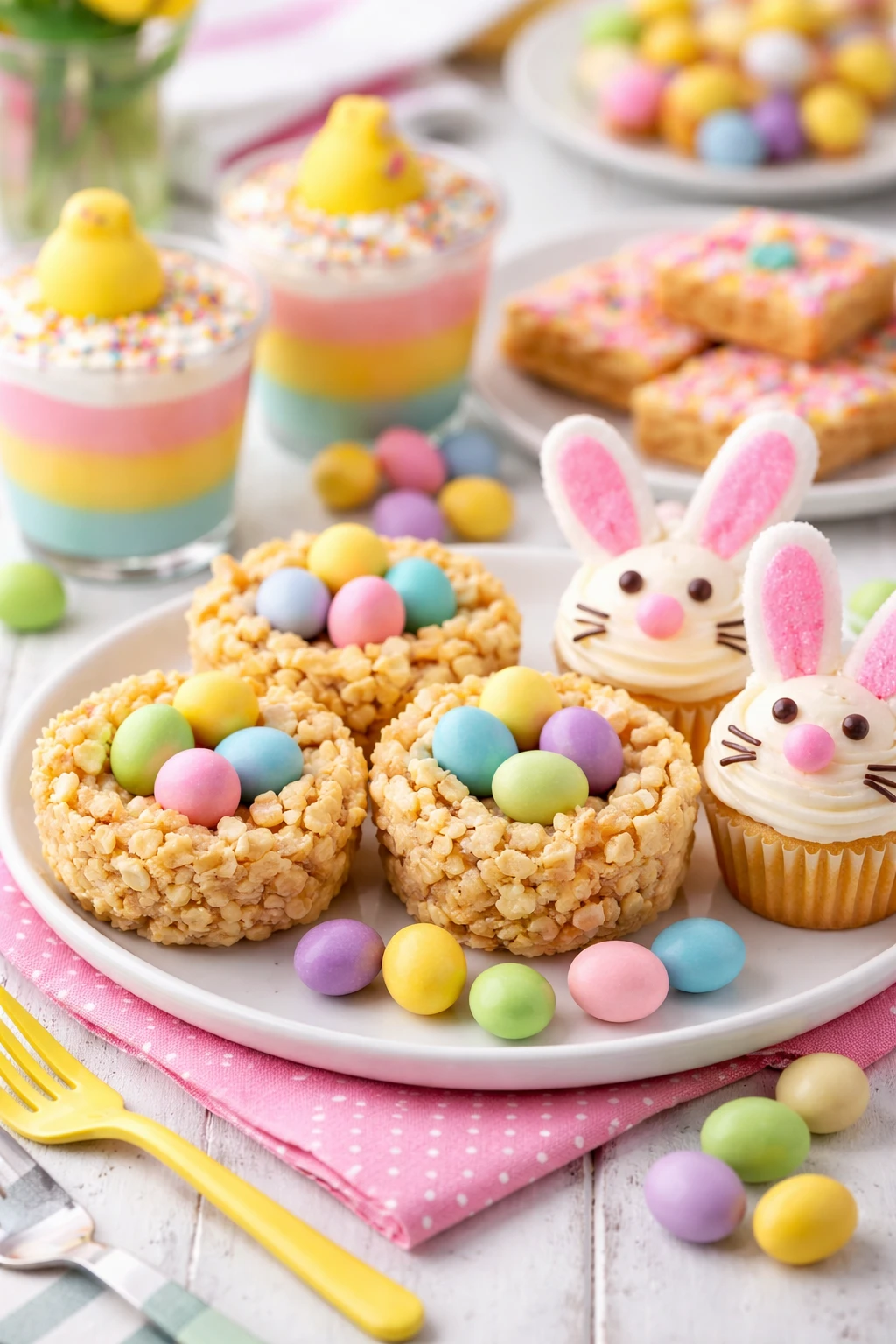
These Easter desserts are super simple and fun, perfect for baking with the kids. Bright colors and easy steps make them a springtime favorite for any celebration or family gathering.
Introduction
I still remember the first time I baked Easter cupcakes with my niece—she was so excited to mix the batter and pick out sprinkles! That day I realized how much kids love to be part of the kitchen fun, especially when the treats are colorful and simple. This recipe is my go-to for easy Easter desserts because it’s straightforward, uses common ingredients, and lets kids get creative with decorating. Unlike more complicated recipes, these cupcakes come together quickly and have a soft, tender crumb that everyone loves. The trick I learned is to let the batter rest a few minutes before baking; it helps the cupcakes rise evenly and stay moist. Plus, adding a little vanilla extract gives the cupcakes a comforting aroma that fills the whole kitchen. When you finish, you get bright, cheerful cupcakes perfect for any spring gathering or family celebration. I’ve made these dozens of times, and they never fail to bring smiles and a little messy frosting-covered fun!
How To Do It
Step 1
Preheat your oven to 350°F (175°C) and line a muffin tin with cupcake liners. This step is crucial because the proper oven temperature ensures even baking and prevents the cupcakes from drying out. Using liners makes cleanup easier and keeps the cupcakes moist. Avoid skipping the preheating phase; putting batter into a cold oven can cause uneven rising.
⏱ Time: 10 minutes
✓ Doneness: Oven fully preheated and muffin tin ready with liners
Step 2
In a medium bowl, cream together the softened butter and sugar until light and fluffy. This aerates the mixture, which helps create a tender crumb in the cupcakes. Use room temperature butter for best results; cold butter won’t blend well and can make the cupcakes dense.
⏱ Time: 5 minutes
✓ Doneness: Mixture is pale, creamy, and smooth
Step 3
Add the egg and vanilla extract to the butter-sugar mixture and beat until fully combined. The egg helps bind ingredients and adds moisture, while vanilla enhances flavor. Be sure to mix well but avoid overbeating, which can toughen the texture.
⏱ Time: 2 minutes
✓ Doneness: Batter looks smooth and uniform without streaks
Step 4
In a separate bowl, whisk together the flour, baking powder, and salt. This dry mix ensures even distribution of leavening agents, which helps the cupcakes rise properly. Sifting the flour is optional but recommended to avoid lumps and create a lighter texture.
⏱ Time: 3 minutes
✓ Doneness: Dry ingredients are evenly combined and lump-free
Step 5
Gradually add the dry ingredients into the wet mixture, alternating with milk. Start and end with the flour mixture. Mixing gently at this stage prevents overworking the batter, which can make cupcakes tough. Stop mixing as soon as ingredients are combined for a soft crumb.
⏱ Time: 4 minutes
✓ Doneness: Batter is smooth with no visible flour pockets
Step 6
If you want colorful cupcakes, divide the batter into small bowls and add a few drops of pastel food coloring to each. Gently fold the color in until just combined. This keeps the batter light and airy, and the colors vibrant without affecting texture.
⏱ Time: 3 minutes
✓ Doneness: Batter is evenly tinted without overmixing
Step 7
Fill each cupcake liner about two-thirds full with batter. This amount allows the cupcakes to rise perfectly without spilling over. Use a spoon or small ice cream scoop for even portions. Avoid overfilling, which causes domed or cracked tops.
⏱ Time: 5 minutes
✓ Doneness: Cupcake liners are evenly filled to the right level
Step 8
Bake in the preheated oven for 18-20 minutes. Check doneness by inserting a toothpick into the center; it should come out clean or with a few moist crumbs. Baking too long dries out the cupcakes, while underbaking leaves them gummy inside.
⏱ Time: 20 minutes
✓ Doneness: Golden tops and toothpick test passed
Step 9
Let cupcakes cool in the pan for 5 minutes, then transfer to a wire rack to cool completely before decorating. Cooling prevents frosting from melting and keeps cupcakes from becoming soggy. Patience here makes decorating easier and prettier!
⏱ Time: 30 minutes
✓ Doneness: Cupcakes are completely cool to the touch
Pro Tips
Always use room temperature ingredients for smooth batter.
Room temperature butter and eggs blend more evenly, preventing lumps and curdling. This ensures the batter traps air for a light, fluffy texture. Cold ingredients can cause the batter to split or bake unevenly.
Don’t overmix the batter after adding flour.
Overmixing develops gluten, which makes cupcakes tough instead of tender. Mix just until ingredients are combined; a few small lumps are okay. This keeps the crumb soft and delicate.
Use an ice cream scoop to portion batter evenly.
Even portions bake uniformly, avoiding some cupcakes overcooked while others are underdone. It also makes decorating easier because the cupcakes will be consistent in size and height.
Let cupcakes cool completely before frosting.
Frosting warm cupcakes melts and slides off, ruining the decoration. Cooling helps the icing set properly and keeps the cupcakes moist without becoming soggy.
Add pastel food coloring gently by folding.
Vigorous stirring deflates the batter, reducing rise and making cupcakes dense. Folding preserves air bubbles and keeps colors vibrant and evenly distributed.
Check cupcakes early with a toothpick.
Ovens vary, so start testing a few minutes before the timer ends to avoid overbaking. A clean toothpick means cupcakes are done; moist crumbs are okay but raw batter is not.
Use fresh baking powder for best rise.
Expired baking powder loses effectiveness, causing flat, dense cupcakes. Test freshness by mixing a small amount in warm water; it should bubble vigorously.
Common Mistakes to Avoid
Overbaking cupcakes
Why it happens Many assume longer baking means better done cupcakes, but this dries them out and toughens the texture.
Fix Set a timer for the minimum baking time and check with a toothpick. Remove cupcakes as soon as the toothpick comes out clean or with moist crumbs to keep them soft.
Using cold butter or eggs
Why it happens Rushing to bake without planning leads to cold ingredients that don’t mix well.
Fix Take ingredients out 30 minutes before starting. Softened butter creams better and eggs mix smoothly, preventing curdling and dense texture.
Overmixing batter after adding flour
Why it happens Some believe thorough mixing is always better, but this develops gluten.
Fix Mix just until no dry flour remains. Stop when batter is slightly lumpy to keep cupcakes tender.
Frosting warm cupcakes
Why it happens Impatience or lack of cooling time causes frosting to melt and slide off.
Fix Cool cupcakes on a wire rack completely—this can take 30 minutes or more—before decorating.
Skipping sifting flour
Why it happens Some think sifting is unnecessary extra work.
Fix Sift flour to remove lumps and aerate it, resulting in lighter, smoother batter and better cupcake texture.
Variations
Lemon Zest Easter Cupcakes
Add 1 tablespoon of fresh lemon zest to the batter for a bright, citrusy twist. Use lemon extract in place of vanilla for more punch. These cupcakes feel fresh and springy, perfect for Easter brunch.
Note: Lemon juice can be added but reduce milk slightly to keep batter consistency. Zest must be finely grated to avoid bitter bits.
Chocolate Chip Easter Cupcakes
Fold 1/2 cup mini chocolate chips into the batter before baking. The chips add bursts of chocolate without overpowering the vanilla base. Kids especially love the surprise inside!
Note: Toss chips in a little flour before folding to prevent sinking to the bottom during baking.
Gluten-Free Easter Cupcakes
Use a 1:1 gluten-free baking flour blend instead of all-purpose flour. These cupcakes stay tender and moist while accommodating dietary needs. Add an extra egg for structure if desired.
Note: Gluten-free batters can be more delicate; avoid overmixing and check doneness carefully.
Vegan Easter Cupcakes
Replace butter with vegan margarine and use flax eggs (1 tablespoon flaxseed meal + 3 tablespoons water per egg). Use plant-based milk like almond or oat. These cupcakes are just as soft and flavorful!
Note: Flax eggs need 5 minutes to thicken before adding. Baking time may increase slightly.
Cream Cheese Frosting Topping
Top cupcakes with a tangy cream cheese frosting instead of buttercream. It adds richness and pairs beautifully with the vanilla base. Perfect for a slightly more decadent dessert.
Note: Chill frosting before applying to prevent melting. Use softened cream cheese and butter for smooth texture.
Nutrition
Per Serving:
Nutritional values are estimates and may vary based on specific ingredients used.
Storage & Tips
Room Temperature
Cupcakes can be kept at room temperature in an airtight container for up to 2 days. Avoid direct sunlight or heat to prevent frosting from melting and cupcakes drying out.
Refrigerator
Store cupcakes in an airtight container for up to 4 days. Refrigeration can firm up frosting but may dry out the cake slightly. Bring to room temperature before serving for best flavor.
Freezer
Freeze unfrosted cupcakes wrapped tightly in plastic wrap and placed in a freezer bag for up to 3 months. Thaw overnight in the fridge or at room temperature. Frost after thawing for best results.
Reheating
Warm cupcakes gently in a microwave for 10-15 seconds or in a 300°F oven for 5 minutes to refresh softness. Avoid overheating which can dry them out. Add a splash of milk if frosting seems dry.
Make Ahead
Bake cupcakes 1-2 days ahead and store unfrosted in an airtight container. Prepare frosting separately and frost just before serving to keep decorations fresh and vibrant.
FAQ
Can I use oil instead of butter in these cupcakes?
Yes, you can substitute oil for butter at a 1:1 ratio, but the texture will be slightly different—more moist but less fluffy. Butter adds flavor and helps with structure, so expect a denser cupcake with oil.
How do I make the cupcakes more colorful inside?
Divide your batter into small bowls and add different drops of food coloring to each before gently folding. Then spoon each colored batter into the cupcake liners to create a marbled or layered effect.
What if my cupcakes are too dense or heavy?
This usually happens from overmixing or using cold ingredients. To fix it, mix just until combined and always use room temperature butter and eggs to trap air and create a light crumb.
Can I make these cupcakes gluten-free?
Absolutely! Use a gluten-free flour blend designed for baking. You might need to add a little extra moisture or an extra egg to compensate for the texture differences.
How long do the cupcakes stay fresh after decorating?
Once frosted, cupcakes are best eaten within 2 days at room temperature or 4 days refrigerated. Keep them covered to avoid drying out or absorbing fridge odors.
Can I freeze these cupcakes with frosting?
It's best to freeze unfrosted cupcakes and add frosting after thawing. Freezing frosting can cause texture changes and sometimes separation.
What’s the best way to decorate cupcakes with kids?
Let kids use simple tools like plastic knives or small spoons and provide lots of sprinkles and colorful toppings. Keep the frosting soft but not runny for easier spreading.
How do I prevent cupcakes from sinking in the middle?
Avoid opening the oven door during baking and make sure your baking powder is fresh. Also, don’t overfill the liners and mix batter gently to keep air bubbles intact.
Final Thoughts
I hope you have as much fun making these Easter cupcakes with your family as I do! Don’t forget to share your colorful creations and happy baking!