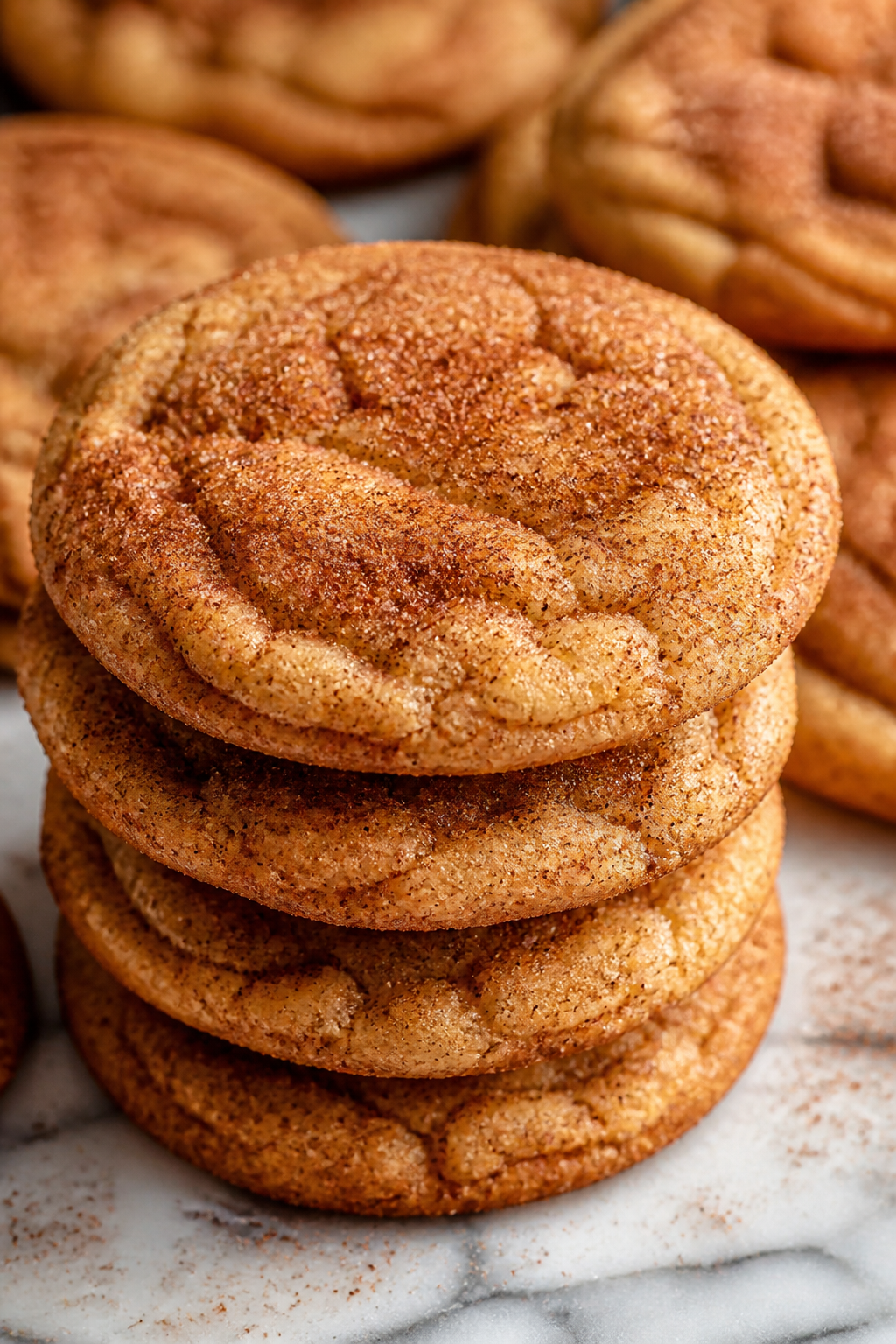
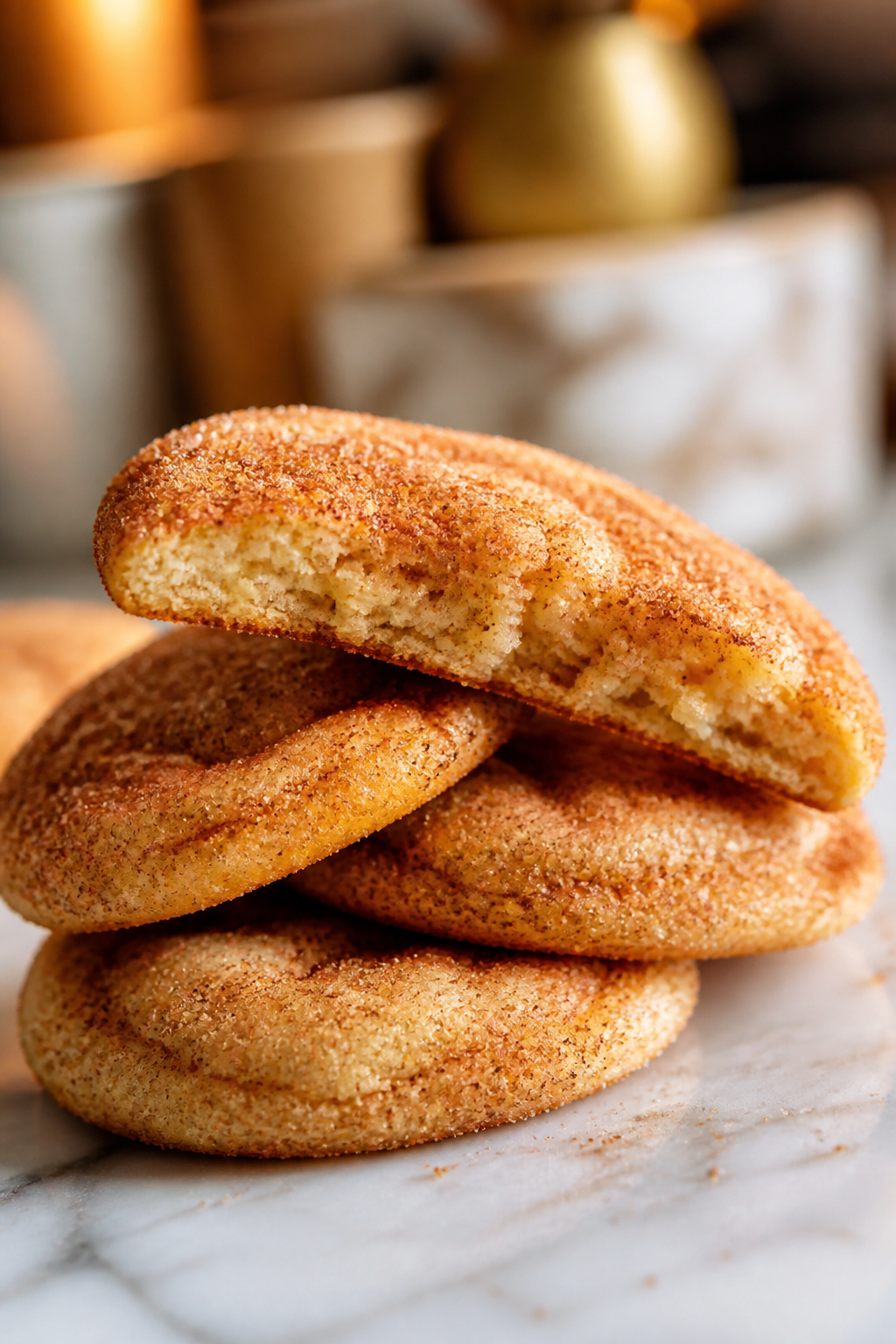
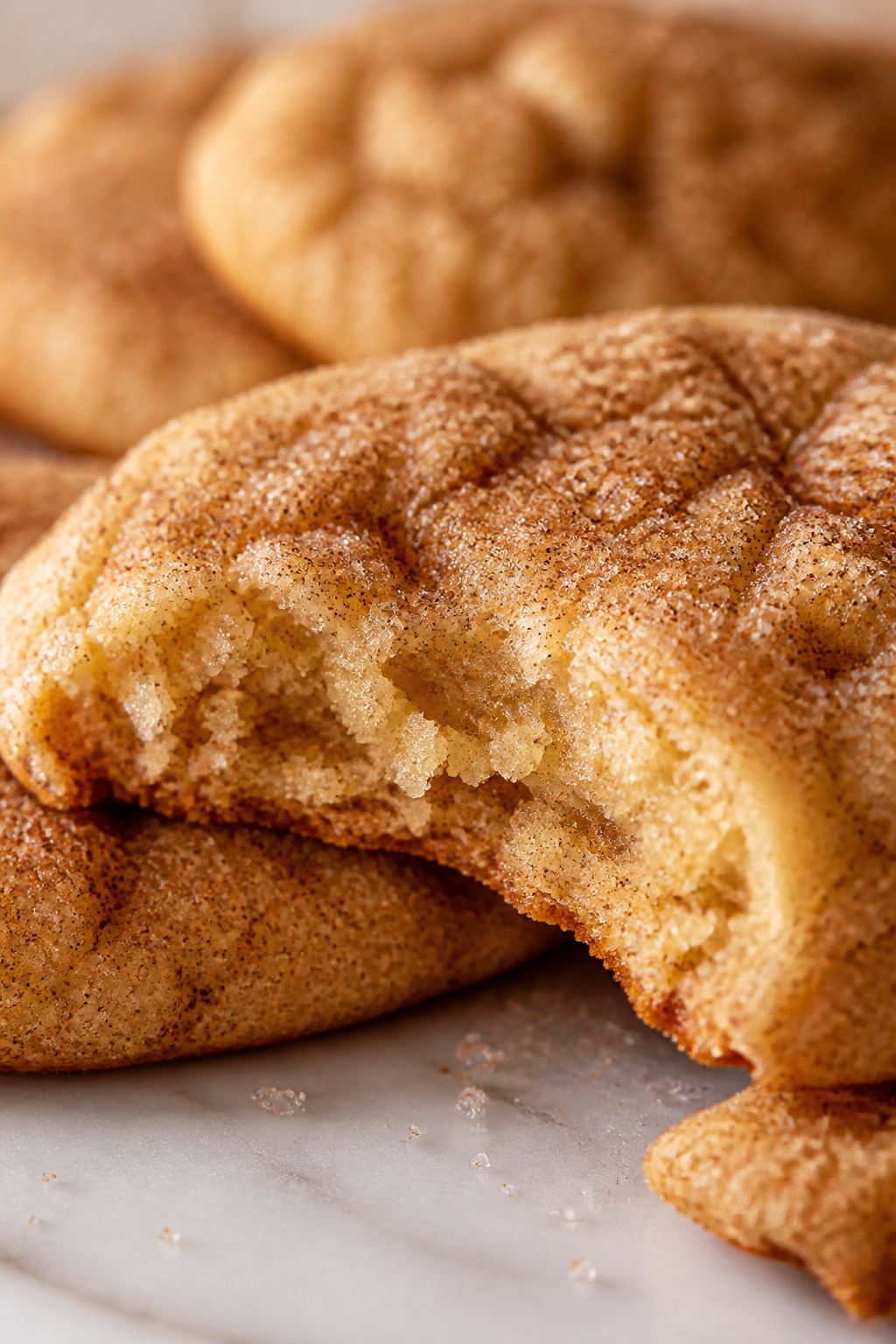
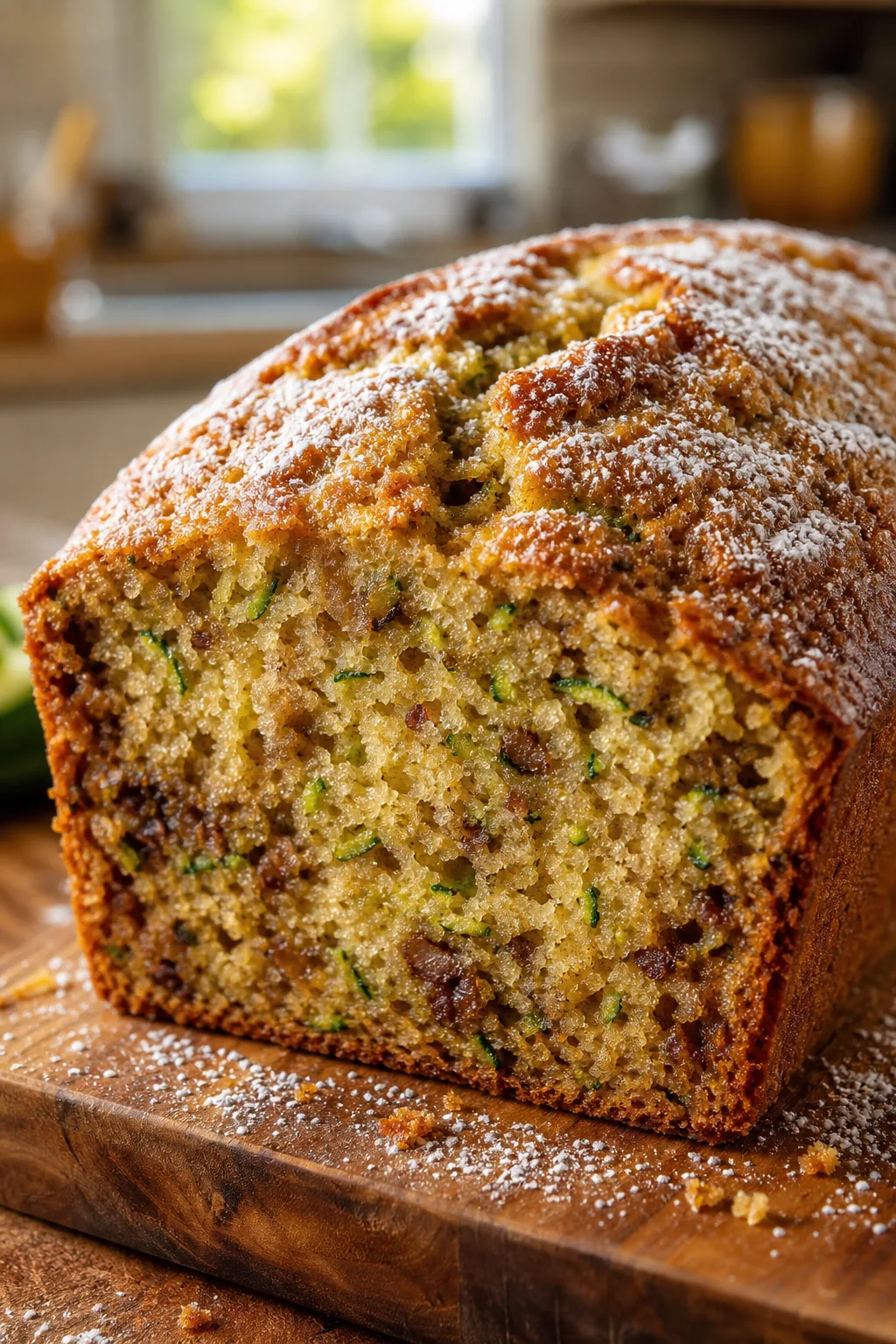
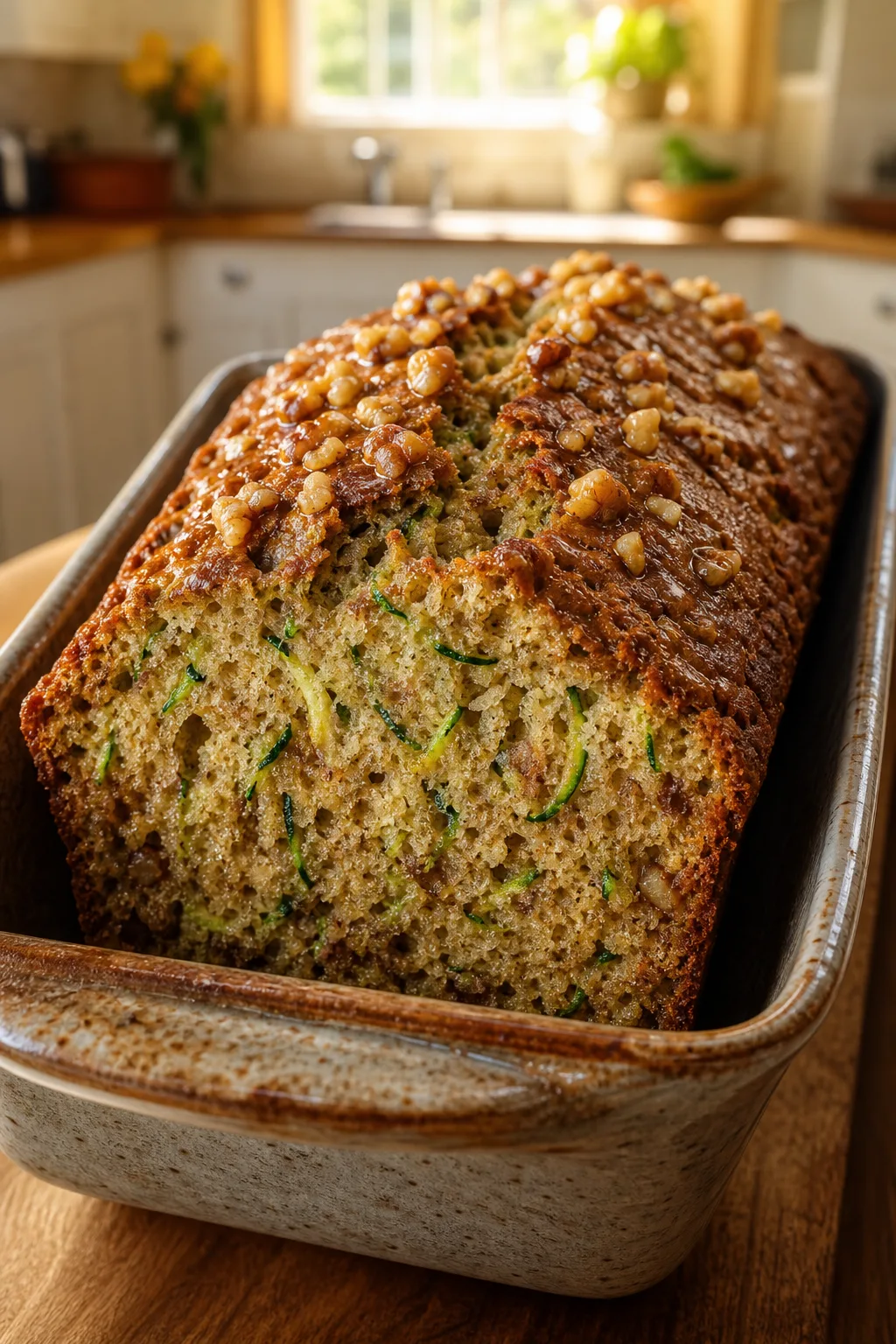
These snickerdoodles are soft, buttery, and perfectly coated in cinnamon sugar for that cozy, melt-in-your-mouth moment. I love making them for afternoon tea or when I just need a little comfort in cookie form.
Introduction
I first made snickerdoodles years ago when a friend shared her family recipe, and I instantly fell in love with their soft, buttery texture and that signature cinnamon sugar coating. Over time, I tweaked the recipe to make the cookies even softer and richer, especially by using cream of tartar and a bit more butter. One trick I learned is rolling the dough balls generously in cinnamon sugar right before baking — it creates that perfect crackly crust that I think sets these cookies apart. When you bite into one, you get that warm cinnamon flavor and a tender, melt-in-your-mouth crumb that feels like a hug. Honestly, I’ve made these for everything from casual afternoon tea to holiday cookie swaps, and they always get rave reviews. If you’re looking for a cookie that’s nostalgic but with a buttery twist, this is it. Plus, they’re simple enough to whip up on a lazy afternoon with minimal fuss. Just be sure not to overbake them — that’s the key to keeping them soft and chewy every time!
How To Do It
Step 1
In a medium bowl, whisk together the flour, cream of tartar, baking soda, and salt. This step is crucial because the cream of tartar acts as a leavening agent and gives snickerdoodles their classic tangy flavor and soft texture. Make sure to sift or whisk well to evenly distribute these ingredients, which helps the cookies rise uniformly and prevents any bitter pockets of baking soda.
⏱ Time: 5 minutes
✓ Doneness: Dry ingredients are fully combined with no lumps or streaks
Step 2
In a large bowl, beat the softened butter and 1 1/2 cups sugar together until light and fluffy. This process incorporates air, which helps the cookies rise and become tender. Beat for about 3-4 minutes on medium speed. If you rush this step or underbeat, the cookies might turn out dense or greasy, so patience here really pays off.
⏱ Time: 4 minutes
✓ Doneness: Butter mixture is pale in color and has a fluffy texture
Step 3
Add the eggs one at a time, beating well after each addition, then mix in the vanilla extract. Eggs add moisture and structure, so mixing them in slowly ensures they incorporate smoothly without curdling the butter mixture.
⏱ Time: 3 minutes
✓ Doneness: Mixture is smooth and creamy with no visible streaks of egg
Step 4
Gradually add the dry ingredients to the wet mixture, mixing on low speed just until combined. Overmixing can develop gluten and make the cookies tough, so mix gently until you no longer see dry flour.
⏱ Time: 3 minutes
✓ Doneness: Dough comes together and feels soft but not sticky
Step 5
Preheat your oven to 375°F (190°C) and line baking sheets with parchment paper. This temperature is ideal to get a nice golden crust while keeping the inside soft. Make sure your oven is fully preheated before baking to ensure even cooking.
⏱ Time: 10 minutes
✓ Doneness: Oven reaches stable 375°F temperature
Step 6
In a small bowl, mix the remaining 1/4 cup sugar with the cinnamon. This cinnamon sugar will coat the dough balls and create the signature snickerdoodle crust. Make sure to mix thoroughly so the sugar and cinnamon are evenly distributed.
⏱ Time: 2 minutes
✓ Doneness: Cinnamon sugar mixture is uniform in color and texture
Step 7
Scoop dough into rounded tablespoon-sized balls and roll each one generously in the cinnamon sugar mixture. Rolling thoroughly ensures every bite has that sweet, spicy crust. Don’t skimp here — it’s what makes snickerdoodles special!
⏱ Time: 8 minutes
✓ Doneness: Dough balls are fully coated with cinnamon sugar and slightly tacky
Step 8
Place the coated dough balls on the prepared baking sheets, spacing them about 2 inches apart to allow for spreading. If cookies are too close, they'll merge and lose their shape. Using parchment paper prevents sticking and makes cleanup easier.
⏱ Time: 5 minutes
✓ Doneness: Dough balls evenly spaced and ready to bake
Step 9
Bake the cookies for 10-12 minutes until the edges are set and lightly golden but the centers still look soft. This timing keeps them tender and chewy. Overbaking will dry them out, so keep an eye on them starting at 10 minutes. Let them cool on the sheet for a few minutes before transferring to a wire rack.
⏱ Time: 12 minutes
✓ Doneness: Edges firm and golden, center slightly soft but not doughy
Pro Tips
Make sure your butter is softened but not melted before creaming.
Softened butter traps air when beaten with sugar, which is essential for a light and tender cookie. Melted butter would produce a greasy dough and dense cookies, so take time to soften it at room temperature for about 30-60 minutes.
Don’t skip the cream of tartar; it’s what gives snickerdoodles their signature tang.
Cream of tartar reacts with baking soda to produce carbon dioxide bubbles that help the cookies rise and develop their classic soft texture and slightly tangy flavor. Leaving it out results in a cookie that tastes flat and lacks that traditional snickerdoodle bite.
Roll the dough balls generously in cinnamon sugar right before baking.
This coating creates a crackly, sweet crust that contrasts wonderfully with the soft interior. If you skimp on this step, the cookies won’t have that classic snickerdoodle look or the extra cinnamon flavor that makes them so comforting.
Use parchment paper or silicone mats on your baking sheets.
This prevents sticking and helps cookies bake evenly without burning on the bottom. It also makes cleanup easier and helps maintain the cookie’s shape and texture.
Watch your baking time closely — remove cookies when edges are set but centers still look soft.
Overbaking dries out the cookies and ruins their soft, chewy texture. Cookies continue to cook a bit after removal, so pulling them out at the right moment ensures perfect softness.
Let cookies cool on the baking sheet for a few minutes before transferring to a wire rack.
Cooling on the sheet allows cookies to set and firm up slightly so they don’t break apart. Transferring too soon can cause them to fall apart or lose their shape.
Use fresh baking soda and cream of tartar for best results.
Old or expired leavening agents lose potency, which can cause flat or dense cookies. Fresh ingredients ensure proper rise, texture, and flavor.
Common Mistakes to Avoid
Overbaking the cookies
Why it happens Many people assume that cookies should be fully browned or hard to be done, but this causes dryness and loss of the signature soft texture.
Fix Remove cookies from the oven as soon as the edges are set and lightly golden but centers still look soft and slightly underbaked. They will firm up as they cool, preserving that tender, chewy bite.
Using melted butter instead of softened butter
Why it happens Some cooks melt butter for convenience, not realizing it changes the dough’s structure and prevents proper aeration.
Fix Always use butter softened to room temperature — soft but still solid — and beat it with sugar until fluffy. This traps air and ensures a light, tender cookie.
Skipping cream of tartar
Why it happens People sometimes substitute baking powder or omit it, thinking it’s optional, but it’s key to the cookie’s unique flavor and texture.
Fix Use cream of tartar as specified for that authentic snickerdoodle tang and soft crumb. It’s the acid that reacts with baking soda to create lift and flavor.
Not rolling dough well in cinnamon sugar
Why it happens Some may roll quickly or lightly, missing the full coating that creates the crust and flavor.
Fix Roll dough balls generously and evenly in the cinnamon sugar mix to ensure every bite has that sweet, crackly crust.
Overmixing the dough after adding flour
Why it happens In an effort to fully combine, some mix too vigorously, developing gluten which toughens cookies.
Fix Mix just until no dry flour remains. Gentle folding preserves tenderness and prevents chewy, dense cookies.
Variations
Brown Butter Snickerdoodles
Try browning the butter before mixing for a nutty, deeper flavor that adds complexity to the classic snickerdoodle. The texture remains soft but you’ll notice a toasty richness that’s absolutely delicious.
Note: Cool the browned butter completely before creaming with sugar to avoid melting the sugar or eggs.
Gluten-Free Snickerdoodles
Swap all-purpose flour for a gluten-free blend with xanthan gum to keep the texture tender. These cookies stay soft and flavorful, perfect for those avoiding gluten without sacrificing taste.
Note: Adjust baking time slightly as gluten-free dough may brown faster; watch closely to prevent overbaking.
Vegan Snickerdoodles
Use vegan butter and flax eggs (1 tbsp ground flaxseed + 3 tbsp water per egg) to make these snickerdoodles plant-based. The cinnamon sugar crust and soft texture remain intact, making them a crowd-pleaser.
Note: Flax eggs take a few minutes to thicken; ensure they’re gel-like before mixing into dough.
Spiced Snickerdoodles
Add a pinch of ground nutmeg or cardamom to the cinnamon sugar coating for a warm, aromatic twist. It’s a subtle change that makes these cookies feel extra cozy and festive.
Note: Mix spices evenly with cinnamon sugar to avoid clumps and ensure balanced flavor.
Chocolate Chip Snickerdoodles
Fold in mini chocolate chips into the dough before rolling in cinnamon sugar for a fun hybrid cookie. The chips melt slightly, complementing the cinnamon and buttery base perfectly.
Note: Use mini chips to keep dough balls easy to roll and maintain the classic cookie shape.
Nutrition
Per Serving:
Nutritional values are estimates and may vary based on specific ingredients used.
Storage & Tips
Room Temperature
Store baked snickerdoodles in an airtight container at room temperature for up to 3 days. Keep them away from heat or direct sunlight to maintain softness. If cookies harden, a slice of bread in the container can help restore moisture overnight.
Refrigerator
You can refrigerate snickerdoodles in a sealed container for up to 7 days. They may firm up and lose some softness but can be warmed gently before serving to refresh their texture.
Freezer
Freeze unbaked dough balls or baked cookies for up to 3 months. Wrap tightly in plastic wrap and store in freezer bags to prevent freezer burn. Thaw overnight in the fridge and warm baked cookies briefly in the oven for best texture.
Reheating
Reheat cookies in a preheated 300°F (150°C) oven for 5-7 minutes to soften and refresh. Avoid microwaving as it can make them rubbery or dry. Adding a small piece of bread to the container while reheating helps retain moisture.
Make Ahead
Prepare dough balls 1-2 days ahead and refrigerate them on a baking sheet covered with plastic wrap. Roll in cinnamon sugar and bake fresh when ready. This keeps the dough fresh and makes baking day quick and easy.
FAQ
Can I use salted butter instead of unsalted?
Yes, but reduce or omit additional salt in the recipe to avoid over-salting. Unsalted butter gives you better control over flavor, but salted butter works if that’s what you have on hand.
Why do my snickerdoodles sometimes turn out flat?
Flat cookies often result from using melted butter, overmixing the dough, or expired leavening agents. Make sure butter is softened (not melted), mix just until combined, and use fresh cream of tartar and baking soda for proper rise.
Can I freeze the dough before baking?
Absolutely! Freeze dough balls on a baking sheet, then transfer to a freezer bag. Bake from frozen, adding a couple extra minutes to the baking time. This is great for making cookies fresh anytime.
What if I don’t have cream of tartar?
Cream of tartar is important for the classic snickerdoodle tang and texture. If you don’t have it, you can try substituting with 1 teaspoon lemon juice or white vinegar plus the baking soda, but the flavor won’t be quite the same.
How do I keep my snickerdoodles soft longer?
Store them in an airtight container with a slice of bread or a damp paper towel to maintain moisture. Avoid refrigerating unless necessary, as cold air can dry them out.
Can I make these cookies gluten-free?
Yes, use a gluten-free all-purpose flour blend with xanthan gum. The texture may be slightly different but still soft and tasty. Adjust baking time and watch closely for doneness.
Why do my snickerdoodles crack on top?
Cracking is normal and a sign of a good snickerdoodle! It happens due to the dough’s leavening and sugar crust expanding in the oven, creating that classic crackly look.
Can I add other spices to the cinnamon sugar coating?
Definitely! Adding nutmeg, cardamom, or even ginger can add warm complexity to the cookies. Just mix spices evenly with the cinnamon sugar for balanced flavor.
Final Thoughts
I hope you enjoy making these snickerdoodles as much as I do! They’re a comforting classic that never fails to bring smiles — don’t forget to share how yours turn out!