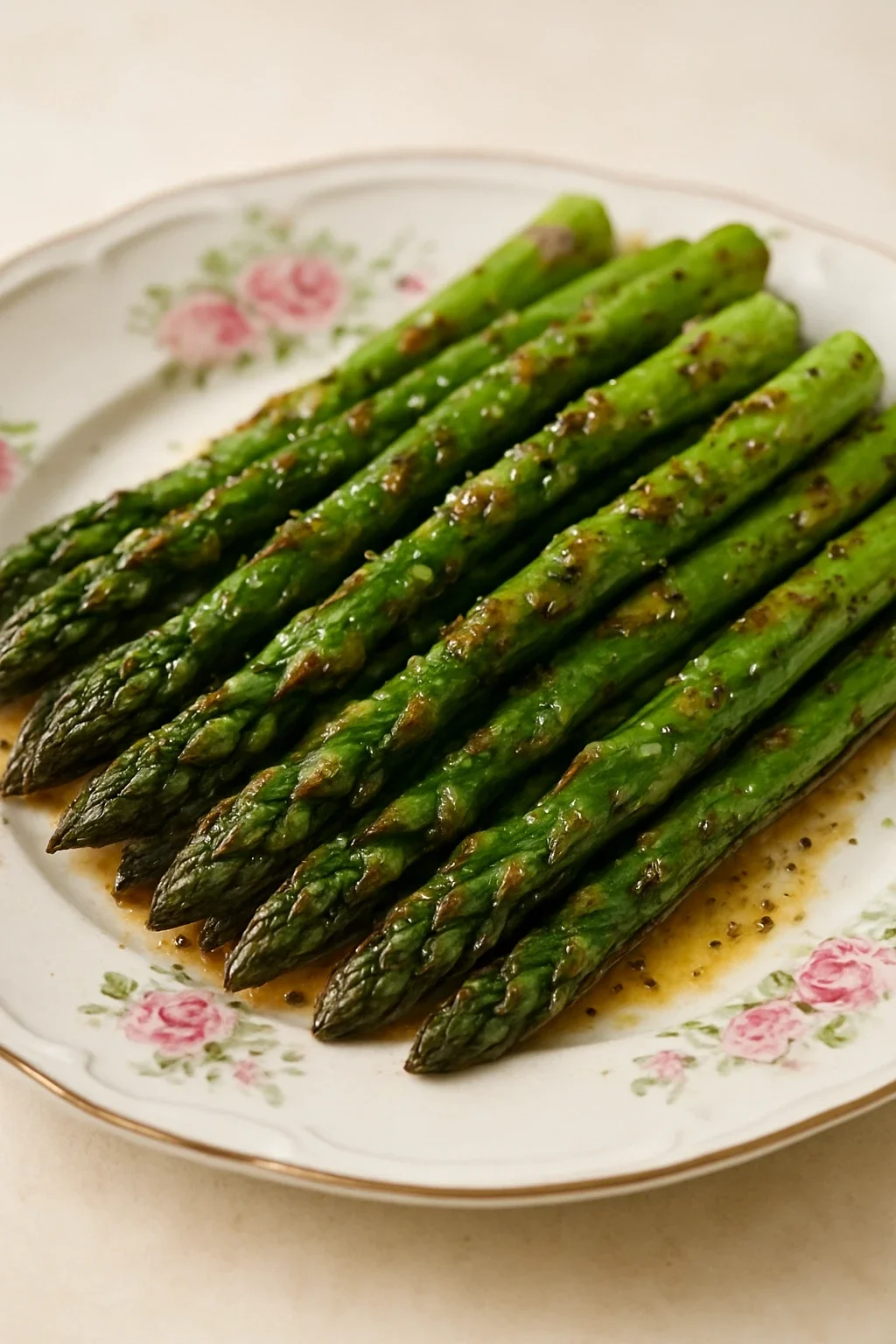
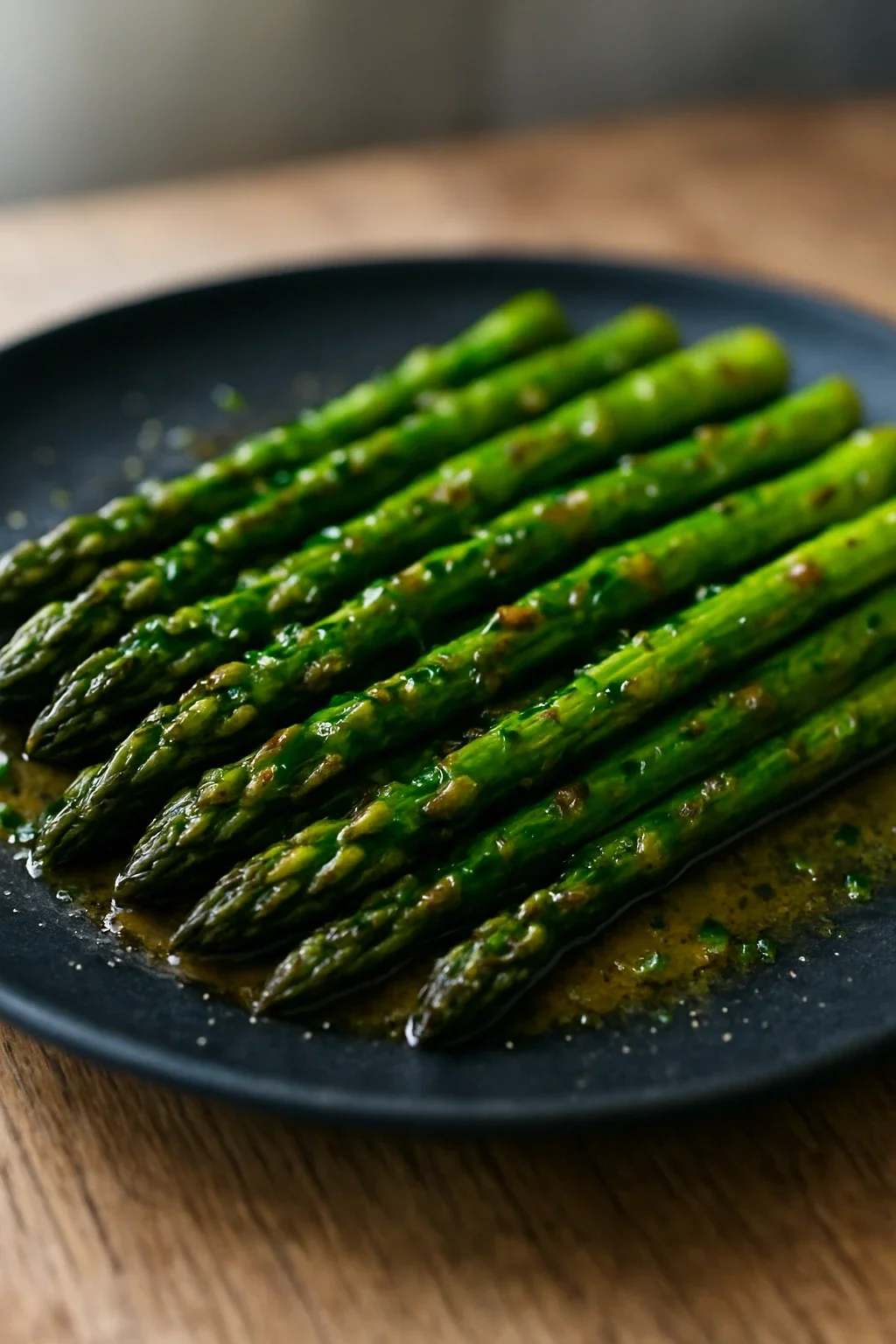
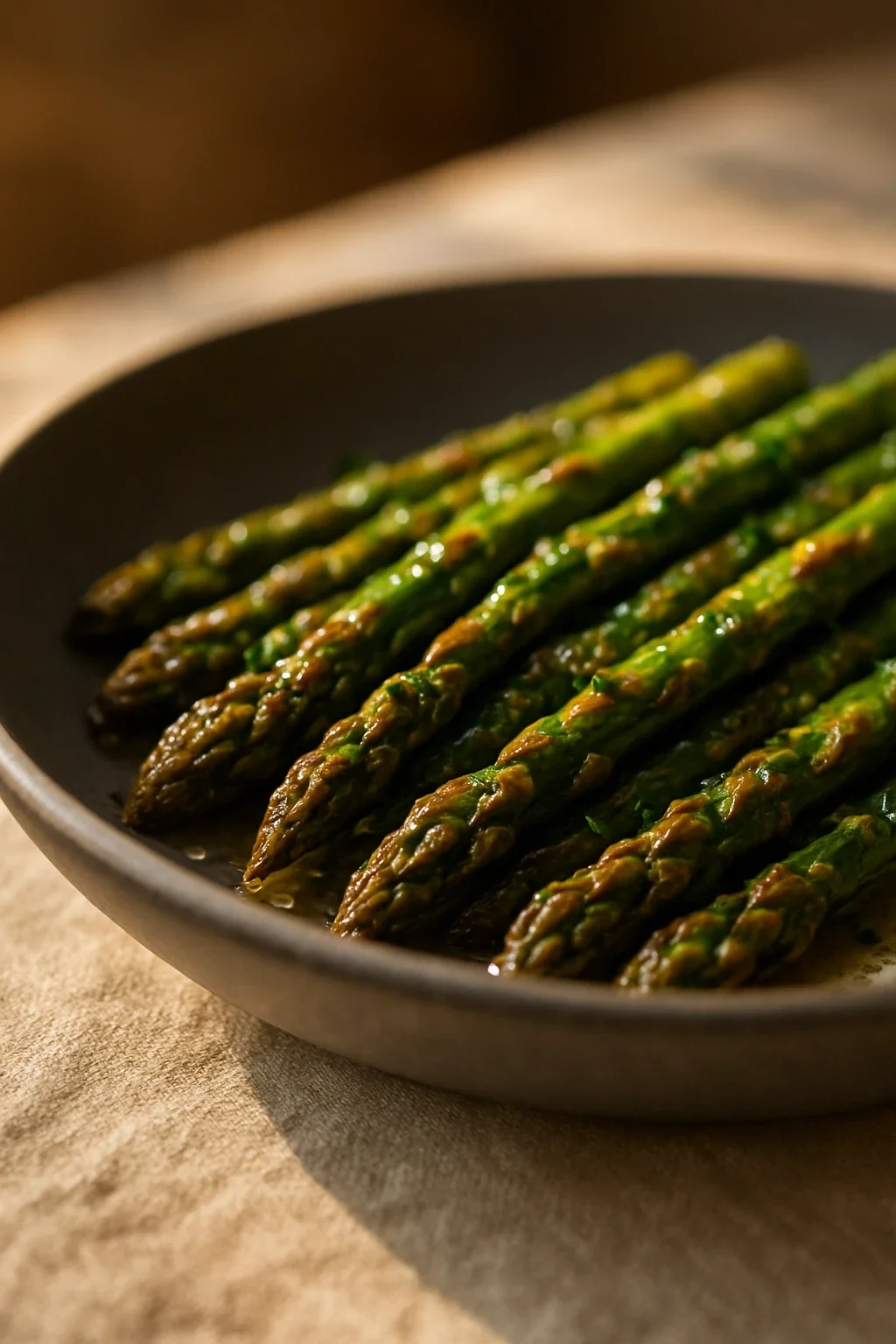
This roasted asparagus side dish highlights the fresh, bright flavors of spring. Lemon zest adds a subtle tang that complements the natural earthiness of asparagus. Ideal for Easter dinner or any spring meal, it balances simplicity with a lively taste profile.
Introduction
Every spring, when fresh asparagus appears at the market, I look forward to preparing it simply to showcase its bright, grassy flavor. This roasted asparagus with lemon zest recipe has become a staple at our Easter dinners. The roasting process softens the stalks just enough while preserving a slight snap, and the lemon zest adds a subtle citrus aroma that lifts the dish. It’s an uncomplicated side that pairs well with richer mains, especially during spring celebrations when lighter, fresh flavors are welcome. I appreciate how straightforward this recipe is, yet it delivers a noticeable depth of flavor that feels seasonal and fresh.
How To Do It
Step 1
Preheat your oven to 220°C (425°F). Preparing the oven first ensures the high heat needed to roast the asparagus quickly and evenly.
⏱ Time: 5 minutes
✓ Doneness: Oven fully heated with a steady hot air environment
Step 2
Rinse the asparagus under cold water and pat dry thoroughly with a kitchen towel. Trim the tough woody ends by snapping or cutting about 2-3 cm (1 inch) from the bottom.
⏱ Time: 3-5 minutes
✓ Doneness: Asparagus spears are clean, dry, and trimmed with fresh green color
Step 3
Place the asparagus in a single layer on a baking sheet. Drizzle the olive oil over the spears and toss gently to coat evenly. Sprinkle the sea salt, black pepper, and lemon zest over the asparagus, distributing them uniformly.
⏱ Time: 2 minutes
✓ Doneness: Asparagus is evenly coated with oil and seasonings; lemon zest visible on surface
Step 4
Roast the asparagus in the preheated oven for 10-12 minutes. About halfway through (at 6 minutes), shake the pan or use tongs to turn the spears to promote even browning. The asparagus should be tender yet still firm and slightly crisp at the tips when done.
⏱ Time: 10-12 minutes
✓ Doneness: Asparagus develops slight golden-brown spots, especially on tips; aroma is fragrant and citrusy
Step 5
Remove the asparagus from the oven and, if desired, drizzle with freshly squeezed lemon juice for extra brightness. Serve immediately to preserve texture and aroma.
⏱ Time: 0 minutes (serving)
✓ Doneness: Asparagus is hot, tender but not mushy, and fragrant with fresh citrus notes
Pro Tips
Choose asparagus stalks of uniform thickness to ensure even cooking.
Thin stalks can overcook quickly and become mushy, while very thick ones may remain tough. Uniform size helps achieve consistent tenderness and texture.
Dry asparagus thoroughly before roasting to encourage proper browning.
Moisture on the surface creates steam, which inhibits caramelization and can lead to soggy texture instead of the desired slight crispness.
Use a microplane to zest the lemon finely, avoiding the bitter white pith.
The pith adds an unpleasant bitterness that can overpower the delicate asparagus flavor. Fine zest releases delicate oils more evenly.
Turn asparagus halfway through roasting for even color and texture.
Because of direct heat from the oven’s bottom, turning ensures all sides receive equal exposure to heat and develop subtle browning.
Add lemon juice after roasting rather than before.
Lemon juice’s acidity can break down the asparagus fibers if cooked with it, leading to limp texture. Adding it after preserves freshness.
Common Mistakes to Avoid
Roasting at too low a temperature causing limp asparagus.
Why it happens Low temperature doesn't encourage Maillard browning or moisture evaporation, so asparagus steams instead of roasting.
Fix Preheat oven to 220°C (425°F) and roast quickly for best texture.
Skipping drying the asparagus after washing.
Why it happens Excess surface water creates steam in the oven, preventing browning and crispness.
Fix Pat asparagus completely dry with towel before seasoning and roasting.
Overcooking the asparagus until mushy.
Why it happens Leaving asparagus in the oven too long breaks down fibers excessively.
Fix Check doneness at 10 minutes, remove once tender but still firm and slightly crisp.
Adding lemon juice before roasting.
Why it happens Acid breaks down cell walls during roasting, leading to soggy texture.
Fix Add lemon juice after roasting or serve on the side as a fresh condiment.
Variations
Garlic and Parmesan Roasted Asparagus
Add 2 minced garlic cloves tossed with the asparagus before roasting. After cooking, sprinkle 2 tablespoons (15g) of freshly grated Parmesan cheese over the hot spears.
Note: Garlic mellows with roasting, adding savory depth. Parmesan melts slightly on hot asparagus, creating a subtle umami crust.
Spicy Chili-Lemon Asparagus
Sprinkle 1/4 teaspoon (1g) of crushed red pepper flakes with the seasonings before roasting for a gentle heat, balanced with the lemon zest.
Note: Chili flakes infuse gentle heat without overpowering the asparagus. Roasting temp softens the spice, blending it with citrus notes.
Balsamic Glazed Asparagus
Drizzle 1 tablespoon (15ml) of aged balsamic vinegar over the asparagus after roasting for a sweet-tart finish.
Note: Balsamic adds complexity and balances the asparagus’s vegetal notes. Adding after roasting prevents burning or excessive caramelization of vinegar.
Vegan Lemon-Tahini Asparagus
After roasting, toss asparagus with 1 tablespoon (15ml) tahini and an extra splash of lemon juice for a creamy, nutty coating.
Note: Tahini adds richness and a subtle bitterness that complements the citrus and roasted flavors, making it a more substantial side.
Spring Herb and Lemon Asparagus
Mix 1 tablespoon (15ml) chopped fresh herbs such as parsley, chives, or dill with the lemon zest before roasting for an herbal boost.
Note: Herbs add fresh, green notes that harmonize with lemon and asparagus. Adding before roasting softens their flavor slightly, integrating them into the dish.
Nutrition
Per Serving:
approximately 90
Calories
These values are estimates and may vary depending on ingredient brands, the exact size of asparagus, and amount of oil used.
Storage & Tips
Room Temperature
Do not leave roasted asparagus at room temperature for more than 2 hours to minimize bacterial growth.
Refrigerator
Store cooled roasted asparagus in an airtight container for up to 3 days. The texture softens over time but flavor remains pleasant.
Freezer
Freezing roasted asparagus is not recommended as texture degrades significantly after thawing.
Reheating
Reheat gently in a preheated oven at 175°C (350°F) for 5-7 minutes to warm without overcooking. Avoid microwaving which can make asparagus rubbery.
Make Ahead
Prepare the asparagus through trimming and seasoning up to 4 hours ahead, store covered in the refrigerator, then roast just before serving for best texture and flavor.
FAQ
Can I make roasted asparagus with lemon zest ahead of time?
You can prepare and season the asparagus a few hours ahead, but it's best to roast just before serving to maintain texture and aroma.
Why is my roasted asparagus soggy instead of crisp?
This usually happens if the asparagus was not dried well before roasting or if the oven temperature was too low. Make sure to pat dry and roast at high heat.
Can I use bottled lemon zest or lemon extract instead of fresh zest?
Fresh lemon zest is recommended for its fresh oils and aroma. Bottled zest or extracts lack the same intensity and can alter flavor.
How long does roasted asparagus last in the fridge?
Roasted asparagus keeps well for up to 3 days in an airtight container refrigerated. Its texture softens but remains safe to eat.
Can I roast frozen asparagus?
Frozen asparagus releases extra moisture when cooking, often resulting in soggier texture. Fresh asparagus is preferable for roasting.
How can I keep asparagus from drying out while roasting?
Coating evenly with olive oil before roasting helps retain moisture. Roasting quickly at high heat also prevents drying.
Final Thoughts
This roasted asparagus with lemon zest captures the essence of spring in a simple yet flavorful side dish. I welcome your thoughts or any variations you've tried—feel free to leave a comment and share your experience.