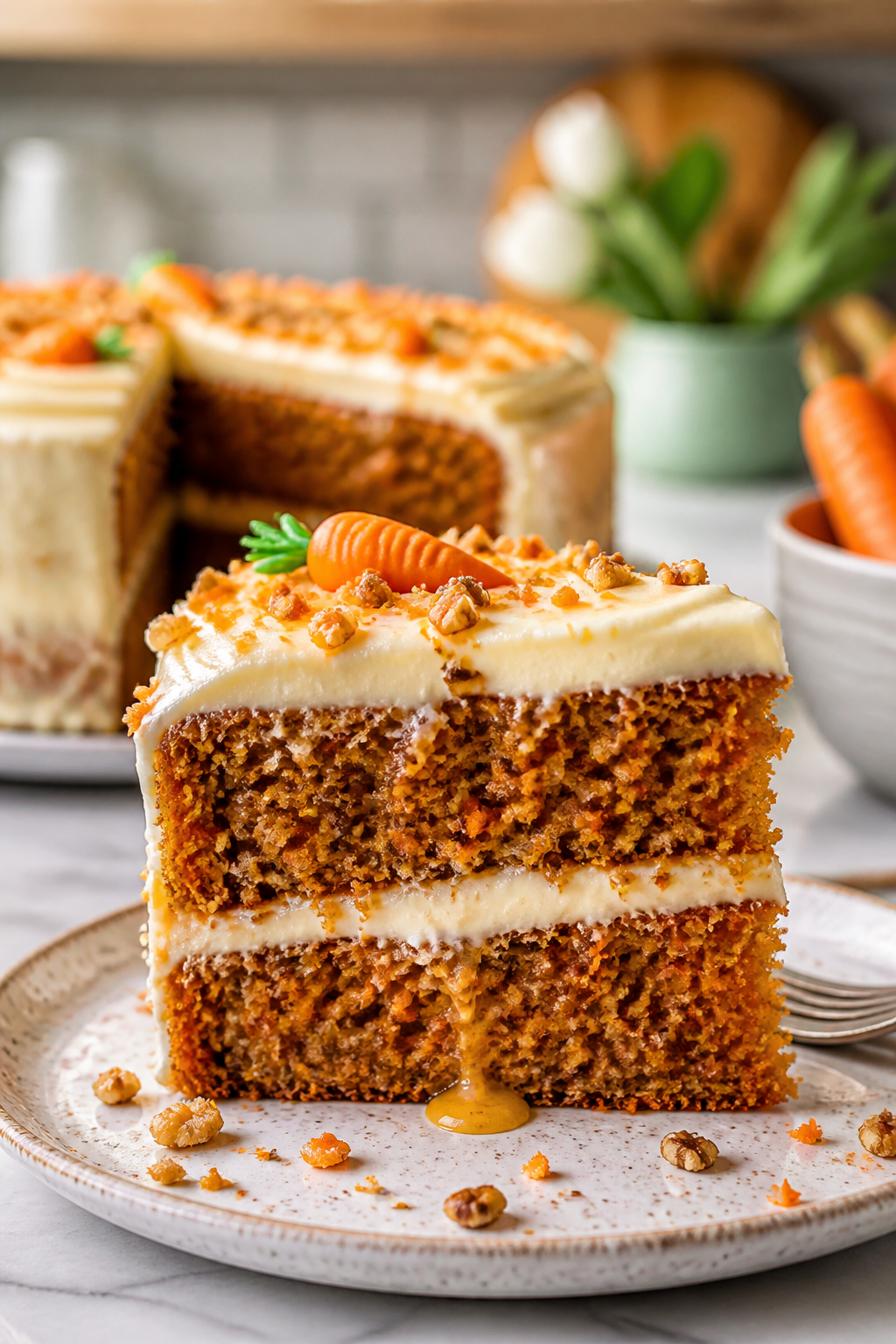
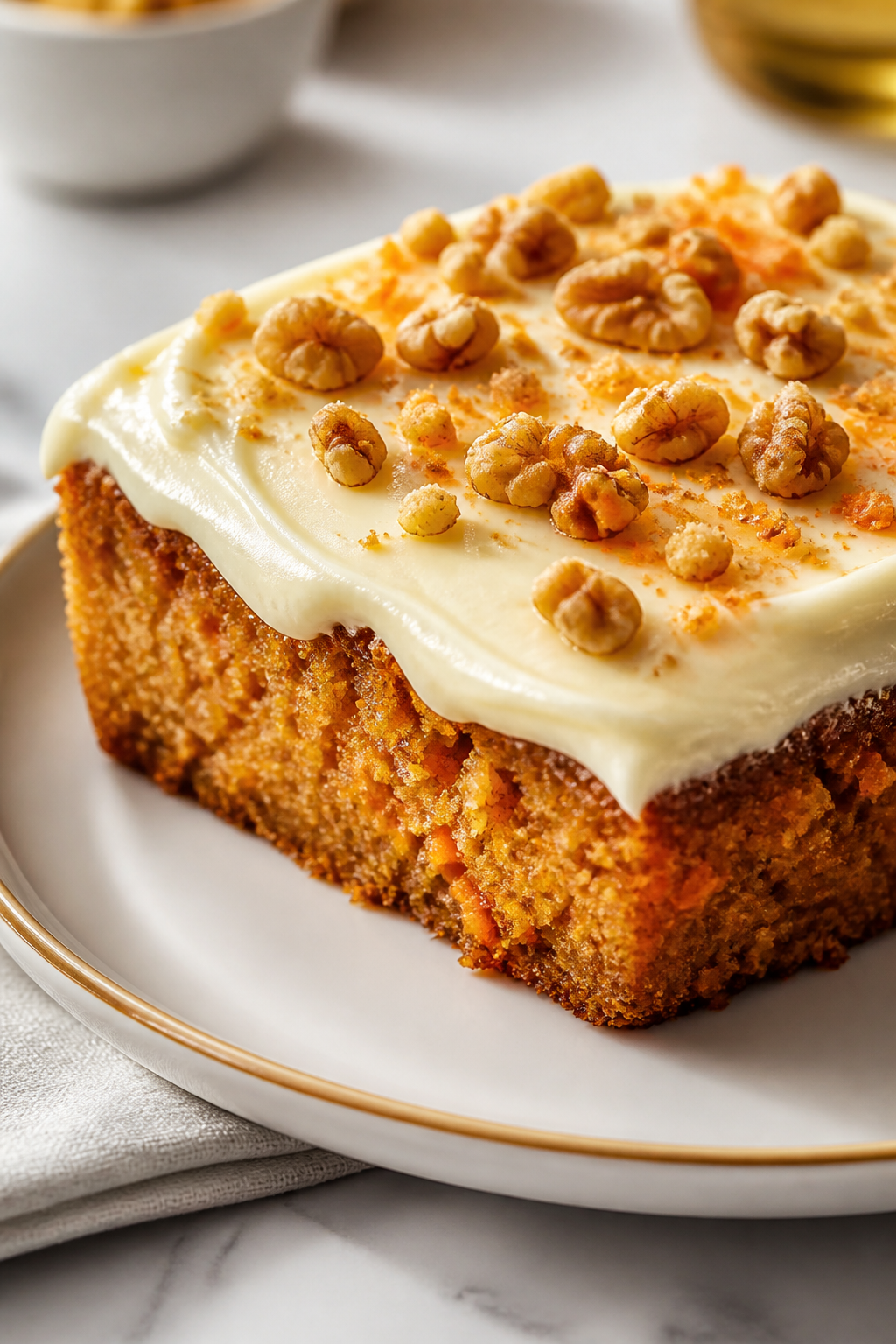
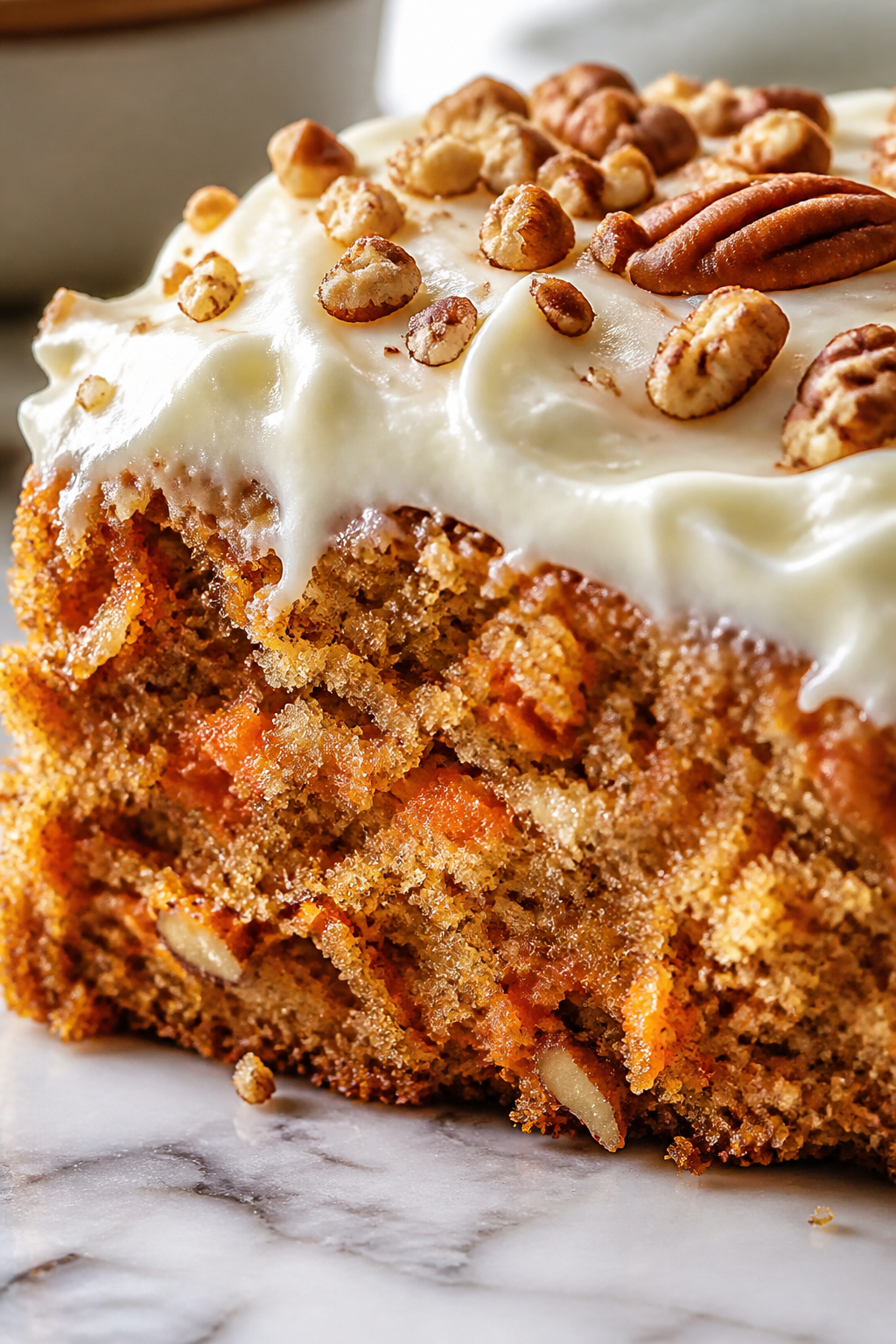
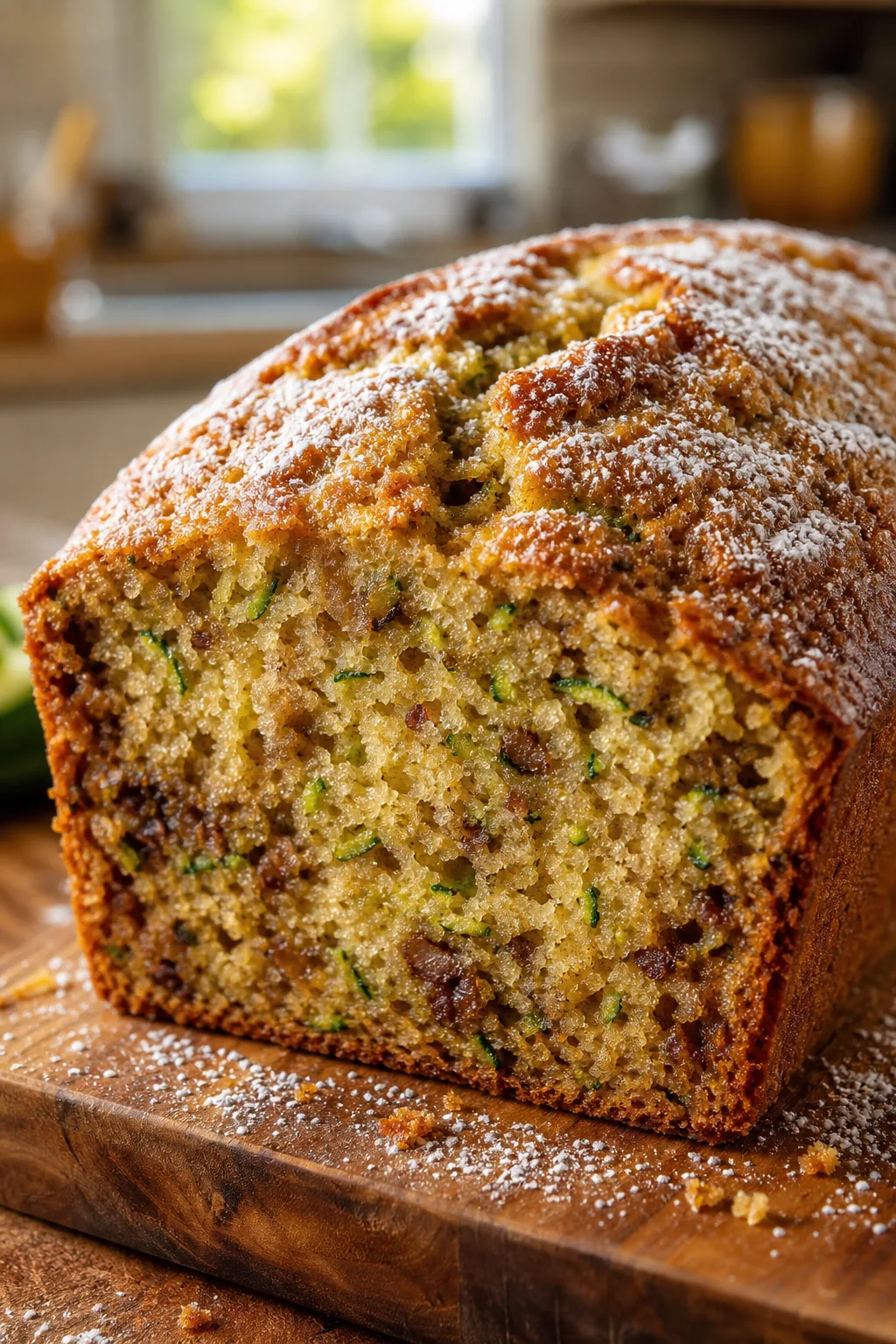
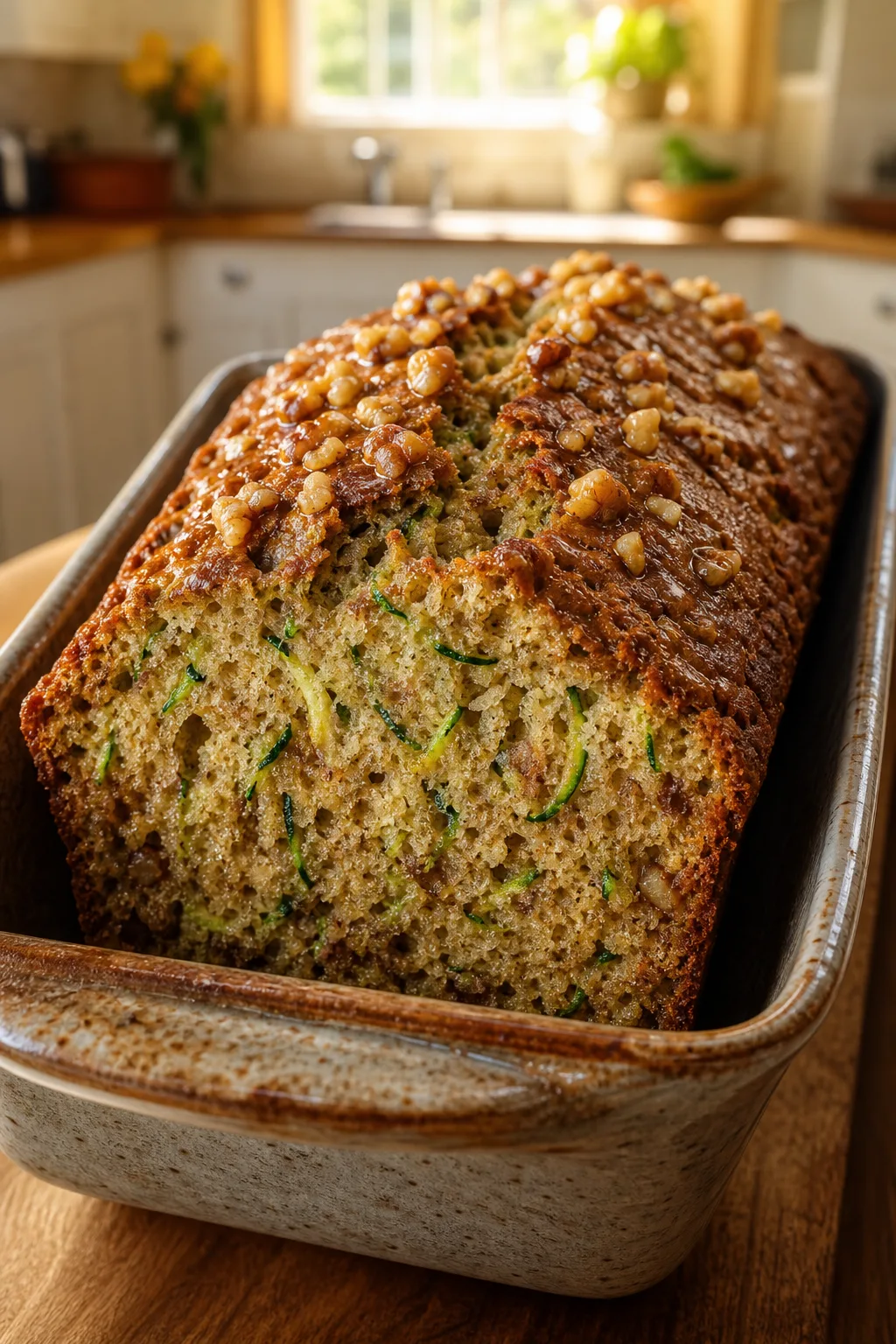
This carrot cake is my go-to spring treat—super moist and bursting with cozy spices. The silky cream cheese frosting adds a perfect tang. Great for Easter brunch or any sunny afternoon when you want a sweet pick-me-up!
Introduction
I first made this carrot cake years ago for a family Easter brunch, and it quickly became a tradition. What I love about this version is how moist and tender it turns out without being overly sweet. The warm spices like cinnamon and nutmeg give it that cozy feeling, but it never feels heavy. I learned a trick early on—grating the carrots finely and folding them gently into the batter keeps the texture light and moist. Plus, using both baking powder and baking soda helps the cake rise just right. The cream cheese frosting is silky smooth and has just the right tang to balance the sweetness of the cake. I’ve tried other frostings, but this one always wins in my book. It’s perfect for springtime celebrations or just a weekend treat when you want something comforting but fresh. The walnuts add a nice crunch if you like that texture, but they’re totally optional. When you slice into this cake, you’ll see a beautiful speckling of orange and spices that smell heavenly. It’s the kind of dessert that invites you to slow down and enjoy a moment. Honestly, I’ve had my share of carrot cakes that turned out dry or too dense, but this recipe nails it every time. I can’t wait for you to try it and see for yourself!
What You'll Need
One 9-inch two-layer cake, 8 servings
- 2 cups all-purpose flour, sifted
- 1 1/2 teaspoons baking powder
- 1 teaspoon baking soda
- 1/2 teaspoon salt
- 1 1/2 teaspoons ground cinnamon
- 1/2 teaspoon ground nutmeg
- 1/4 teaspoon ground ginger
- 1 cup granulated sugar
- 1/2 cup packed brown sugar
- 3 large eggs
- 1 cup vegetable oil
- 2 teaspoons vanilla extract
- 3 cups finely grated carrots
- 1/2 cup chopped walnuts (optional)
- For the frosting:
- 8 ounces cream cheese, softened
- 1/2 cup unsalted butter, softened
- 3 cups powdered sugar, sifted
- 1 teaspoon vanilla extract
How To Do It
Step 1
Preheat your oven to 350°F (175°C). Grease and flour two 9-inch round cake pans, or line them with parchment paper. This step ensures your cakes don’t stick and come out cleanly, which is especially important for delicate batters like carrot cake. If you skip greasing properly, you risk tearing the cake or losing that perfect crust during removal.
⏱ Time: 10
✓ Doneness: Pans are evenly coated and parchment paper is smoothly fitted
Step 2
In a large bowl, whisk together the flour, baking powder, baking soda, salt, cinnamon, nutmeg, and ginger. Sifting or whisking thoroughly helps evenly distribute the leavening and spices. This prevents clumping and ensures your cake rises uniformly with balanced flavor throughout.
⏱ Time: 5
✓ Doneness: Dry ingredients are well combined with no visible clumps
Step 3
In a separate bowl, beat the granulated sugar, brown sugar, and eggs until creamy and pale. This aerates the eggs and dissolves the sugars slightly, which helps create a tender crumb. Be careful not to overbeat as that could incorporate too much air and make the cake crumbly.
⏱ Time: 5
✓ Doneness: Mixture looks smooth, lighter in color, and slightly thickened
Step 4
Slowly add the oil and vanilla extract to the sugar and egg mixture, mixing just until combined. Adding oil gradually helps it emulsify into the batter for moistness. Overmixing here can break down the batter and result in a dense cake, so mix gently but thoroughly.
⏱ Time: 3
✓ Doneness: Batter is smooth and shiny with no visible oil separation
Step 5
Fold the dry ingredients into the wet mixture in batches, mixing gently until just combined. Avoid overmixing to keep the crumb tender. The flour needs to be incorporated without developing too much gluten, which would toughen the cake. Stop as soon as you see no more streaks of flour.
⏱ Time: 5
✓ Doneness: Batter is uniform with no dry flour visible but still light
Step 6
Gently fold in the finely grated carrots and walnuts (if using). The fine grating ensures the carrots add moisture and sweetness without a stringy texture. Walnuts add crunch and contrast but don’t overmix to avoid breaking them up too much.
⏱ Time: 3
✓ Doneness: Carrots and nuts are evenly distributed without batter deflating
Step 7
Divide the batter evenly between the prepared pans and smooth the tops with a spatula. Even layers bake uniformly, so use a kitchen scale if you want precision. Smooth tops help the cake layers stack nicely when frosted.
⏱ Time: 2
✓ Doneness: Batter is level and fills pans about two-thirds full
Step 8
Bake for 35-40 minutes, rotating pans halfway through for even baking. Insert a toothpick into the center; it should come out clean or with a few moist crumbs. Don’t overbake or the cake will dry out. Watch for a golden-brown top and a springy texture when gently pressed.
⏱ Time: 40
✓ Doneness: Toothpick test passes and cake springs back when pressed
Step 9
Let the cakes cool in the pans for 15 minutes, then run a knife around edges and invert onto wire racks to cool completely. Cooling in the pan too long traps moisture and can make the cake soggy. Complete cooling ensures the frosting won’t melt when applied.
⏱ Time: 30
✓ Doneness: Cakes are fully cooled to room temperature and firm to the touch
Step 10
For the frosting, beat the softened cream cheese and butter together until smooth and creamy. Gradually add the powdered sugar and vanilla, beating until fluffy. The butter and cream cheese create a silky texture. Make sure ingredients are at room temperature to avoid lumps.
⏱ Time: 10
✓ Doneness: Frosting is smooth, spreadable, and holds soft peaks
Step 11
Spread a generous layer of frosting on one cake layer, then top with the second layer. Finish frosting the sides and top evenly. Use an offset spatula for smooth edges. Chill briefly if frosting feels too soft to help it set before serving.
⏱ Time: 10
✓ Doneness: Cake is fully frosted with a smooth, even finish
Pro Tips
Grate carrots finely for the best texture.
Fine grating releases moisture evenly and prevents stringy bits in the cake, which can affect how tender it feels. Coarse carrots can create uneven texture and pockets of moisture.
Use room temperature ingredients for the frosting.
Softened cream cheese and butter blend smoothly, preventing lumps and ensuring the frosting is silky and spreadable. Cold ingredients won’t mix well and can make the frosting grainy.
Don’t overmix the batter once flour is added.
Overmixing develops gluten, which can make the cake tough and dense instead of tender and soft. Mix just until the dry ingredients disappear for a light crumb.
Rotate pans halfway through baking.
Ovens often have hot spots. Rotating ensures even heat distribution so both layers bake uniformly, preventing one side from browning too quickly or undercooking.
Cool cakes completely before frosting.
If the cake is warm, frosting will melt and slide off. Cooling preserves the cake’s texture and allows the frosting to set nicely, giving a clean, professional look.
Use fresh baking powder and soda.
Leavening agents lose potency over time, resulting in flat or dense cakes. Test freshness by mixing with vinegar or hot water to see if they bubble actively.
Add a pinch of salt to the frosting.
Salt enhances the cream cheese flavor and balances the sweetness, making the frosting taste richer and more complex.
Common Mistakes to Avoid
Overmixing after adding flour.
Why it happens Many assume mixing thoroughly is better, but overmixing develops gluten and makes the cake dense.
Fix Mix dry ingredients into wet only until flour disappears. Use a spatula and fold gently to preserve tenderness.
Using cold cream cheese and butter for frosting.
Why it happens Sometimes people frost straight from the fridge, which causes lumps and uneven spreading.
Fix Let cream cheese and butter sit at room temperature for at least 30 minutes before beating for smooth frosting.
Not measuring flour correctly.
Why it happens Scooping flour directly with a cup can pack it too tightly, adding too much and drying the cake.
Fix Spoon flour lightly into measuring cup and level with a knife for accurate measurement.
Skipping the parchment paper or greasing pans insufficiently.
Why it happens This can cause cakes to stick and break when removing from pans.
Fix Grease pans well and line with parchment paper for easy release and clean edges.
Baking at too high temperature.
Why it happens High heat can brown the cake too fast on the outside while leaving the inside undercooked.
Fix Bake at 350°F (175°C) and check doneness with a toothpick near the end of baking.
Variations
Pineapple and Coconut Carrot Cake
Add 1 cup crushed pineapple (drained) and 1/2 cup shredded coconut to the batter for a tropical twist. This adds moisture and a sweet, nutty flavor that pairs beautifully with the spices.
Note: Reduce oil slightly to compensate for pineapple moisture and fold ingredients gently to avoid deflating the batter.
Gluten-Free Carrot Cake
Swap the all-purpose flour for a gluten-free blend that includes xanthan gum. This keeps the cake structure intact while making it safe for gluten-sensitive eaters.
Note: Check that your gluten-free blend has a balance of starch and protein for best texture.
Vegan Carrot Cake
Replace eggs with flax eggs (1 tbsp ground flaxseed + 3 tbsp water per egg) and use plant-based milk and vegan butter. The cake stays moist and flavorful with these swaps.
Note: Allow flax eggs to gel for 10 minutes before mixing and increase baking time slightly if needed.
Spiced Walnut Carrot Cake with Orange Zest
Add 1 tbsp orange zest and increase walnuts to 3/4 cup for extra zing and crunch. The citrus brightens the spices and adds a fresh aroma.
Note: Zest finely to avoid bitter pith and fold walnuts in last to maintain texture.
Carrot Cake Cupcakes
Divide batter into lined muffin tins to bake cupcakes. Bake for 20-25 minutes and frost once cooled for portable, single-serving treats.
Note: Check doneness earlier as cupcakes bake faster and watch for domed tops before cooling.
Nutrition
Per Serving:
Nutritional values are estimates and may vary based on specific ingredients used.
Storage & Tips
Room Temperature
Store the carrot cake covered at room temperature for up to 2 days. Keep it tightly wrapped or in an airtight cake container to prevent it from drying out or absorbing odors.
Refrigerator
Keep the cake in an airtight container in the fridge for up to 5 days. The frosting may firm up and the cake can taste even better chilled, but let it come to room temperature before serving for best flavor.
Freezer
Wrap cake layers tightly in plastic wrap and then foil to freeze for up to 3 months. Thaw overnight in the fridge and bring to room temperature before frosting and serving to restore texture.
Reheating
Warm individual slices gently in the microwave for 15-20 seconds or in a low oven (300°F) wrapped in foil for 10 minutes. Avoid overheating to keep the cake moist. You can add a small dab of butter or cream cheese frosting after warming if desired.
Make Ahead
Bake the cake layers 1-2 days ahead and store wrapped at room temperature or refrigerated. Prepare the frosting separately and assemble the cake the day you plan to serve for the freshest results.
FAQ
Can I use frozen grated carrots for this recipe?
Yes, you can use frozen grated carrots, but make sure to thaw and drain them well to avoid excess moisture, which can make the cake soggy. Squeeze out any liquid before folding them into the batter.
How can I make the cake more moist?
Using vegetable oil instead of butter helps keep the cake moist. Also, finely grated carrots add natural moisture. Avoid overbaking, and be sure to measure flour properly to prevent dryness.
What can I substitute for walnuts if I’m allergic?
You can omit walnuts entirely or substitute with chopped pecans, sunflower seeds, or even raisins for texture. Just be mindful that the flavor and crunch will vary.
Why does my carrot cake sometimes turn out dense?
Dense cake often results from overmixing the batter, especially after adding flour. Mix just until combined to keep the crumb light. Also, check that your baking powder and soda are fresh and active.
Can I make this cake gluten-free?
Absolutely! Use a gluten-free all-purpose flour blend with xanthan gum included. Make sure to test the blend’s performance, as some absorb more liquid, and adjust moisture accordingly.
How long does the frosting last on the cake?
The cream cheese frosting lasts about 3-5 days refrigerated. Keep the cake covered to prevent it from drying out. The frosting may firm up in the fridge but softens nicely at room temperature.
Can I freeze the whole frosted cake?
Freezing a frosted cake is possible but the frosting texture might change slightly. It’s better to freeze unfrosted layers and add frosting after thawing for best results.
What’s the best way to get smooth frosting?
Use room temperature cream cheese and butter, beat them well before adding powdered sugar gradually. Sift the sugar to avoid lumps and beat until fluffy and smooth.
How do I avoid the cake sticking to the pans?
Grease pans thoroughly and line with parchment paper. Let the cake cool slightly before removing to prevent tearing or sticking.
Can I add pineapple or other fruits to this carrot cake?
Yes, adding pineapple or raisins can add moisture and flavor. Drain pineapple well to avoid excess liquid and fold gently into the batter to maintain texture.
Final Thoughts
I hope you enjoy making and sharing this carrot cake as much as my family does. Don’t forget to let me know how yours turns out!