This bright and breezy pasta dish combines fresh peas, zesty lemon, and creamy Parmesan for a light spring dinner. The secret? Using lemon zest and juice to lift all the flavors. Great for a quick weeknight meal when you want something fresh and satisfying.
Introduction
I first made this spring pasta dish a few years ago when I was craving something light but satisfying after a long winter. What I love about this recipe is how simple it is—just a handful of fresh ingredients come together to create a bright, flavorful meal. The trick I learned early on was to use both lemon zest and juice; the zest adds a fragrant brightness while the juice brings a fresh tang that wakes up the whole dish. I also like to reserve some pasta water to help create a silky sauce that clings to every strand. It’s perfect for those busy weeknights when you want something fresh and homemade without spending hours in the kitchen. The peas add a subtle sweetness and pop of color, making this pasta feel just right for spring. Plus, it’s a crowd-pleaser whether you’re serving family or friends. I’ve tweaked this recipe over time to balance the lemon and cheese perfectly, and I think you’ll notice the difference. It’s creamy yet light, tangy yet comforting. If you’re looking for a no-fuss pasta that tastes like spring on a plate, this one’s for you!
How To Do It
Step 1
Bring a large pot of salted water to a boil. Add the pasta and cook according to package instructions until al dente, usually about 8-10 minutes. Don’t forget to stir occasionally to prevent sticking. Cooking pasta al dente is key here because it ensures the noodles have just the right bite and won’t turn mushy when tossed with the sauce later. Once cooked, reserve about 1/4 cup of the pasta water before draining. This starchy water helps to create a silky sauce that binds the ingredients together beautifully.
⏱ Time: 10
✓ Doneness: Pasta is tender but still firm to the bite, not mushy or overly soft.
Step 2
While the pasta cooks, heat olive oil in a large skillet over medium heat. Add minced garlic and sauté for about 1 minute until fragrant but not browned. This step infuses the oil with garlic flavor, which is the foundation of the sauce. Be careful not to burn the garlic, as it will turn bitter and spoil the delicate balance of flavors. Once fragrant, add the peas and cook for 2-3 minutes until heated through and bright green. This quick sauté keeps the peas fresh and sweet, adding a lovely texture contrast to the pasta.
⏱ Time: 5
✓ Doneness: Garlic is golden and aromatic; peas are vibrant and tender but not mushy.
Step 3
Add the drained pasta to the skillet with the garlic and peas. Toss well to combine. Then, pour in the reserved pasta water, lemon juice, and lemon zest. Toss everything together over medium heat for 2-3 minutes. The pasta water helps emulsify the lemon juice and olive oil, creating a light sauce that clings to the noodles. This step also warms the lemon flavor through the pasta, making it more aromatic and balanced. Tossing thoroughly ensures every bite is flavorful.
⏱ Time: 3
✓ Doneness: Sauce looks glossy and coats the pasta evenly; you can smell fresh lemon.
Step 4
Remove the skillet from heat and stir in the grated Parmesan cheese and chopped parsley. The residual heat gently melts the cheese, lending creaminess without the need for cream. Stirring off the heat prevents the cheese from clumping or becoming grainy. The parsley adds a fresh herbal note that brightens the dish visually and in flavor. Season generously with salt and freshly ground black pepper to taste. The salt enhances all the flavors, so don’t skip this step!
⏱ Time: 2
✓ Doneness: Cheese is melted and sauce is creamy; parsley looks fresh and vibrant.
Step 5
Give everything a final toss to combine all the ingredients evenly. Taste and adjust seasoning if needed—sometimes a little extra lemon juice or salt can really lift the flavors. Serve immediately with extra Parmesan on the side. This pasta is best enjoyed fresh because the sauce is light and doesn’t hold up well if left sitting. The bright lemon and fresh peas make it a perfect dish to welcome spring.
⏱ Time: 1
✓ Doneness: Dish looks vibrant with creamy sauce coating pasta; flavors balanced and fresh.
Step 6
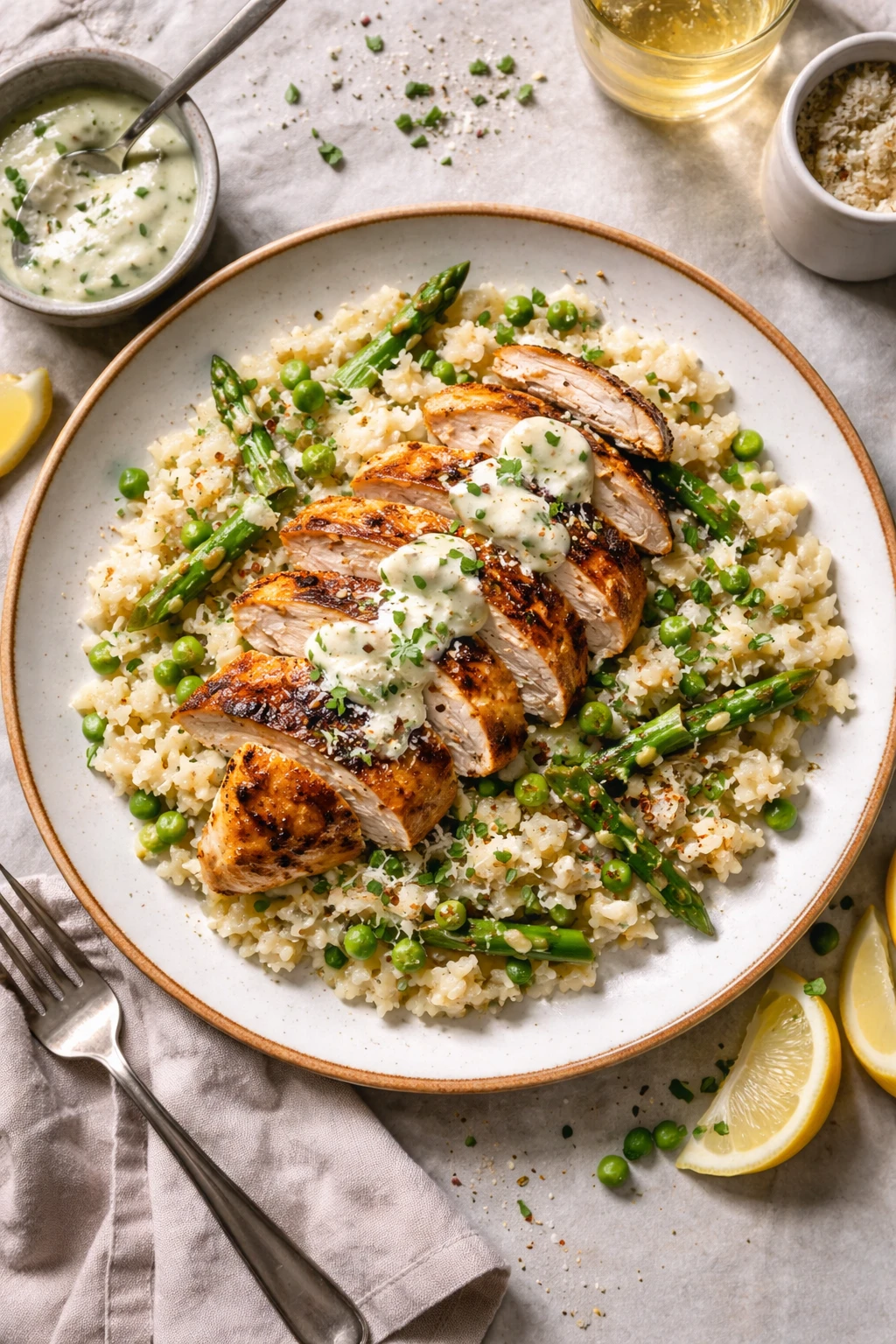
Optional: For a little protein, toss in cooked grilled chicken or shrimp before serving. This adds heartiness without overpowering the freshness of the dish. Simply slice your cooked protein thinly and fold it in gently so it warms through without drying out. This makes the meal more filling and perfect for dinner guests or a family meal.
⏱ Time: 3
✓ Doneness: Protein pieces are warmed and integrated but still tender and juicy.
Step 7
If you want a bit more texture, sprinkle toasted pine nuts or slivered almonds over the finished pasta. Toasting nuts enhances their nuttiness and adds a pleasant crunch, contrasting nicely with the creamy sauce and tender peas. Be sure to watch the nuts carefully while toasting to avoid burning, which can make them bitter.
⏱ Time: 5
✓ Doneness: Nuts are golden brown and fragrant, not burnt.
Step 8
For an extra layer of flavor, add a pinch of red pepper flakes when sautéing the garlic. This adds a subtle heat that complements the lemon’s brightness. Adjust the amount based on how spicy you like your dishes. This simple addition turns a mild pasta into something with a bit more personality.
⏱ Time: 1
✓ Doneness: Garlic oil has a slight red hue from flakes, and aroma is slightly spicy.
Step 9
Finally, serve the pasta immediately with a wedge of lemon on the side so everyone can add extra brightness if they wish. Fresh herbs like basil or mint can also be added as garnish for a fresh twist. Enjoy this dish while it’s warm to appreciate the full flavors and creamy texture.
⏱ Time: 1
✓ Doneness: Dish is steaming and vibrant, ready to be enjoyed.
Pro Tips
Reserve pasta water before draining to create a silky sauce.
The starch in the pasta water acts as a natural thickener and emulsifier, helping the sauce cling to the noodles evenly. Without it, the sauce can be watery and separate, making the dish less cohesive.
Use both lemon zest and juice for balanced citrus flavor.
Zest contains aromatic oils that add fragrance without acidity, while juice adds brightness and tang. Using both layers the flavor and prevents the dish from tasting too sour or one-dimensional.
Cook garlic gently to avoid bitterness.
Burnt garlic tastes bitter and can ruin the dish’s delicate balance. Cooking it over medium heat just until fragrant extracts its sweetness and aroma, creating a flavorful base without harshness.
Add cheese off the heat to avoid clumping.
Adding cheese to too hot a pan causes it to seize and clump, resulting in a grainy texture. Stirring it in off the heat allows it to melt smoothly with the pasta water and oil, creating a creamy sauce.
Don’t overcook peas to keep their texture and color.
Overcooked peas become mushy and dull in color, losing their sweet flavor. Quick sautéing preserves their freshness and adds a nice textural contrast to the tender pasta.
Finish with fresh herbs for brightness.
Herbs like parsley add a fresh, green note that lifts the whole dish. Adding them at the end preserves their flavor and color, enhancing the visual appeal and taste.
Season generously with salt and pepper.
Proper seasoning is essential to bring out all the flavors. Under-seasoned pasta tastes flat, while the right amount of salt enhances the lemon, cheese, and peas perfectly.
Common Mistakes to Avoid
Overcooking the pasta
Why it happens Many cooks assume softer pasta is better or wait too long to drain, resulting in mushy noodles that don’t hold sauce well.
Fix Set a timer and taste the pasta 1-2 minutes before the package’s suggested time. Drain when it’s tender but still firm to the bite (al dente). This ensures the pasta maintains texture and doesn’t become mushy when mixed with the sauce.
Burning the garlic
Why it happens High heat or inattention can cause garlic to brown too quickly, turning bitter and overpowering the dish.
Fix Cook garlic over medium or medium-low heat and watch closely. Remove from heat as soon as it becomes fragrant and lightly golden. This preserves its sweet, mild flavor.
Not reserving pasta water
Why it happens Forgetting to save pasta water leads to a dry sauce that doesn’t coat the noodles well.
Fix Before draining, scoop out 1/4 cup of pasta water and set aside. Use it to loosen the sauce and help it stick to the pasta, creating a creamy, cohesive finish.
Adding cheese to hot pan
Why it happens Adding cheese to a pan that’s too hot causes it to clump and become grainy instead of melting smoothly.
Fix Remove pan from heat before stirring in Parmesan. The residual heat is enough to melt the cheese gently, keeping the sauce creamy.
Overcooking peas
Why it happens Cooking peas too long makes them mushy and dull in color, losing their fresh flavor.
Fix Add peas toward the end of sautéing and cook just until heated through and bright green, preserving their texture and sweetness.
Variations
Add Grilled Chicken for Protein Boost
Toss sliced grilled chicken into the pasta to make it a more filling meal. The smoky flavor of grilled meat pairs beautifully with lemon and peas, making this a perfect dinner for meat lovers.
Note: Add cooked chicken just before serving and toss gently to warm through without drying the meat.
Make it Vegan with Nutritional Yeast
Skip the Parmesan and use nutritional yeast instead for a cheesy flavor without dairy. Use olive oil or vegan butter to achieve a creamy texture that's just as satisfying.
Note: Add nutritional yeast off the heat to prevent bitterness and combine well with reserved pasta water.
Add Fresh Mint for Extra Brightness
Stir in chopped fresh mint along with parsley for a refreshing twist. Mint complements lemon beautifully and adds a cool herbal note that’s perfect for spring.
Note: Add mint at the end to preserve its fresh flavor and vibrant color.
Use Asparagus Instead of Peas
Swap peas for tender asparagus tips sautéed until just crisp-tender. This changes the texture and adds a slightly earthy flavor while keeping the dish fresh and seasonal.
Note: Cook asparagus in the garlic oil for 3-4 minutes until bright green and tender-crisp before adding pasta.
Spicy Kick with Red Pepper Flakes
Add a pinch of red pepper flakes when sautéing garlic to introduce subtle heat. This variation adds complexity and a warming contrast to the lemon’s brightness.
Note: Adjust red pepper flakes to taste, starting with a small pinch to avoid overpowering the dish.
Nutrition
Per Serving:
Nutritional values are estimates and may vary based on specific ingredients used.
Storage & Tips
Room Temperature
This pasta can be kept at room temperature for up to 2 hours if covered loosely. Beyond that, it’s best to refrigerate to prevent bacterial growth.
Refrigerator
Store leftover pasta in an airtight container for up to 3 days. The sauce may thicken and peas soften; reheat gently with a splash of water or olive oil to restore creaminess.
Freezer
Freezing is not recommended as the texture of peas and pasta may become mushy upon thawing. If you must freeze, use an airtight container and consume within 1 month. Thaw overnight in the fridge.
Reheating
Reheat gently on the stovetop over low heat or in the microwave with a splash of water or olive oil. Avoid high heat to prevent drying out or toughening the pasta.
Make Ahead
You can prepare the pasta and sauce separately a day ahead. Store pasta and sauce in separate containers and combine just before serving to maintain texture and flavor.
FAQ
Can I use frozen peas instead of fresh?
Absolutely! Frozen peas work wonderfully in this recipe and are often picked and frozen at peak freshness. Just add them to the skillet straight from the freezer and cook until heated through. Avoid thawing beforehand to prevent them from becoming mushy.
What’s the best way to prevent the sauce from being watery?
Using reserved pasta water helps thicken the sauce naturally. Be sure to add it gradually and toss well. Also, avoid adding too much lemon juice at once—balance acidity with the cheese and oil to keep the sauce creamy and not runny.
Can I make this dish gluten-free?
Be sure to check that your Parmesan cheese is gluten-free, as some processed cheeses may contain additives.
How do I store leftovers without the pasta drying out?
Store leftovers in an airtight container and add a small drizzle of olive oil before sealing. This helps prevent the pasta from sticking together and drying out. When reheating, add a splash of water or oil to loosen the sauce.
Can I add cream to make the sauce richer?
You can add a splash of cream if you prefer a richer sauce, but it’s not necessary. The Parmesan and pasta water create a naturally creamy texture. Adding cream changes the flavor balance and makes the dish heavier, which may overshadow the fresh lemon notes.
What herbs work best besides parsley?
Fresh basil, mint, or chives all complement the lemon and peas nicely. Add them at the end of cooking to preserve their bright flavor and color. Experiment with combinations to find your favorite!
Is it okay to use garlic powder instead of fresh garlic?
Fresh garlic provides the best flavor and aroma for this dish. Garlic powder won’t deliver the same depth and can taste flat. If you must use it, add a small pinch towards the end of cooking, but fresh is always preferred.
How can I make this recipe vegan?
Replace Parmesan with nutritional yeast or a vegan cheese alternative, and use olive oil or vegan butter. The lemon and peas will still shine, making it a delicious plant-based meal.
Final Thoughts
I hope you give this bright spring pasta a try soon—it’s one of my favorite ways to celebrate seasonal flavors. Don’t forget to share how it turns out!